
 English
 Français
 Español
Industry News
MENU

A padded armchair is easy to fall for in a showroom and easy to regret a year later. The cover catches your eye first, but the details that decide comfort sit underneath: the frame, the foam, the angle of the back, the height of the arms. We have been building chairs in Anji, Zhejiang since 2001, and most questions customers ask us about padded seating come back to those four points.
What follows is the set of checks we run ourselves, whether you are furnishing a reading corner at home or specifying seating for a hotel project.
Content
Comfort is not the same thing as softness. A chair that feels wonderful for ten minutes can be tiring after an hour if the seat sinks too far or the back pushes your shoulders forward. Four elements carry most of the weight.
Get those right and the fabric becomes a question of taste rather than damage control.
Almost every padded armchair we make starts with solid wood, usually European ash or rubberwood. Ash bends cleanly, sands to a fine finish and holds a joint without splitting. Every board is checked for moisture content before it reaches the machining line, because timber that is too wet will move after assembly and pull the upholstery out of shape.
We source from FSC certified forests with traceable supply chains and keep auxiliary materials non-toxic. Precise machining keeps joints square and tight, while hand finishing softens the edges your hands and forearms actually touch. Our company background explains how the workshop is organised.
For lounging, a seat height of 40 to 44 cm suits most adults, while an armchair used at a dining table usually sits around 45 cm. Seat depth is the number people underestimate. Somewhere between 48 and 52 cm supports the thighs without making you perch on the front edge, and past 55 cm the chair starts to feel like a chaise longue.
Cushion density is where cheap chairs give themselves away. Seat foam in the 30 to 38 kg/m3 range with a softer top layer holds its shape and still feels generous on the first sit. Very soft foam flattens within a year; very firm foam lasts but never quite relaxes.
That layered build is what we used on our generously cushioned wooden armchair, deep enough for long evenings yet springy enough to let you stand up easily.
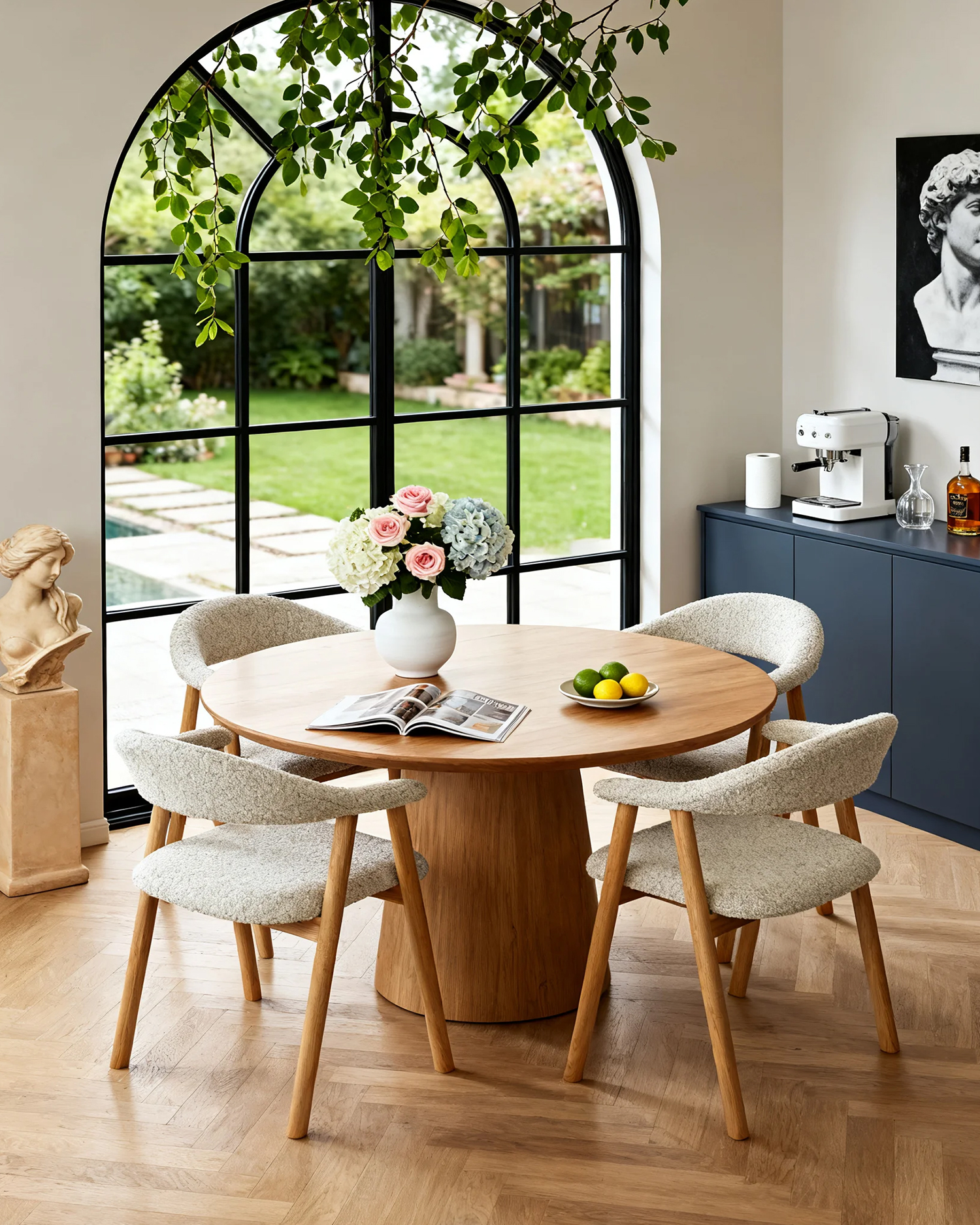 Vico CY2037 Textured Fabric Padded Wooden Side ChairA rubberwood side chair with curved backrest, arm supports, and honey-toned finish; generous fabric-wrapped cushioning suits dining rooms, living spaces, or cafes.View Product →
An armrest is a lever. Roughly 20 to 25 cm above the seat is the sweet spot: high enough to take some weight as you rise, low enough to leave room for a book or a cup. Padded tops matter more than people expect, especially in cool rooms where bare wood feels uninviting against a forearm.
The back angle is the other half of the story. A reclined 105 to 110 degrees reads as relaxed but is still easy to leave, which is why it works in private living rooms and hotel bedrooms alike.
Our minimalist armrest armchairs keep those proportions deliberately restrained, with slim padded arms that support without swallowing the shape of the room.
 CY2030B Minimalist Ashwood Armrest Chair with Padded SeatSlim padded armrests and an ashwood frame keep this versatile chair refined for dining rooms, bedrooms, offices, or living rooms while supporting everyday use.View Product →
The right padded armchair depends less on fashion than on the job it has to do.
Look for a deeper seat, a softer cushion and a back you can lean into. One good armchair beside a window often earns its space more than a second sofa.
Here the chair has to support a more upright posture: a slightly firmer seat, a taller back, and shorter arms that clear a desk edge.
Our elegant-form studio armchair was drawn around that brief, with a sculpted wooden frame, enough padding for a long afternoon of work, and lines clean enough for a living room.
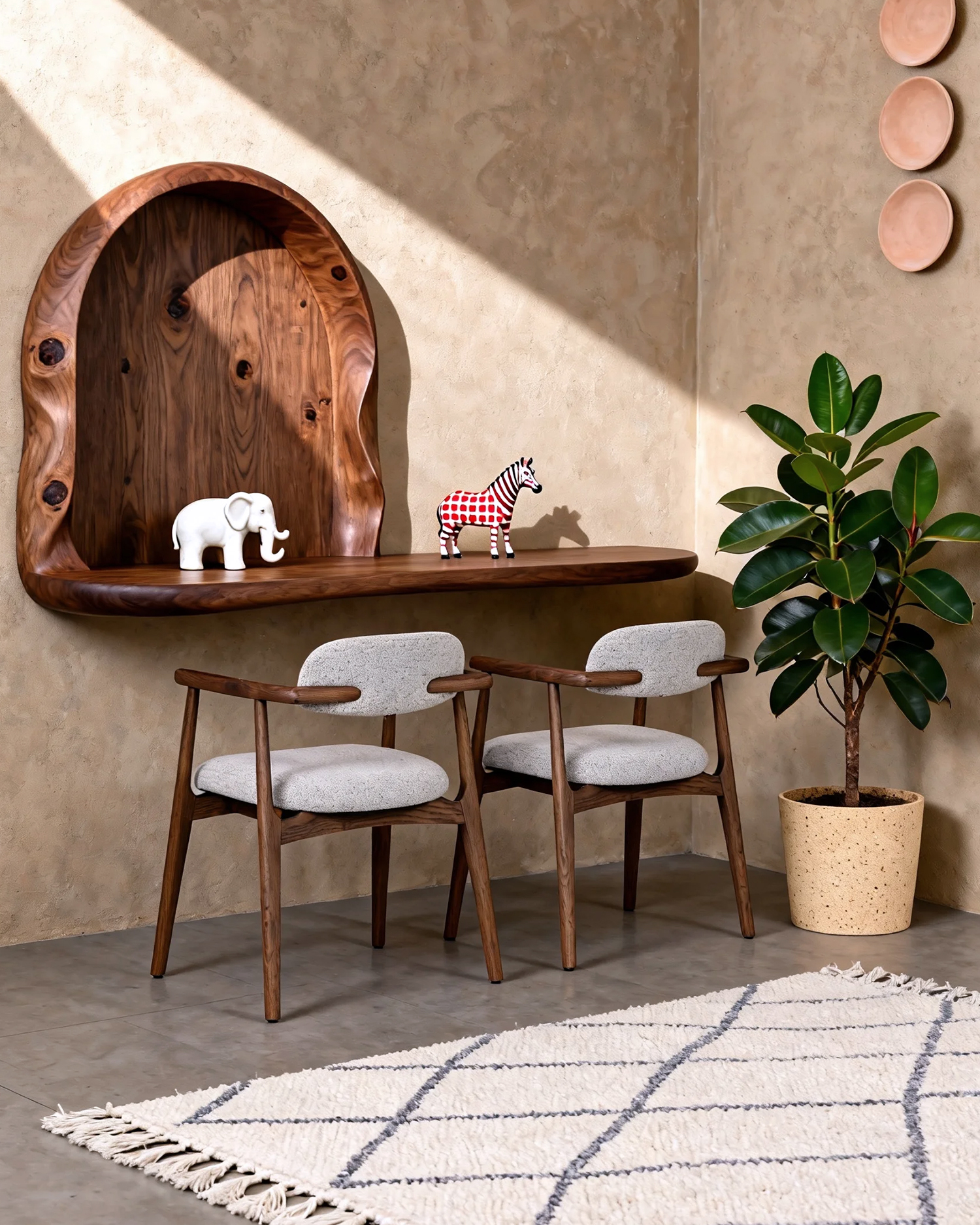 CY2066 Solid Ashwood Ergonomic Studio Armchair with Open-Loop BackA solid ashwood armchair with integrated armrests and neutral upholstery, offering ergonomic support and a refined silhouette for curated studios or contemporary living spaces.View Product →
Hotels, lounges and waiting areas punish weak construction. Frame rigidity and cleanable covers matter more than novelty here. Specify a fabric of at least 30,000 Martindale rubs, and keep the palette simple so chairs can be rotated between rooms without looking mismatched.
The table below summarises the proportions we use most often in project conversations. Treat it as a starting point, since body size, table height and room layout all shift the numbers slightly.
| Armchair type | Seat height | Seat depth | Cushion feel | Best suited to |
|---|---|---|---|---|
| Lounge or accent armchair | 40-44 cm | 50-55 cm | Soft, layered | Living rooms, bedrooms, hotel suites |
| Dining armchair | 45-47 cm | 45-48 cm | Medium firm | Dining tables, restaurants |
| Studio or desk armchair | 44-46 cm | 46-50 cm | Firm with soft top | Studies, home offices, libraries |
| Contract or lobby armchair | 42-45 cm | 50-54 cm | Firm, high resilience | Hotels, lounges, waiting areas |
Once frame and foam are settled, the cover is where an armchair becomes personal. Woven fabric is warmer to the touch, easier to repair and hides small marks better than smooth leather. Leather wins on cleaning and on the patina it develops over the years.
For homes, look for at least 25,000 Martindale rubs; for contract use, 30,000 and above. Our guide to choosing an upholstered fabric seat covers weave, filling and maintenance in more depth.
Colour is the last decision and the one most likely to date. Neutral tones and natural wood finishes age better than a matched set of strong colours.
Padded furniture rewards a small amount of routine.
None of this takes long, and it is far cheaper than replacing a chair that only needed attention.
Much of our work is with brands, designers, importers and hospitality buyers who need consistency across a project rather than a single chair.
If a project needs a variation on an existing model, that is a normal conversation for us rather than an exception. Two decades of making wooden seating has taught us that most good products come out of a customer's specific problem.
A padded armchair should be the easiest piece in the room to live with. Check the frame, respect the numbers behind the seat, and choose a cover that suits how the room is really used, and the chair will keep earning its place for years.
If you would like to compare a few models and finishes, write to [email protected] or call +86 150 6762 0900. We are happy to share what we know.
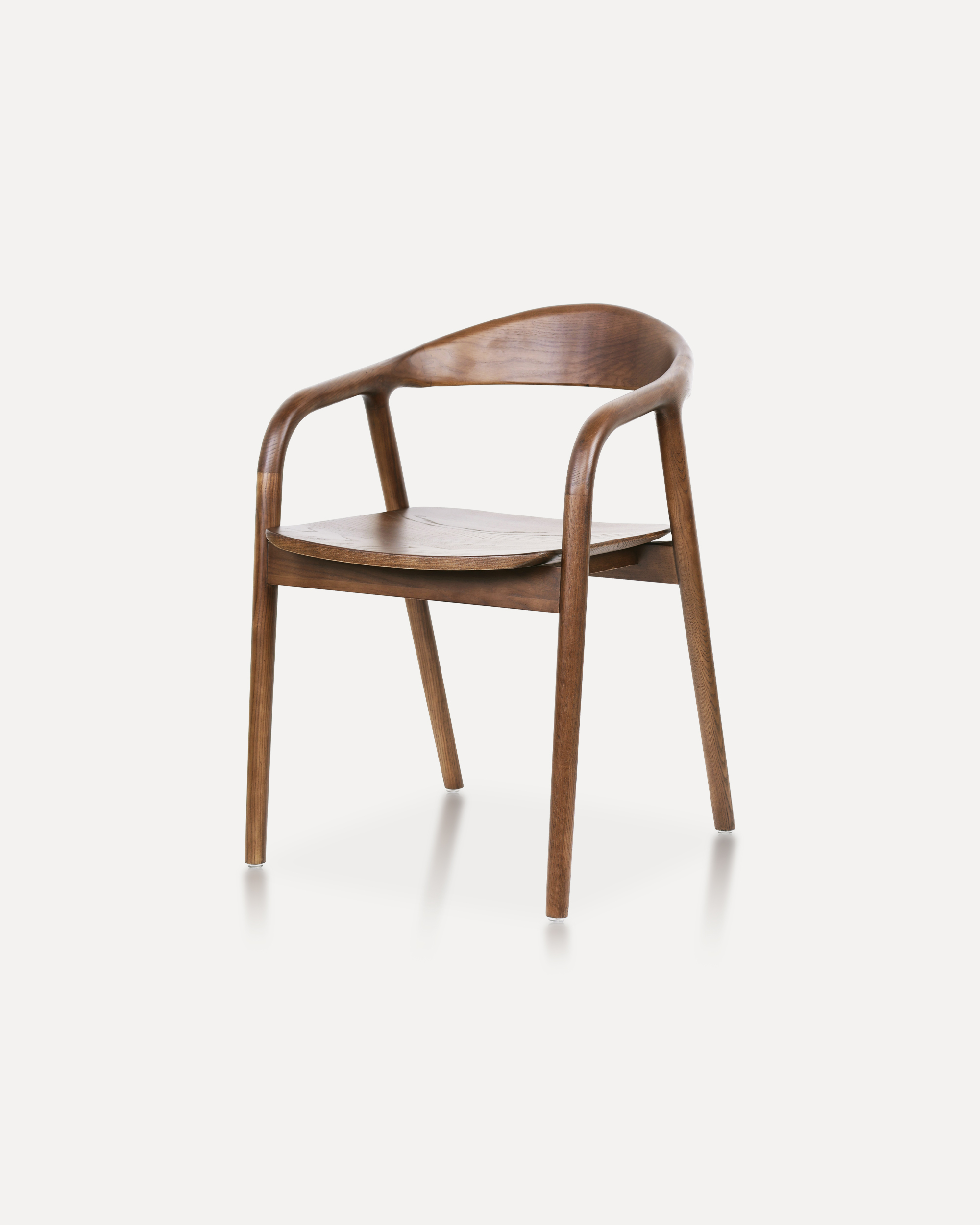
Crafted entirely from solid ash wood, this chair embodies a refined balance of ...
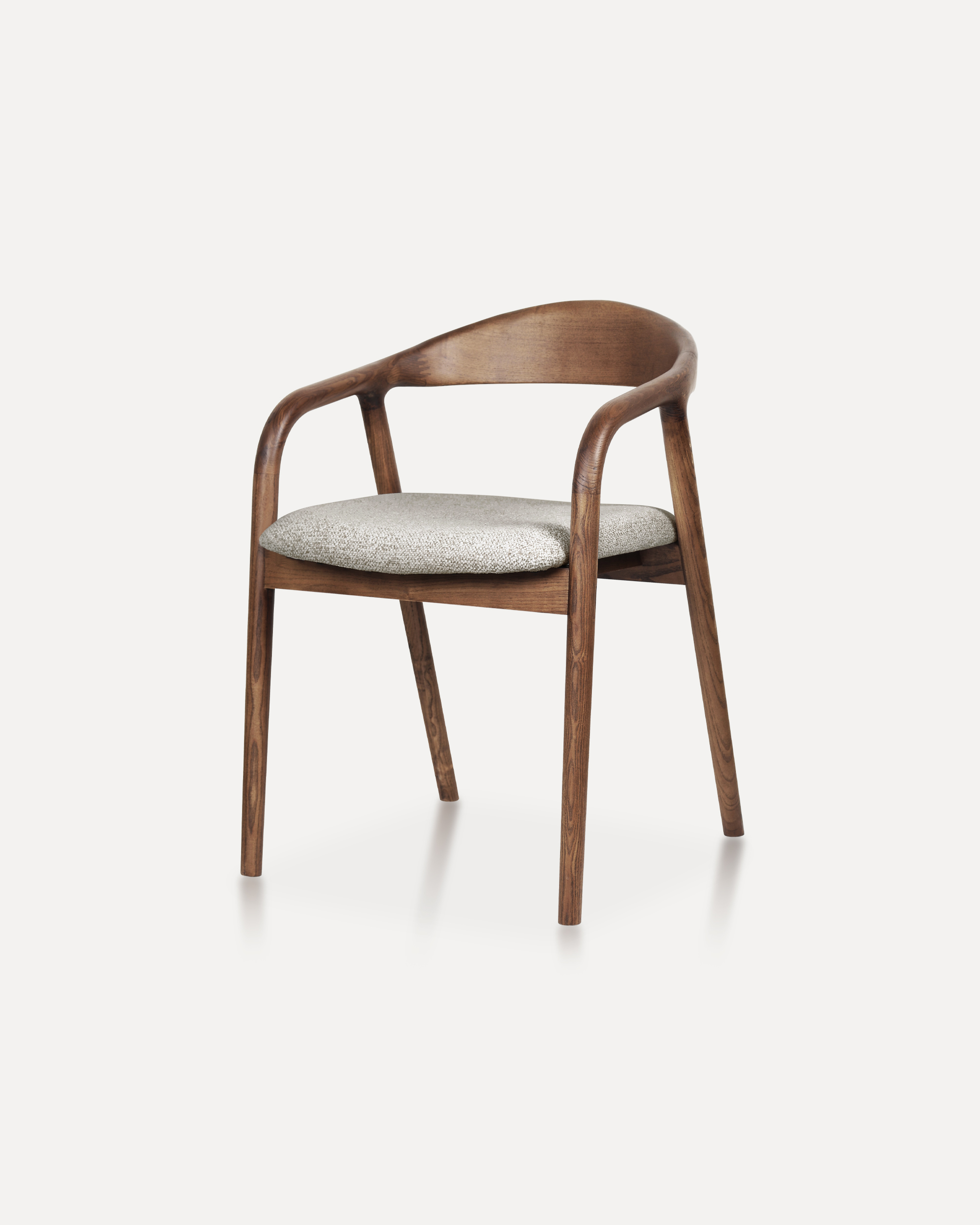
Showcases a refined silhouette with smooth, curved armrests and a gently rounde...
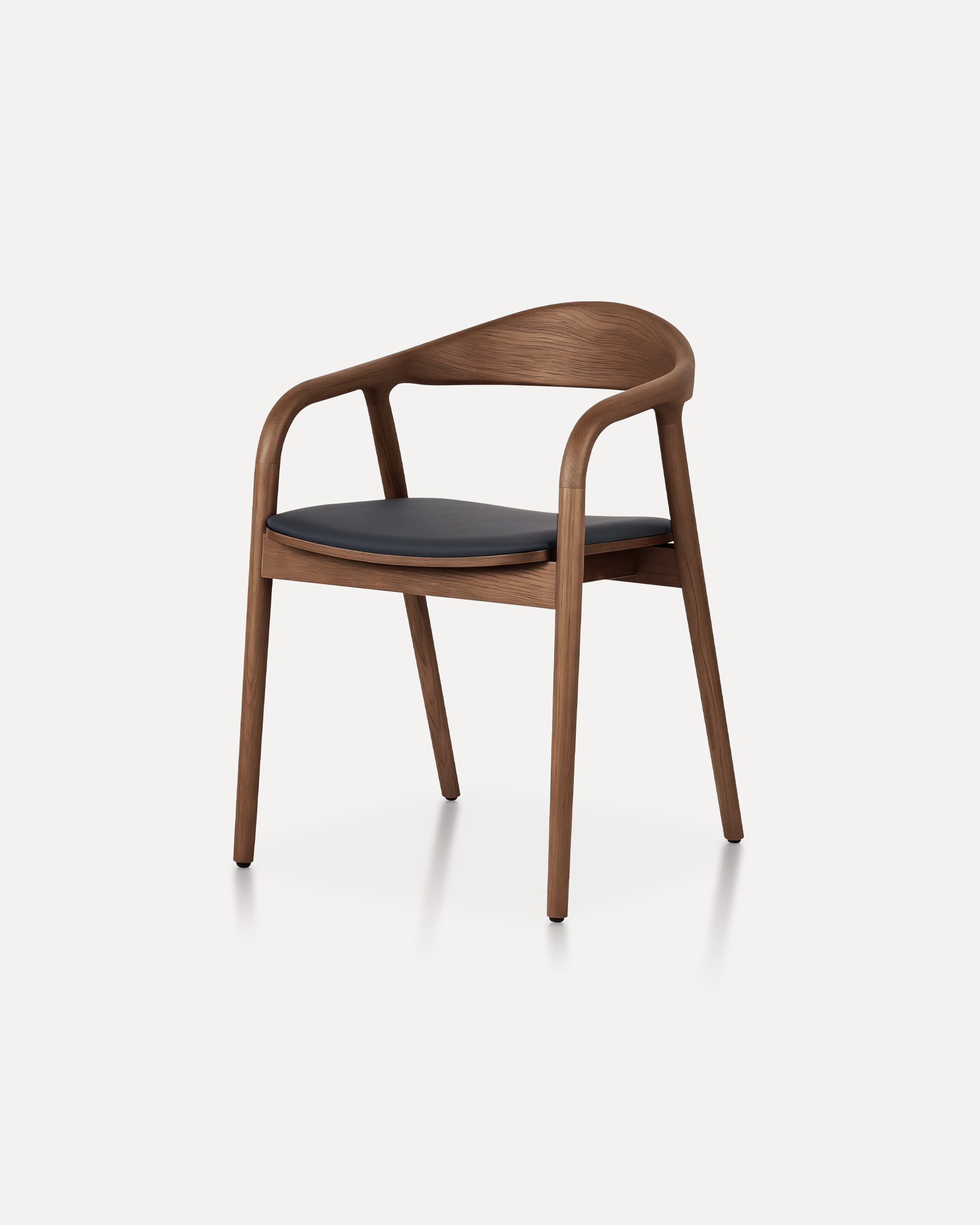
A masterclass in refined joinery and organic geometry, the Arc Chair features a...
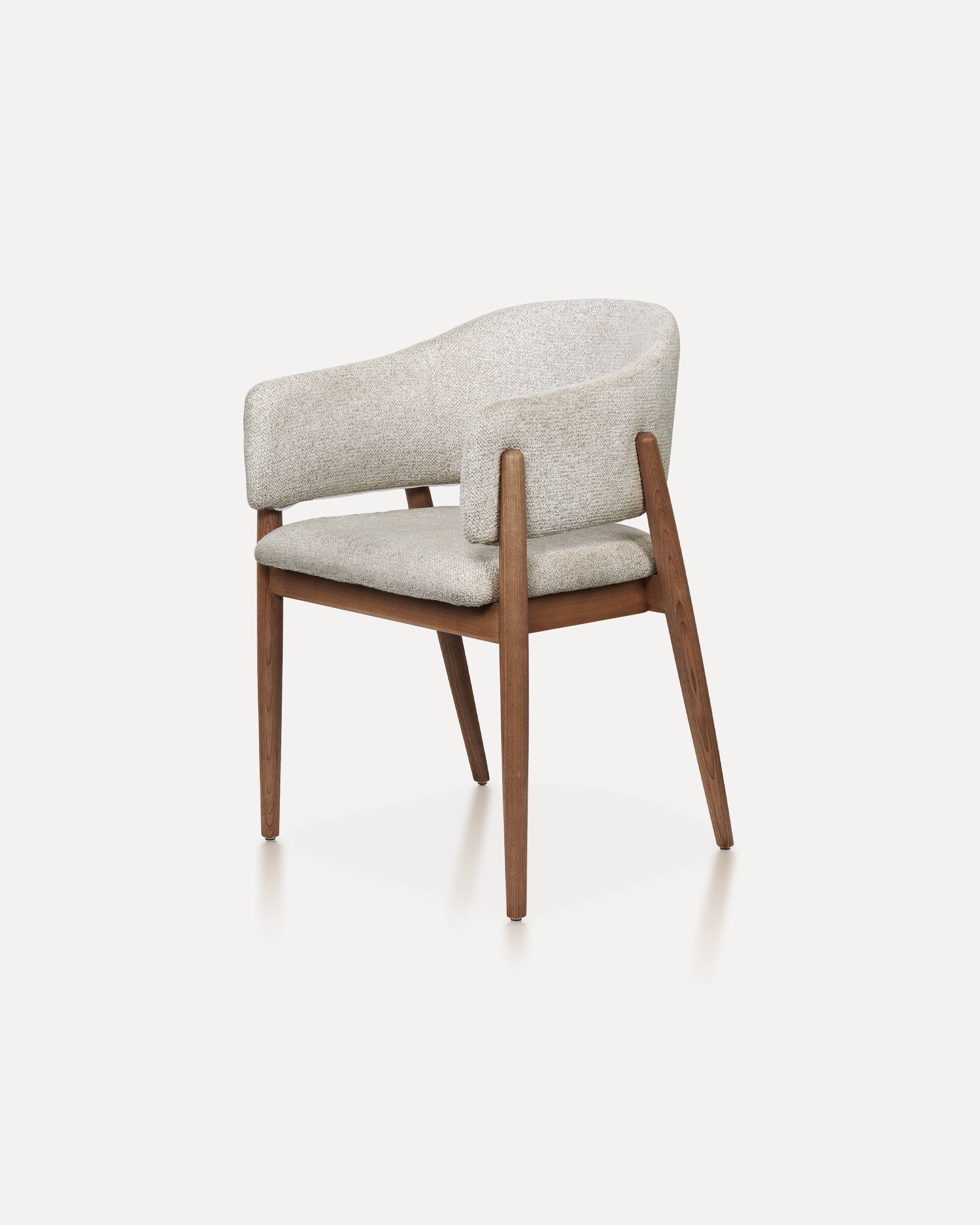
With its refined proportions and welcoming form, this chair brings quiet sophis...
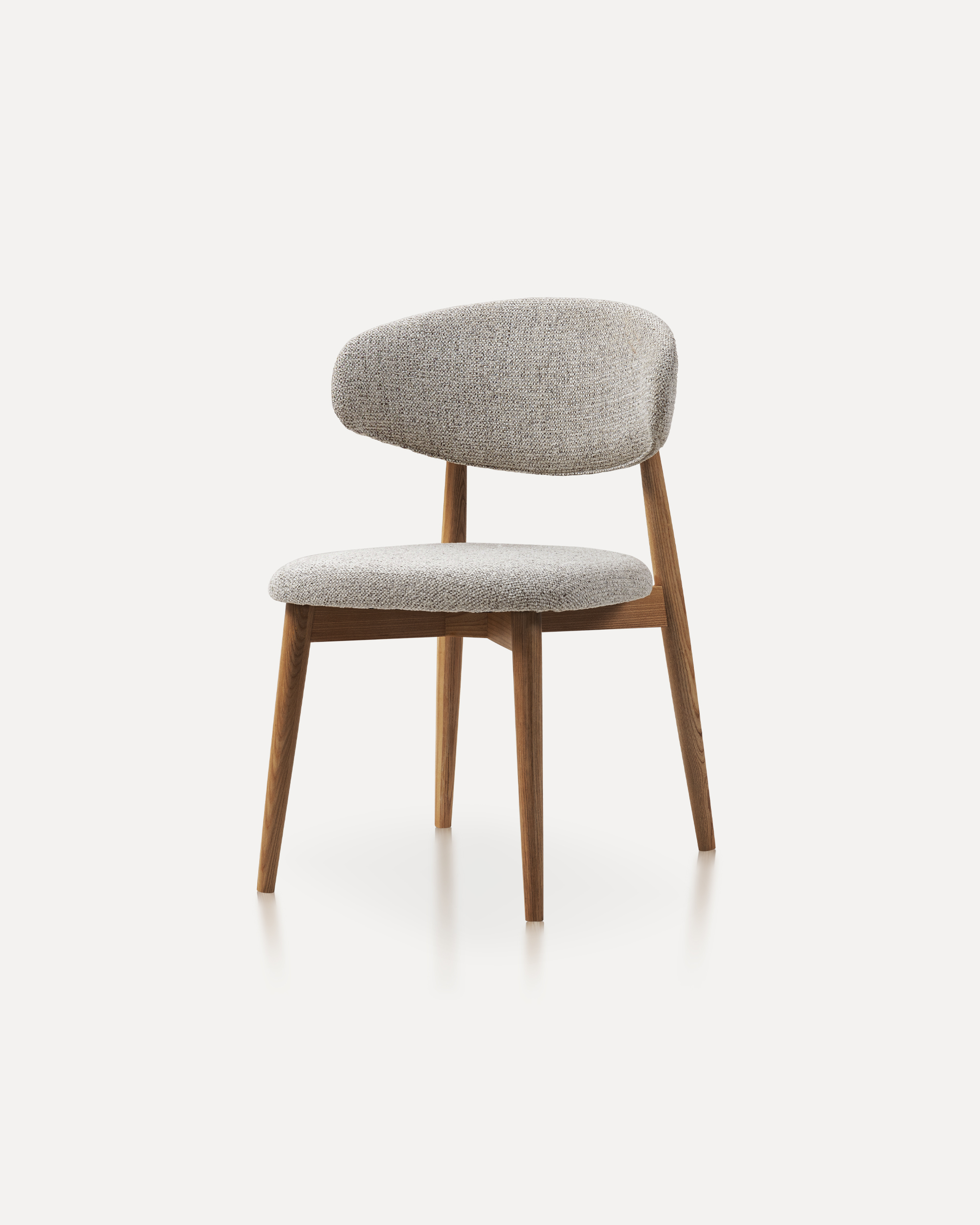
This wooden chair is a classic furniture piece that exudes warmth, durability, ...
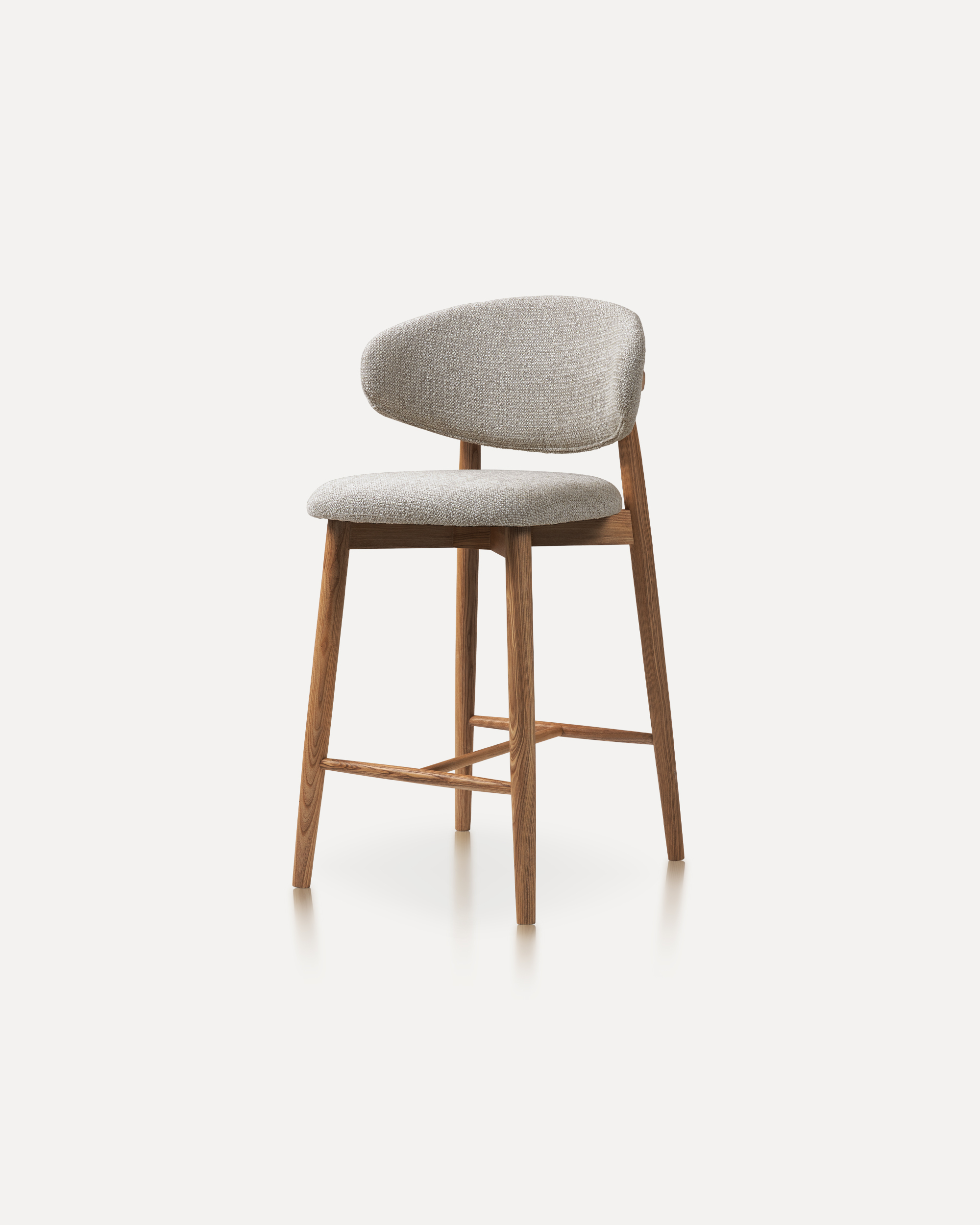
Our Wood Bar Stools are the perfect addition to any high-top table or bar setti...
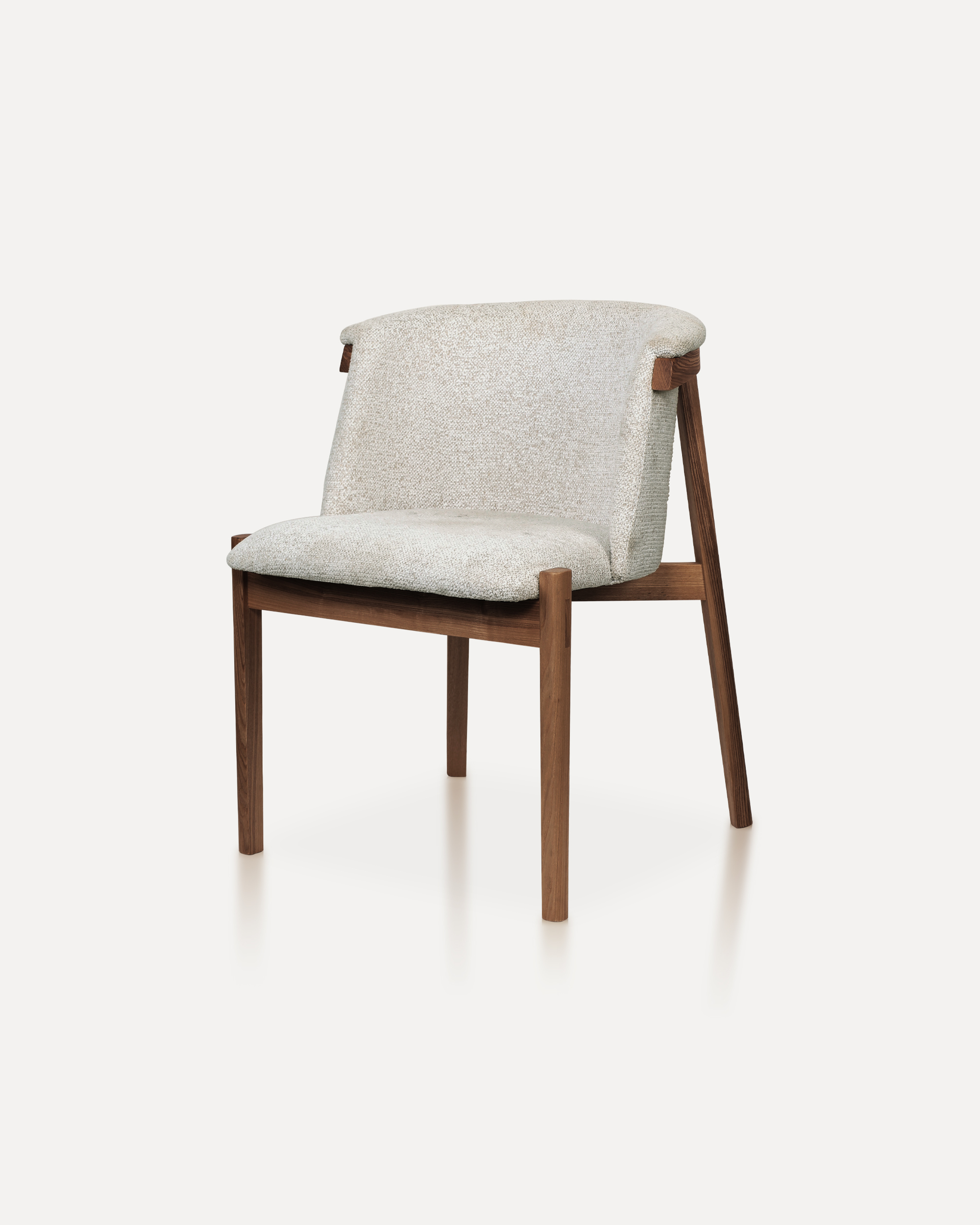
Bring natural elegance into your home with this finely crafted chair. The desig...
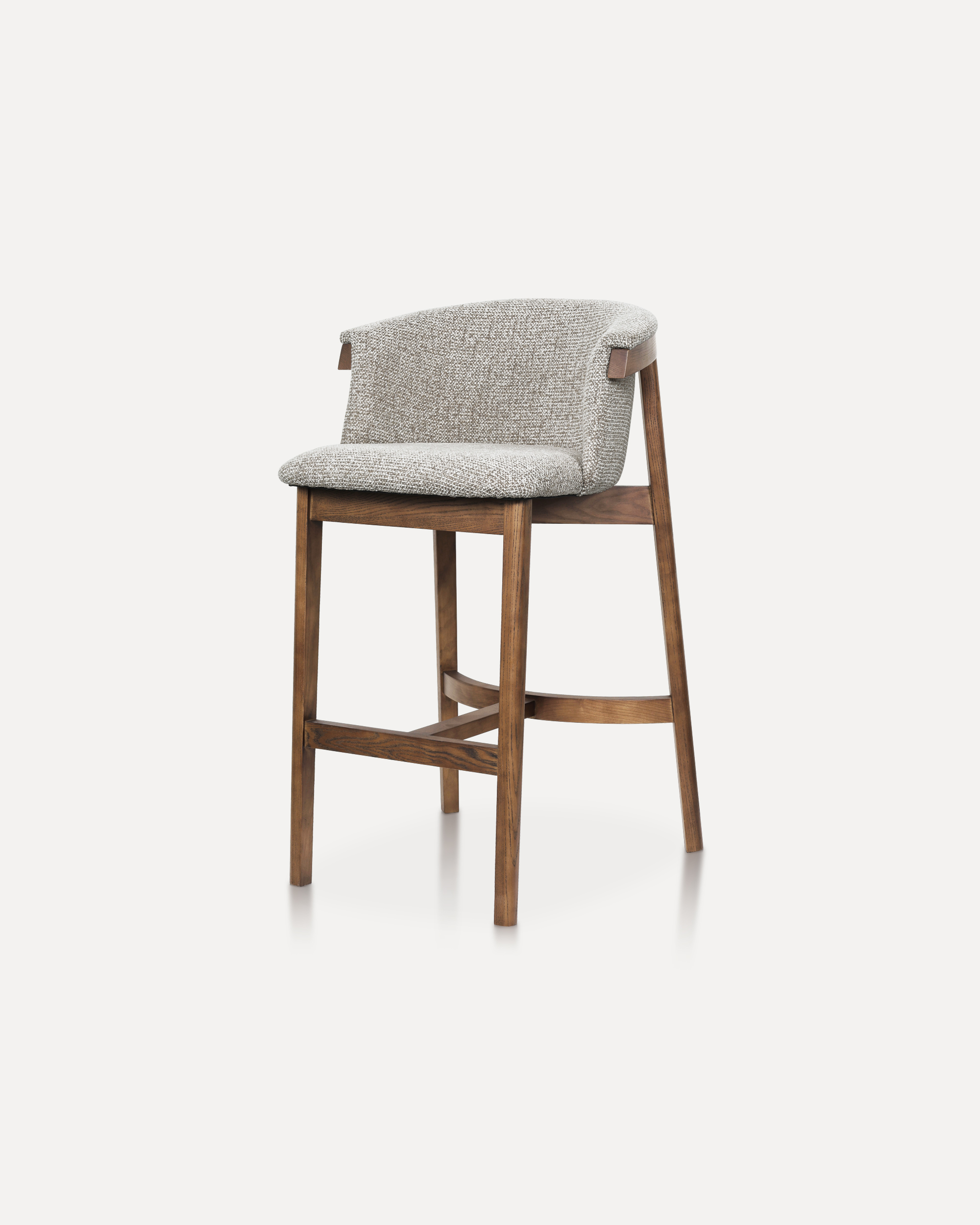
This sophisticated bar chair elevates any counter or high-top setting with its ...
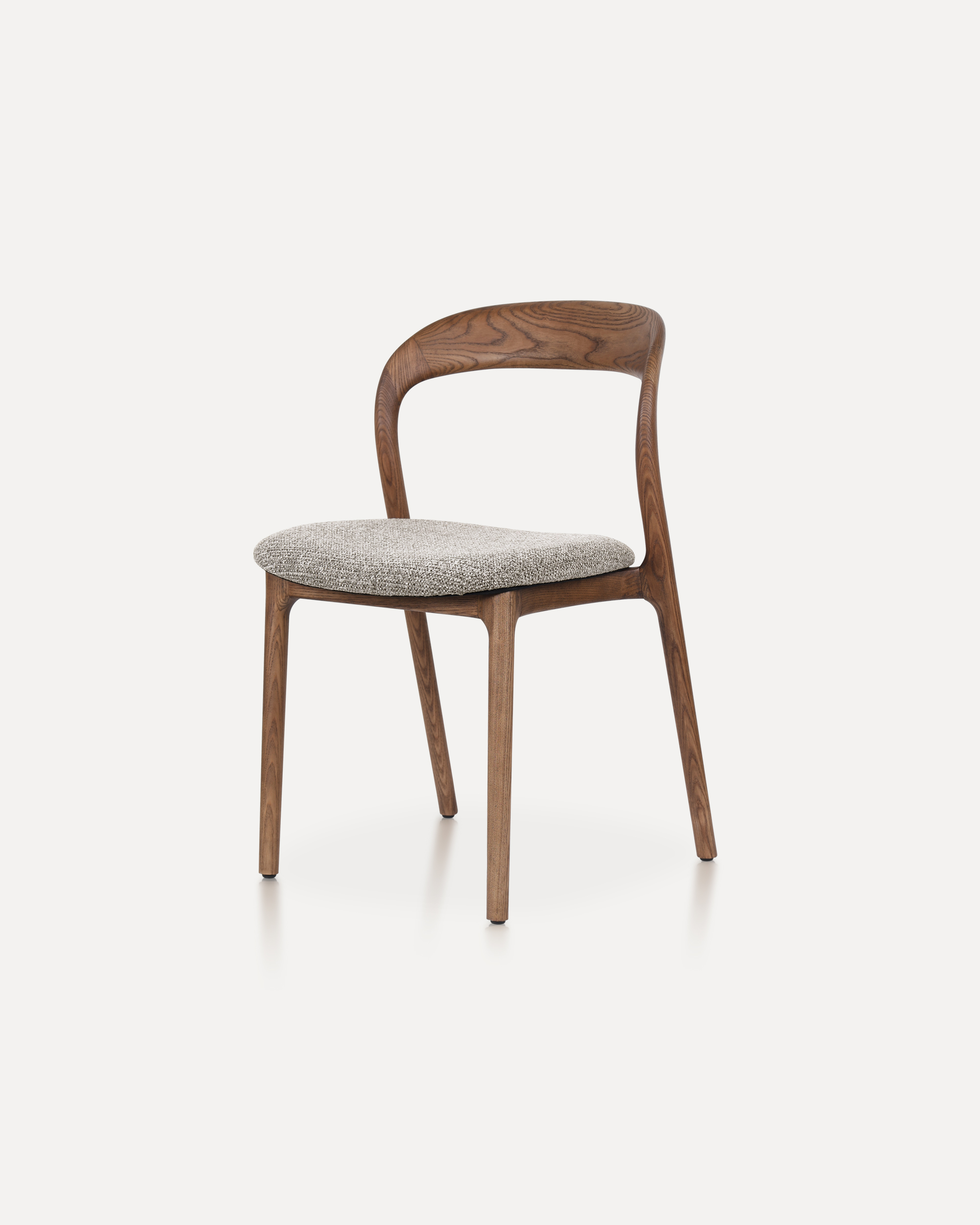
The Echo Chair is crafted from solid ashwood, featuring a unified back-and-arm ...
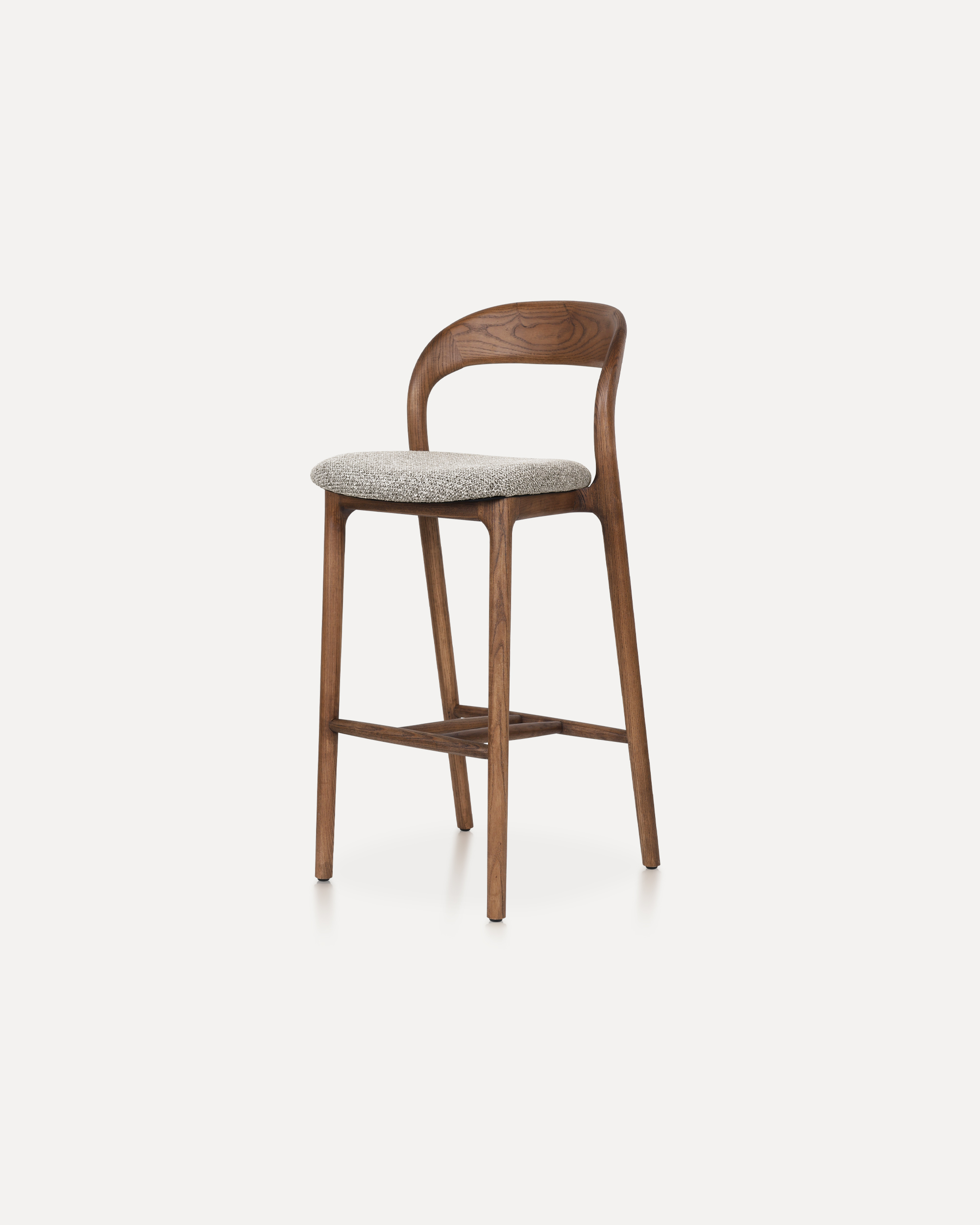
This Bar Chair is a counter-height seating solution crafted from solid ashwood ...
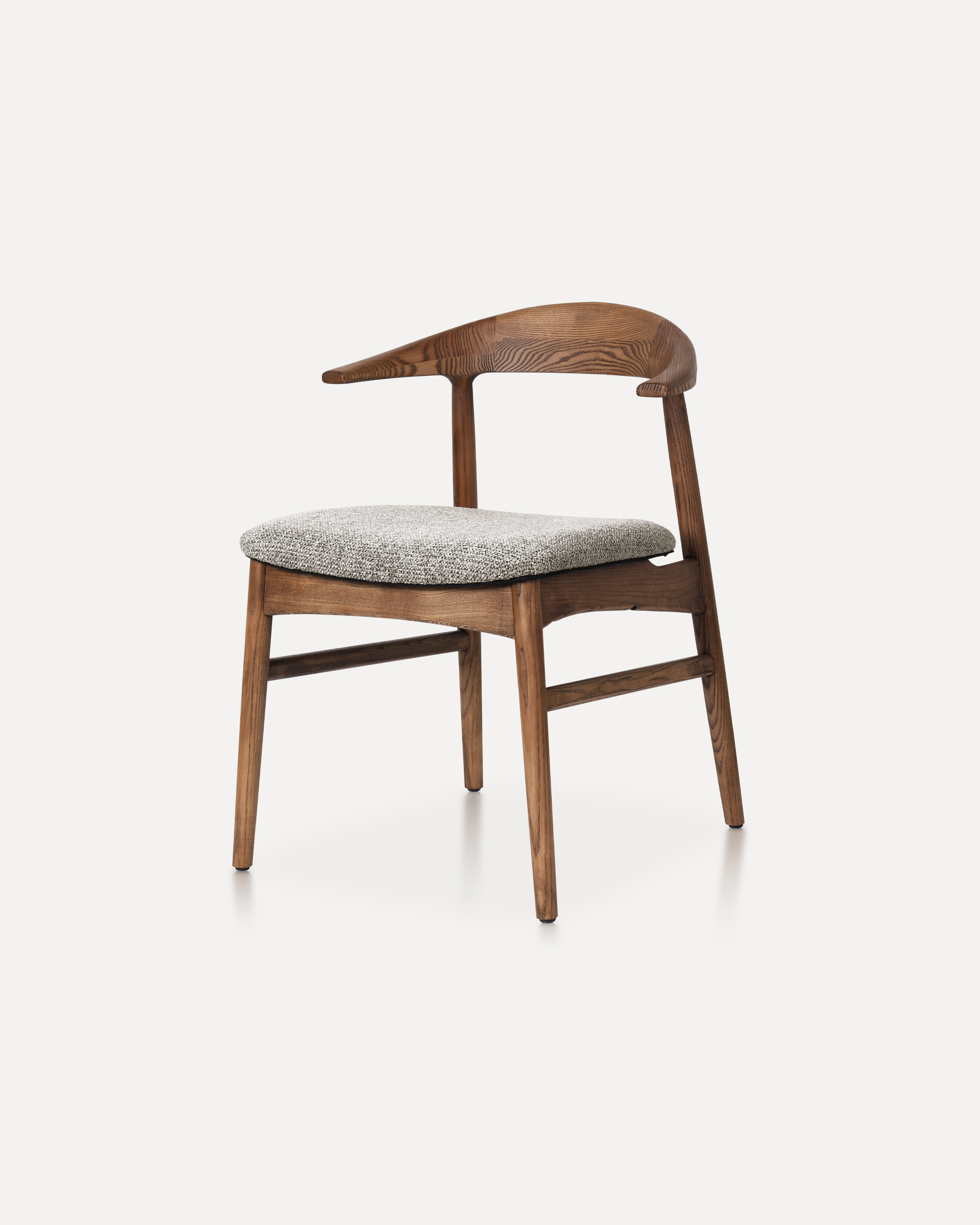
The Horizon Chair reinterprets mid-century warmth for today’s refined interiors...
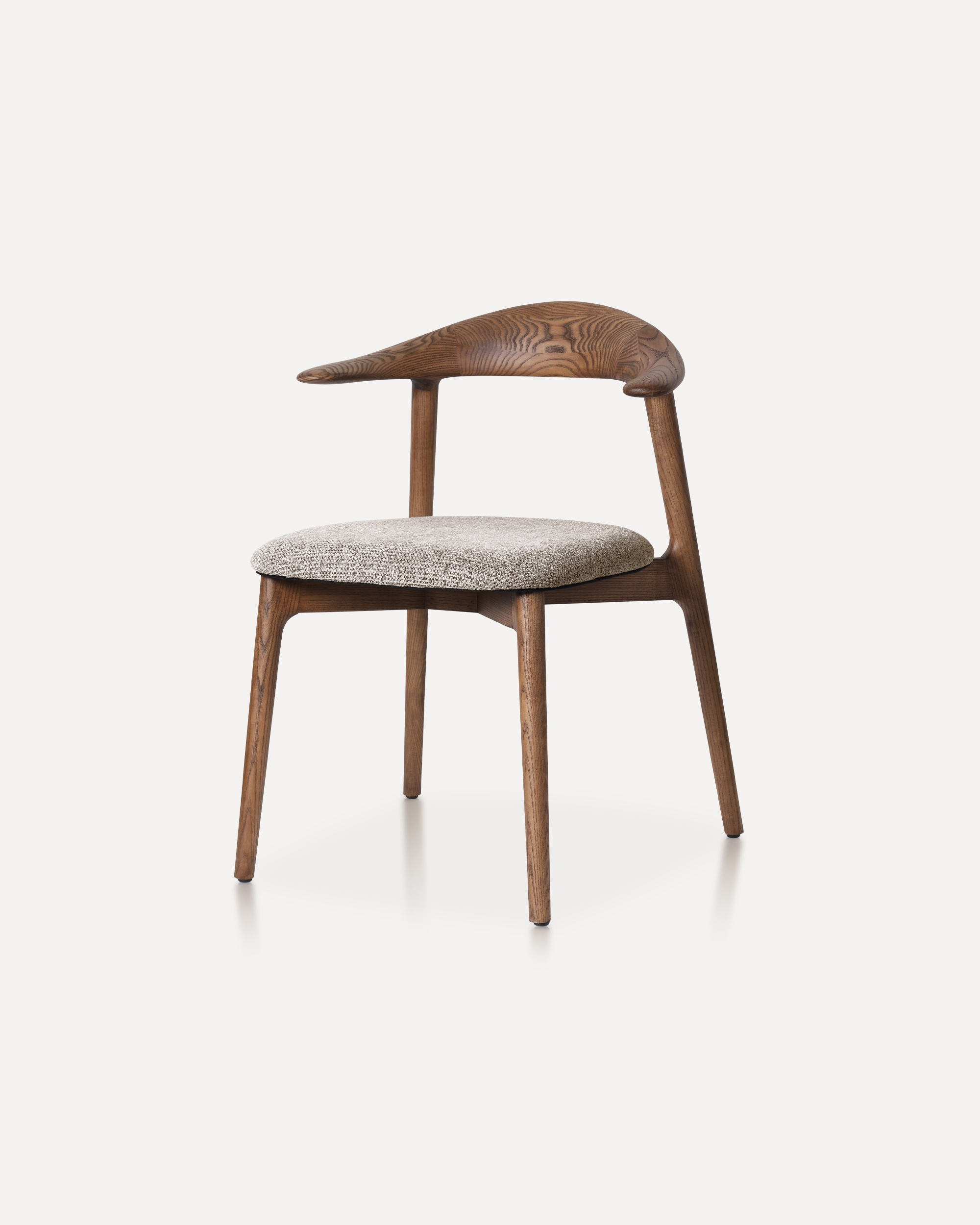
This classic features a striking, organic backrest carved from a single slab of...