
 English
 Français
 Español
Industry News
MENU

Hello, and welcome. We are VICO, a solid wood chair manufacturer based in Anji, Zhejiang, and we have been building chairs for international brands and designers since 2001. In that time, one brief has come up again and again: give us an accent chair that looks right beside a dining table and just as right in a living room corner. That is what most people are really asking for when they search for a dining living room accent chair, not two chairs, but one frame that quietly does both jobs.
Here is the reassuring part: this is not a compromise. It is a design problem with a real answer, and the answer begins with understanding what each room asks of the very same chair.
Content
An accent chair is, by definition, the chair that does not match the set. It carries the colour, the texture or the silhouette that the rest of the room borrows from. At a dining table, that role usually falls to a host chair or to a pair of chairs at either end. In a living room, it is the piece that fills the corner by the window, often turned slightly towards the sofa so conversation can open up.
In an open-plan home those two positions sit barely three metres apart, and one chair is expected to serve both. That is why the phrase has become so common in search. People are not shopping for a category; they are shopping for a chair that still looks intentional when you glance up from the kitchen island and when you look across from the sofa.
In practice, a chair carries that double duty when three conditions are met. Its back is upright enough to support a long meal. Its arms, or its armless profile, let the seat slide under a table top. And its finish is calm enough to sit beside upholstery without competing with it.
Timber has an advantage here that few other materials share. A solid wood frame with a matte finish reads warm in a living room and structured at a dining table, which is precisely the balance a dual-purpose accent chair needs. It also ages honestly. A chair that is pulled out, pushed back and sat in every day should look better after a decade of use, not worse.
Material choices decide whether that promise holds. We build mainly in European ash and rubberwood, buy FSC-certified timber with traceable origins, grade each board by hand, and bring moisture content under control before the first cut is made. Ash gives a long, clean grain that suits slim frames and sculpted backs; rubberwood brings density and stability, which matters when a project needs eight chairs rather than one.
For the living-room side of the brief, that thinking shows up in frames built for a slower kind of sitting:
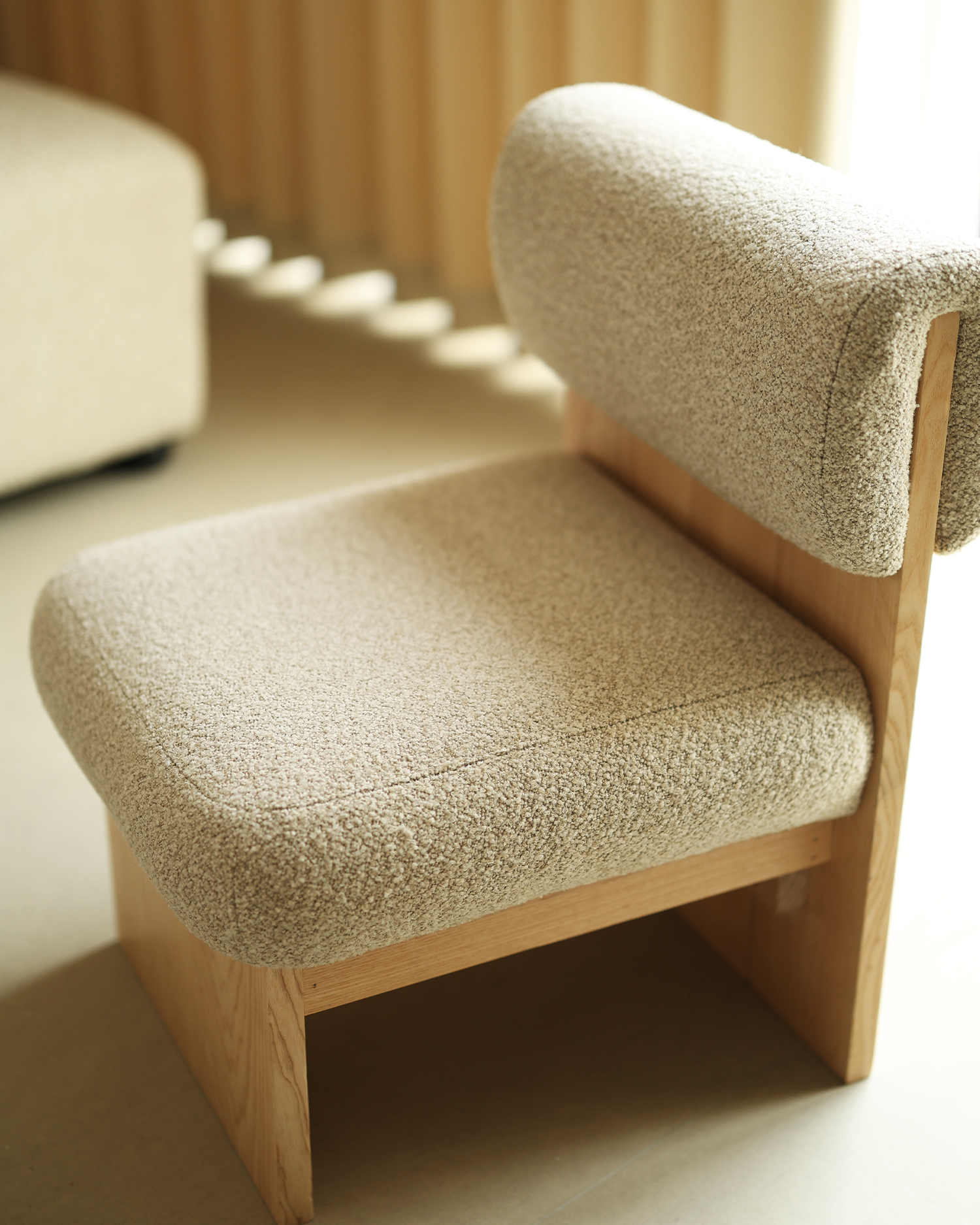 CY2032Step into a haven of relaxation with this exquisite ash wood chair.View Product →
A chair designed this way can stand alone in a reading corner all week and still be pulled up to the table when guests arrive, which is exactly the flexibility an open plan rewards.
Before colour and texture, measure. Most accent chairs that disappoint in an open plan fail on dimensions rather than on looks, and the figures below are the ones we check first with every new model.
| Consideration | At the dining table | In the living room |
|---|---|---|
| Seat height | 44 to 46 cm, elbows just above the table | 40 to 44 cm, slightly lower for lounging |
| Arm clearance | Total arm height under roughly 65 cm | Arms are welcome and frame the corner |
| Seat depth | 42 to 46 cm, supportive, no knee pressure | 48 to 55 cm, deeper cushions suit long sitting |
| Back height | Medium back, around 80 to 95 cm overall | Visual weight matters more than the number |
| Footprint | 45 to 55 cm wide, so six chairs still fit | 60 to 75 cm wide if it stands alone |
| Frame movement | Rigid, with joints that survive being dragged | Light enough to reposition with one hand |
Read the table as a conversation, not a rule book. A frame with a 46 cm seat height and a low arm can be a perfect dining chair and an awkward lounge chair if its seat is shallow and its back too vertical. The trick is to find the middle: a seat that supports a three-course dinner and still feels generous an hour later with a book.
An accent chair earns its name by carrying colour. In an open plan it becomes the punctuation between two zones, so a single saturated frame often achieves more than a whole matching set. Deep forest green beside pale oak, a walnut-toned frame against a cream sofa, or natural ash with a woven rattan back and a leather seat: each of these gives the eye somewhere to rest.
Finish is not an afterthought for us. We manage colour as a separate programme and apply matt lacquers that tolerate daily contact, because an accent chair is touched, moved and wiped far more often than a sofa. If you would like a fuller walkthrough of how proportion and sightlines shape a living room, our guide to choosing a design chair that anchors your living space goes into much more detail.
A colour-led frame such as this one shows how much a single chair can do in a room that has to work twice as hard:
 CY2077CBring the tranquility of the outdoors into your living space with this stunning accent chair, a perfect fusion of natural inspiration and modern design. Its deep, fore...View Product →
Placed at the end of a dining table, the same chair reads as a deliberate host seat; moved two metres into the living zone, it becomes the colour note the whole room answers to.
Comfort is where dual-purpose chairs are usually lost. These three checks cover most of it.
A dining chair wants a back angle of roughly 100 to 105 degrees so you stay upright through a meal. A living room chair can relax to 110 degrees or more. Somewhere near 105 degrees, with a gently curved back, gives you a chair that works at both tables.
Arms should clear the table apron when you slide the chair in, and still leave room for your elbows when you sit back. Check doorway widths and turning circles too. A beautiful armchair that cannot be carried into the room has failed before it is used.
Timber frames are stable but should still move easily. Felt or nylon glides protect flooring, and a frame light enough to lift with one hand is a genuine advantage in an open plan where chairs travel between zones every day.
Sourcing chairs for both rooms from one manufacturer keeps a project coherent. Our range is organised so a dining chair, a bar chair and a leisure chair can share the same timber, the same finish and the same design language, which means you can seat a dining area, a kitchen counter and a lounge corner without the palette drifting.
For buyers, practicalities count as much as design. Several models are disassemblable, stackable or packed in small cartons, which reduces container volume and storage cost. Model manuals are available through our download library, colour options are managed as a separate programme, and documents are updated as the line develops. If you would like to know more about how we work, you can read our story and our production approach.
Many of the teams we supply use the same simple formula: a matched pair or set for the table, and one accent chair to break the symmetry.
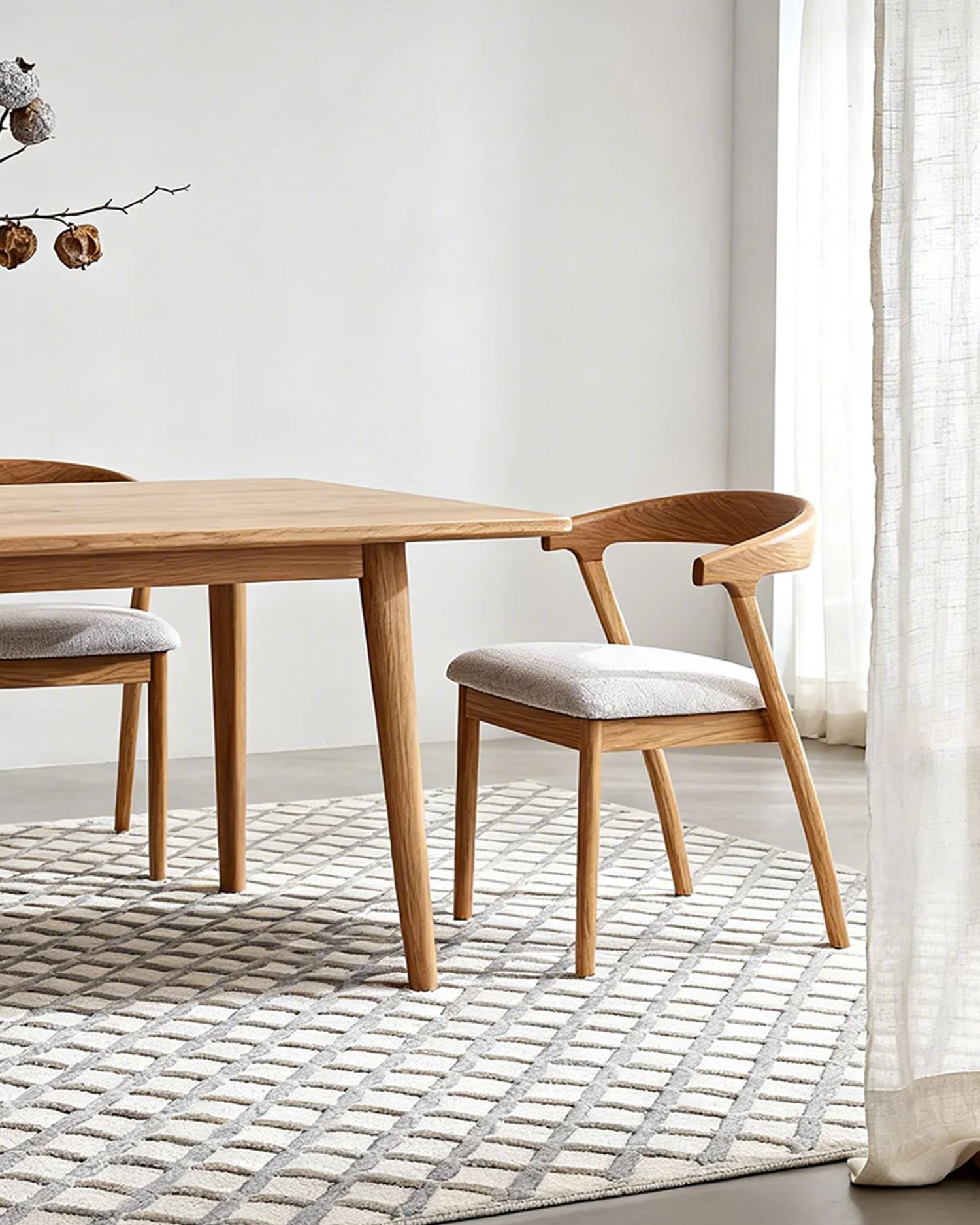 CY2047This dining chair blends soft curves and slender lines, resulting in a piece that feels both modern and timeless. Crafted entirely from ash wood, it showcases the mate...View Product →
That combination keeps the dining side disciplined and gives the living side its personality, which is usually the outcome clients are quietly hoping for.
A chair that serves both a dining room and a living room is not a trick and it is not a compromise. It is a chair that was measured carefully, finished patiently and built from timber that can take twenty years of daily use.
So start with the numbers, then let colour do the talking. And if you are sourcing for a brand, a hotel group or a retail programme, we are always glad to talk through timber, finish and packing. That is the part of the job we have been doing since 2001.
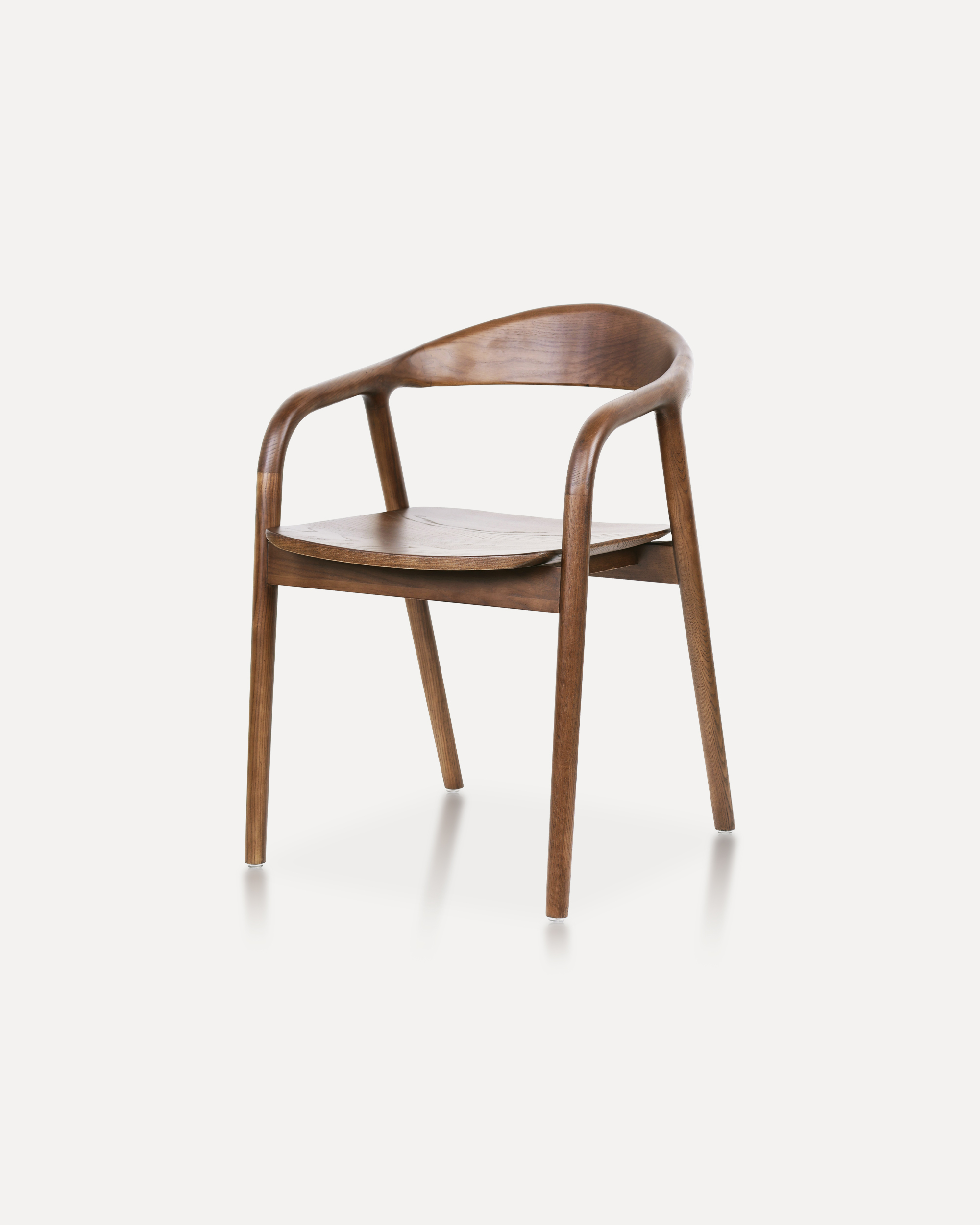
Crafted entirely from solid ash wood, this chair embodies a refined balance of ...
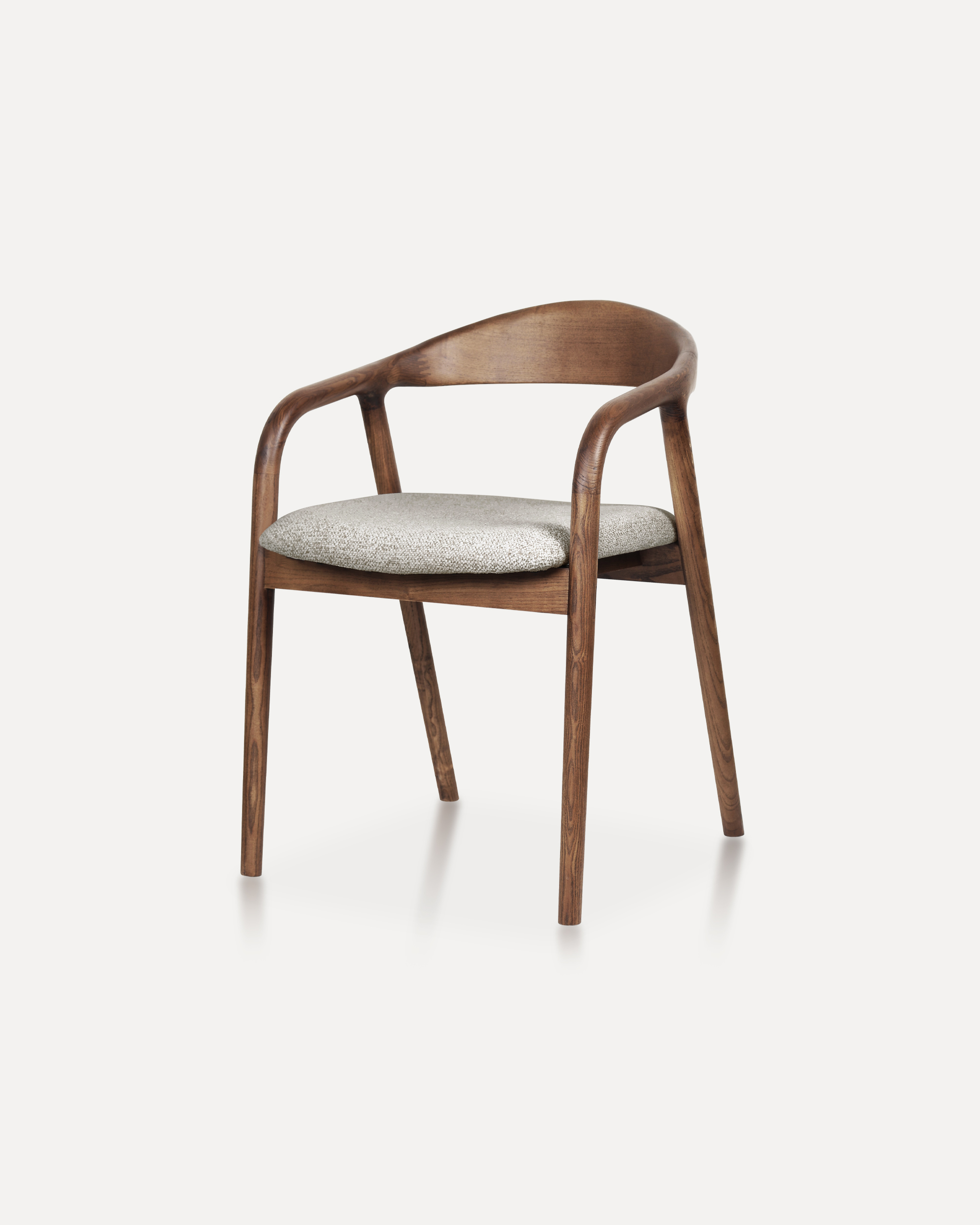
Showcases a refined silhouette with smooth, curved armrests and a gently rounde...
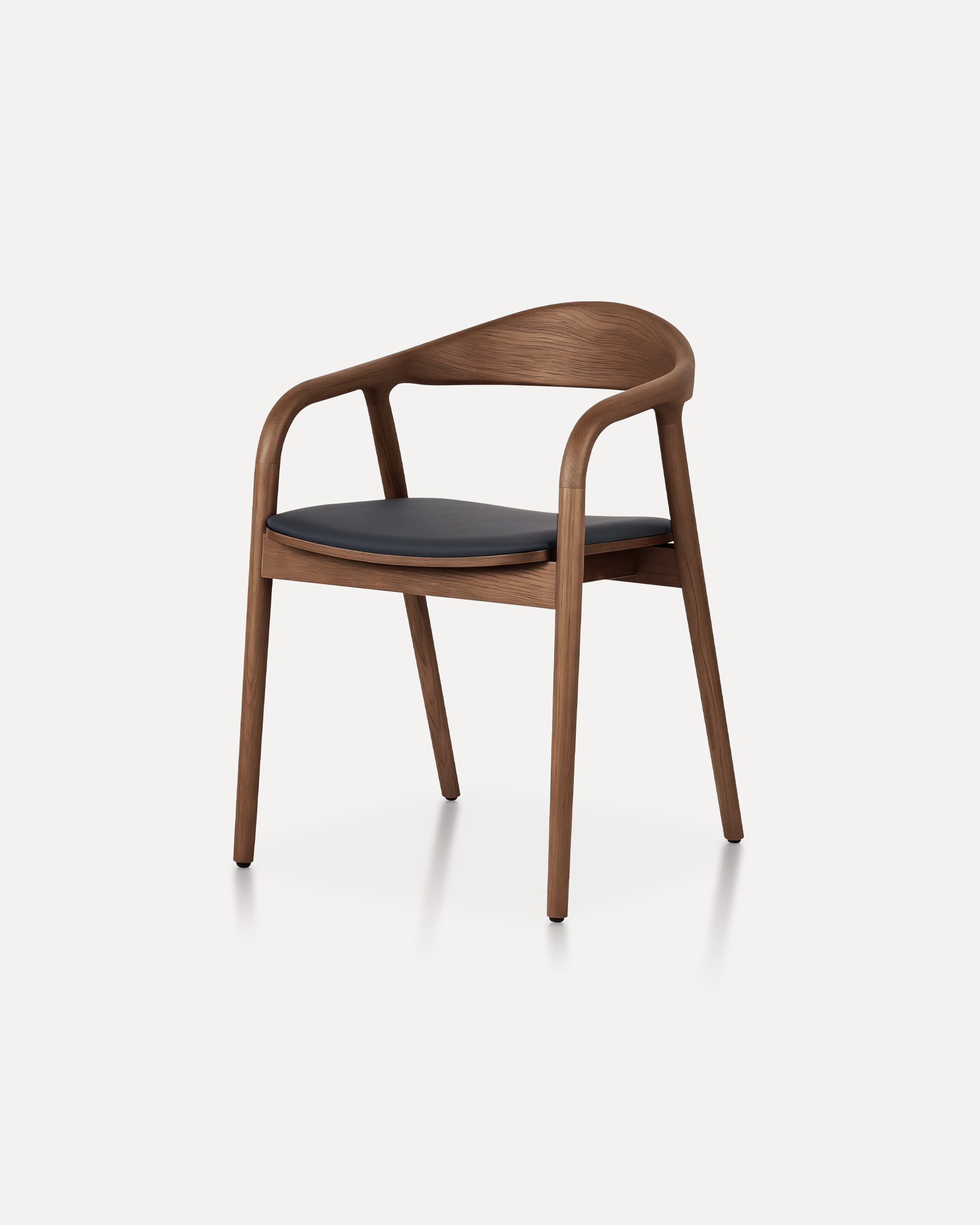
A masterclass in refined joinery and organic geometry, the Arc Chair features a...
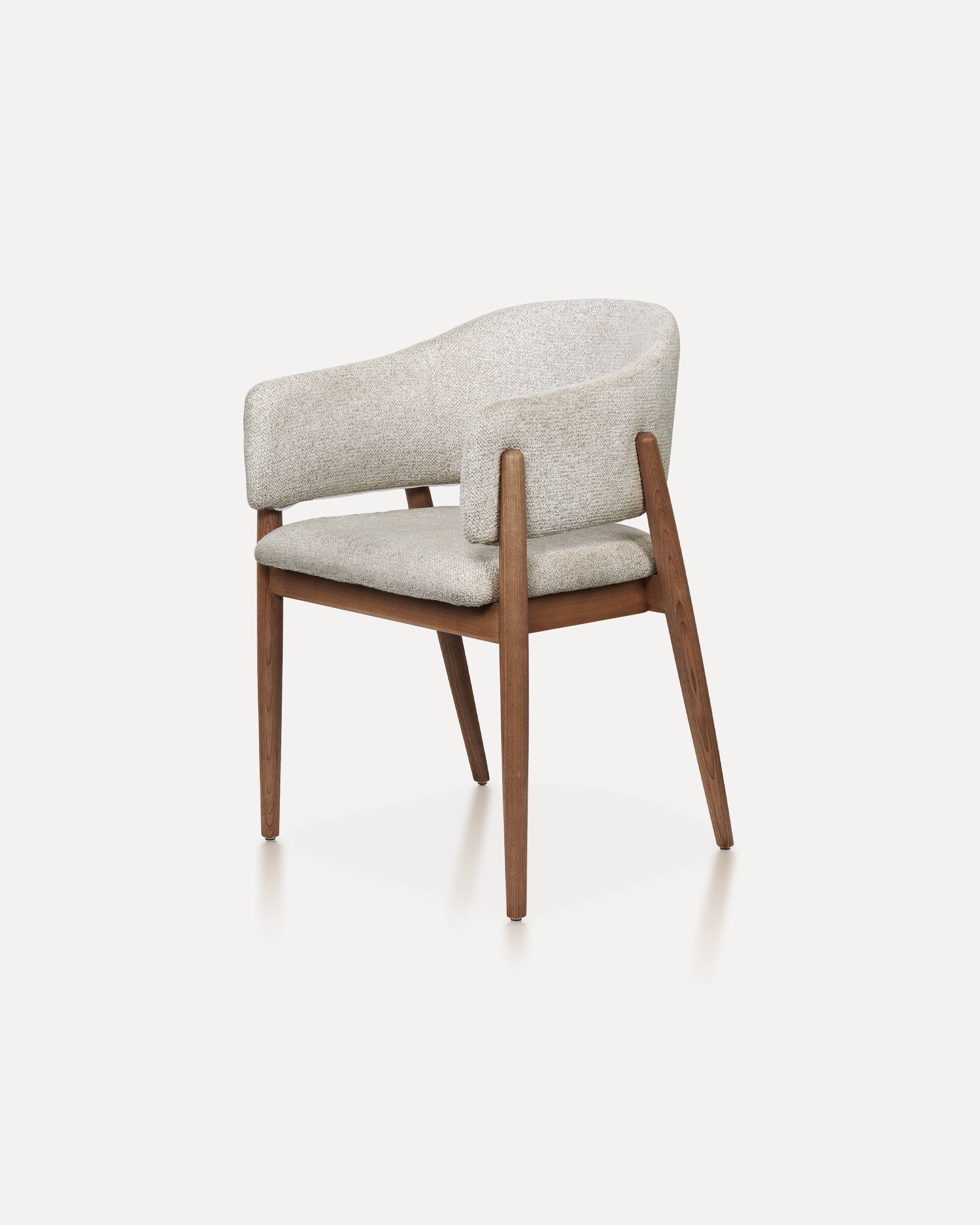
With its refined proportions and welcoming form, this chair brings quiet sophis...
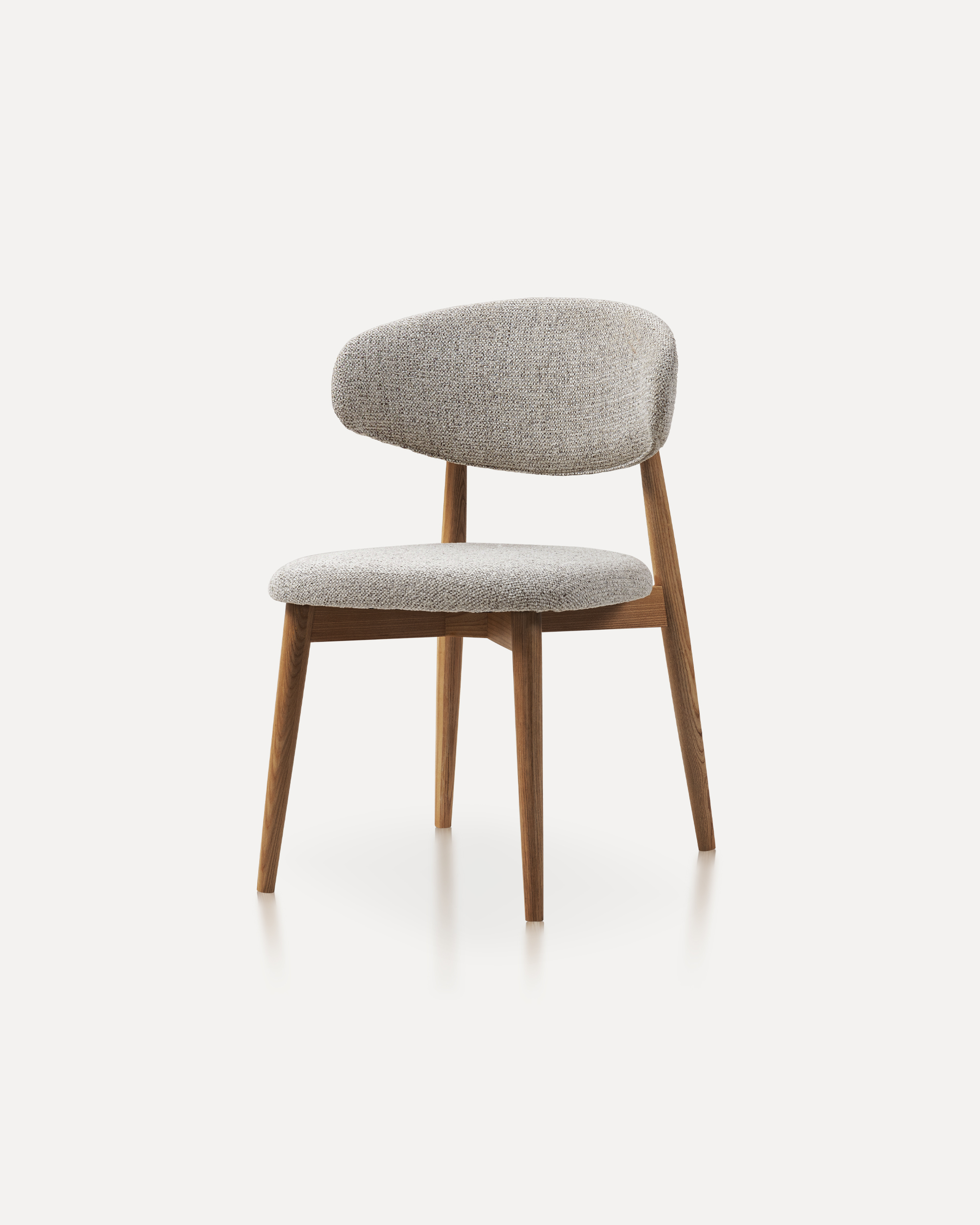
This wooden chair is a classic furniture piece that exudes warmth, durability, ...
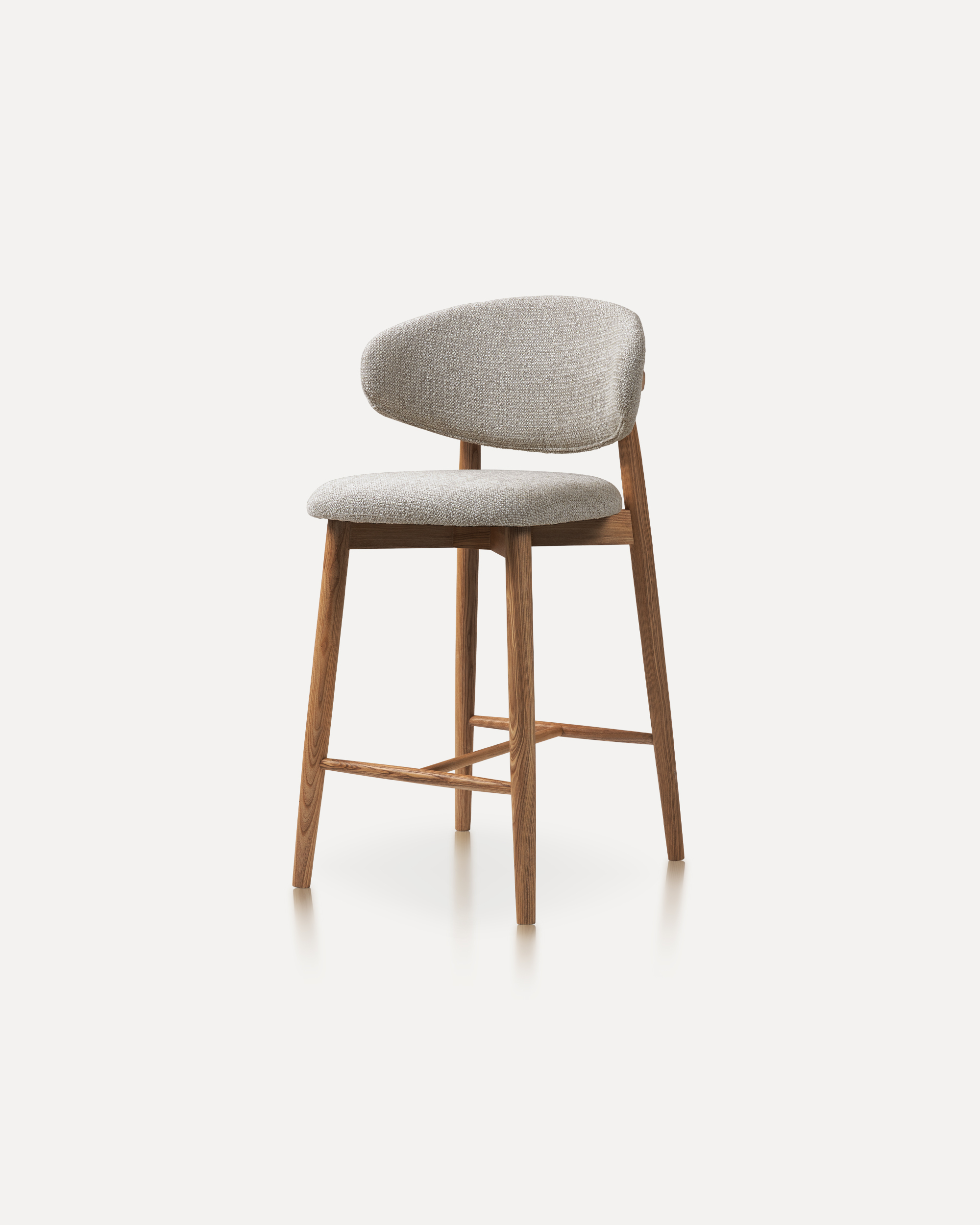
Our Wood Bar Stools are the perfect addition to any high-top table or bar setti...
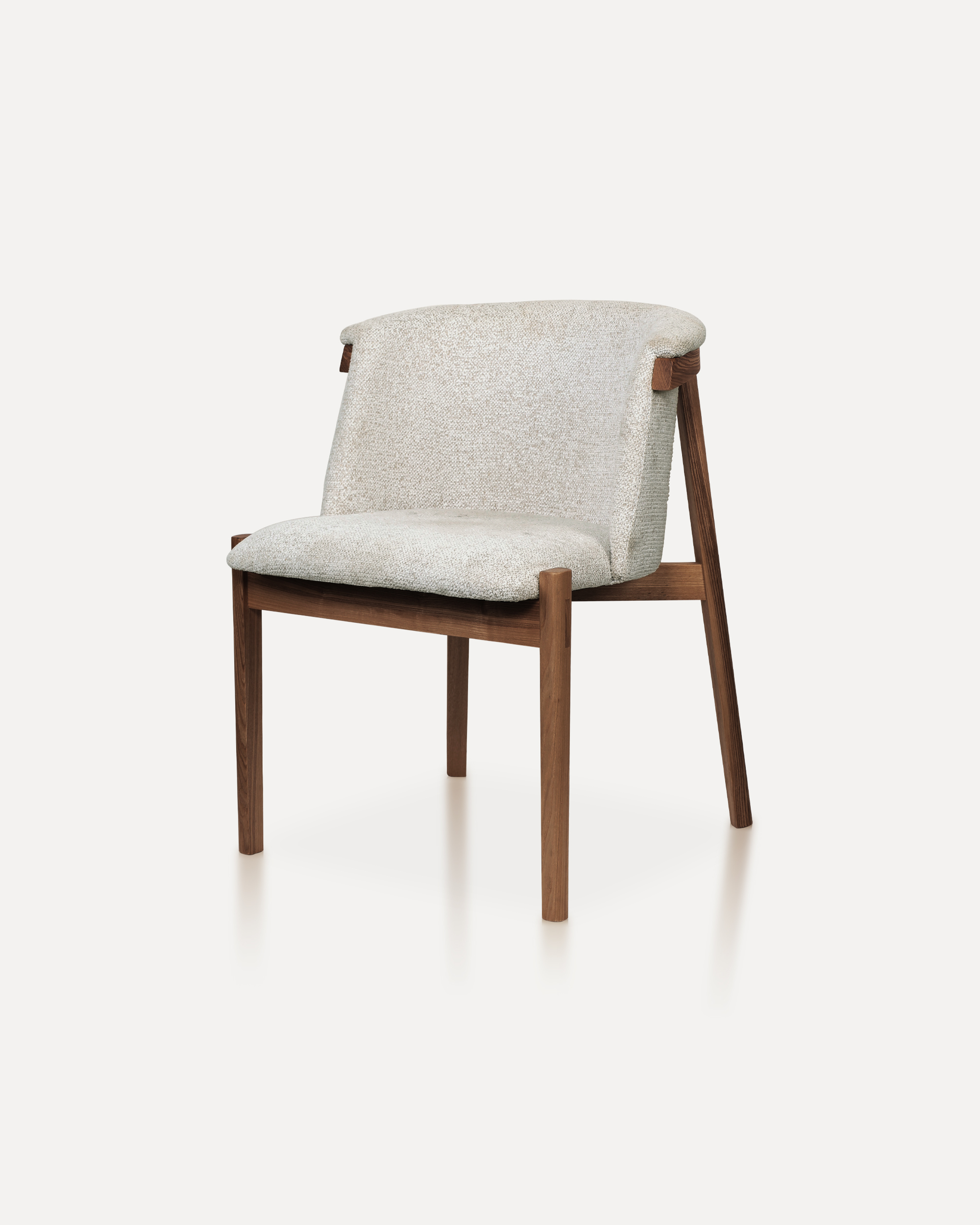
Bring natural elegance into your home with this finely crafted chair. The desig...
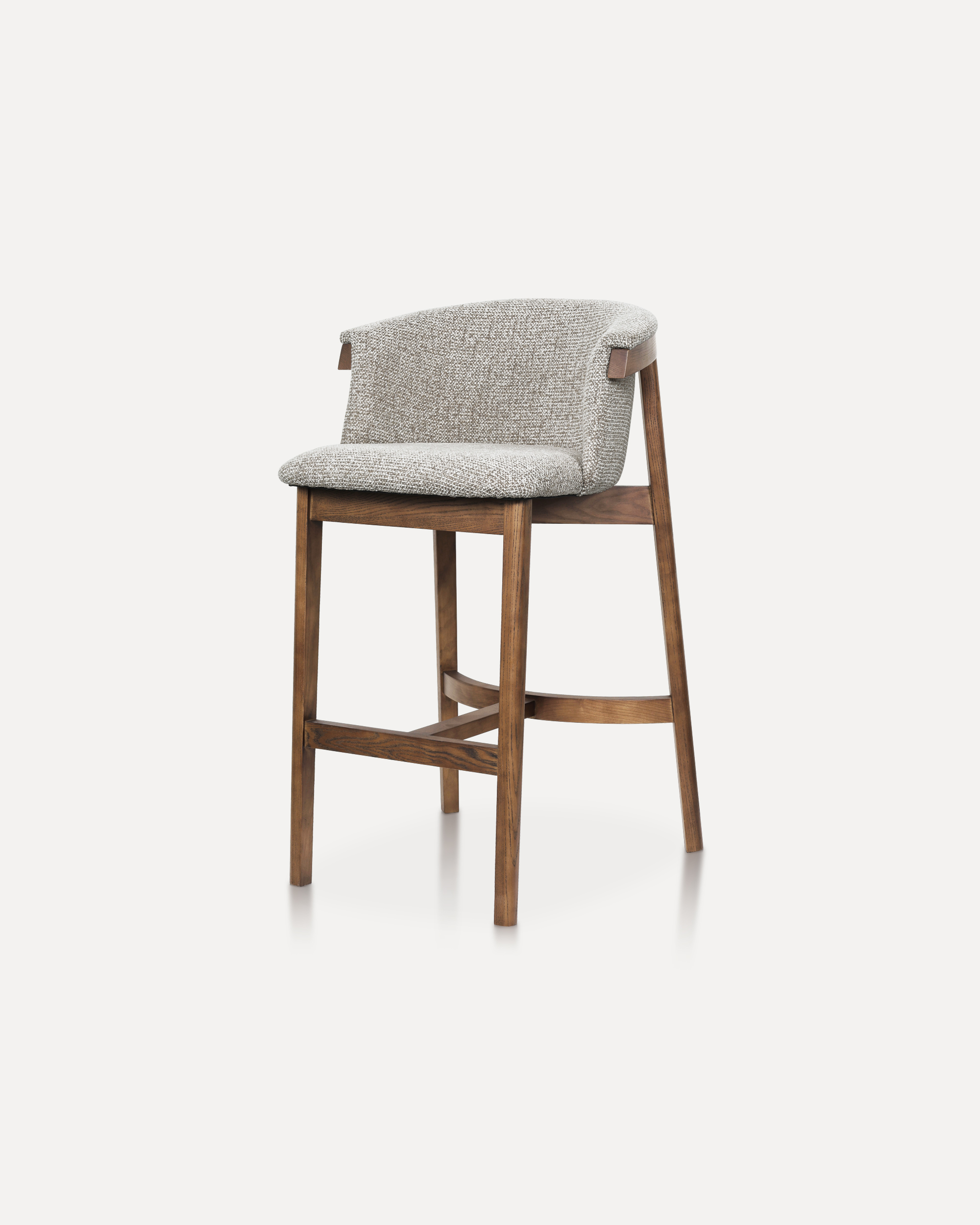
This sophisticated bar chair elevates any counter or high-top setting with its ...
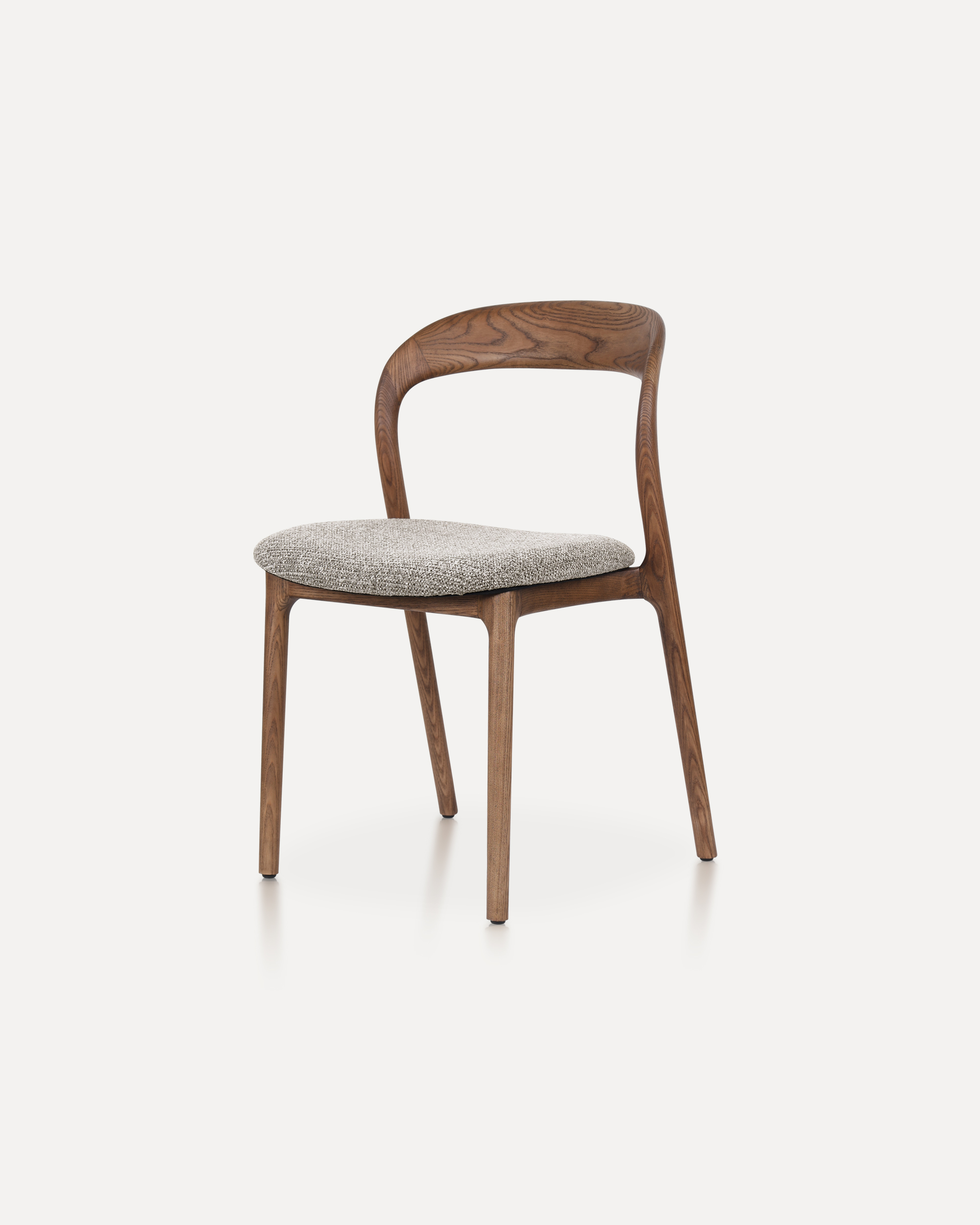
The Echo Chair is crafted from solid ashwood, featuring a unified back-and-arm ...
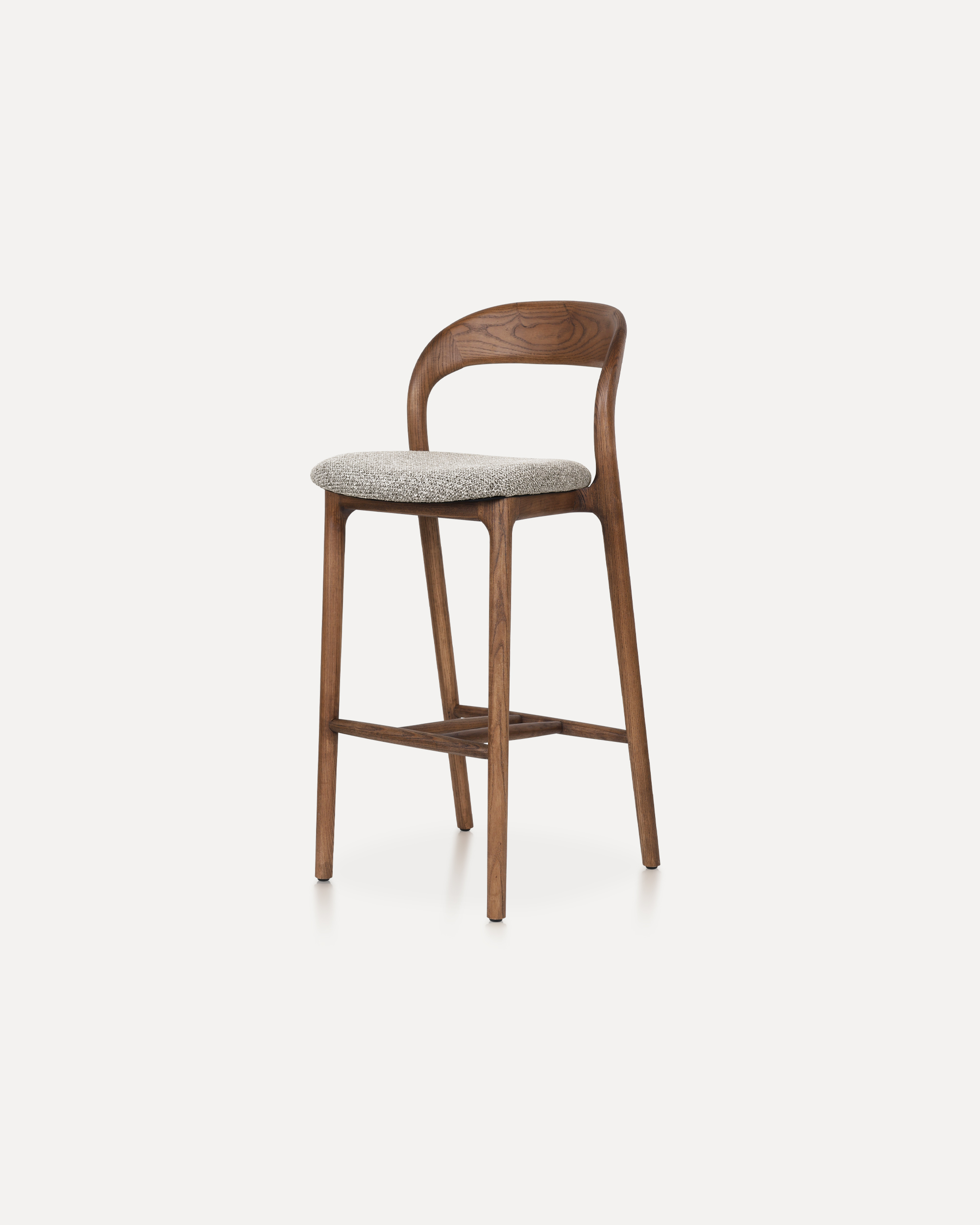
This Bar Chair is a counter-height seating solution crafted from solid ashwood ...
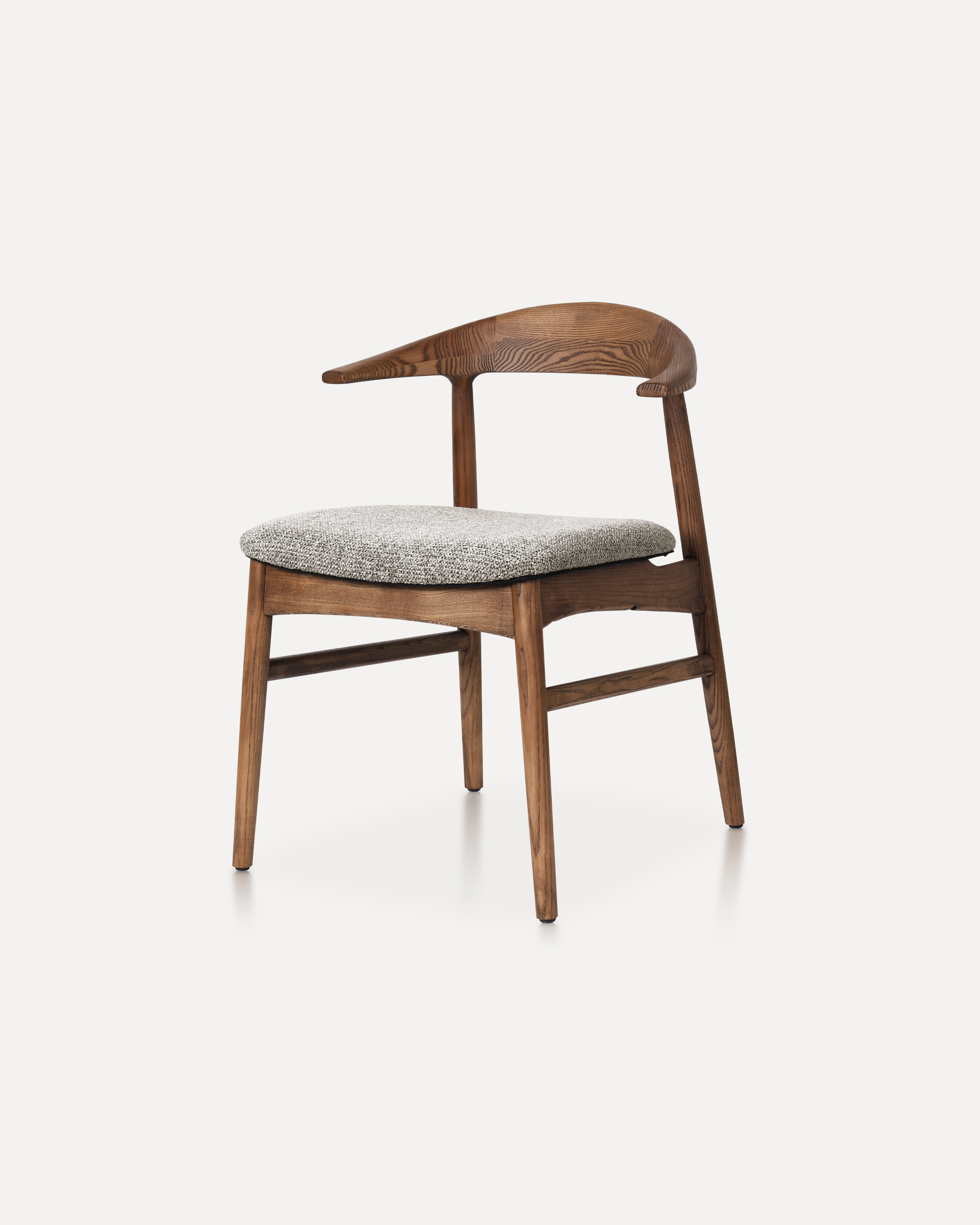
The Horizon Chair reinterprets mid-century warmth for today’s refined interiors...
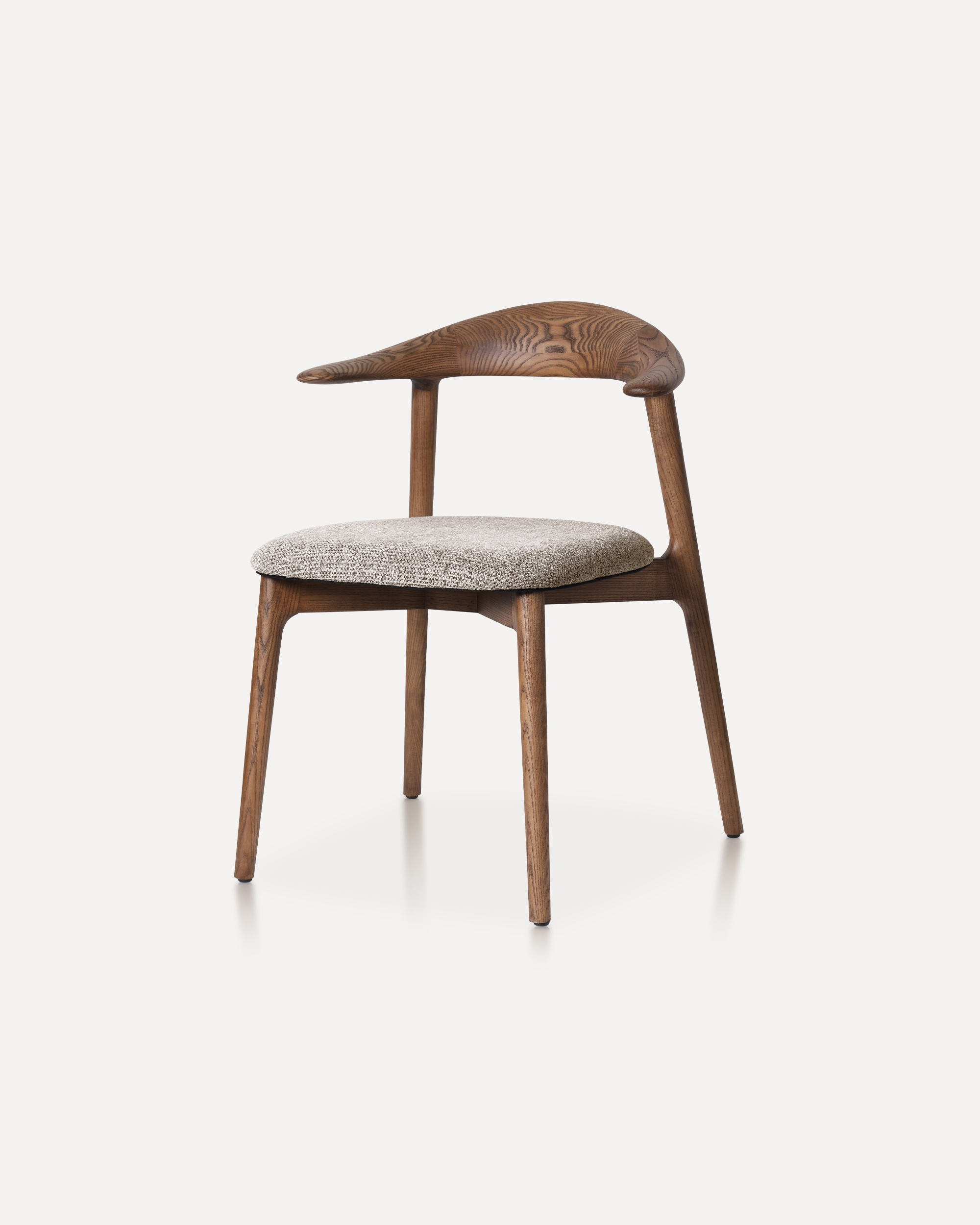
This classic features a striking, organic backrest carved from a single slab of...