
 English
 Français
 Español
Industry News
MENU

Walk into almost any dining room furnished in the last decade and there is a good chance the chairs around the table are made of rubberwood. It is the quiet workhorse of the furniture world: plentiful, easy to finish, and strong enough to survive twenty years of dinner parties. Yet plenty of buyers still pause at the name, unsure whether it signals "budget" or "sensible".
We have been building wooden chairs in Anji, Zhejiang since 2001, and rubberwood has been part of our range for most of that time. What follows is a practical look at how the wood behaves, where a rubberwood dining chair performs best, and the few details that separate a chair that lasts from one that wobbles within a year.
Content
Rubberwood, sometimes sold as parawood, comes from Hevea brasiliensis, the same plantation tree that produces natural latex. A tree yields latex for roughly 25 to 30 years. When production begins to fall, it is felled and replanted, and the trunk is sawn and kiln dried for furniture instead of being burned. The timber is therefore a by-product of an existing agricultural cycle rather than a forest cleared for logging.
That origin shapes the wood's character. Rubberwood is pale cream in colour, with a straight, even grain and a fine texture. It machines cleanly, holds a fixing well, and accepts stain, lacquer and paint evenly, which is why a rubberwood chair can be finished to look remarkably close to walnut or oak at a fraction of the cost.
It is also harder than its reputation suggests. On the Janka scale, which measures the force needed to embed a steel ball in the surface, rubberwood sits at roughly 960, comfortably above pine and close to walnut. For an indoor dining chair, that means edges that resist denting and joints that stay tight through years of use.
Two honest caveats. Rubberwood is an indoor species, so it belongs in a dining room or restaurant rather than on an uncovered terrace. And it is unforgiving of shortcuts: timber that is not dried properly will move after assembly, which is why kiln drying and moisture control matter more than the species name on the label.
Every hardwood has a personality. The comparison below sets rubberwood beside three materials we also work with, so you can see where it wins and where it does not.
| Wood | Approx. Janka hardness | Grain and colour | Typical role in a dining chair |
|---|---|---|---|
| Rubberwood | 960 lbf | Straight, even grain; pale cream that stains evenly | Everyday dining, contract seating, stained and painted finishes |
| European ash | 1,320 lbf | Bold open grain; light with warm undertones | Visible-frame designs, sculpted and bent forms |
| Oak | 1,290 lbf | Pronounced grain; honey through to grey | Heavier heirloom pieces and statement tables |
| Walnut | 1,010 lbf | Dark, smooth, subtle grain | Premium finishes and feature chairs |
Read the table as a guide to fit rather than a ranking. Ash and oak offer a more dramatic grain and slightly higher hardness, and walnut brings depth of colour. Rubberwood delivers a stable, uniform surface that takes colour beautifully and keeps the price of a full dining set within reach. For restaurants, rental apartments and family kitchens, that combination of consistency and value is hard to beat.
Because rubberwood is so widely used, quality varies enormously. These are the points we would examine on any chair, ours or anyone else's.
A ten-second physical test tells you a lot: place the chair on a flat floor, press down on one corner, then twist gently. A well-built chair stays silent and rigid. Creaks and movement mean the joints are already working loose.
The same material can be built in very different ways, and the right spec depends on who will be sitting on it and how often.
For a family dining table, comfort and easy cleaning matter most. A gently curved back, a solid seat that can be wiped down, and a warm mid-tone finish suit almost any interior, from Scandinavian-minimal to traditional. This is the territory our modern rubberwood dining chair was designed for: clean lines, a supportive back, and a frame that stays steady when someone leans back after the last course.
 Vico CY2070C Curved-Back Upholstered Rubberwood Dining ChairA rubberwood side chair with a curved upholstered back and padded seat, suited to dining rooms, home offices, or reading corners.View Product →
Commercial seating lives a much harder life. Chairs are pulled across tile, stacked against walls and used a dozen times a day, so weight, joint strength and floor protection matter more than decorative detail. A slightly wider footprint and a reinforced seat frame make a real difference to how long a set stays serviceable. Our space-saving rubberwood dining chair was developed with that rhythm in mind.
 Vico CY2073C Space-Saving Flat-Pack Rubberwood Dining ChairFlat-pack rubberwood chair with a rounded cushioned seat and backrest, optimized for compact packing, online fulfillment, and small living spaces.View Product →
In small apartments, short-term rentals and event venues, storage is often the deciding factor. Knock-down construction that assembles with basic tools, plus compact cartons that stack neatly in a container, solves two problems at once: the room stays flexible, and freight costs stay predictable. Our small-box KD rubberwood chair is the version we build for exactly that situation.
 Vico CY2074C Flat-Pack Small-Box Rubberwood Dining ChairA knock-down rubberwood dining chair in a compact carton, built for e-commerce retail, high-volume shipping, and space-conscious apartment living.View Product →
Rubberwood's pale, even surface is one of its advantages: it can be stained to a natural tone, brushed into a walnut shade, or painted in a deep forest green without the grain fighting the colour. Because colour choices carry through a whole collection, we manage them as a separate part of the range, and you can browse the current palette on our colour scheme page.
Looking after a finished rubberwood chair is undemanding:
Most of the people who contact us are not shopping for a single chair. They are sourcing for a restaurant rollout, a retail range or a hospitality refurbishment, and they need to know that the twentieth container will match the first. That is the part of the job that takes years to learn, and it is the reason our workshop in Anji still combines modern machinery with hand finishing. You can read more about how we work.
When a buyer sends us a brief, we usually come back with questions about the space, the expected daily use, the seat height relative to the table, the finish, and how the chairs will be packed and shipped. Answer those early and the specification practically writes itself. Rubberwood makes that conversation easier, because it is consistent to machine, predictable to finish and available in the volumes a project needs.
A rubberwood dining chair is rarely the most glamorous piece in the room, and that is precisely the point. It is stable, comfortable, easy to maintain and available in a finish that suits the space it lives in, whether that is a family kitchen or a forty-cover restaurant. Judge the moisture content, the joinery and the finish rather than the name of the species, and you will end up with seating that quietly does its job for years.
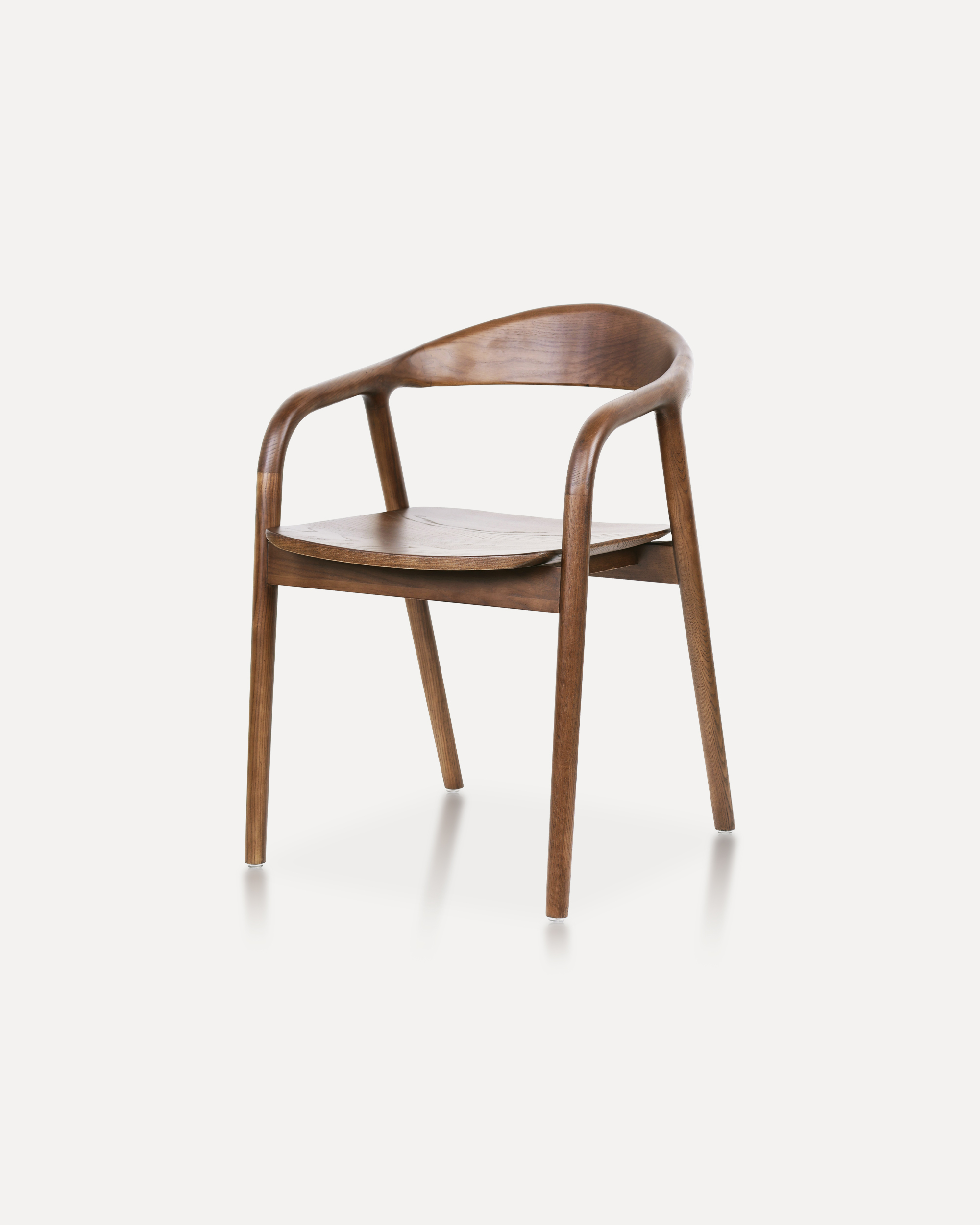
Crafted entirely from solid ash wood, this chair embodies a refined balance of ...
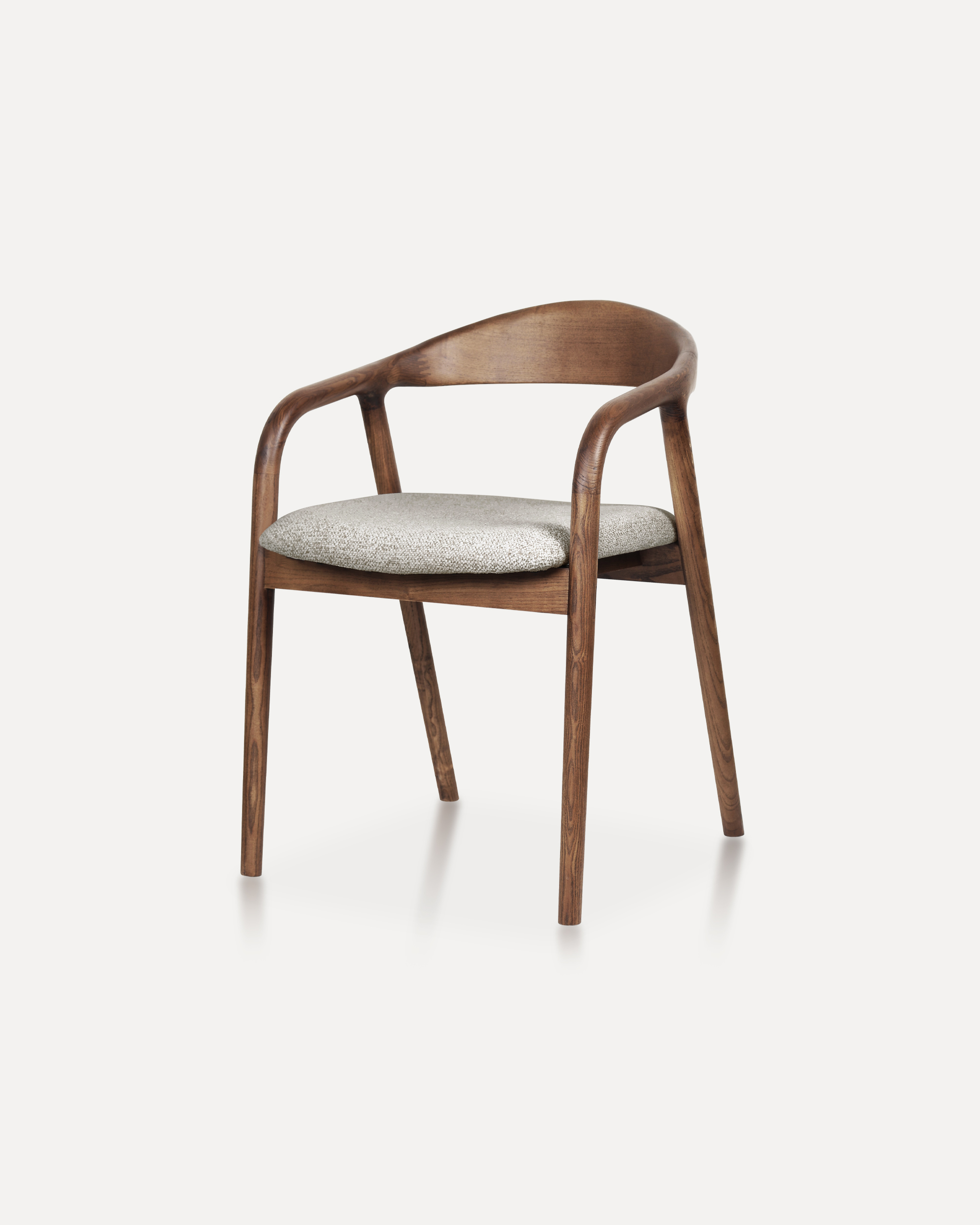
Showcases a refined silhouette with smooth, curved armrests and a gently rounde...
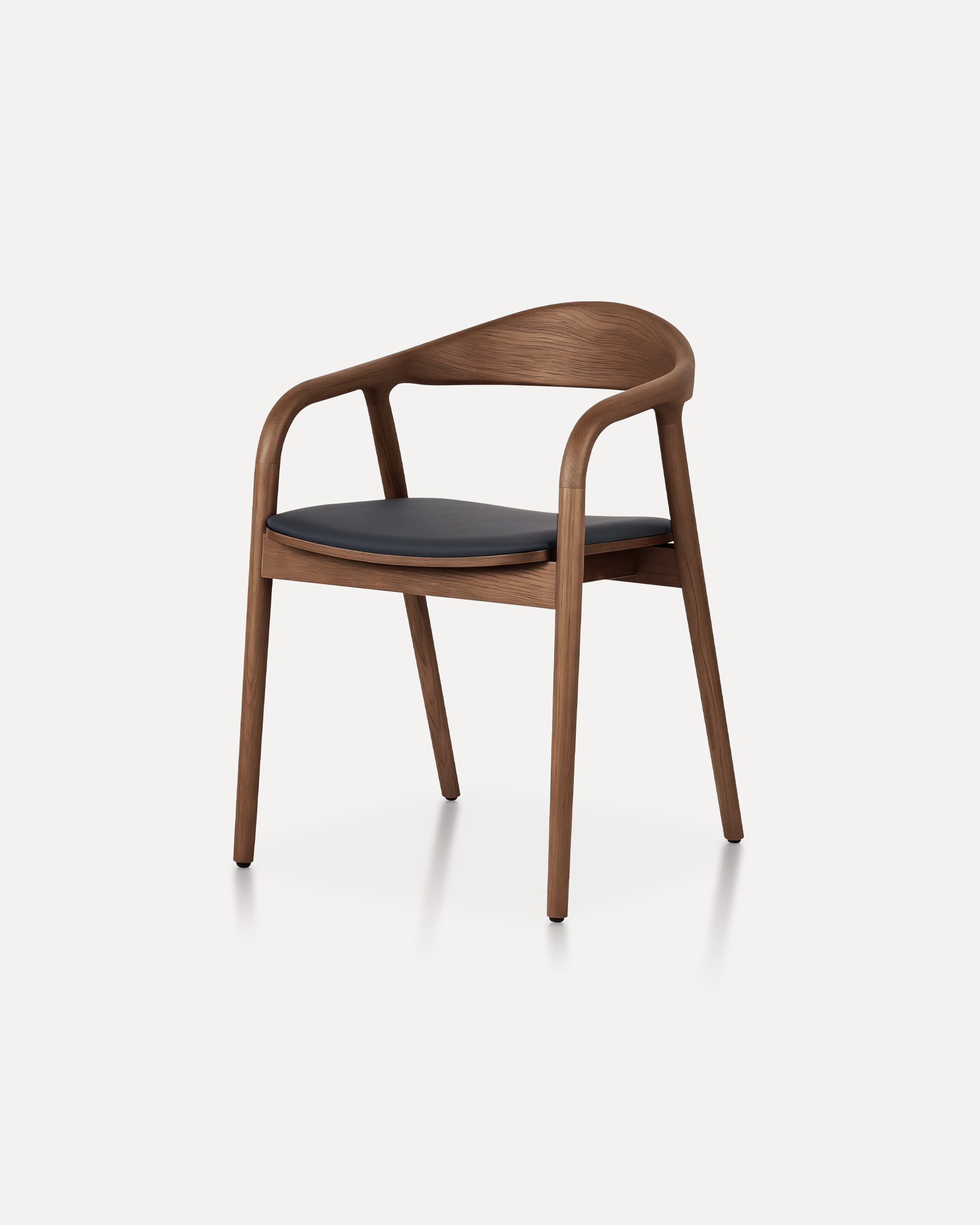
A masterclass in refined joinery and organic geometry, the Arc Chair features a...
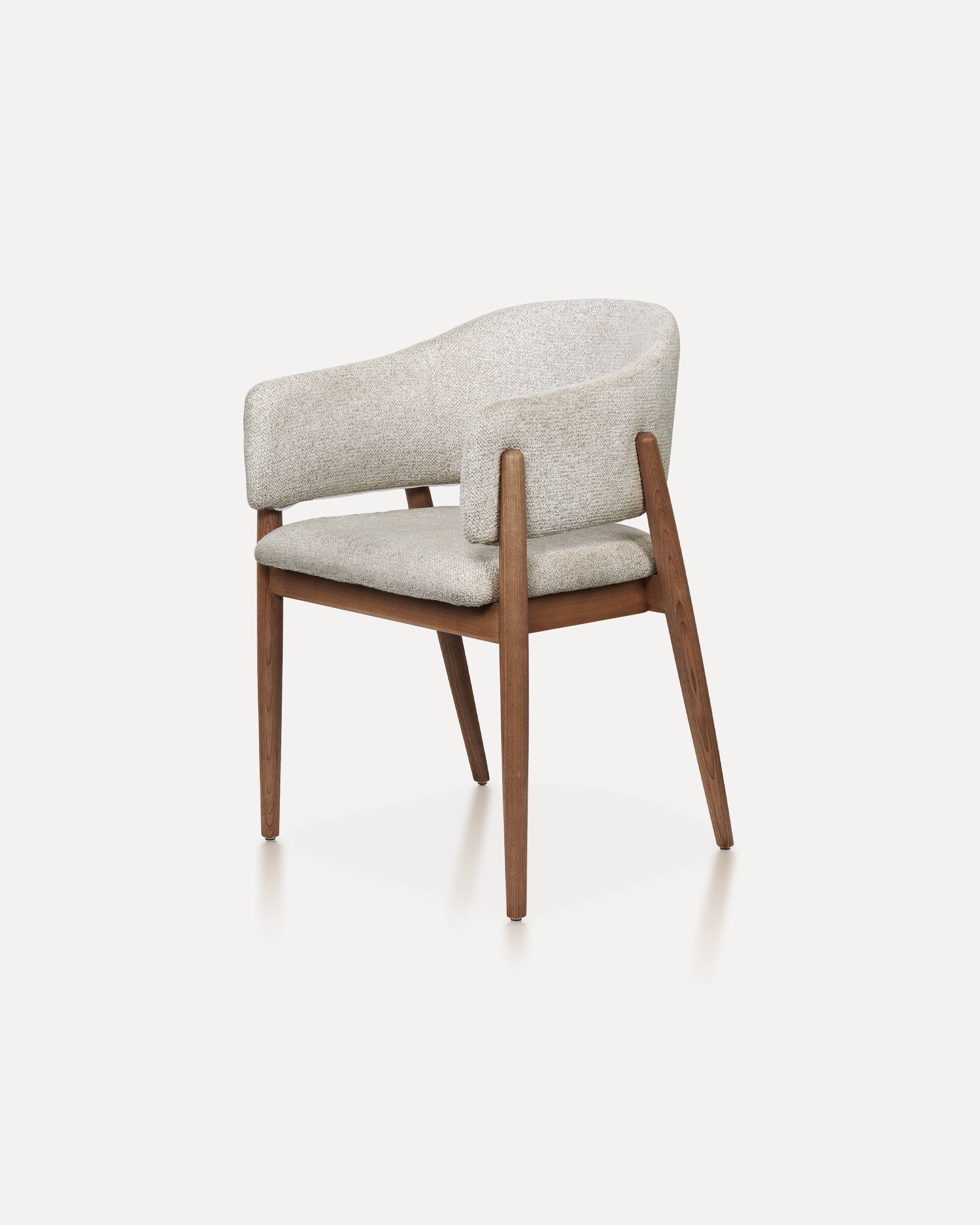
With its refined proportions and welcoming form, this chair brings quiet sophis...
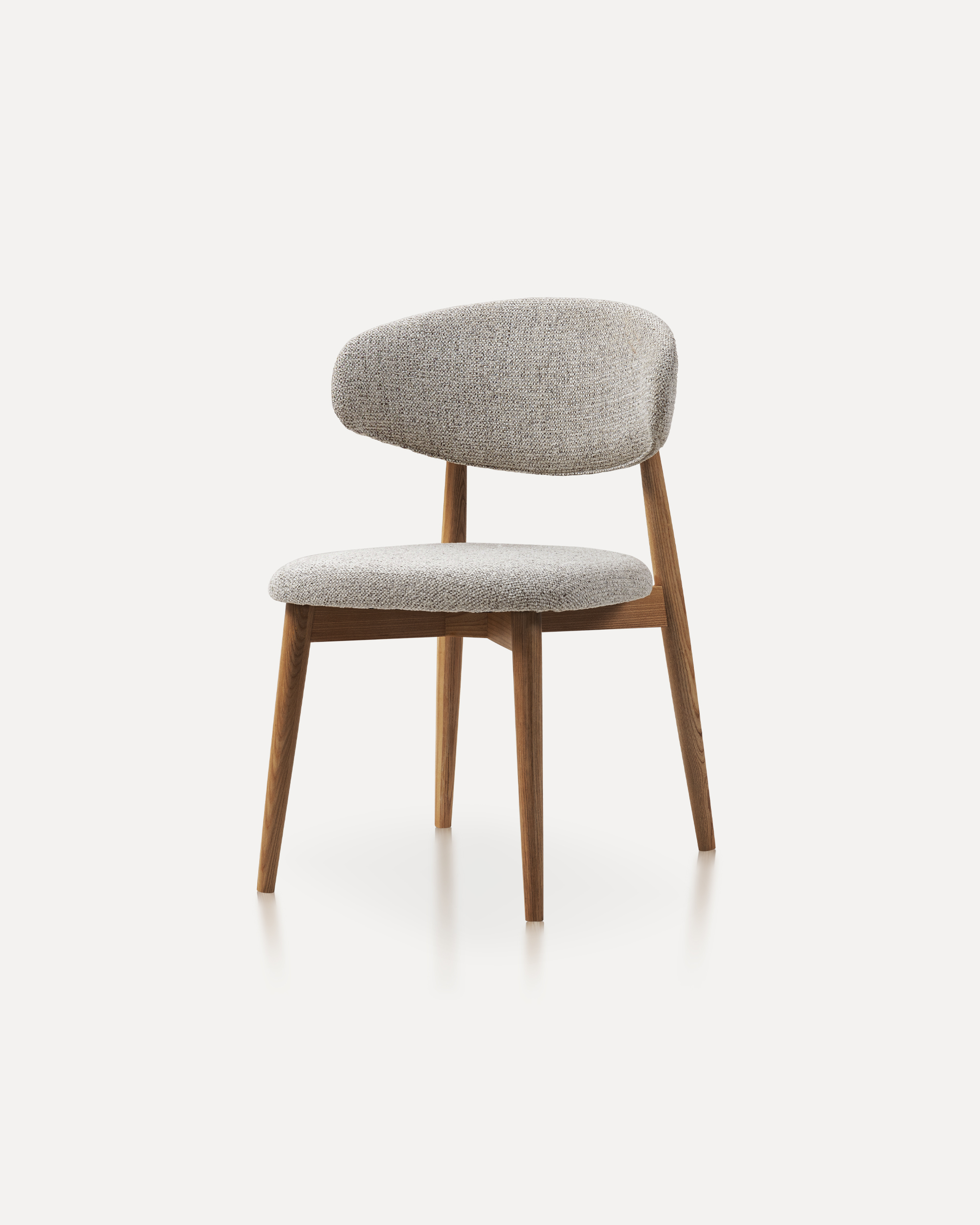
This wooden chair is a classic furniture piece that exudes warmth, durability, ...
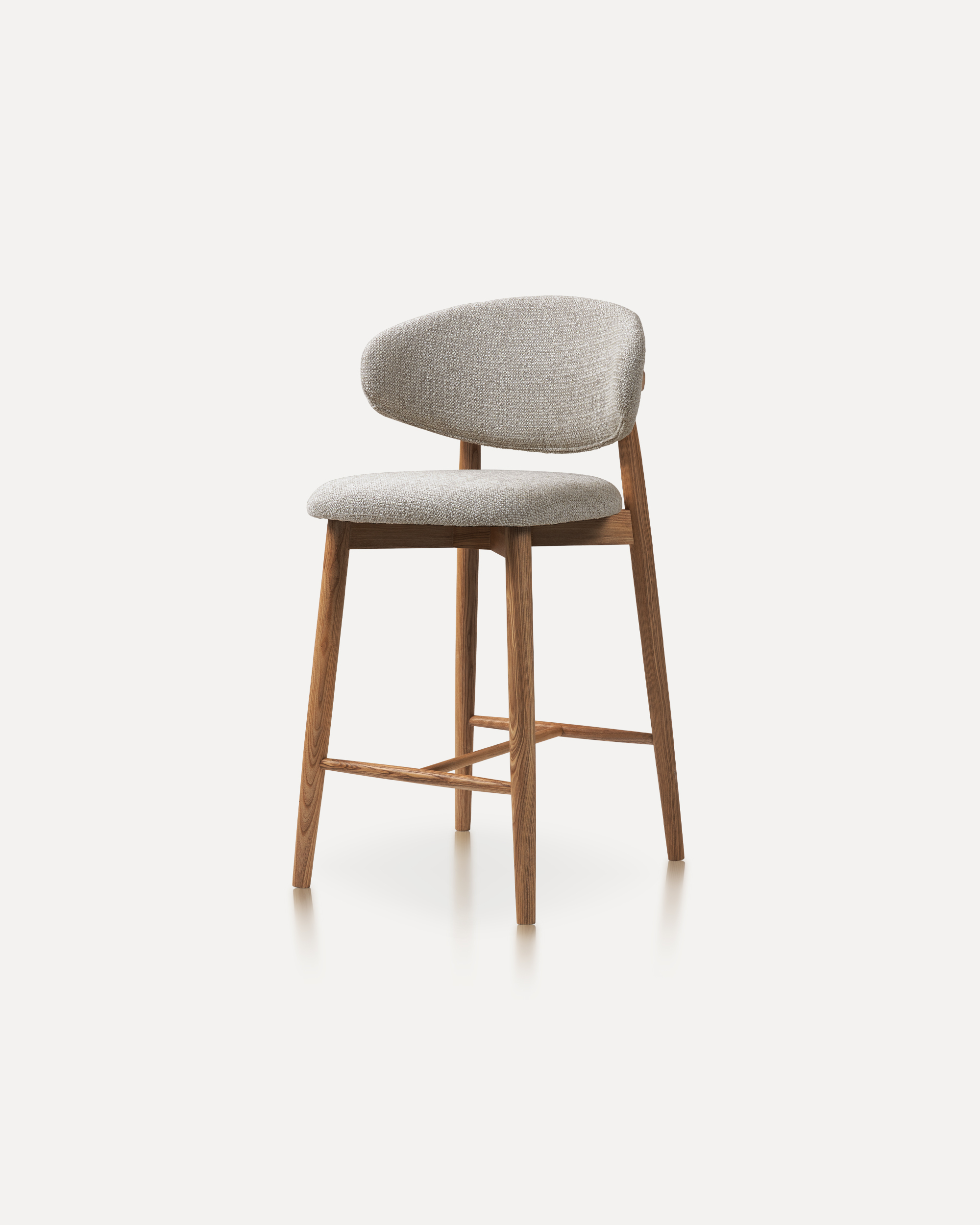
Our Wood Bar Stools are the perfect addition to any high-top table or bar setti...
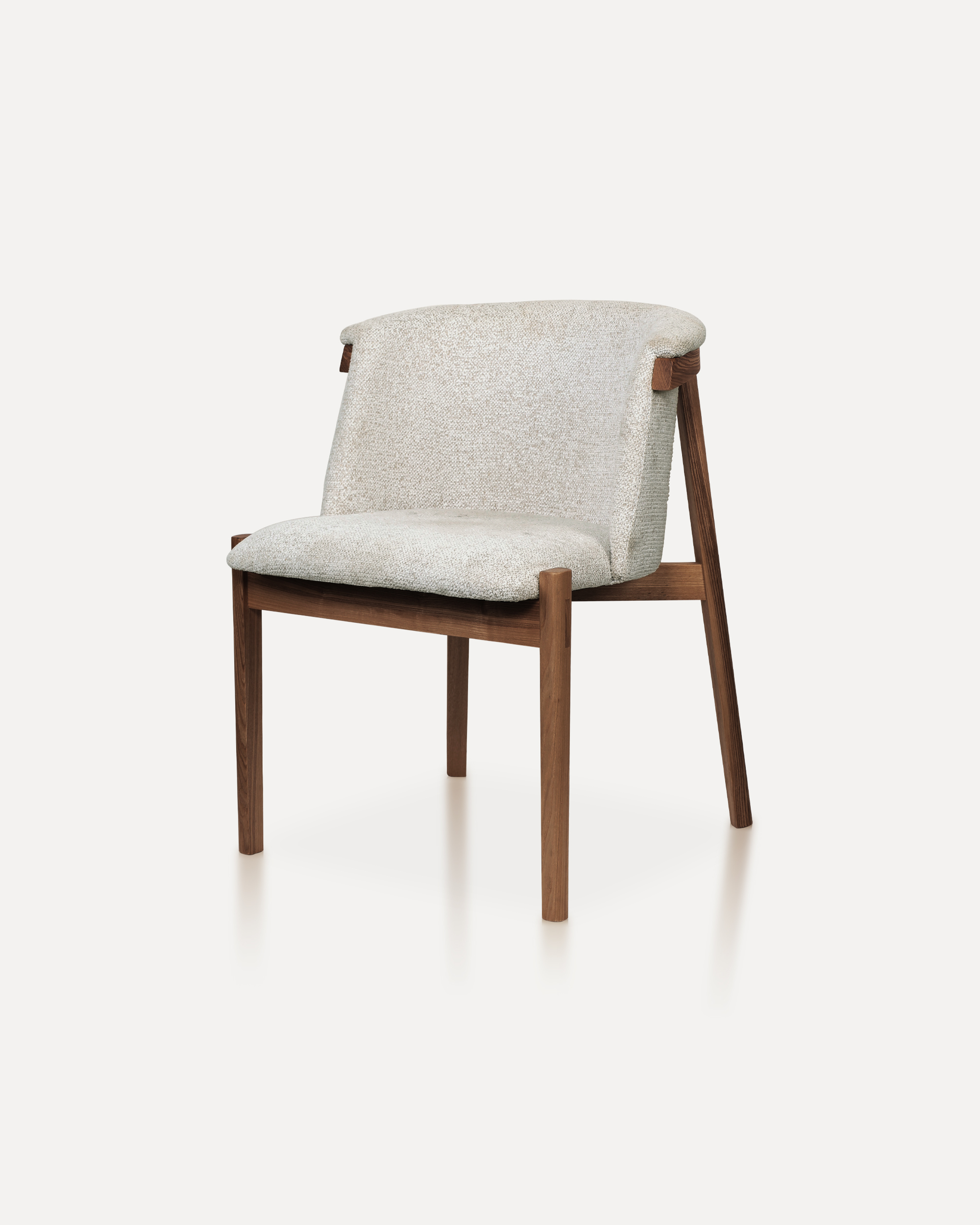
Bring natural elegance into your home with this finely crafted chair. The desig...
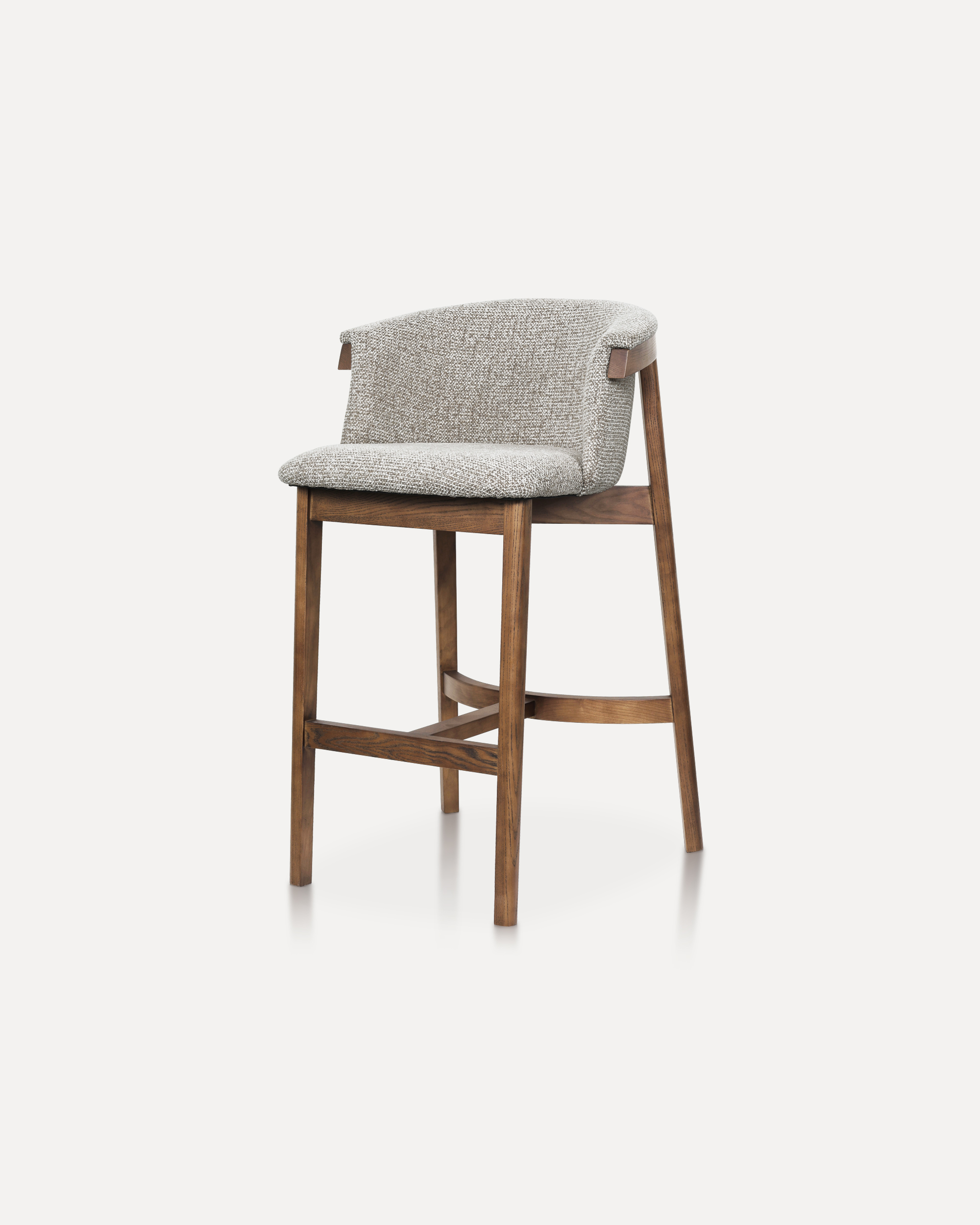
This sophisticated bar chair elevates any counter or high-top setting with its ...
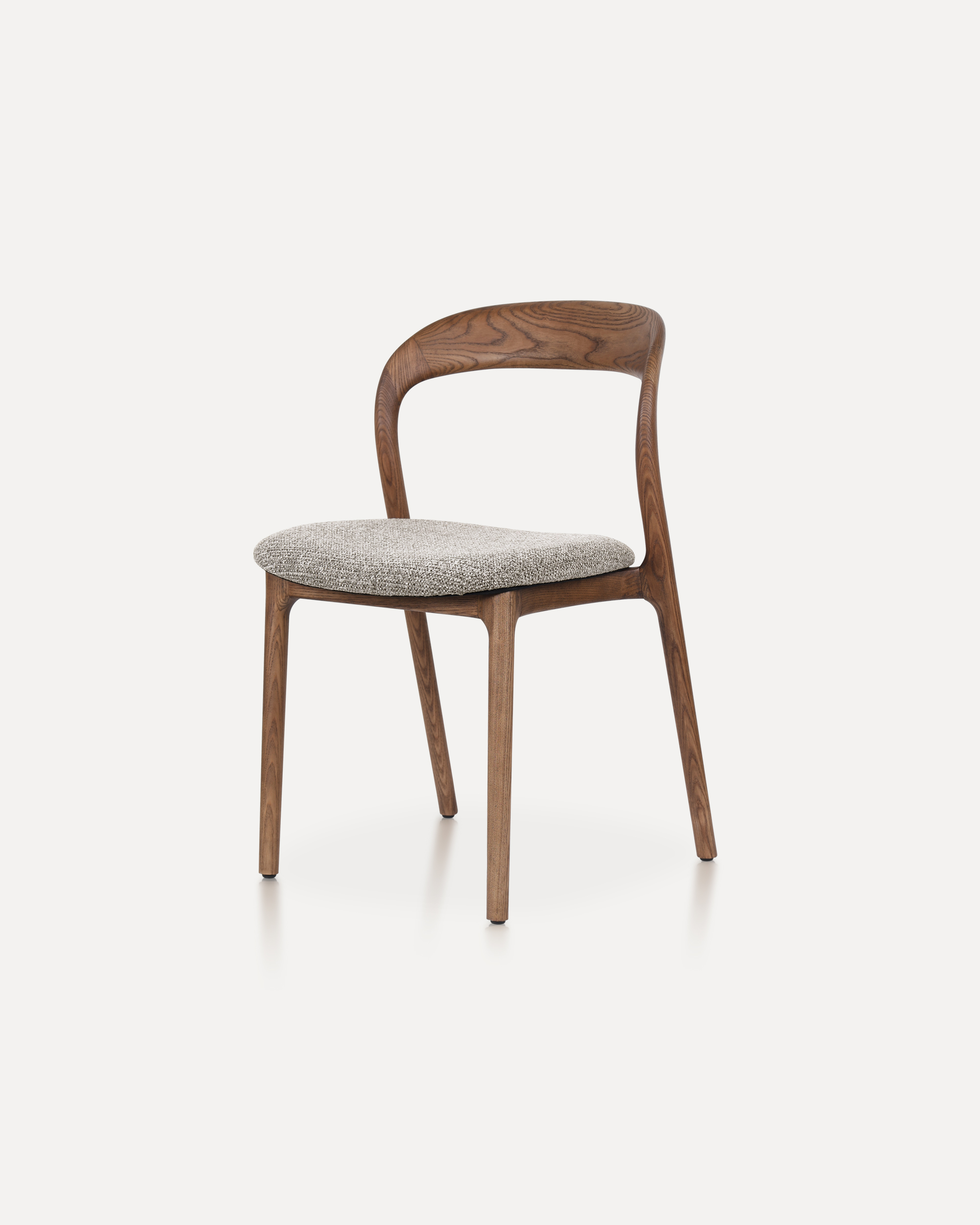
The Echo Chair is crafted from solid ashwood, featuring a unified back-and-arm ...
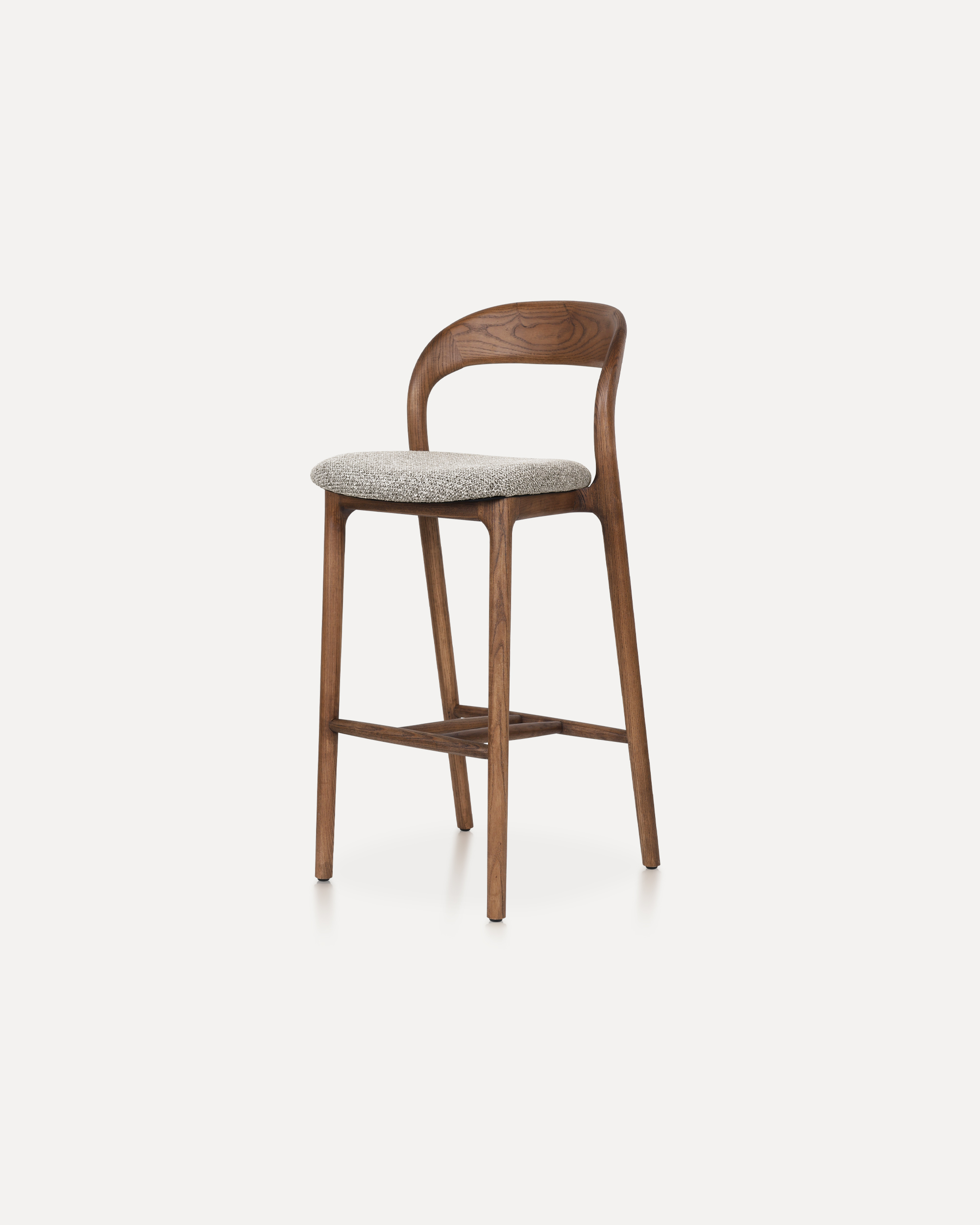
This Bar Chair is a counter-height seating solution crafted from solid ashwood ...
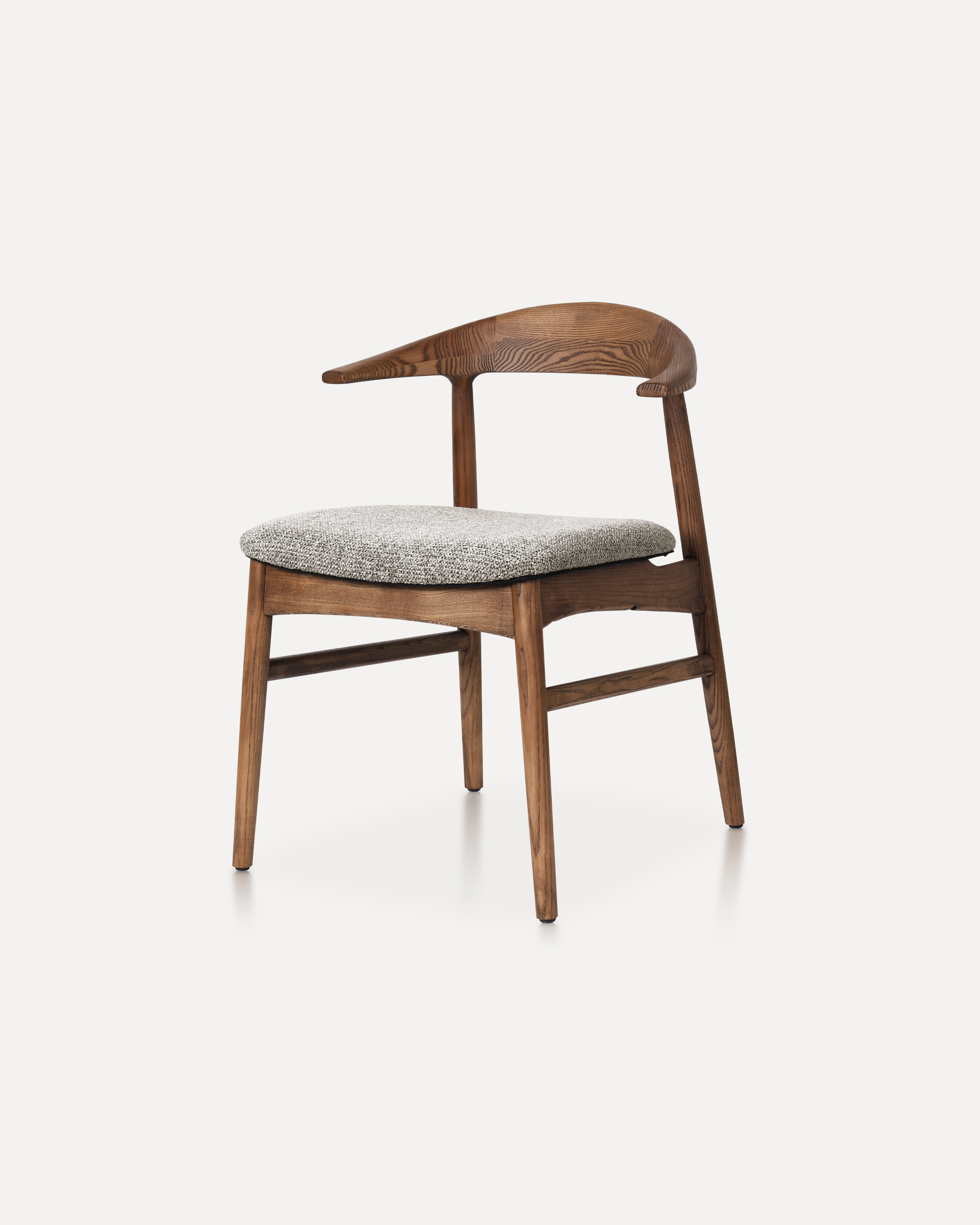
The Horizon Chair reinterprets mid-century warmth for today’s refined interiors...
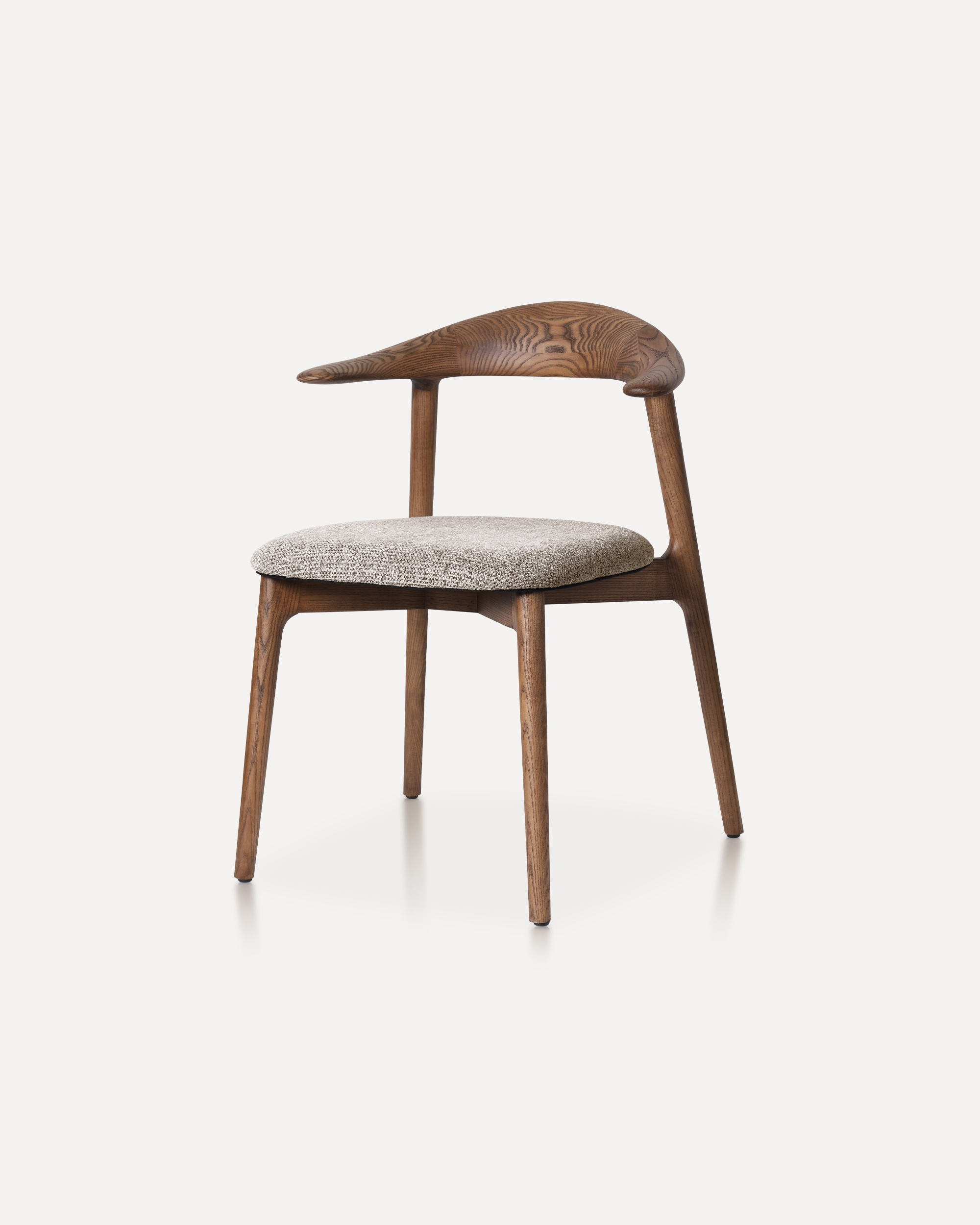
This classic features a striking, organic backrest carved from a single slab of...