
 English
  Français
 Español
Industry News
MENU

Content
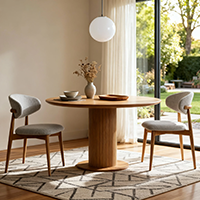
An upholstered fabric seat wooden chair combines the sturdy, timeless appeal of solid wood construction with the added comfort of a padded, fabric-covered seat. This combination has made it one of the most popular choices for dining rooms, home offices, and casual living spaces, since it offers the durability of traditional wooden furniture without sacrificing everyday comfort. Unlike an all-wood chair, which can feel hard and unforgiving during long meals or extended sitting, the fabric-upholstered seat adds cushioning that makes a real difference for family dinners, dinner parties, or long work-from-home sessions at a dining table turned desk.
Beyond comfort, these chairs also offer more design flexibility than fully upholstered furniture, since the exposed wood frame, legs, and back can be finished in a variety of stains or paints while the fabric seat introduces color, pattern, or texture options that tie into a room's overall décor.
The wood frame is the structural foundation of any upholstered fabric seat wooden chair, so understanding the differences between wood types helps buyers choose a chair that will hold up over years of daily use.
Hardwoods such as oak, maple, and beech are the preferred choice for chairs that need to withstand frequent use, since they resist warping, denting, and joint loosening far better than softer wood types. These woods are commonly used in dining chairs meant to last for decades with proper care.
Pine and other softwoods are more budget-friendly and lighter in weight, making them a reasonable option for lower-traffic spaces like guest rooms or occasional-use seating, though they are more prone to scratches and dents over time.
Some chairs use engineered wood frames with a hardwood veneer finish to reduce cost while still achieving the visual appearance of solid wood. While generally sturdy, these frames should be checked for quality joinery, since weaker adhesive bonds can fail faster than solid wood joints.
The fabric covering the seat plays a major role in both comfort and long-term maintenance, and different fabric types perform better depending on how the chair will be used.
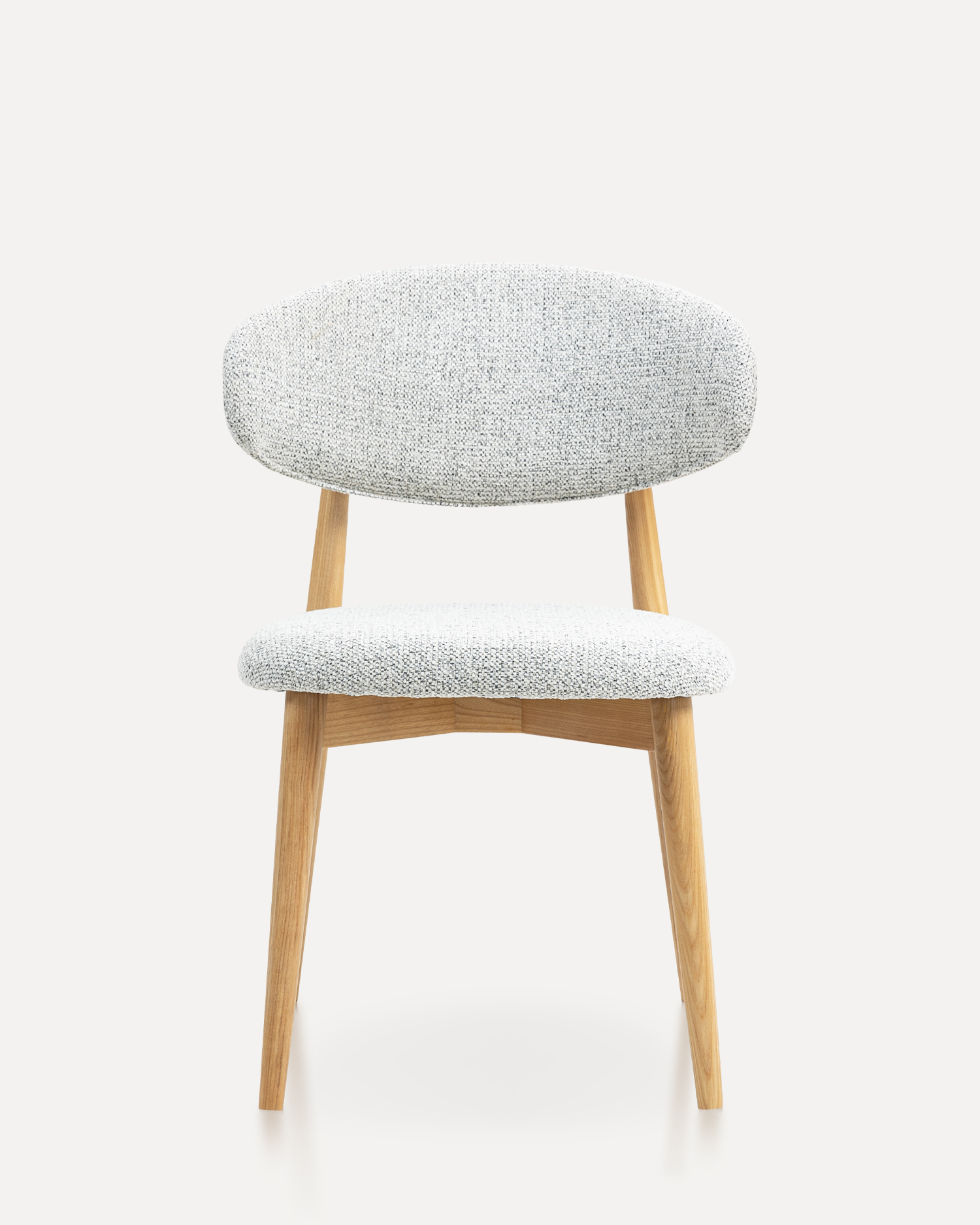
The table below offers a quick comparison to help match fabric types to the right room and usage level for an upholstered wooden chair.
| Fabric Type | Durability | Best Use |
| Cotton/Linen Blend | Moderate | Formal dining rooms, low traffic |
| Performance Fabric | High | Family homes, kids and pets |
| Velvet | Moderate | Formal or accent seating |
| Faux Leather | High | Kitchens, daily use dining chairs |
Not all upholstered seats are built the same, and the internal padding and construction quality make a noticeable difference in long-term comfort.
Higher-density foam holds its shape longer and resists sagging, while lower-density foam may feel comfortable initially but can flatten out after a year or two of regular use. Checking the foam density, when available, is a good way to gauge long-term comfort.
Some upholstered wooden chairs feature slightly contoured seats or curved backrests designed to follow the body's natural shape, which can significantly improve comfort during longer periods of sitting compared to a completely flat seat design.
Proper care keeps both the wood frame and fabric seat looking good for years. The wood frame should be dusted regularly and occasionally treated with an appropriate wood polish or conditioner to prevent drying and cracking, especially in homes with fluctuating humidity levels. Fabric seats benefit from routine vacuuming to remove dust and crumbs, along with prompt spot cleaning of spills using a fabric-appropriate cleaner to prevent staining. For dining chairs used daily, applying a fabric protector spray can add an extra layer of stain resistance, particularly useful for households with children or pets. Rotating seat cushions, if removable, can also help distribute wear more evenly across the fabric surface over time.
An upholstered fabric seat wooden chair offers a practical balance between durability, style, and comfort that makes it a smart choice for dining rooms, home offices, and casual living spaces alike. By carefully considering wood type, fabric durability, and seat construction quality, buyers can select a chair that not only looks great but holds up well to years of daily use. With a bit of routine care and maintenance, these chairs can remain both a comfortable and stylish part of the home for a long time to come.
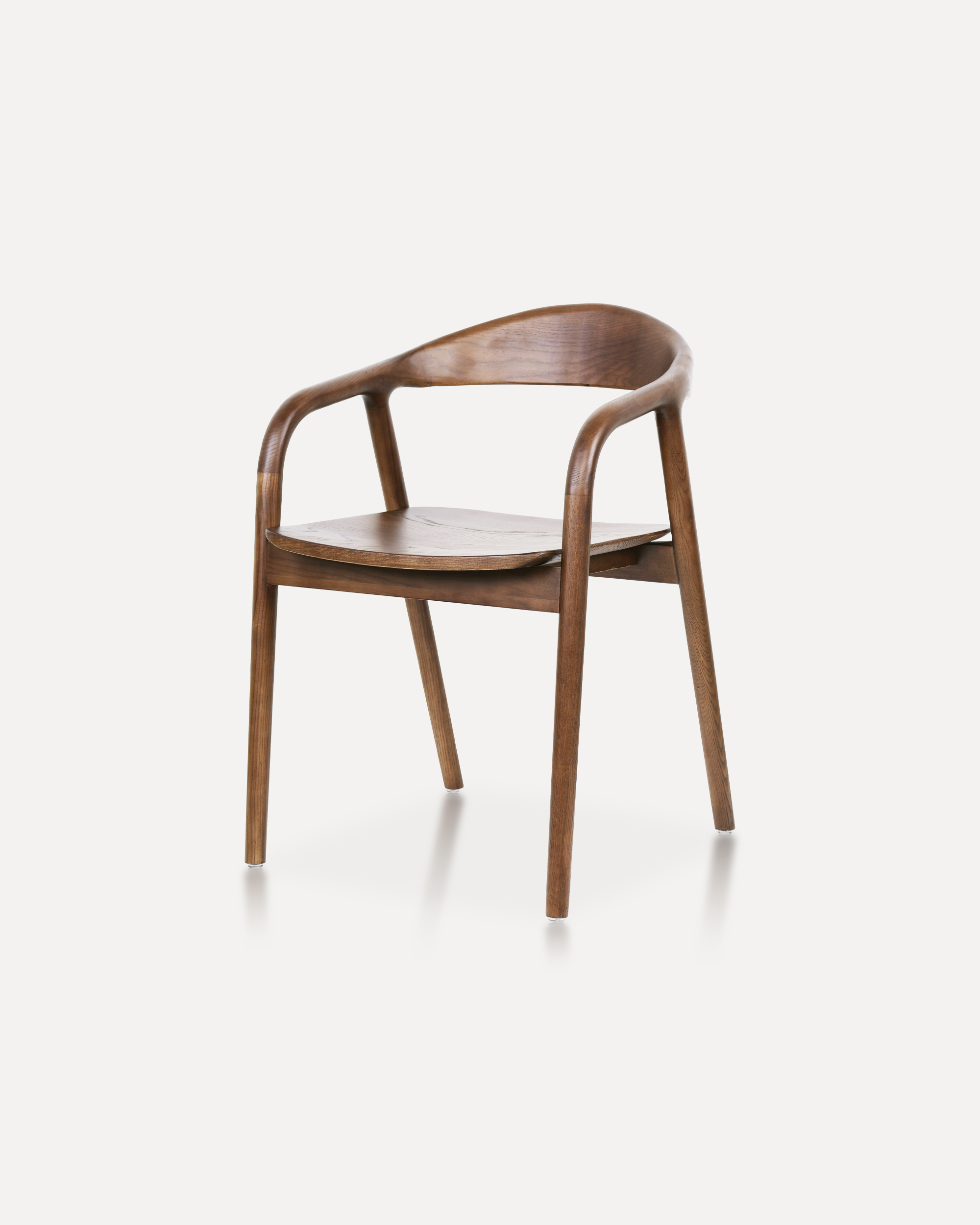
Crafted entirely from solid ash wood, this chair embodies a refined balance of ...
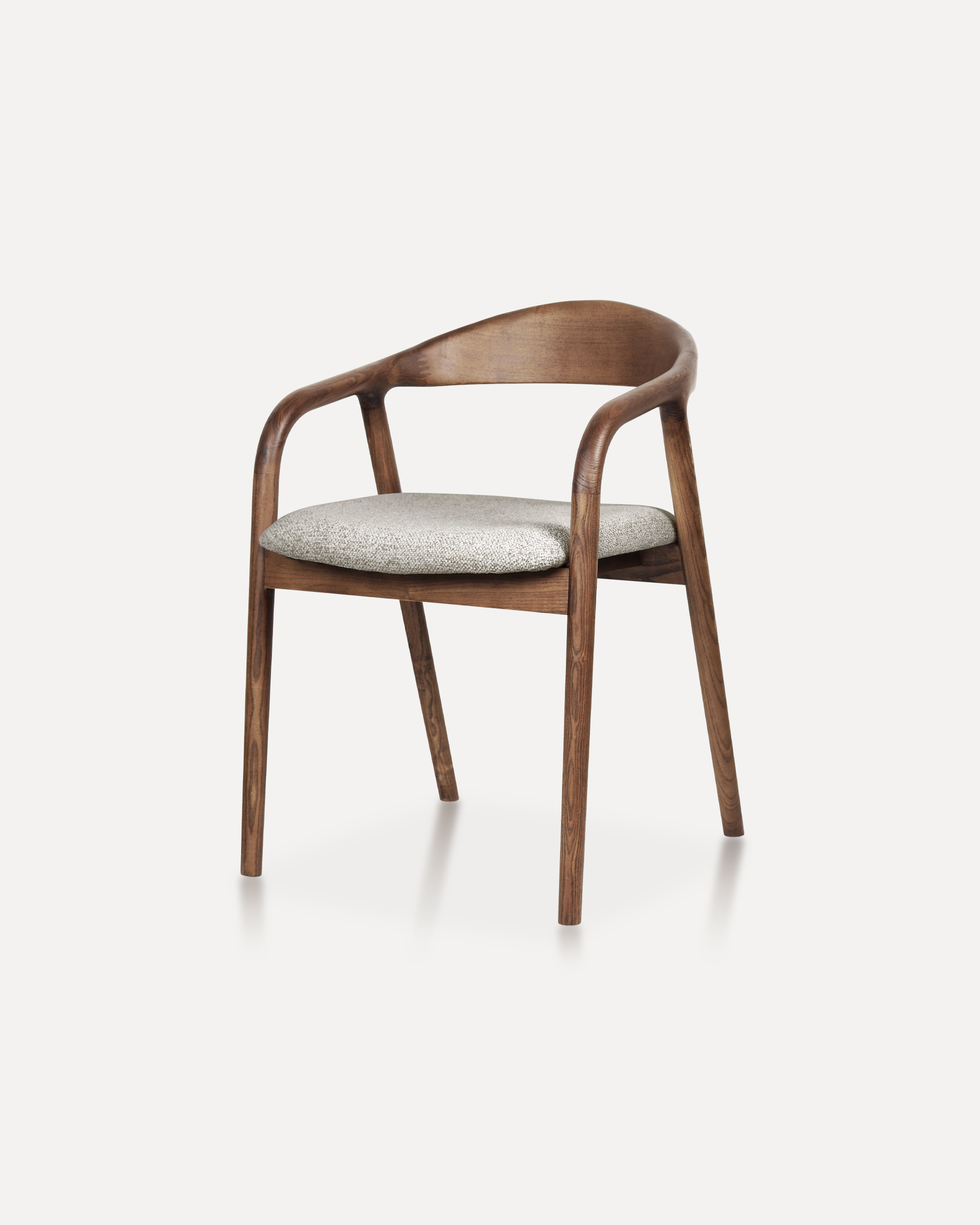
Showcases a refined silhouette with smooth, curved armrests and a gently rounde...
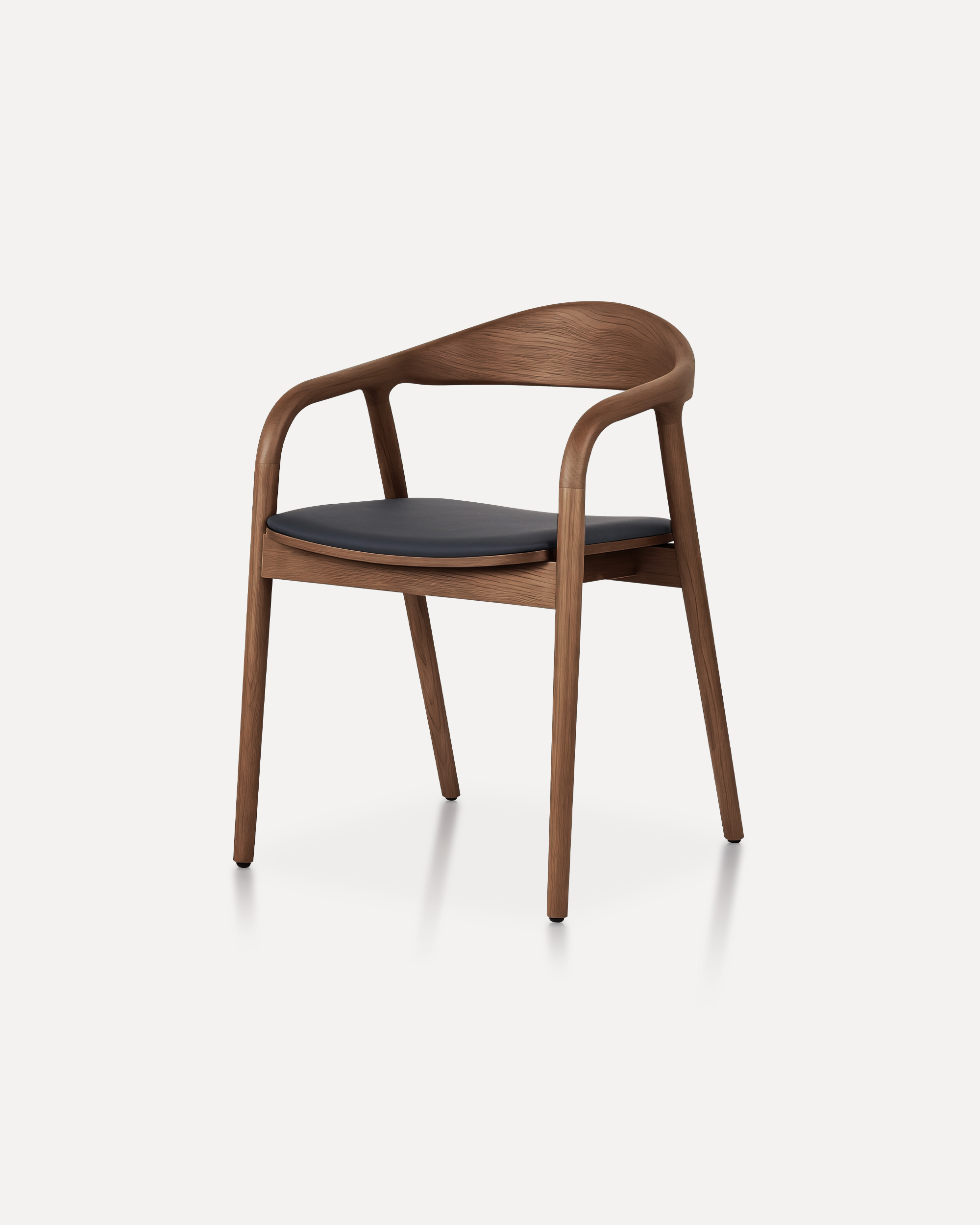
A masterclass in refined joinery and organic geometry, the Arc Chair features a...
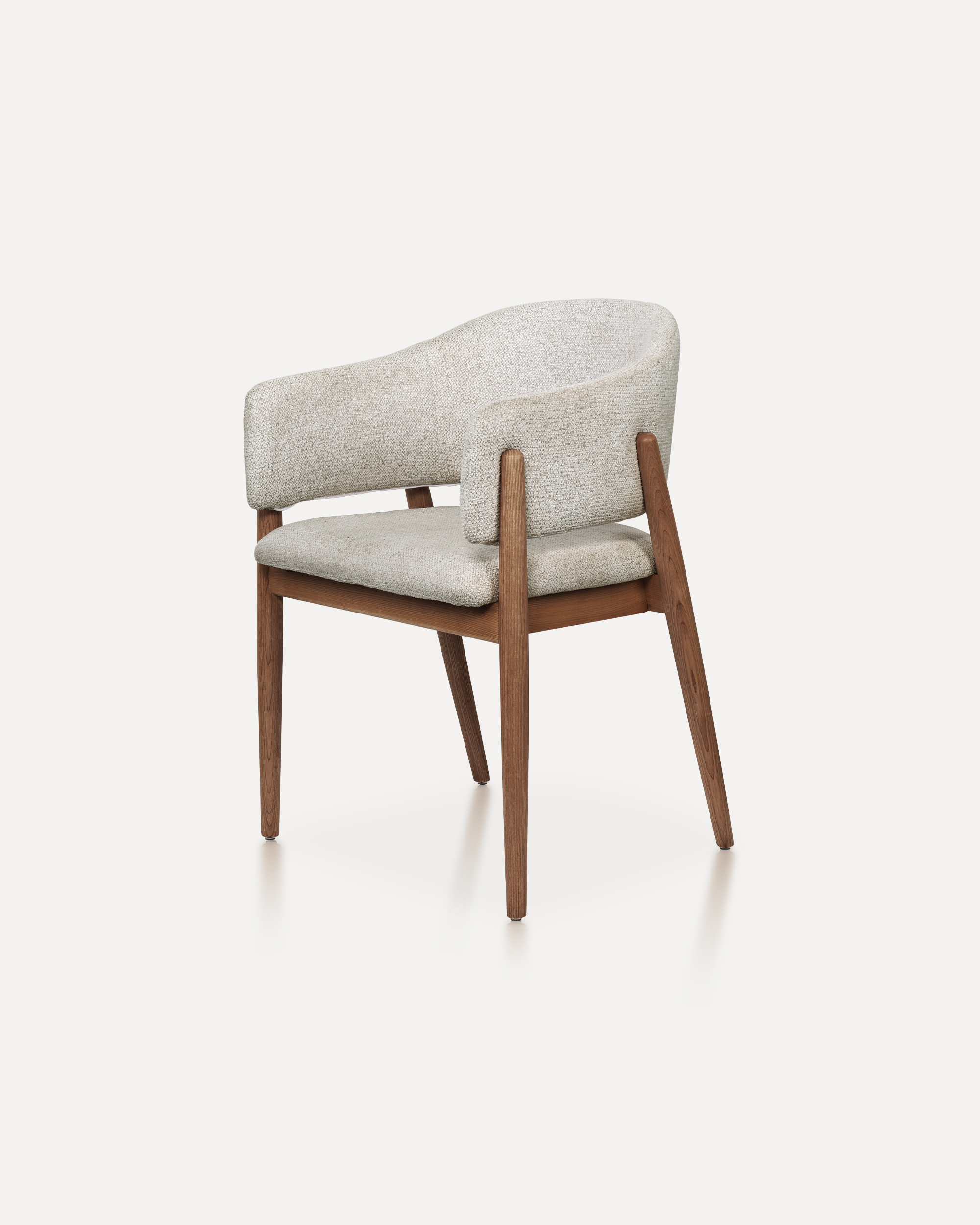
With its refined proportions and welcoming form, this chair brings quiet sophis...
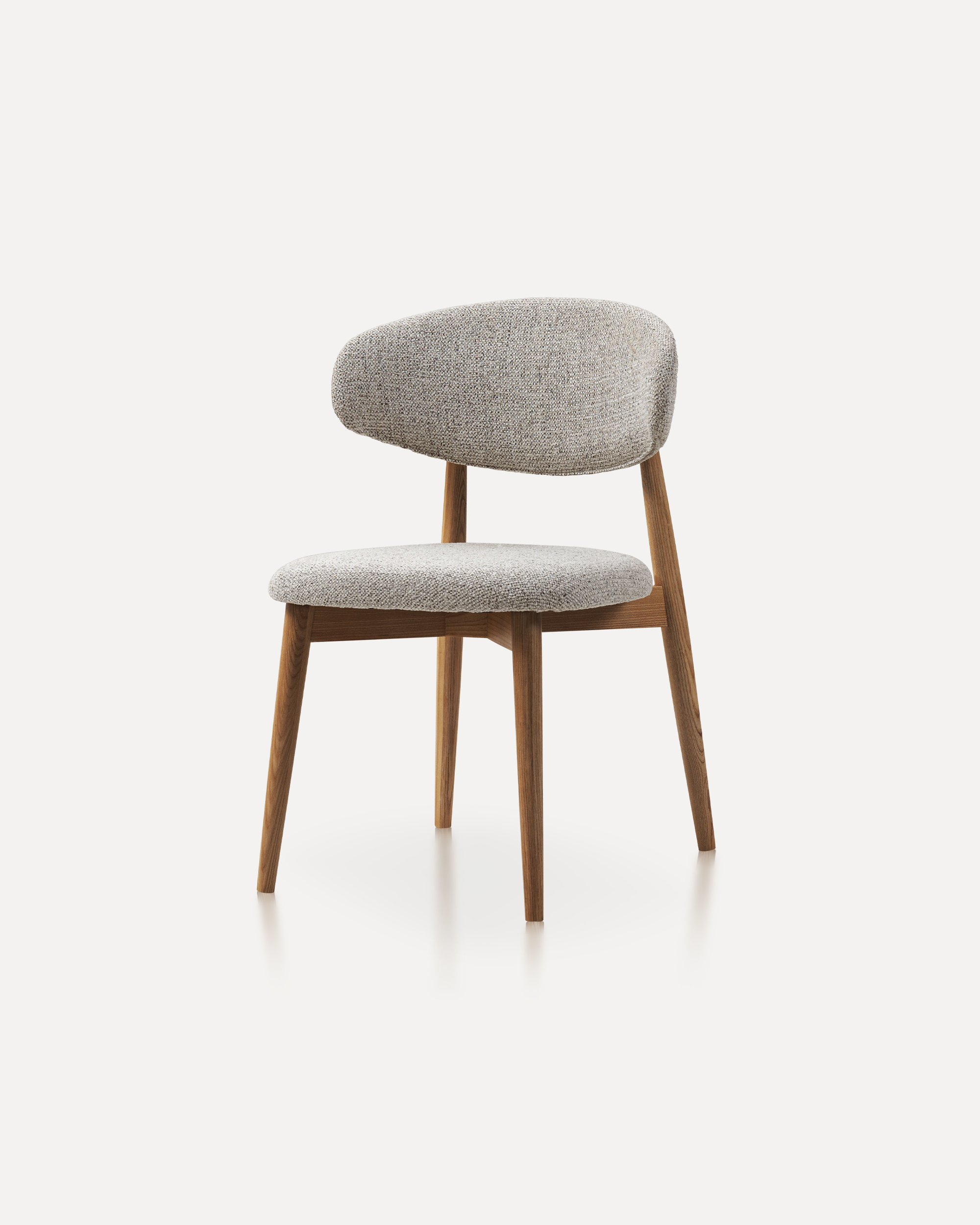
This wooden chair is a classic furniture piece that exudes warmth, durability, ...
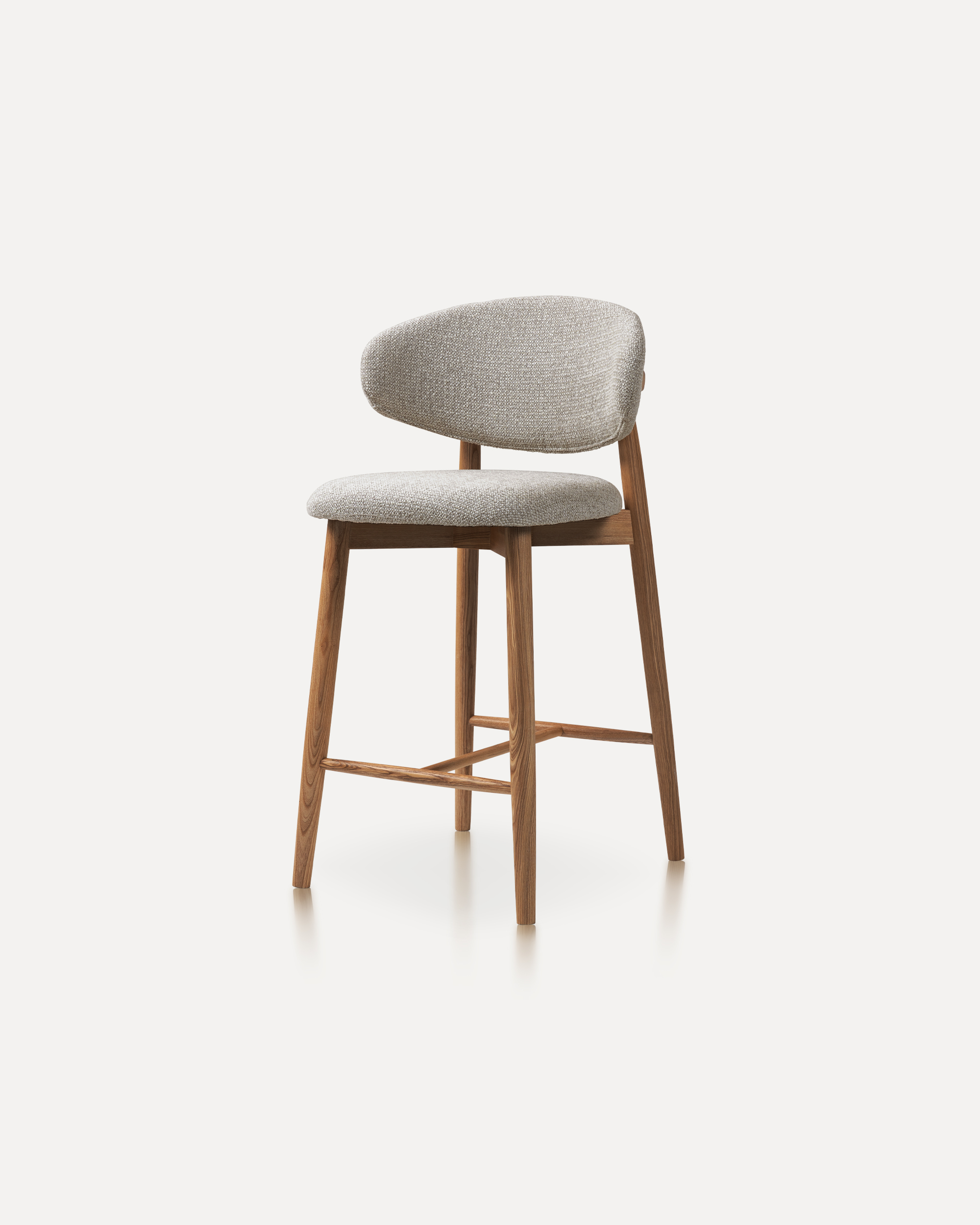
Our Wood Bar Stools are the perfect addition to any high-top table or bar setti...
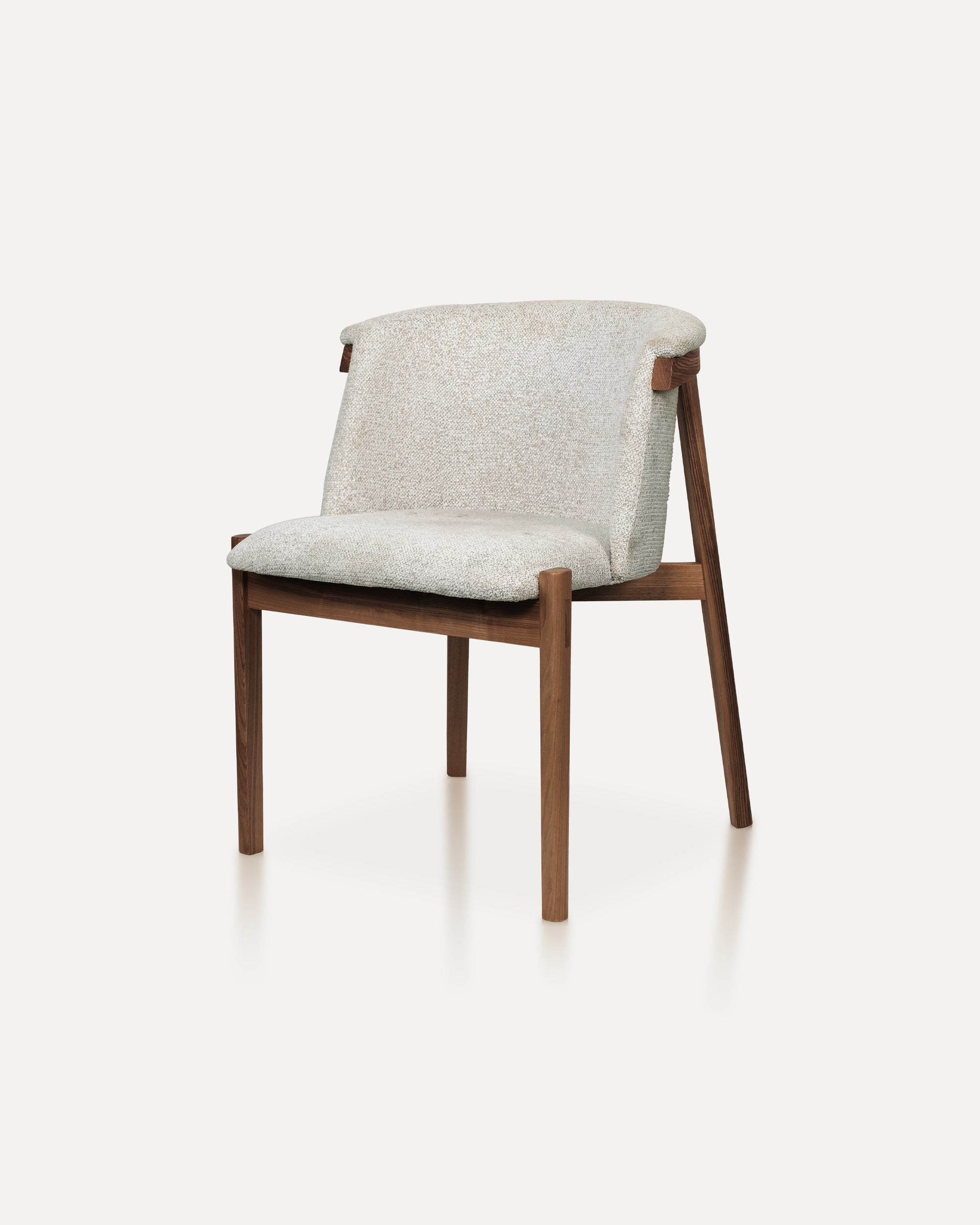
Bring natural elegance into your home with this finely crafted chair. The desig...
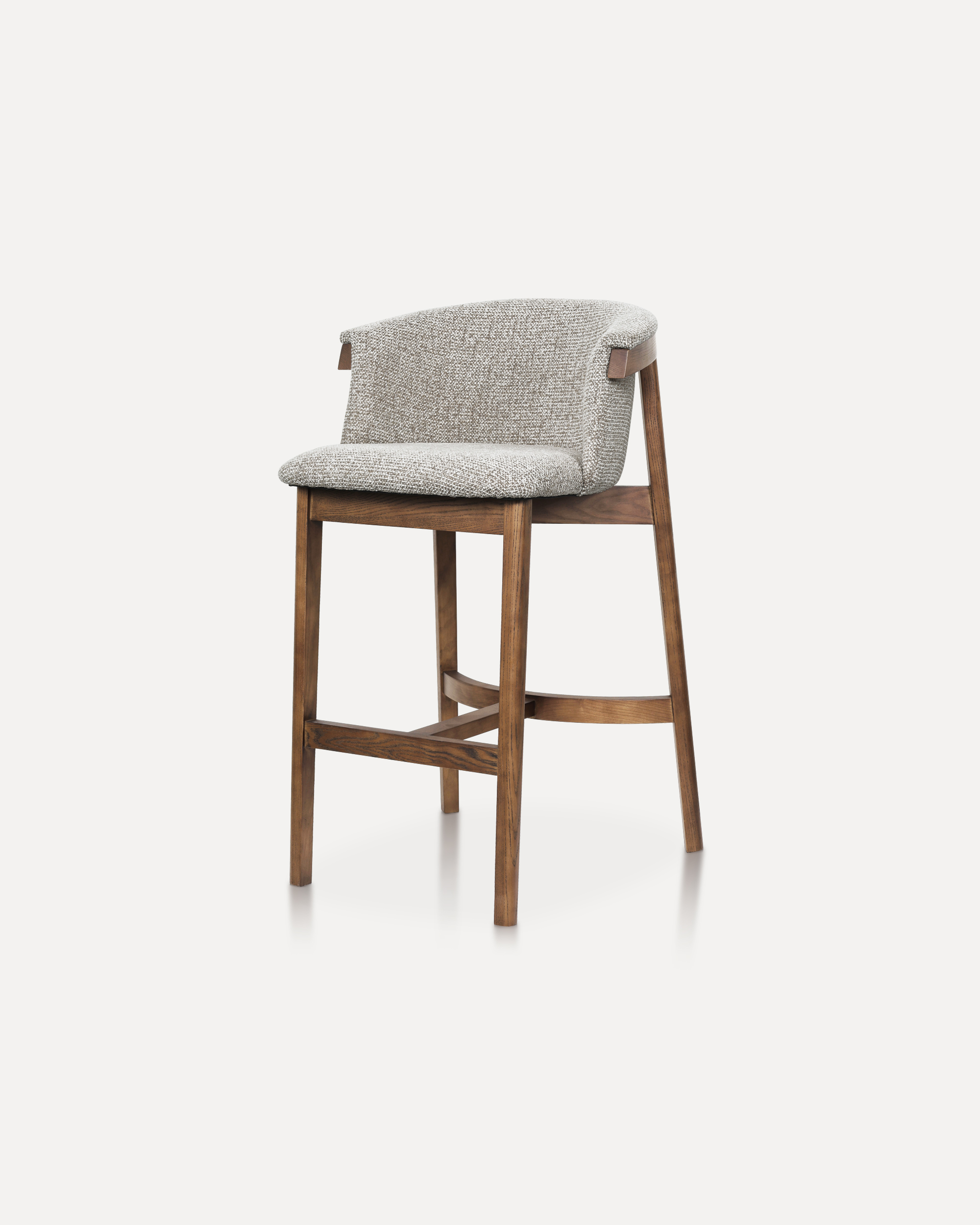
This sophisticated bar chair elevates any counter or high-top setting with its ...
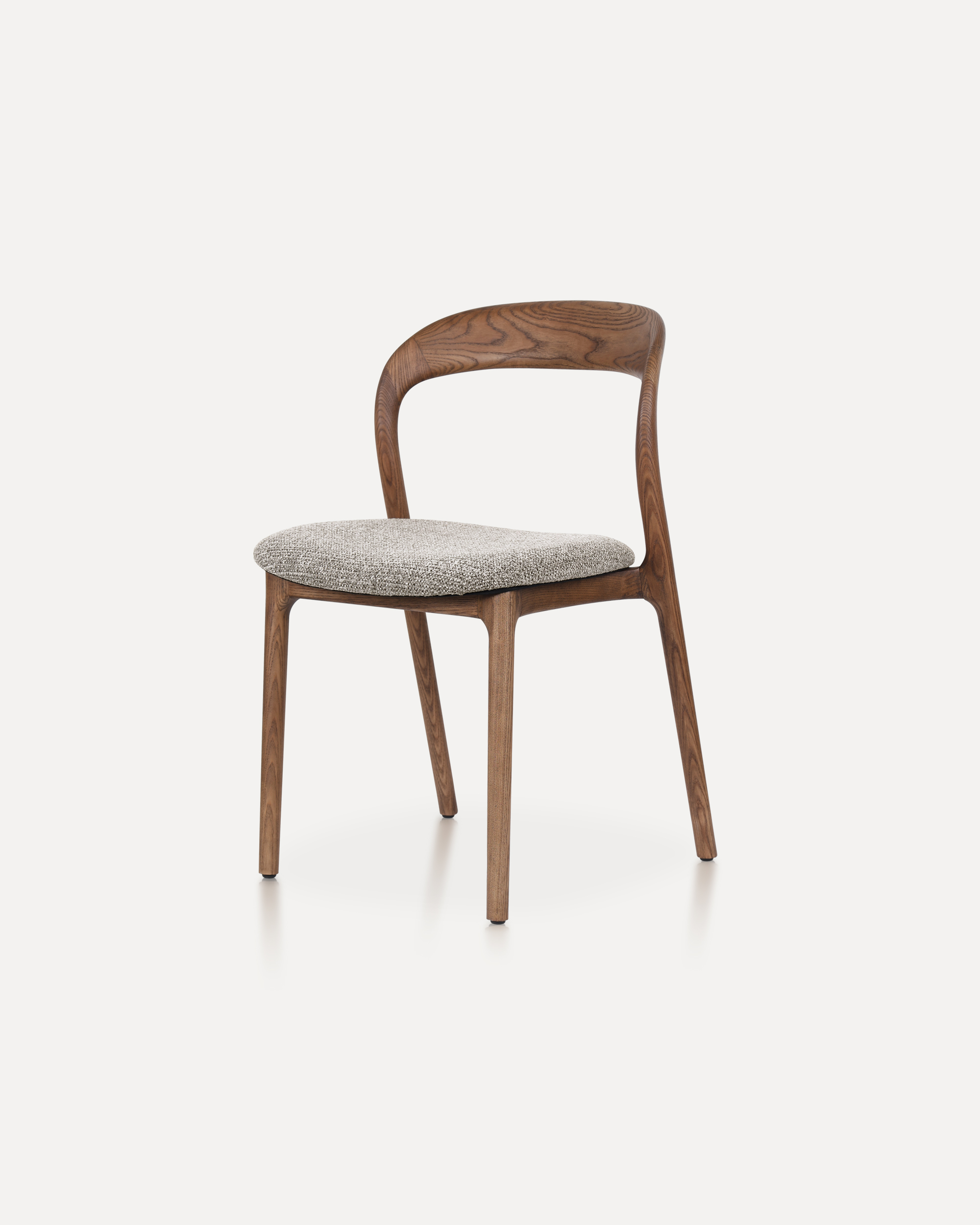
The Echo Chair is crafted from solid ashwood, featuring a unified back-and-arm ...
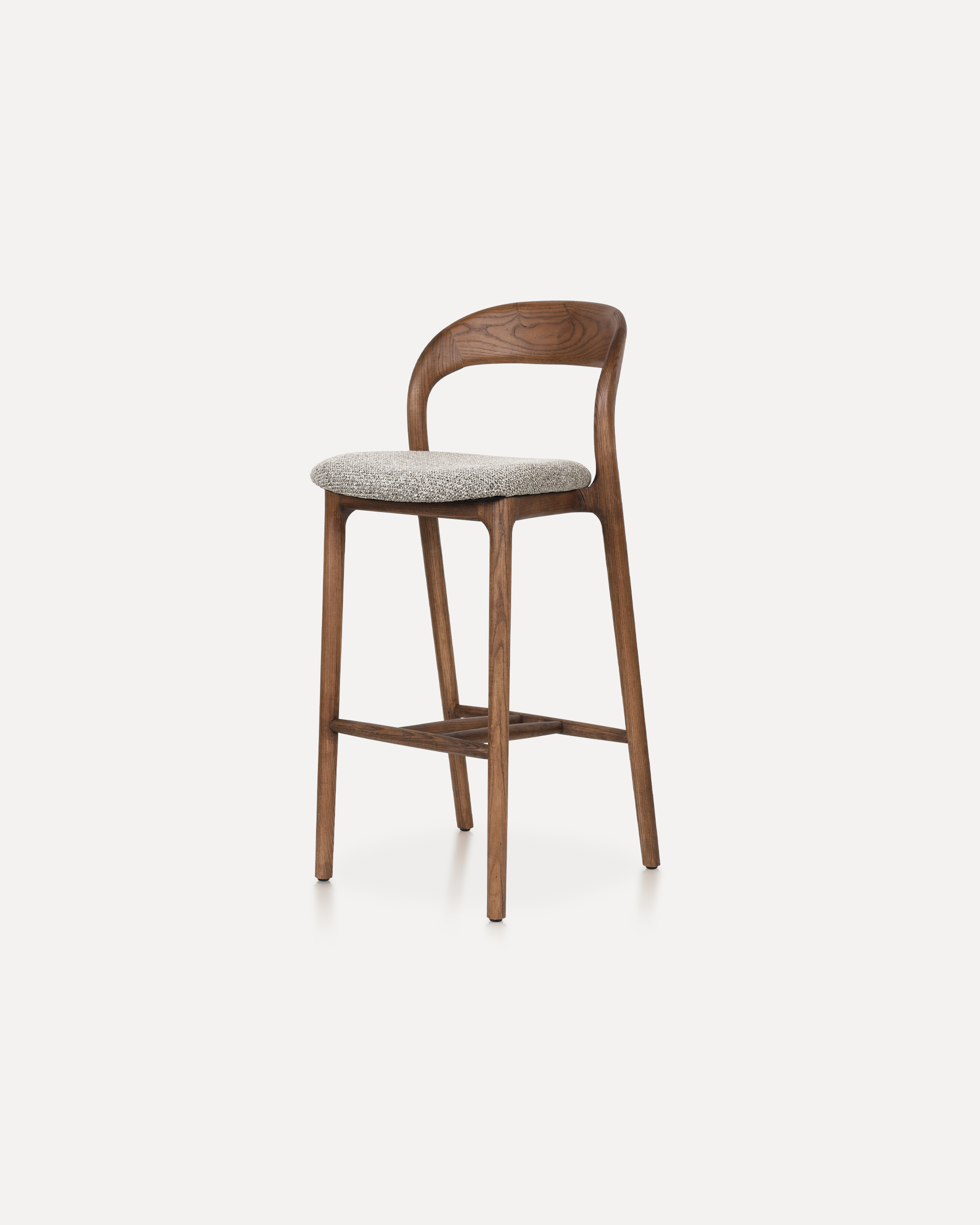
This Bar Chair is a counter-height seating solution crafted from solid ashwood ...
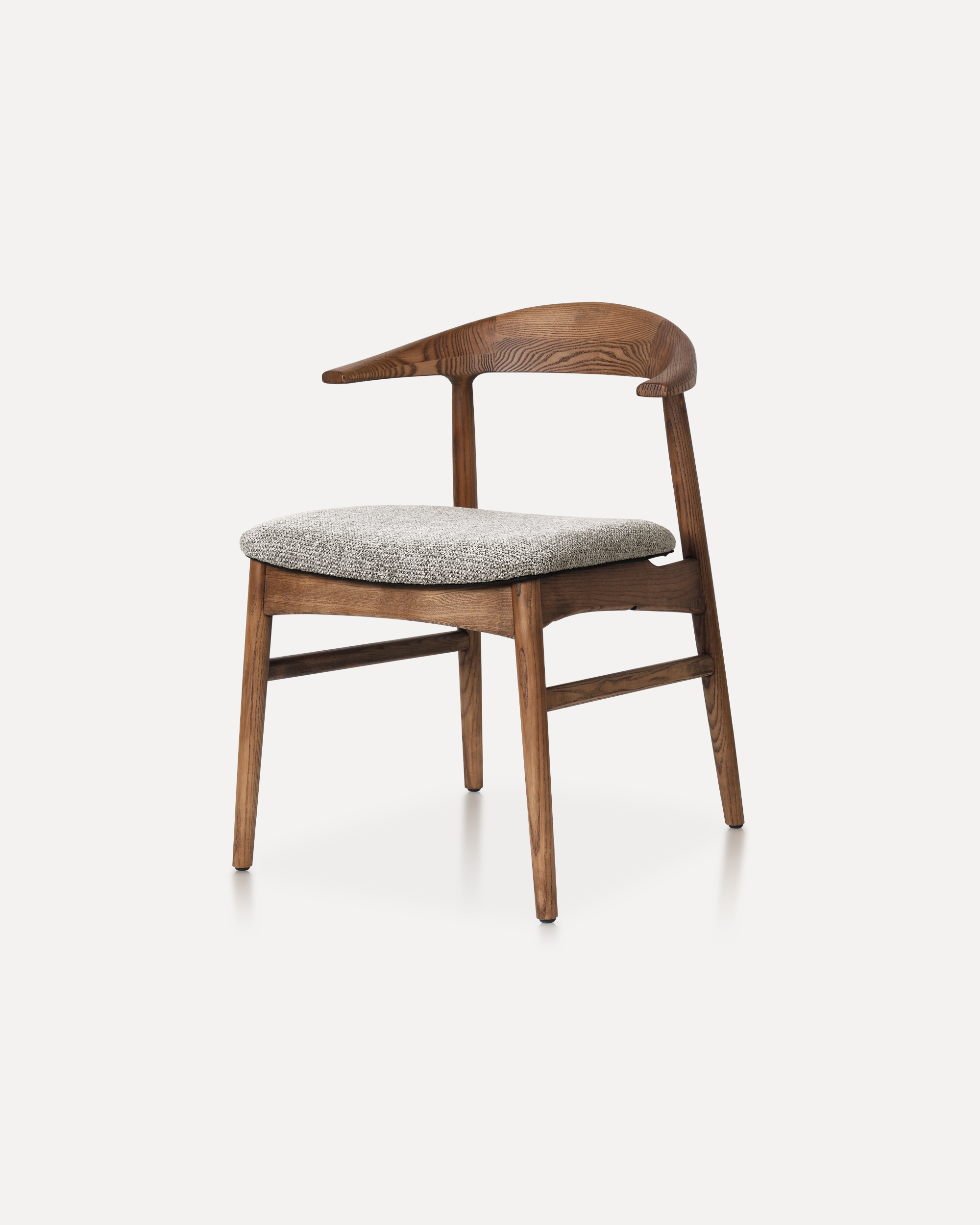
The Horizon Chair reinterprets mid-century warmth for today’s refined interiors...
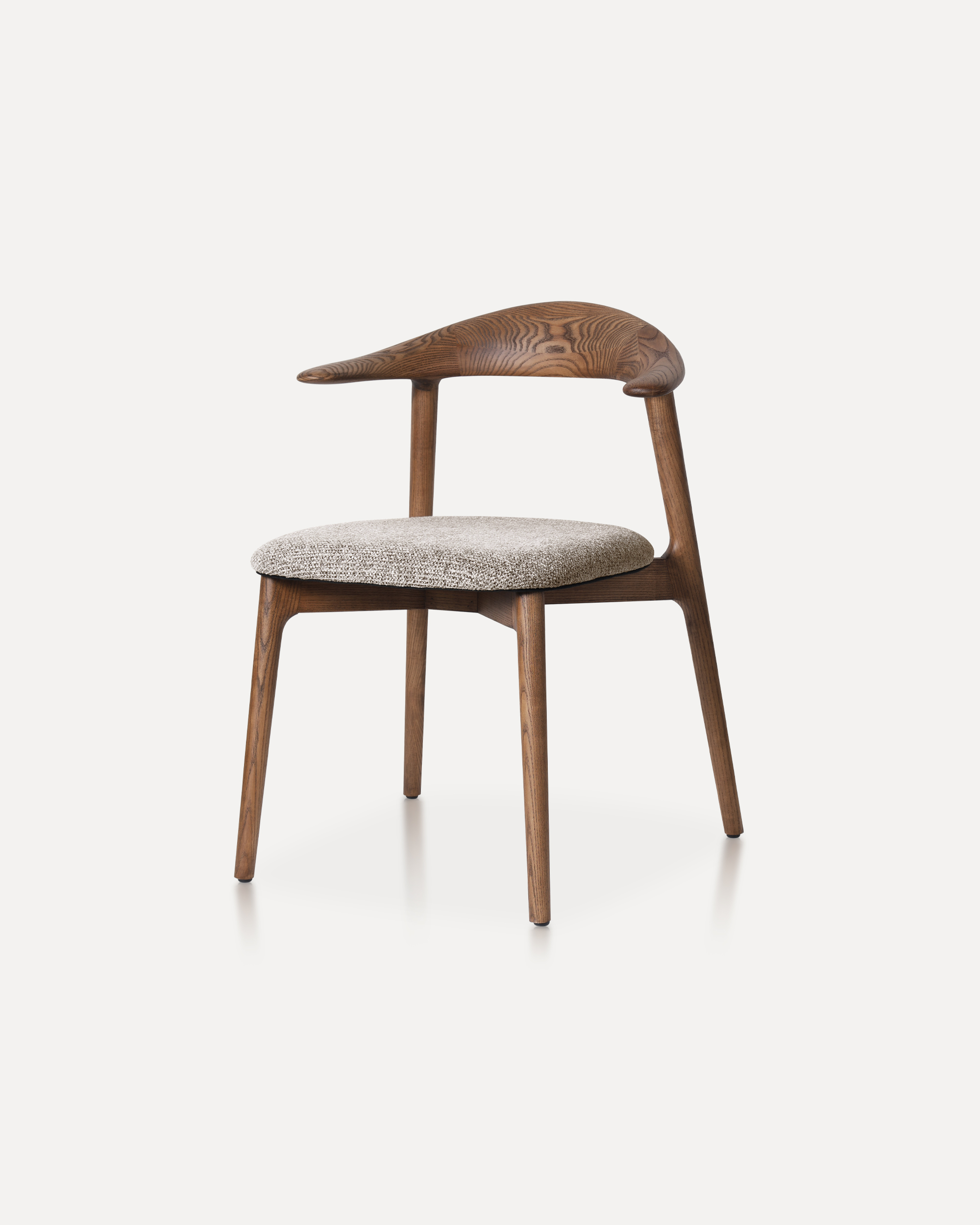
This classic features a striking, organic backrest carved from a single slab of...