
 English
  Français
 Español
Industry News
MENU

A curved back padded living room chair is the quiet workhorse of a comfortable home. Nobody compliments it the way they compliment a coffee table, but everyone notices when it is missing. Sit in a flat, hard-backed chair for an hour and your lower back starts negotiating; sit in a well-made curved back chair with honest padding and the conversation simply keeps going.
We are VICO, a wooden chair manufacturer based in Anji, Zhejiang, and we have been building seating for furniture brands, importers and designers around the world since 2001. Over more than two decades we have learned that the gap between a chair people love and a chair people merely tolerate comes down to a handful of details you can measure rather than guess. This guide walks through them: what the curve does for posture, what sits underneath the padding, how to size a chair for a real living room, and what to check before you buy one piece or specify a container.
Content
A curved back is not decoration. When a backrest arcs gently, it makes contact with a much larger area of your back than a flat panel does, so body weight is spread instead of being concentrated in two or three pressure points. The soft swell near the lower section supports the natural inward curve of the lumbar spine, which is exactly where most discomfort begins. Add a slight recline, usually somewhere between 100 and 105 degrees, and the upper body settles back rather than perching forward.
The shape also changes how a chair gets used. People stay in a curved back chair for longer stretches without shifting, which is why the design has survived every furniture trend of the past century. We wrote about that endurance in our own note on why the rounded back never goes out of style, and the conclusion still holds: comfortable shapes get used, and shapes that get used get kept.
Three measurements matter more than any marketing language:
If you would like to see how we translate those three numbers into a finished piece, the arched back chair in our collection is a good place to start.
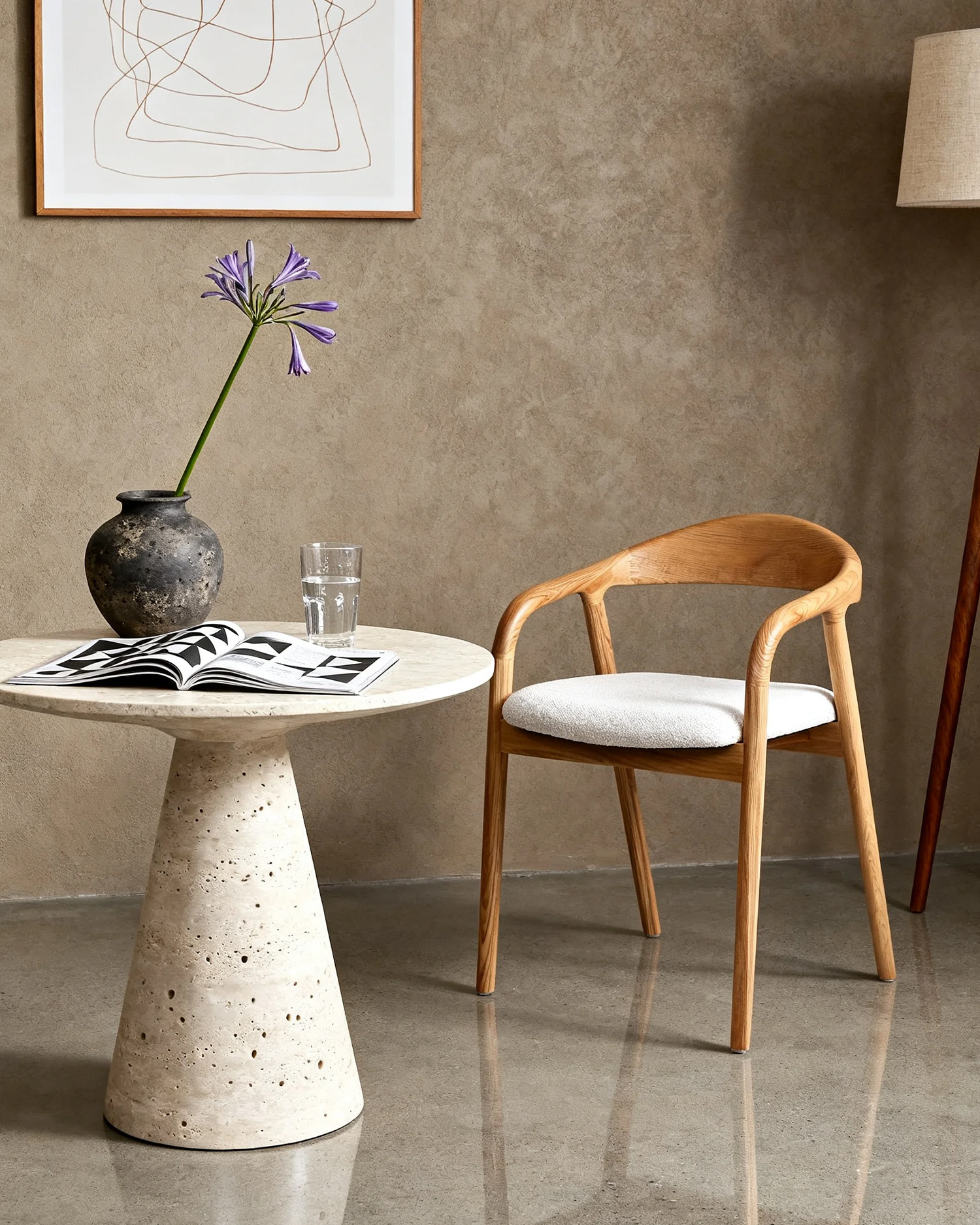 CY2002Showcases a refined silhouette with smooth, curved armrests and a gently rounded backrest, this timeless wooden chair design adds warmth and sophistication to any dini...View Product →
Padding only feels good when everything below it behaves. A curved back chair carries more load than a plain side chair because the body sinks into it, so the frame, the joinery and the foam all have to be chosen with that in mind.
We build our frames from solid European ash and rubberwood, kiln dried and held at a moisture content between 8 and 12 percent. That range matters: timber that arrives too wet keeps moving after the chair reaches a dry, heated room, and movement in a frame shows up as cracks, squeaks and a seat that slowly loosens. We buy from FSC certified, fully traceable sources and inspect every board before it reaches the machining line.
Foam is where cheaper chairs save money, and it is the first thing to fail. High resilience foam in the 30 to 40 kg/m3 range keeps its loft for years, while low density foam collapses into a hollow within months. For a living room chair, a seat cushion of 8 to 12 cm wrapped in a thin layer of wadding gives a soft first impression without losing support.
| Component | What Good Looks Like | Why It Matters |
|---|---|---|
| Backrest curve | Continuous arc with a soft lumbar swell | Contact along the whole spine instead of two pressure points |
| Seat foam | 30 to 40 kg/m3 high resilience foam, 8 to 12 cm thick | Resists flattening after months of daily use |
| Frame timber | Solid ash or rubberwood, dried to 8 to 12 percent moisture | Prevents cracking, warping and squeaks |
| Joinery | Glued and screwed mortise-and-tenon or dowel joints | A padded chair takes more load than a plain side chair |
| Upholstery | Tightly woven fabric or full grain leather over wadding | Protects the foam and keeps the seat edge crisp |
| Legs and base | Four solid legs with felt or nylon glides | Spreads weight and protects wood floors |
Fabric choice finishes the job. Tightly woven upholstery and full grain leather hold their shape around a curved seat edge; loose, stretchy weaves wrinkle where the arc bends.
If you would rather study the layers than read about them, the generous cushioned chair in our range shows how they come together.
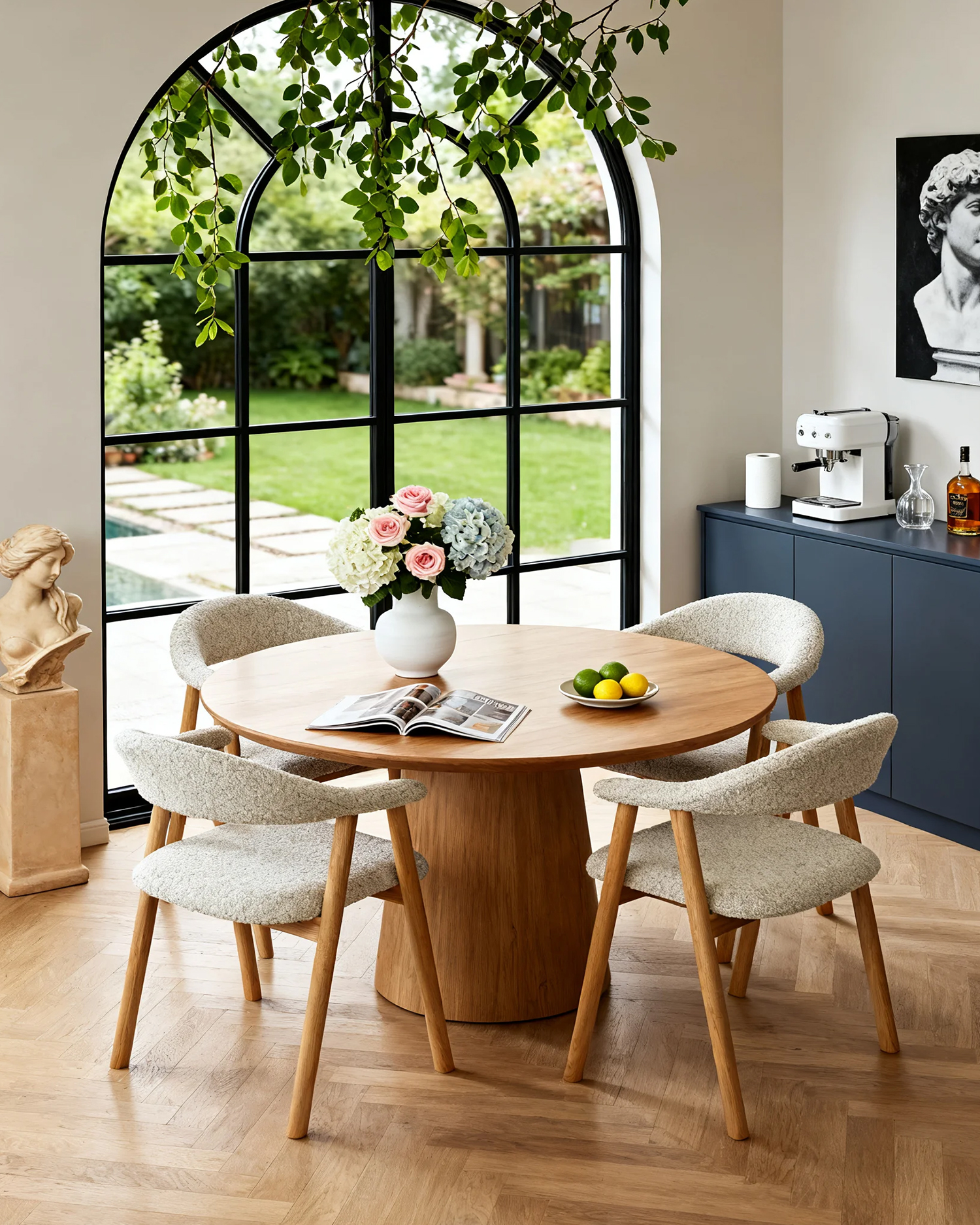 CY2037Presents a refined silhouette, pairing soft upholstery with a smooth rubberwood frame, this wooden chair curved backrest flows seamlessly into arm supports, creating a...View Product →
A living room chair has to share space, and padded chairs are naturally bulkier than side chairs. A few practical rules we share with designers:
Comfort also depends on pairing. A softly curved leisure chair beside a crisp sofa works because the contrast is deliberate; two soft shapes side by side tend to look tired. For compact apartments and guest rooms, a chair light enough to move between the living room and the bedroom earns its floor space twice over.
Our cozy leisure wooden chair was designed for exactly that kind of flexible use.
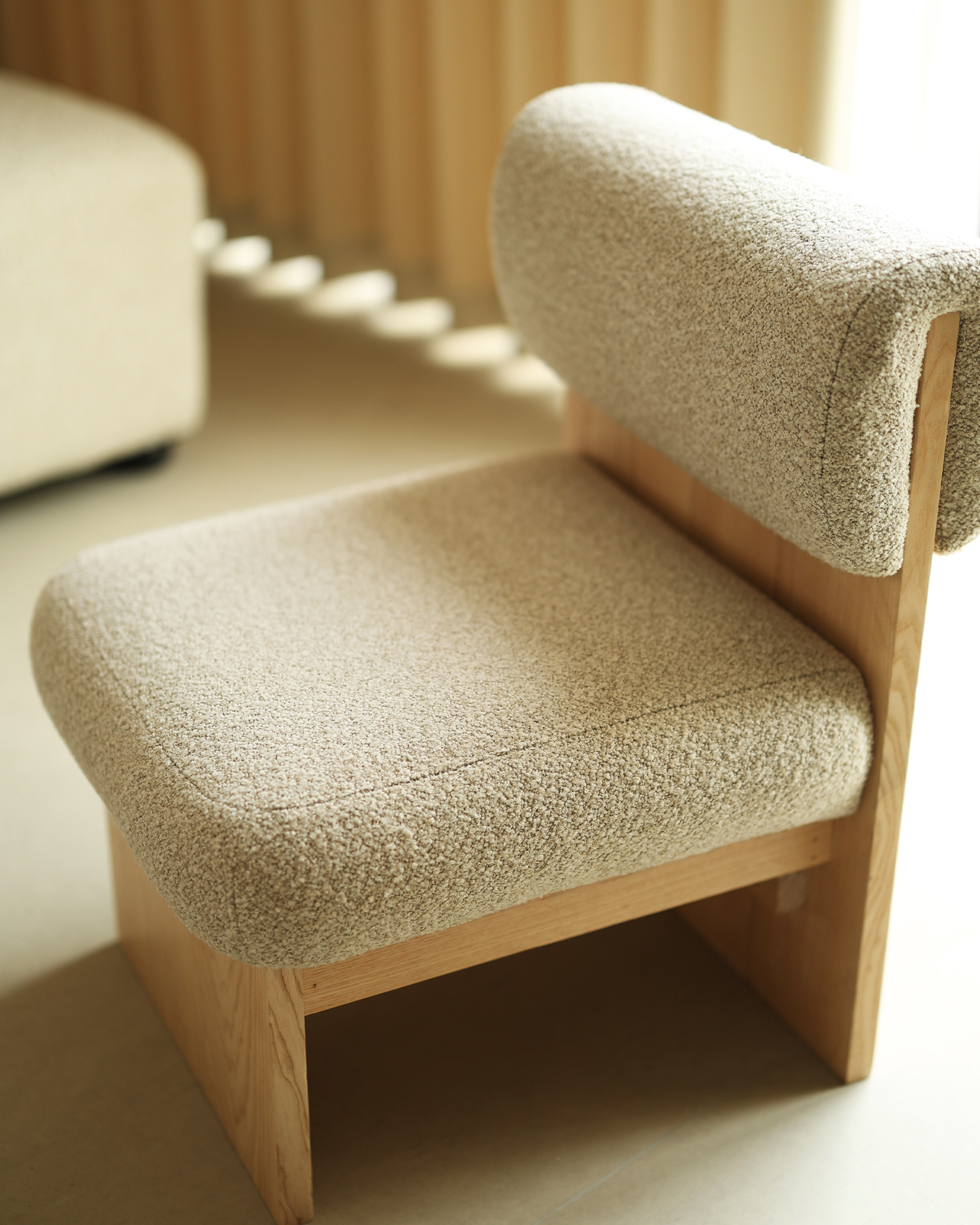 CY2032Step into a haven of relaxation with this exquisite ash wood chair.View Product →
Colour is the last decision and often the one people regret fastest. Warm neutrals such as oatmeal, sand and greige keep a padded chair in the background and let the wood grain speak, while a deeper forest green or a walnut tone makes the chair a focal point. If the chair sits on a light rug in a room with strong daylight, choose a fabric with a little texture, because flat surfaces show every mark.
Because so many of our customers specify colour at the same time as shape, we manage it as its own step in the process. You can browse the options on our colour scheme pages, and we are always glad to match a sample you send us.
Padded chairs age well when they are treated like furniture rather than a spot to drop bags. A short routine is enough:
With that routine, a good padded chair stays comfortable for a decade or more, and the frame usually outlasts the upholstery by a wide margin.
Most people who contact us are not shopping for a single seat. They are brand buyers, importers and interior designers who need a curved back padded chair that can be repeated across a project, a catalogue or a hotel floor plan, and repeated consistently. That is the part of the work we know best: standardised models, documented dimensions, careful colour control and packaging designed for long distance shipping.
Several of our models ship with knock down construction, small carton sizes and stackable frames, which lowers freight volume and warehouse cost without changing what the customer sees on the showroom floor. Dimension drawings, care notes and model manuals are available through our download section, and our team can prepare samples before a full order is placed.
If you are weighing a new padded chair for a project of any size, tell us the room, the seat height you need and the look you have in mind. Chances are we have already built something close to it.
Comfort in a living room is rarely about one dramatic purchase. It is about a chair that holds you properly, asks nothing of your attention, and still looks right five years later. That is the standard we build to, and it is the reason we still enjoy drawing that curve after more than twenty years in the workshop.
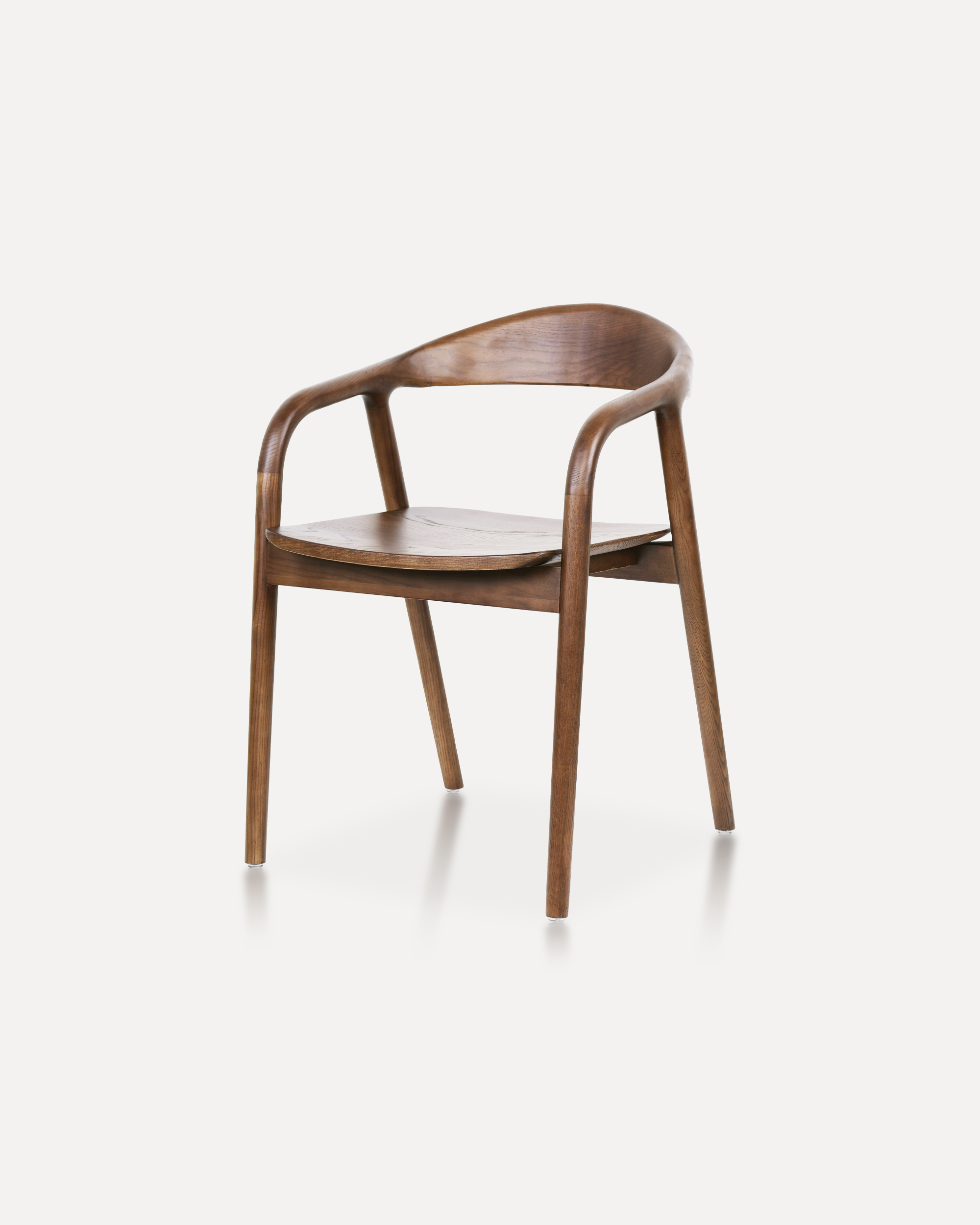
Crafted entirely from solid ash wood, this chair embodies a refined balance of ...
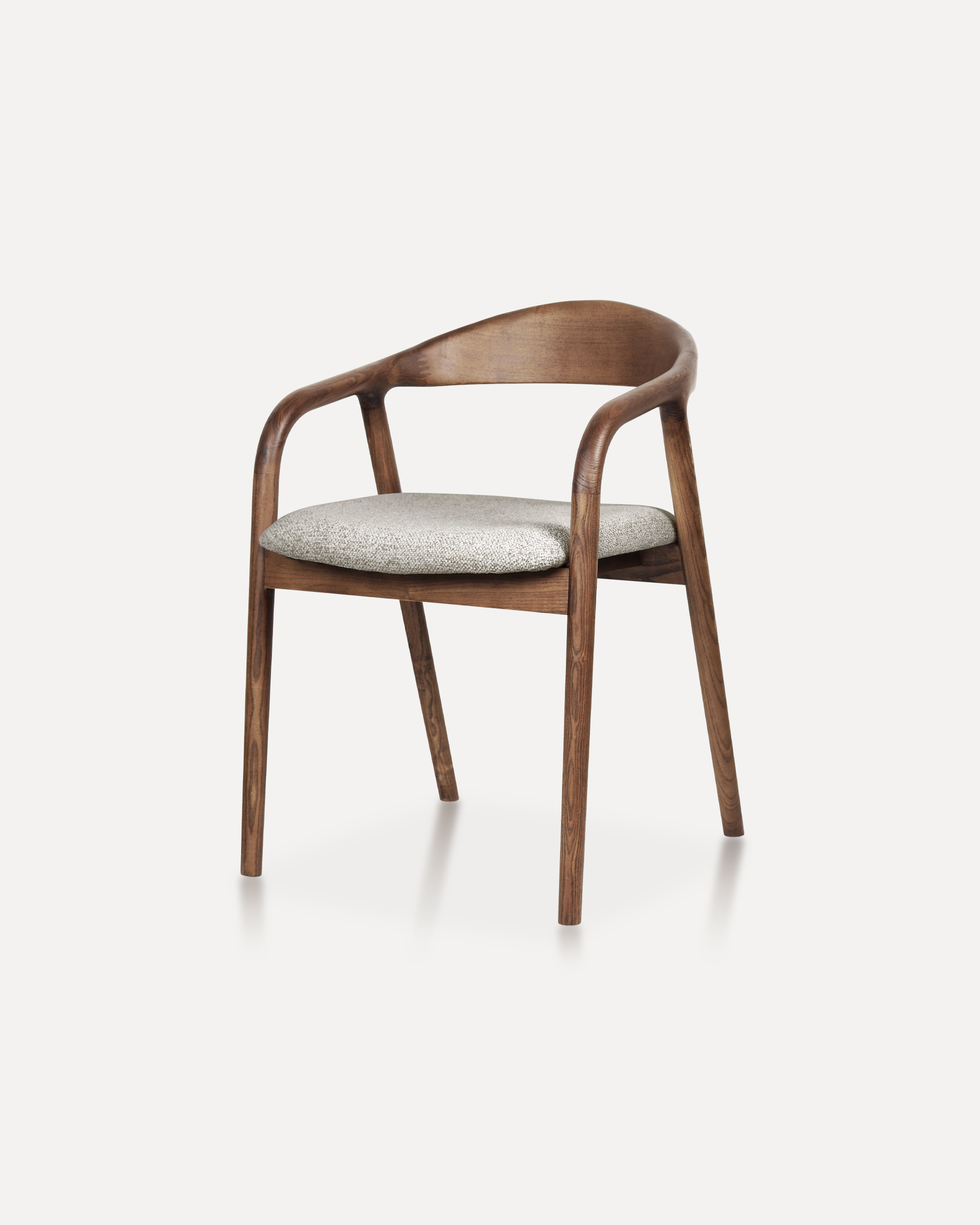
Showcases a refined silhouette with smooth, curved armrests and a gently rounde...
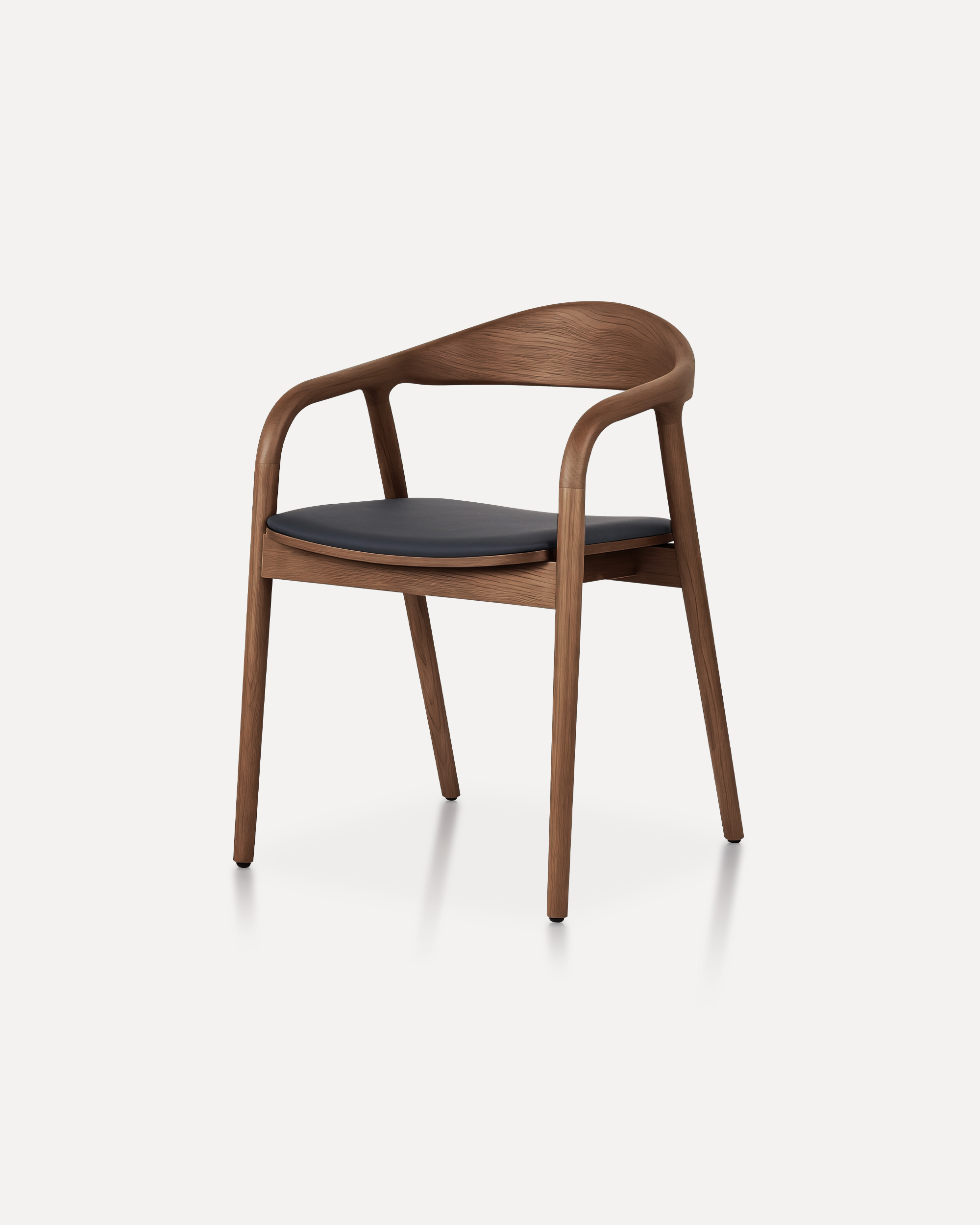
A masterclass in refined joinery and organic geometry, the Arc Chair features a...
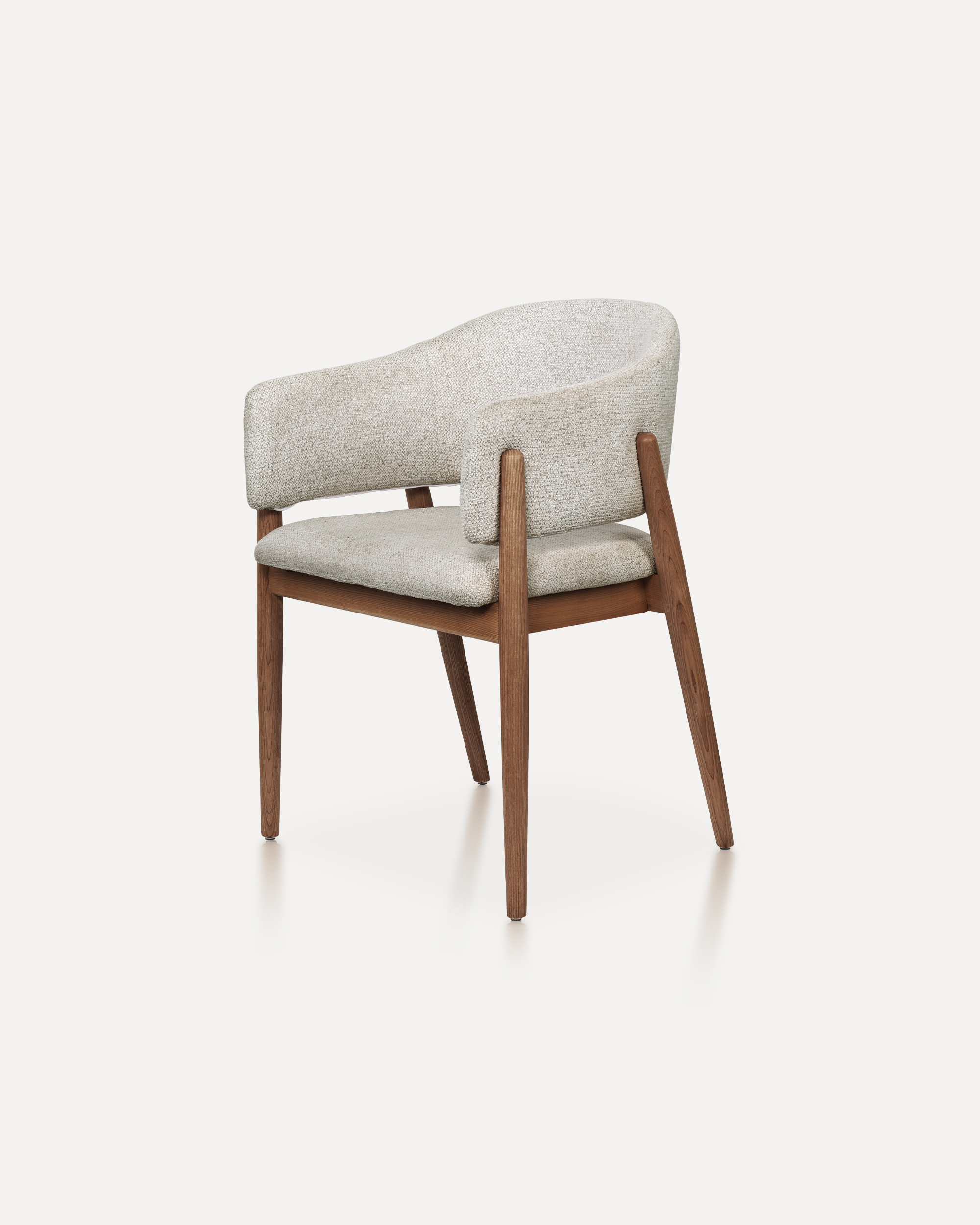
With its refined proportions and welcoming form, this chair brings quiet sophis...
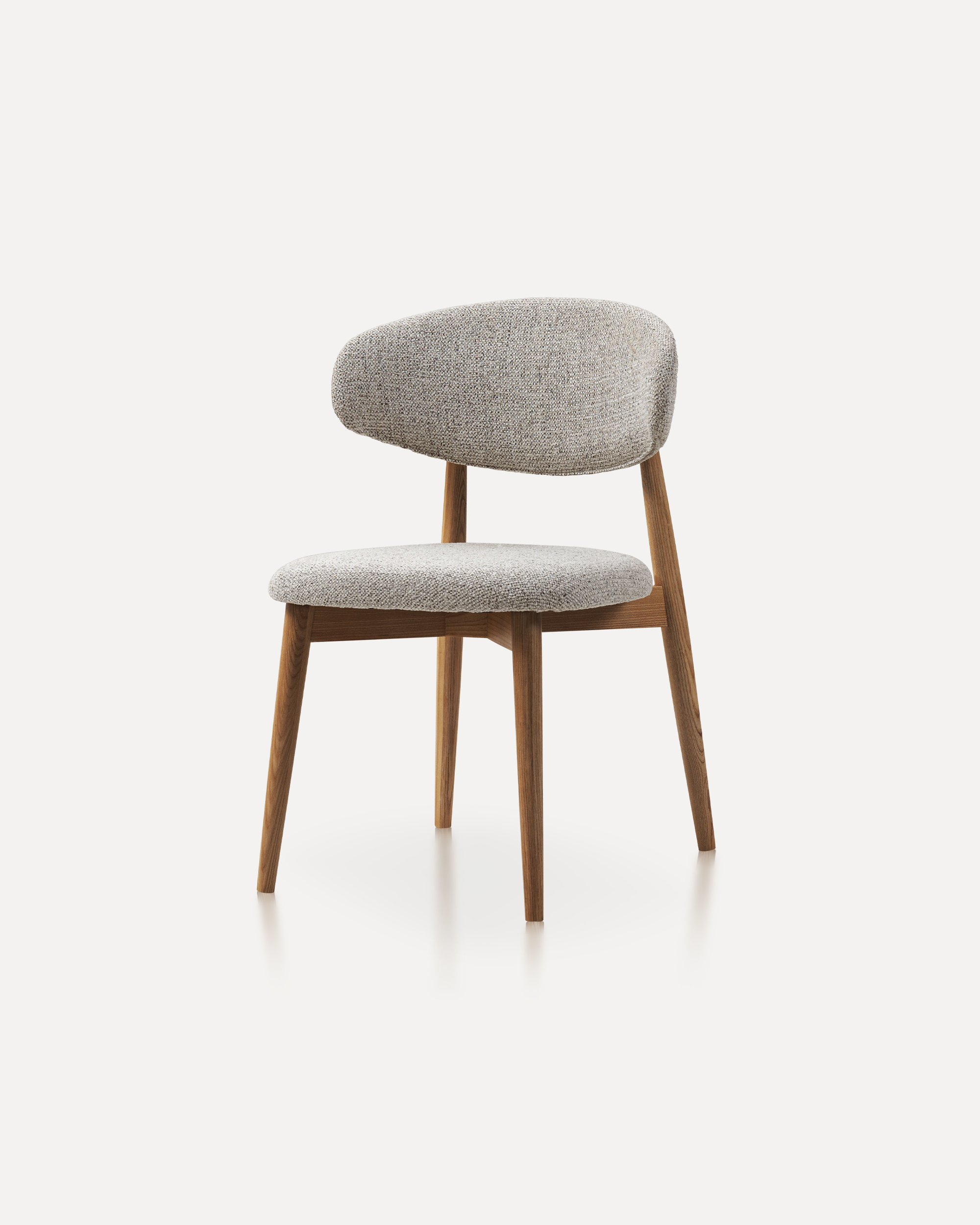
This wooden chair is a classic furniture piece that exudes warmth, durability, ...
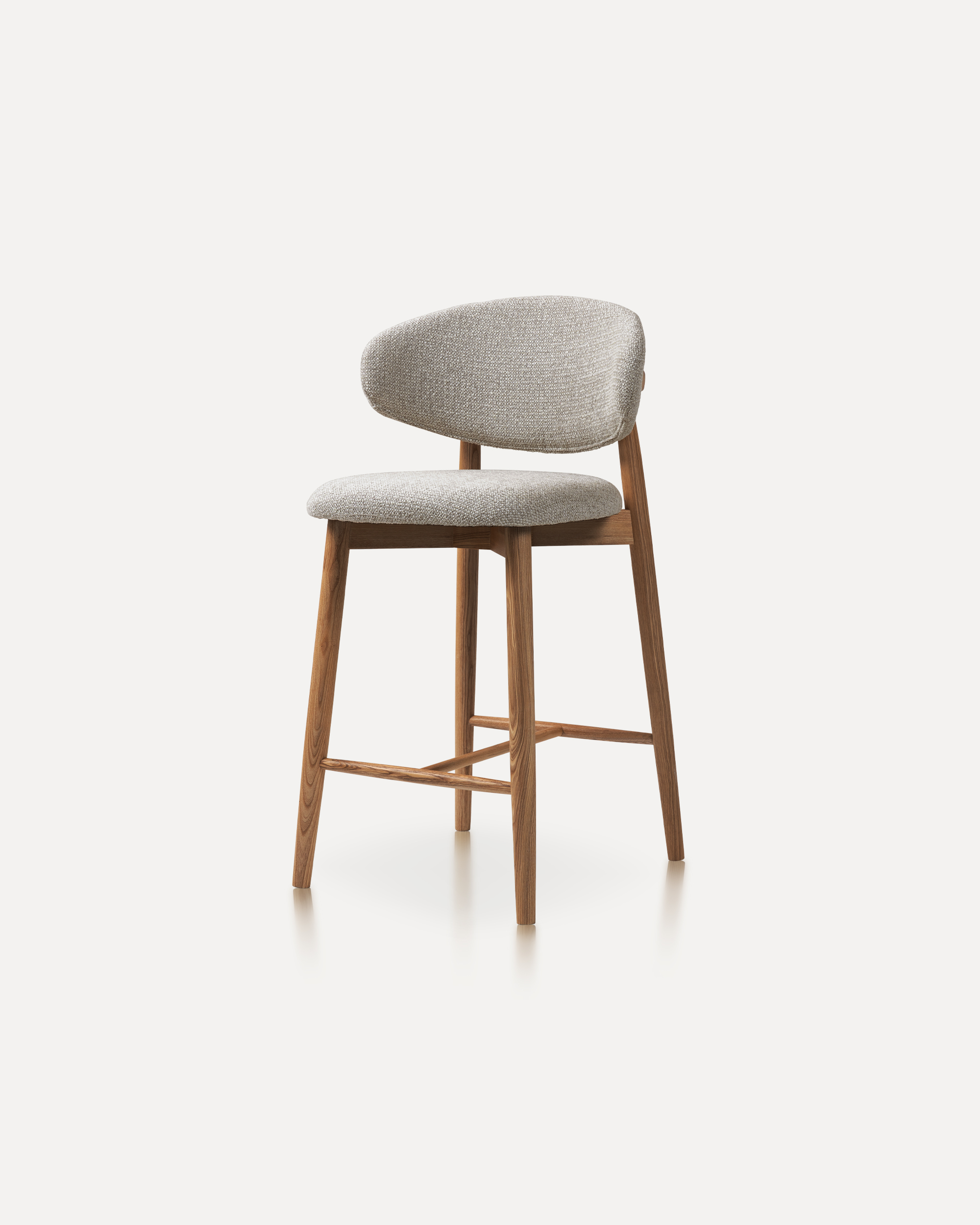
Our Wood Bar Stools are the perfect addition to any high-top table or bar setti...
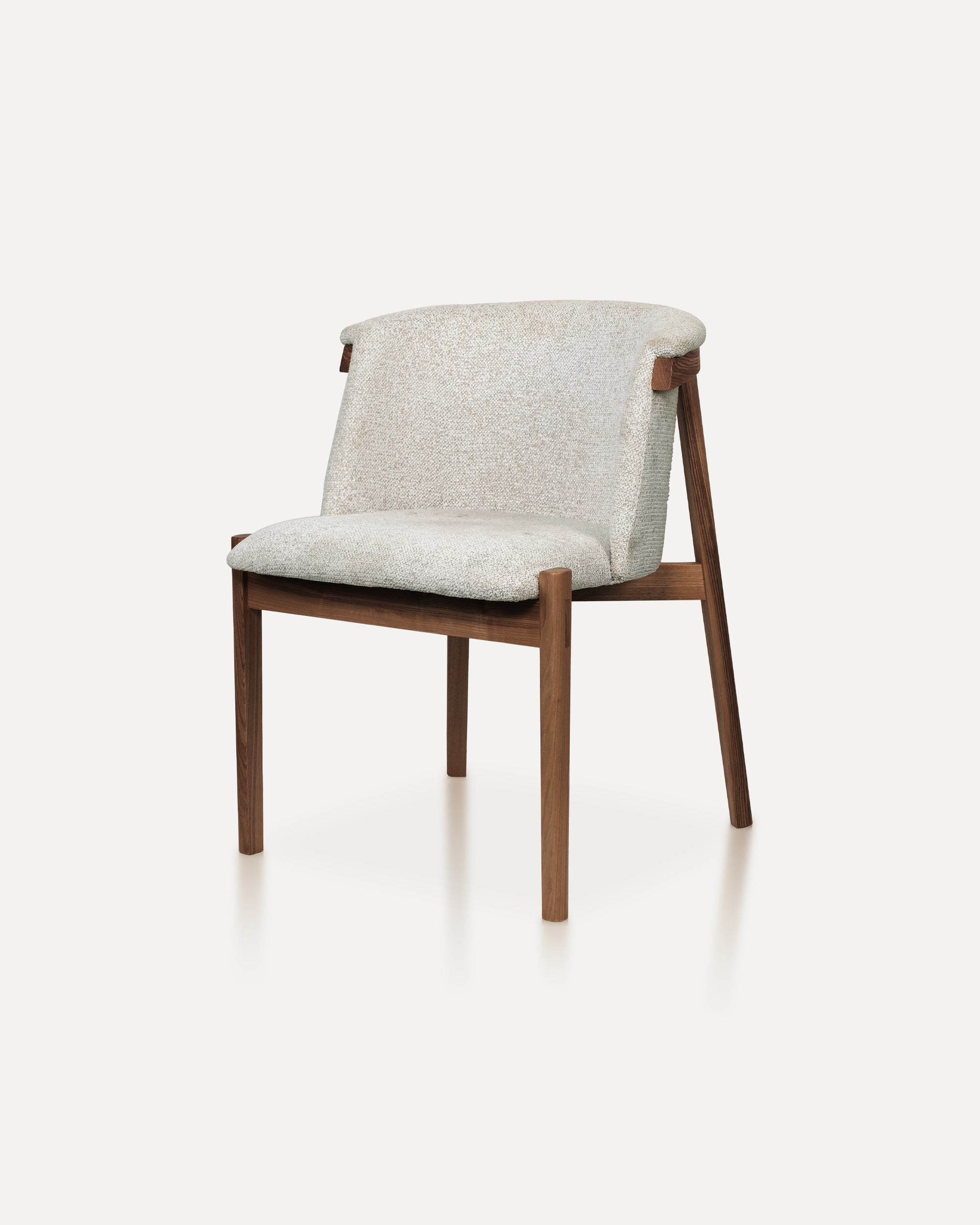
Bring natural elegance into your home with this finely crafted chair. The desig...
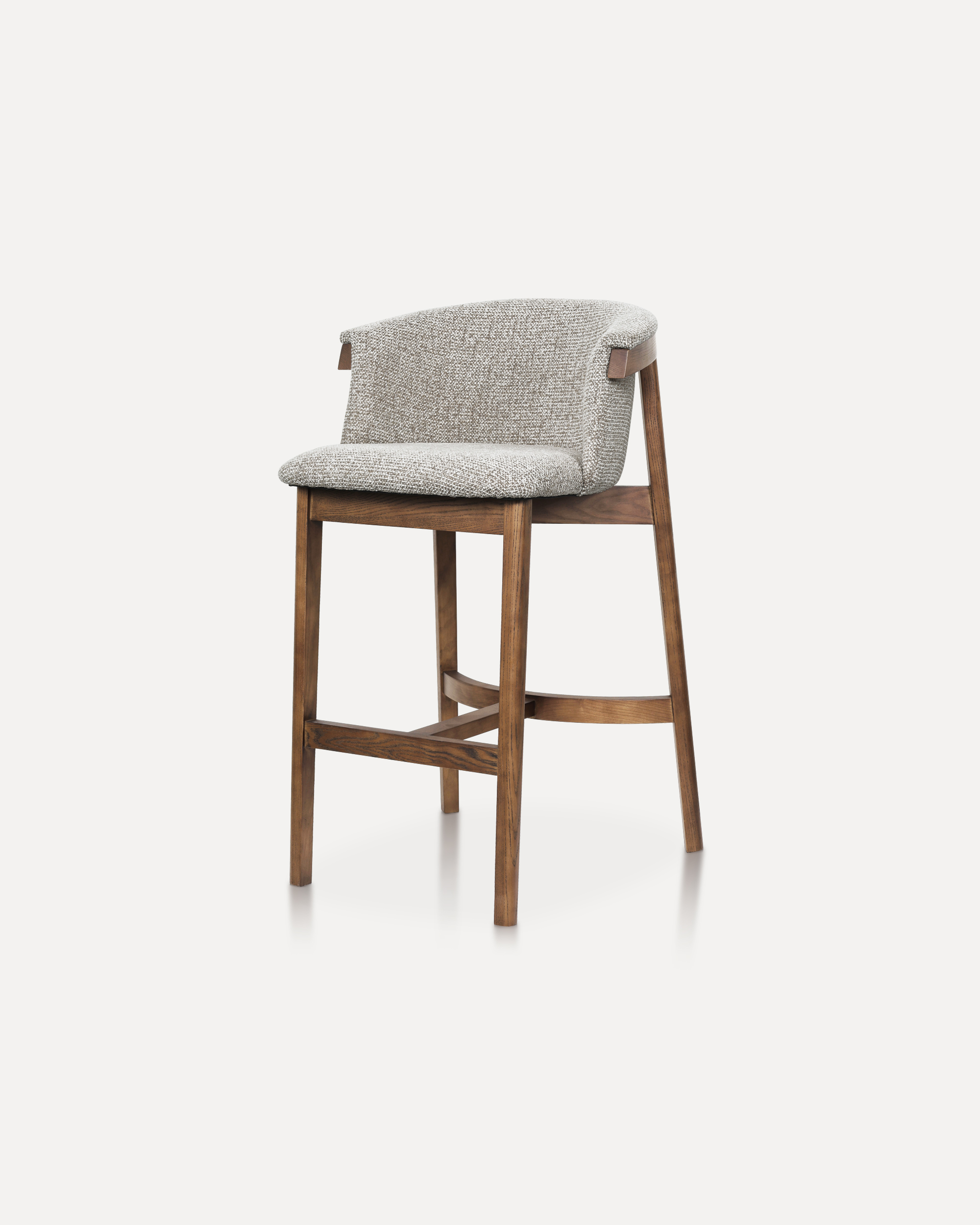
This sophisticated bar chair elevates any counter or high-top setting with its ...
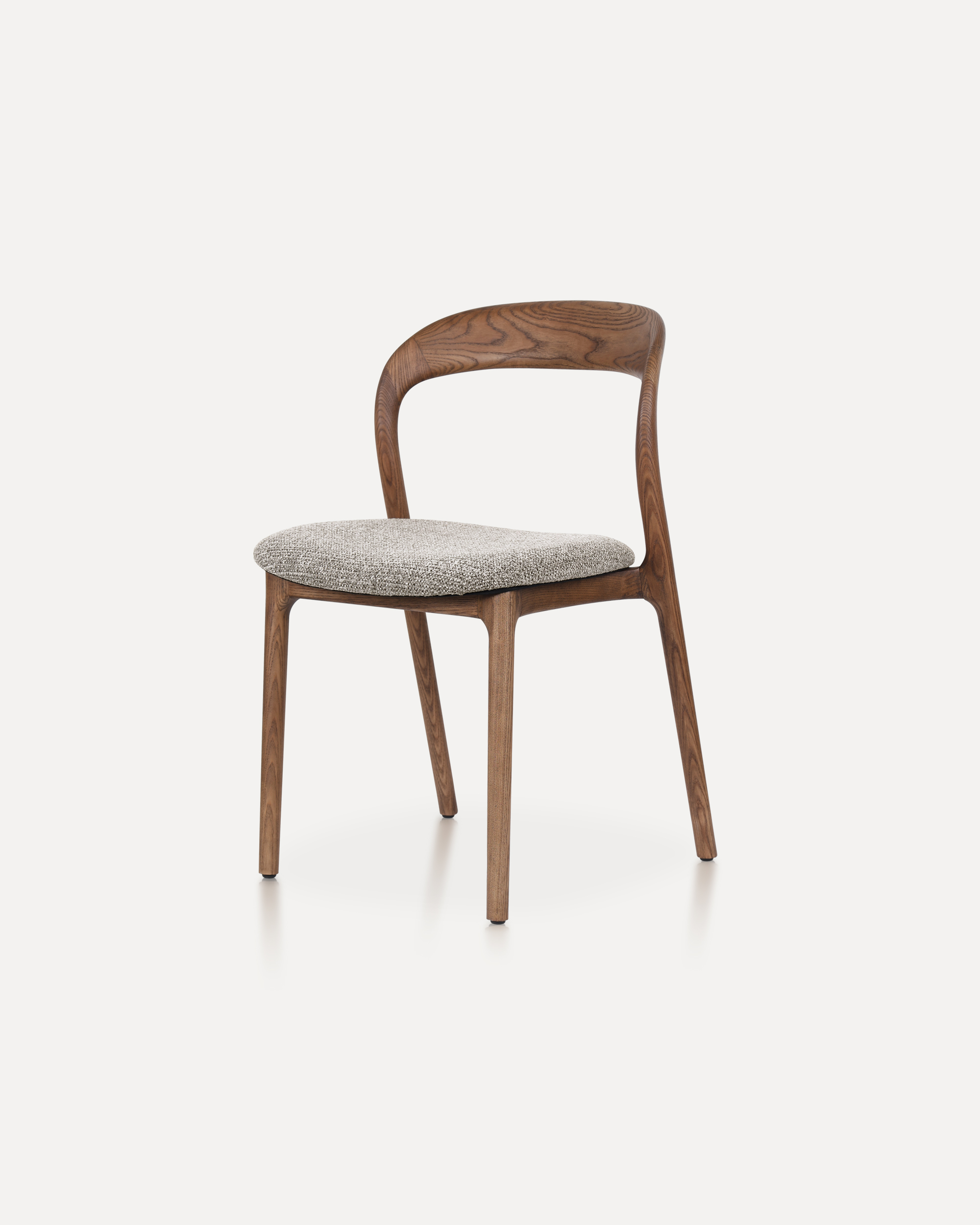
The Echo Chair is crafted from solid ashwood, featuring a unified back-and-arm ...
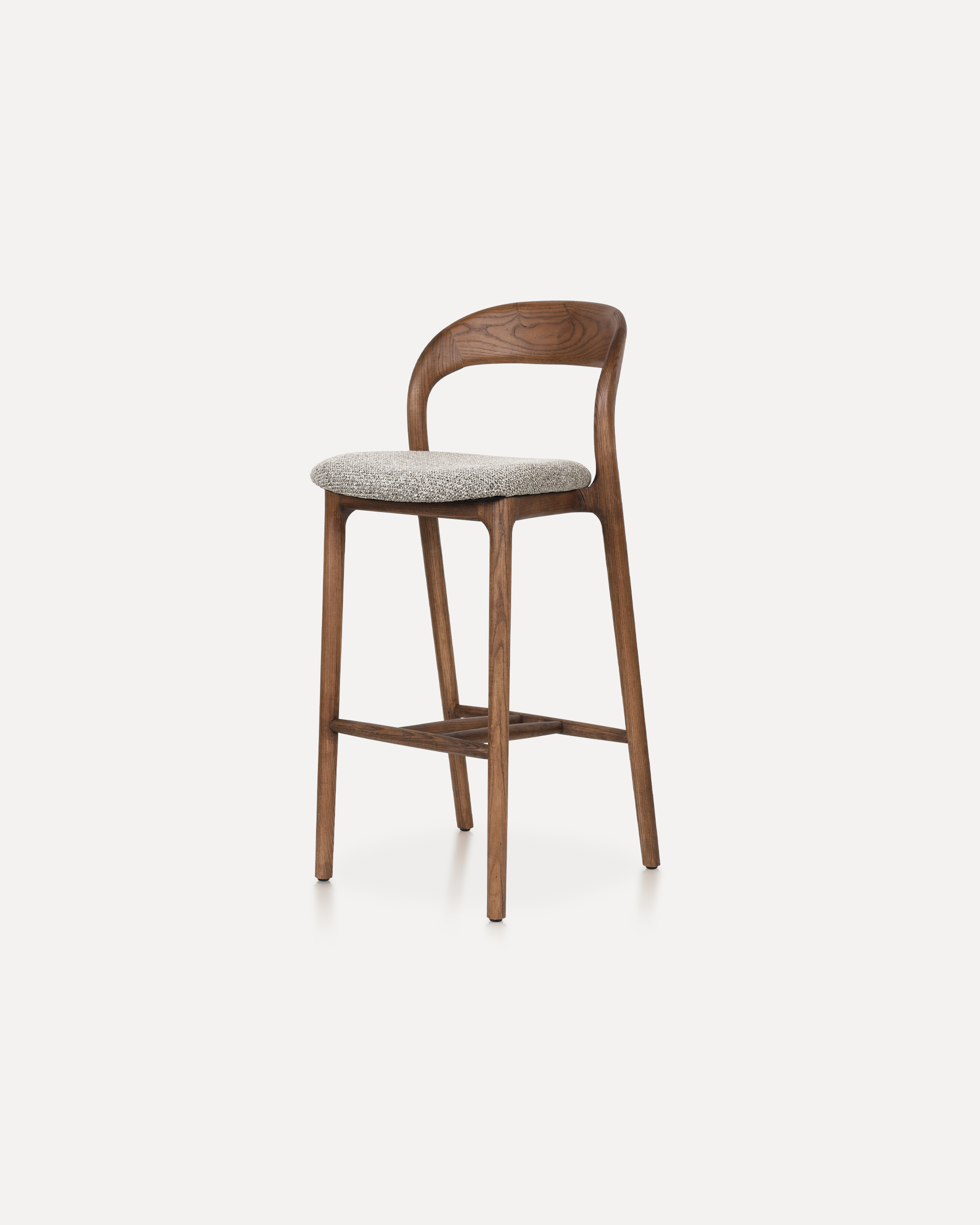
This Bar Chair is a counter-height seating solution crafted from solid ashwood ...
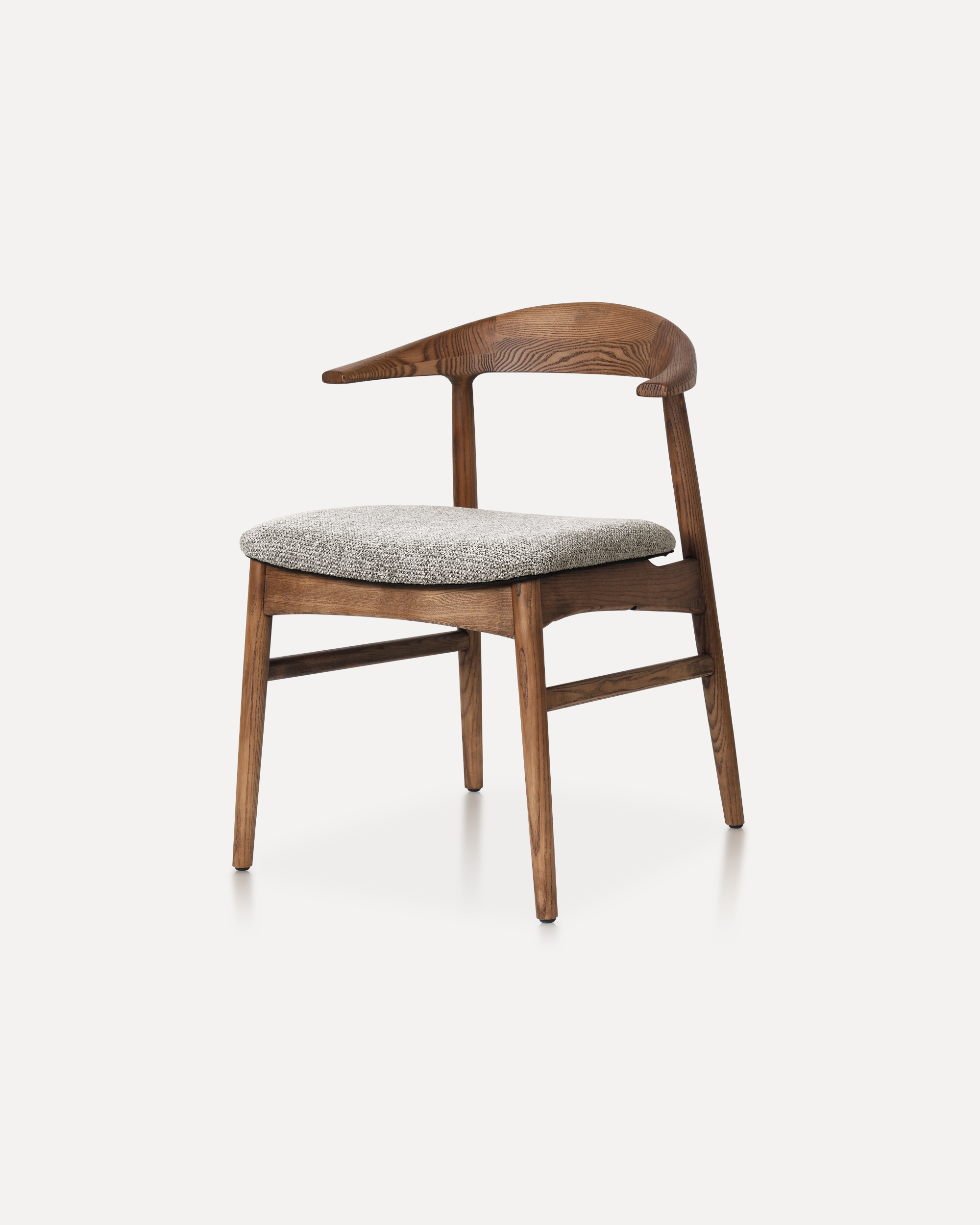
The Horizon Chair reinterprets mid-century warmth for today’s refined interiors...
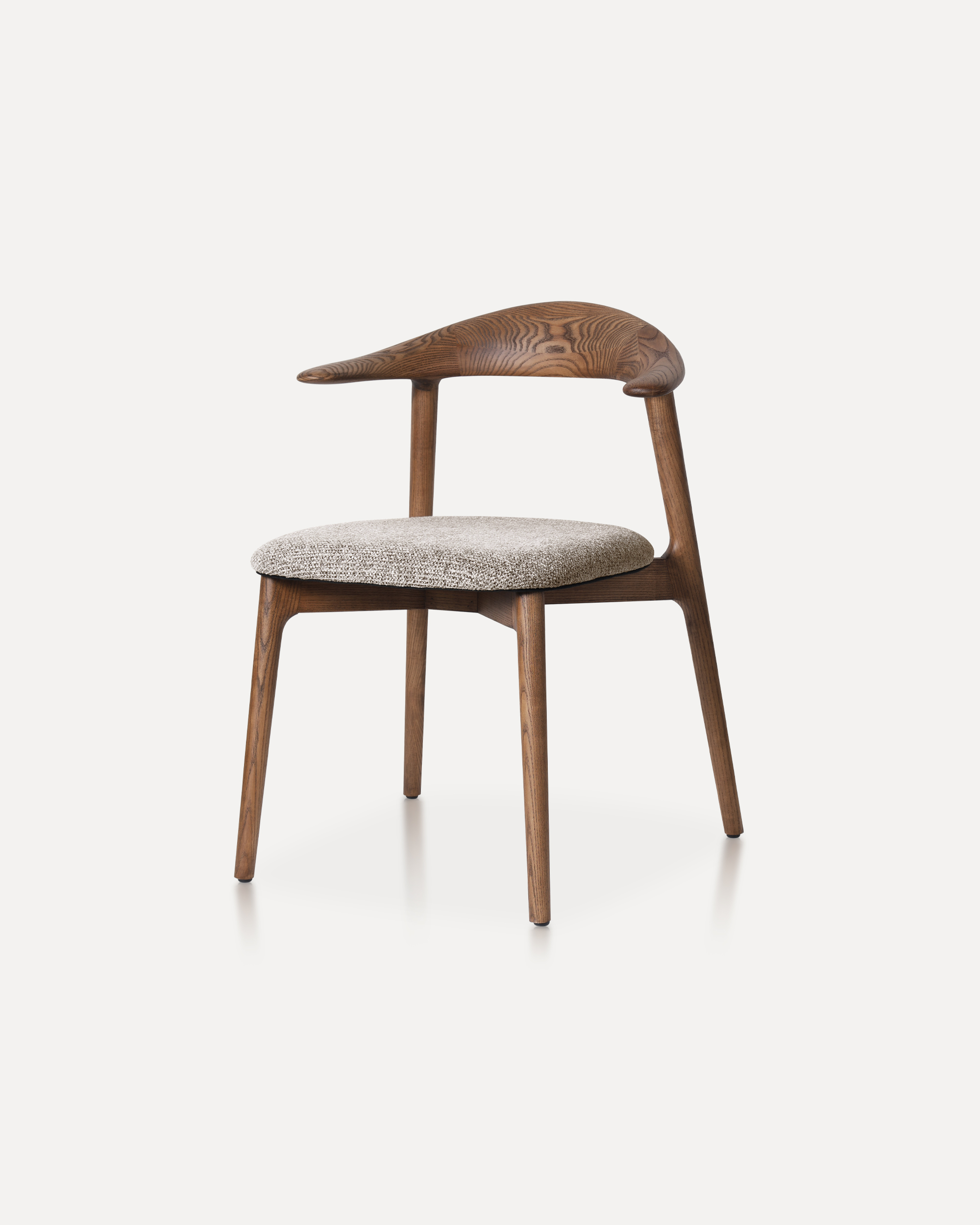
This classic features a striking, organic backrest carved from a single slab of...