
 English
  Français
 Español
Industry News
MENU

Content
In modern interior design, a living room design chair is rarely just a place to sit; it serves as a visual anchor that defines the character of the space. Whether you are aiming for a mid-century modern aesthetic or a contemporary minimalist look, the chair acts as a sculptural element that breaks the monotony of larger furniture pieces like sofas. By selecting a chair with a distinct silhouette, you introduce a point of interest that draws the eye and balances the room's proportions. It is essential to consider how the chair interacts with the existing layout, ensuring it provides both a comfortable retreat and a sophisticated design statement.
The choice of material dictates the longevity and the sensory experience of your living room. Design chairs often utilize premium materials that provide a tactile contrast to the primary seating. For instance, pairing a fabric sectional with a leather lounge chair adds a layer of luxury and depth. Below is a comparison of common materials used in high-end design chairs to help you decide which fits your lifestyle best.
| Material | Durability | Best Use Case |
| Top-Grain Leather | High | High-traffic areas, pet-friendly homes |
| Bouclé Fabric | Medium | Adding soft texture to modern spaces |
| Velvet | Medium-High | Formal living rooms and bold color accents |
| Molded Plywood | High | Minimalist and industrial interiors |
A common mistake in living room design is choosing a chair that is either too bulky for the corner it occupies or too small to be noticed. To optimize the space, ensure there is at least 18 inches of clearance around the chair for ease of movement. The height of the seat should also be within two inches of your sofa's seat height to maintain a cohesive visual line when guests are seated across from one another.
Placement is key to functionality. If the living room is large, consider placing two identical design chairs side-by-side with a small accent table between them. This creates an intimate conversation zone that feels separate from the main television viewing area. If space is limited, an asymmetrical placement—tilting the chair toward the center of the rug—can make the room feel more open and inviting.
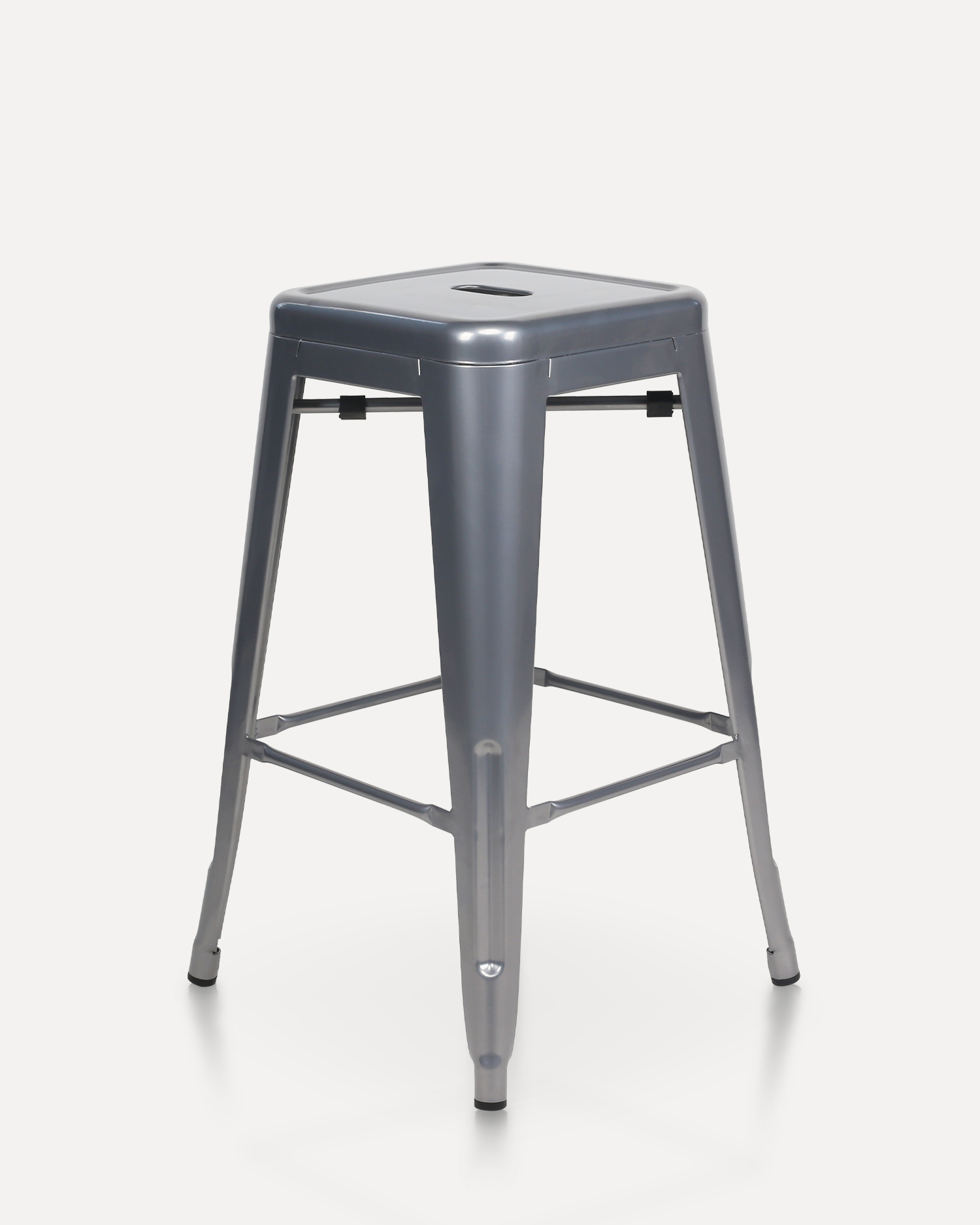
When searching for the perfect piece, understanding the distinct features of popular design movements can help narrow your search. Each style offers a different "vibe" to the room, ranging from the organic curves of the 1950s to the sharp, geometric lines of the modern era.
Investing in a high-quality design chair requires a commitment to proper care to ensure the piece retains its value and appearance over time. Different materials require specific cleaning protocols to prevent wear and tear. For leather chairs, it is vital to apply a conditioner every six months to prevent cracking, especially if the chair is placed in direct sunlight. For fabric-upholstered pieces, regular vacuuming with a soft brush attachment prevents dust from settling into the fibers and causing premature pilling. By following a consistent maintenance routine, your design chair will remain a centerpiece of your home for decades.
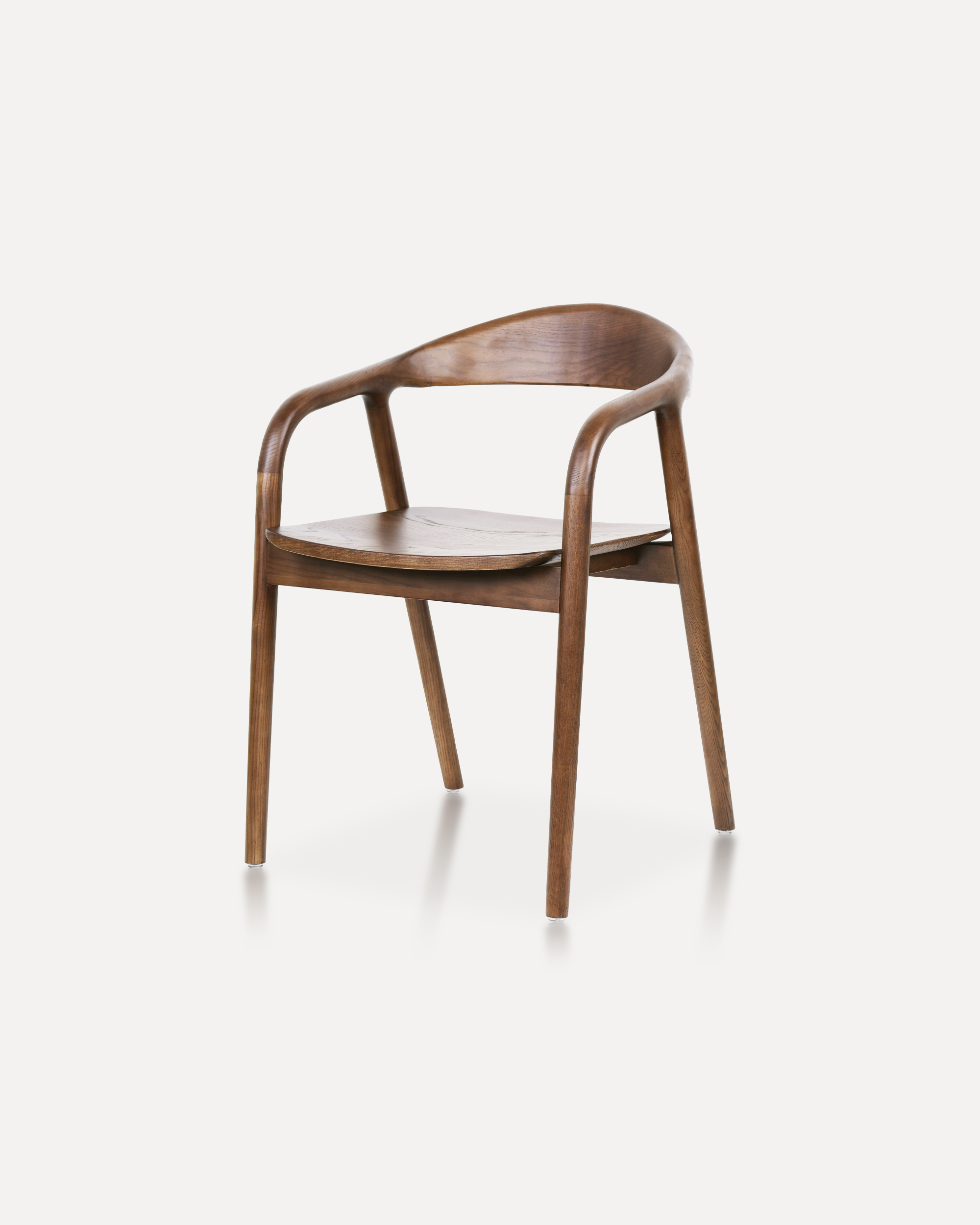
Crafted entirely from solid ash wood, this chair embodies a refined balance of ...
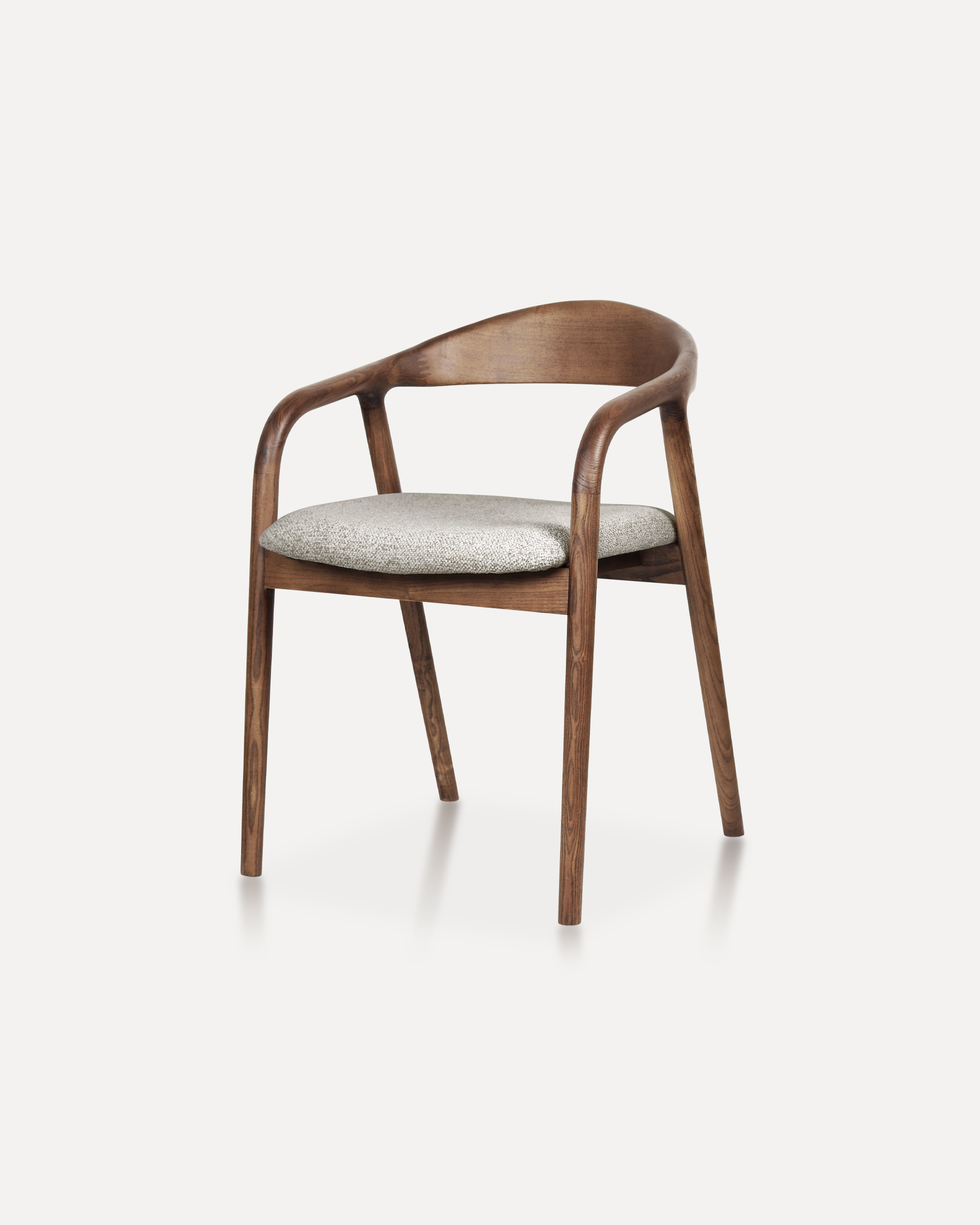
Showcases a refined silhouette with smooth, curved armrests and a gently rounde...
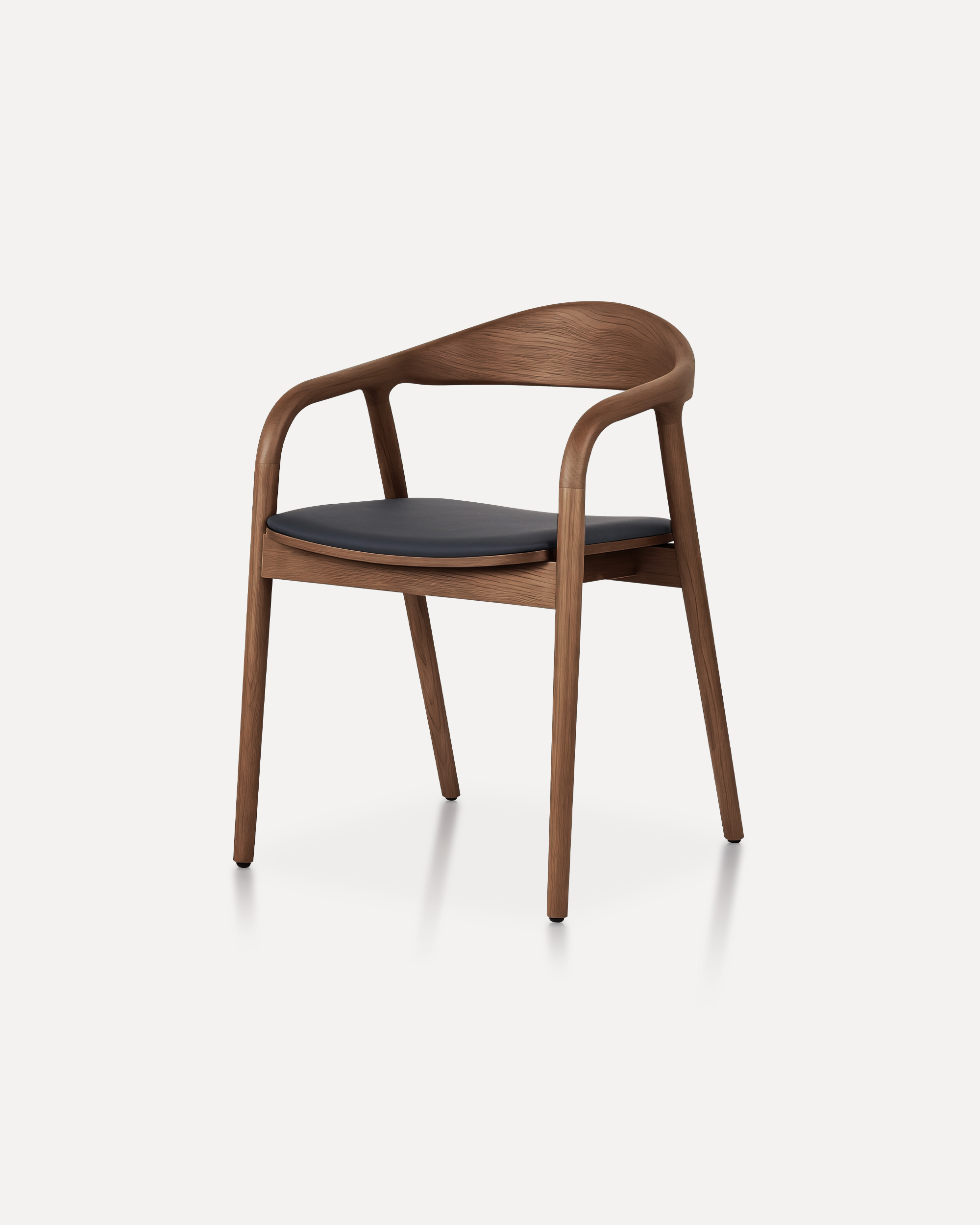
A masterclass in refined joinery and organic geometry, the Arc Chair features a...
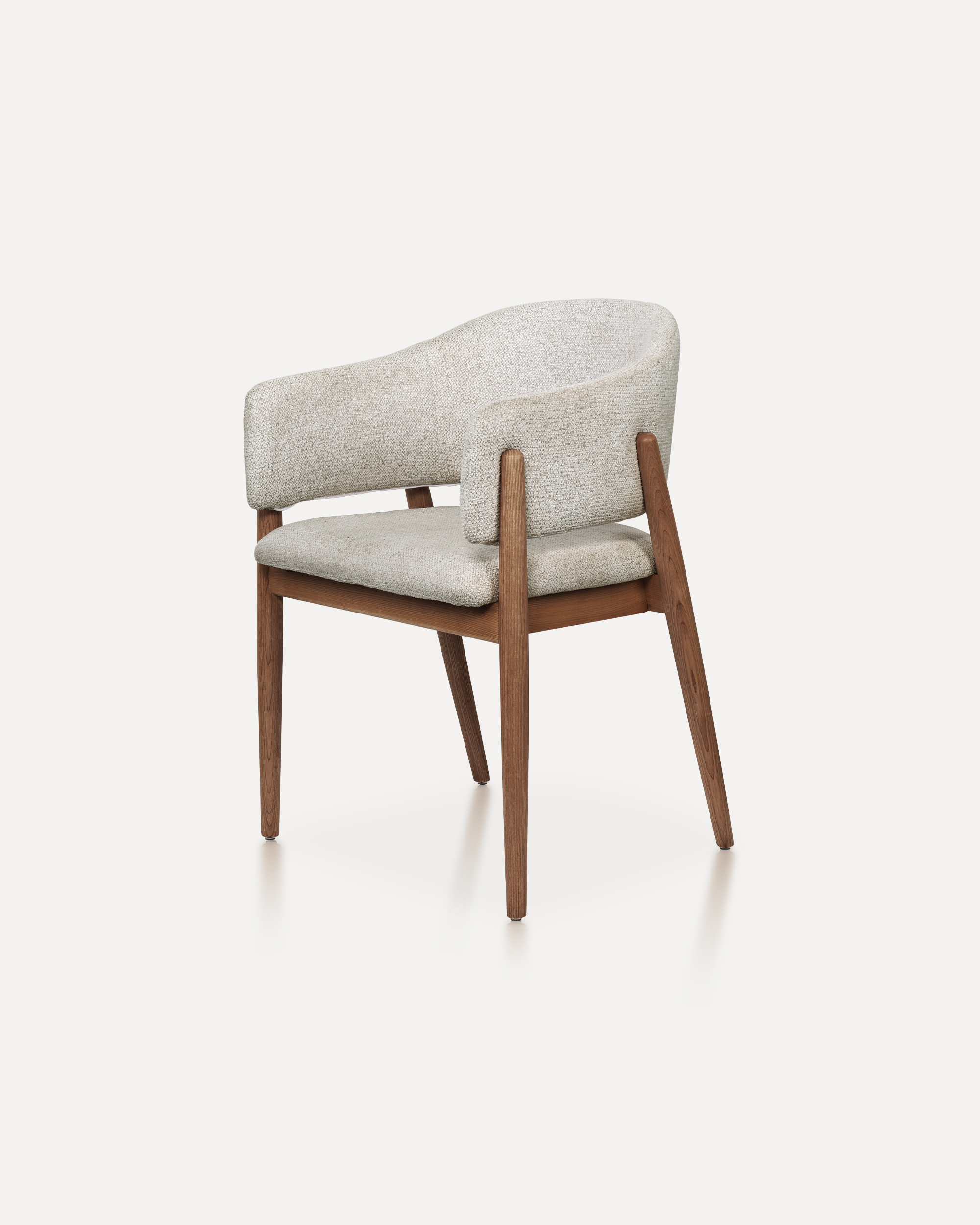
With its refined proportions and welcoming form, this chair brings quiet sophis...
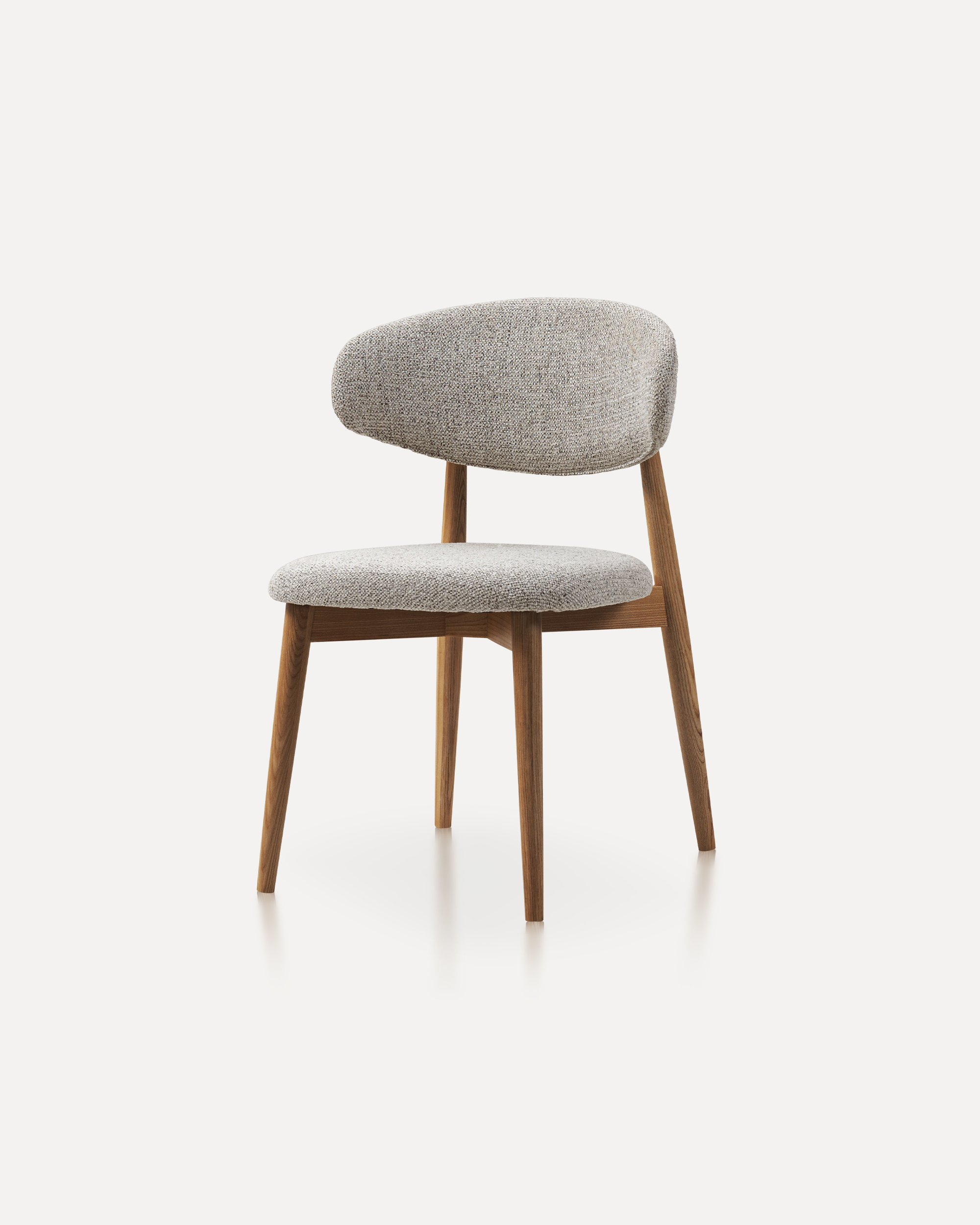
This wooden chair is a classic furniture piece that exudes warmth, durability, ...
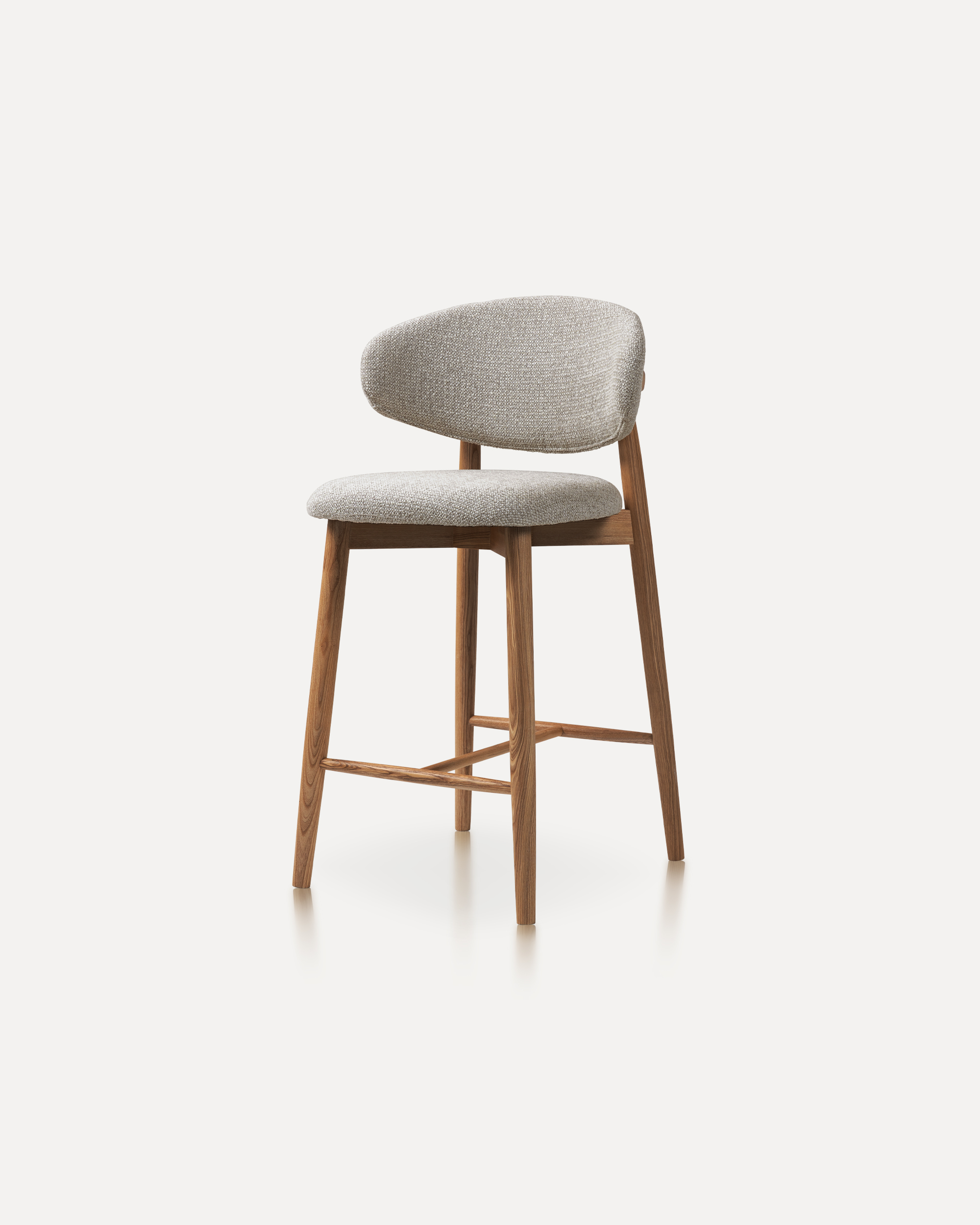
Our Wood Bar Stools are the perfect addition to any high-top table or bar setti...
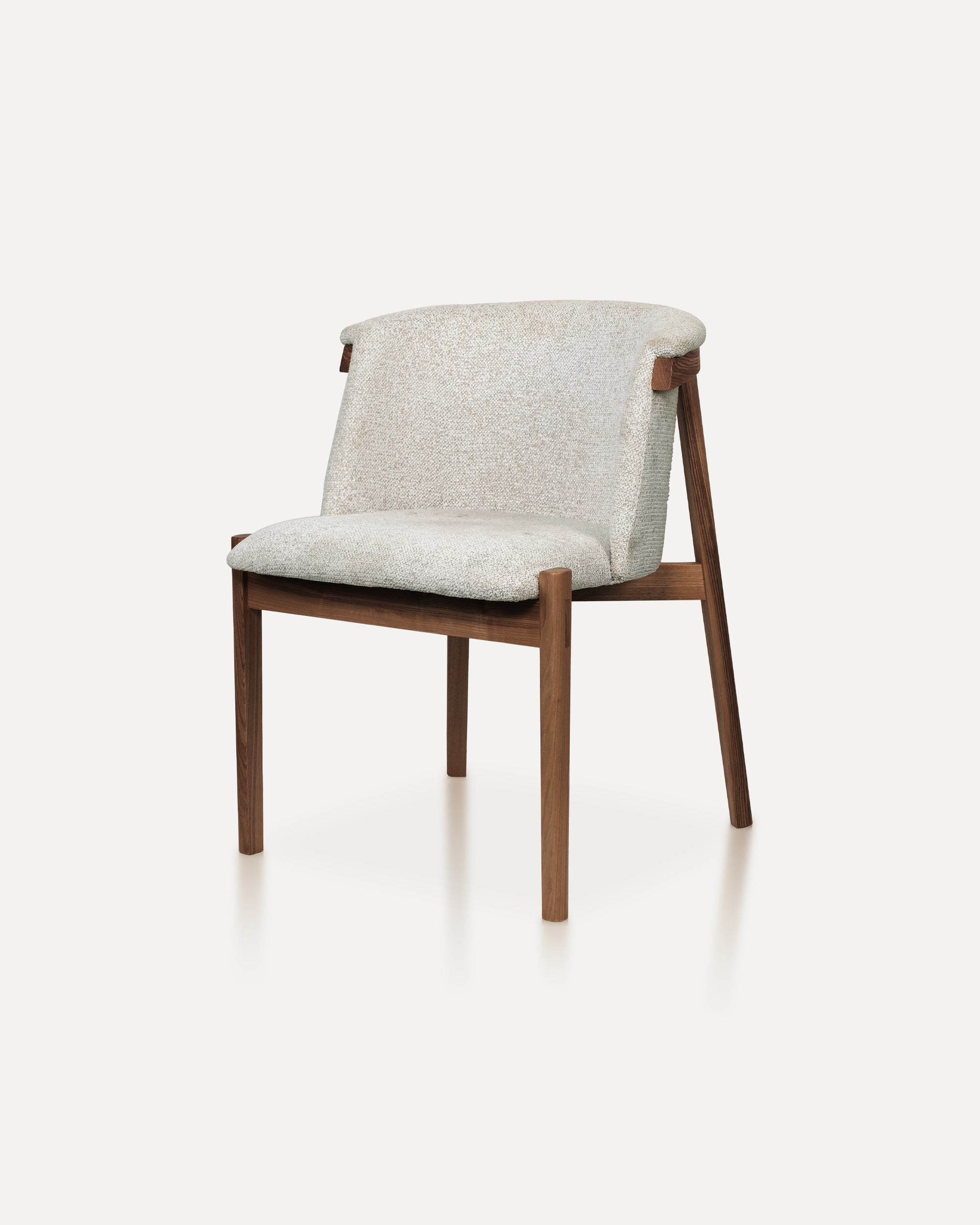
Bring natural elegance into your home with this finely crafted chair. The desig...
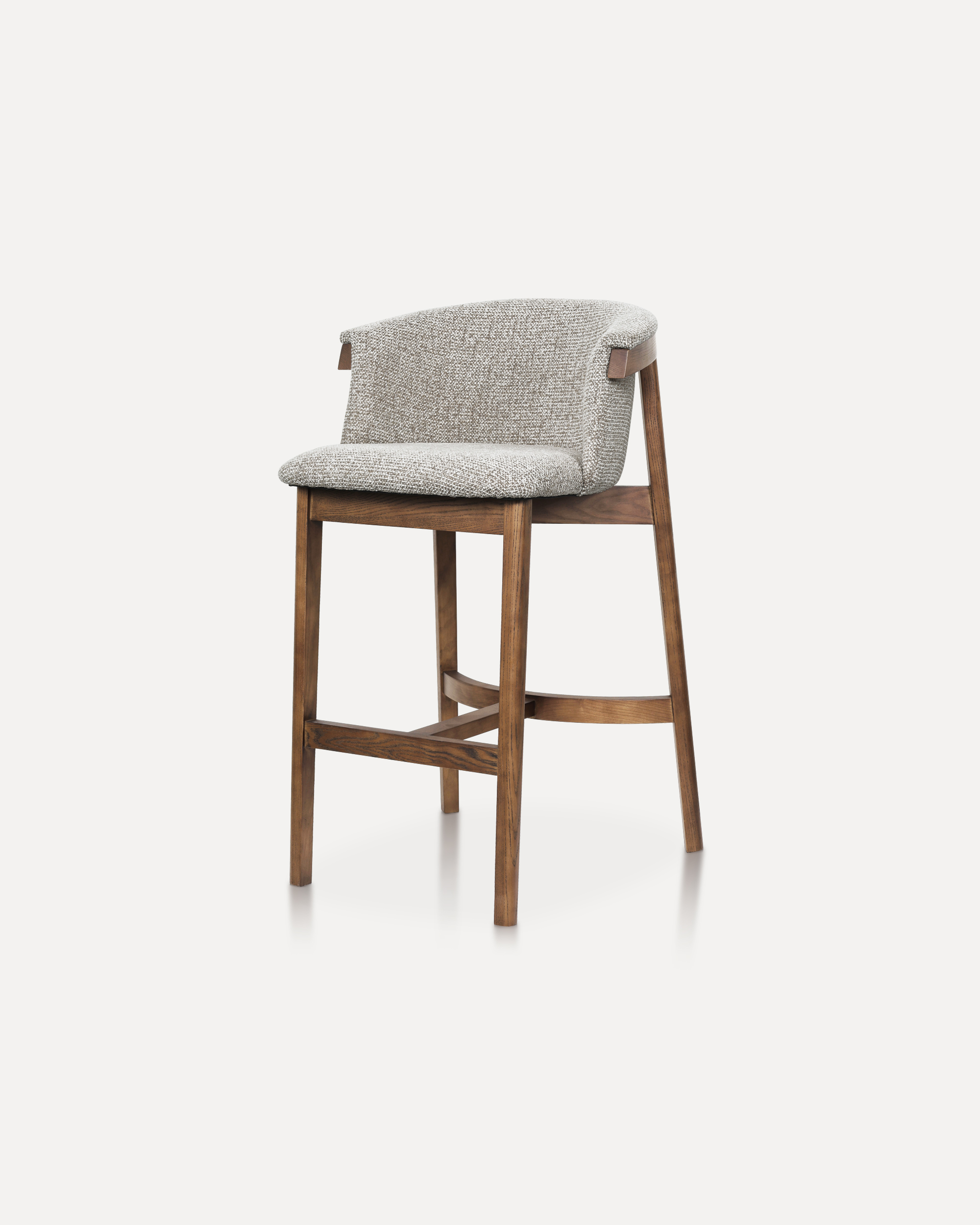
This sophisticated bar chair elevates any counter or high-top setting with its ...
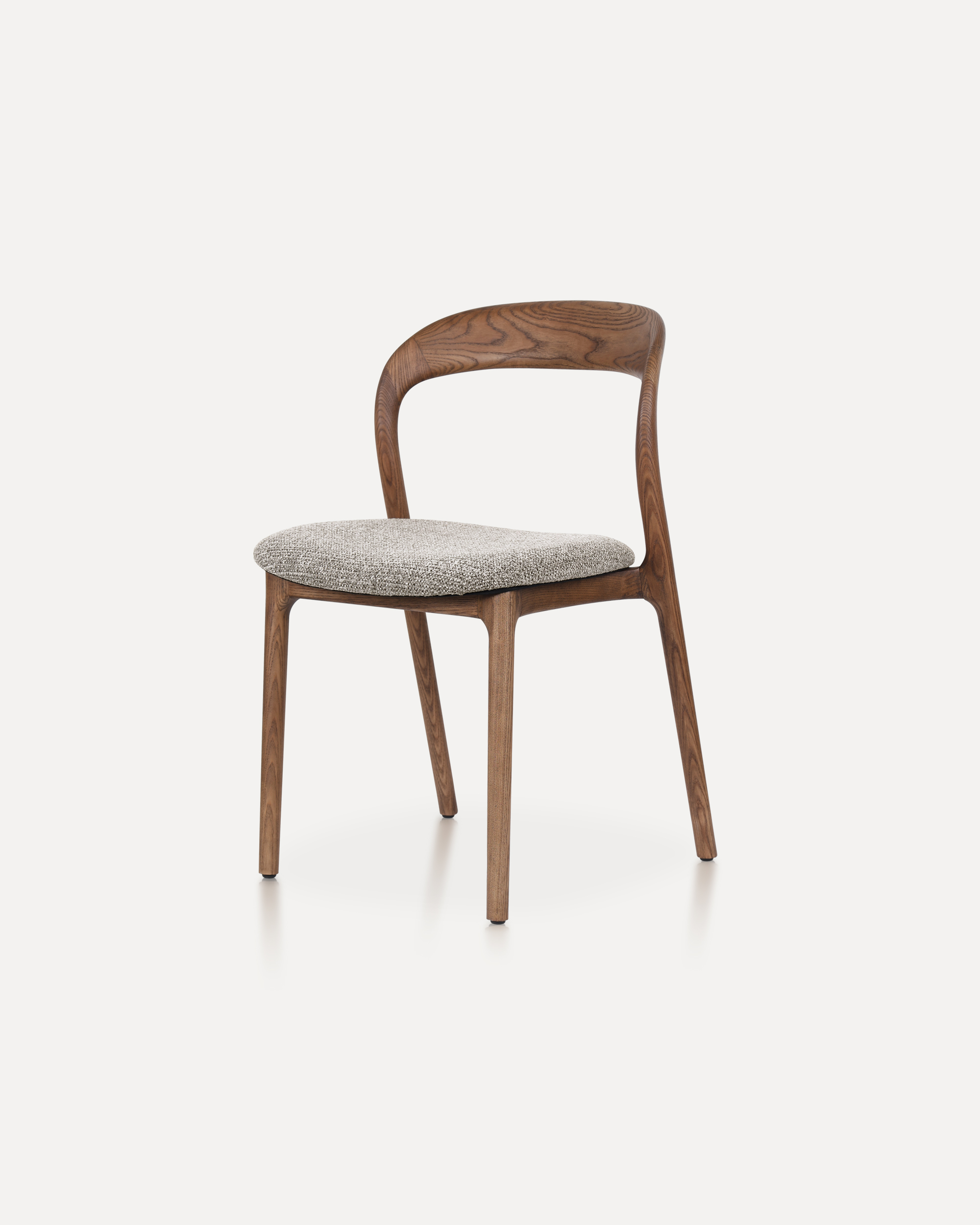
The Echo Chair is crafted from solid ashwood, featuring a unified back-and-arm ...
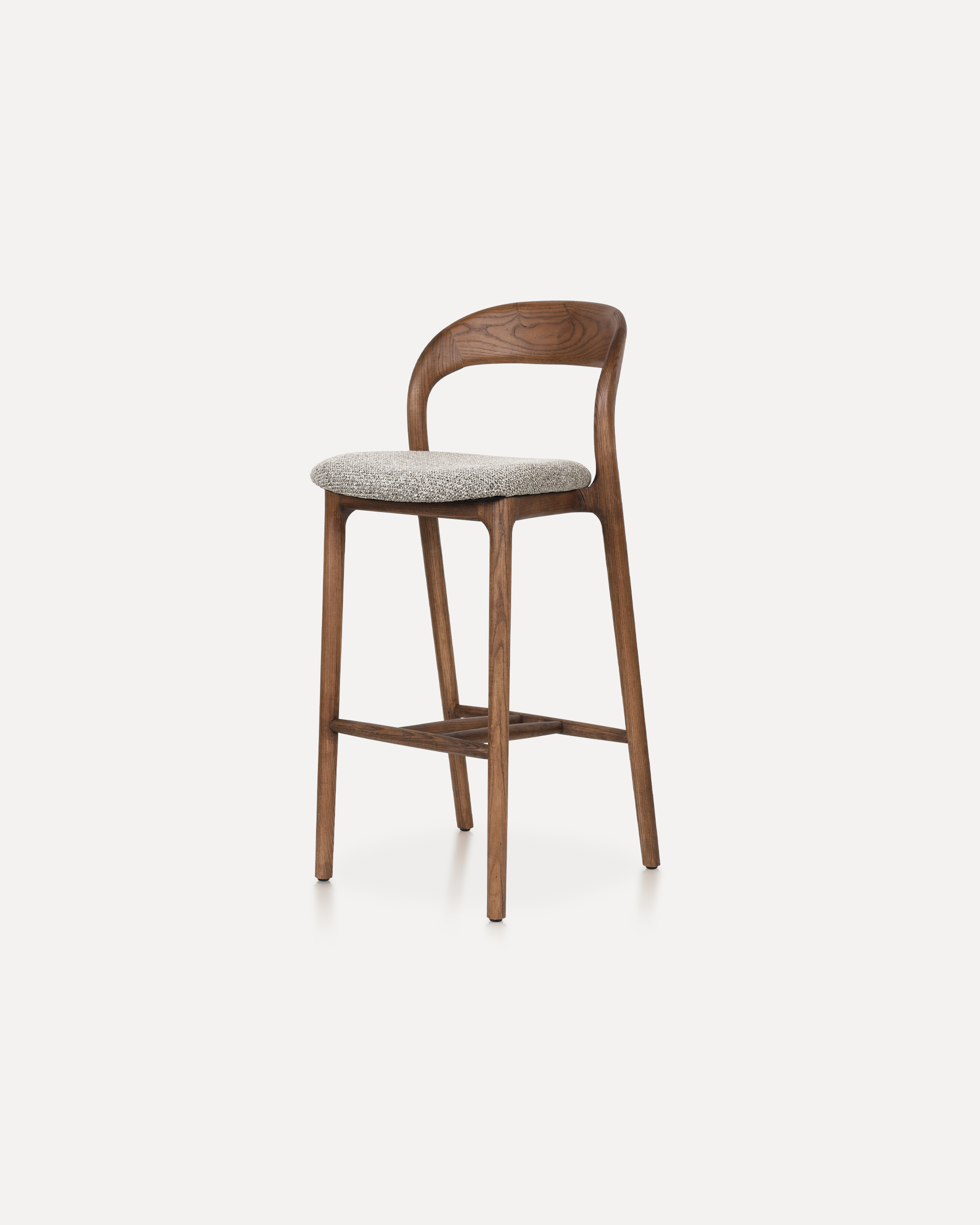
This Bar Chair is a counter-height seating solution crafted from solid ashwood ...
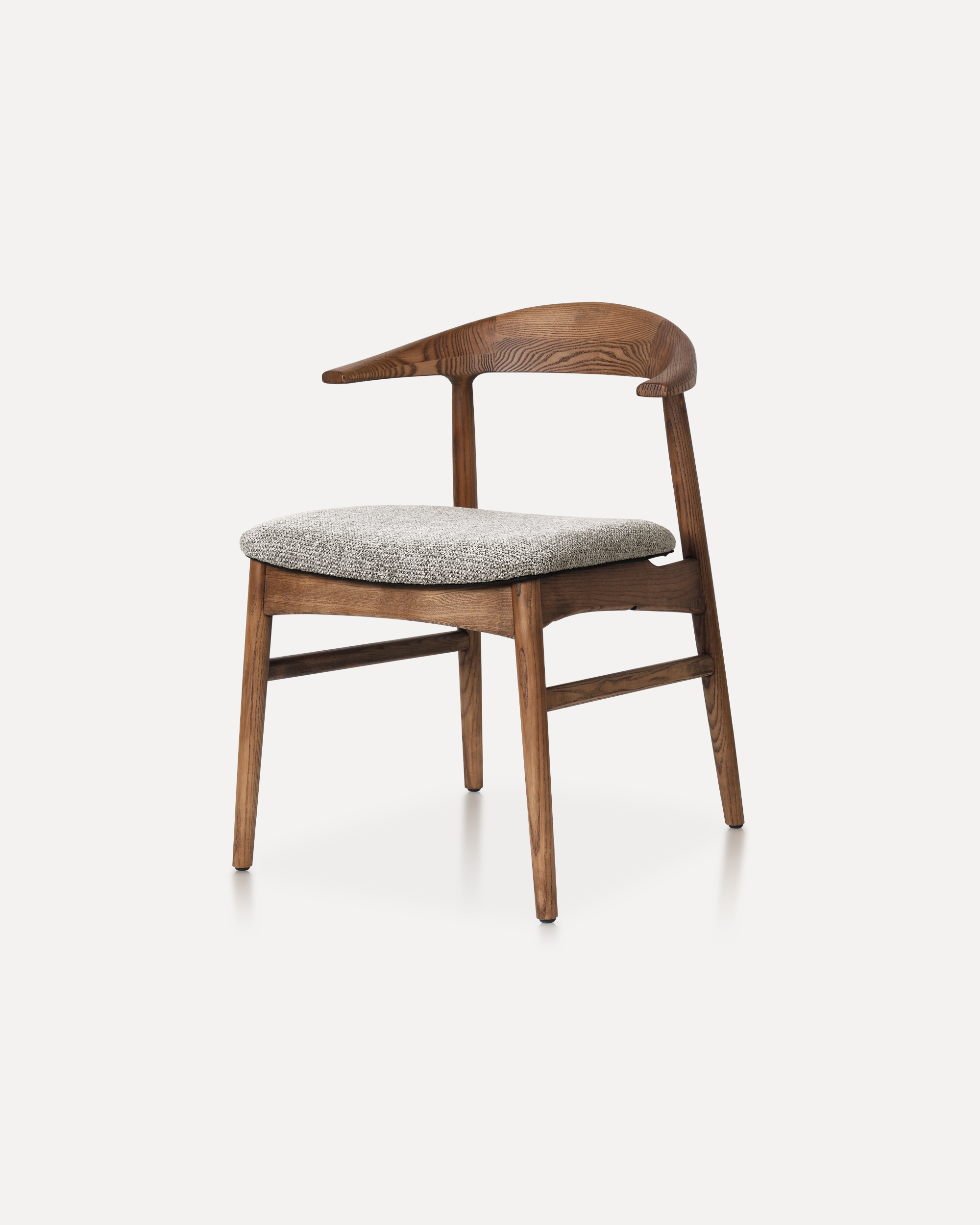
The Horizon Chair reinterprets mid-century warmth for today’s refined interiors...
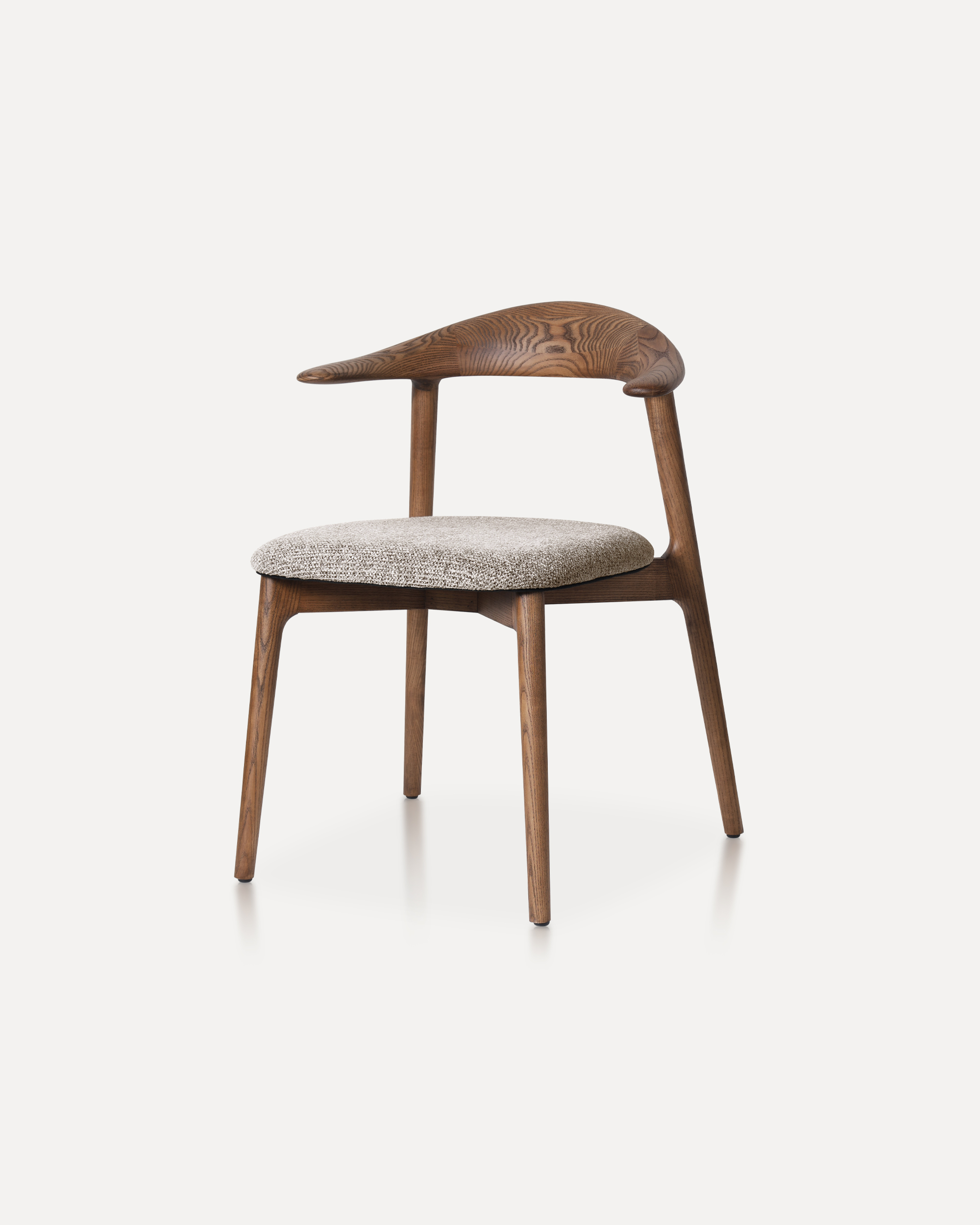
This classic features a striking, organic backrest carved from a single slab of...