
 English
  Français
 Español
Industry News
MENU

Content
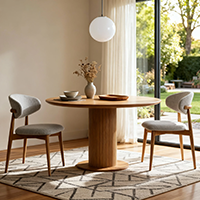
A rounded back wooden chair is defined by its curved backrest, which follows the natural shape of the spine rather than using flat, straight slats. This design isn't just a style choice — it changes how the chair feels to sit in, how it looks in a room, and even how it's constructed. Instead of joining straight pieces of wood at sharp angles, craftsmen bend or shape the wood into a smooth curve, which requires more skill but results in a chair that feels softer on the eyes and often more comfortable against the back.
You'll find rounded back wooden chairs in many furniture styles, from classic Windsor-style dining chairs to modern minimalist designs. What ties them together is that curved silhouette, which tends to soften a room's overall look compared to boxy, angular furniture.
One of the biggest reasons people choose a rounded back wooden chair over a flat-backed alternative is comfort during longer periods of sitting. The curve of the backrest is often shaped to follow the natural contour of the upper back and shoulders, which helps distribute pressure more evenly instead of concentrating it on a few flat points.
While a rounded back wooden chair isn't a substitute for an ergonomic office chair, its shape genuinely does make a noticeable difference compared to flat, straight-backed wooden seating.
The type of wood used in a rounded back wooden chair affects not just its appearance, but also its durability, weight, and price. Some woods bend more easily during manufacturing, which is an important factor for achieving that signature curved shape.
| Wood Type | Characteristics | Best For |
| Oak | Strong, heavy, durable grain pattern | Dining rooms, long-term use |
| Beech | Bends well, smooth finish | Classic curved designs like Windsor chairs |
| Walnut | Rich color, premium appearance | Statement pieces, accent chairs |
| Pine | Lightweight, more affordable | Budget-friendly or casual settings |
If durability is your top priority, oak or walnut rounded back wooden chairs tend to hold up well over years of daily use, while pine offers a lighter and more budget-friendly alternative for casual spaces.
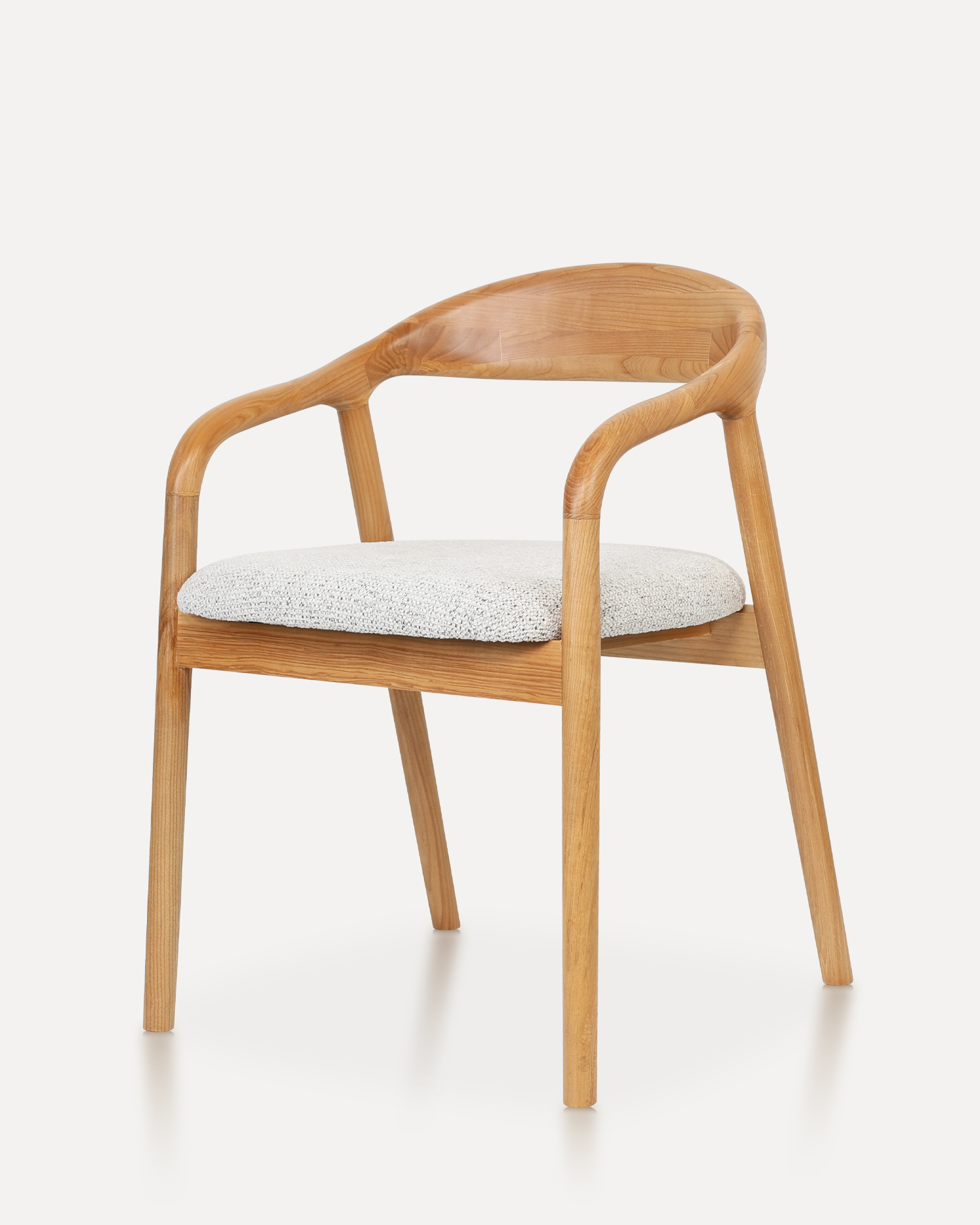
Because of its versatile, timeless look, a rounded back wooden chair can work in several different rooms and styles. Its soft silhouette tends to pair well with both traditional and modern interiors, which is part of why the design has remained popular for so long.
The curved shape also tends to take up visual space more gently than boxy furniture, which makes it a smart choice for smaller rooms where you don't want heavy, angular pieces dominating the layout.
With so many styles available, picking the right rounded back wooden chair comes down to matching the design to your space, your usage needs, and your budget. A few practical factors can help narrow down your options.
Taking a few extra minutes to check these details before buying can save you from ending up with a chair that looks great in photos but doesn't quite fit your space or daily routine.
Wooden furniture with curved joints requires a bit more attention than simple flat-paneled pieces, mainly because the bent or shaped wood can be more sensitive to changes in humidity and temperature.
With reasonable care, a well-made rounded back wooden chair can last for decades, often becoming a piece that only gains character as the wood ages.
A rounded back wooden chair offers a rare combination of comfort, durability, and timeless style that fits comfortably into almost any home. Whether you're furnishing a dining room, setting up a cozy reading nook, or simply looking for a chair that feels as good as it looks, the curved backrest design has proven itself across generations of furniture making.
Taking the time to choose the right wood, size, and finish for your specific space will help you get the most out of this classic design, turning a simple chair into a piece you'll enjoy using for years to come.
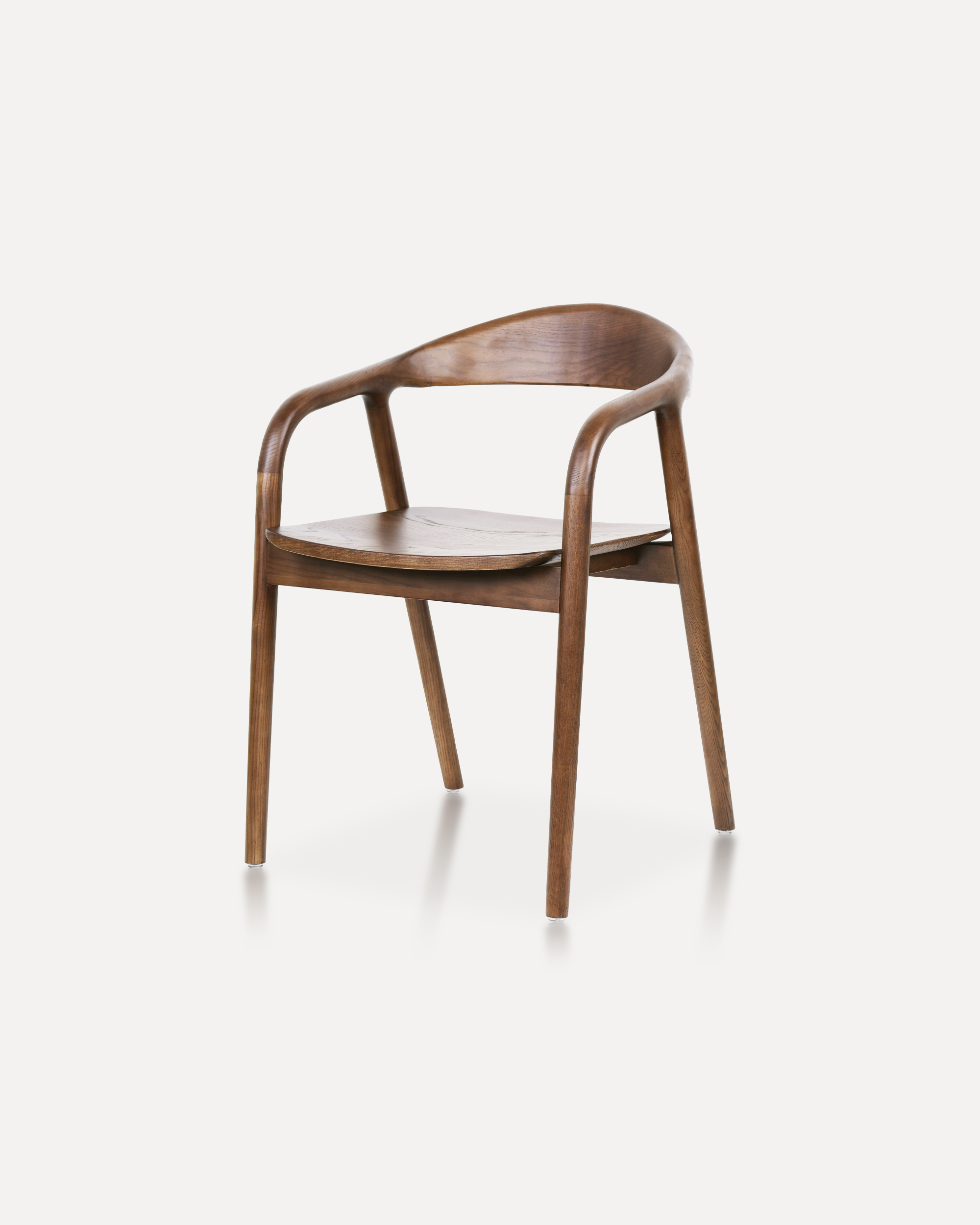
Crafted entirely from solid ash wood, this chair embodies a refined balance of ...
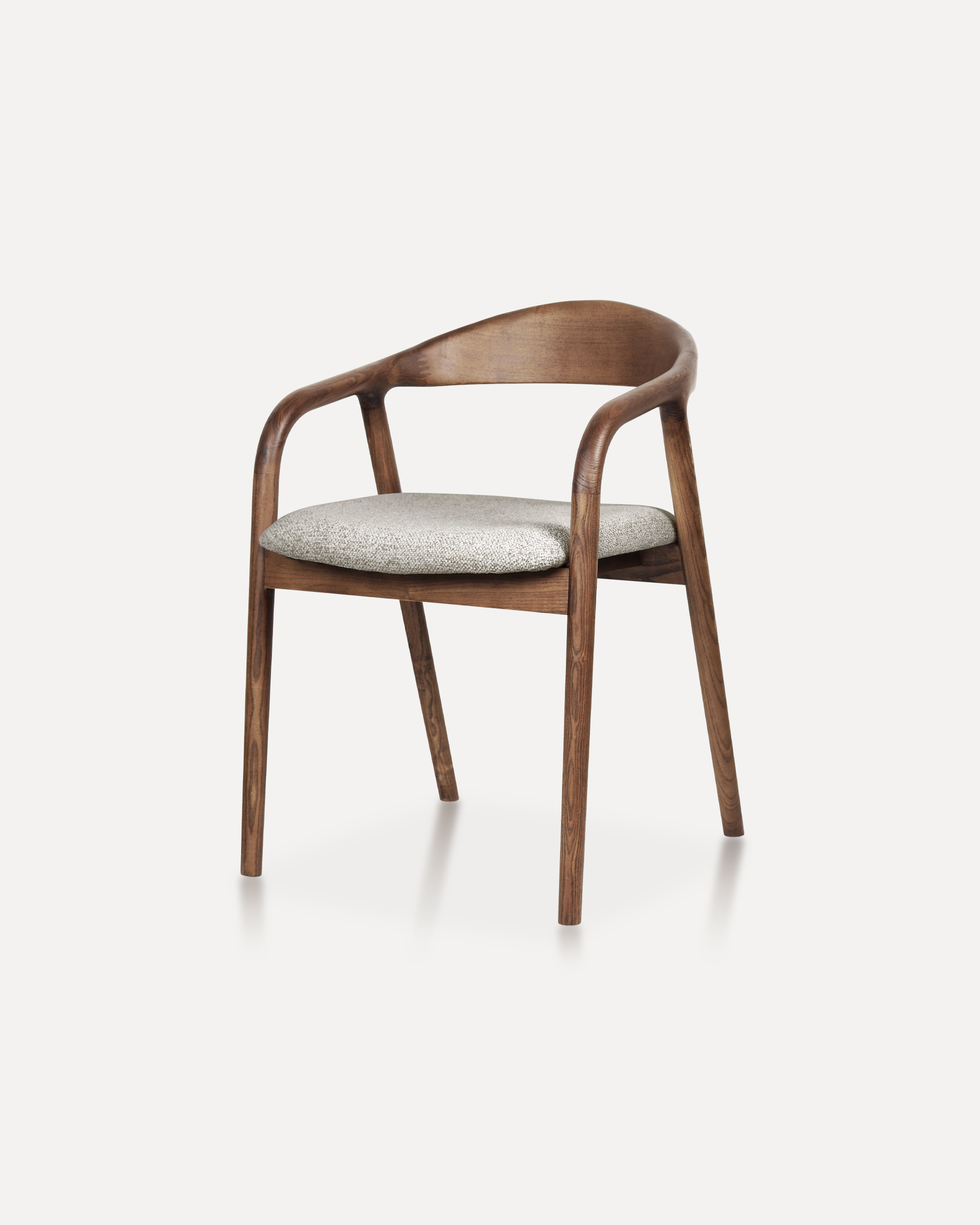
Showcases a refined silhouette with smooth, curved armrests and a gently rounde...
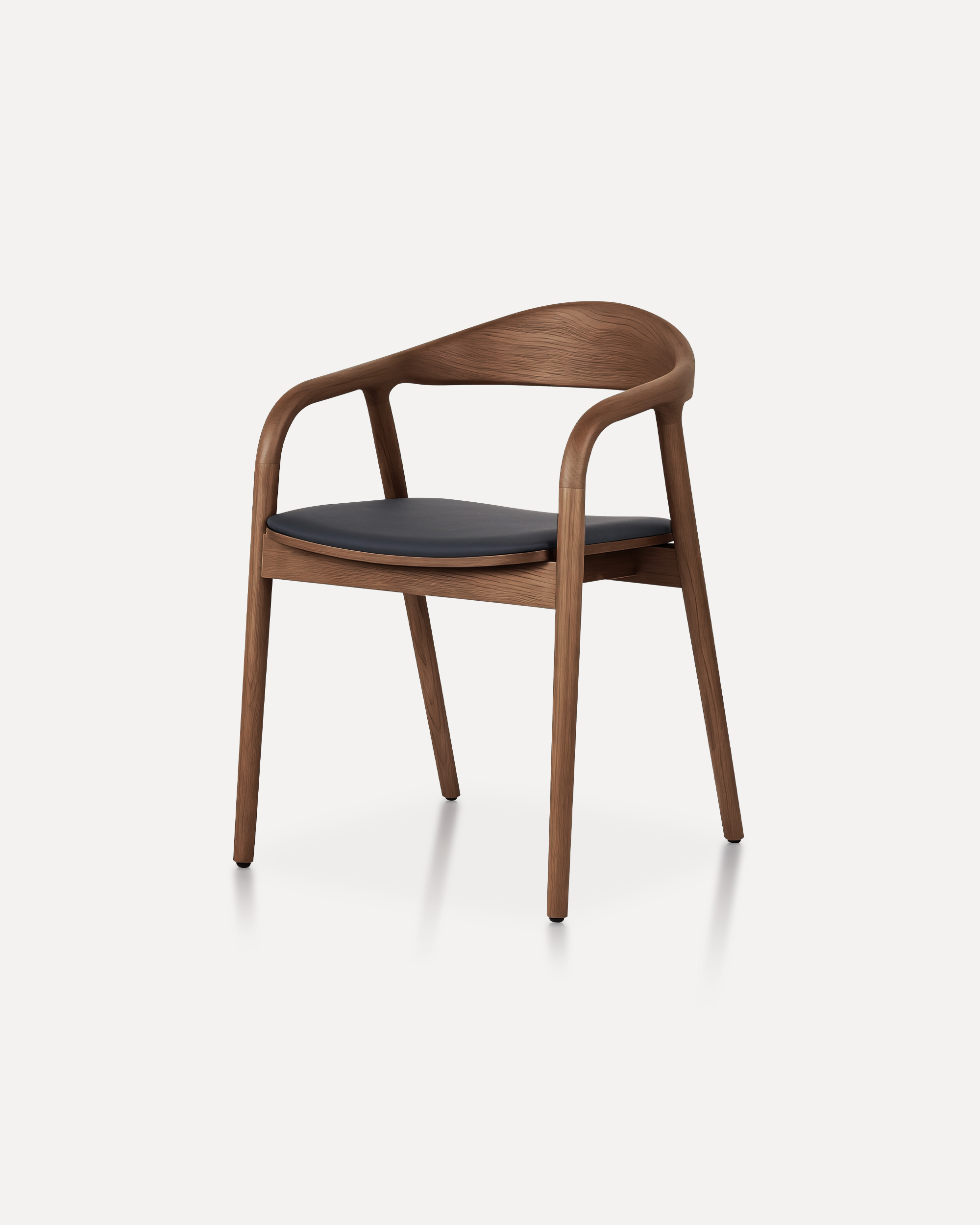
A masterclass in refined joinery and organic geometry, the Arc Chair features a...
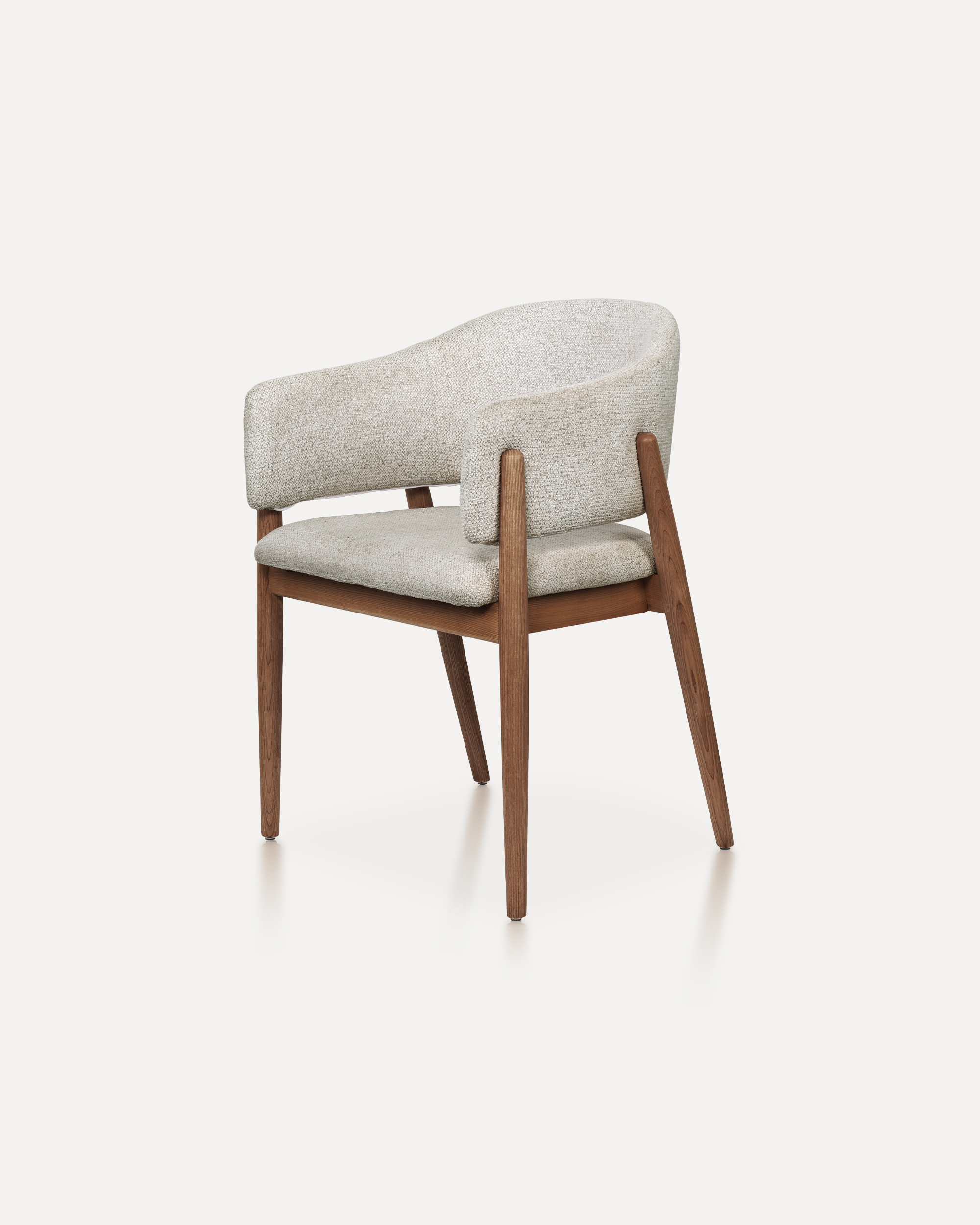
With its refined proportions and welcoming form, this chair brings quiet sophis...
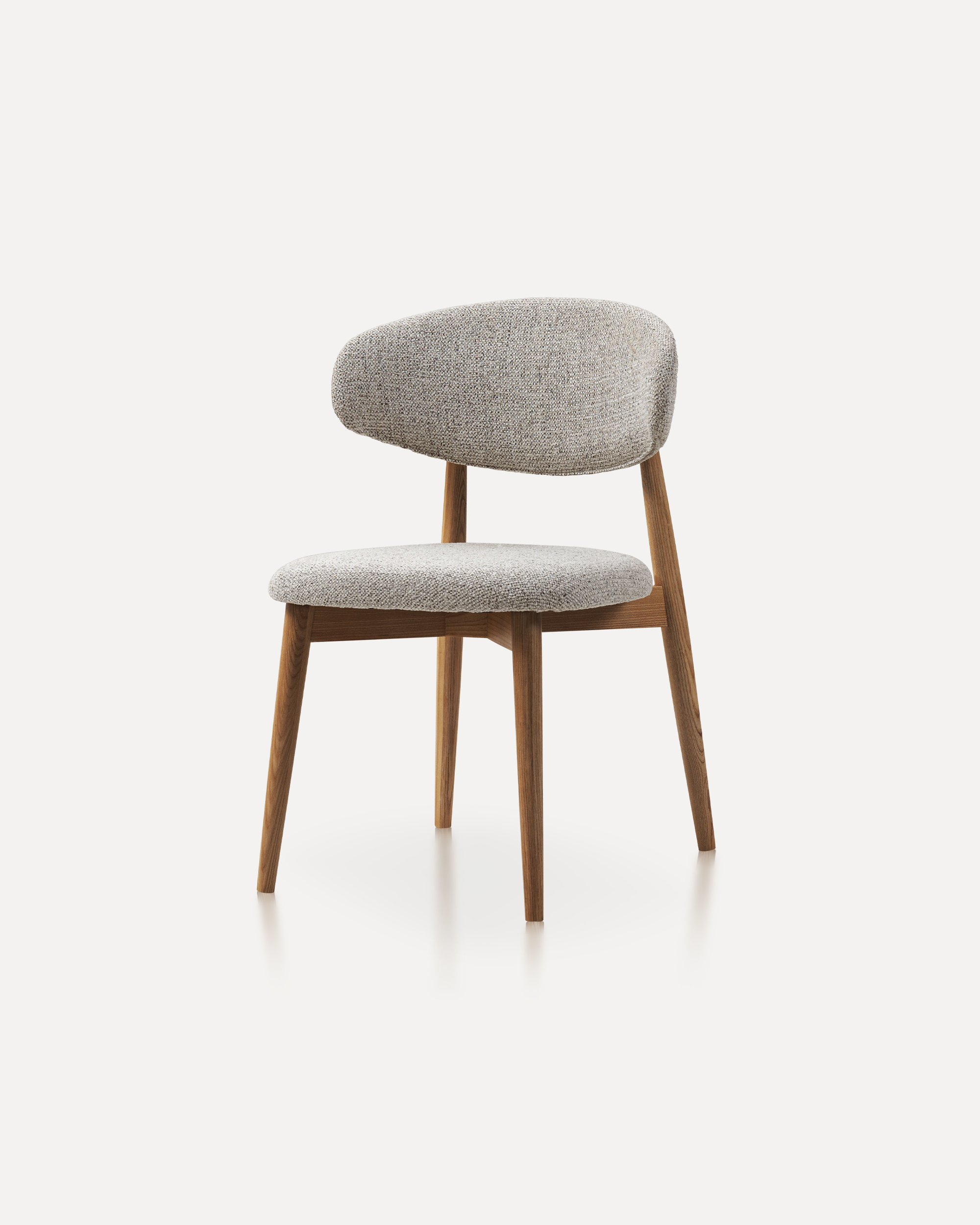
This wooden chair is a classic furniture piece that exudes warmth, durability, ...
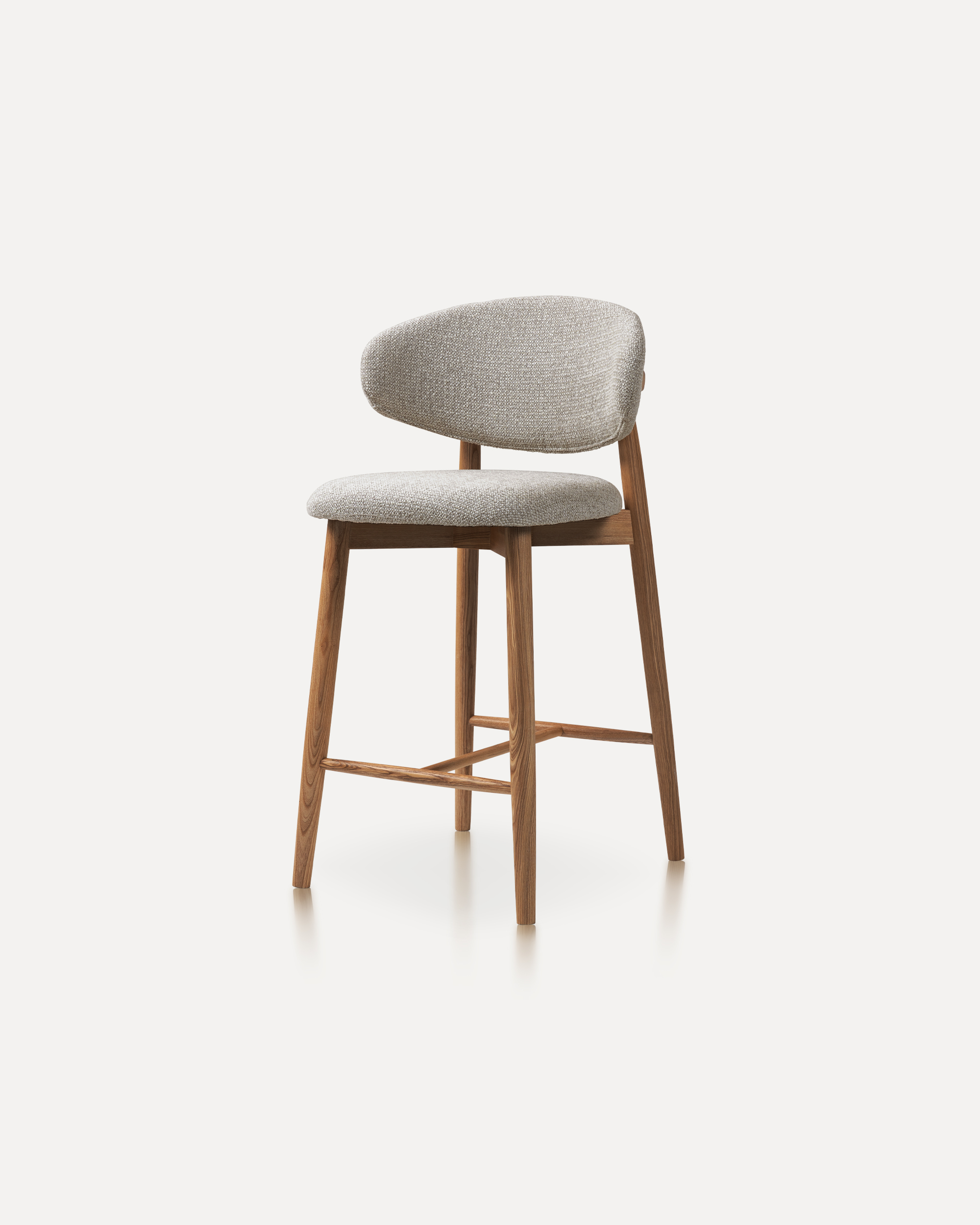
Our Wood Bar Stools are the perfect addition to any high-top table or bar setti...
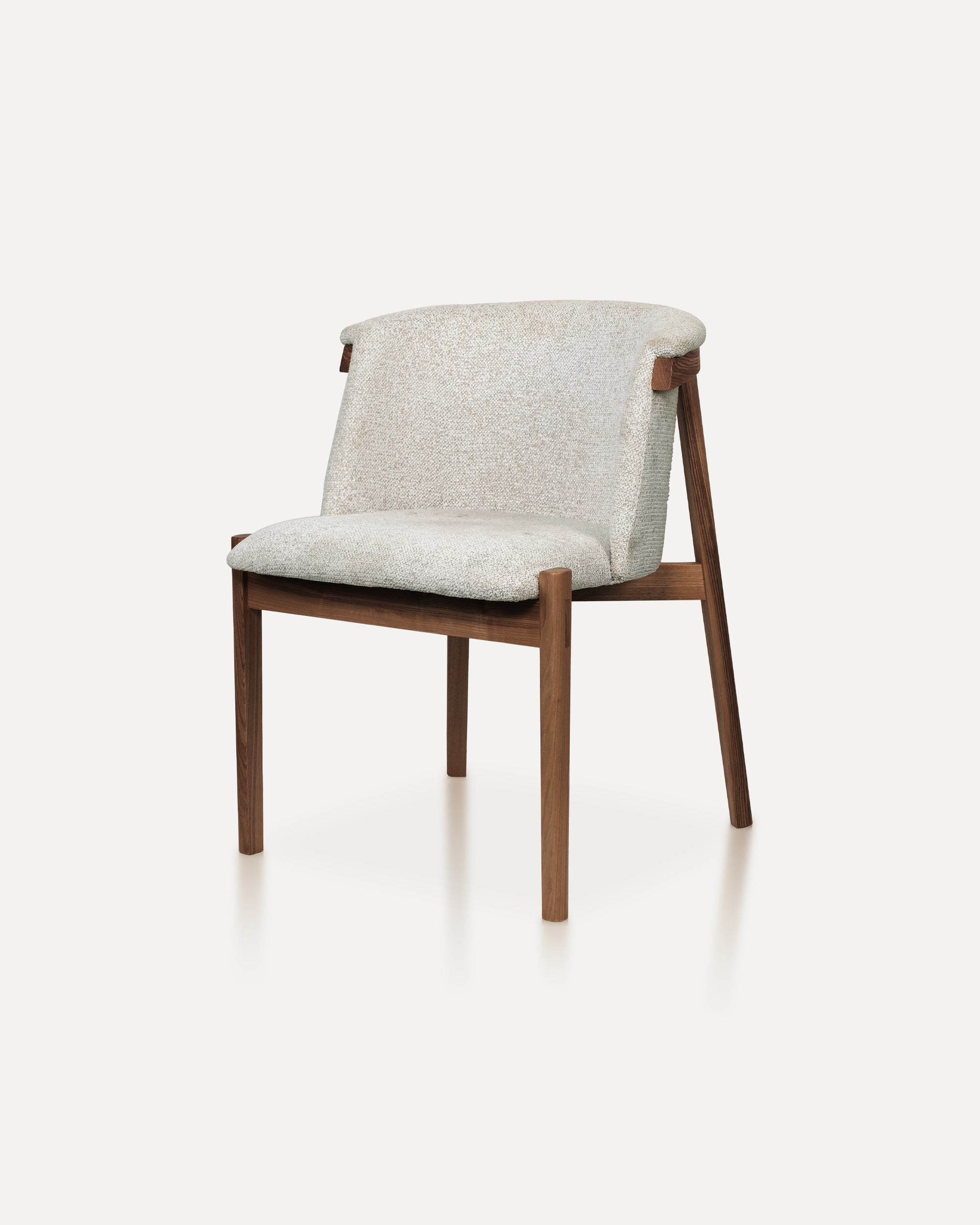
Bring natural elegance into your home with this finely crafted chair. The desig...
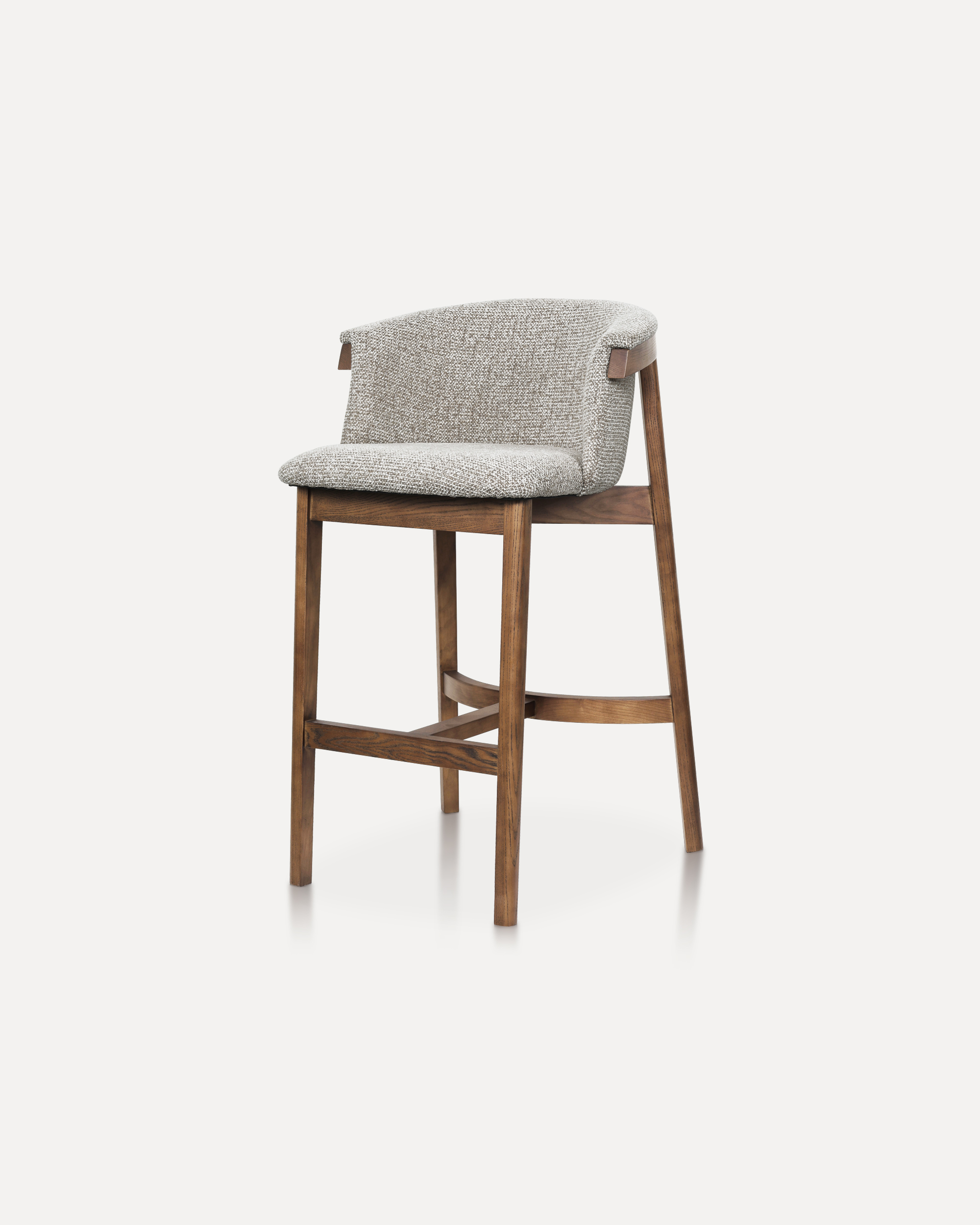
This sophisticated bar chair elevates any counter or high-top setting with its ...
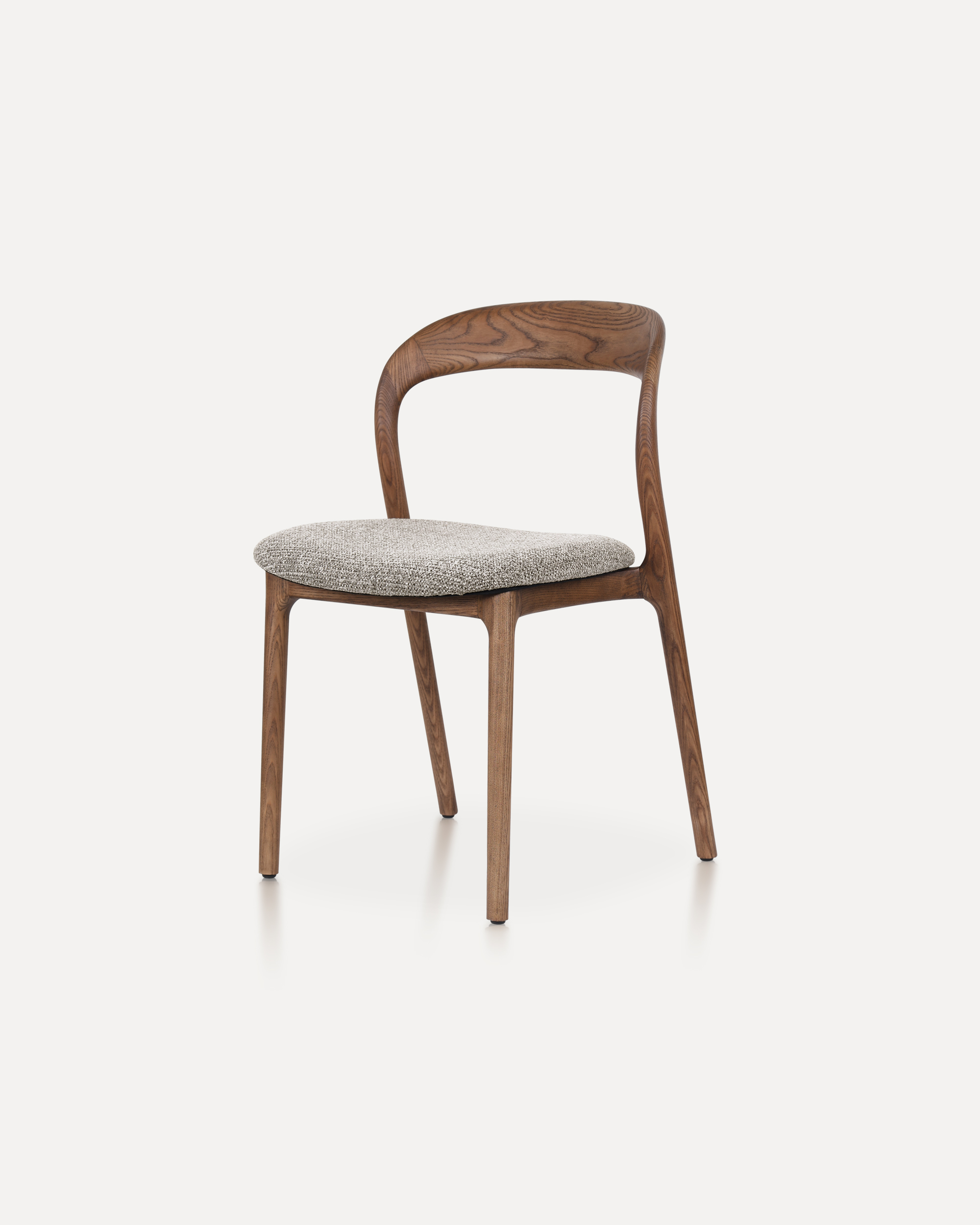
The Echo Chair is crafted from solid ashwood, featuring a unified back-and-arm ...
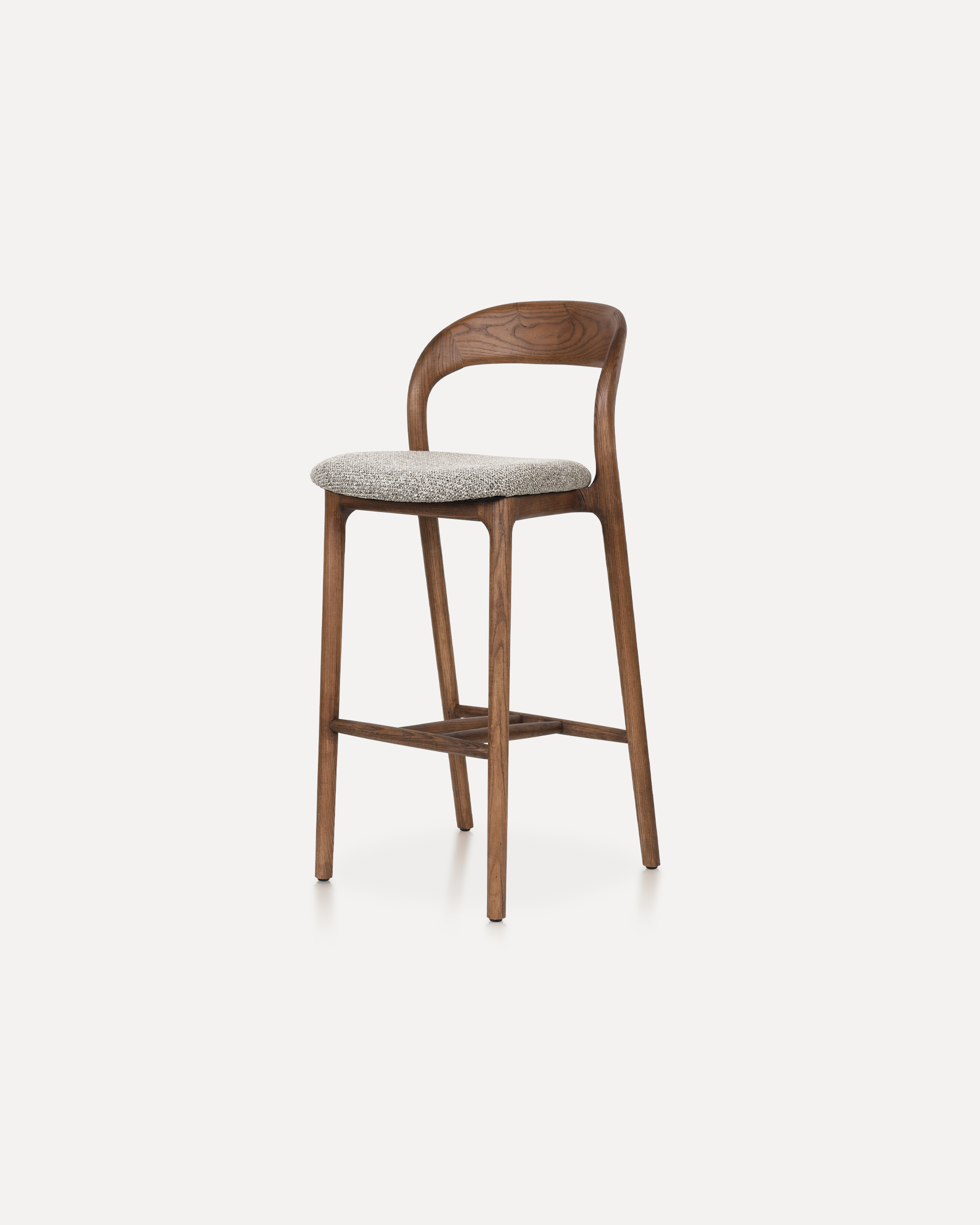
This Bar Chair is a counter-height seating solution crafted from solid ashwood ...
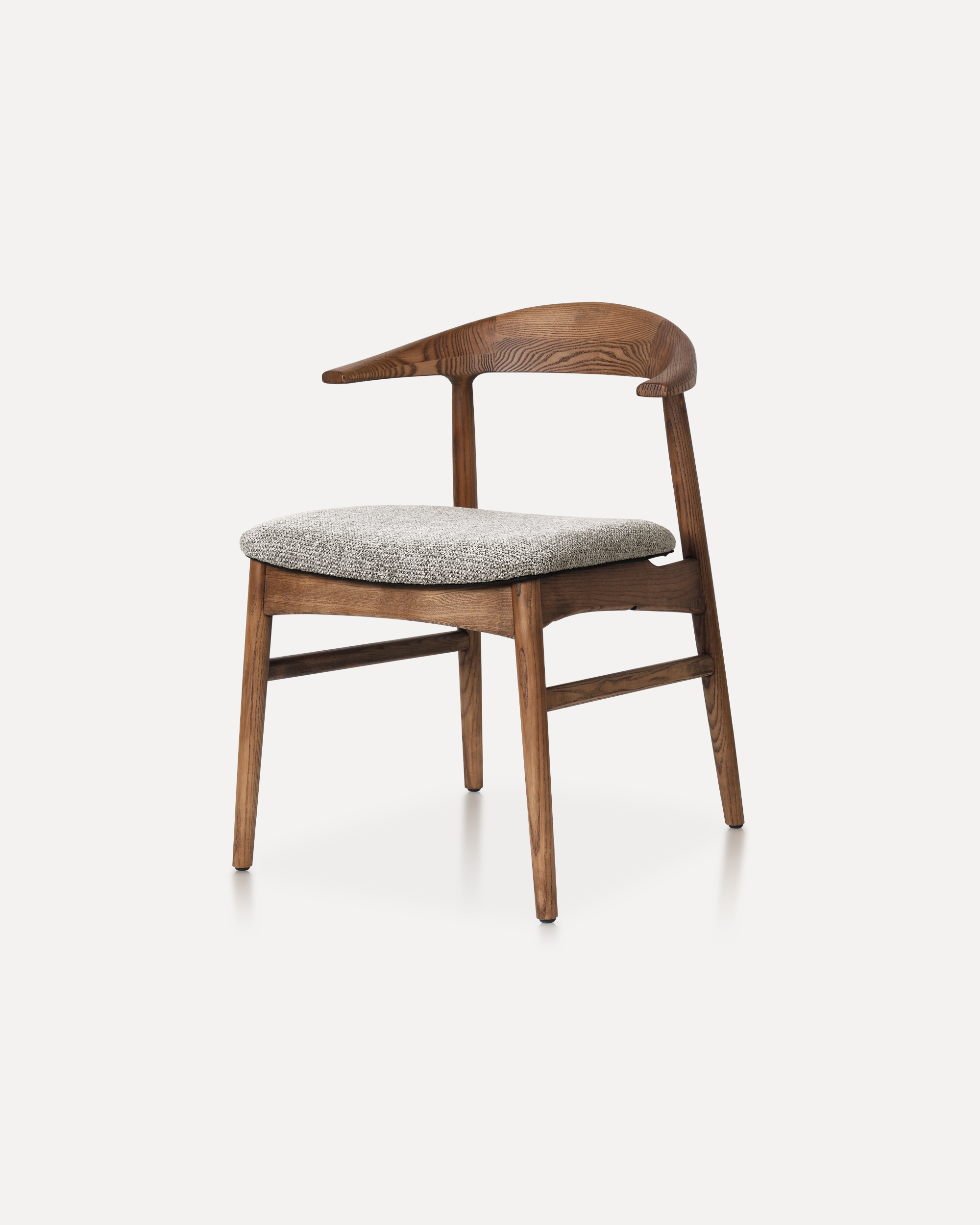
The Horizon Chair reinterprets mid-century warmth for today’s refined interiors...
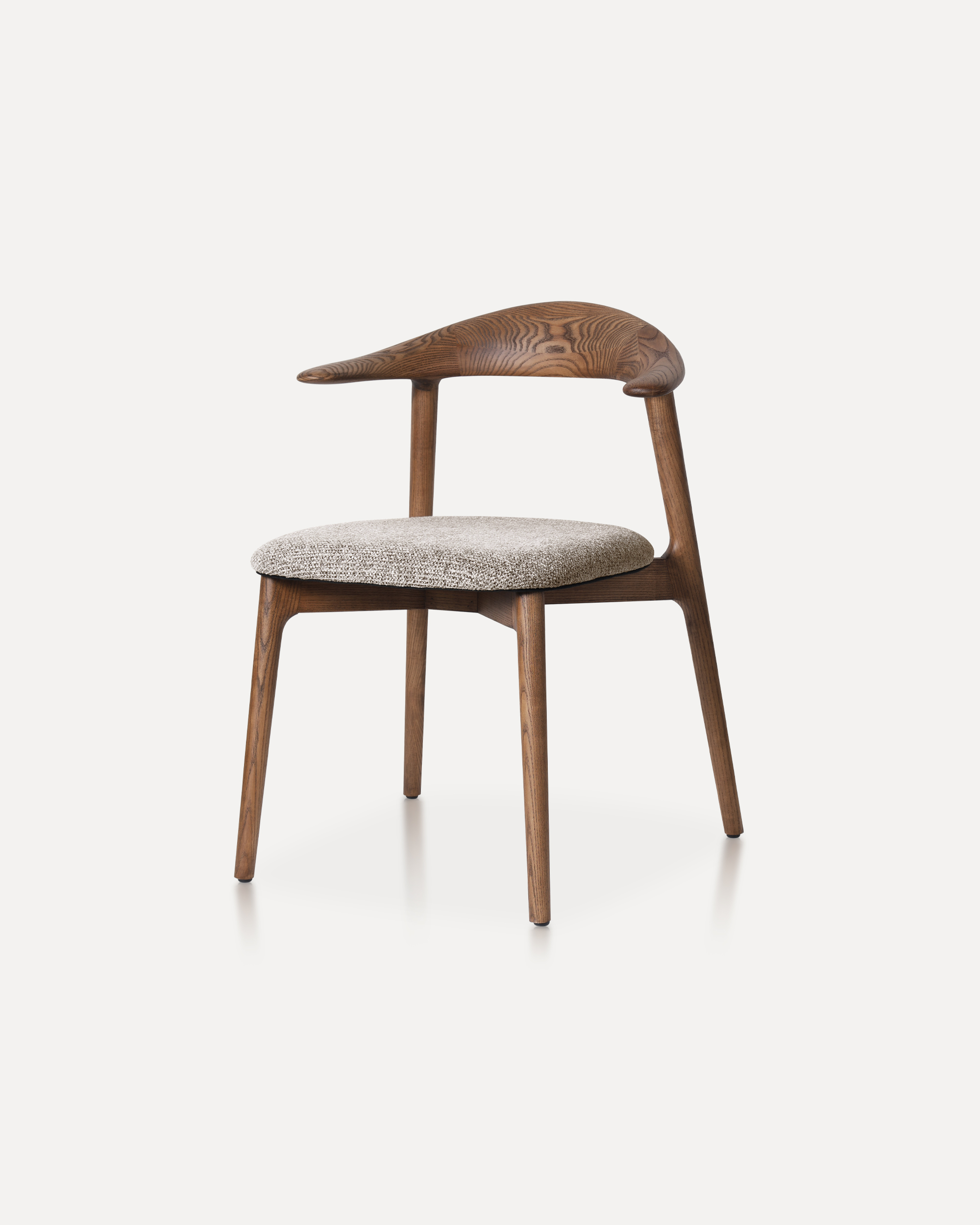
This classic features a striking, organic backrest carved from a single slab of...