
 English
  Français
 Español
Industry News
MENU

You order a chair online. The listing says it is a solid wood chair, and the photo looks good. Then it arrives, and after a week of use you realize the seat is a little high, the backrest stops short of your lower back, and the finish already shows marks. Most home chair mistakes come from treating every chair as interchangeable. A home chair has to work with a specific table height, a specific room, and a specific sitting habit. This guide walks through the chair types you will actually encounter, the wood species that matter, the dimensions you can verify before buying, and how to match all of it to the rooms you are furnishing. A practical home chair buying guide can take you further into the details, but the fundamentals here are the ones that prevent the biggest errors.
Content
The phrase "home chair" covers several seating forms, and the differences matter more than the name. Most households need two or three types at once:
If you mix up these categories, the problem shows up in minutes. A lounge chair at a dining table leaves you reaching for the tabletop; a dining chair used as a reading chair has a seat that is too shallow for an hour of relaxed sitting. Decide which room you are furnishing first, then look within that category.
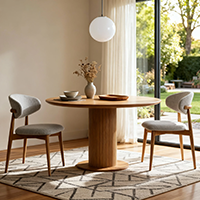
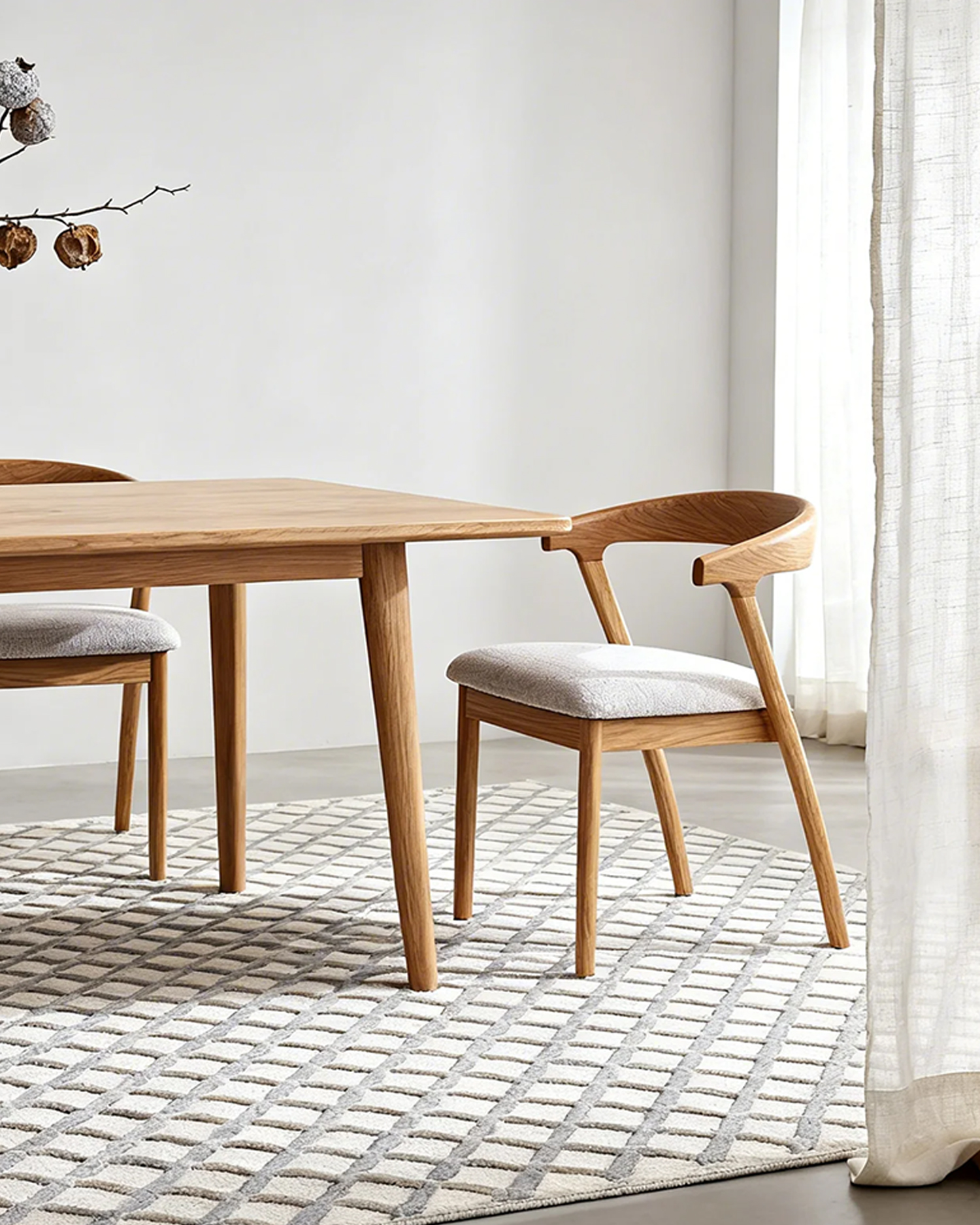 Ash Wood Dining Chair with Upholstered Seat and Curved BackrestThis dining chair from the CY2047 series combines ash wood construction with a padded fabric seat and a gently rounded back, making it suitable for dining areas or workspaces where comfort and timeless style are priorities.View Product →
Two woods dominate the practical home chair market: European ash and rubberwood. They are both hardwoods, but they suit different buyers, different finishes, and different budgets.
Ash is lighter than oak but comparable in strength, with a straight, pronounced grain that looks good under clear or oil finishes. It bends well for curved backs, which is why you see it in arched and sculptural chair silhouettes. If the frame is exposed and the design is the centerpiece, ash gives the chair a structural identity that painted or darkly stained woods hide.
Rubberwood comes from plantation trees that have completed their latex-producing cycle, which makes it one of the more sustainable hardwood sources you can specify. Its grain is quiet and uniform, so it takes painted or walnut-toned finishes without competing with the color. For households that want a consistent set of chairs across a large table or a commercial space that needs repeatable batches, rubberwood is the predictable choice.
Both species need controlled moisture content during production to avoid warping later. A manufacturer that selects each board and states its moisture control process is doing real quality work, not just adding marketing language. VICO, for example, makes precisely that claim, and it is the kind of detail worth asking your supplier about.
Comfort is not a mysterious quality. It comes down to a few numbers that you can check against your own body and your table. A chair that passes the dimension check may still feel stiff or flimsy, but a chair that fails it will always feel wrong.
| Measurement | Dining chair | Leisure or accent chair | Bar stool |
|---|---|---|---|
| Seat height | 45–48 cm | 40–44 cm | 65–80 cm |
| Seat depth | 40–45 cm | 45–50 cm | 35–40 cm |
| Typical back | Lumbar curve | Optional, arched | Low or none |
The test is simple. Sit with your feet flat on the floor and your knees at roughly 90 degrees. Your weight should rest on the sitz bones, not on the back of your thighs. The backrest should start to support your lower spine within a couple of centimeters of your natural sitting position, and the front edge of the seat should leave a small clearance behind your knees. If a chair meets these three checks, the comfort discussion moves to materials: a thicker cushion, a flexible backrest, or a wider seat for longer sessions. For the deeper comfort considerations, this article on the essential home chair explains how form and function interact once the basic dimensions are right.
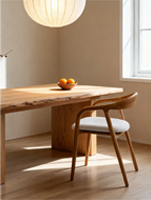
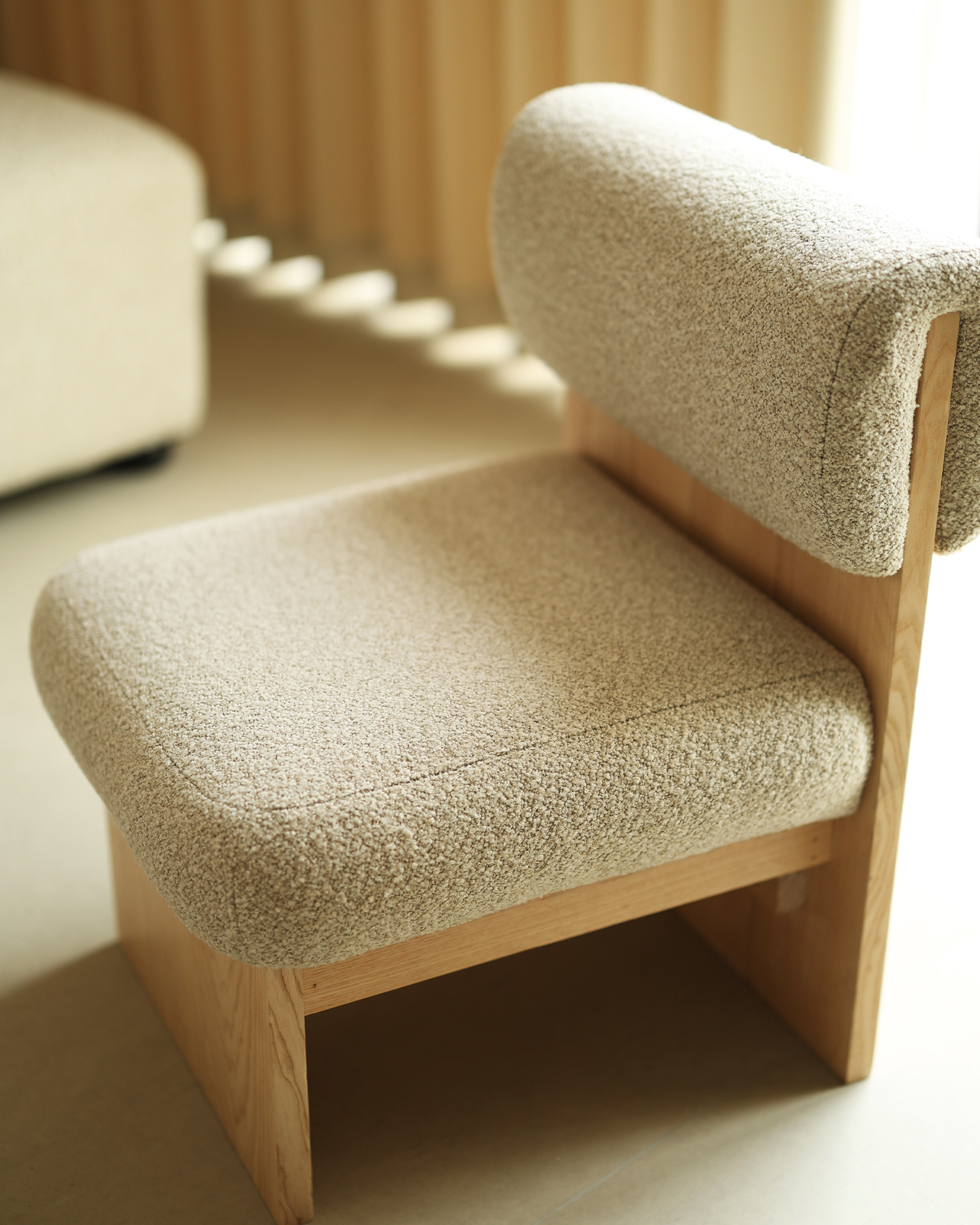 Cushioned Ash Wood Lounge Chair with Cylindrical BackrestDesigned for relaxation, this ash wood chair features generously padded seat and backrest cushions plus a cylindrical backrest for ergonomic support, making it a strong candidate for reading corners or living spaces where extended sitting comfort matters.View Product →
Every room imposes a different requirement, and the best chair is rarely the same across all of them.
The dining chair is the workhorse. It has to match the table height, slide easily on the floor, and stay stable when people lean back. If space is tight, look for a chair without armrests, or one that tucks fully under the table. A classic wooden dining chair with a slightly curved back handles both weekday breakfasts and longer family dinners.
Here the chair should pull you in, not keep you upright. A deeper seat, a softer angle, and a back that curves around the shoulders make the chair an actual resting place rather than a decorative prop. This is also where a chair creates a cozy corner: set it beside a floor lamp, add a small side table, and you have a defined reading or rest zone in an otherwise multi-purpose room. Accent chairs, studio armchairs, and cushioned leisure chairs all belong in this category.
Height is everything with bar stools. Measure the underside of your counter or bar top, then allow 25–30 cm of leg clearance below it. A footrest is not optional at bar height; without one, your legs dangle and your lower back compensates within minutes.
A chair used for work needs an upright backrest and enough seat depth to shift positions. Some people want a small armrest for arm support. The style can still be warm and residential rather than office-like, which is where wooden frames with optional upholstery do well.
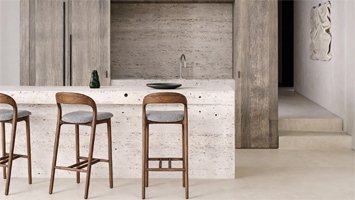
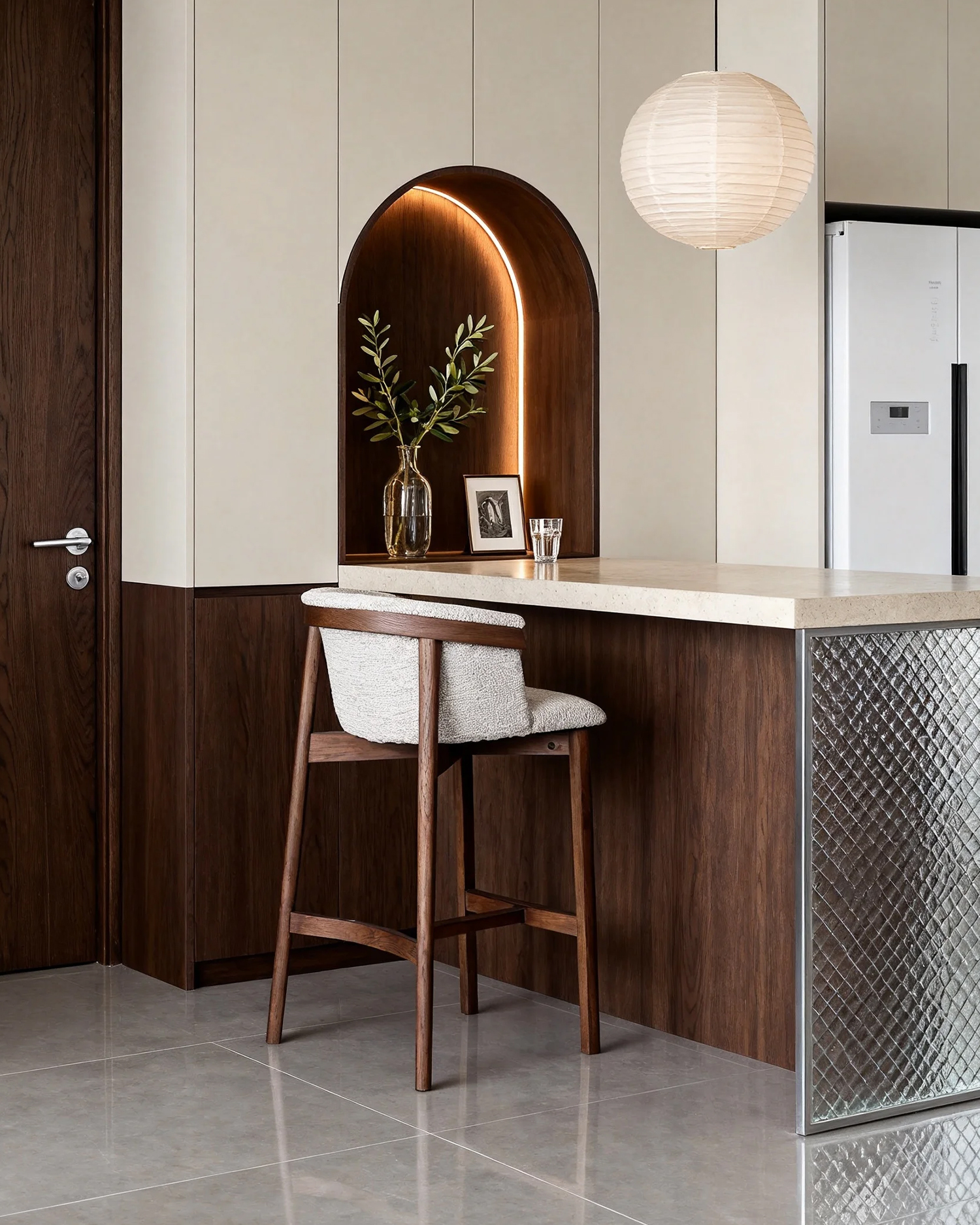 Walnut-Stained Ash Wood Bar Stool with Curved FootrestThis bar stool pairs a solid ash wood frame with a warm walnut finish and textured cream upholstery. Its splayed legs and curved footrest provide stability and comfort, ideal for kitchen islands or home bars in mid-century modern or transitional interiors.View Product →
Beyond looks and dimensions, a few features determine how the chair behaves in daily life and over the years.
Weight capacity is another spec that sellers often omit. A solid ash frame with corner blocks can comfortably carry more than many light rubberwood frames, but the difference is visible in the joinery, not in the marketing copy.
Color changes how a chair reads at the scale of a whole room. Natural ash tones keep a space light and airy and fit the Nordic and Japanese minimalist looks that dominate current design. Walnut-toned finishes add warmth and anchor a room with darker flooring or deeper wall colors. Painted accents, such as a forest green frame, let you introduce a color block without reupholstering anything. If you are coordinating chairs across a dining area, a kitchen bar, and a small lounge, the finish should be consistent within each room even if the chair type changes. VICO lists its available color schemes separately, which is useful when you want to match a natural wood tone across different models.
The home chair you should buy is the one that matches its room, your body, and your maintenance habits in equal measure. Start with the measurement check, pick a wood species that suits the finish you want, and only then consider silhouette and trend. A chair that passes those steps will earn its place at the table for years, whether it is an arched ash dining chair, a cushioned leisure chair, or a compact bar stool that tucks under the counter.
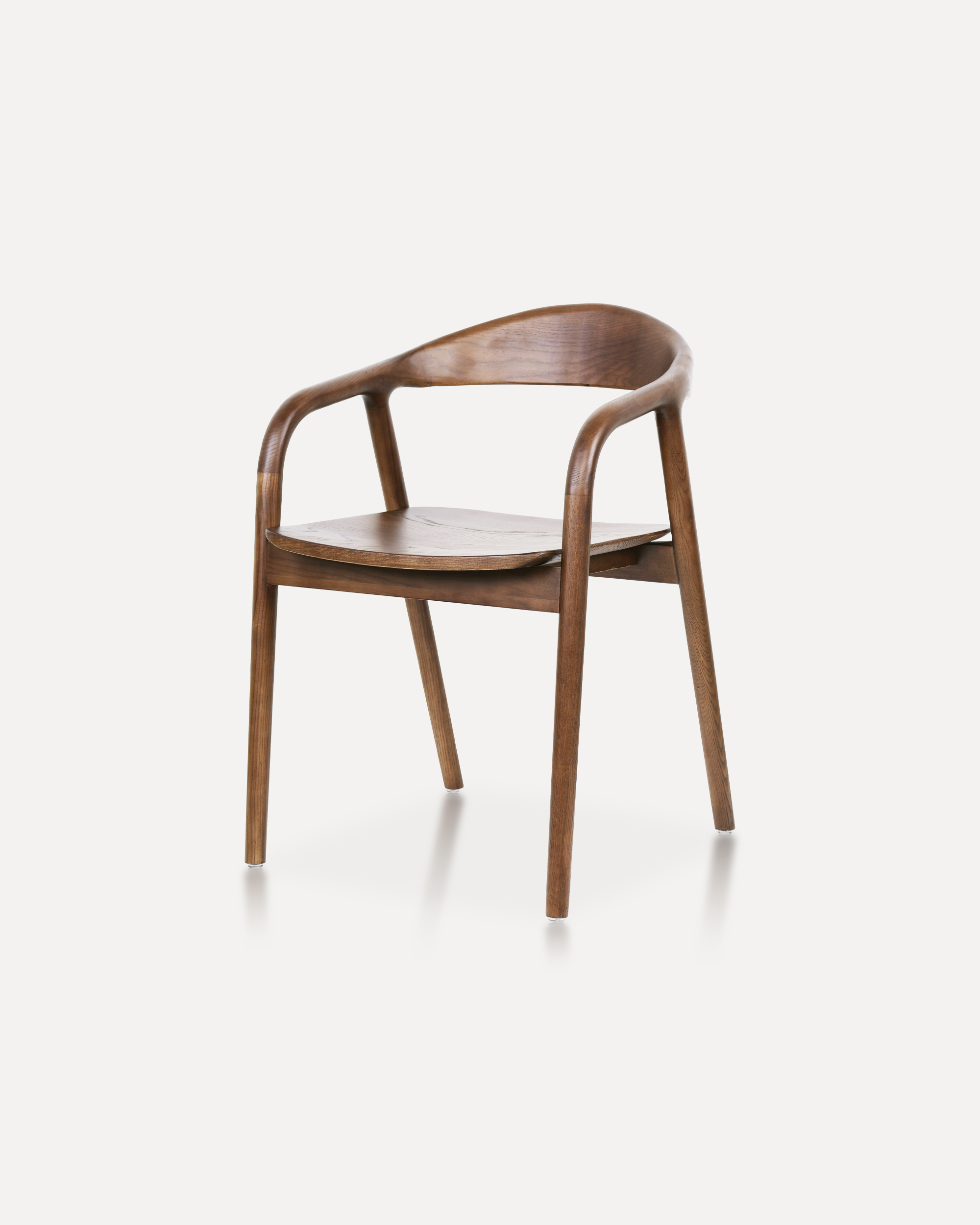
Crafted entirely from solid ash wood, this chair embodies a refined balance of ...
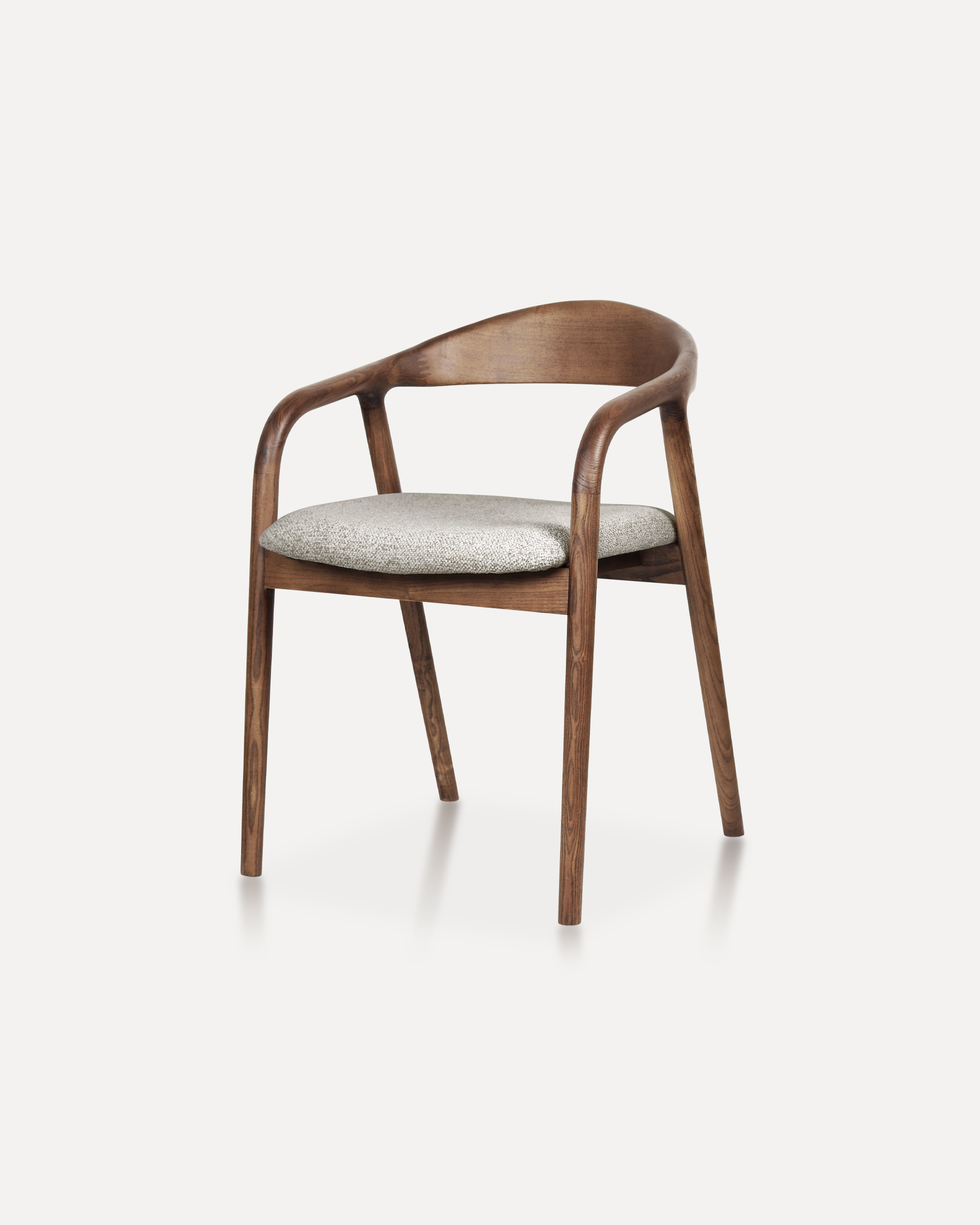
Showcases a refined silhouette with smooth, curved armrests and a gently rounde...
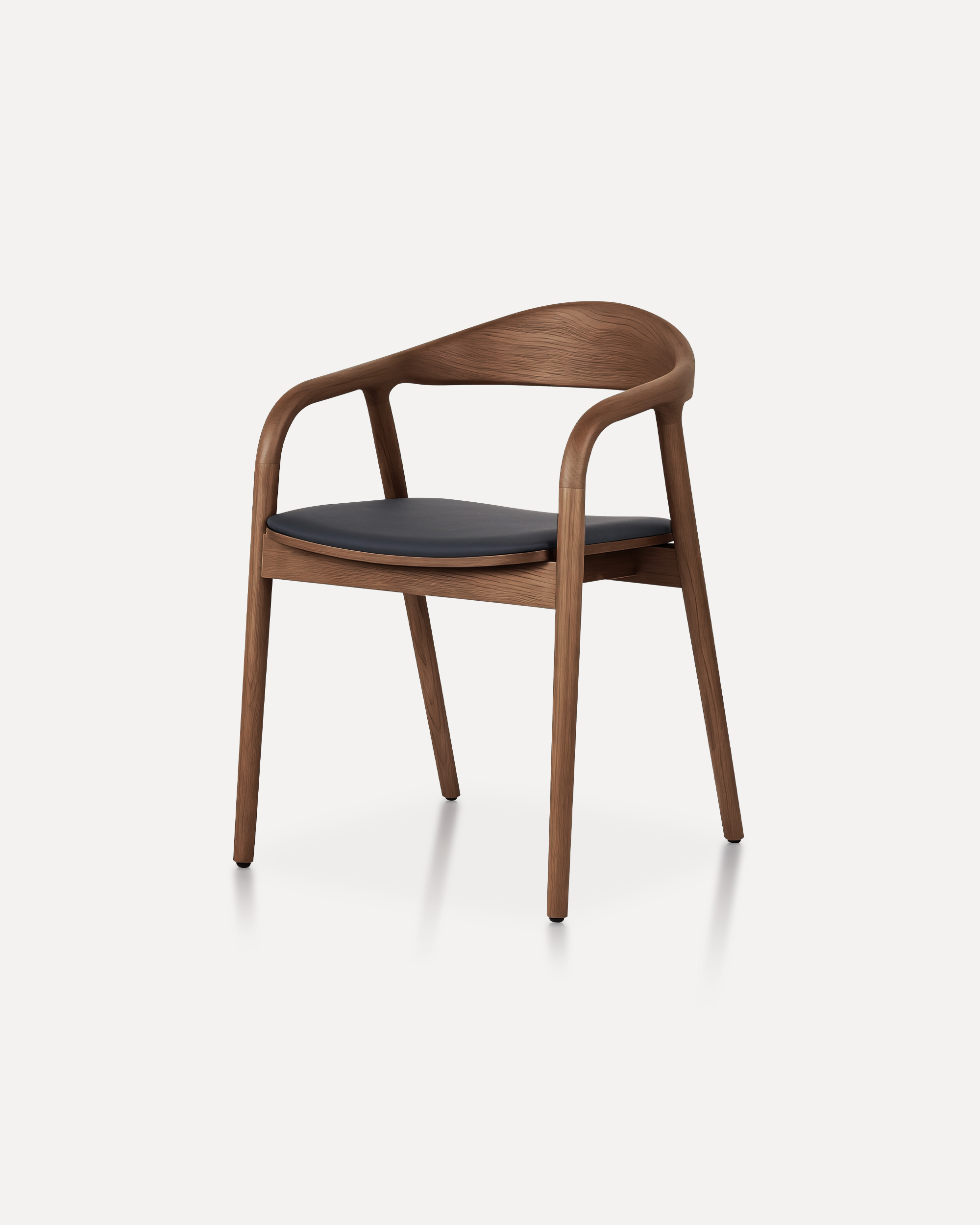
A masterclass in refined joinery and organic geometry, the Arc Chair features a...
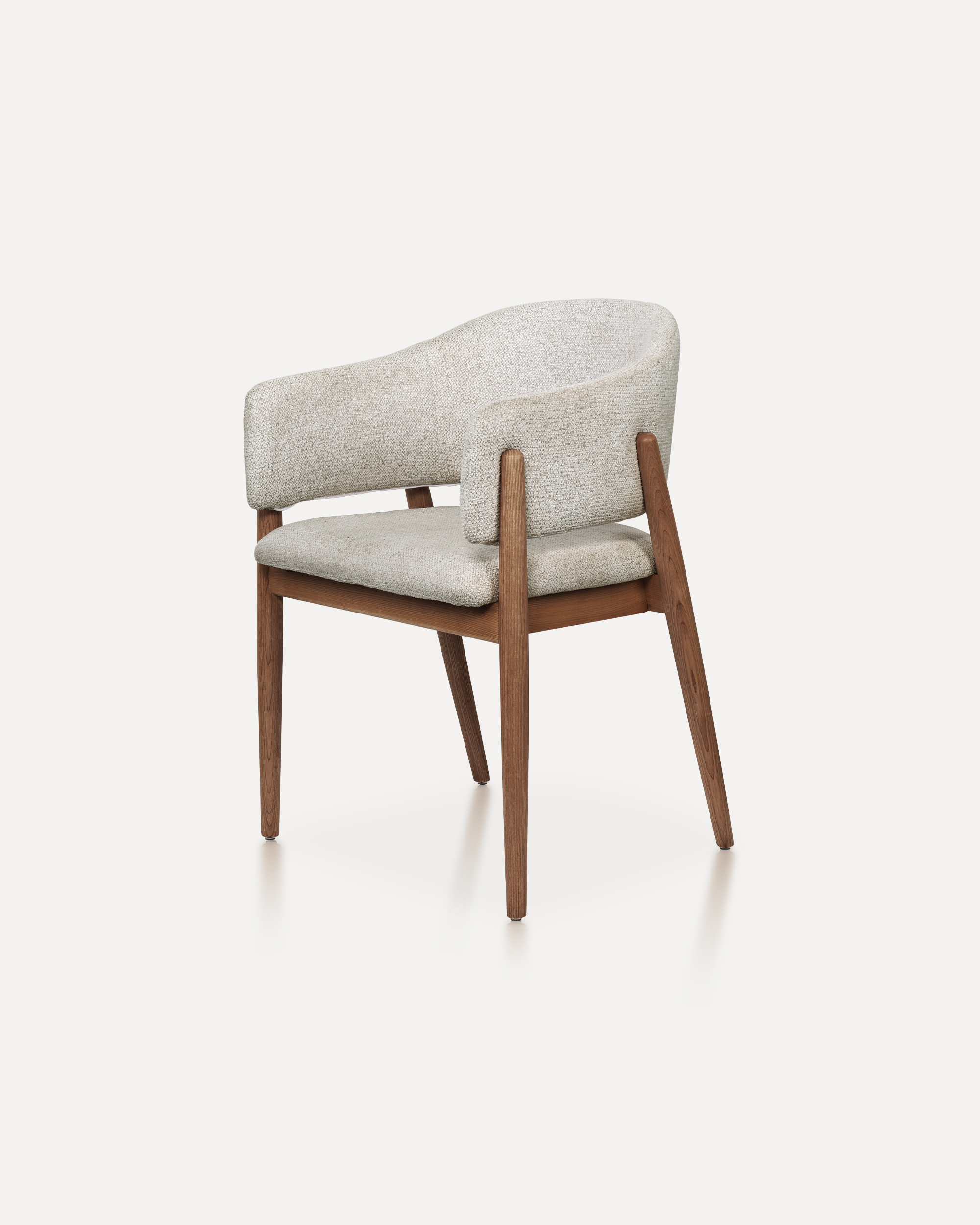
With its refined proportions and welcoming form, this chair brings quiet sophis...
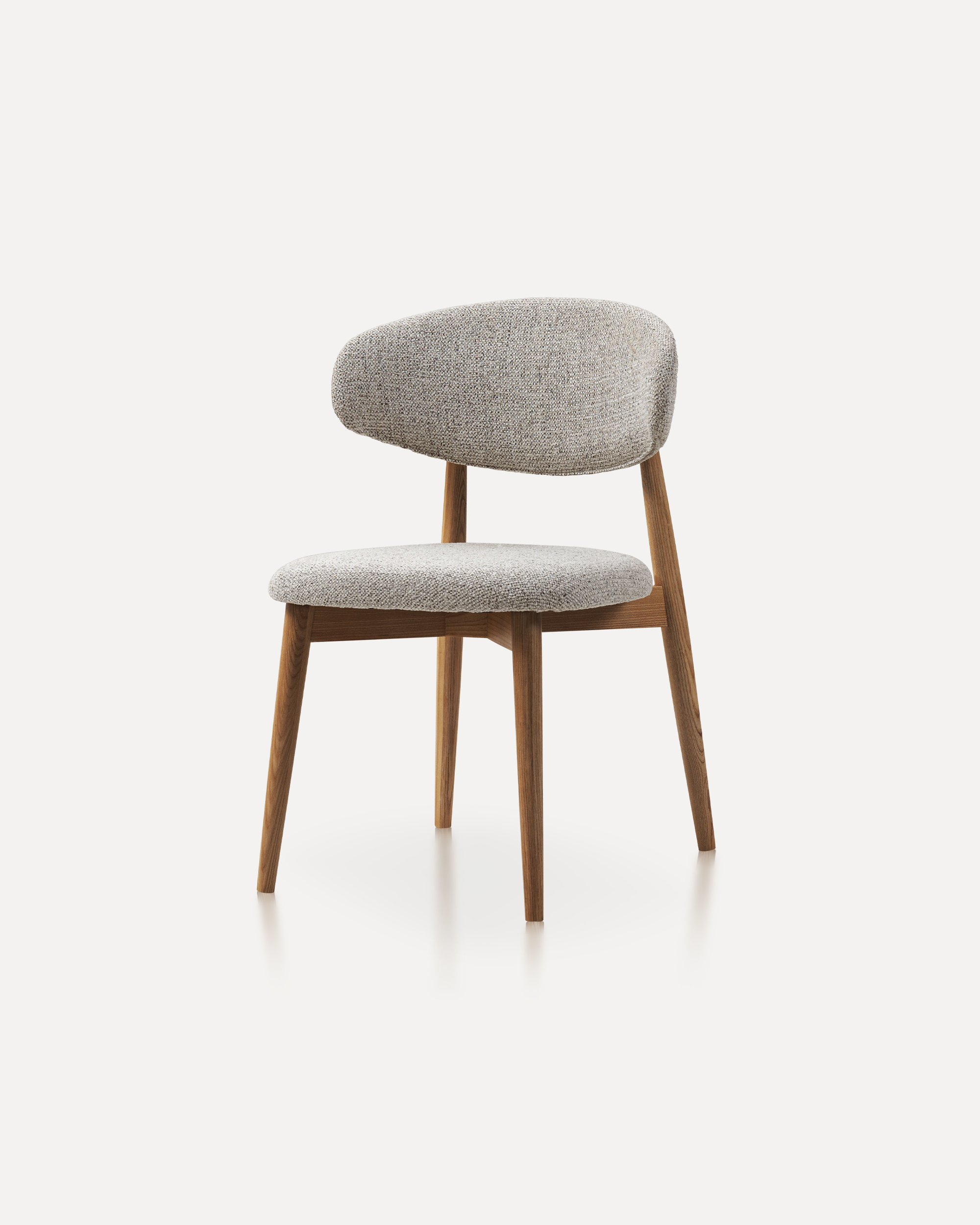
This wooden chair is a classic furniture piece that exudes warmth, durability, ...
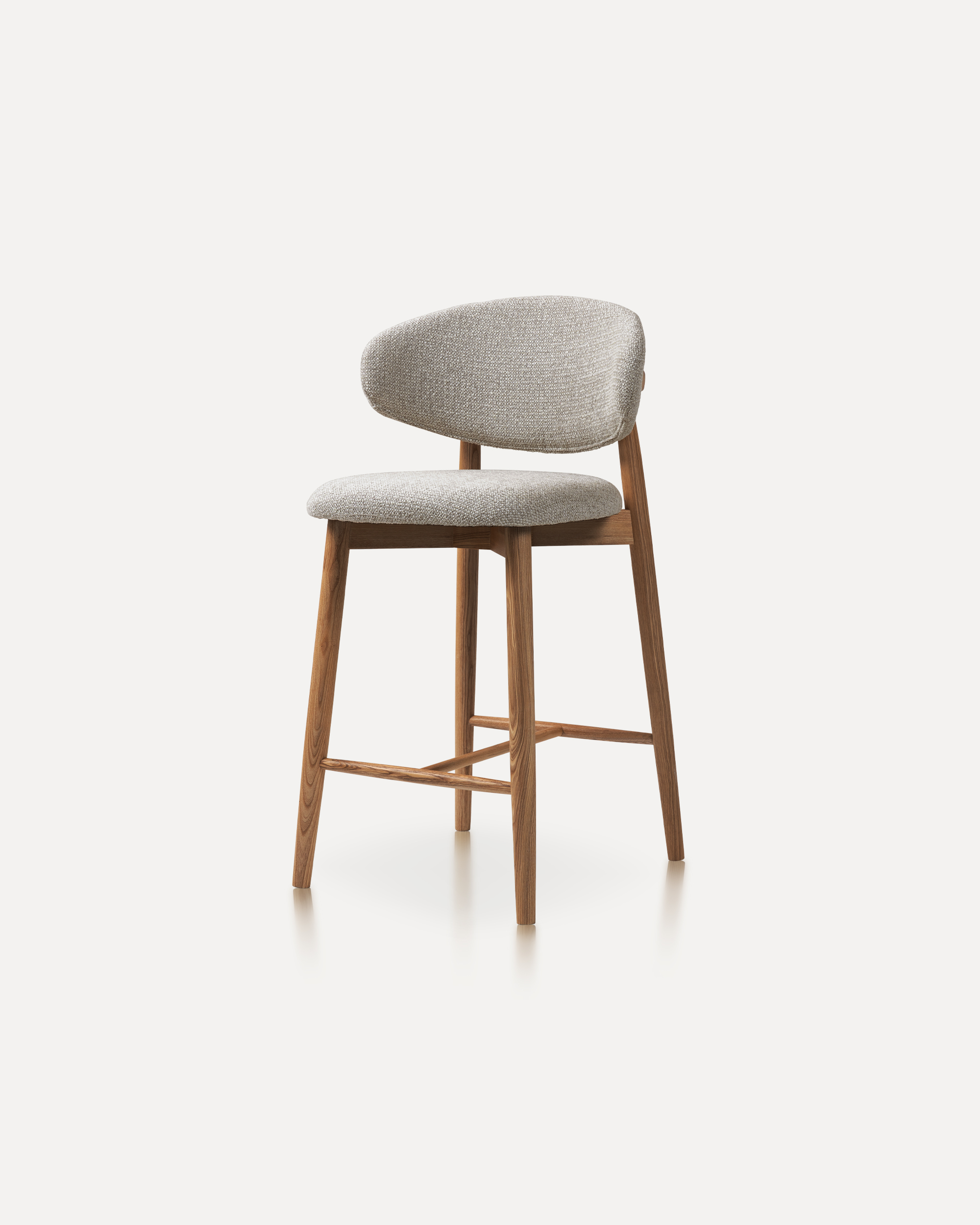
Our Wood Bar Stools are the perfect addition to any high-top table or bar setti...
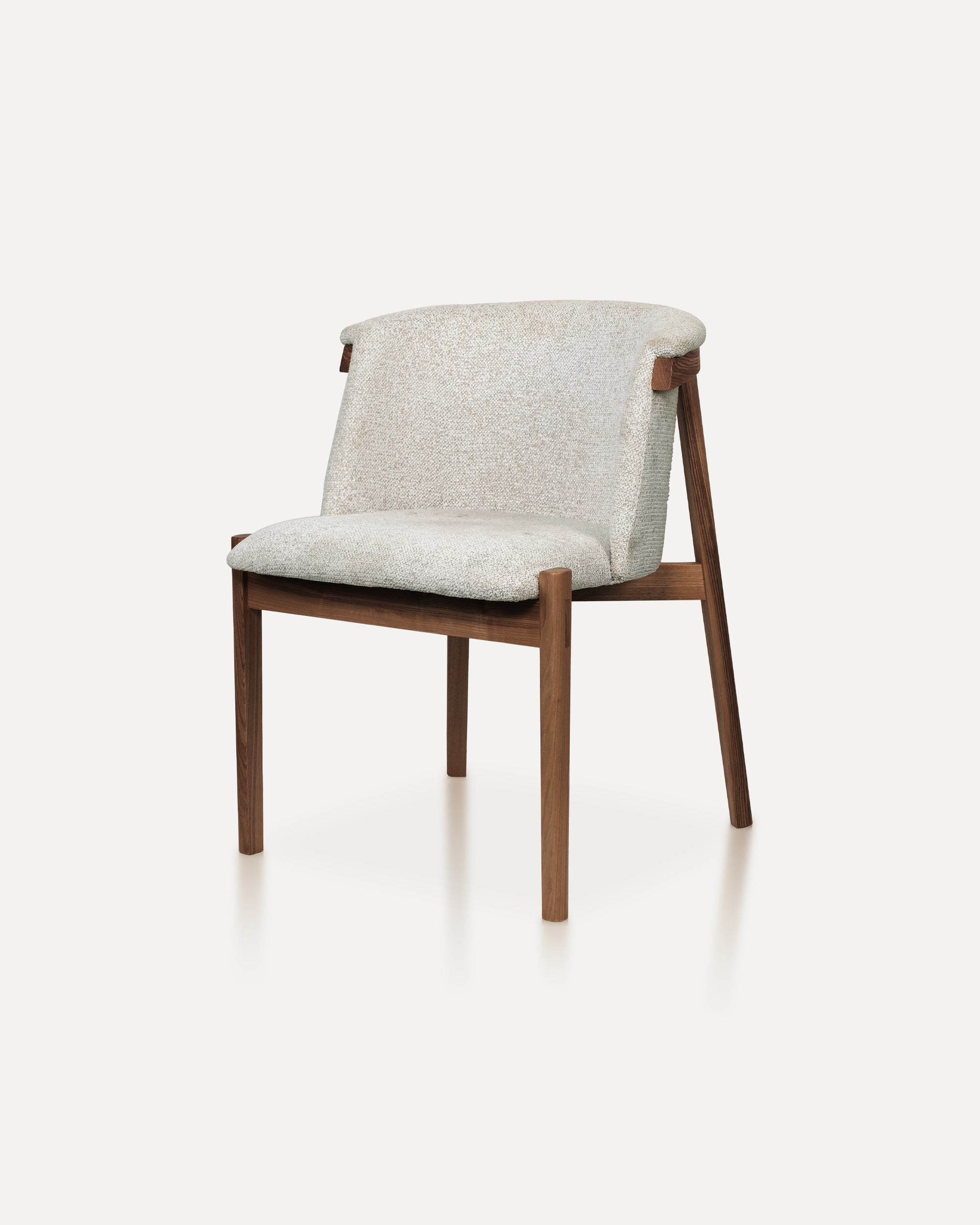
Bring natural elegance into your home with this finely crafted chair. The desig...
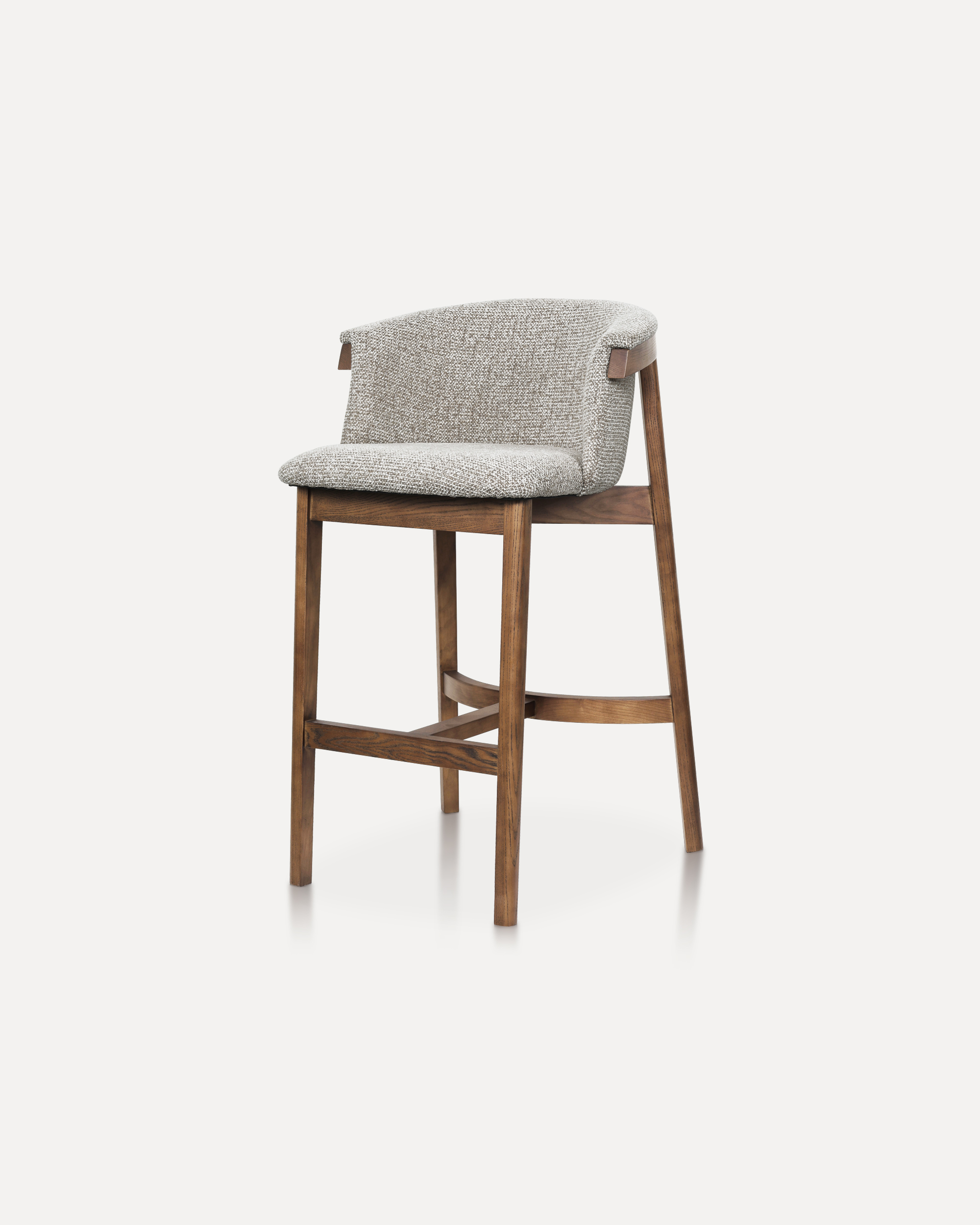
This sophisticated bar chair elevates any counter or high-top setting with its ...
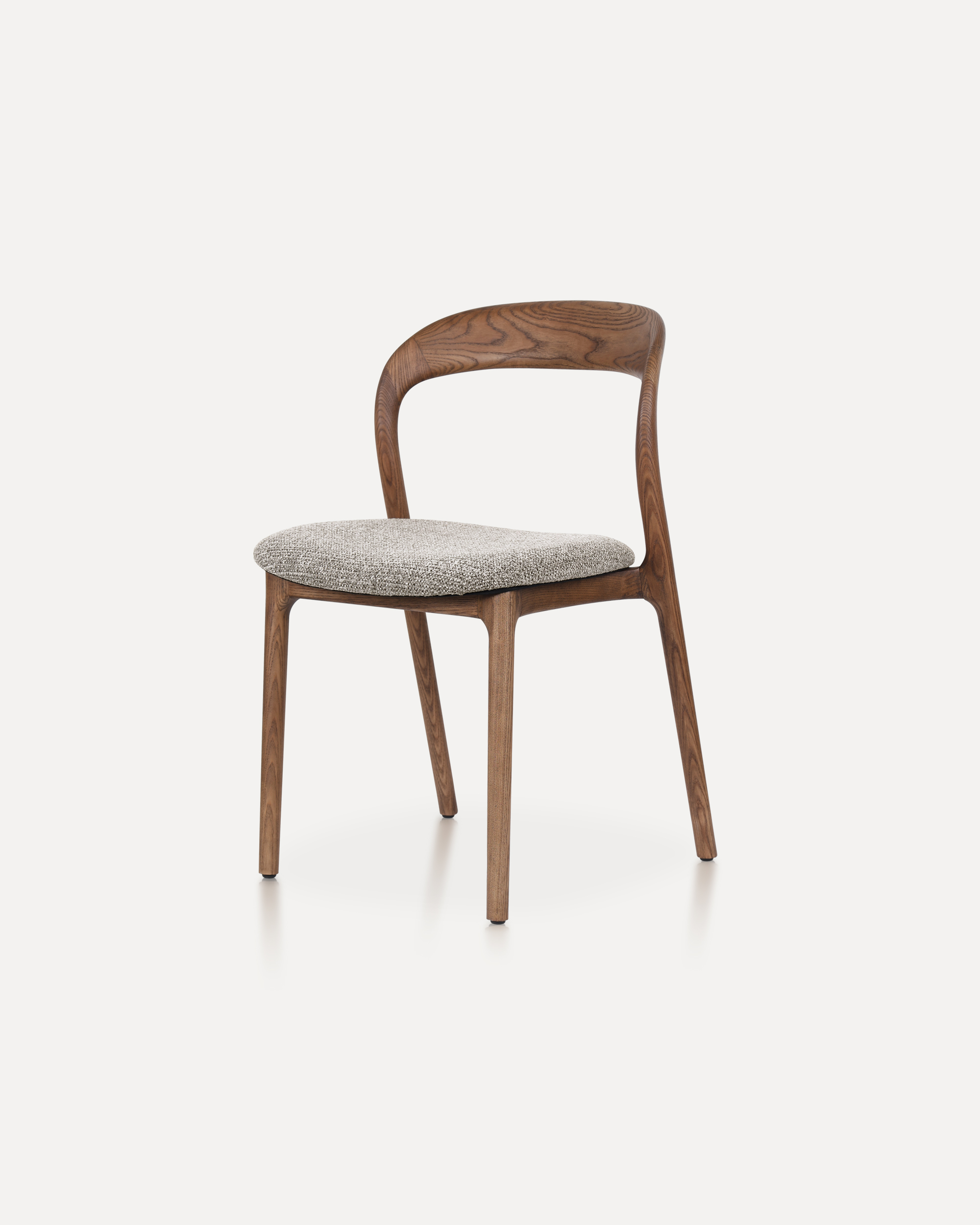
The Echo Chair is crafted from solid ashwood, featuring a unified back-and-arm ...
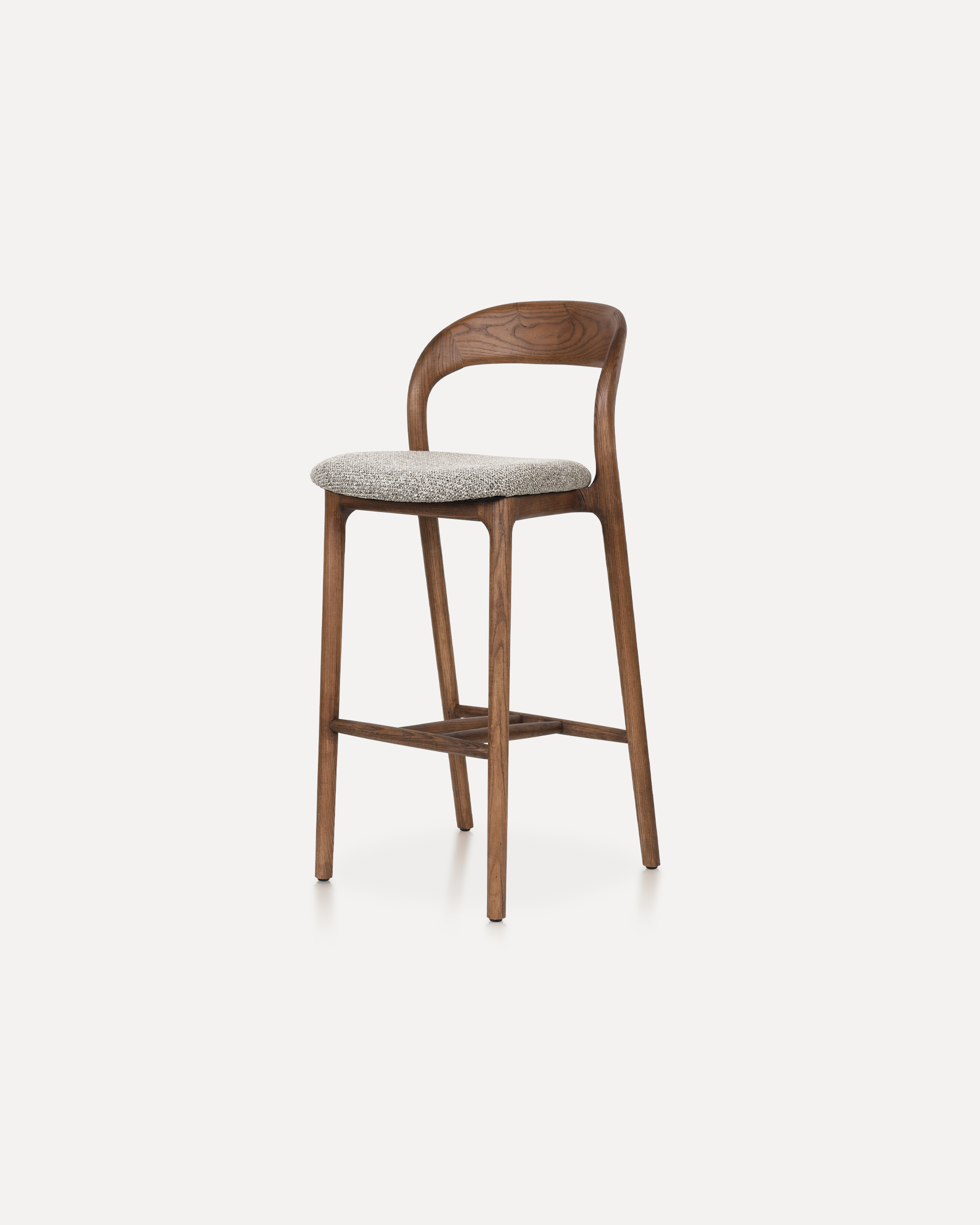
This Bar Chair is a counter-height seating solution crafted from solid ashwood ...
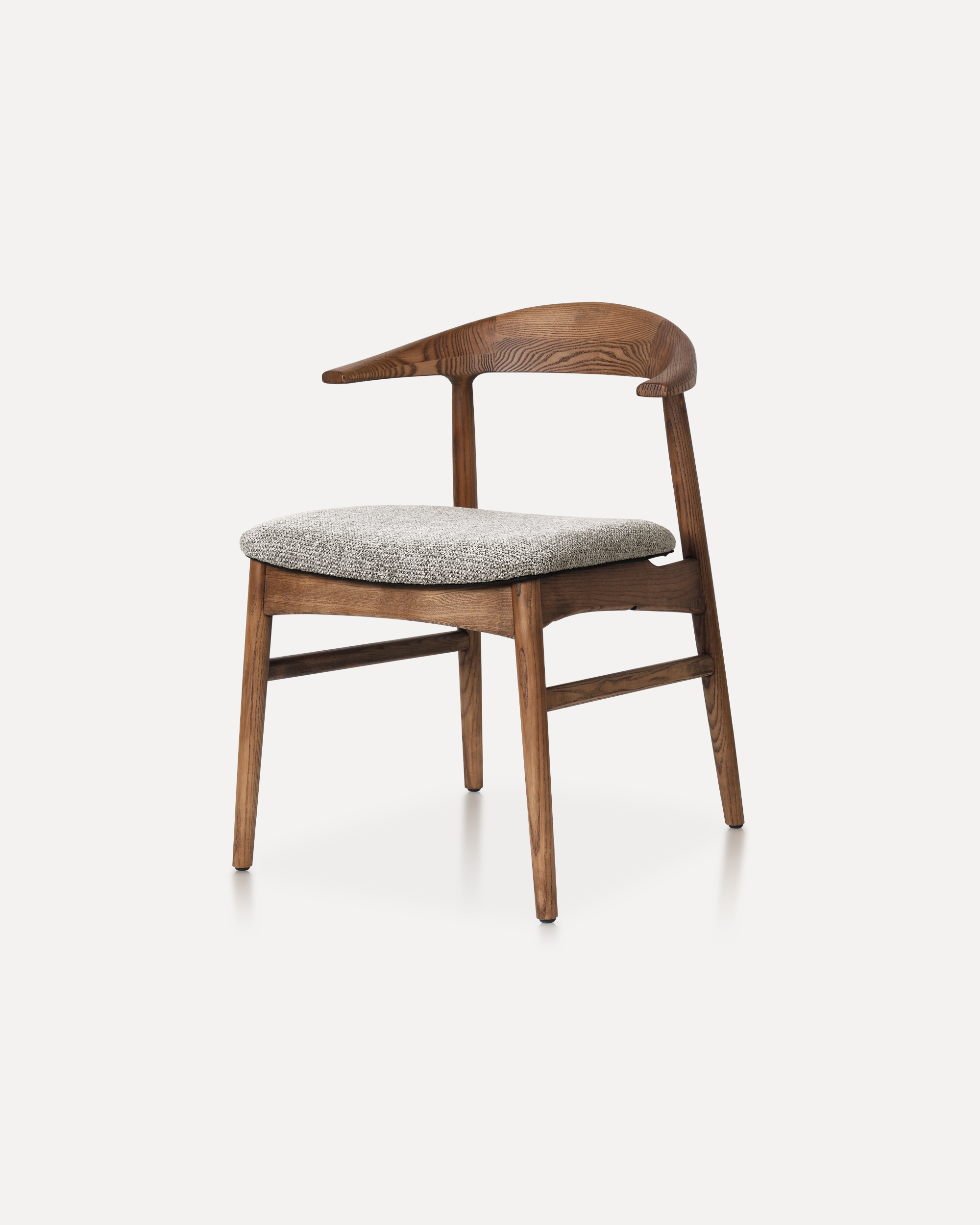
The Horizon Chair reinterprets mid-century warmth for today’s refined interiors...
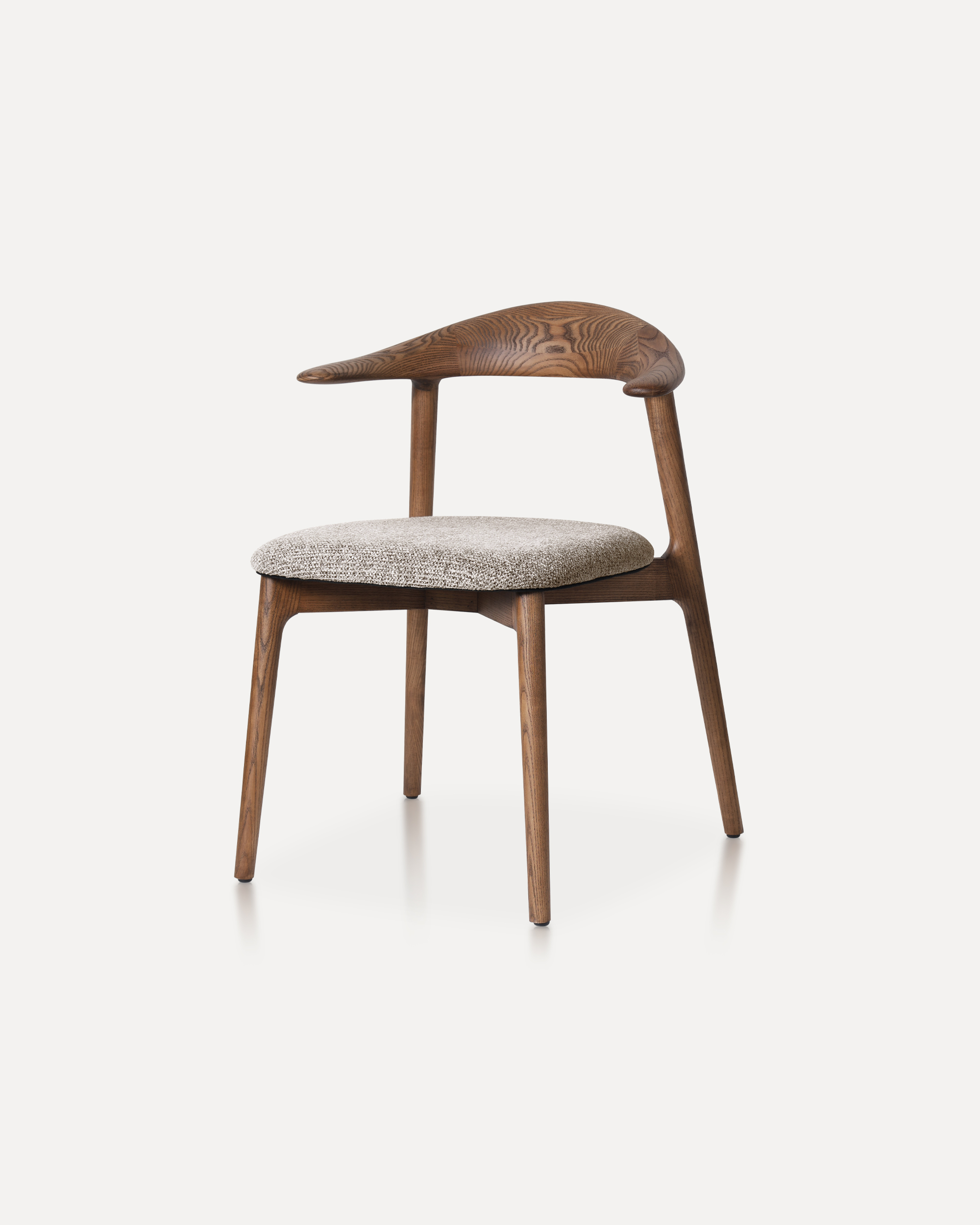
This classic features a striking, organic backrest carved from a single slab of...