
 English
  Français
 Español
Industry News
MENU

Content
Wooden dining chairs have been a staple of home interiors for centuries, and their popularity shows no sign of fading. Unlike metal or plastic alternatives, a well-made wood dining chair offers a combination of warmth, durability, and visual versatility that suits an enormous range of interior styles — from rustic farmhouse kitchens to sleek Scandinavian dining rooms and everything in between. Solid wood chairs also develop a natural patina over time, meaning they often look better with age rather than showing wear as a flaw.
Beyond aesthetics, wooden dining chairs are practical. They are sturdy enough for daily use, repairable when damaged, refinishable when scratched or faded, and recyclable at end of life. When you invest in a quality set of solid wood dining chairs, you are buying furniture that can genuinely last decades — and potentially become something you pass down rather than replace every few years.
This guide covers everything you need to make a confident, informed decision: wood species, chair styles, construction quality, sizing, finishes, upholstery options, and maintenance. Whether you're buying a full set of eight or replacing a single mismatched chair, the fundamentals covered here apply equally.
The species of wood used in a dining chair has a direct impact on its durability, weight, appearance, and price. Dining chairs endure daily stress — people lean back, push off the floor, sit down hard after a long day — so wood hardness and structural integrity are genuinely important, not just marketing points.
Oak is arguably the most popular wood for dining chairs globally, and for good reason. It is extremely hard and dense, resists denting and scratching well, accepts stains and finishes beautifully, and has a pronounced grain pattern that gives each piece a natural, distinctive character. Both red oak and white oak are used in furniture — white oak is slightly harder and more moisture-resistant, making it marginally better for dining environments where spills are common. Oak wooden dining chairs range from budget flat-pack versions to premium handcrafted pieces, and the material suits casual, traditional, and contemporary styles equally.
Beech is a close-grained European hardwood widely used in professional and commercial furniture — restaurant chairs, café seating, and school furniture are frequently made from beech because it combines excellent hardness with good steam-bending properties. Beech wood dining chairs can be curved and shaped in ways that straight-grained woods cannot, which is why bentwood chairs and classic bistro styles are almost universally made from beech. It takes stains and lacquers very well and is typically more affordable than oak for comparable quality.
Walnut is a premium hardwood prized for its rich chocolate-brown color, fine grain, and natural luster. Walnut wood dining chairs sit at the upper end of the price range but deliver a level of visual sophistication that few other materials can match. American black walnut is particularly sought after in mid-century modern and contemporary furniture design. It is slightly softer than oak, so surfaces may show minor scratches over time, but the depth of color hides minor marks better than pale woods.
Ash is a tough, flexible hardwood with a bold, open grain pattern. It is commonly used in Scandinavian-style wooden dining chairs due to its light, almost white coloration when natural — a characteristic that matches pale, airy interiors well. Ash is one of the strongest hardwoods available and takes both natural oil finishes and lacquers well, making it a practical and attractive choice for a mid-range wood dining chair set.
Rubberwood — sourced from rubber trees at end of latex production — is a dense, sustainable hardwood widely used in budget to mid-range solid wood dining chairs. It has a fine, even grain, is resistant to warping, and takes paint and stain well. Acacia is a tropical hardwood popular in farmhouse and industrial dining chair styles, known for its dramatic grain variation and natural durability. Both offer solid value at more accessible price points than premium oak or walnut.
The style of a wooden dining chair encompasses its silhouette, back design, leg profile, and overall aesthetic. Choosing a style that complements your dining table and room is as important as choosing the right wood. Here are the most widely available and enduringly popular options:
Shaker chairs are defined by clean lines, minimal ornamentation, tapered legs, and a ladder-back or slat-back design. Originally developed by the Shaker religious community in 18th-century America, this style has proven remarkably timeless. A shaker wood dining chair in oak or maple suits farmhouse kitchens, traditional dining rooms, and transitional spaces equally well. The simplicity of the design also makes it one of the easiest styles to mix and match with other furniture.
The Windsor chair is one of the most recognizable wooden dining chair designs in the world. Characterized by a solid wood seat, spindle back, and splayed legs — often with a central back splat or comb-top — Windsor chairs are robustly built and extremely comfortable for long meals. They are typically made from a combination of woods: harder woods for the legs and spindles, softer carved seats in elm or pine for the saddle-shaped seat. Windsor chairs suit country, colonial, and casual contemporary dining rooms.
The classic Thonet-style bentwood chair — made from steam-bent beech with a cane seat — is one of the most produced wooden dining chair designs in history. Its curved lines, light weight, and stackable format make it practical for both residential and café use. Modern interpretations of the bistro chair use molded plywood or steam-bent solid wood in a range of contemporary profiles, and they remain a popular choice for compact dining rooms and kitchen tables.
Mid-century modern wooden dining chairs feature tapered legs, organic curves, and an emphasis on the beauty of natural wood grain. Walnut is the quintessential wood for this style, though oak and teak versions are common. Seats are often upholstered in leather or fabric, with exposed wood frames forming the visual structure. This style has seen a major revival and suits contemporary, eclectic, and Scandinavian-influenced interiors.
The cross-back or X-back wooden dining chair has become one of the most popular styles for farmhouse and rustic dining rooms over the past decade. The back features an X-shaped cross brace that provides both structural strength and a visually interesting silhouette. Most versions are made from oak or pine and left with a natural or lightly stained finish. Cross-back chairs are frequently used for outdoor dining and wedding event seating due to their stackability and durability.
When shopping for wooden dining chairs, you will encounter products described as "solid wood," "engineered wood," "wood veneer," or "MDF frame." These are not interchangeable, and understanding the difference is critical to making a purchase that meets your expectations for longevity and quality.
| Material | What It Is | Durability | Repairability | Best For |
| Solid Wood | Single-species timber throughout | Excellent — 20+ years | Fully refinishable | Long-term investment, heirloom quality |
| Plywood / Bentwood | Layered wood veneers, cross-grain bonded | Very good — warp resistant | Surface refinishable | Molded shapes, bistro and modern styles |
| Wood Veneer over MDF | Thin wood layer over MDF core | Moderate — veneer can chip | Limited — veneer difficult to repair | Budget-conscious buyers, lighter use |
| MDF / Particleboard Frame | Compressed wood fiber, painted finish | Low — swells with moisture | Not refinishable | Short-term, low-traffic use only |
For dining chairs that will be used daily, solid hardwood is the recommended choice whenever the budget allows. Chairs endure significant physical stress — rocking, dragging, weight shifts — and MDF or particleboard joints simply do not hold up to this kind of ongoing mechanical loading as reliably as solid wood joinery.
A beautiful wooden dining chair that doesn't fit your table properly will be uncomfortable and impractical. Getting the sizing right before purchasing — particularly the seat height relative to your table — is one of the most commonly overlooked aspects of buying dining chairs.
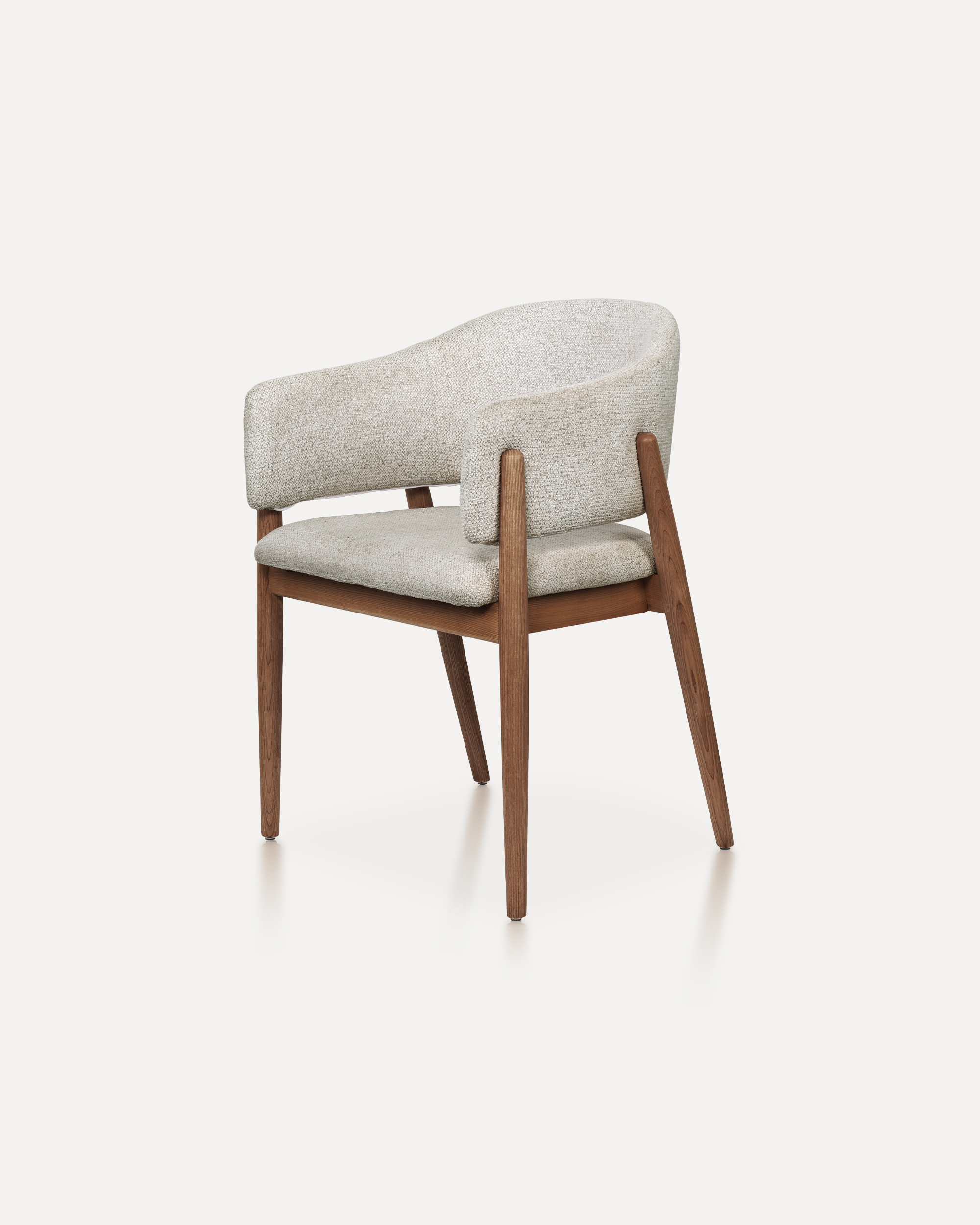
One of the most practical decisions when choosing a wood dining chair is whether to go with a solid wood seat or an upholstered seat pad. Both have genuine advantages and the right choice depends on how you use your dining space and your household's lifestyle.
A solid wood seat is the most durable and easiest to clean option. Spills wipe off instantly, there is nothing to stain or tear, and the seat will last as long as the chair frame itself. Hardwood seats are often shaped — saddle-contoured or gently curved — to provide more comfort than a flat board. The tradeoff is that they are less comfortable for extended sitting, particularly for adults over longer dinner parties. Hard wood seats are best suited to kitchens, casual dining areas, and households with young children or messy eaters.
Upholstered wooden dining chairs add a layer of foam and fabric or leather over the seat, significantly improving comfort for long meals. The visual softness also changes the feeling of the room — upholstered seats make a dining space feel more formal and inviting. The practical considerations are that fabric upholstery can stain and requires more careful cleaning, while leather or faux-leather is more wipe-clean but can crack over time with heavy use. Look for chairs with removable seat pads if easy cleaning is a priority, as these can be detached, spot-cleaned, or even reupholstered without replacing the whole chair.
The finish applied to a wooden dining chair is not just cosmetic — it determines how well the wood is protected against moisture, spills, and daily handling. Different finish types offer different levels of protection and require different maintenance approaches.
Matching wooden dining chairs to a dining table is less about identical materials and more about complementary proportions, tones, and styles. In fact, perfectly matched sets can sometimes feel stiff and impersonal — a deliberate mix of chair styles in the same wood tone is a widely used interior design approach that creates a more relaxed, curated look.
Whether buying in-store or online, there are specific quality indicators that distinguish a well-made wooden dining chair from one that will wobble and loosen within a year of regular use. Knowing what to look for — or what questions to ask — protects your investment.
Proper maintenance significantly extends the life of a solid wood dining chair and keeps it looking its best. The care routine is not complicated, but a few consistent habits make a meaningful difference.
Wipe down wooden dining chairs with a slightly damp cloth after use to remove food residue and moisture. Avoid soaking the wood — water that sits on the surface can raise the grain and penetrate finish joints over time. For sticky residue, a drop of mild dish soap diluted in water removes most food and grease without harming the finish. Dry the chair promptly after damp cleaning with a soft cloth. Avoid commercial multi-surface sprays that contain ammonia or silicone, as these can cloud lacquer finishes and prevent future refinishing work from adhering properly.
Chair leg feet are one of the first areas to show wear and one of the most important to protect. Fit all four legs with felt pads — replaced every 6–12 months as they compress and collect grit — to prevent floor scratching and reduce the jarring impact on joints when chairs are pulled out and pushed in. Rubber caps or clear silicone feet are an alternative on hard floors and last longer than felt.
Even well-made wooden dining chairs may develop slight joint looseness over years of use as wood expands and contracts seasonally. When you first notice a joint loosening, act quickly — a mildly loose joint that is left unaddressed becomes a badly racking joint that's far harder to repair. For minor looseness, a small amount of wood glue injected into the joint with a glue syringe and then clamped overnight solves most problems. For more significant looseness, the joint may need to be fully disassembled, old glue removed, and fresh glue applied before reassembly.
One of the great advantages of solid wood dining chairs over alternatives is that they can be fully refinished when the surface finish looks worn, scratched, or discolored. Light scratches in lacquered surfaces can often be addressed with fine-grit sanding (400–600 grit) and a thin recoat of matching lacquer. Full refinishing involves stripping the old finish entirely with a chemical stripper or orbital sander, smoothing the bare wood through progressive grits from 120 to 220, and applying fresh stain and finish coats. The result is a chair that looks nearly new — a refinishing project that costs a fraction of replacement.
Wooden dining chairs are available across an enormous price range, and understanding what each tier delivers helps set realistic expectations before you shop.
| Price Per Chair | What You Typically Get | Expected Lifespan |
| Under $50 | Rubberwood or pine, flat-pack, basic joinery, painted finish | 3–7 years with daily use |
| $50–$150 | Solid beech or rubberwood, stronger joinery, range of finish options | 8–15 years |
| $150–$350 | Solid oak or ash, mortise and tenon joinery, quality finish, upholstery options | 15–25+ years |
| $350–$800+ | Premium walnut, custom upholstery, handcrafted construction, designer or artisan pieces | Decades — potential heirlooms |
The sweet spot for most homeowners is the $100–$250 per chair range for solid hardwood dining chairs with quality joinery. At this price, you are buying chairs that will outlast budget alternatives many times over and can be refinished rather than replaced when the finish shows wear. Splitting the difference by buying two statement armchairs at higher price points and four simpler side chairs in the mid-range is a cost-effective way to achieve a high-quality, layered look without furnishing the entire table at premium price.
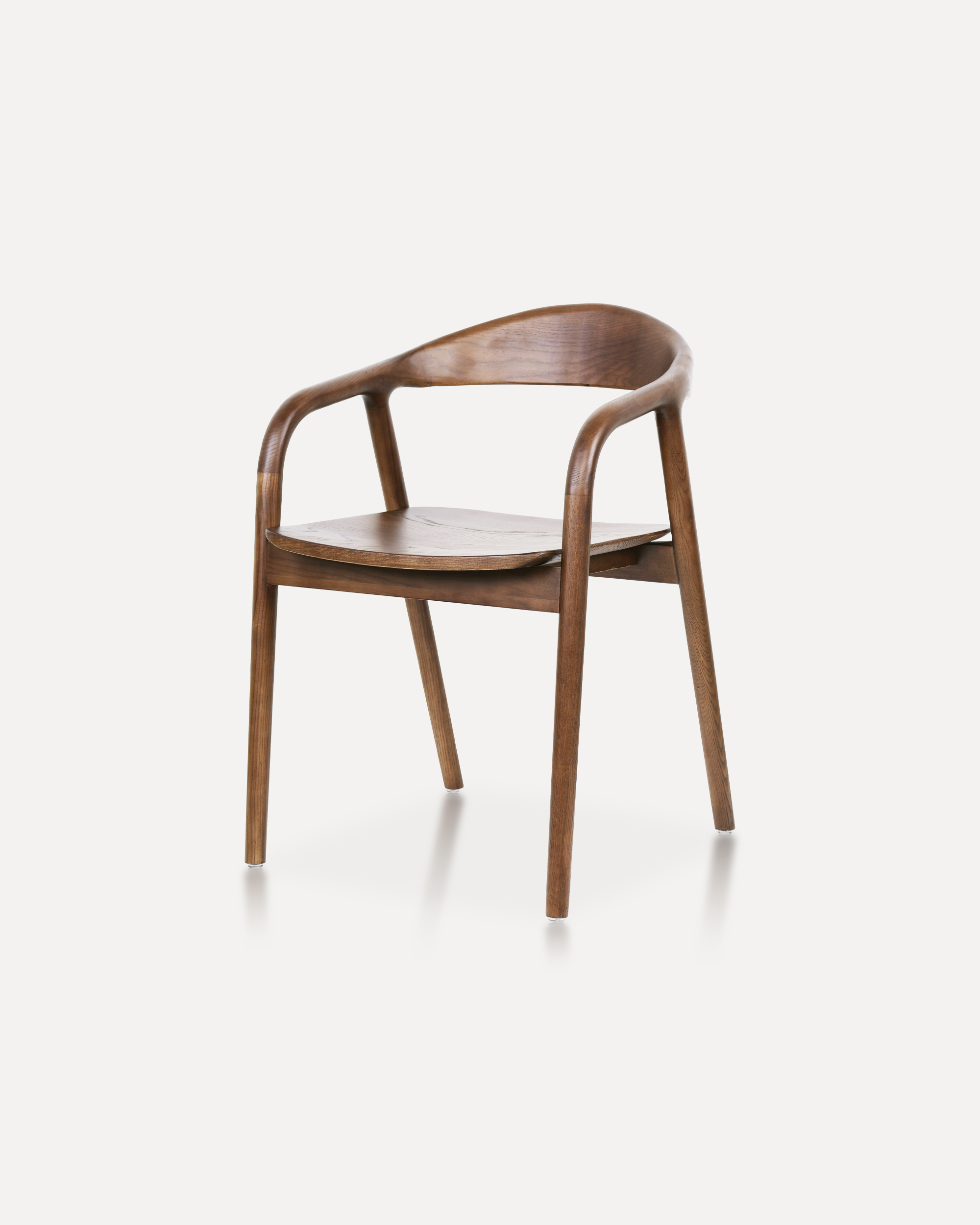
Crafted entirely from solid ash wood, this chair embodies a refined balance of ...
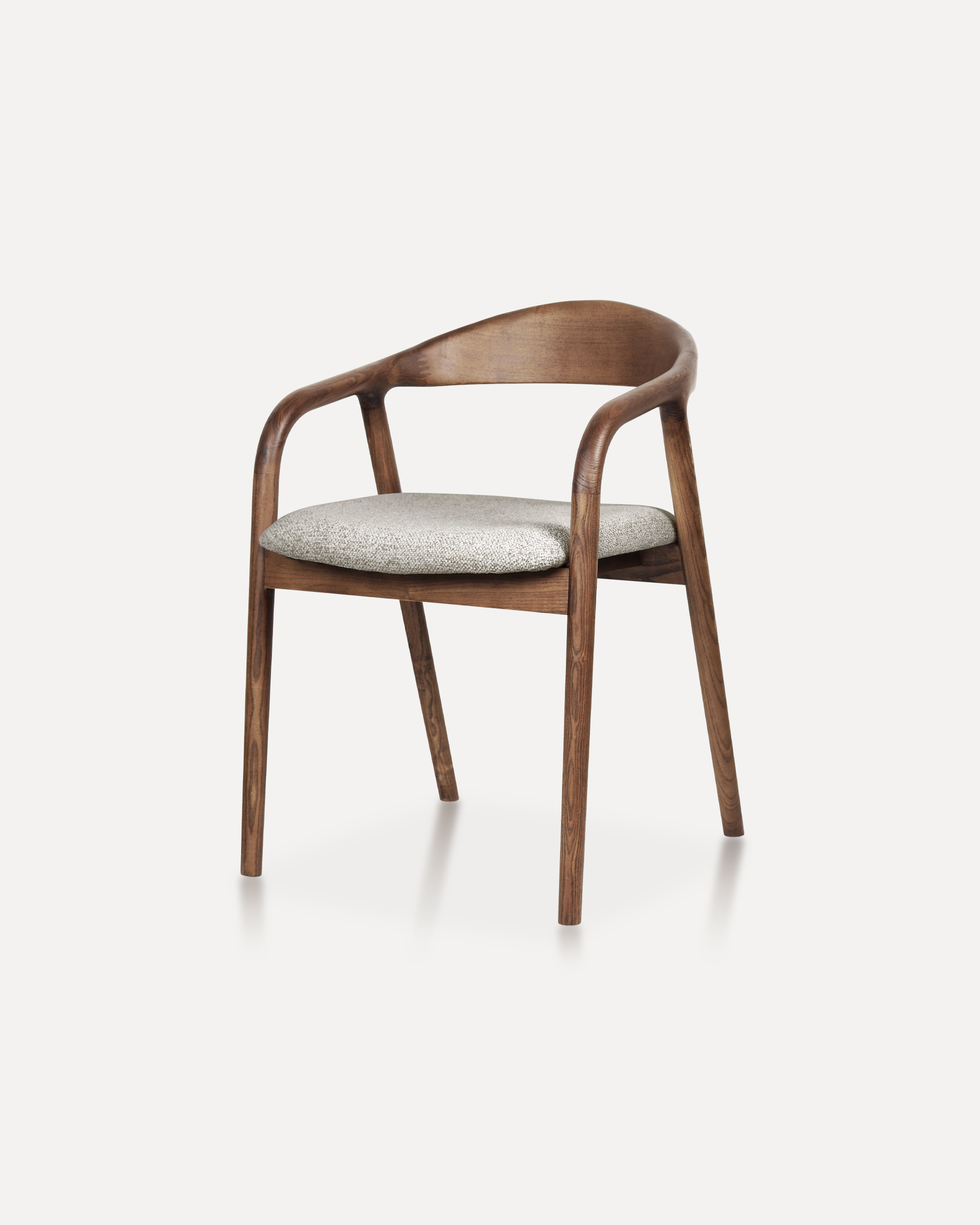
Showcases a refined silhouette with smooth, curved armrests and a gently rounde...
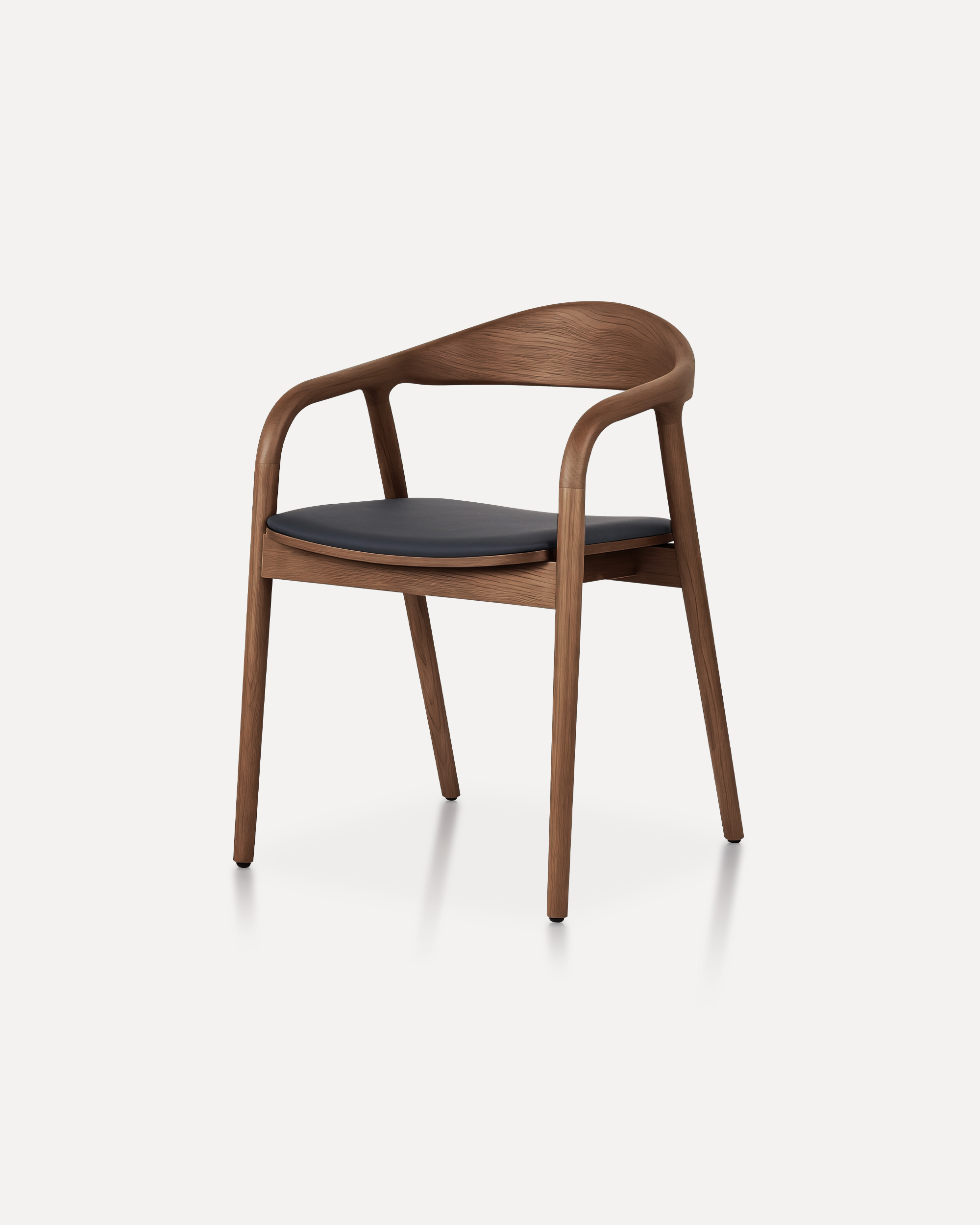
A masterclass in refined joinery and organic geometry, the Arc Chair features a...

With its refined proportions and welcoming form, this chair brings quiet sophis...
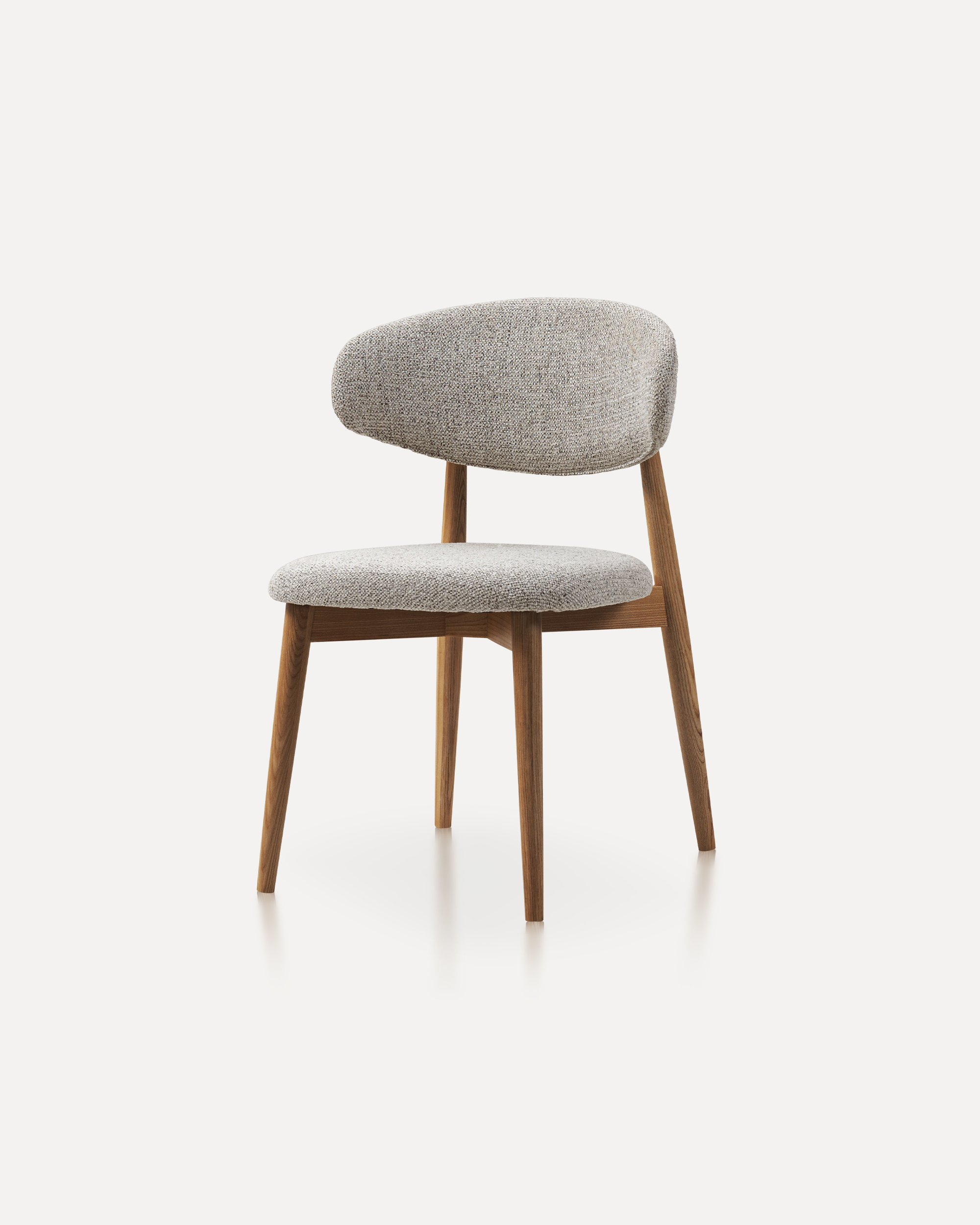
This wooden chair is a classic furniture piece that exudes warmth, durability, ...
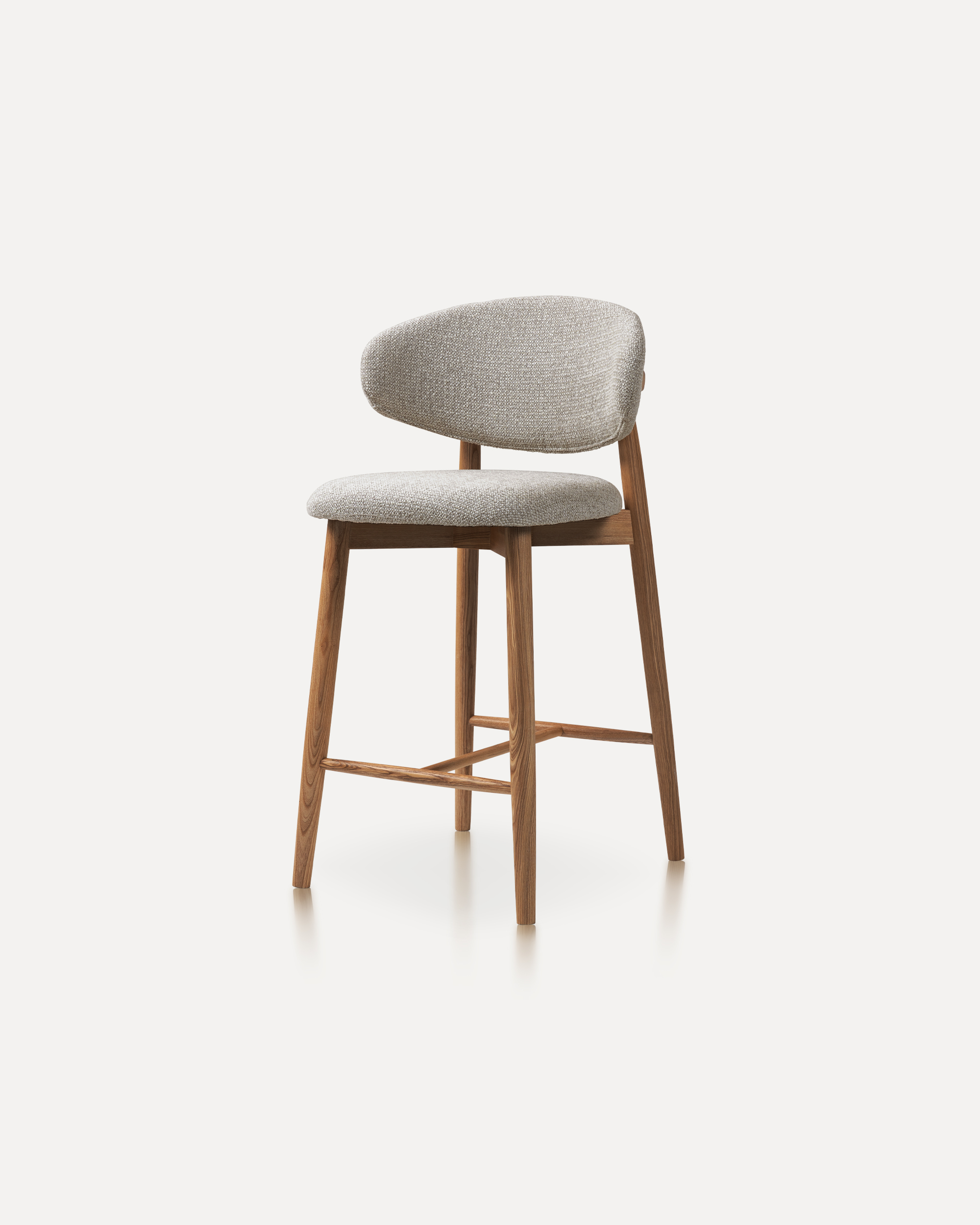
Our Wood Bar Stools are the perfect addition to any high-top table or bar setti...
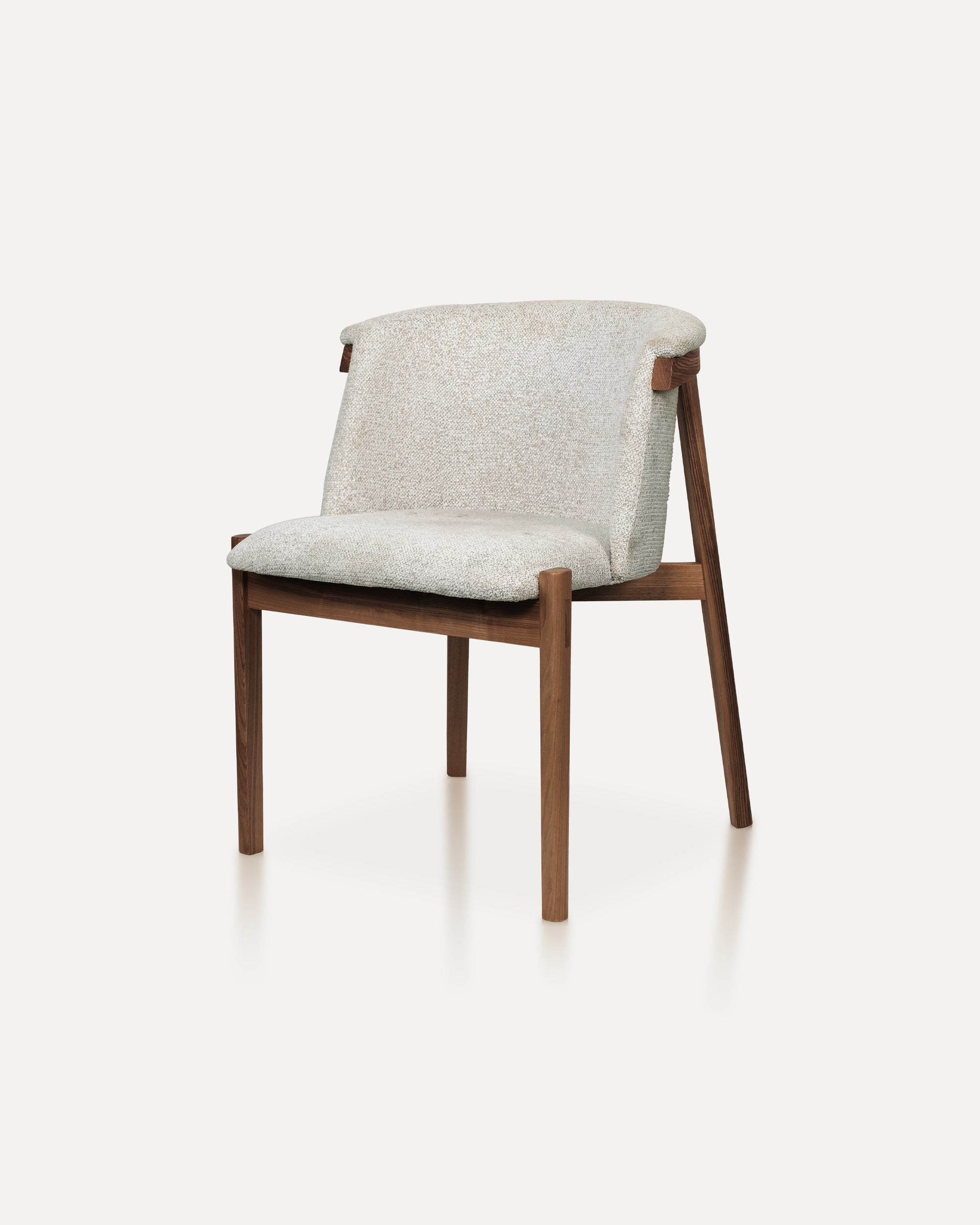
Bring natural elegance into your home with this finely crafted chair. The desig...
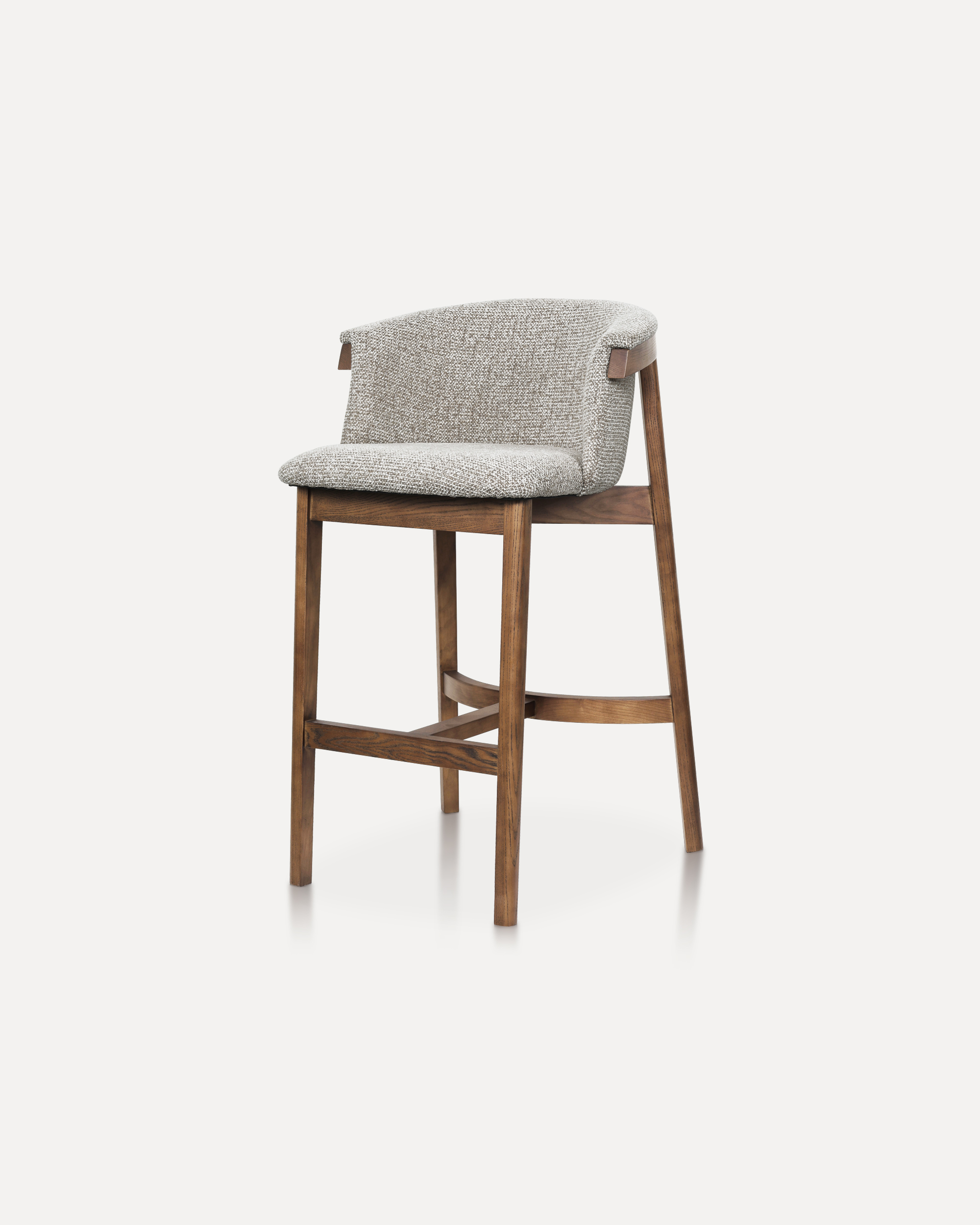
This sophisticated bar chair elevates any counter or high-top setting with its ...
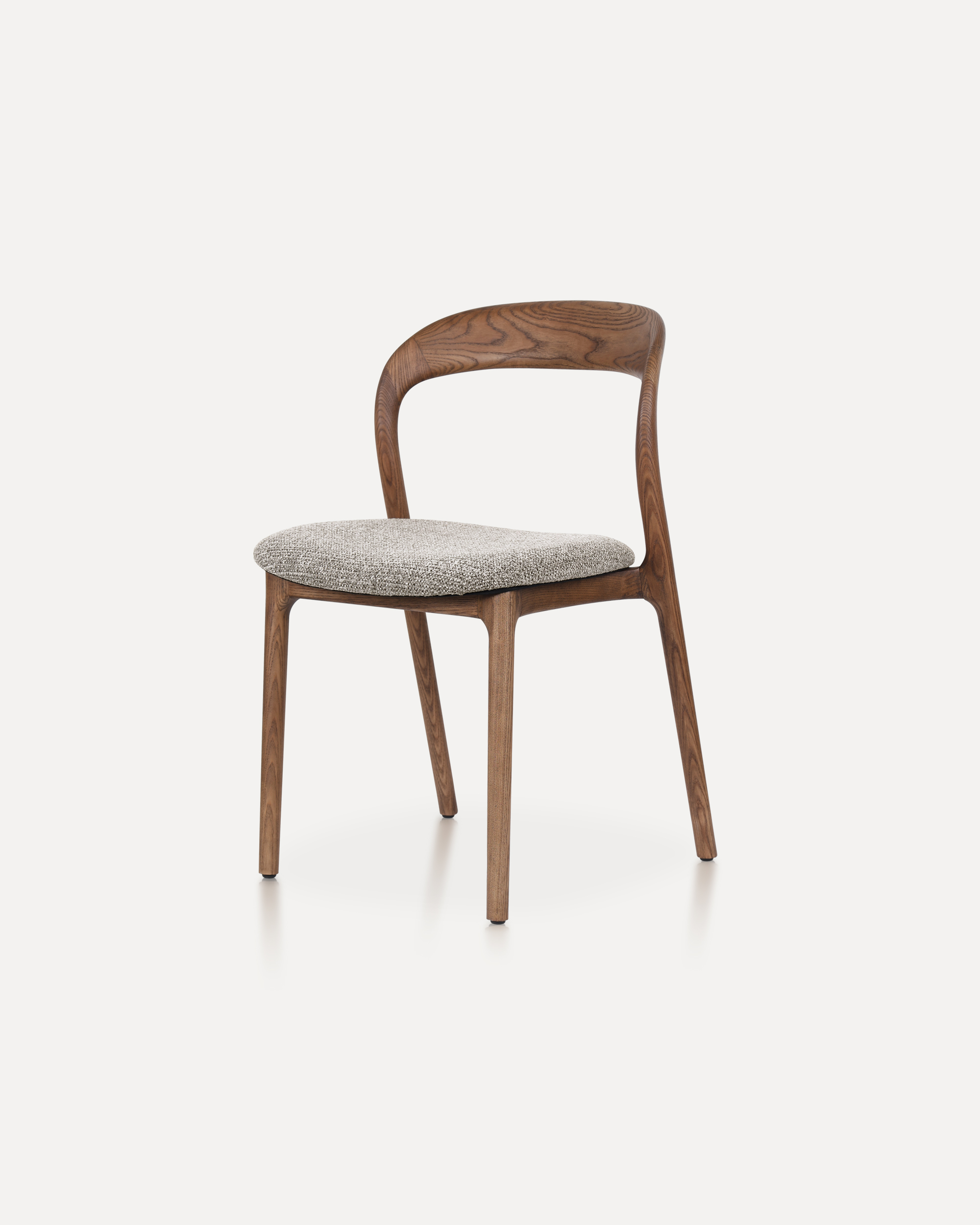
The Echo Chair is crafted from solid ashwood, featuring a unified back-and-arm ...
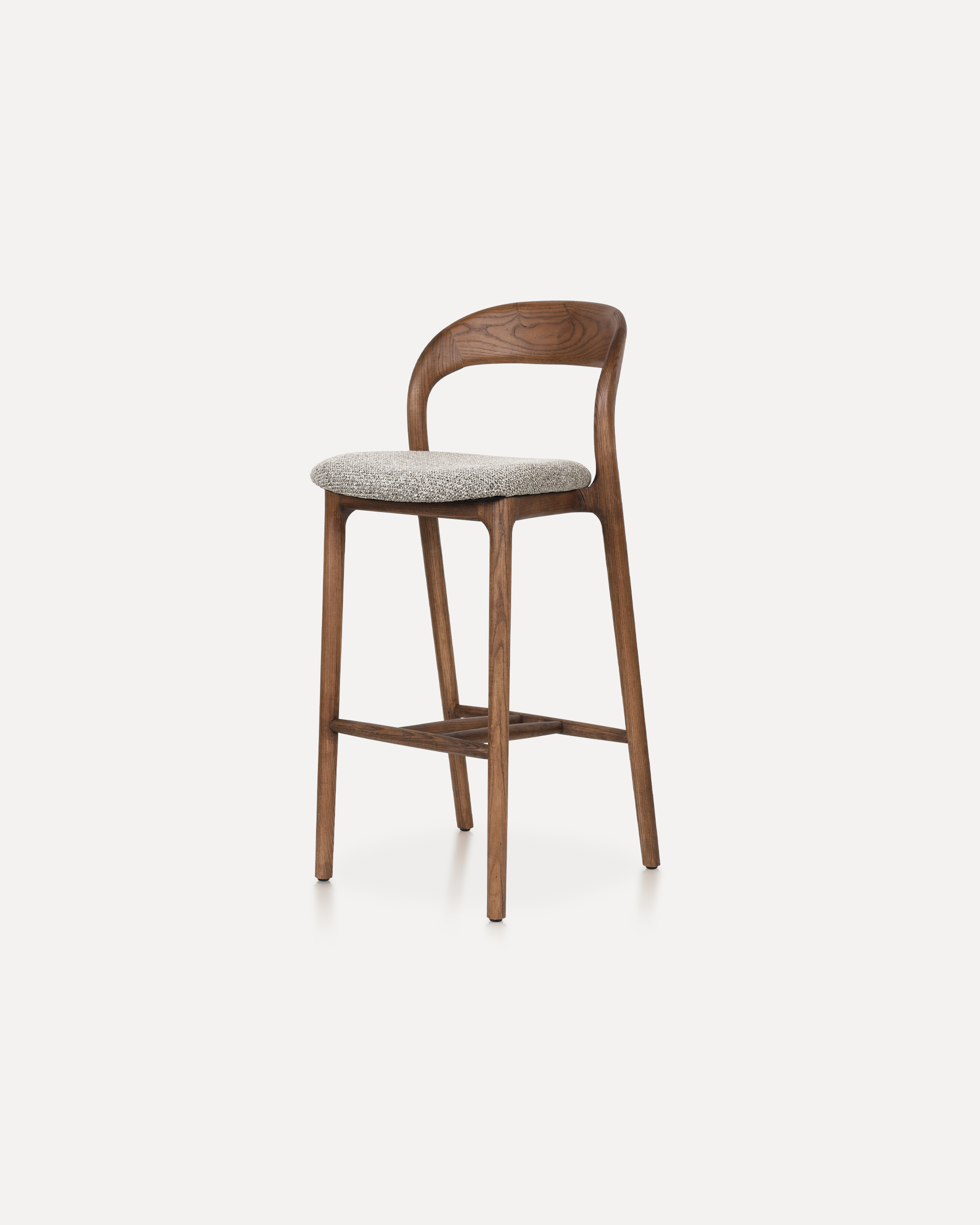
This Bar Chair is a counter-height seating solution crafted from solid ashwood ...
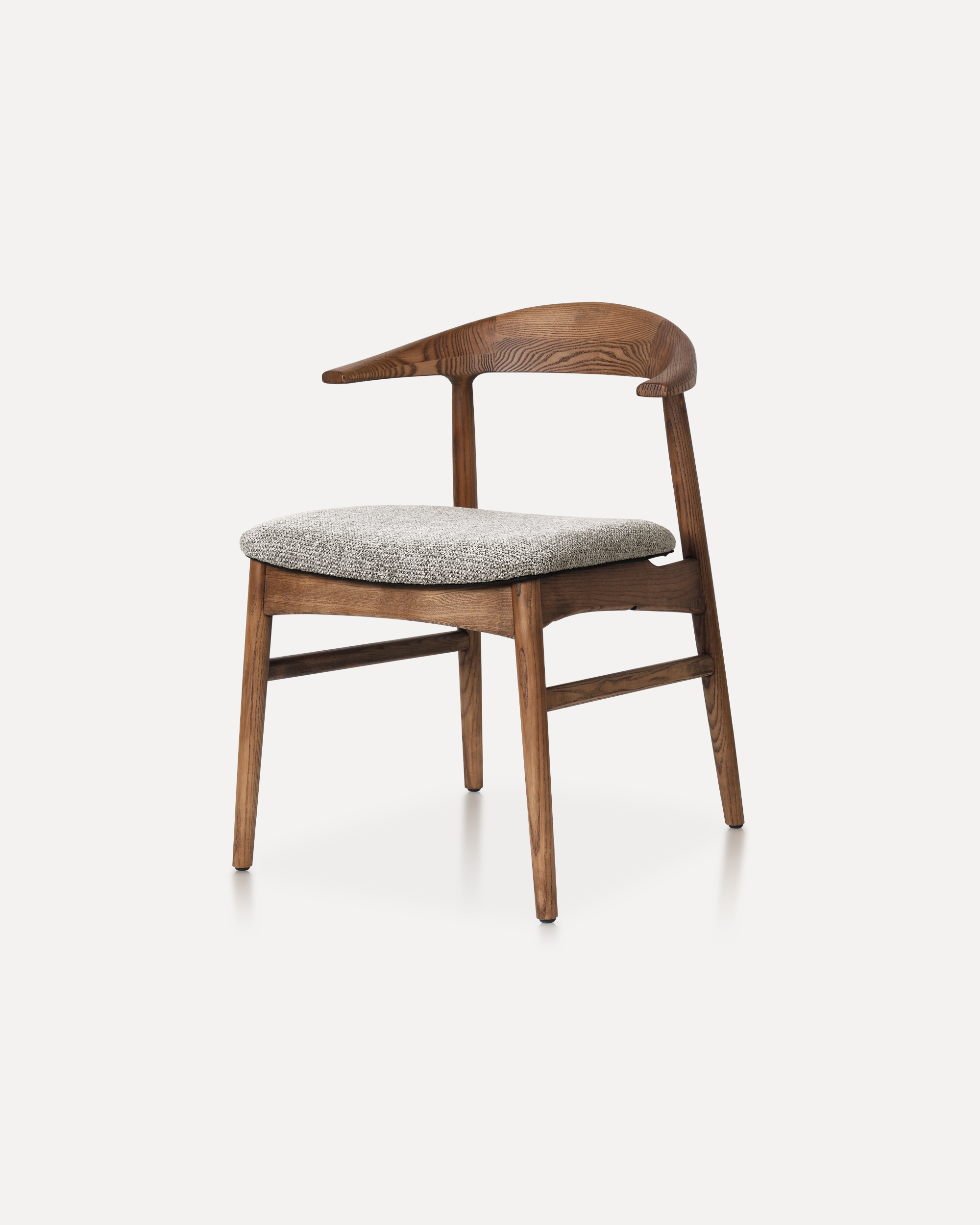
The Horizon Chair reinterprets mid-century warmth for today’s refined interiors...
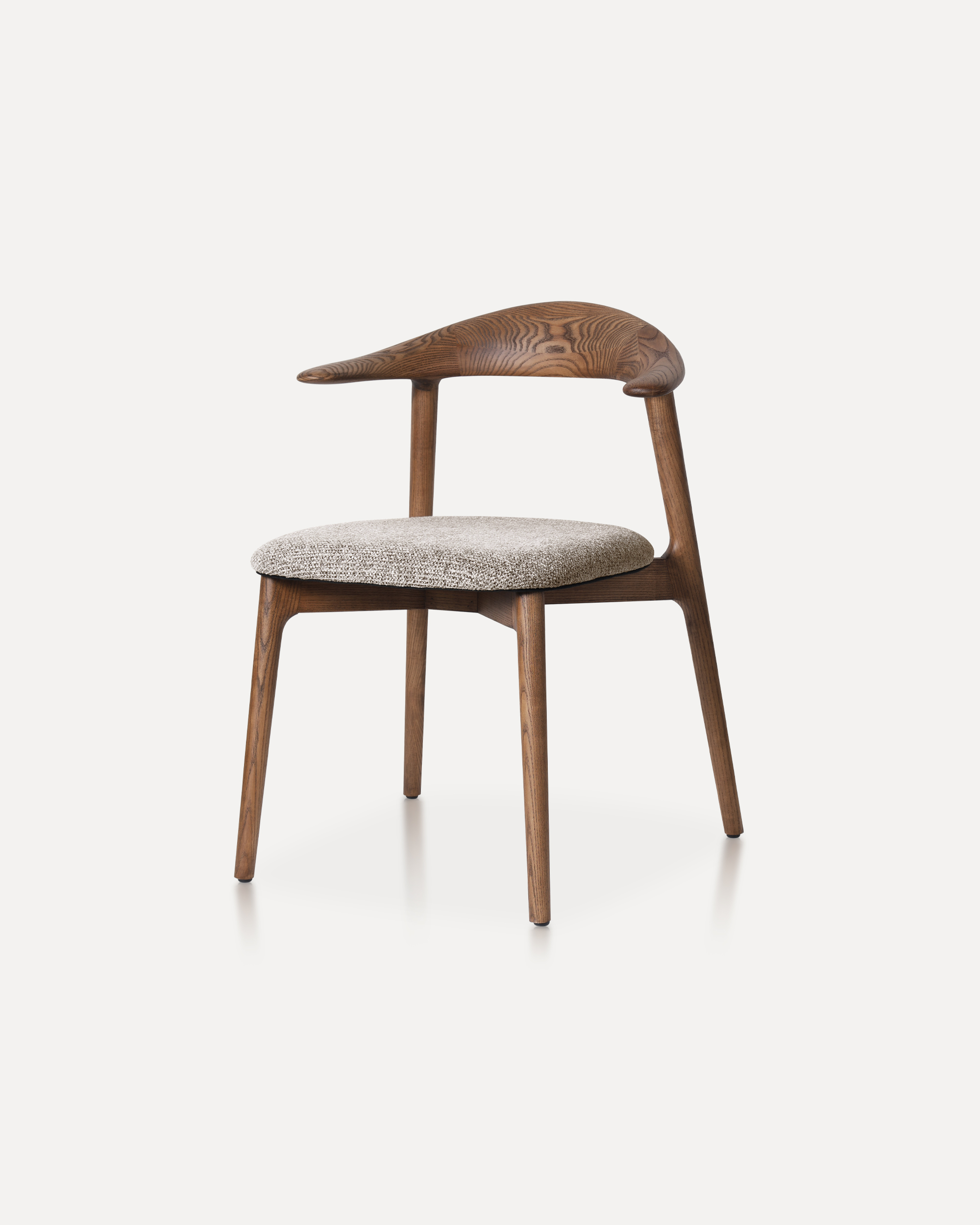
This classic features a striking, organic backrest carved from a single slab of...