
 English
  Français
 Español
Industry News
MENU

Content
Wooden dining chairs have been a household staple for centuries, and there are practical reasons they've outlasted nearly every furniture trend that's come and gone. Wood is structurally strong, repairable, refinishable, and compatible with a wider range of interior styles than almost any other material. A well-made solid wood dining chair can survive daily use for decades — and unlike metal or plastic alternatives, it tends to look better with age rather than worse.
The category also offers more genuine variety than it appears from the outside. Hardwood dining chairs built from oak, walnut, or teak occupy a completely different tier from chairs made with engineered wood or softwood frames. Construction method, joinery type, finish quality, and seat design all affect how a chair performs over years of use. Understanding these differences is what separates a good purchase from one that looks right in the showroom but develops wobbles and squeaks within two years.
This guide covers the decisions that actually matter when choosing wooden dining chairs — wood species, construction quality, style compatibility, comfort, and what distinguishes chairs worth the investment from ones that aren't.
The species of wood used in a dining chair has a direct and measurable impact on durability, weight, appearance, and cost. Most chairs fall into one of three categories: solid hardwood, solid softwood, or engineered wood (MDF, plywood, or particle board). Each has a legitimate place in the market, but they are not interchangeable.
Hardwoods — oak, walnut, beech, ash, teak, and maple being the most common in dining furniture — are dense, tight-grained woods that resist denting, hold joinery well, and develop a patina over time that adds rather than detracts from appearance. Oak is the most widely used hardwood in dining chairs globally: it's hard enough to be durable, takes stain and finish consistently, and is available at a price point that doesn't restrict it to luxury products. Walnut is denser and darker with a more distinctive grain, typically commanding a premium and found in mid-to-high-end solid wood dining chairs. Beech is slightly lighter in color and grain than oak, very hard, and commonly used in restaurant and commercial seating for its durability under heavy-use conditions. Teak is exceptionally dense and naturally oil-rich, making it resistant to humidity and temperature variation — it's often used in dining chairs intended for covered outdoor or conservatory use as well as indoor applications.
Pine is the most common softwood used in dining chair construction. It's lighter, less expensive, and easier to work than hardwoods, which makes it a popular choice in budget and mid-range furniture. The trade-off is lower dent and scratch resistance — softwood surfaces mark more easily under normal use, and the wood compresses slightly around joints over time, which can contribute to loosening at the legs or back supports. For households with lower daily use demands, a well-finished pine dining chair is a reasonable and attractive option. For high-use situations — households with children, chairs that get slid across hard floors repeatedly, commercial environments — softwood frames are not the better choice over a longer horizon.
MDF, particleboard, and plywood are used in budget dining chair construction, often in seats, back panels, or decorative elements rather than structural load-bearing legs and rails. Plywood, when used in the right application, is actually structurally sound and bends predictably — it's used in high-quality molded chair seats and backs. MDF and particleboard, by contrast, do not hold screws well under repeated stress, are vulnerable to moisture, and are difficult to repair once damaged. Chairs with engineered wood structural components should be evaluated carefully; the material isn't inherently wrong, but its use in joints and load-bearing elements is a quality signal worth noticing.
The wood species tells you about the material. The construction method tells you how long the chair will hold together. Two chairs using the same oak can have dramatically different lifespans depending on how they were jointed, glued, and assembled.
Traditional mortise-and-tenon joinery — where a projecting tenon on one piece fits into a matching mortise cavity on another — is the gold standard for wooden dining chair construction. When properly fitted and glued, mortise-and-tenon joints distribute load across a large glue surface and resist racking (side-to-side movement) effectively. Dowel joints are more common in modern production furniture and are adequate when correctly sized and glued, but have less mechanical resistance to racking than mortise-and-tenon. Metal corner brackets and cam-lock connectors, common in flat-pack furniture, are functional for assembly but represent the lowest tier of joint strength for structural members. Chairs that use them in leg-to-rail connections tend to develop looseness relatively quickly under normal dining use.
Wood glue quality at the joints is as important as joint type. Properly glued mortise-and-tenon joints in hardwood are stronger than the surrounding wood — they don't fail under normal load. Poorly glued joints fail at the glue line regardless of joint type. From the outside, you generally can't inspect the glue quality directly, but fit-and-finish indicators like tight joint lines with no visible gaps, consistent finish application without drips or thin spots, and smooth transitions at joint intersections are correlated with overall manufacturing quality. Surface finish — whether oil, wax, lacquer, or polyurethane — affects both appearance and the wood's resistance to moisture, staining, and daily wear. Oil and wax finishes are easier to repair and re-apply but require more ongoing maintenance. Lacquer and polyurethane finishes are more durable day-to-day but harder to refinish if they're damaged.
Dining chair seats come in three main configurations: solid wood, upholstered over a wood or plywood base, and cane or woven seats. Solid wood seats are durable and easy to clean but unforgiving for extended seating — they're most appropriate in contexts where chairs are used for 30–45 minutes at a time rather than long meals or work-from-home setups. Upholstered seats add comfort and allow for fabric or leather customization, but the upholstery adds a maintenance and longevity variable that depends heavily on fabric quality, foam density, and how the seat pad is attached to the frame. Cane and rattan woven seats are light and breathable but require more care — they can sag or break under sustained heavy use and are sensitive to moisture.
A wooden dining room chair can work in virtually any interior style, but the specific design — leg profile, back design, finish color, and seat type — needs to align with both the table it pairs with and the broader room aesthetic. Getting this wrong is one of the most common and expensive furniture mistakes, since dining sets are typically bought together and used together for a long time.
| Interior Style | Chair Characteristics That Fit | Wood Species / Finish |
| Scandinavian / Nordic | Tapered legs, clean lines, minimal ornamentation, often with upholstered seat pad | Light oak, ash, beech with natural or light stain finish |
| Mid-Century Modern | Splayed legs, organic curves, low back, solid or molded seat | Walnut, teak with warm medium-tone finish |
| Traditional / Classic | Carved details, turned legs, high back, upholstered seat | Dark oak, mahogany, cherry with rich stain or lacquer |
| Farmhouse / Rustic | Simple silhouette, ladder back or cross back, solid wood seat | Pine, reclaimed wood, whitewash or distressed finish |
| Industrial | Mixed materials (wood seat/back with metal legs), raw or matte finish | Dark stained oak or walnut, often paired with black steel frame |
| Contemporary Minimalist | Straight lines, no decorative elements, integrated seat and back form | Light or medium oak, white-oiled or natural finish |
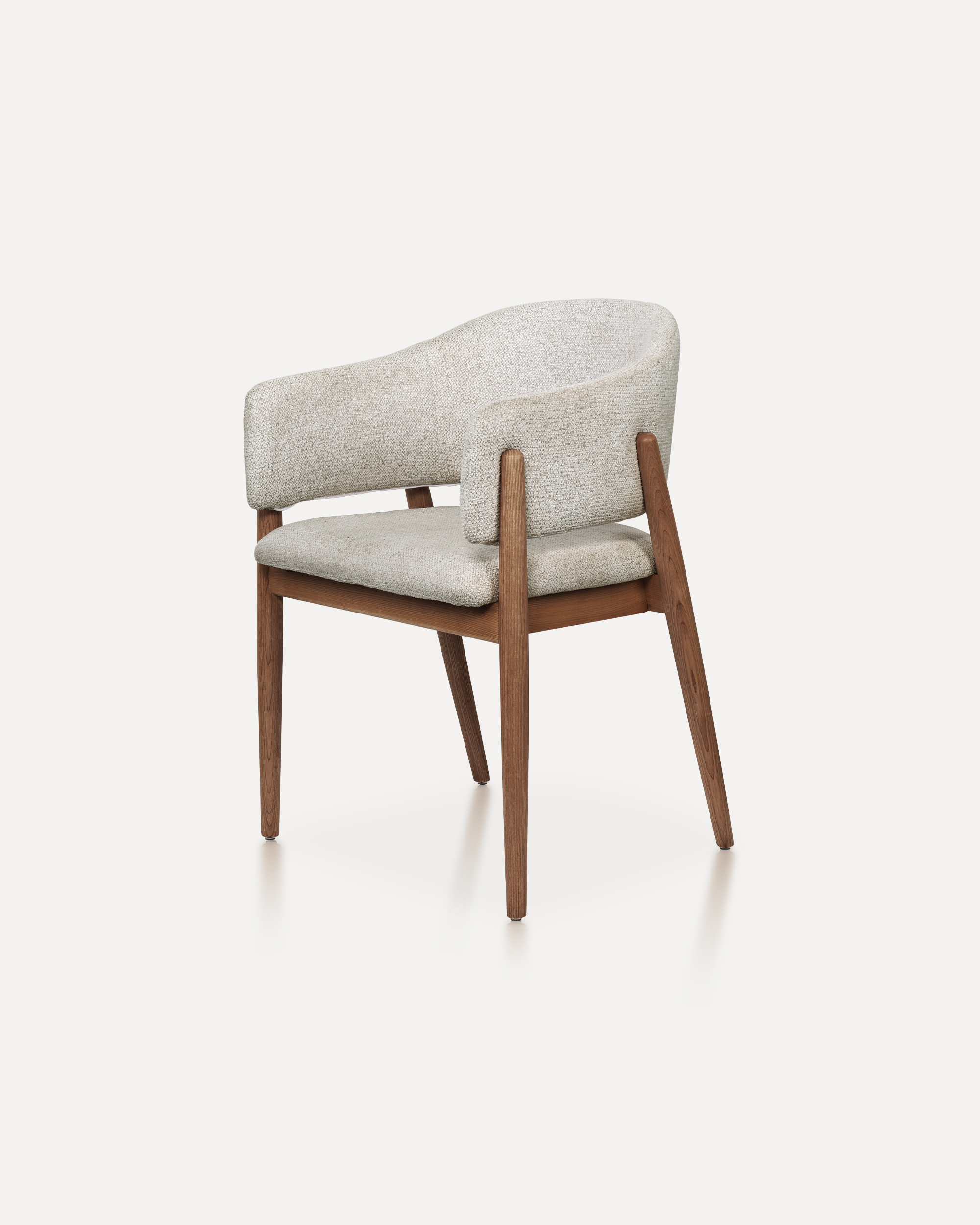
When pairing chairs with a table, matching the wood species is not required and often not preferable. Mixing a light oak table with walnut chairs, for example, creates contrast that can look intentional and refined if the undertones and finish types are compatible. What matters more is that leg profiles and overall visual weight are complementary — a delicate spindle-leg chair next to a thick, heavy farmhouse table creates tension rather than harmony.
Seat height relative to table height is a functional requirement that's easy to overlook. Standard dining table height is 75–76cm; standard dining chair seat height is 44–47cm, leaving a gap of approximately 28–30cm between seat and tabletop. If you're buying chairs separately from a table, or replacing chairs for an existing table, always measure the table height and verify the chair seat height before ordering. A 3–4cm mismatch in either direction creates genuine discomfort at a meal.
Wooden dining chairs are often evaluated based on appearance, but for chairs that will be used daily over years, comfort is a practical requirement that deserves equal attention. Several comfort factors aren't apparent from product listings or photos.
Buying matching sets of wooden dining room chairs from a single collection is the straightforward approach and has obvious advantages: consistent finish, guaranteed dimensional matching, and simpler reordering if a chair needs replacement. Most dining furniture is sold this way, and for households that want a cohesive, low-effort result, it's the right default.
Mixing chair styles has become more common, particularly in interior design contexts where a deliberately curated, non-uniform look is the goal. A common approach is to use one style of side chairs along the sides of a table and a different — typically more visually prominent — chair at the head positions. Another approach is to mix materials, pairing solid wood dining chairs with upholstered or metal chairs in the same color family. When done with attention to scale, finish compatibility, and seat height consistency, mixed sets look intentional. When done without those considerations, they simply look mismatched.
If you're replacing individual chairs from an existing set, finding an exact match years later is often difficult — wood finishes vary between production runs and supplier sourcing changes. The practical solution is either to buy one or two extra chairs at the time of original purchase (stored or used as overflow seating) or to accept that a future replacement will involve refinishing all chairs to a consistent tone.
A hardwood dining chair with quality construction requires relatively little maintenance to last for decades. The key practices are straightforward and don't require specialist products or significant time.
Most wooden dining chairs are now purchased online without the opportunity to sit in them first. This makes the information gathering process more important, not less. These are the specific things worth checking before clicking purchase:
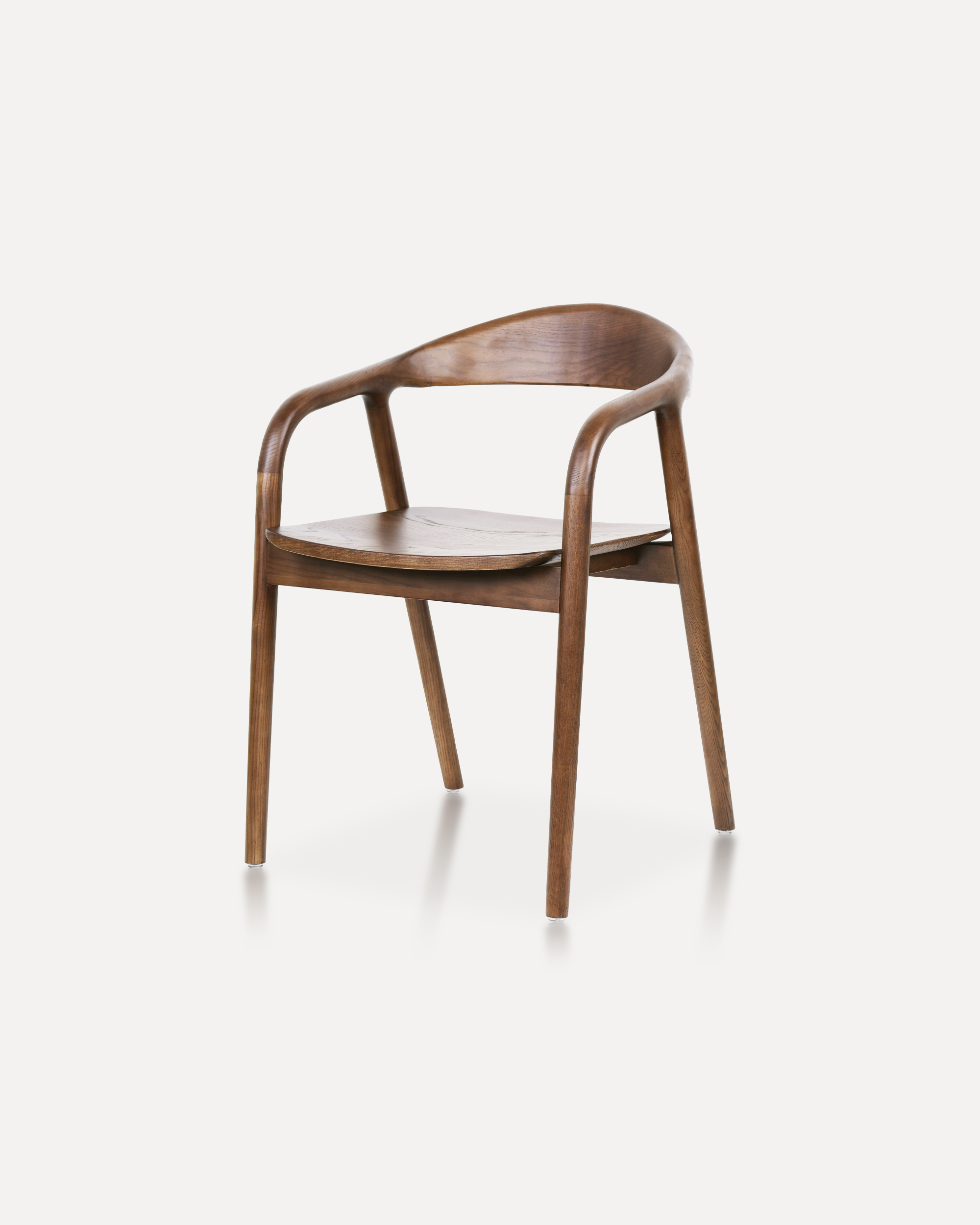
Crafted entirely from solid ash wood, this chair embodies a refined balance of ...
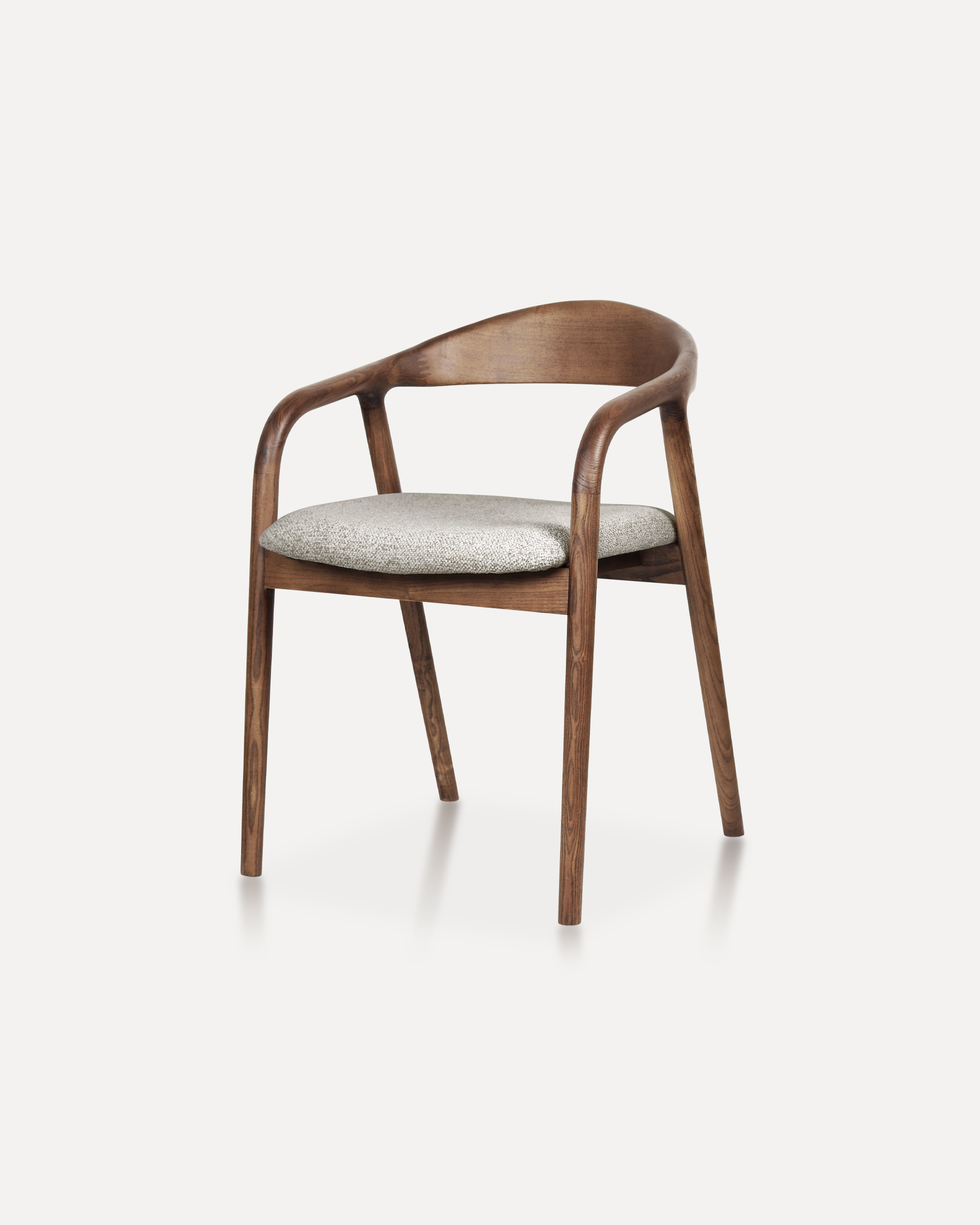
Showcases a refined silhouette with smooth, curved armrests and a gently rounde...
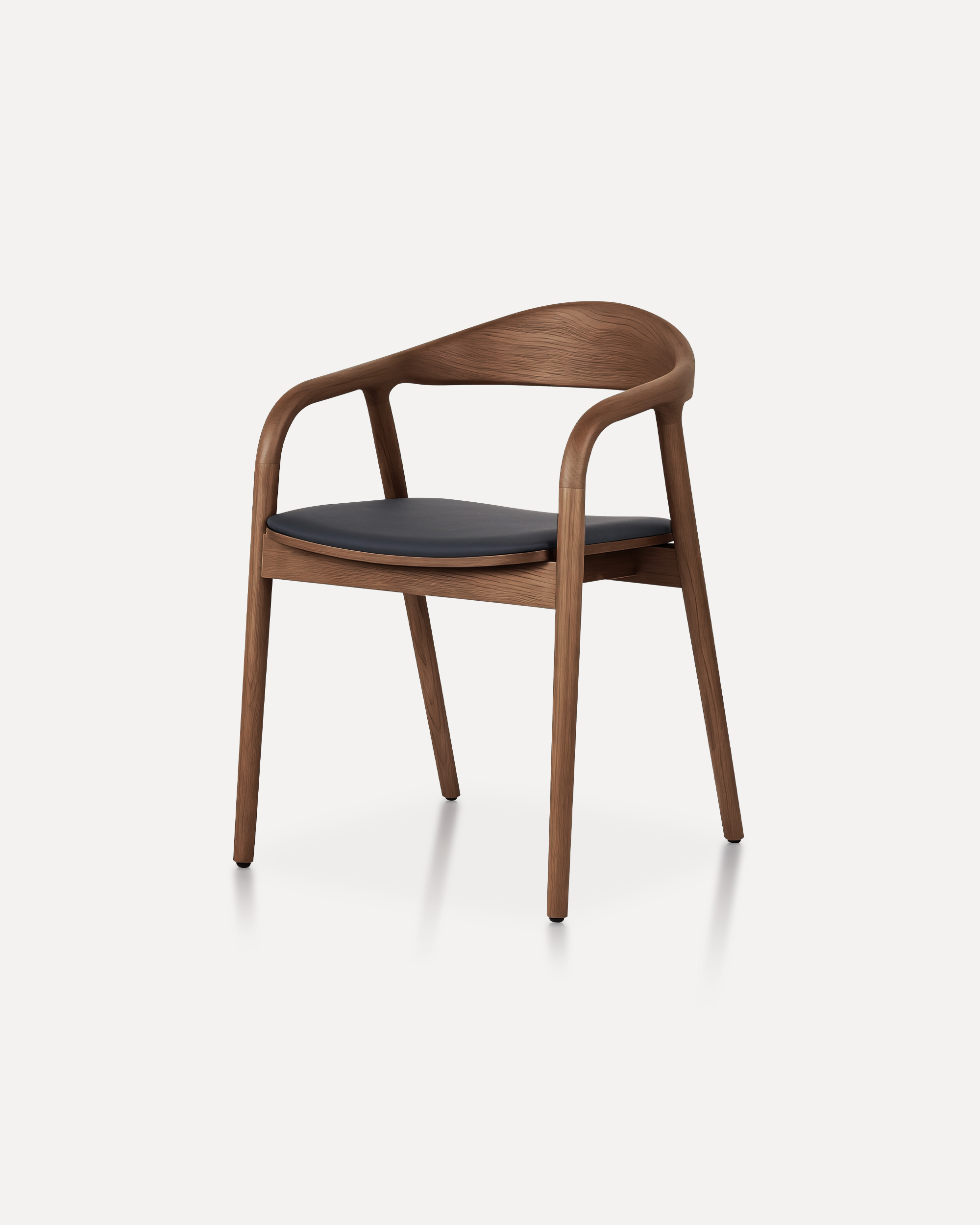
A masterclass in refined joinery and organic geometry, the Arc Chair features a...

With its refined proportions and welcoming form, this chair brings quiet sophis...
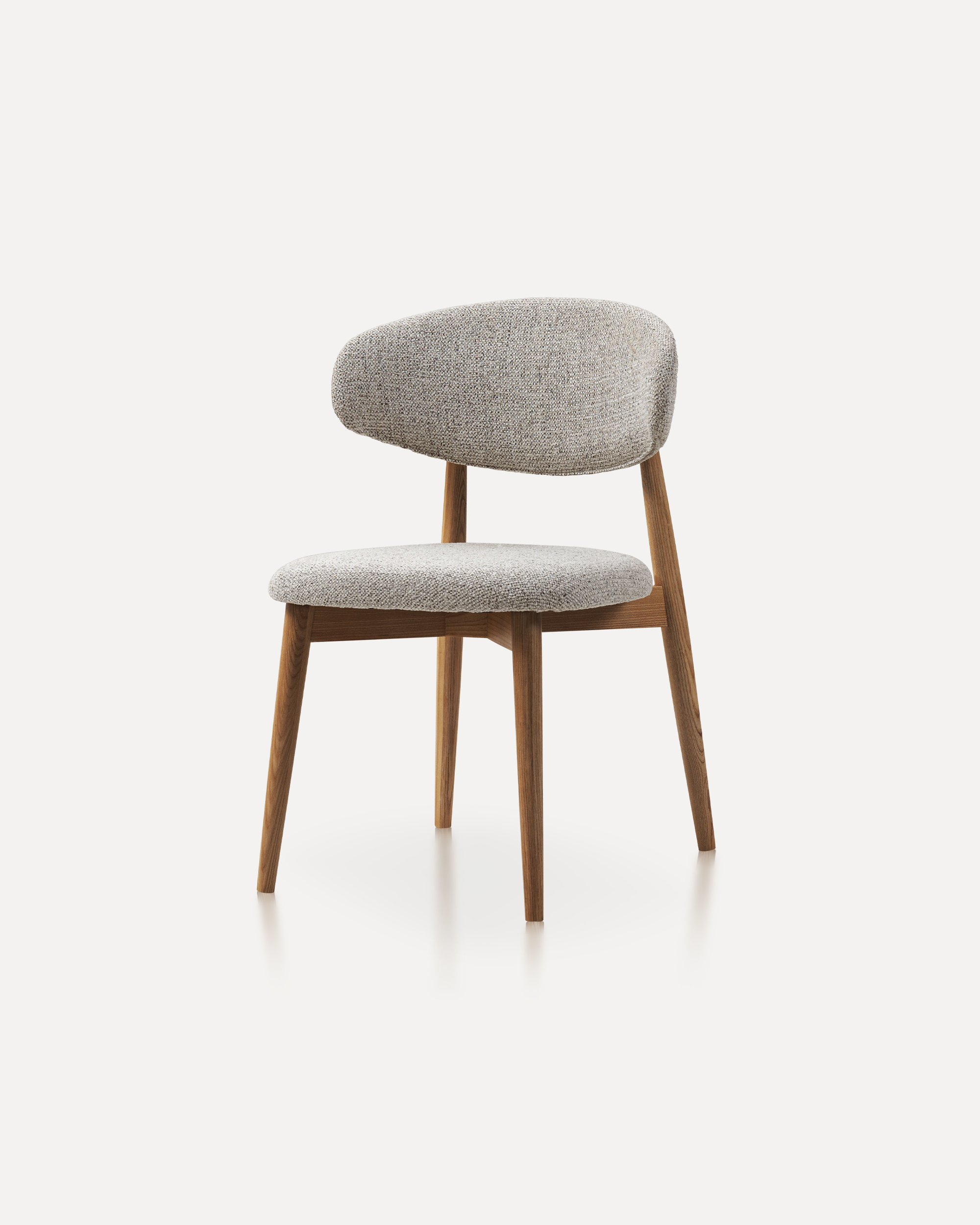
This wooden chair is a classic furniture piece that exudes warmth, durability, ...
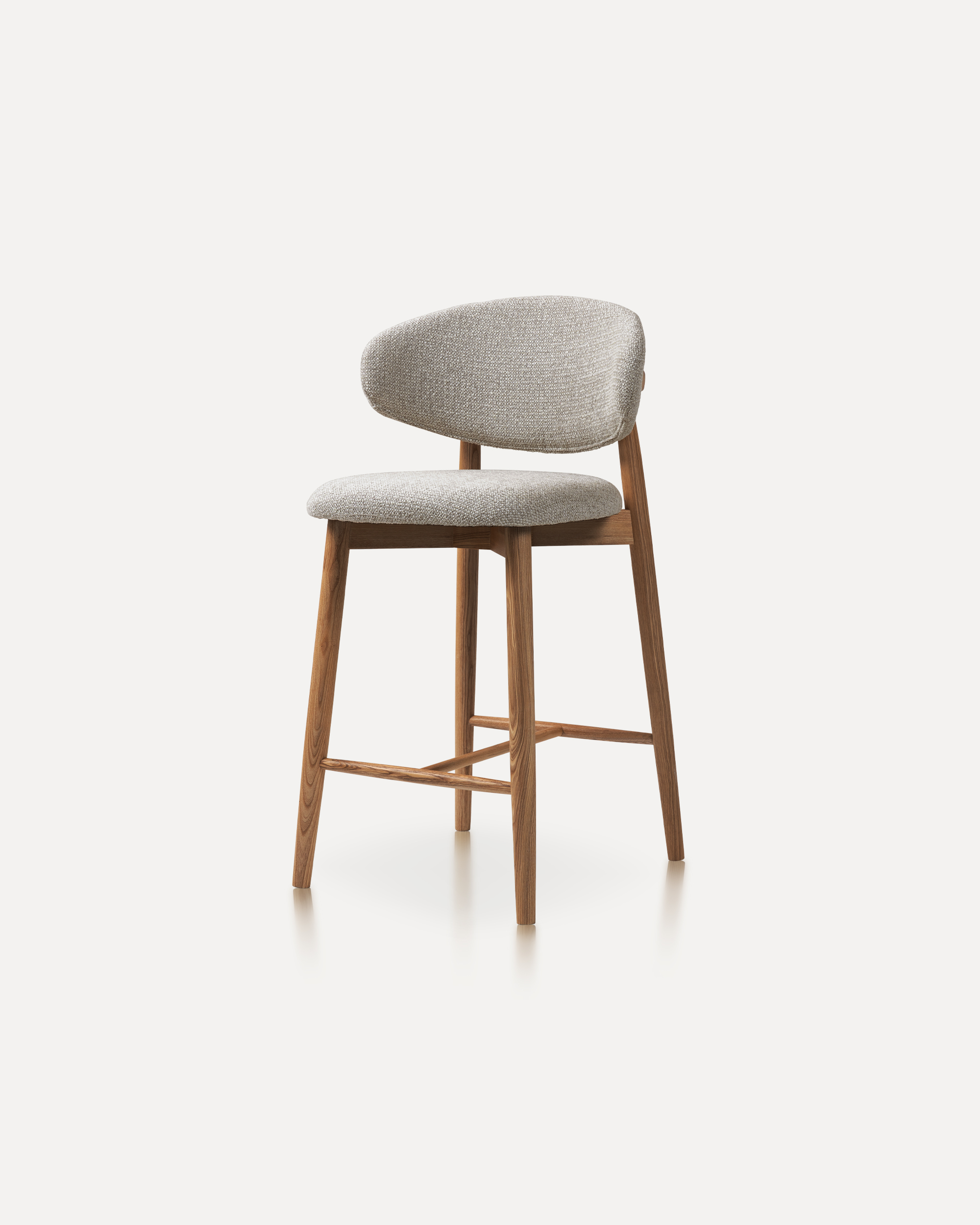
Our Wood Bar Stools are the perfect addition to any high-top table or bar setti...
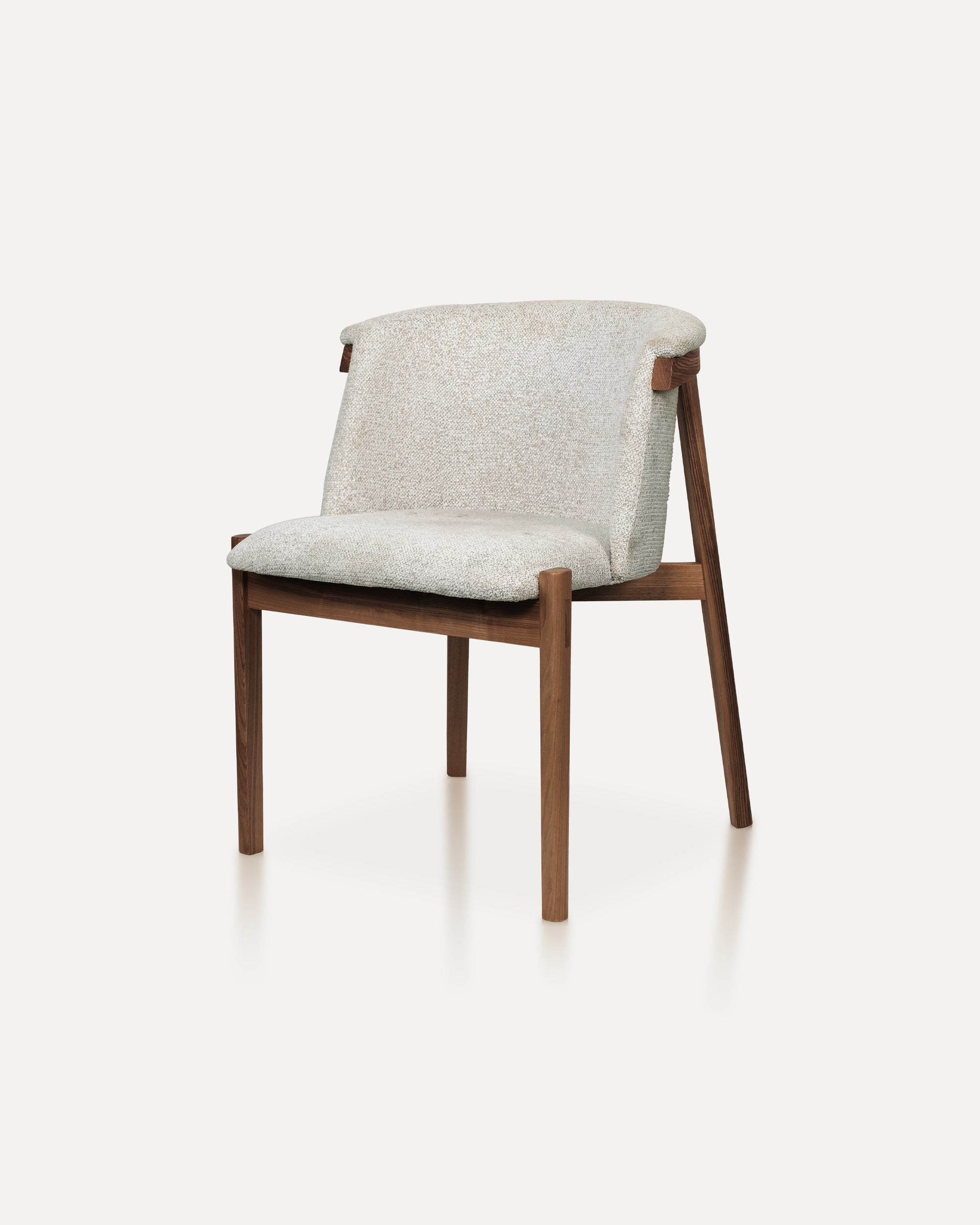
Bring natural elegance into your home with this finely crafted chair. The desig...
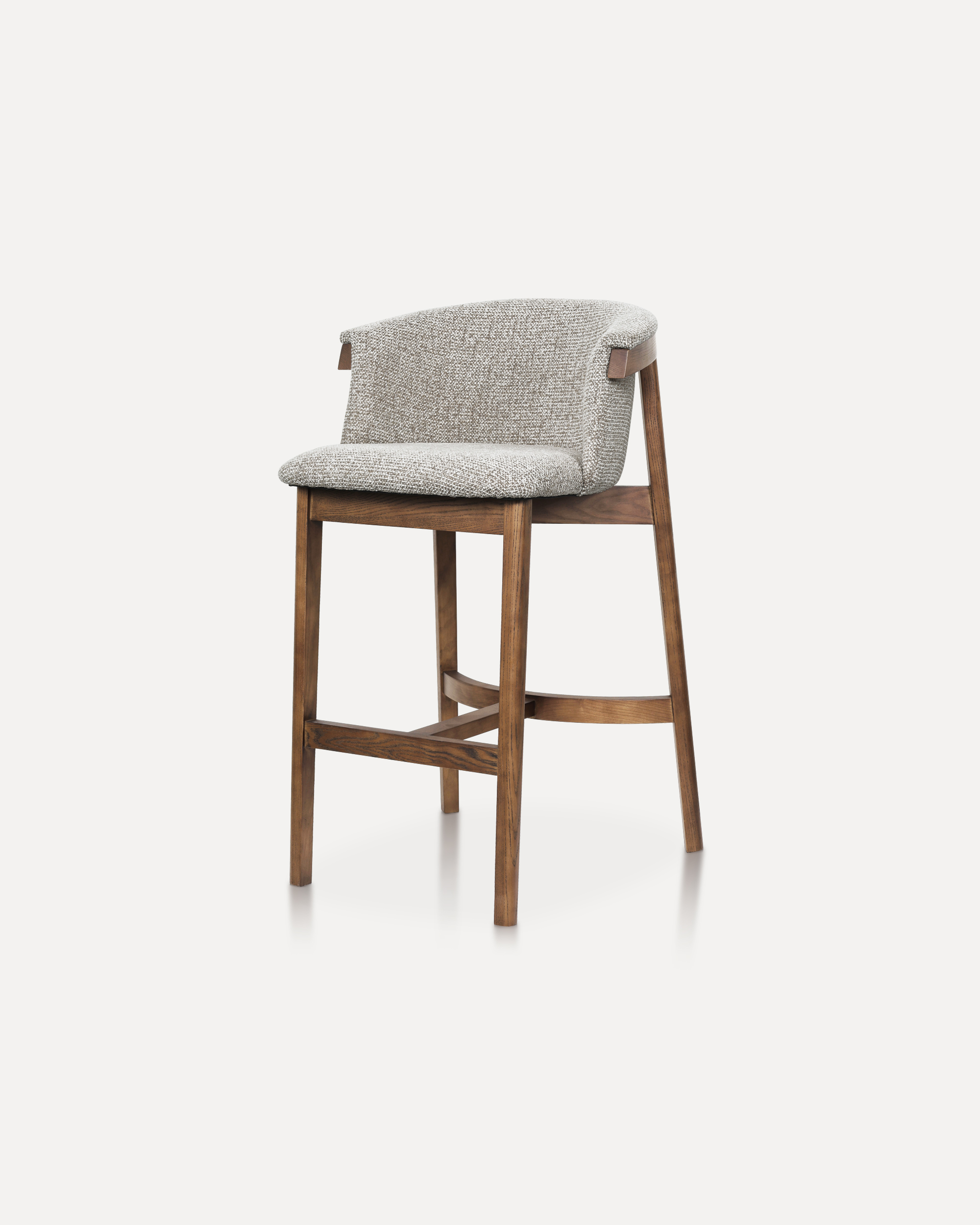
This sophisticated bar chair elevates any counter or high-top setting with its ...
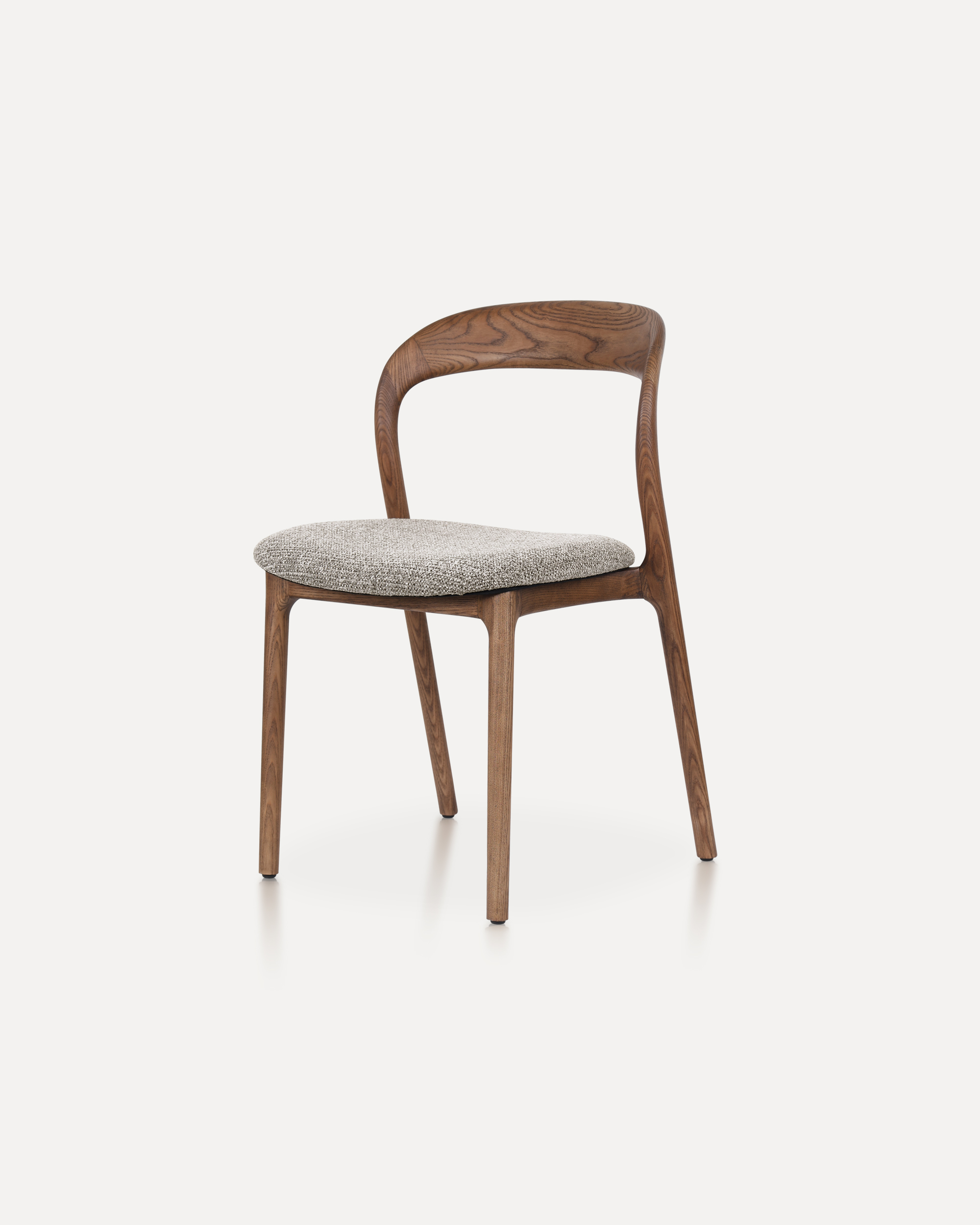
The Echo Chair is crafted from solid ashwood, featuring a unified back-and-arm ...
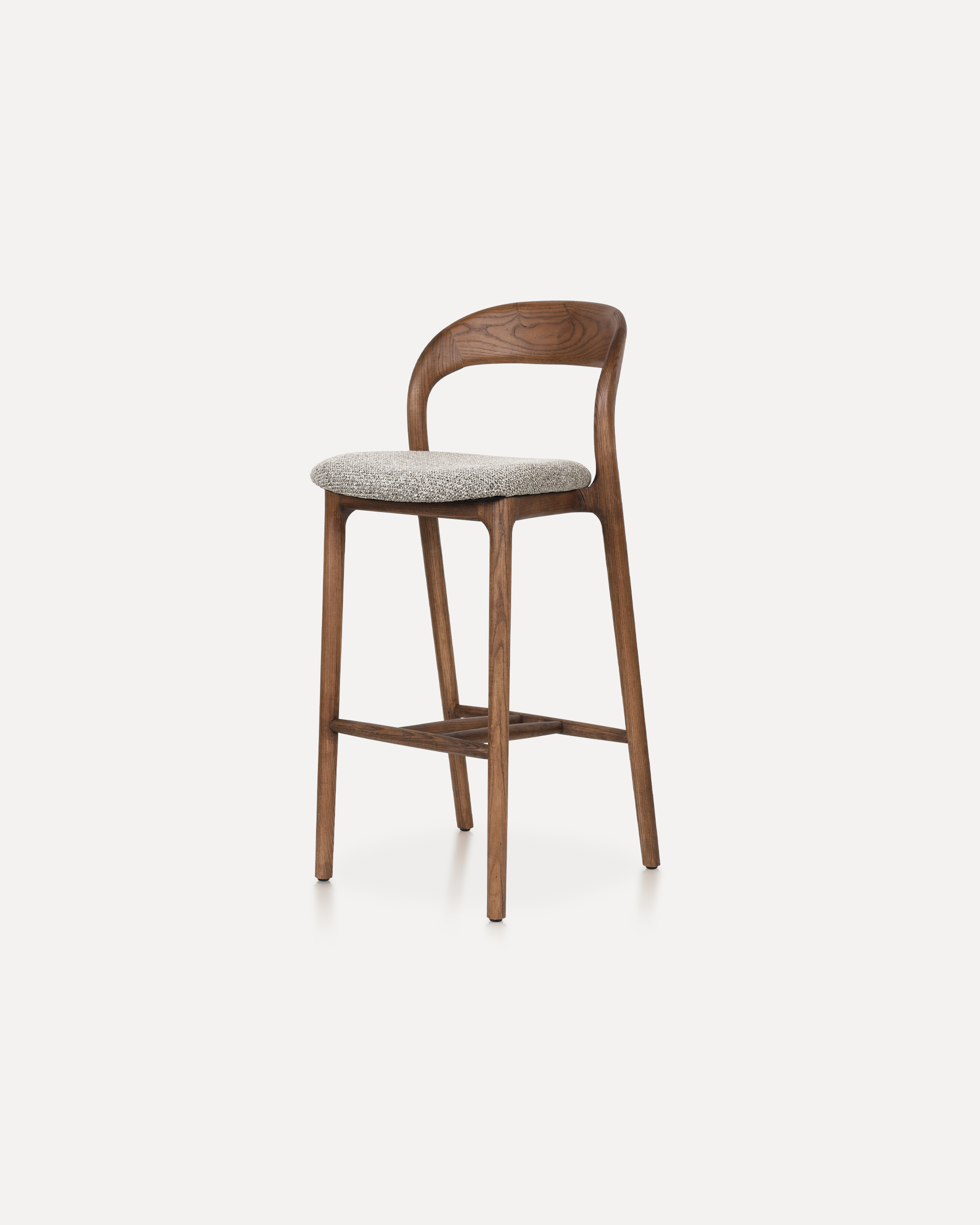
This Bar Chair is a counter-height seating solution crafted from solid ashwood ...
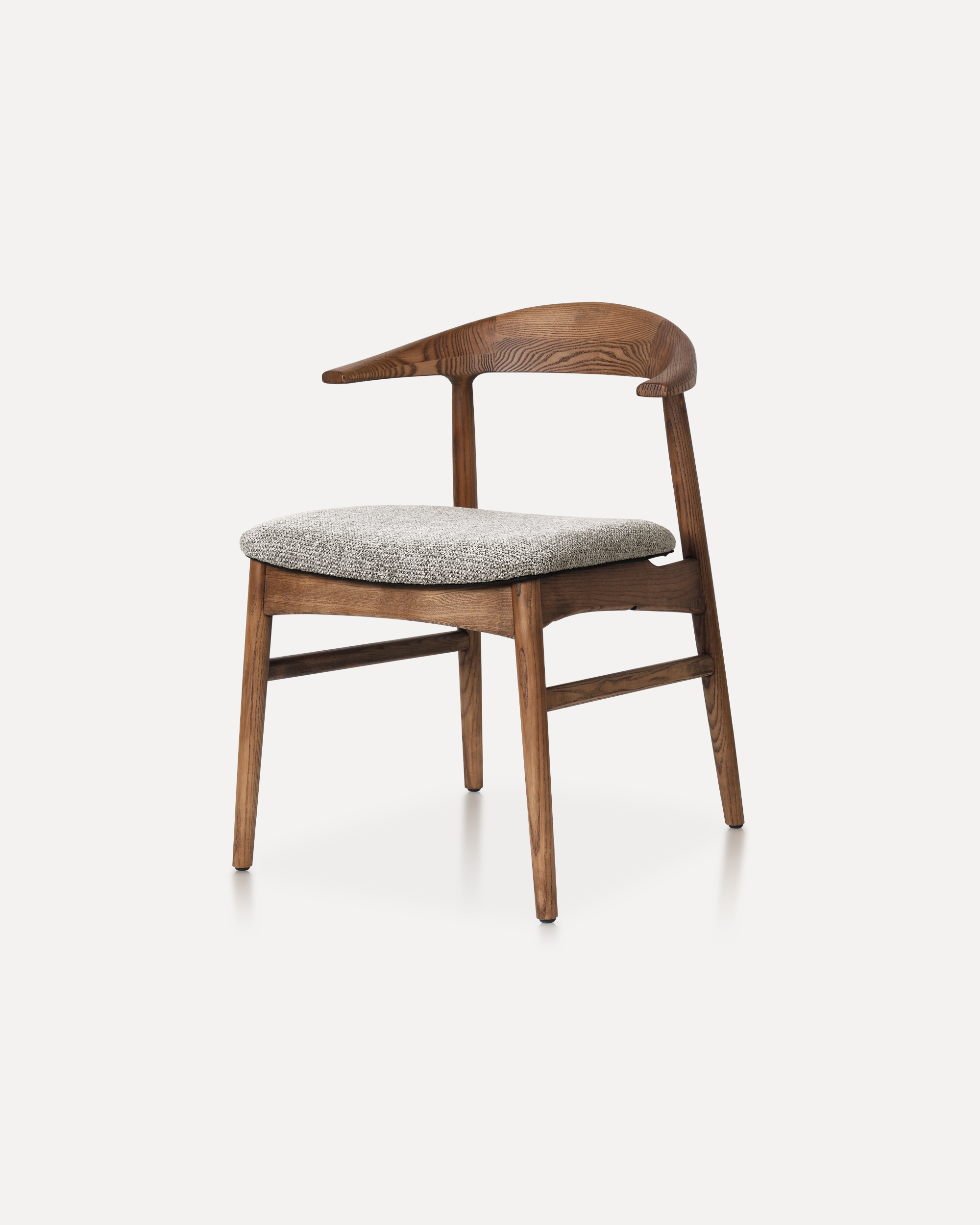
The Horizon Chair reinterprets mid-century warmth for today’s refined interiors...
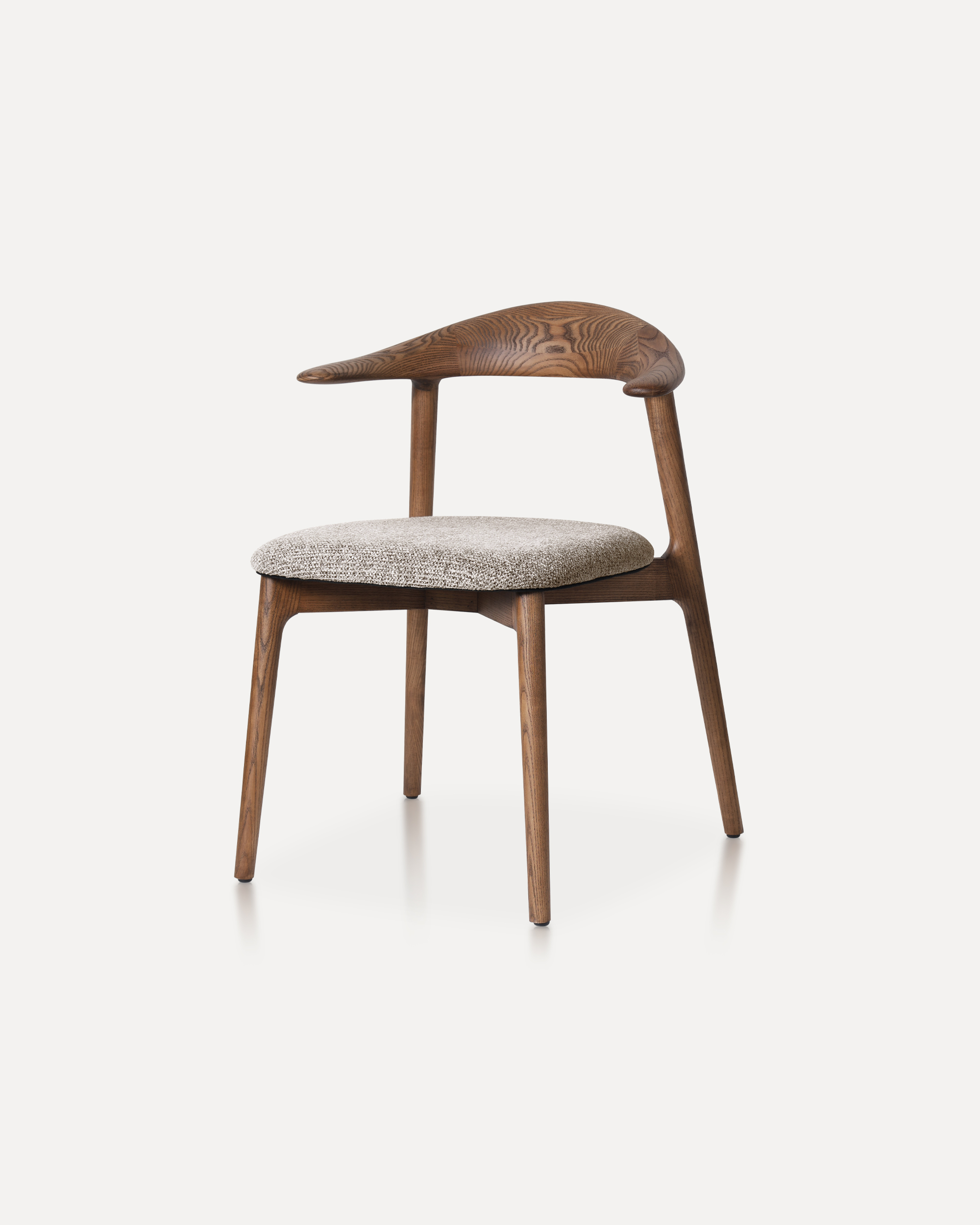
This classic features a striking, organic backrest carved from a single slab of...