
 English
  Français
 Español
Industry News
MENU

Content
Wood bar stools have remained one of the most popular seating choices for kitchen islands, breakfast bars, and home bars for decades — and for good reason. Wood is a naturally warm, visually versatile material that fits comfortably into almost any interior style, from a rustic farmhouse kitchen to a sleek urban loft. Unlike metal or plastic stools, solid wood bar stools bring an organic texture and weight to a space that feels both lived-in and considered. They age gracefully, can be refinished or repainted when styles change, and — when made from quality timber — will outlast cheaper alternatives by many years.
Beyond aesthetics, wooden bar stools offer practical advantages. They are generally quieter than metal stools when moved across hard floors, they don't conduct cold the way metal does (making them more comfortable to sit on in cooler environments), and they are easier to repair if scratched or scuffed. Whether you're outfitting a newly renovated kitchen or refreshing a tired bar area, understanding the key decisions involved in choosing the right wood bar stool will save you time, money, and the frustration of purchasing something that looks great online but doesn't work in your actual space.
The single most important measurement when buying wooden bar stools is seat height. Getting this wrong means your stools will be too high or too low for comfortable use, and no amount of style or quality will make up for that. The standard rule is that there should be 25 to 30 centimeters (approximately 10 to 12 inches) of clearance between the seat of the stool and the underside of the counter or bar surface above it.
Most kitchens and home bars fall into one of three counter height categories, and wood bar stools are manufactured to match each one. Measure your counter height before purchasing anything, and use the table below to find the correct stool seat height for your space.
| Counter / Bar Height | Recommended Seat Height | Stool Type | Common Use |
| 85–95 cm (33–37 in) | 60–65 cm (24–26 in) | Counter Stool | Kitchen islands, breakfast bars |
| 100–110 cm (39–43 in) | 73–78 cm (28–30 in) | Bar Stool | Home bars, pub tables, high tops |
| 115–120 cm (45–47 in) | 85–90 cm (33–35 in) | Extra-Tall Bar Stool | Raised bars, commercial counters |
If your counter height falls between standard sizes, lean toward the shorter stool option to ensure you have adequate knee and thigh clearance. Some wood bar stool ranges also offer adjustable-height versions with a wooden seat mounted on a gas-lift mechanism, which gives flexibility if your household needs vary or if you're not entirely certain of your counter height before purchasing.
The species and grade of wood used in a bar stool's construction have a direct impact on its durability, weight, appearance, and price. Solid wood bar stools made from hardwoods will generally outperform those made from softwoods or engineered wood products, particularly in high-use environments. Here's what to know about the most common wood types used in wooden bar stools today.
Oak is one of the most widely used hardwoods in furniture manufacturing and a popular choice for solid wood bar stools. It is dense, hard-wearing, and resistant to warping, which makes it ideal for seating that will see daily use. Oak has a distinctive open grain that takes stains beautifully, allowing it to be finished in a wide range of tones from pale natural blonde to deep espresso. White oak has a slightly more refined, tighter grain than red oak and is often preferred for contemporary furniture styles. Oak bar stools are heavier than those made from lighter woods, which actually contributes to their stability on smooth kitchen floors.
Beech is a fine-grained, pale hardwood that is extremely popular in European furniture production, particularly for bentwood-style bar stools and café-style seating. It is hard enough for demanding use, relatively affordable compared to oak and walnut, and steam-bends exceptionally well, which is why it's the primary material in classic Thonet-style bar stools with curved backrests and legs. Beech finishes smoothly and takes paint particularly well, making it a good base for painted wooden bar stools where grain character is less important than a clean, uniform surface color.
Walnut is a premium hardwood prized for its rich chocolate-brown color, flowing grain patterns, and natural luster. Walnut wood bar stools sit firmly in the premium price bracket but offer a level of visual richness that lighter woods simply cannot replicate. Walnut pairs exceptionally well with mid-century modern and Scandinavian-influenced interior styles and is often combined with upholstered seats in contrasting colors such as mustard, terracotta, or forest green. Because walnut is genuinely beautiful in its natural state, most walnut bar stools are finished with clear oil or wax rather than stained, preserving the wood's intrinsic character.
Pine is a softwood, which means it is more susceptible to denting and scratching than hardwood species. However, pine is significantly less expensive, lighter, and gives a distinctly casual, rustic character to wooden bar stools that suits farmhouse, cottage, and country-style interiors very well. Rustic wood bar stools made from reclaimed pine or reclaimed timber of any species carry the additional appeal of visible character marks — nail holes, saw marks, natural checking, and color variation — that reflect the material's previous life and add authenticity that cannot be manufactured. For buyers who prioritize sustainability, reclaimed wood stools represent an environmentally responsible choice without sacrificing character.
Rubberwood (also called parawood) is a sustainable hardwood harvested from rubber trees at the end of their latex-producing life. It is hard, stable, and relatively affordable — making it a common choice in budget-to-mid-range solid wood bar stools. Acacia is a dense, durable tropical hardwood with attractive natural grain variation and a high natural oil content that gives it good moisture resistance. Acacia bar stools are popular for indoor-outdoor transitional spaces and kitchen islands where occasional spillage is likely. Both rubberwood and acacia are considered eco-friendly choices relative to slower-growing premium hardwoods.
Wooden bar stools are manufactured in an enormous range of styles, and selecting a style that is consistent with your existing interior design is just as important as getting the height and material right. The following style categories cover the most popular design directions available today.
Rustic wood bar stools typically feature chunky turned or tapered legs, a simple saddle seat or slatted seat, and a distressed or lightly oiled finish that emphasizes the natural grain and character of the wood. They work best in kitchens with shaker-style cabinets, stone or butcher-block countertops, and neutral color palettes of warm whites, taupes, and grays. A wooden footrest ring — the classic barrel-style rung — is almost always present in farmhouse-style wooden bar stools and adds both practicality and authentic character.
Scandinavian-influenced wood bar stools are defined by clean lines, tapered legs (often with a slight outward splay for stability), minimal ornamentation, and a focus on natural wood tones and honest material expression. Mid-century modern versions of wooden bar stools often include a contoured or sculpted seat for ergonomic comfort, angled legs, and occasional use of contrasting materials such as a woven cord seat or an upholstered cushion in a period-appropriate fabric. Both styles suit contemporary open-plan kitchens and dining spaces with a preference for understated, well-made furniture.
Industrial-style wooden bar stools combine wooden seat and back elements with metal frames — typically powder-coated steel in matte black or gunmetal — to create a raw, utilitarian aesthetic that suits urban loft apartments, converted warehouses, and kitchens with concrete, brick, or dark-painted surfaces. The wood component in industrial bar stools is often reclaimed, live-edge, or deliberately left with a raw, unpolished finish to contrast with the precision of the metal frame. These stools are particularly well-suited to kitchen islands with dark quartz or concrete countertops.
Traditional wood kitchen bar stools feature more ornate detailing than contemporary styles — carved or turned legs, spindle backrests, Windsor-style construction, or ladder-back designs. They are often finished in classic stained tones such as cherry, mahogany, or dark walnut to complement formal or traditionally styled kitchens. Upholstered seats in leather, faux leather, or woven fabric are common in traditional wooden bar stools and add a level of comfort appropriate for extended use at a kitchen island used as a primary dining space.
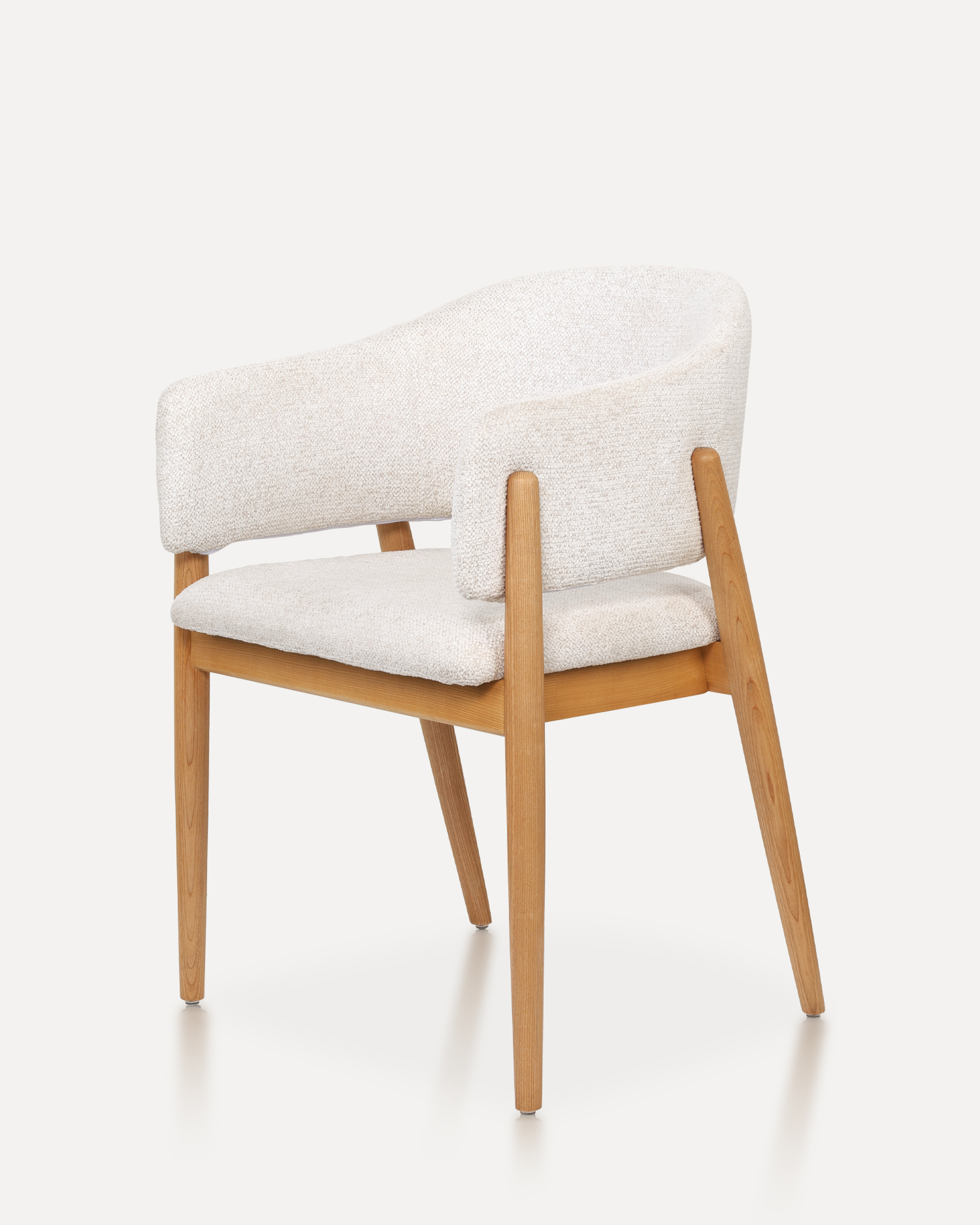
Beyond height and style, the practical comfort features of a wooden bar stool have a significant impact on how enjoyable they are to actually sit in, particularly when they're used for meals, homework, working from home, or extended conversations at the kitchen island.
Overcrowding bar stools at a kitchen island or home bar is one of the most common mistakes in kitchen planning. When stools are placed too close together, they are uncomfortable to sit in, difficult to pull out and push in, and look cluttered rather than considered. The standard guideline is to allow a minimum of 60 centimeters (approximately 24 inches) of counter width per stool for backless or narrow-profile stools, and at least 70 to 75 centimeters (28 to 30 inches) per stool for stools with a wider seat or a full backrest. Use the calculation below to determine how many wooden bar stools your counter can accommodate:
Divide your available counter length (in centimeters) by the per-stool allowance. For example, a 180 cm island with backless stools allows three stools at 60 cm each with no space to spare, or comfortably fits two if you prefer more generous spacing. A 240 cm island can seat four standard stools at 60 cm spacing, or three wider stools at 75 cm spacing with a small overhang on each end.
Also remember to account for the knee overhang at the end of the island. The stools at each end of a run should not be so close to the corner of the counter that the person seated has their knee hitting the cabinet end panel. Leave at least 15 to 20 cm between the outer edge of the end stool and the corner of the island or bar.
Not every bar stool marketed as a "wooden bar stool" is made from solid wood. Understanding the difference between solid wood and engineered wood products helps you evaluate quality and set realistic expectations about longevity and repairability.
Solid wood bar stools are easy to maintain with routine care, and proper maintenance will significantly extend their life and keep them looking their best. The specific care requirements depend on the finish applied to the wood.
Wood bar stools finished with oil or wax — common on natural walnut, oak, and acacia stools — need periodic re-oiling or re-waxing to maintain their protection and appearance. Wipe the stool down with a clean, slightly damp cloth to remove surface dirt, allow it to dry completely, then apply a thin coat of the appropriate oil or wax (matching the original product where possible) with a soft cloth, working in the direction of the grain. Buff off any excess with a clean cloth. Depending on use intensity, this maintenance step is typically needed every six to twelve months.
Wooden bar stools with a lacquered or painted finish are cleaned with a slightly damp cloth and mild soapy water — avoid abrasive cleaners or scouring pads that will scratch the surface coating. Minor scratches in a lacquered finish can be touched up with the same lacquer product used originally; painted stools can be spot-touched with matching paint or fully repainted when the finish shows significant wear, which is one of the great practical advantages of wood over metal or plastic. Always allow spills to be blotted up promptly rather than wiped aggressively, as rubbing while wet can lift or smear the finish.
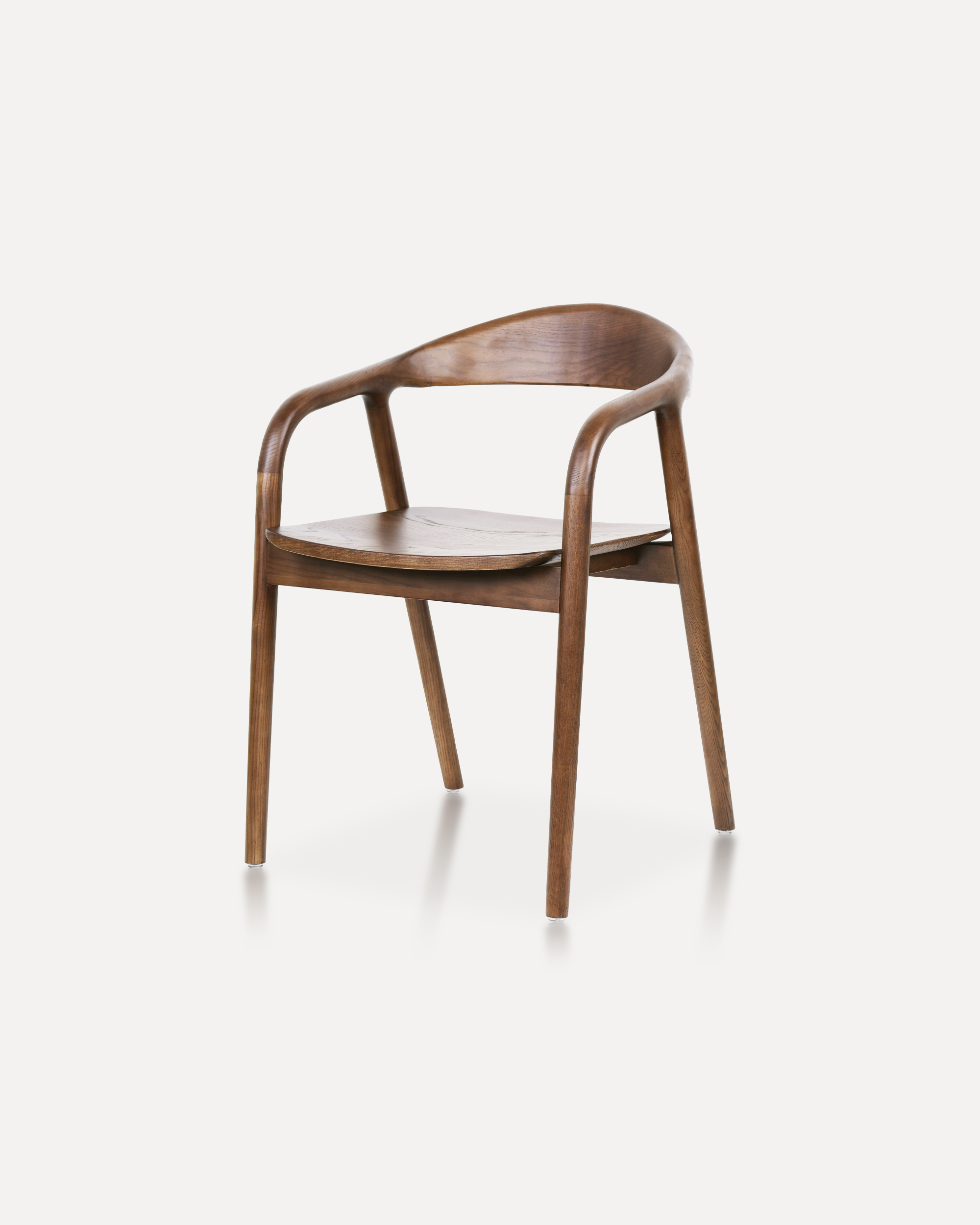
Crafted entirely from solid ash wood, this chair embodies a refined balance of ...
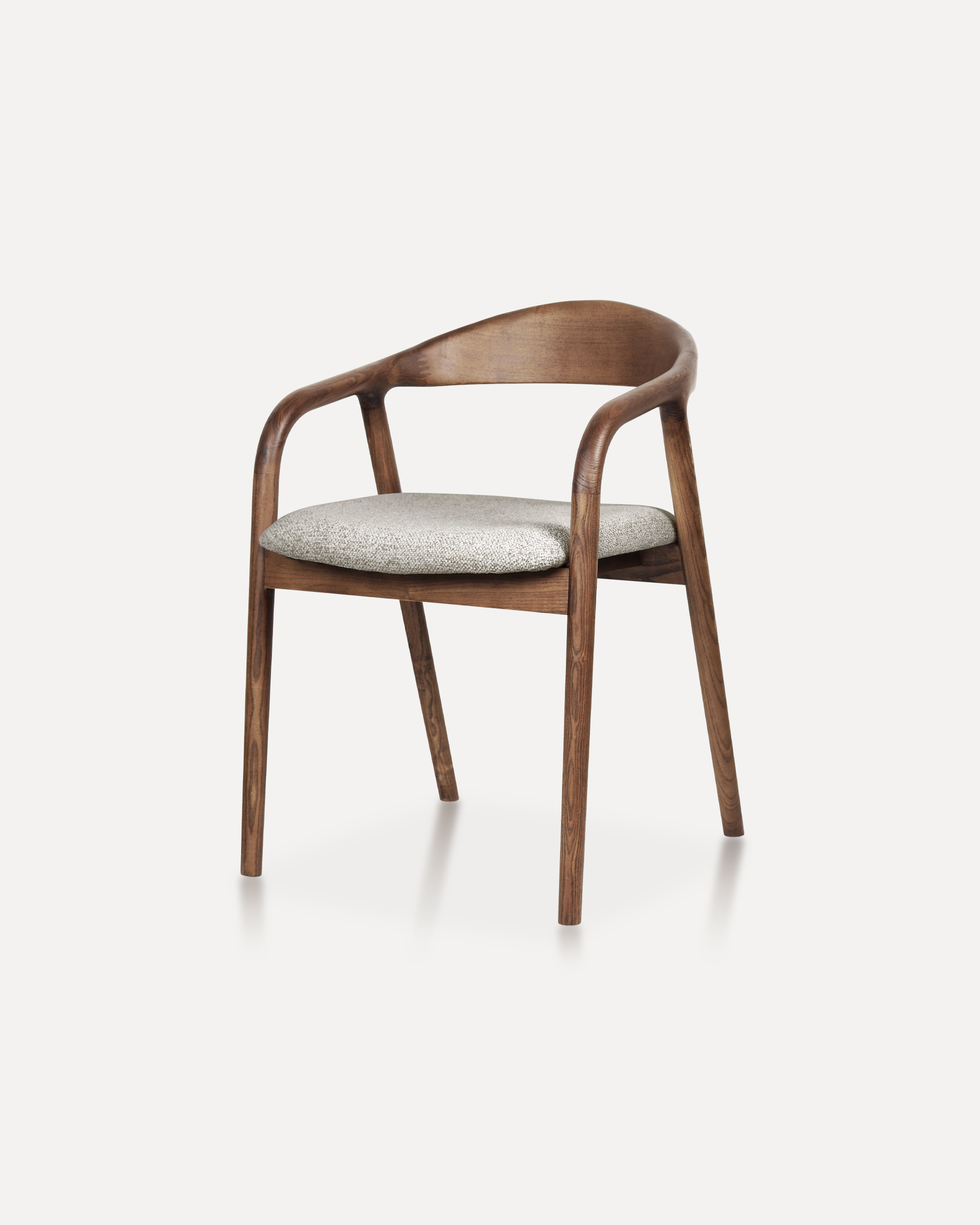
Showcases a refined silhouette with smooth, curved armrests and a gently rounde...
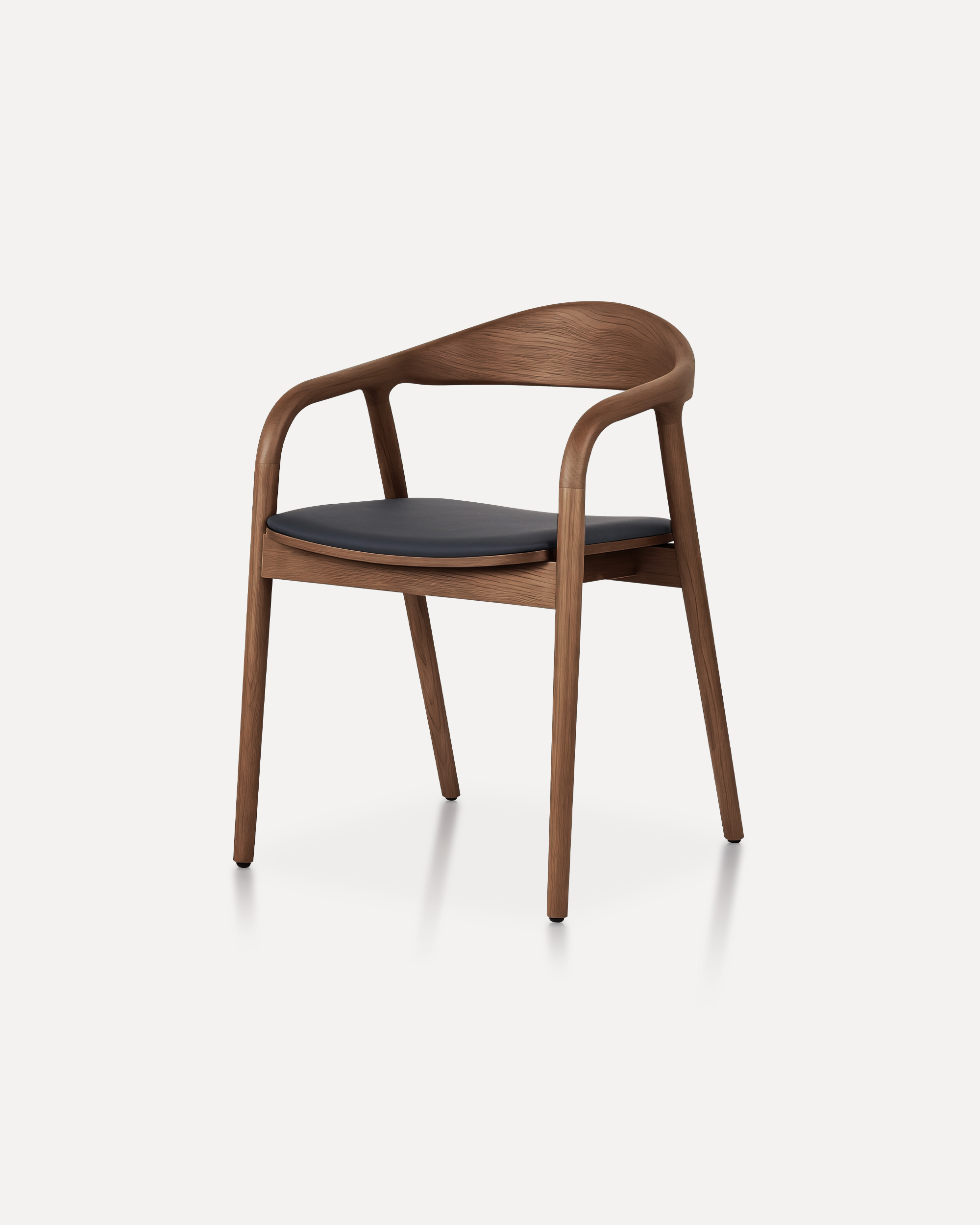
A masterclass in refined joinery and organic geometry, the Arc Chair features a...
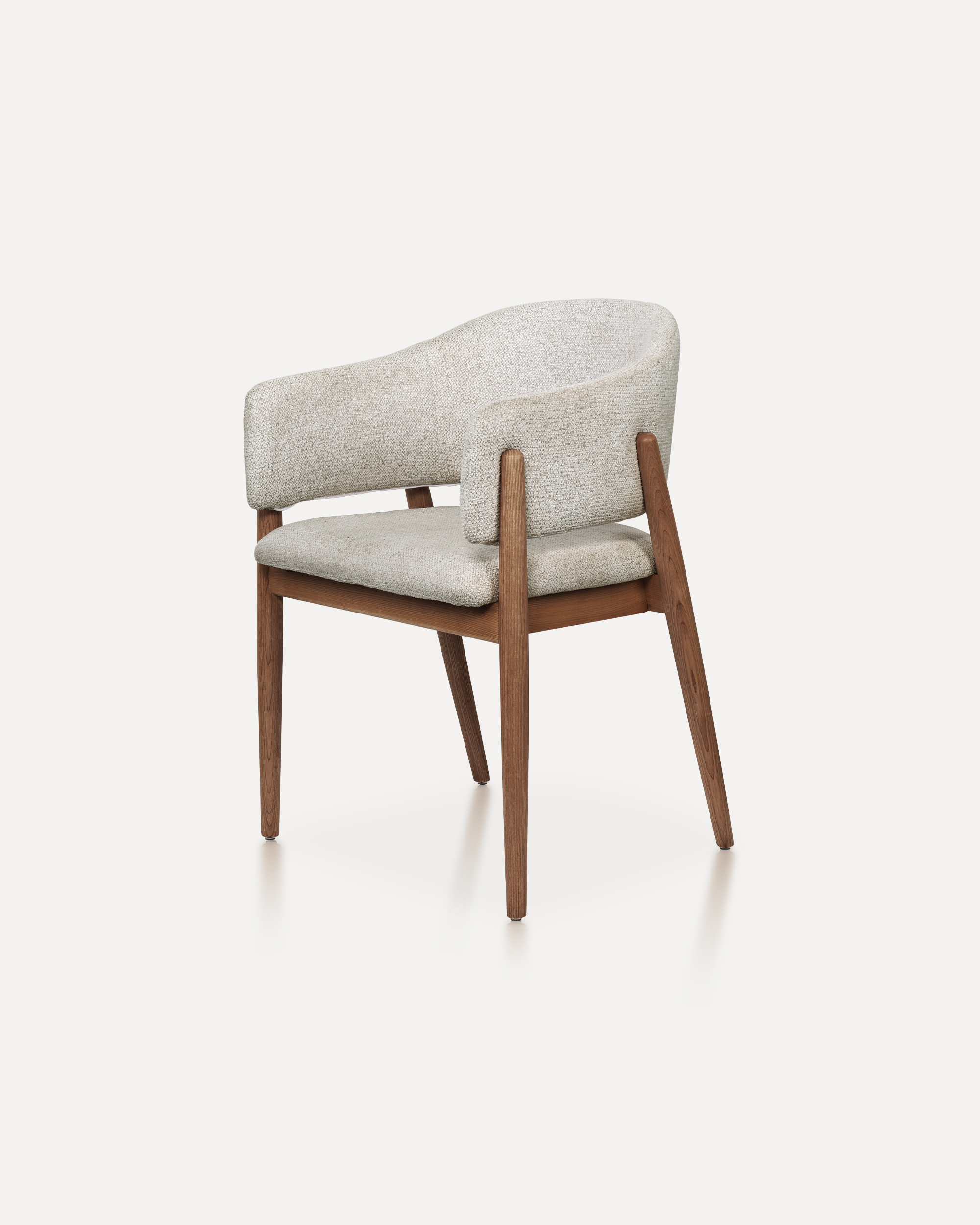
With its refined proportions and welcoming form, this chair brings quiet sophis...
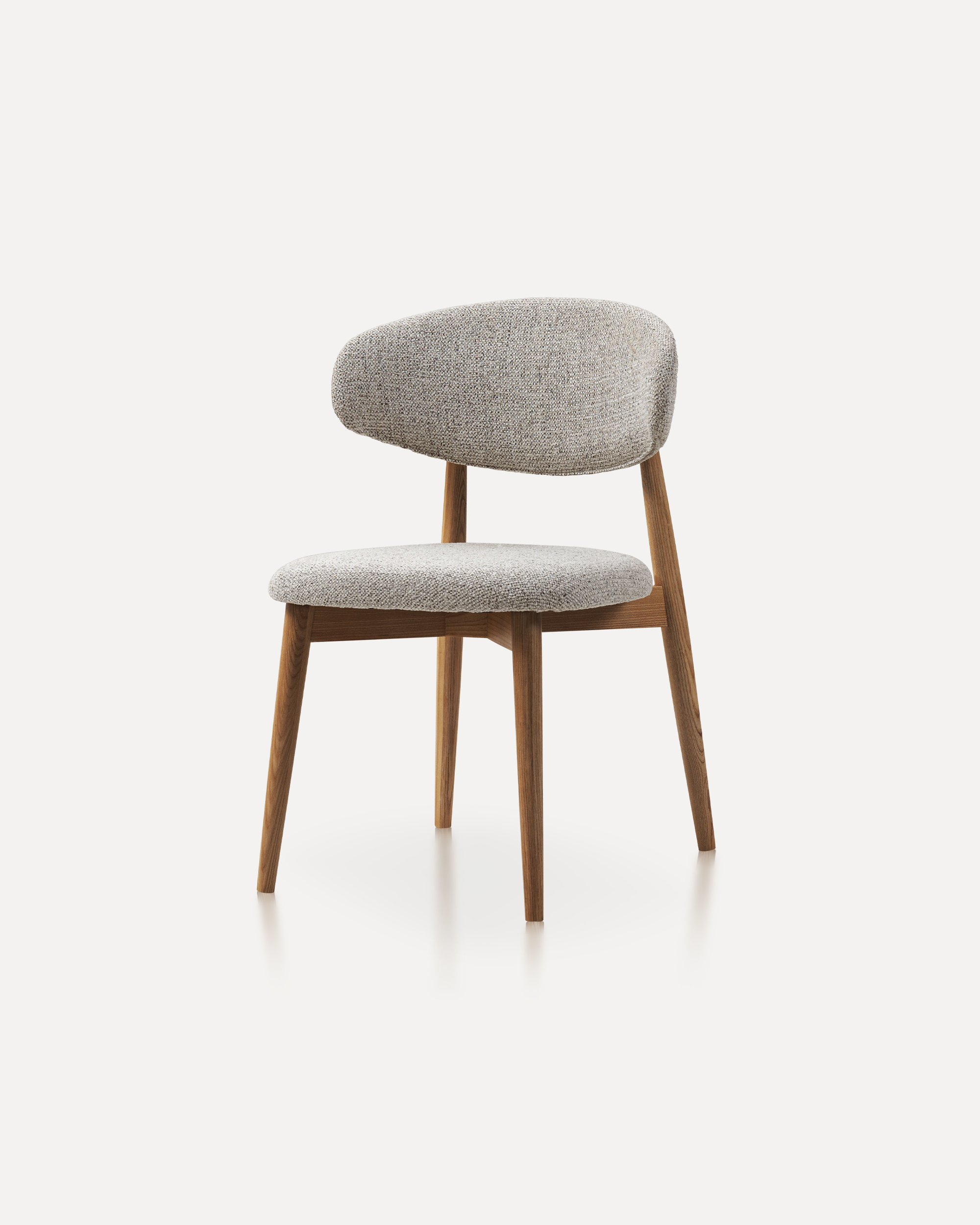
This wooden chair is a classic furniture piece that exudes warmth, durability, ...
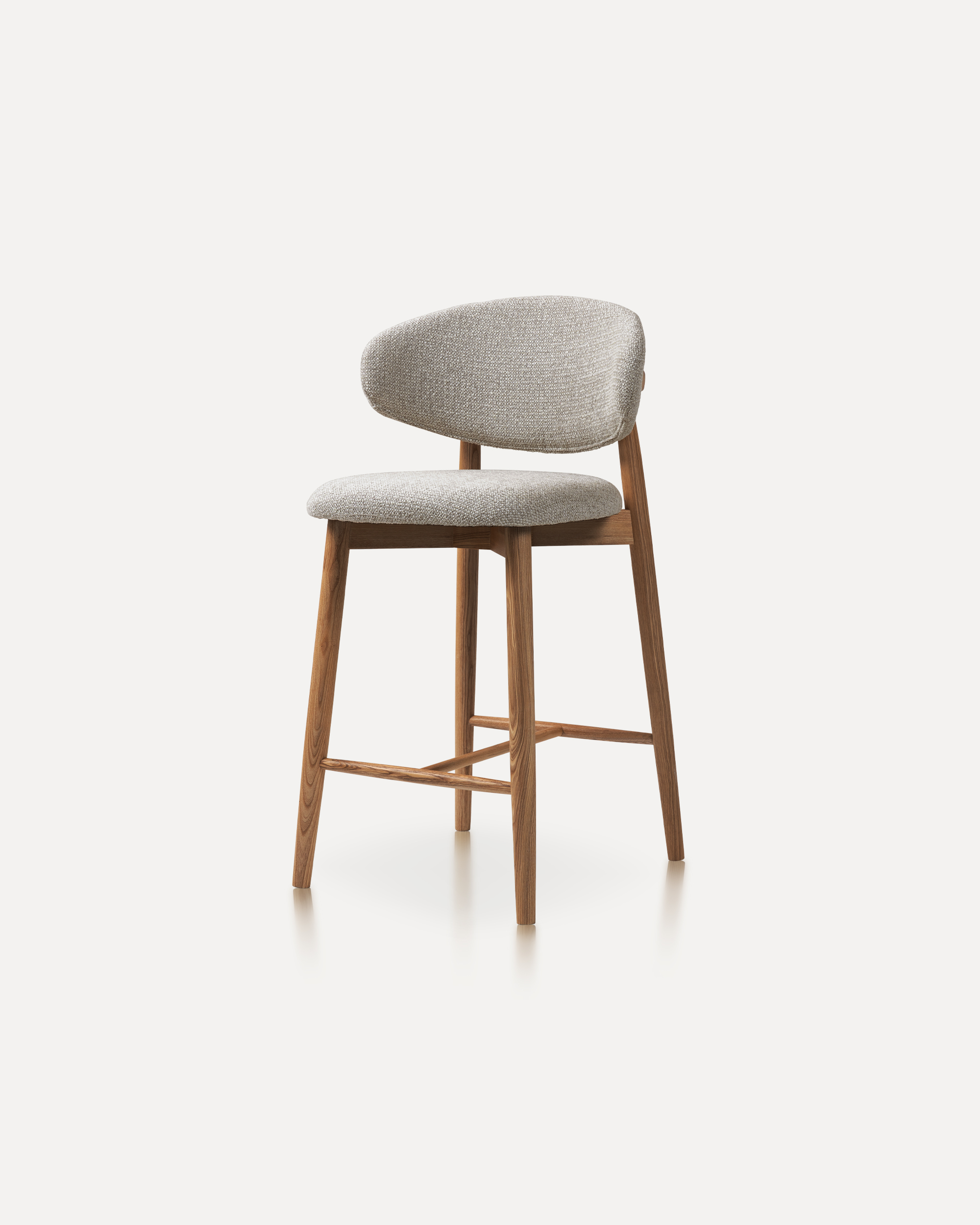
Our Wood Bar Stools are the perfect addition to any high-top table or bar setti...
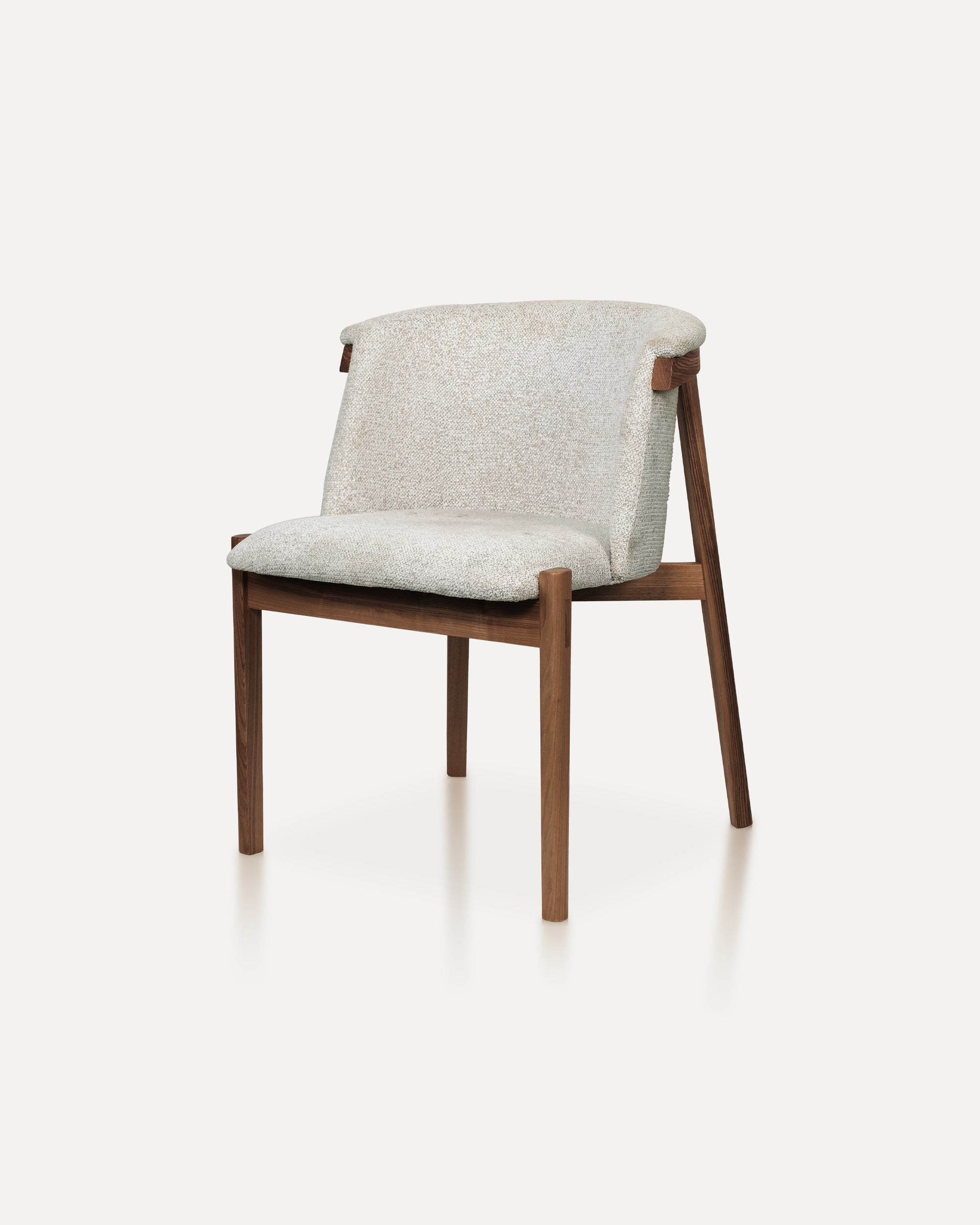
Bring natural elegance into your home with this finely crafted chair. The desig...
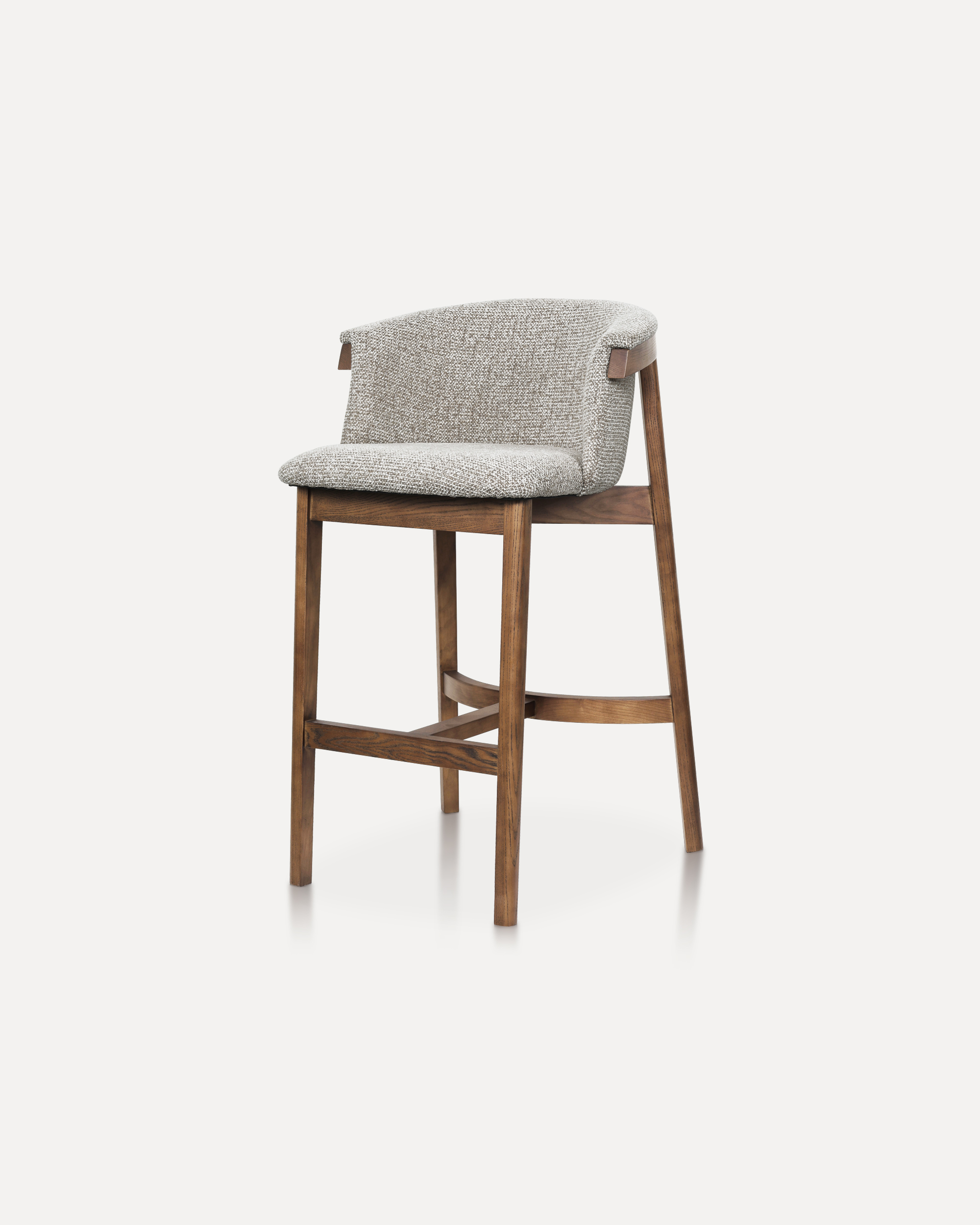
This sophisticated bar chair elevates any counter or high-top setting with its ...
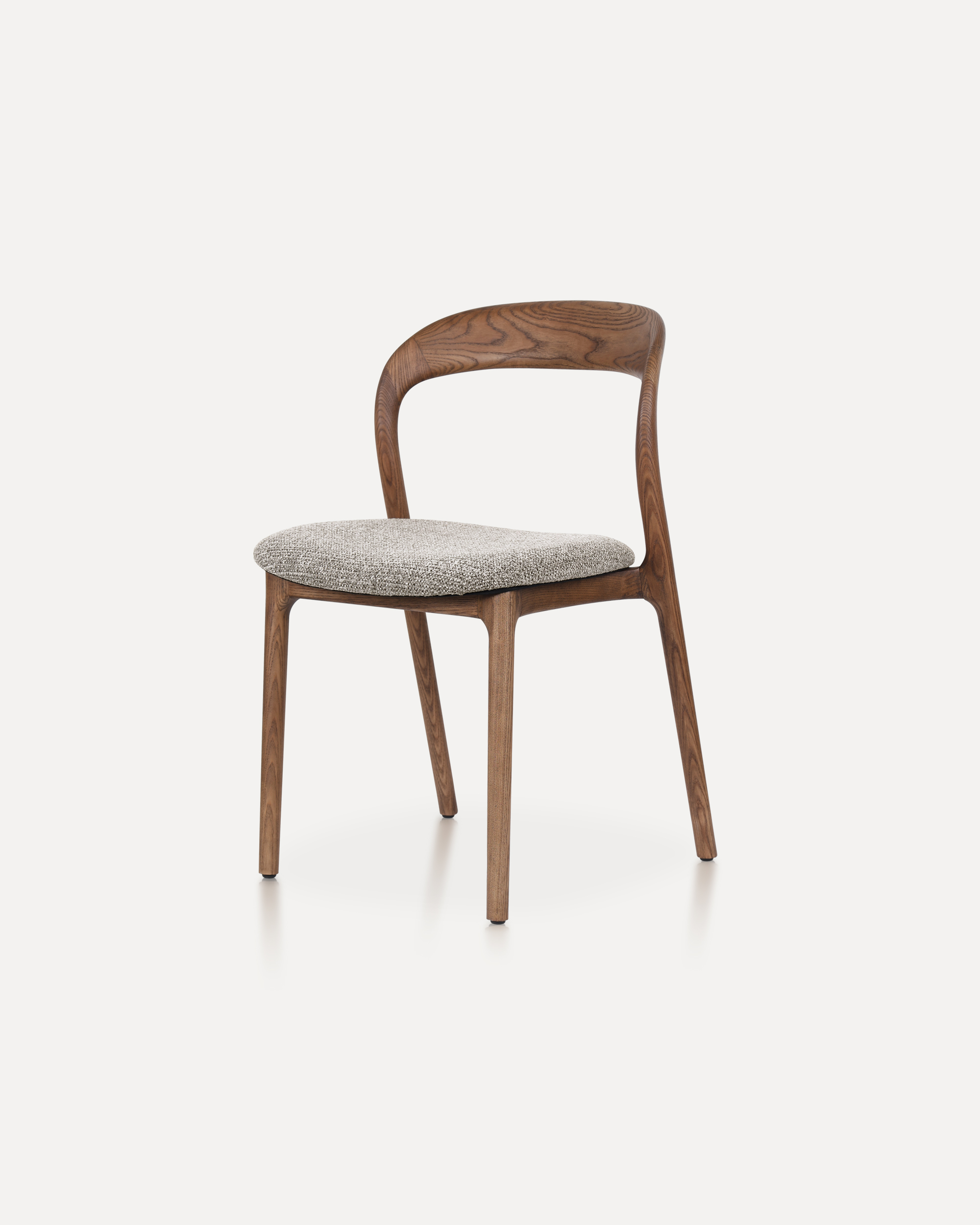
The Echo Chair is crafted from solid ashwood, featuring a unified back-and-arm ...
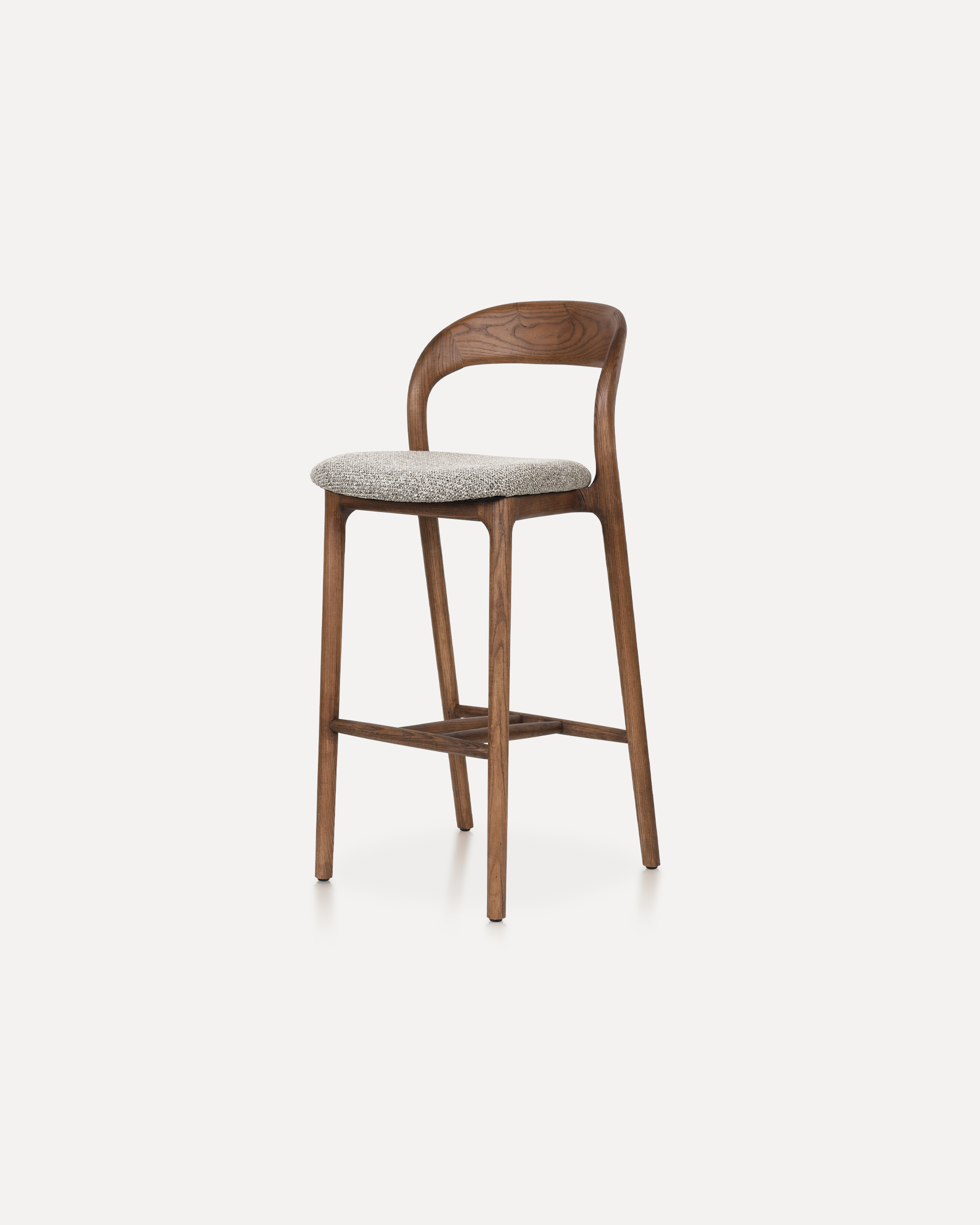
This Bar Chair is a counter-height seating solution crafted from solid ashwood ...
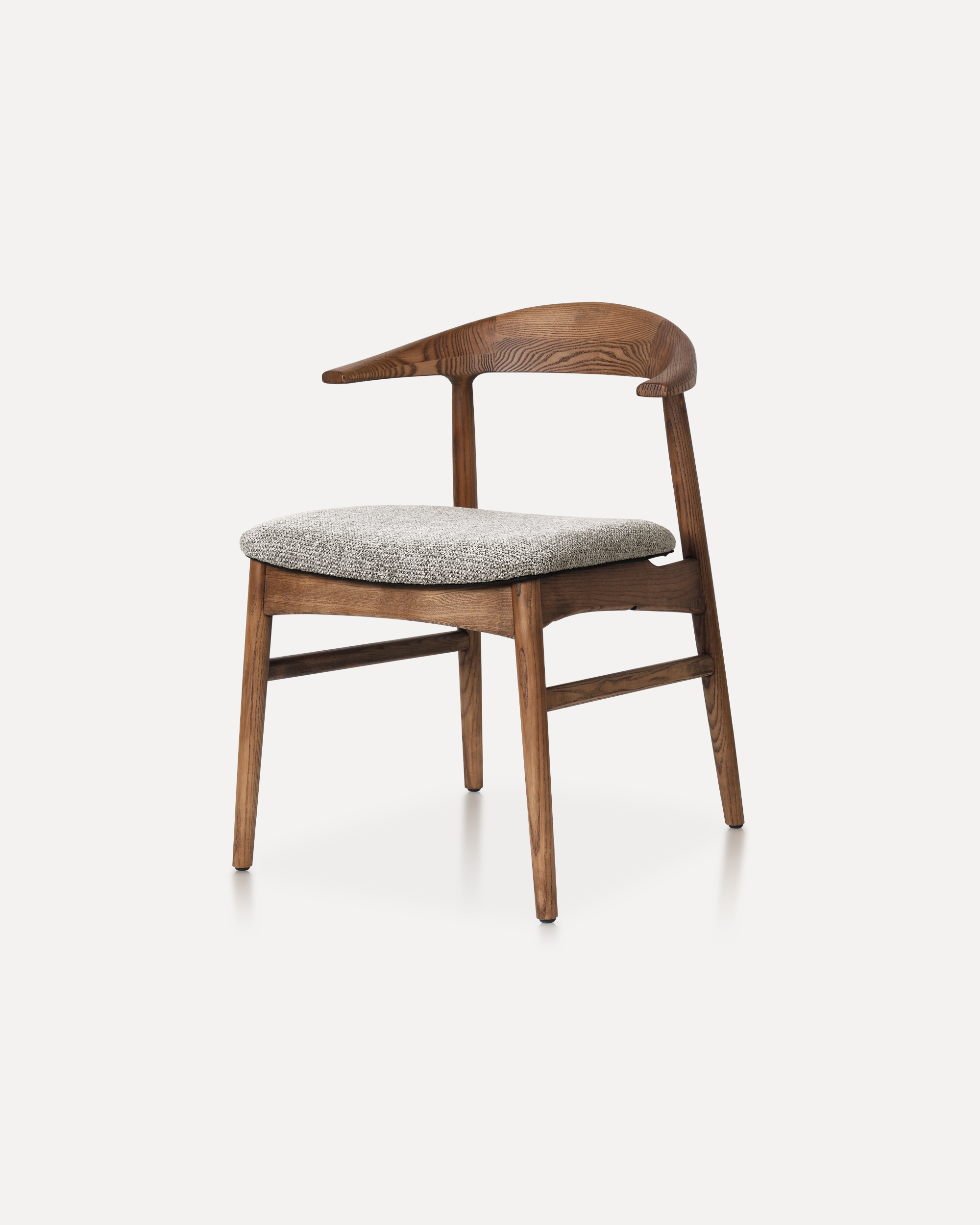
The Horizon Chair reinterprets mid-century warmth for today’s refined interiors...
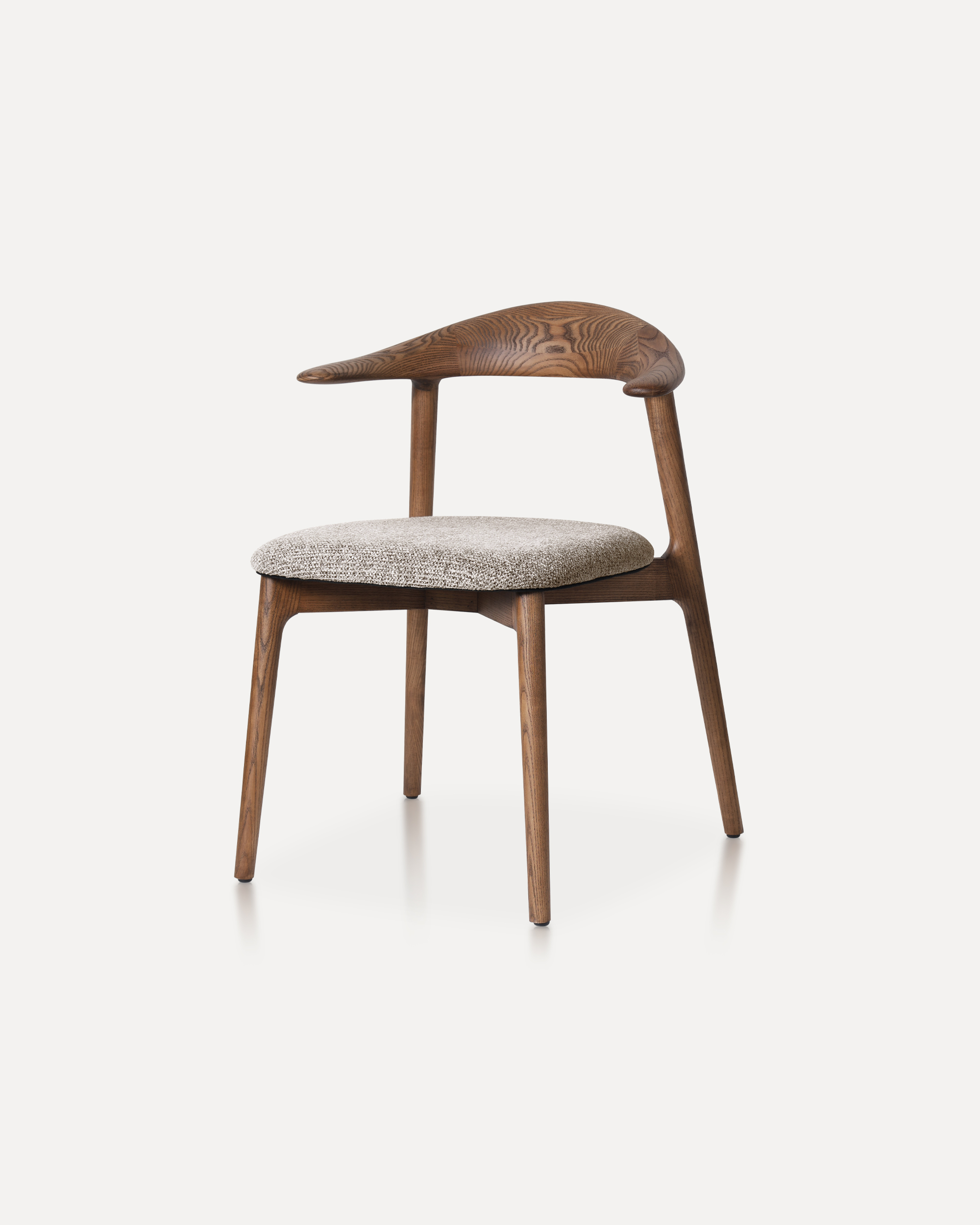
This classic features a striking, organic backrest carved from a single slab of...