
 English
  Français
 Español
Industry News
MENU

Content
A dining chair is one of the most-used pieces of furniture in any home. Most people sit in their dining chairs at least once a day — for meals, homework, remote work, or conversation — and yet it is one of the most commonly under-researched furniture purchases. People tend to spend hours choosing a sofa or a bed, then pick dining chairs quickly based on appearance alone, without checking whether the seat height fits the table, whether the chairs will actually be comfortable for a two-hour dinner, or whether they will hold up over years of daily use.
The right dining room chair does much more than fill space around a table. It defines the visual tone of the entire dining area, influences how long and how comfortably people want to sit at the table, and through its materials and construction, determines how easy it is to clean, how durable it will be in a household with children or pets, and how well it ages over years of use. A chair that looks perfect in a showroom but is uncomfortable, hard to clean, or poorly constructed is a frustration that accumulates every single meal.
This guide covers everything you need to know to make a genuinely good dining chair decision — from the practical dimension rules that determine fit and comfort, through the key style and material choices, to the specific quality checks that separate a durable piece from a cheap one that won't last five years.
Dining chairs come in a wider range of styles than almost any other piece of furniture, from traditional carved wood to sleek Scandinavian minimalism to industrial metal. The right style depends on your table, your overall interior design direction, and how formal or relaxed you want the dining space to feel.
Traditional dining chairs typically feature solid wood frames — often oak, mahogany, or walnut — with turned legs, carved back rails, and upholstered or solid wood seats. Windsor chairs, Shaker chairs, Queen Anne chairs, and ladder-back chairs all fall into this category. These styles suit farmhouse, colonial, country, and formal dining room settings where natural materials and classic craftsmanship are the design priority. Traditional chairs tend to be robust and long-lasting, as their joinery techniques have been refined over centuries. The upholstered seat pads on traditional chairs are typically removable and re-coverable, making them adaptable to changing decor over time.
Modern dining chairs prioritize clean lines, minimal ornamentation, and a mix of materials — wood, metal, plastic, and upholstery used together or individually. The Eames DSW (Eiffel base) chair, the Tolix-style metal chair, the tulip chair, and shell chairs with molded plastic or fiberglass seats are examples of iconic modern designs that have become genuine classics. Scandinavian-influenced modern chairs — with tapered wood legs, simple silhouettes, and natural fabric upholstery — are particularly popular in contemporary homes because they combine modern aesthetic minimalism with warm, natural materials that feel welcoming rather than clinical. Modern dining chairs often have a lighter visual weight than traditional styles, which makes them a good choice for smaller spaces where heavy furniture would feel imposing.
Industrial dining chairs use raw or brushed metal frames — typically steel or iron — often combined with reclaimed wood seats or leather upholstery. They suit loft-style apartments, open-plan spaces with exposed brick or concrete, and dining tables with metal or reclaimed wood elements. Industrial chairs are generally very durable and easy to clean. Rustic chairs favor distressed wood finishes, chunky proportions, and natural materials that give a sense of age and craftsmanship — popular in farmhouse and lodge-style interiors.
Fully upholstered dining chairs — with padded backs and seats — offer the highest comfort level for extended sitting and add a luxurious or formal feel to a dining room. Velvet, linen, boucle, and leather-effect fabrics are all popular for upholstered dining chairs. The trade-off is that fully upholstered chairs require more maintenance in a dining context — fabric is susceptible to food and drink stains, and velvet in particular requires careful cleaning. Many designers use two or four fully upholstered accent chairs at the ends of a dining table (often called host and hostess chairs) combined with simpler side chairs along the length, creating a layered, curated look while managing cost and practicality.
The material of a dining chair's frame and seat determines its durability, weight, ease of maintenance, visual character, and price point. Here is a straightforward breakdown of the main options:
| Material | Durability | Ease of Cleaning | Weight | Best Style Fit |
| Solid Wood | Excellent | Easy | Medium–Heavy | Traditional, Scandinavian, Farmhouse |
| Metal (Steel / Iron) | Excellent | Very Easy | Light–Medium | Industrial, Modern, Bistro |
| Upholstered Fabric | Moderate | Moderate (stain-prone) | Medium | Traditional, Formal, Contemporary |
| Leather / Faux Leather | Good–Excellent | Very Easy | Medium | Modern, Industrial, Formal |
| Plastic / Polypropylene | Good | Very Easy | Very Light | Modern, Outdoor, Casual |
| Rattan / Wicker | Moderate | Moderate | Light | Coastal, Boho, Tropical |
One important note on wood species: not all wooden dining chairs are equally durable. Solid hardwood chairs — made from oak, beech, ash, walnut, or teak — are significantly stronger and more resistant to racking (the side-to-side stress that eventually loosens chair joints) than chairs made from softwoods like pine or MDF (medium-density fiberboard). If a chair is described as "wood effect" or has an MDF frame, it will not last as long under daily use as a solid hardwood chair of comparable price. Always check the frame material specification, not just the finish description.
More dining chair purchases go wrong because of incorrect sizing than any other single reason. A chair that is too tall, too wide, or has a back that hits the table apron is a daily frustration. Here are the key dimensional rules to apply before buying:
The most critical dimension is the relationship between the chair's seat height and the dining table's height. Standard dining tables are 74–76cm (29–30 inches) tall, and standard dining chair seat heights are 44–48cm (17–19 inches) — this gives a "knee clearance" of approximately 26–30cm between the seat and the underside of the table, which is adequate for comfortable seated posture. If the gap is too small (chair seat height too high), knees will hit the table underside. If the gap is too large (seat too low), the diner sits uncomfortably low relative to the table surface. Always measure your specific table height and verify the chair's seat height before purchasing, as both tables and chairs can vary from standard dimensions, and the combination of two near-standard pieces can still create an uncomfortable fit.
Each person at a dining table needs a minimum of 60cm (24 inches) of table width for comfortable seating — enough space for a place setting and elbow room. This is the minimum; 70–75cm per person is more comfortable for a relaxed dinner. The chair's overall width determines how many chairs fit comfortably along each side of the table. For a standard 150cm (60 inch) rectangular table, two chairs per side at 60cm width is the maximum — three chairs would require chairs no wider than 50cm each, which is very narrow. Measure your table's seating length and divide by the intended number of diners to find the maximum chair width per seat before choosing a style.
The depth of the seat (front to back) affects both comfort and space. A seat depth of 40–45cm is standard for most adults — deeper seats can cause discomfort for shorter people whose legs cannot reach the floor comfortably. The chair's overall depth also determines how much floor space the chair occupies when pulled back from the table — in a small dining room, deep chairs that extend far back from the table can block traffic flow. Check also whether the chair has arms: armchairs used as dining chairs must have arm height lower than the table surface, and the arms must be able to slide under the table apron (the frame piece below the tabletop) — many armchairs are too wide or have arms too high to tuck under a standard table.
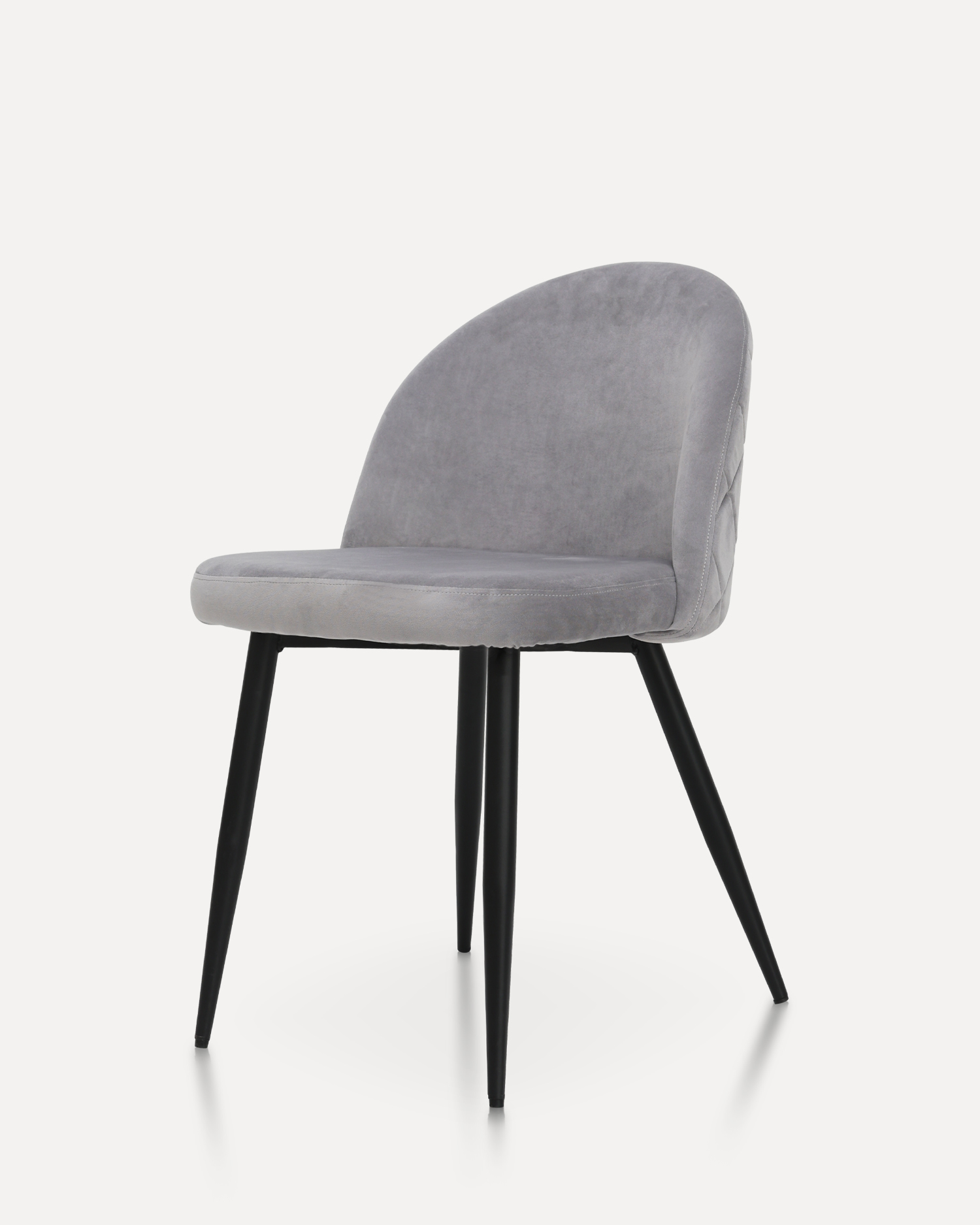
Aesthetic appeal is easy to judge from a photo, but comfort can only be properly assessed in person — and even then, what feels fine for a two-minute showroom test can become uncomfortable over a two-hour dinner. Here are the comfort factors worth examining closely:
The relationship between the dining chair and the dining table is the most important single design decision in a dining space. Here are the key matching principles that create a cohesive, well-proportioned dining setting:
Dining chairs in a family home with young children face a specific set of demands that luxury showroom chairs are not designed for. Here is what to prioritize if durability and cleanability are non-negotiable:
Whether you are buying in a store or online, these are the specific checks that prevent the most common and most frustrating dining chair purchase mistakes:
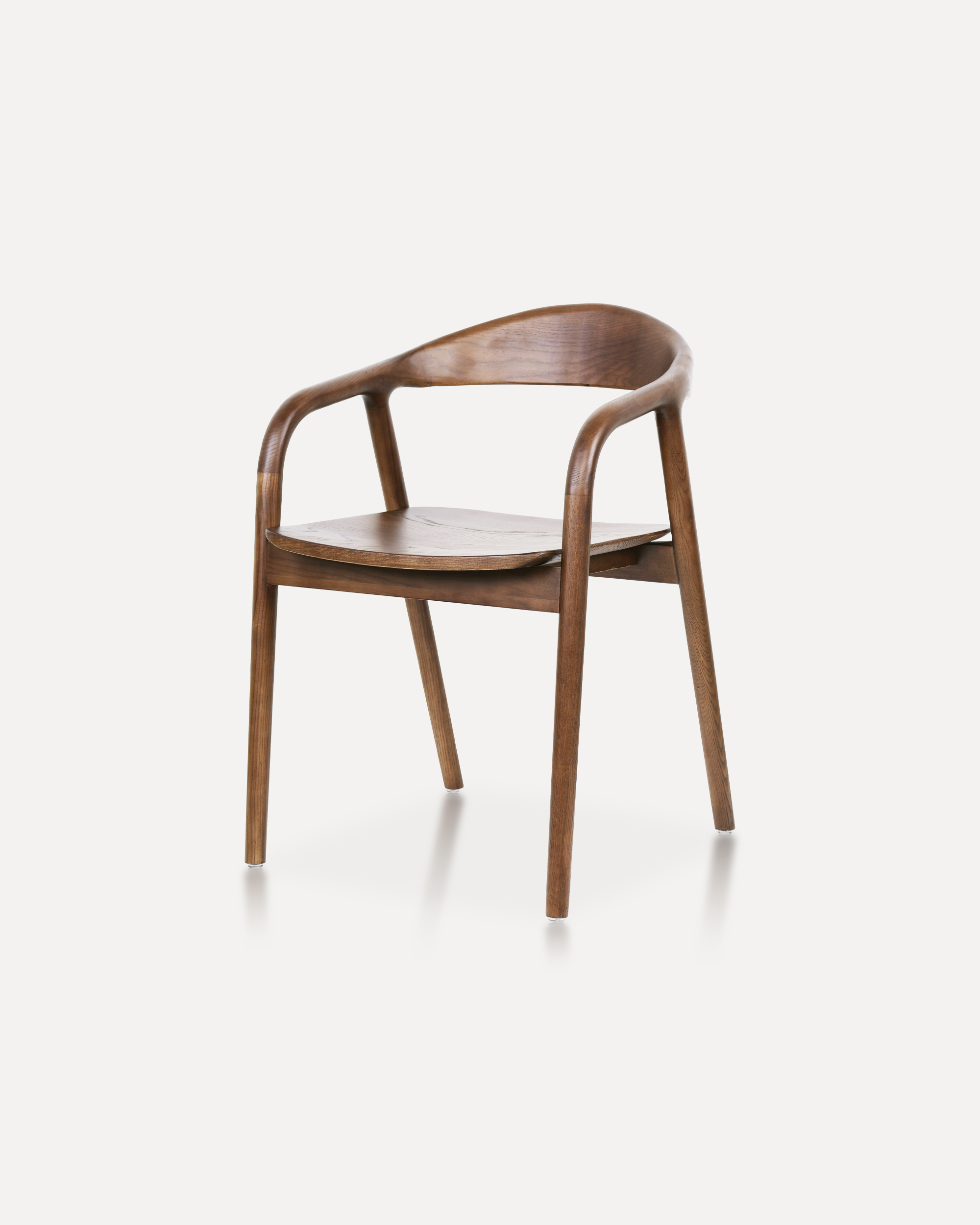
Crafted entirely from solid ash wood, this chair embodies a refined balance of ...
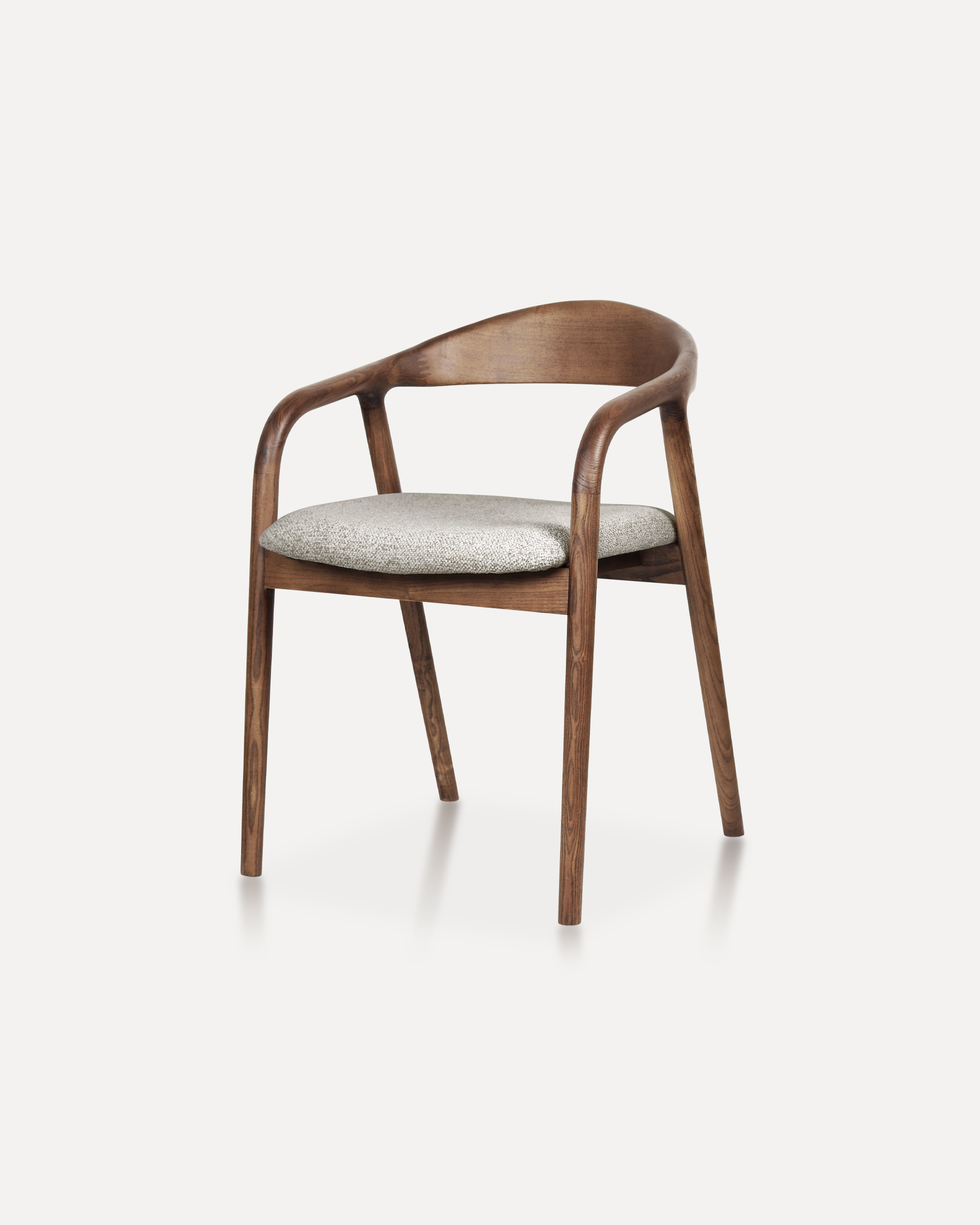
Showcases a refined silhouette with smooth, curved armrests and a gently rounde...
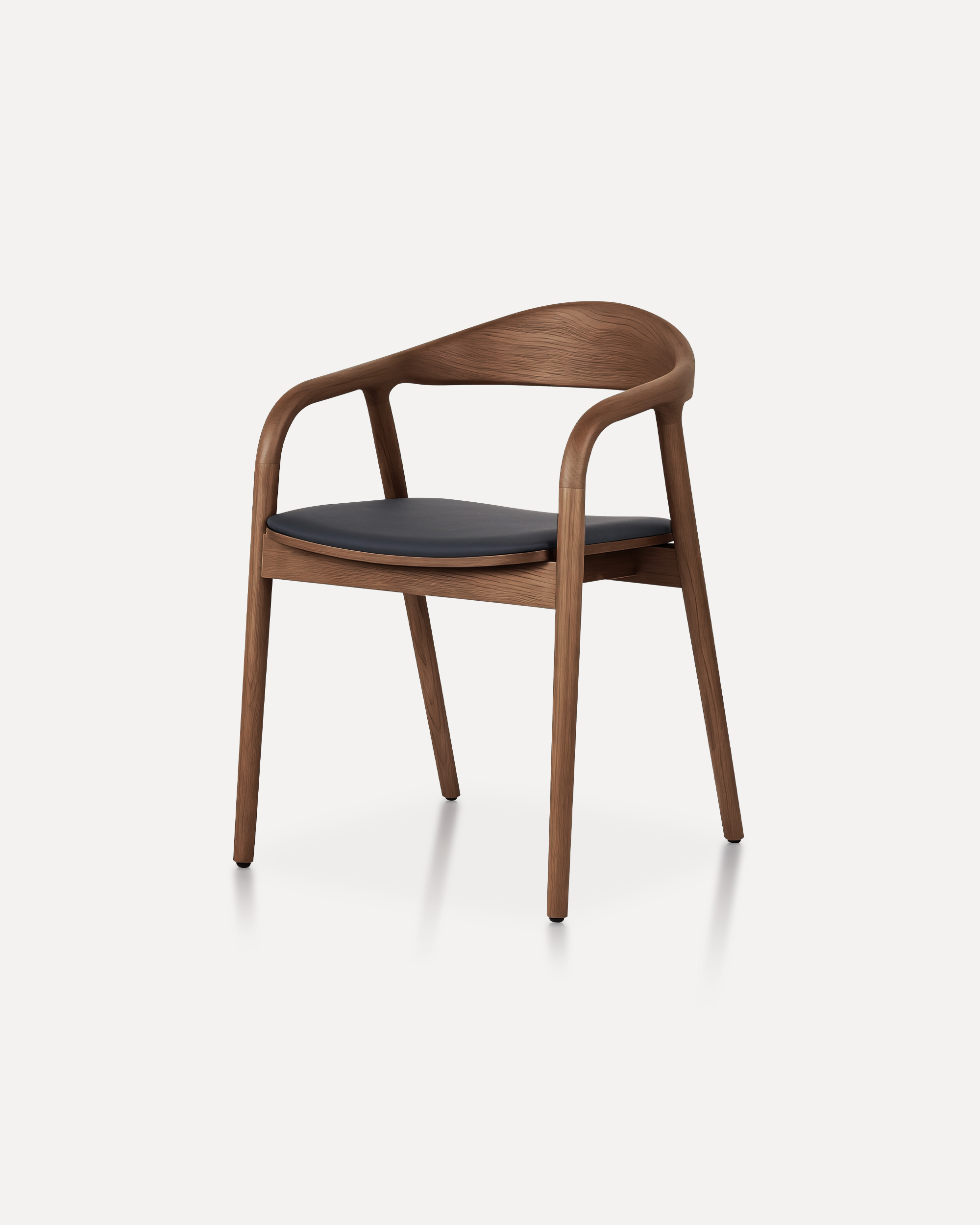
A masterclass in refined joinery and organic geometry, the Arc Chair features a...
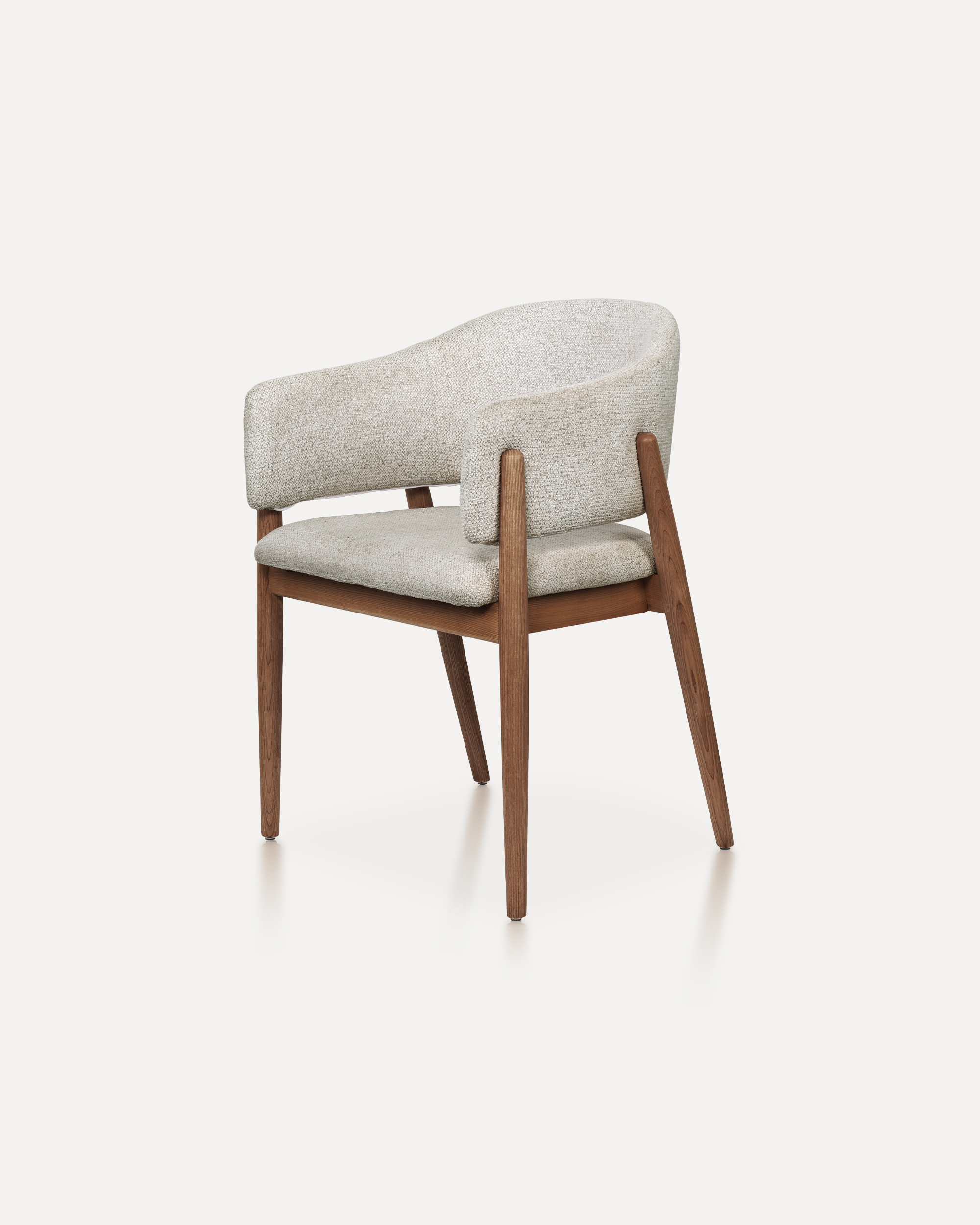
With its refined proportions and welcoming form, this chair brings quiet sophis...
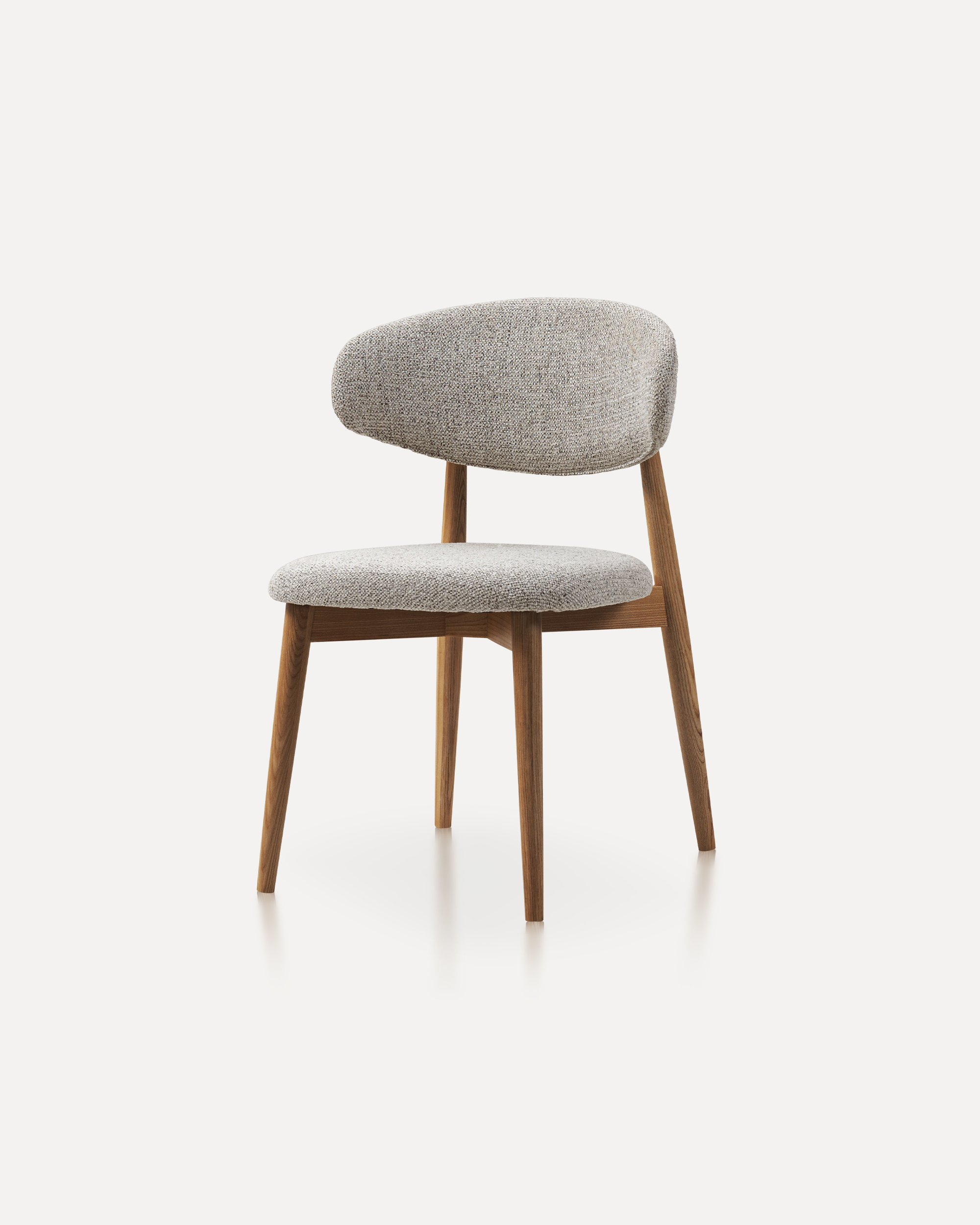
This wooden chair is a classic furniture piece that exudes warmth, durability, ...
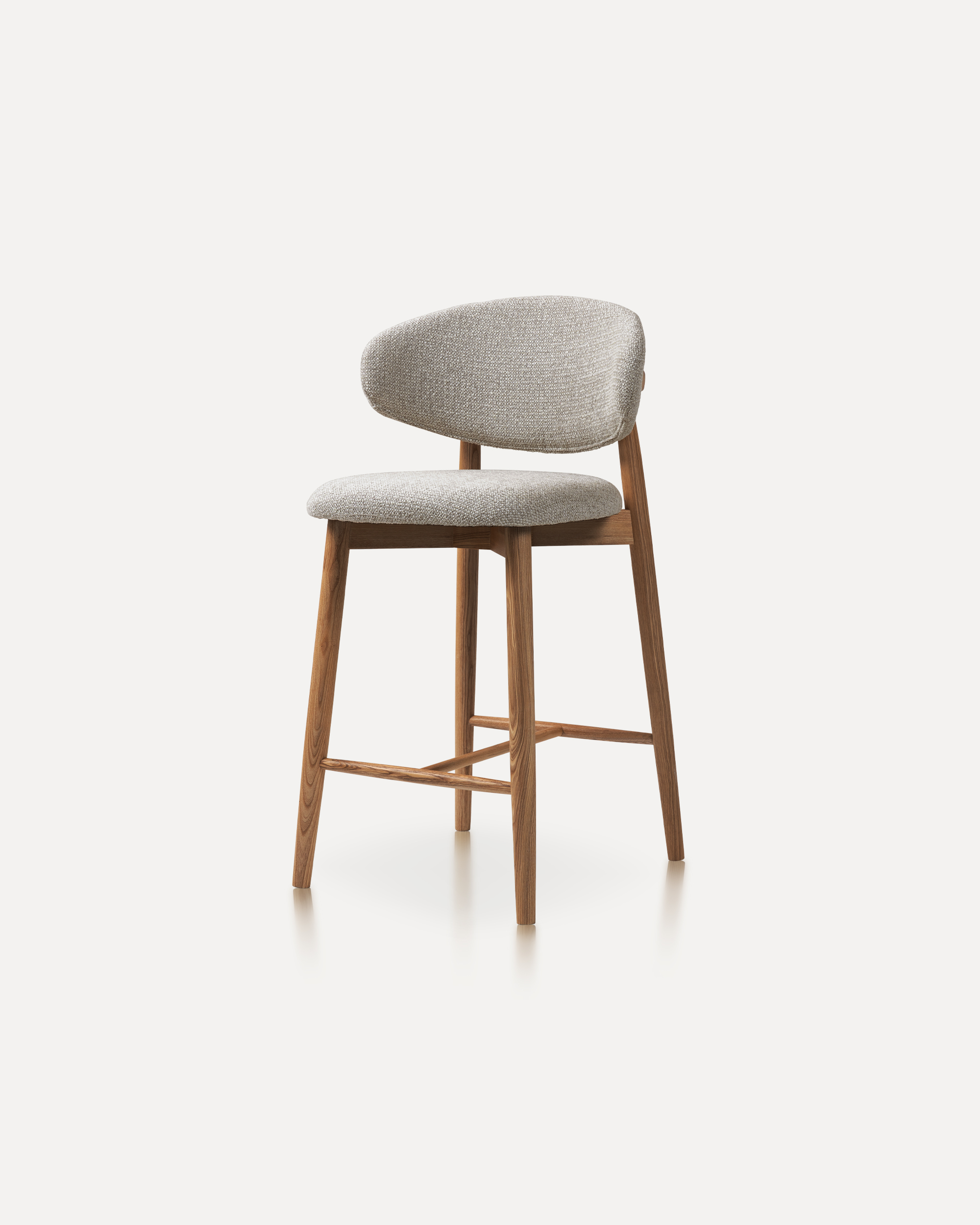
Our Wood Bar Stools are the perfect addition to any high-top table or bar setti...
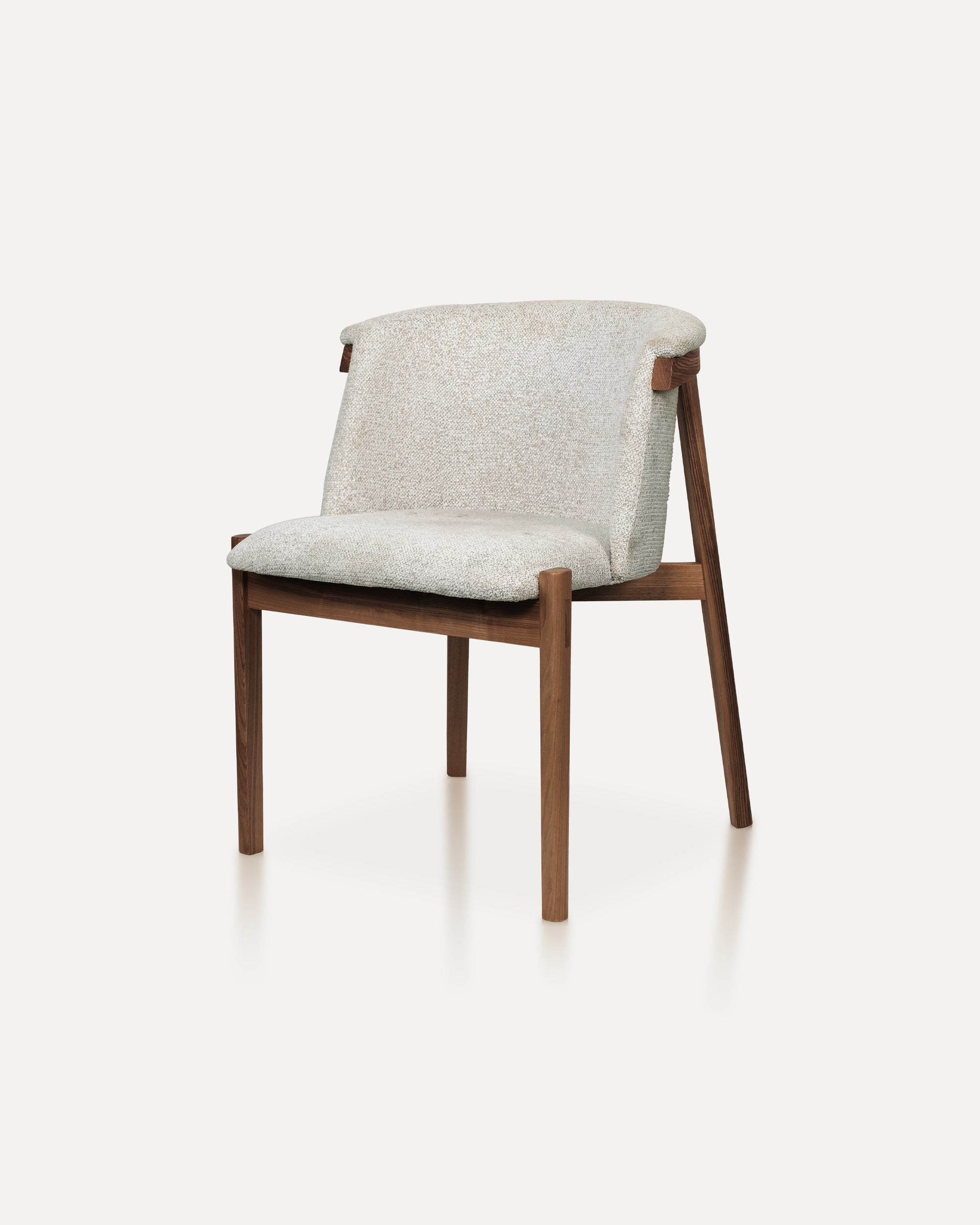
Bring natural elegance into your home with this finely crafted chair. The desig...
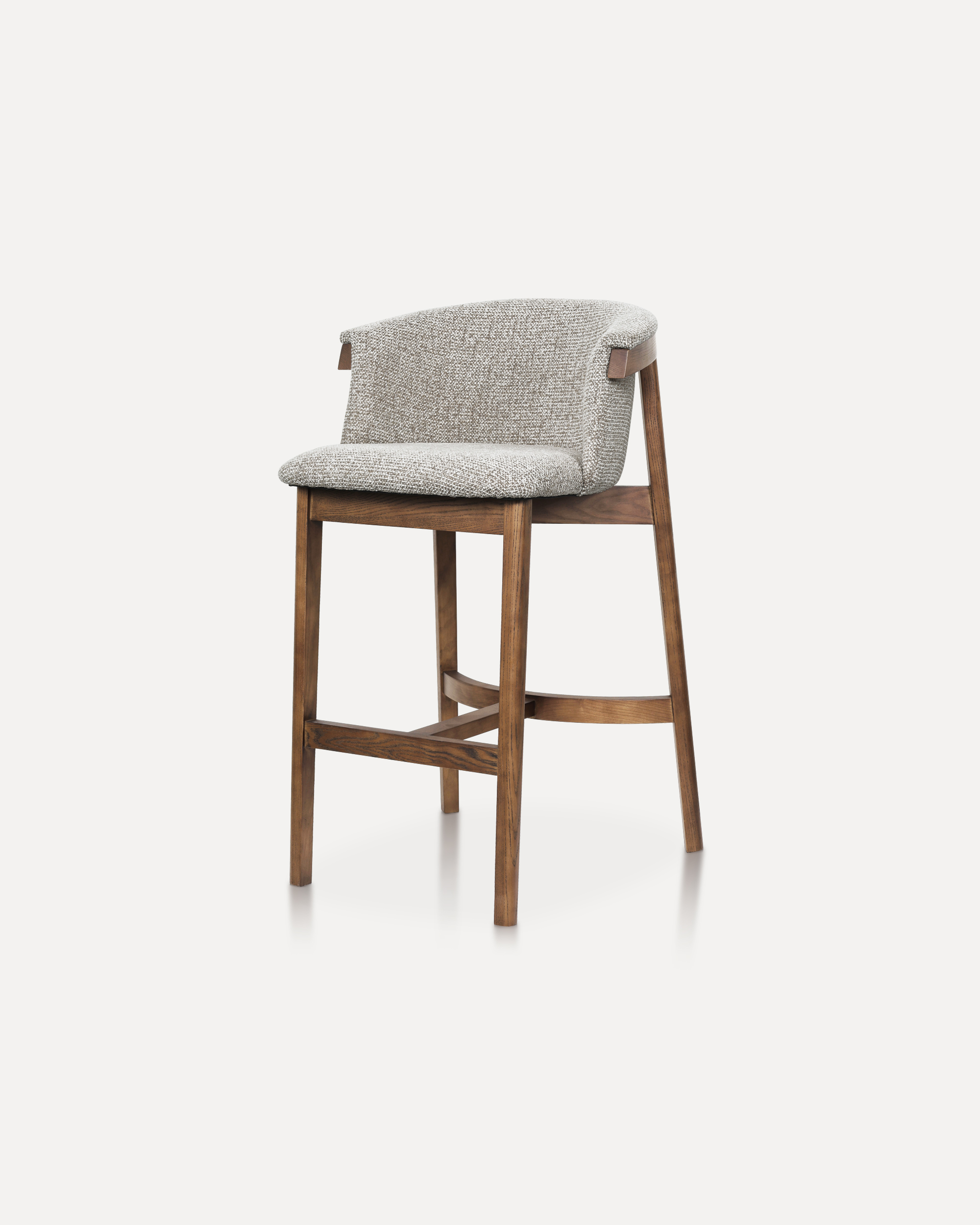
This sophisticated bar chair elevates any counter or high-top setting with its ...
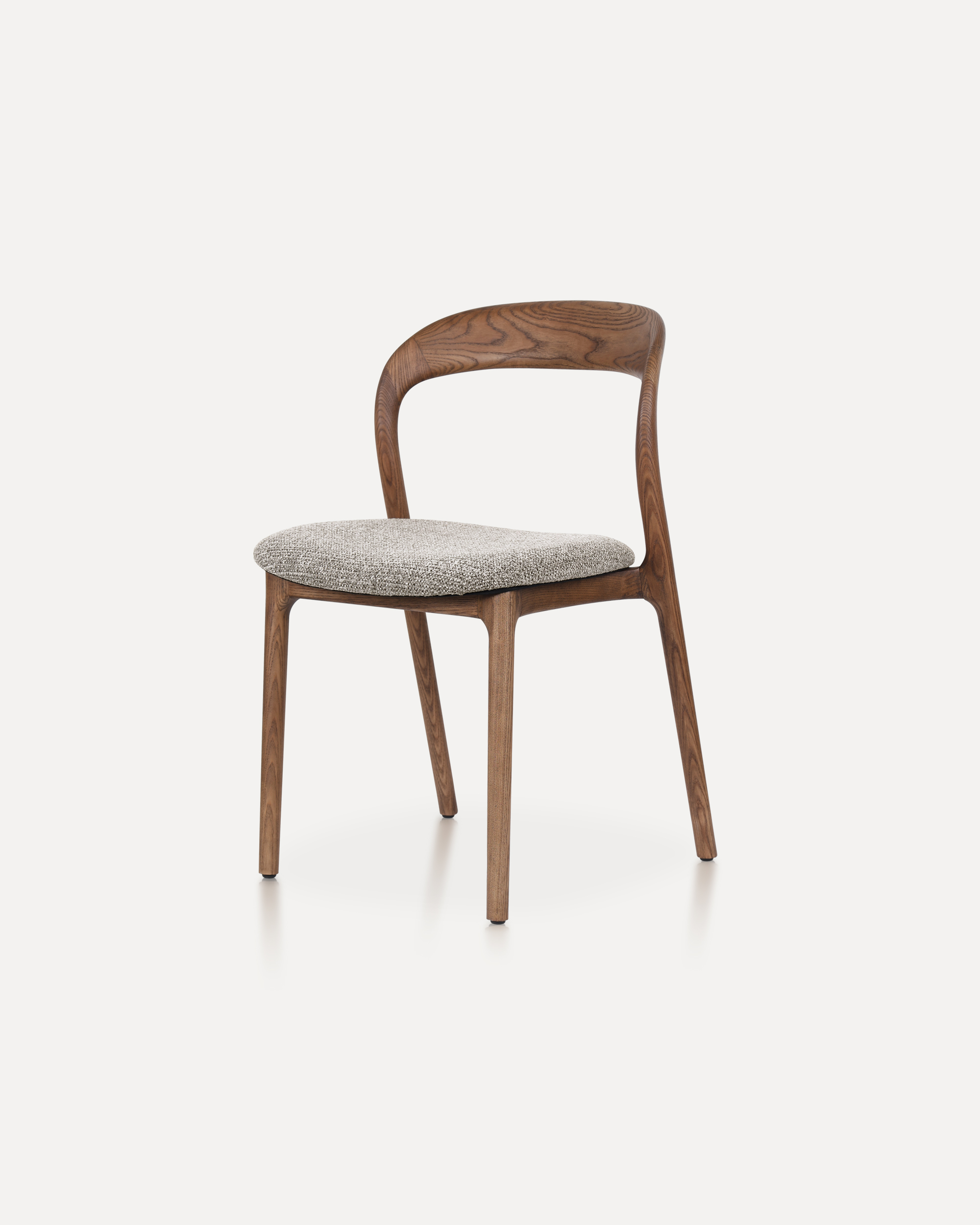
The Echo Chair is crafted from solid ashwood, featuring a unified back-and-arm ...
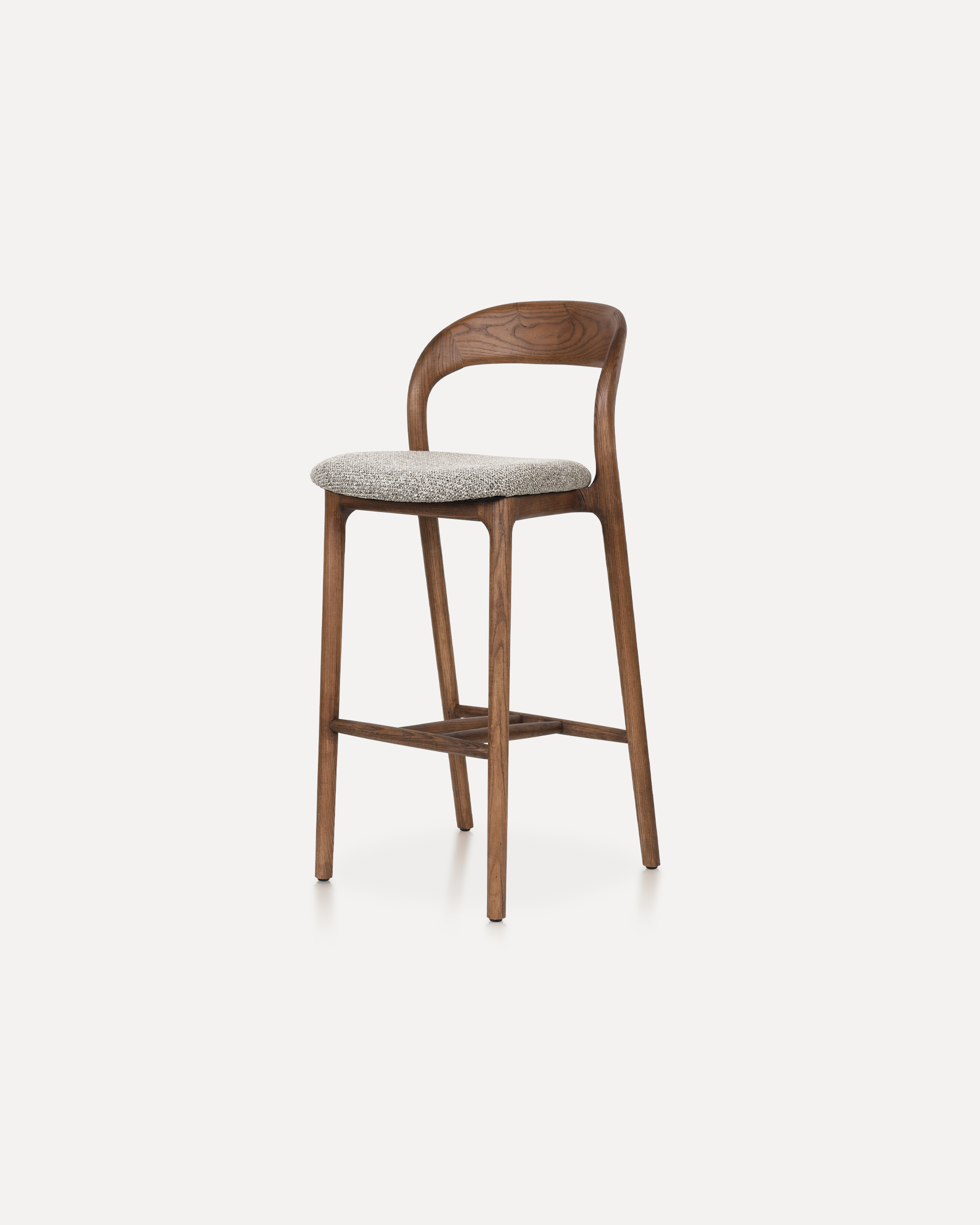
This Bar Chair is a counter-height seating solution crafted from solid ashwood ...
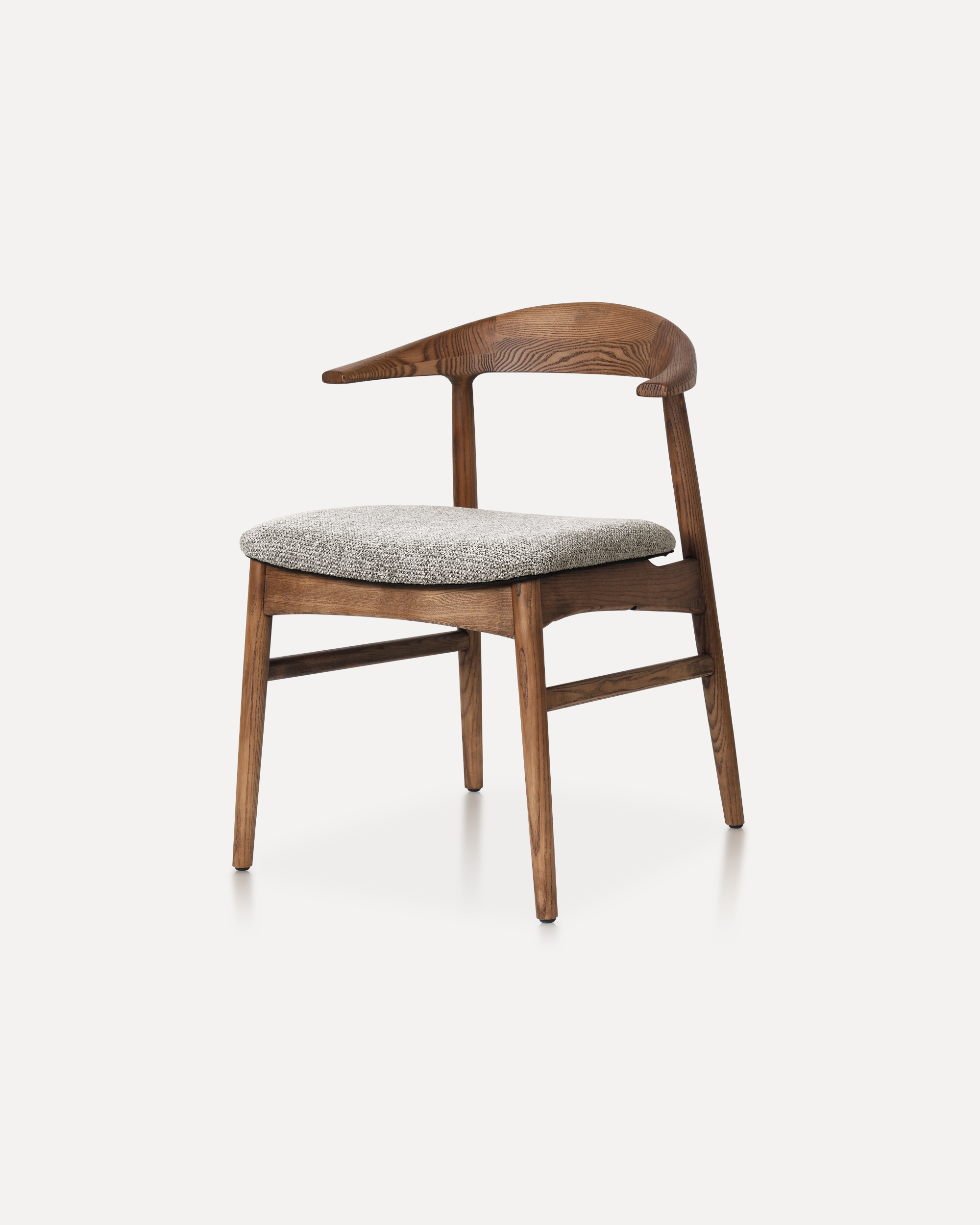
The Horizon Chair reinterprets mid-century warmth for today’s refined interiors...
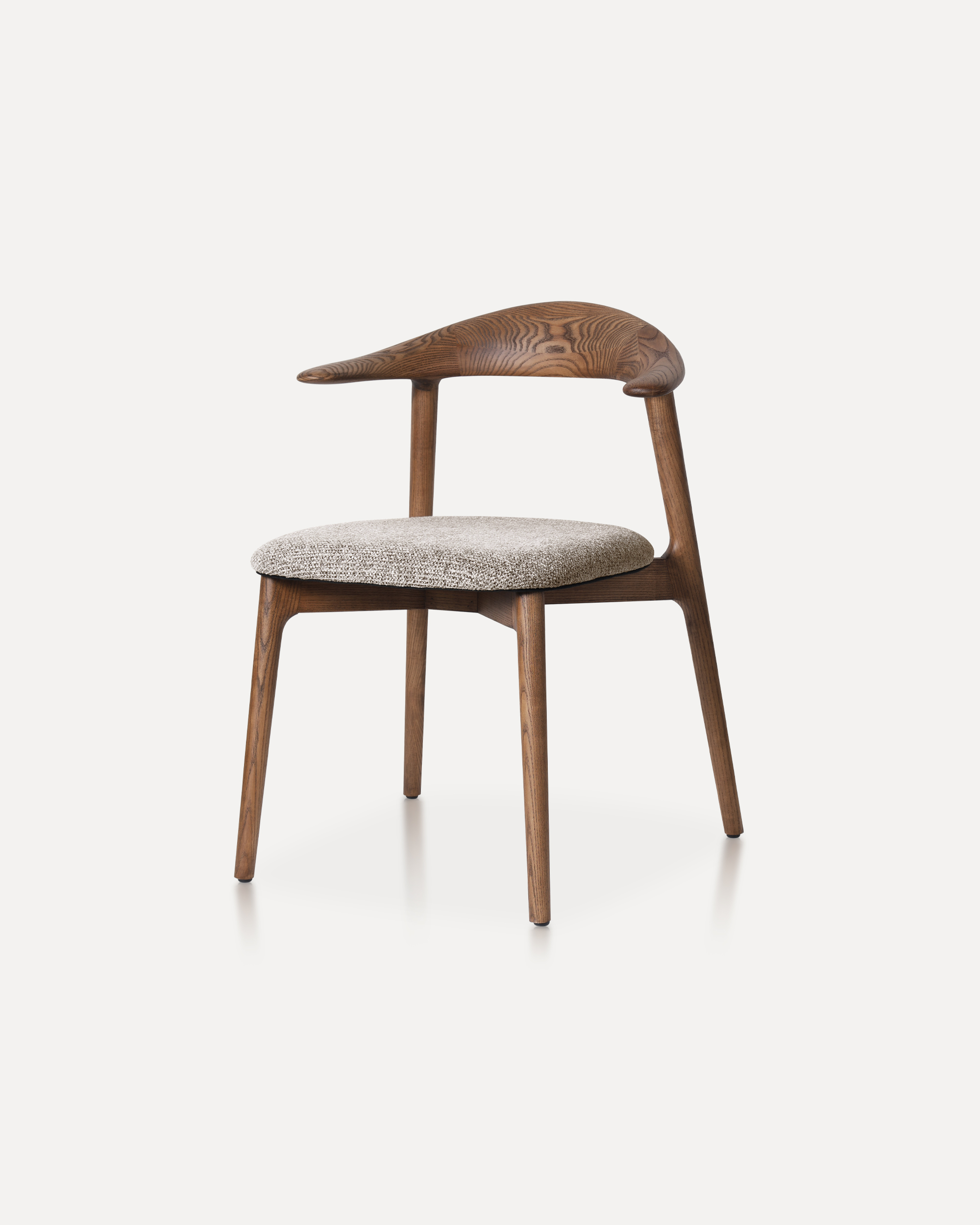
This classic features a striking, organic backrest carved from a single slab of...