
 English
  Français
 Español
Industry News
MENU

Content
Dining chairs are among the most-used pieces of furniture in any home. The average household spends anywhere from 45 minutes to over 2 hours per day seated at the dining table — and that number climbs sharply during holidays, dinner parties, or homes where the dining table doubles as a workspace. Despite this, most buyers focus almost entirely on how chairs look and spend far less time evaluating how they actually feel to sit in for extended periods.
The right dining room chairs need to satisfy several requirements simultaneously: they must fit the table height correctly, suit the physical dimensions of the people using them, hold up to regular cleaning, complement the room's aesthetic, and remain comfortable after a full meal. Getting any one of these wrong creates frustration that compounds every single day.
This guide works through each decision point in practical terms — from sizing and seating comfort to material durability and style compatibility — so you can make a well-informed choice rather than an expensive mistake.
Sizing is the most commonly mishandled part of buying dining chairs, and it is the one area where mistakes are hardest to work around after purchase. There are three measurements that matter most: seat height relative to table height, seat width, and clearance between chairs.
The standard rule is that there should be 10 to 12 inches of clearance between the top of the chair seat and the underside of the tabletop. Most dining tables sit between 28 and 30 inches tall, which means dining chairs with seat heights of 17 to 19 inches fit the majority of standard tables comfortably. If your table is a counter-height model at 34 to 36 inches, you will need bar-height or counter stools with seat heights of 24 to 26 inches — standard dining chairs will leave diners sitting uncomfortably low.
Always measure your specific table rather than assuming standard dimensions apply. Farmhouse tables, reclaimed wood tables, and custom-built pieces frequently fall outside standard height ranges, and even a 1-inch error in seat height produces noticeable discomfort at the shoulders and wrists during meals.
Allow a minimum of 24 inches of table width per person for comfortable elbow room. Chairs themselves typically range from 16 to 22 inches wide at the seat, but the space the chair occupies at the table — accounting for the frame and any slight outward positioning — is wider. For a 6-person rectangular table, a total length of 72 to 84 inches is the practical minimum for relaxed seating. Going below this forces chairs to touch side by side, which makes pulling chairs in and out disruptive and cramped during longer meals.
Seat depth — the measurement from the front edge of the seat to the backrest — should ideally sit between 16 and 18 inches for most adults. Seats shallower than 16 inches feel perched and unsupported during extended dining. Back height is more of an aesthetic and comfort preference: low-back chairs (under 33 inches total chair height) feel open and modern, while high-back chairs (36 to 48 inches) provide lumbar support and a more formal presence but can visually dominate a smaller room.
Style decisions should follow from the room's existing architecture and the table's design language — not the other way around. The most common styling errors involve choosing chairs that are visually interesting in isolation but create a mismatched or cluttered feel in context. Below is a practical breakdown of the most widely available dining chair styles and their best-fit applications.
| Chair Style | Key Characteristics | Best Room Match | Avoid When |
|---|---|---|---|
| Parsons Chair | Fully upholstered, clean lines, no exposed legs | Transitional, contemporary, formal dining rooms | High-traffic homes with young children or pets |
| Windsor Chair | Spindle back, solid wood, no upholstery | Farmhouse, cottage, traditional kitchens | Minimalist or industrial interiors |
| Eames-Style Shell Chair | Molded seat shell, slim metal or wood legs | Mid-century modern, Scandinavian, open-plan | Rooms requiring maximum back support |
| Cross-Back / X-Back Chair | Decorative back bracing, often solid wood | Rustic, farmhouse, bistro-style dining areas | Contemporary or high-gloss table pairings |
| Upholstered Arm Chair | Padded seat and back, with armrests | Formal dining rooms, host/head-of-table positions | Tables where full-perimeter seating is needed |
| Tolix-Style Metal Chair | Stamped steel, stackable, industrial aesthetic | Industrial loft, urban, café-style dining spaces | Long meals — hard seats without cushioning |
One increasingly popular approach is mixing chair styles intentionally — for example, placing two upholstered armchairs at the head and foot positions and using four matching side chairs along the long edges. This adds visual interest while keeping the arrangement cohesive. The key to making mixed seating work is maintaining a consistent element across all chairs, whether that is color, leg finish, seat height, or material family.
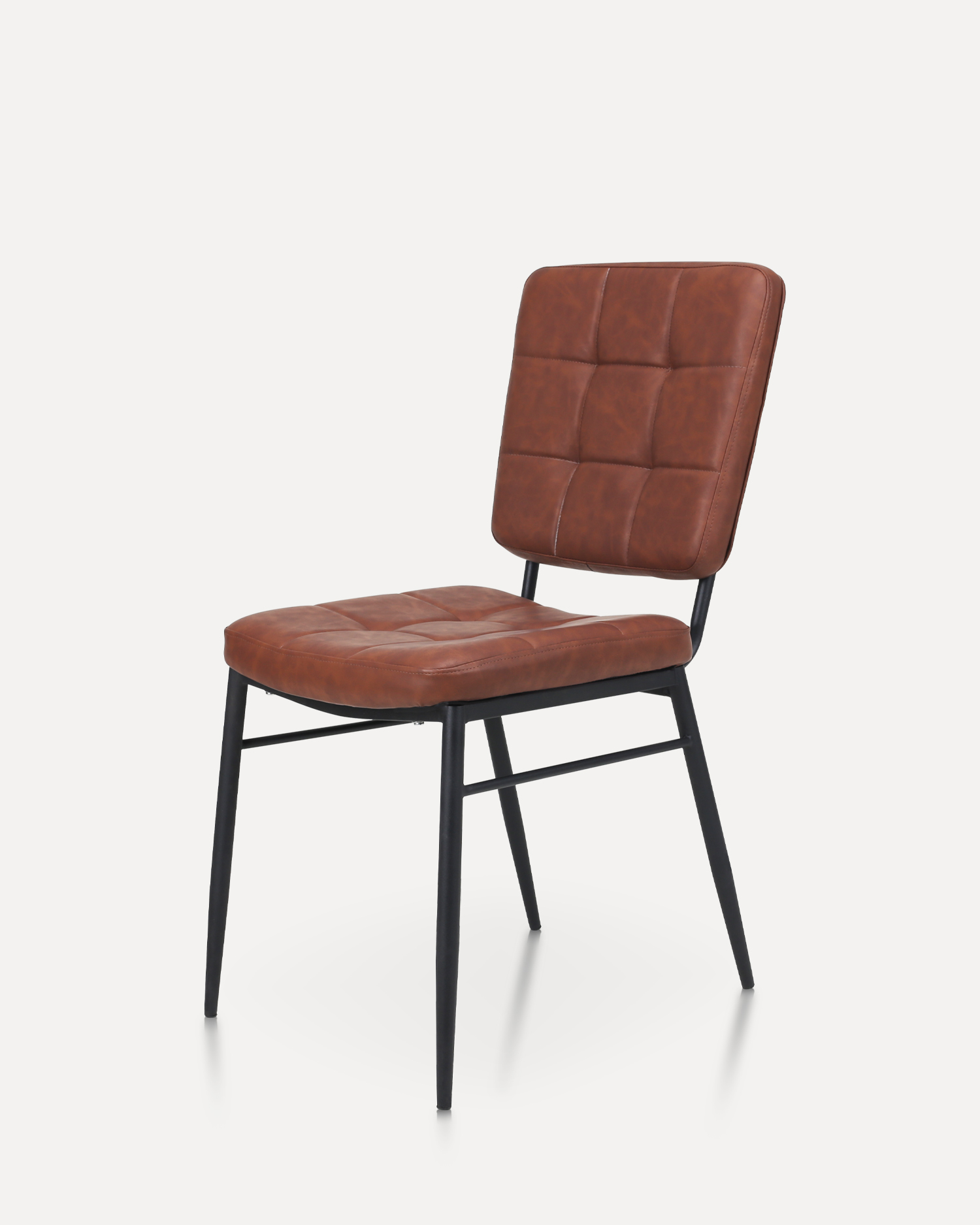
The material of a dining chair determines how it ages, how easy it is to clean, how much weight it can support, and ultimately how long it remains usable. Each material category involves genuine tradeoffs, and what photographs beautifully in a showroom can perform very differently in a home with children, pets, or frequent entertaining.
Solid hardwood — oak, walnut, beech, ash — remains one of the most durable and repairable chair materials available. Well-made solid wood dining chairs can last 20 to 40 years with basic maintenance. Joints are the primary failure point: look for mortise-and-tenon or dowel joinery rather than staple-and-glue construction, especially at the seat rail-to-leg connections, which absorb the most stress during daily use. Solid wood is easy to refinish when scratched, tolerates humidity changes reasonably well, and ages with character rather than deteriorating.
Upholstery adds comfort but introduces cleaning complexity. The right choice depends heavily on your household:
Steel and aluminum frames are common in contemporary and industrial dining chairs. Powder-coated steel is highly durable and scratch-resistant; look for a coating thickness of at least 60 to 80 microns for furniture-grade durability. Aluminum is lighter and naturally rust-resistant, making it practical for dining areas near kitchens with higher humidity. The weakness in metal-frame dining chairs is typically the floor glides — cheap plastic caps wear through quickly and scratch hardwood or tile floors. Replacing them with felt-tipped steel caps is an inexpensive upgrade worth doing immediately on any metal-legged chair.
Polypropylene shell chairs — a broad category that includes many Eames-influenced and Scandinavian-style designs — are lightweight, stackable, and wipe-clean. They are not inherently cheap: high-quality PP chairs use UV-stabilized resin that resists yellowing and cracking, and are rated to 250 to 330 lbs static load. The key quality indicator is shell thickness and flex: a well-made PP shell flexes slightly under body weight without creaking, conforming slightly to posture. Thin, rigid shells crack at stress points — particularly around leg attachment hardware — within a few years of regular use.
Visual appeal is easy to evaluate in a showroom or product photo. Comfort during a 90-minute dinner party is not. Several structural factors determine whether dining chairs remain comfortable across extended sitting periods, and most of them are invisible in marketing imagery.
A dining chair seat should be level or angled very slightly backward — no more than 2 to 3 degrees. A more pronounced backward slope encourages reclining, which is fine for a lounge chair but causes slouching and lower back strain at a dining table where your torso needs to be upright to reach food comfortably. Backrest rake — the angle of the back panel relative to vertical — should similarly be subtle in dining chairs: 5 to 10 degrees from vertical is the practical range. Chairs with more aggressive recline angles are better suited to casual dining or bar seating situations.
Upholstered dining chairs with cushioned seats vary enormously in foam quality. Look for a foam density of at least 1.8 lb/ft³ for dining chair applications — denser foam (2.0 to 2.5 lb/ft³) holds its shape longer under repeated compression. Chairs with very soft or thin foam feel comfortable in a brief showroom sit but compress within months of use, leaving you effectively sitting on the hard substrate beneath. Some manufacturers use a layered approach — a firmer base foam topped with a softer comfort layer — which provides both durability and immediate comfort.
Armchairs at the dining table add comfort during longer meals but introduce a practical constraint: the armrests must clear the table apron (the structural rail under the tabletop) to allow the chair to be pushed fully under the table. Most dining table aprons sit 25 to 27 inches from the floor. If chair armrests sit at 26 inches or higher, they will catch on the apron, preventing the chair from sliding under and forcing diners to sit further back from the table. Measure apron clearance before buying armchairs for any table with a traditional framed apron structure.
Most households underestimate how often they seat more people than their standard dining setup accommodates. Buying exactly as many chairs as your table nominally seats leaves no margin for guests — and adding chairs later often means dealing with mismatched sets or chairs that are no longer available in the same finish.
A practical rule is to buy two additional chairs beyond your regular seating count, stored in a nearby room or stacked in a closet, matching the main set. For households that regularly host gatherings, investing in four stackable side chairs in a complementary but slightly different style provides flexible overflow seating that reads as intentional rather than improvised.
Extendable dining tables change the calculation significantly. A table that extends from 6-seat to 10-seat capacity requires you to own and store chairs for the extended configuration — typically meaning 10 chairs total rather than 6, with 4 stored when the extension leaves are out of use. Plan storage space for the extra chairs before purchasing, as full-size dining chairs require more dedicated storage than most people anticipate.
Before finalizing any dining chair purchase, run through these practical verification points to avoid the most common and costly mistakes:
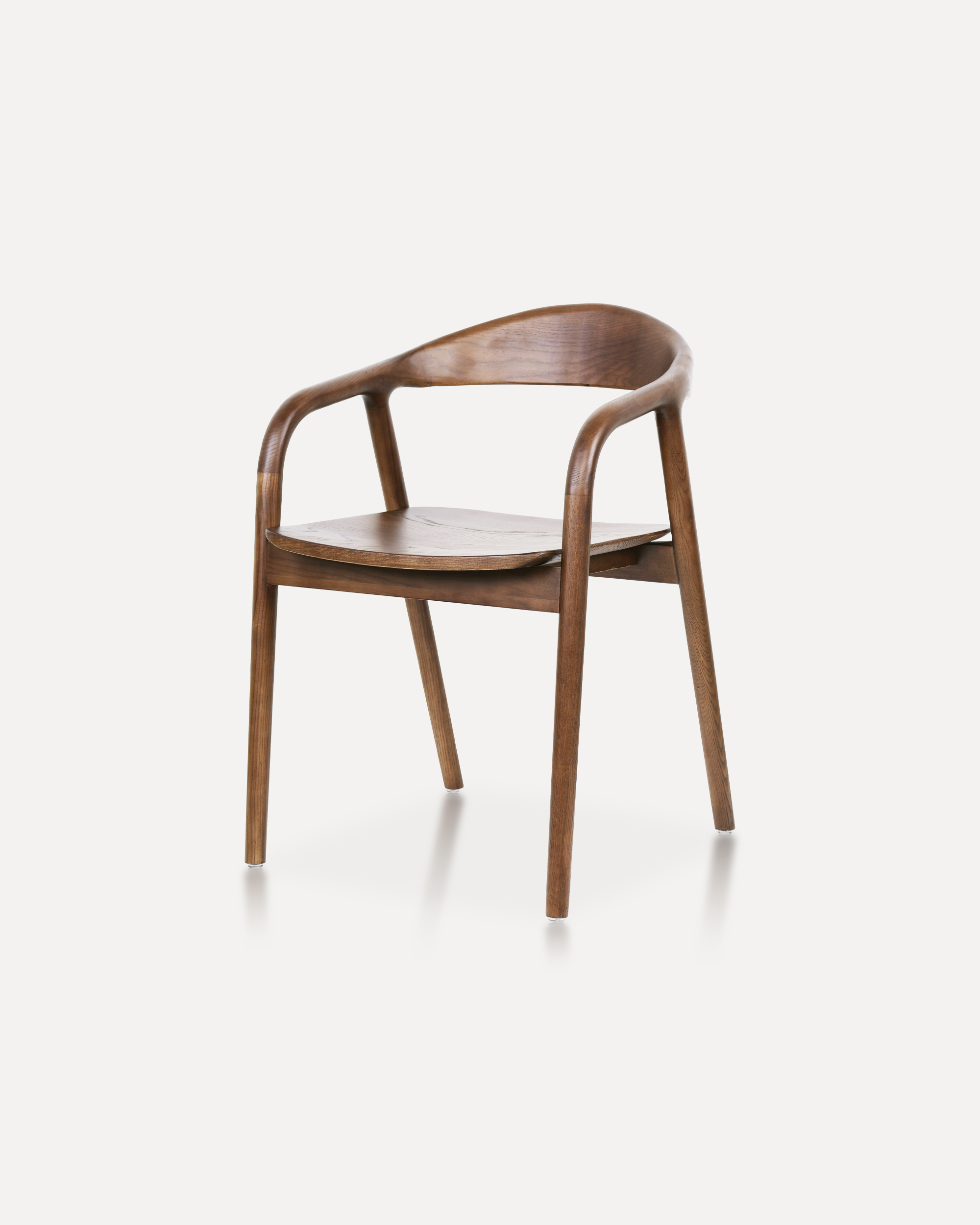
Crafted entirely from solid ash wood, this chair embodies a refined balance of ...
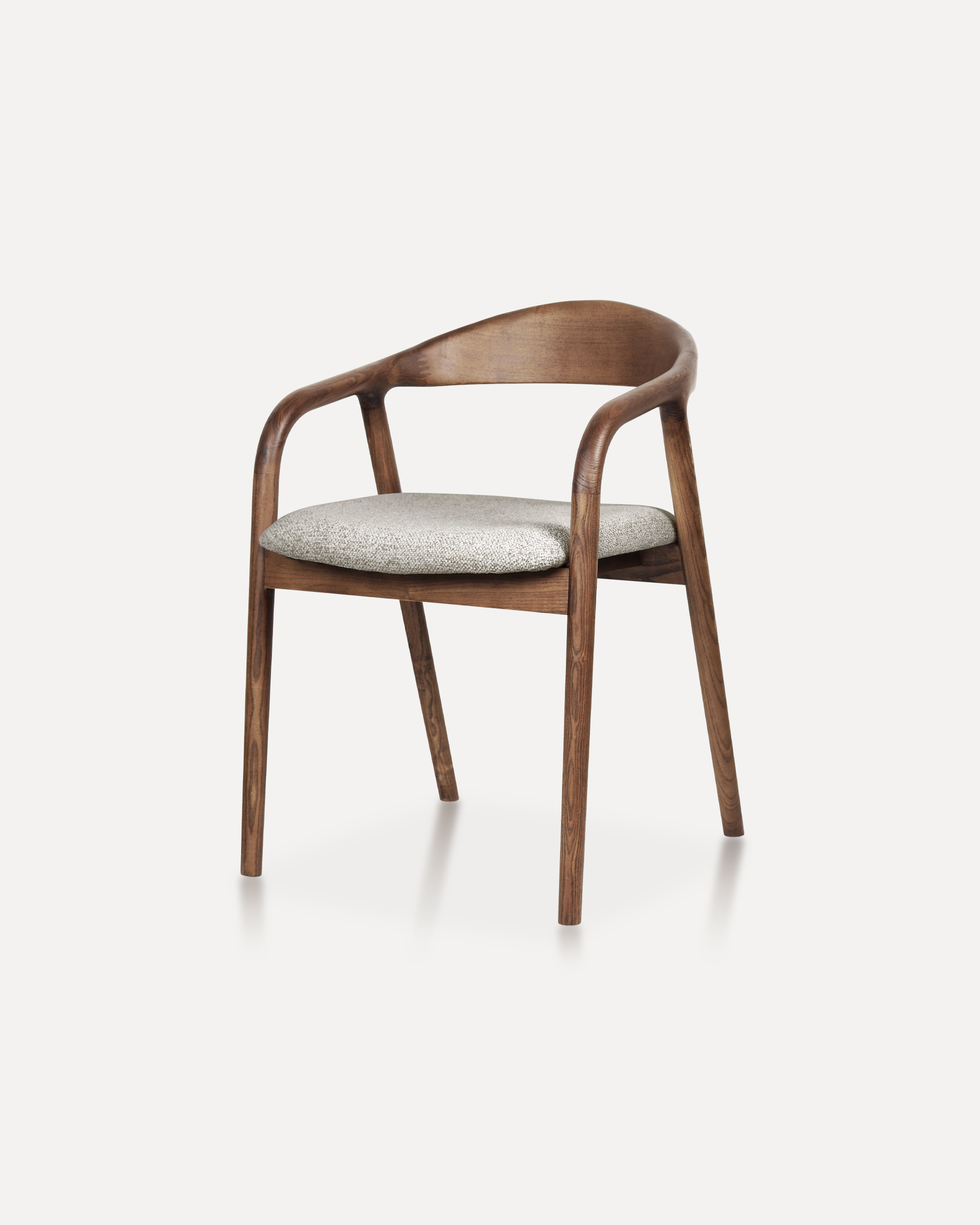
Showcases a refined silhouette with smooth, curved armrests and a gently rounde...
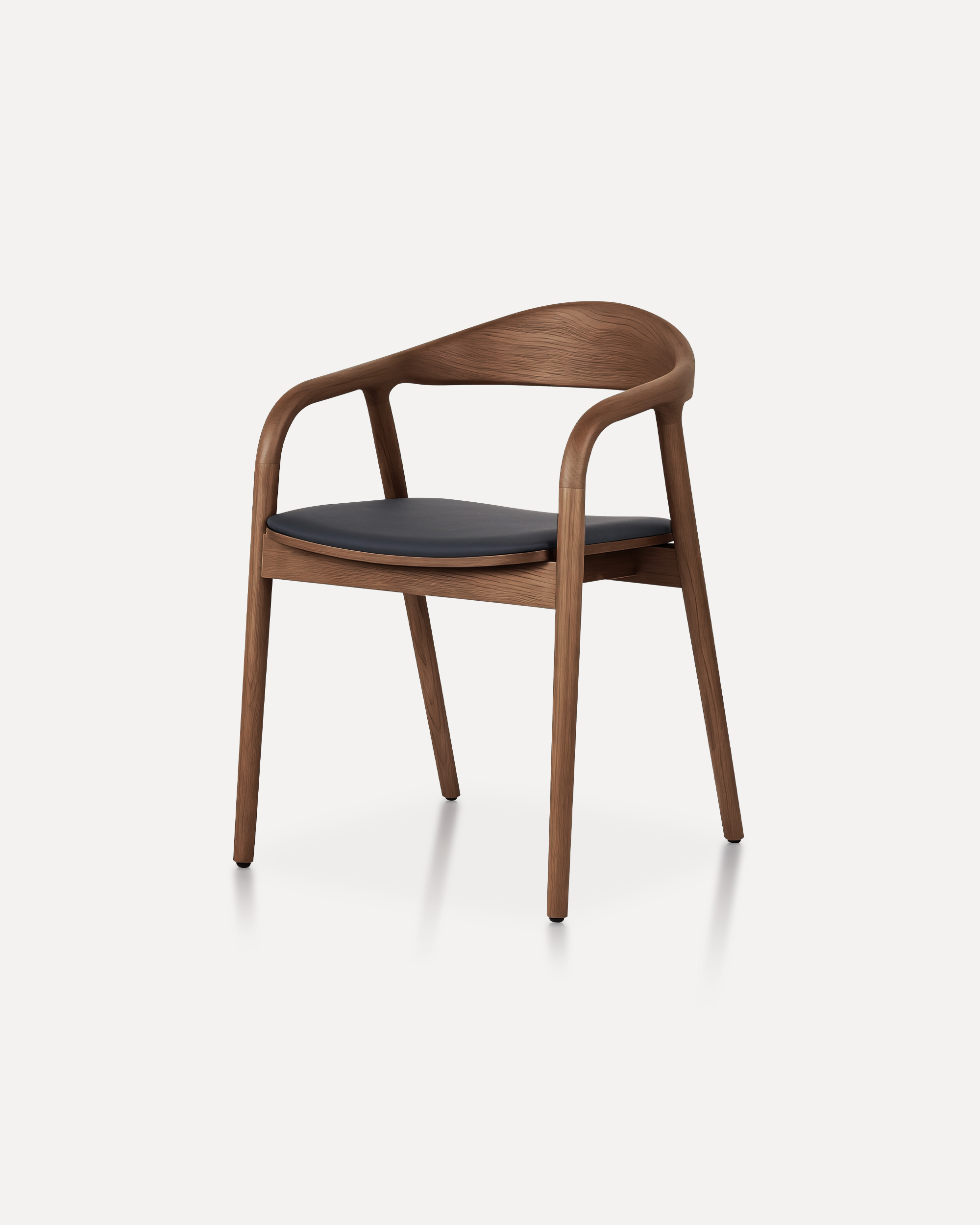
A masterclass in refined joinery and organic geometry, the Arc Chair features a...
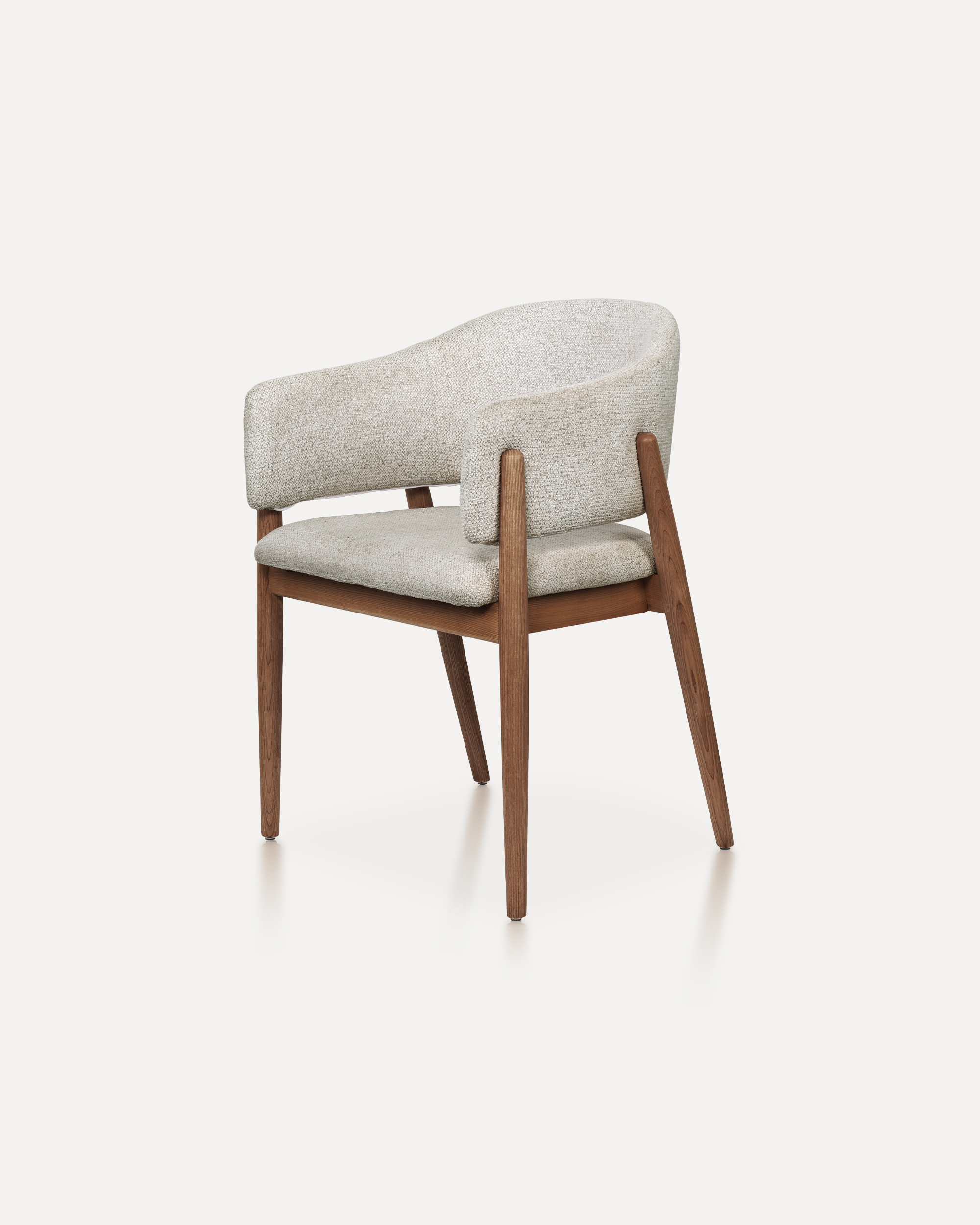
With its refined proportions and welcoming form, this chair brings quiet sophis...
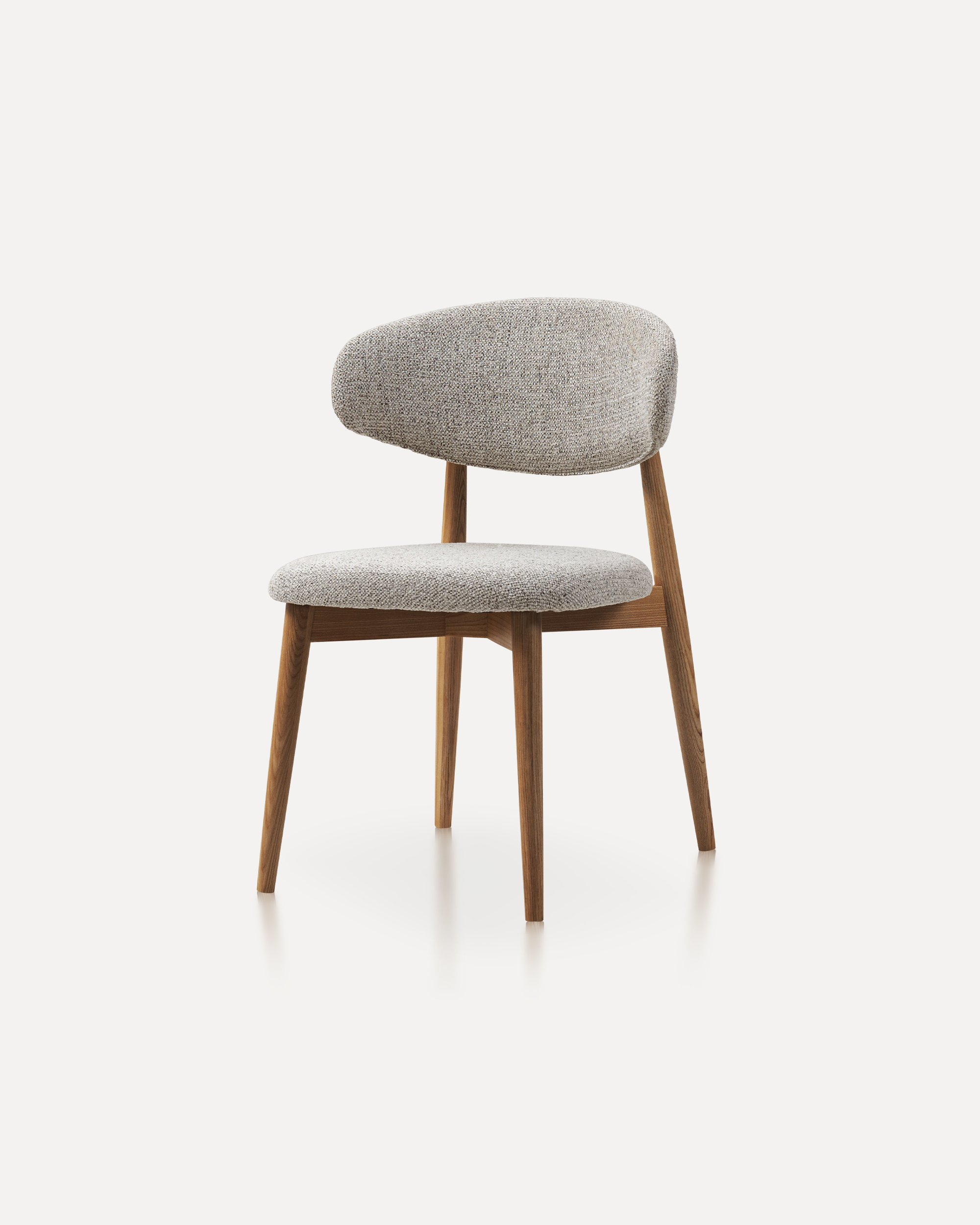
This wooden chair is a classic furniture piece that exudes warmth, durability, ...
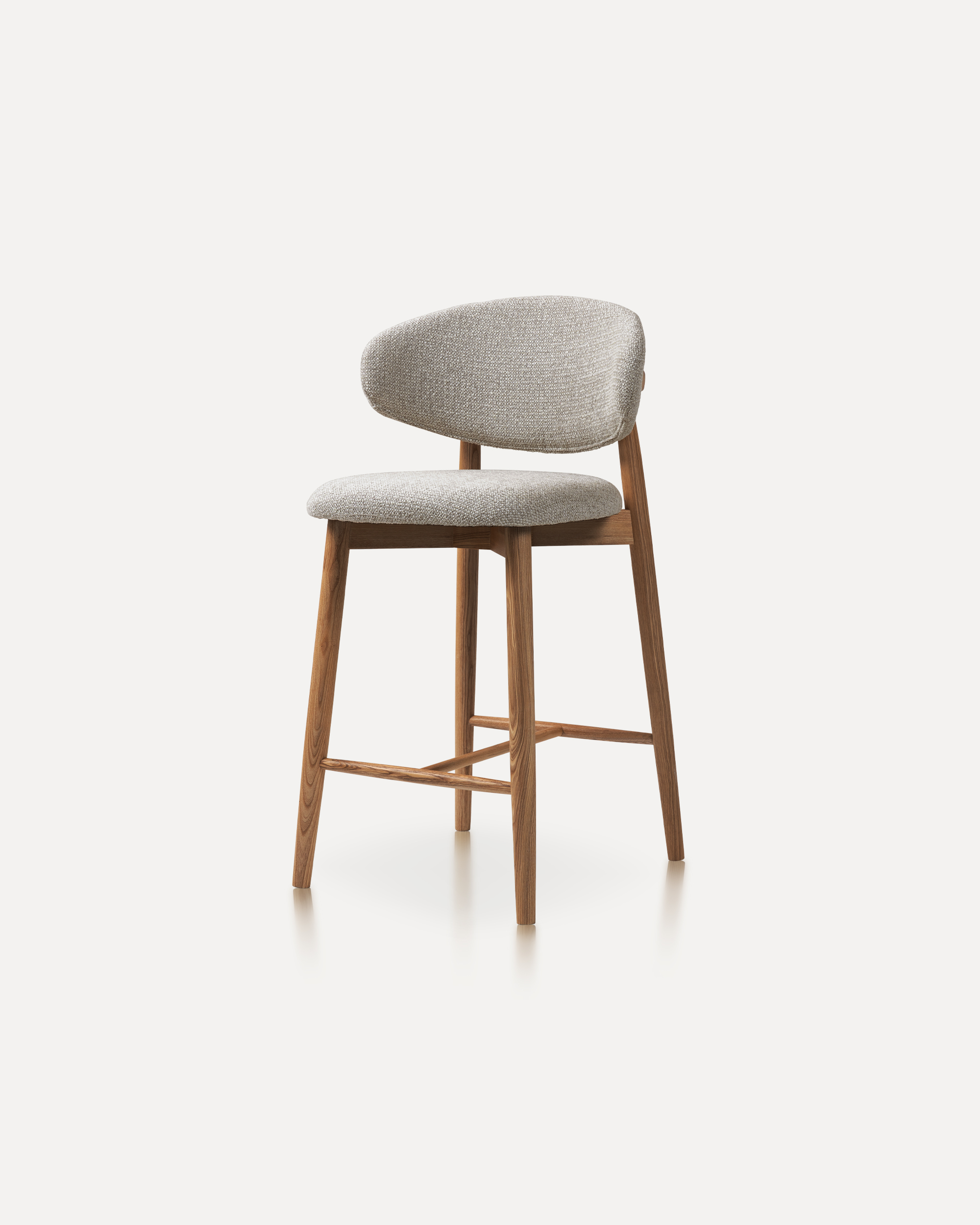
Our Wood Bar Stools are the perfect addition to any high-top table or bar setti...
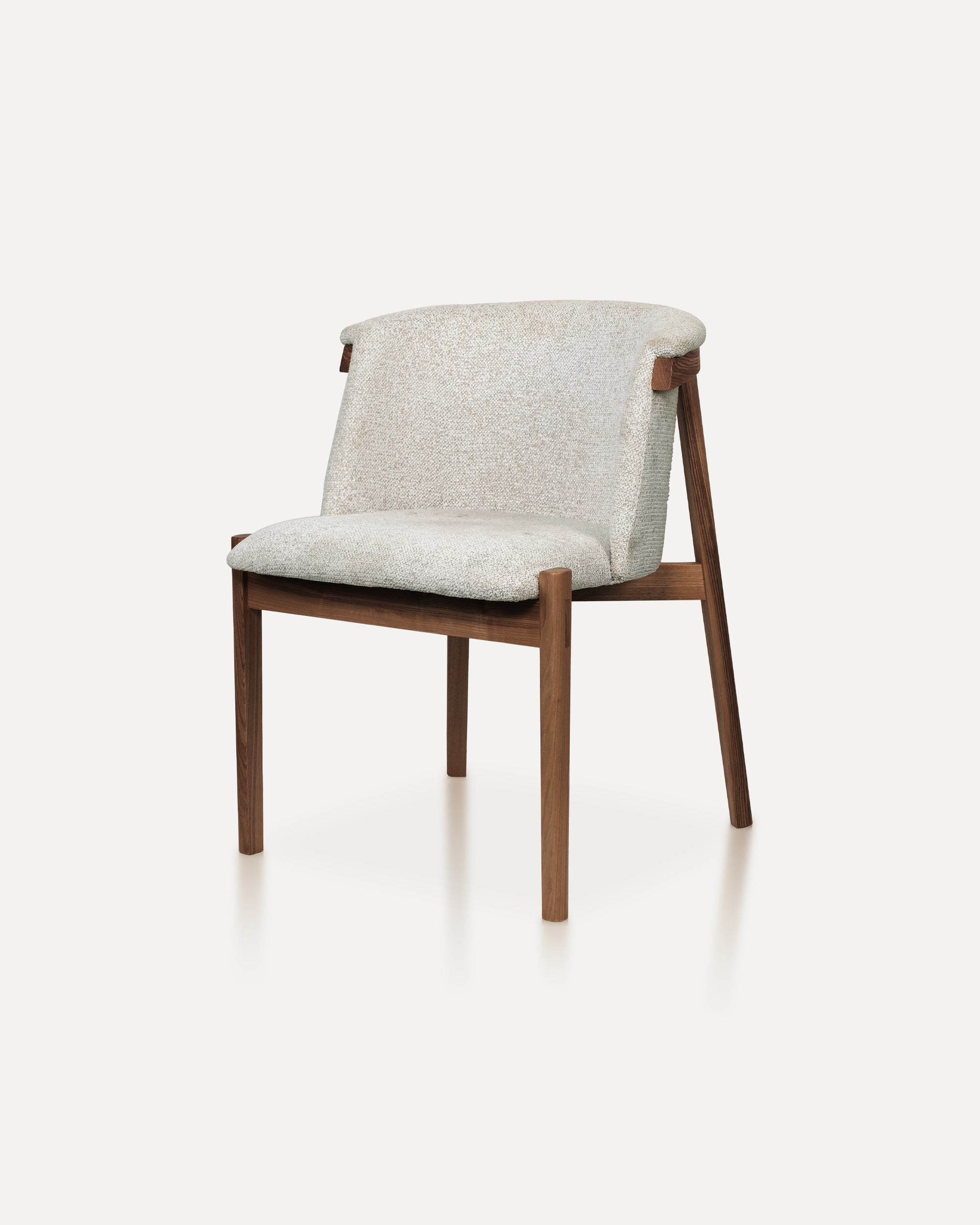
Bring natural elegance into your home with this finely crafted chair. The desig...
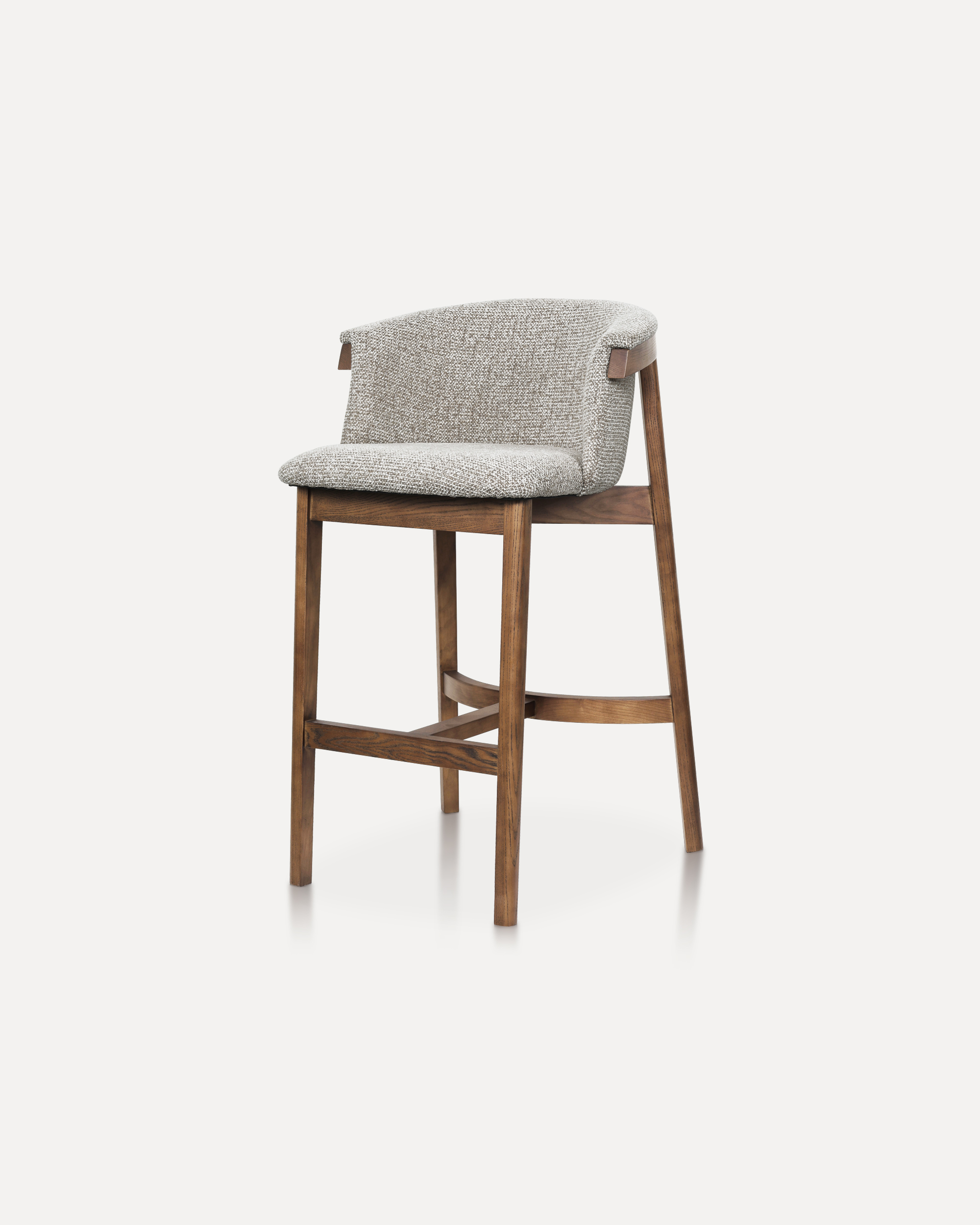
This sophisticated bar chair elevates any counter or high-top setting with its ...
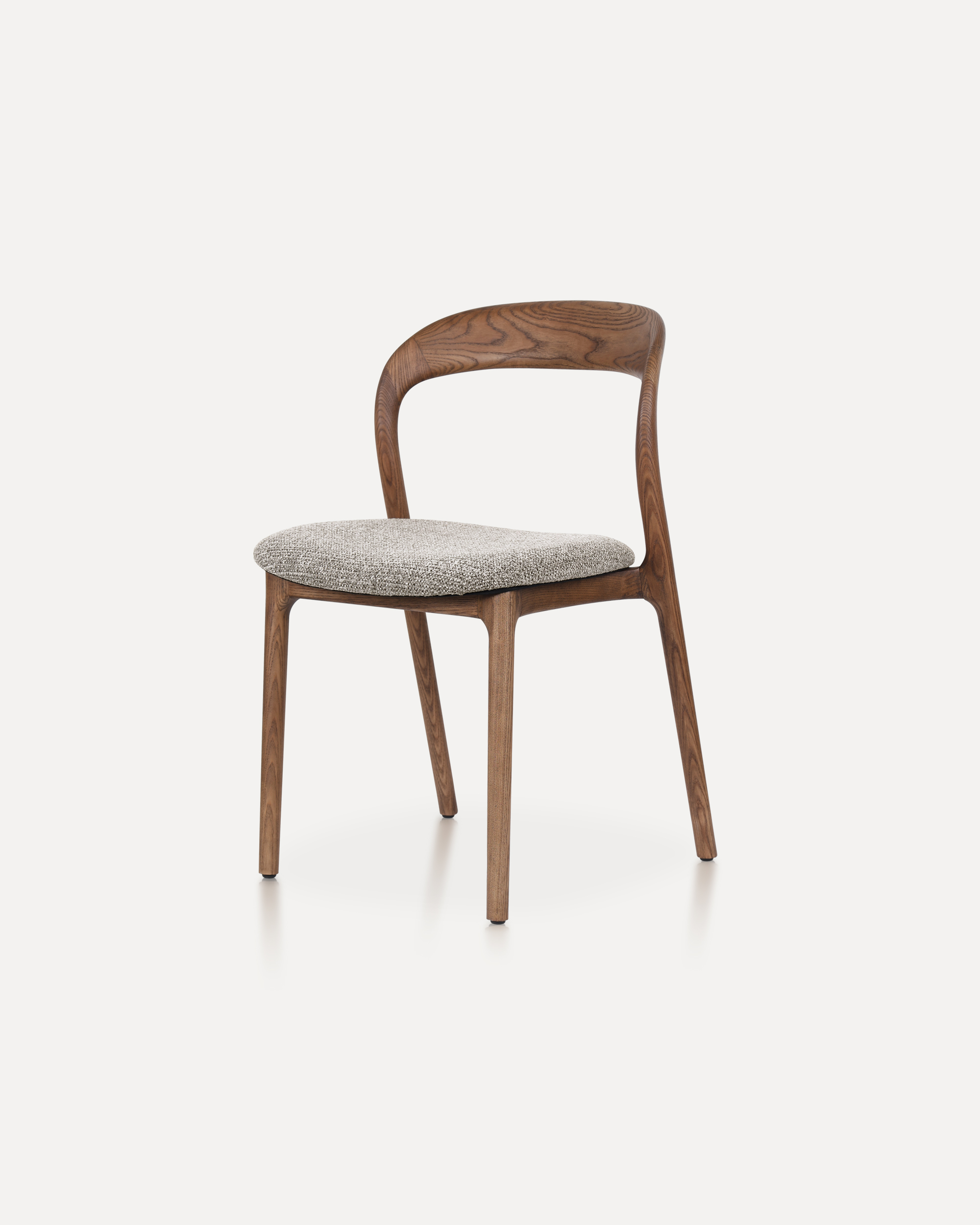
The Echo Chair is crafted from solid ashwood, featuring a unified back-and-arm ...
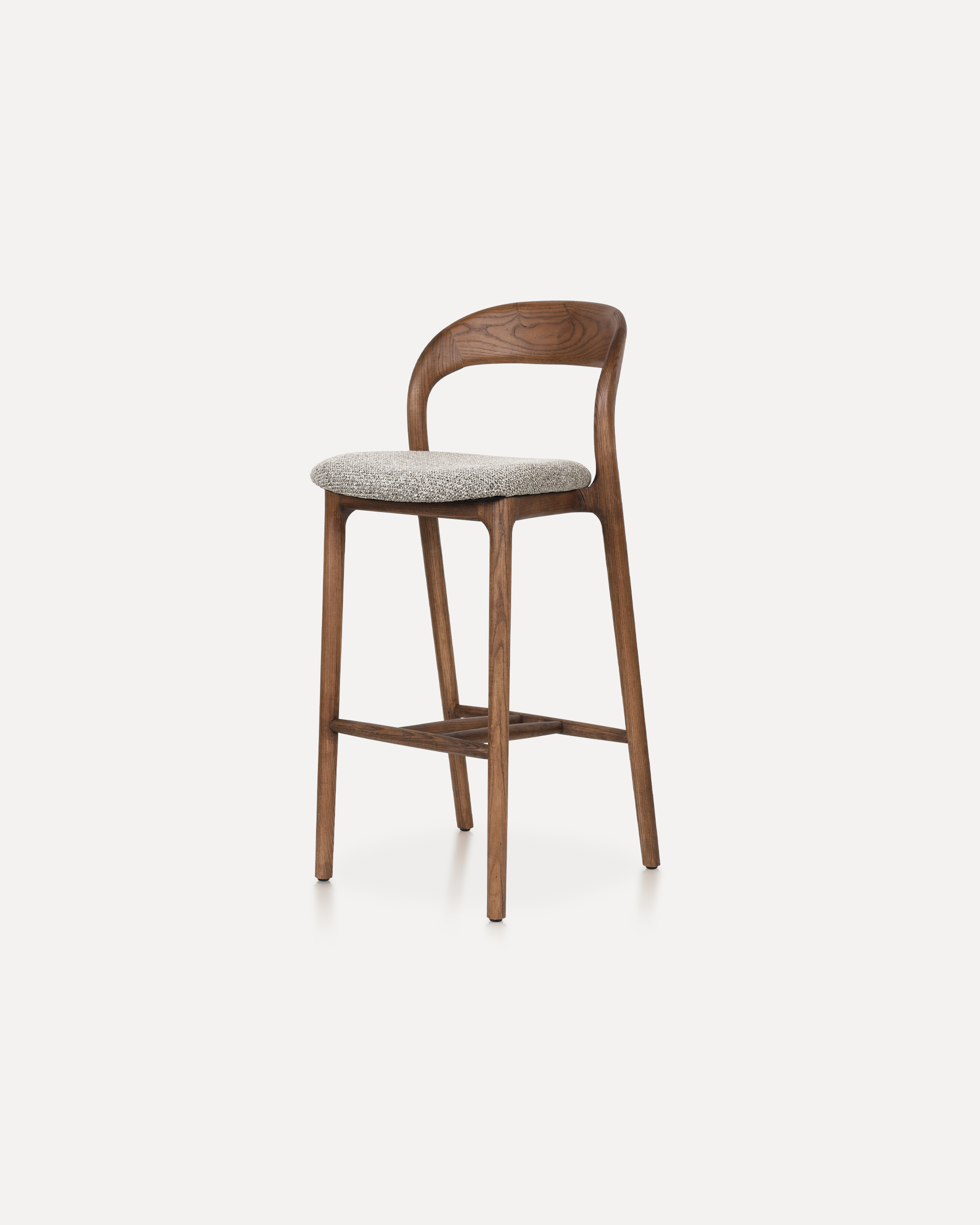
This Bar Chair is a counter-height seating solution crafted from solid ashwood ...
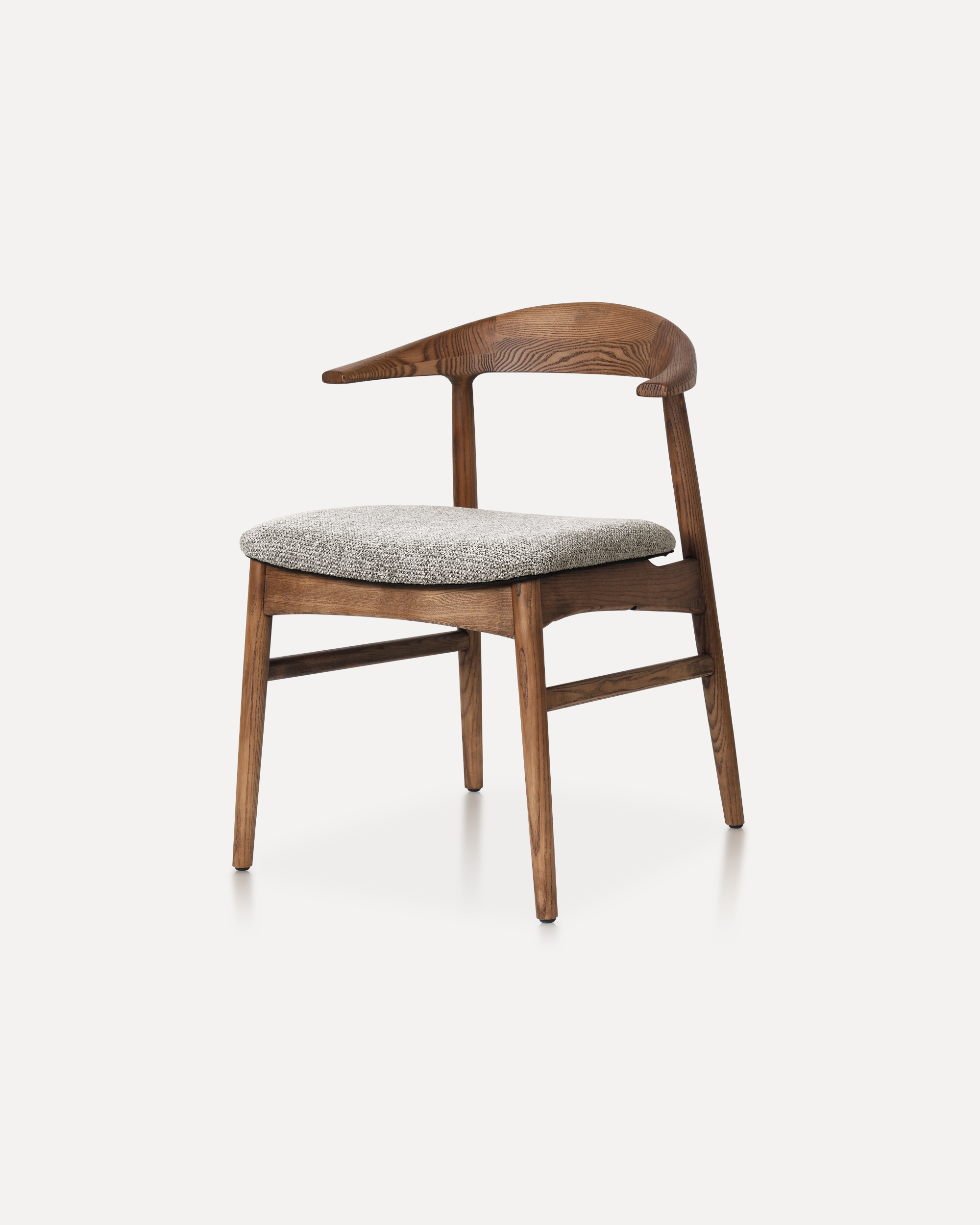
The Horizon Chair reinterprets mid-century warmth for today’s refined interiors...
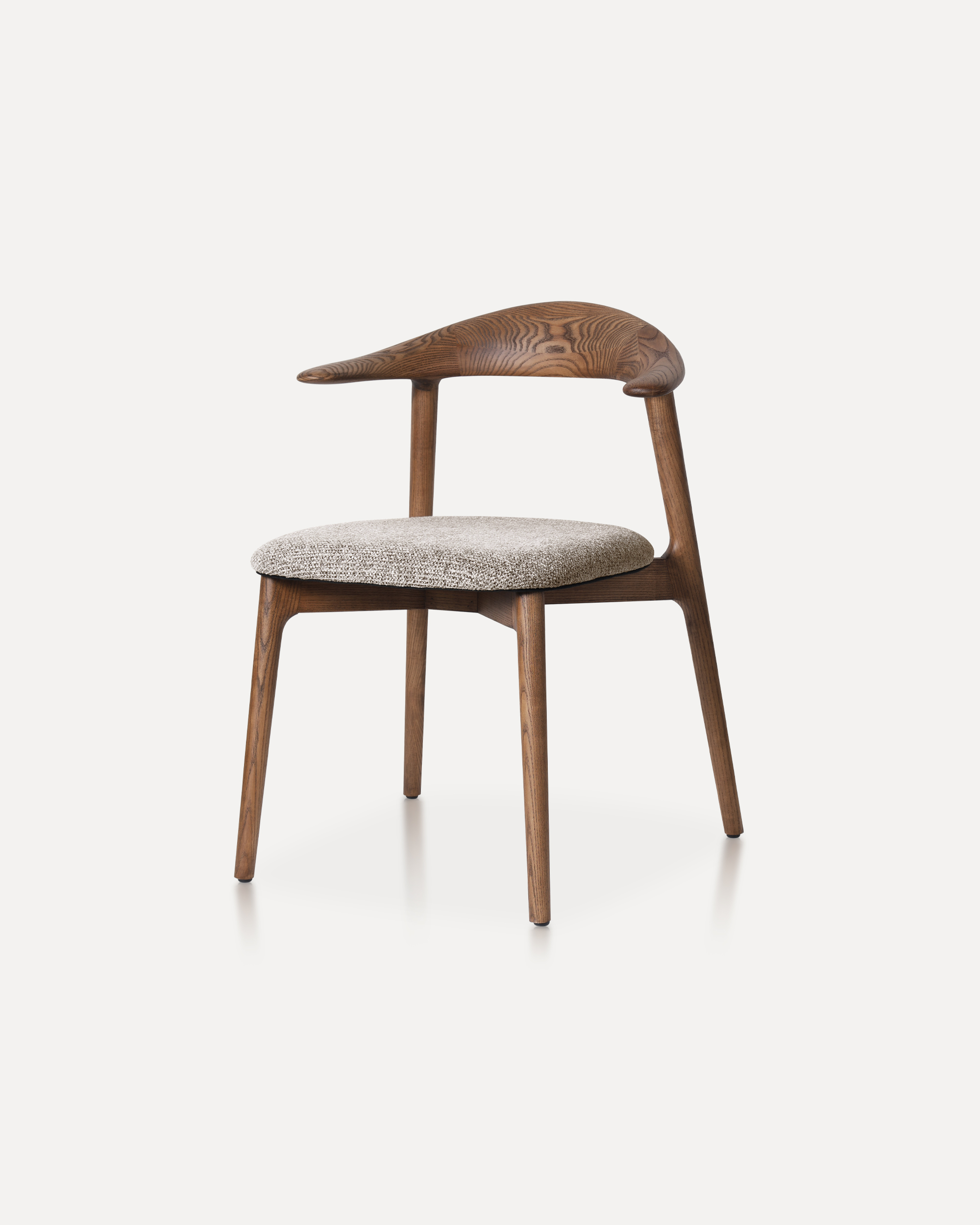
This classic features a striking, organic backrest carved from a single slab of...