
 English
  Français
 Español
Industry News
MENU

Content
A classic metal chair brings instant character to your space without demanding constant upkeep. Whether you are styling a cozy breakfast nook, a sun-drenched patio, or a modern home office, the clean lines and sturdy frame of a vintage metal chair adapt to almost any decor style. Unlike upholstered seating that traps spills or wooden chairs that warp in humidity, a well-made industrial metal dining chair handles daily wear with grace. The key is choosing a design that matches your lifestyle needs while delivering the timeless look you want.
Metal chairs built with steel or aluminum frames can last decades with minimal care. Look for welded joints instead of just bolted connections, as they resist wobbling even after years of use. Powder-coated finishes add an extra layer of protection against scratches and chipping, making retro steel chairs a smart investment for busy households. When you factor in how rarely you will need to replace a quality wrought iron seat compared to cheaper alternatives, the upfront cost quickly pays for itself.
One of the biggest perks of a metal bistro chair is how easily it mixes with other furniture styles. Pair a matte black indoor metal seating piece with a rustic wood table for farmhouse charm, or cluster brushed nickel chairs around a glass-top table for a sleek mid-century vibe. Because metal frames have a slim profile, they do not visually clutter small spaces, making them ideal for apartments or compact dining areas where every inch counts.
The finish on your classic metal chair does more than just look good; it determines how well the chair holds up to sun, rain, or daily fingerprints. Not all coatings are created equal, so match the finish type to where you plan to use the chair most. Use the table below to compare common options and pick the best fit for your home.
| Finish Type | Best For | Durability Rating | Maintenance Level |
| Powder-Coated | Indoor and covered outdoor use | High | Low, just wipe clean |
| Painted Steel | Indoor only, low-moisture areas | Moderate | Medium, touch up chips |
| Galvanized | Uncovered patios, poolside | Very High | Low, rinse occasionally |
| Raw/Wrought Iron | Indoor accent seating | Moderate (if sealed) | High, requires sealing |
Powder coating is applied as a dry electrostatic charge and then baked onto the metal, creating a hard, uniform shell that resists chipping far better than traditional liquid paint. This makes powder-coated metal chairs ideal for high-traffic areas like kitchen islands or cafe-style dining corners. Painted finishes, while often more affordable, can show wear faster around edges and may need occasional touch-ups to prevent rust from starting underneath.
If you plan to leave your outdoor metal chair exposed to rain or strong sun, prioritize galvanized or marine-grade aluminum frames. These materials resist corrosion even in humid coastal climates. Always check that hardware like screws and bolts are stainless steel too, because regular steel fasteners can rust and weaken the chair structure over time, even if the frame itself is protected.
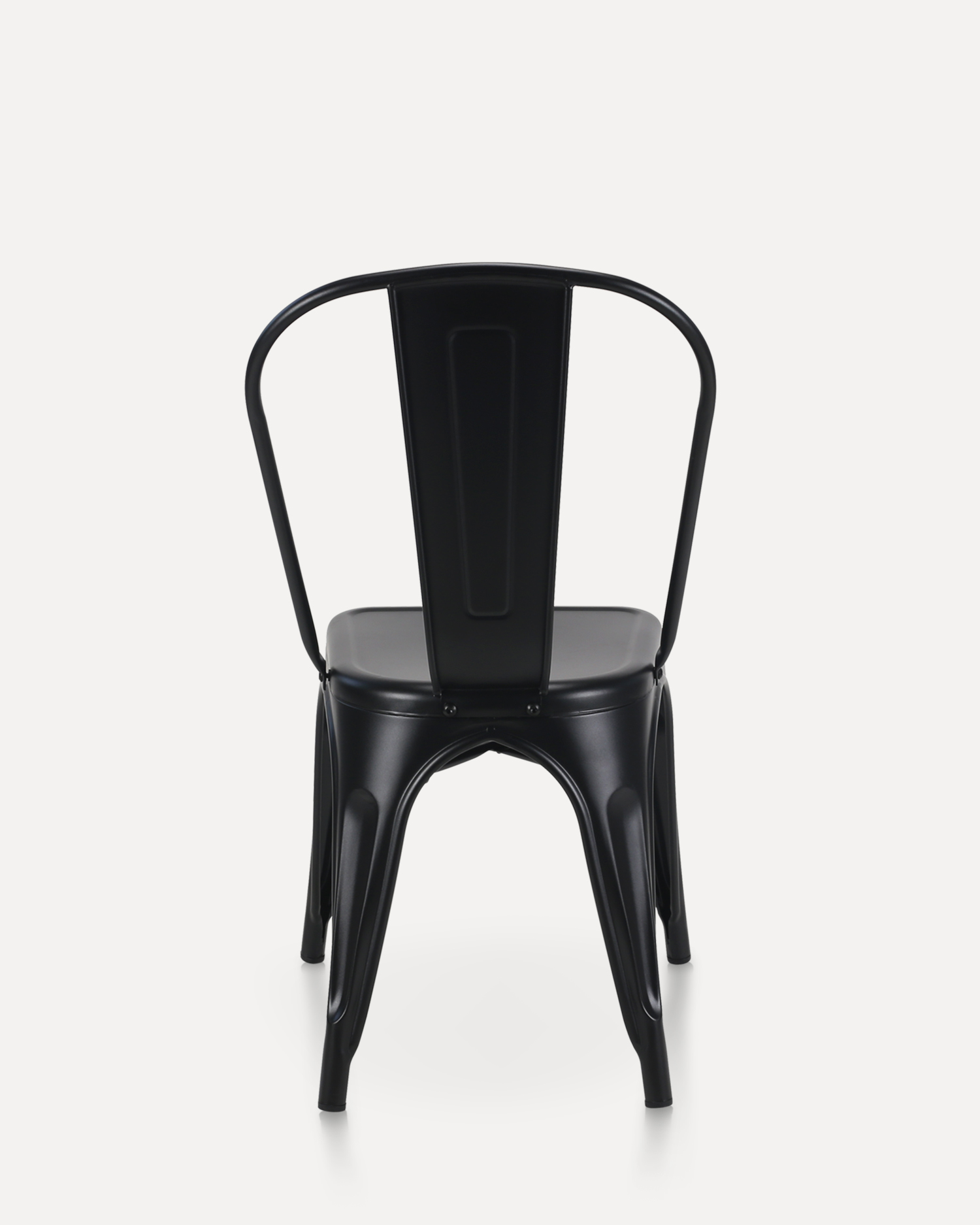
Let us be honest; metal can feel cold and hard if you sit on it for a long dinner party. The good news is that a few simple additions transform a basic retro steel chair into a comfortable spot you will actually want to linger in. Start with seat cushions designed for metal frames, then consider back support options if you plan to use the chair for work or extended meals.
Look for cushions with tie straps or non-slip backing so they stay put when you stand up. Foam densities between 1.8 and 2.5 pounds per cubic foot offer the best balance of softness and support for daily use. For outdoor classic metal chair setups, choose quick-dry foam and solution-dyed acrylic covers that resist fading and mildew. You can even swap cushion covers seasonally to refresh your decor without buying new chairs.
Not all metal chair backs are created equal. A slightly curved backrest that follows the natural shape of your spine reduces fatigue during long sits. If your current wrought iron seat has a flat, vertical back, add a lumbar roll pillow or choose replacement cushions with built-in lower back support. For home office use, prioritize chairs with a back height that reaches at least mid-shoulder to encourage good posture.
Taking care of a classic metal chair is refreshingly simple compared to fabric or wood furniture. A quick wipe-down after spills and an occasional check of the hardware is usually all it takes to keep your industrial metal dining chair in great shape. Follow these practical steps to prevent rust, maintain the finish, and extend the life of your seating.
Use a soft cloth dampened with mild soapy water to clean powder-coated or painted surfaces; avoid abrasive scrubbers that can scratch the finish. For outdoor metal chair frames, rinse off pollen, bird droppings, or salt spray every few weeks to prevent buildup. If you spot a small rust patch, lightly sand the area with fine-grit paper, apply a rust-inhibiting primer, and touch up with matching paint to stop corrosion from spreading.
Over time, vibrations from regular use can loosen bolts and screws in your vintage metal chair. Every three to six months, check all connection points and tighten them with the appropriate tool, usually an Allen key or small wrench. If a joint feels wobbly even after tightening, apply a drop of thread-locking adhesive to the screw before reinserting it. This simple habit prevents small issues from turning into major repairs down the road.
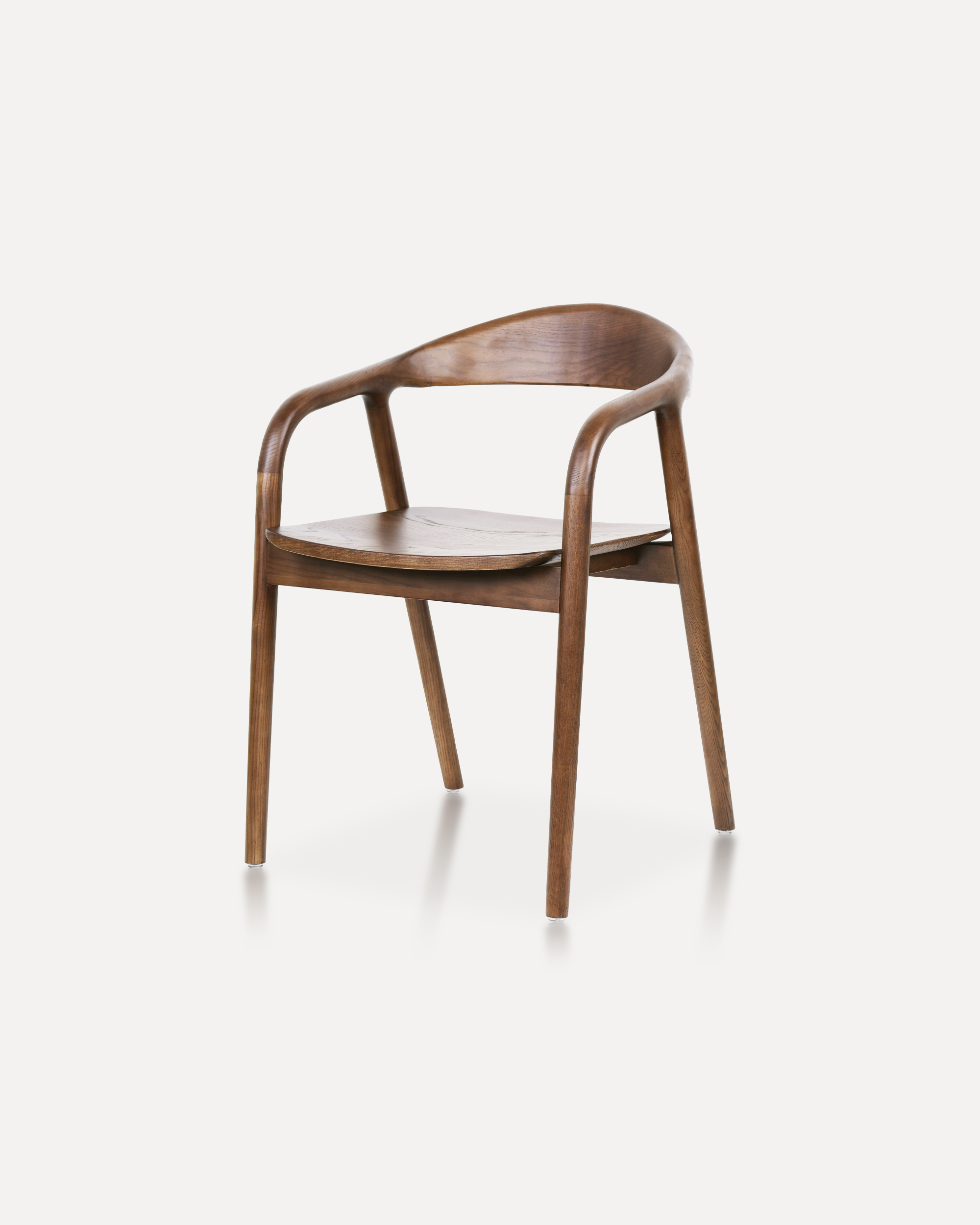
Crafted entirely from solid ash wood, this chair embodies a refined balance of ...
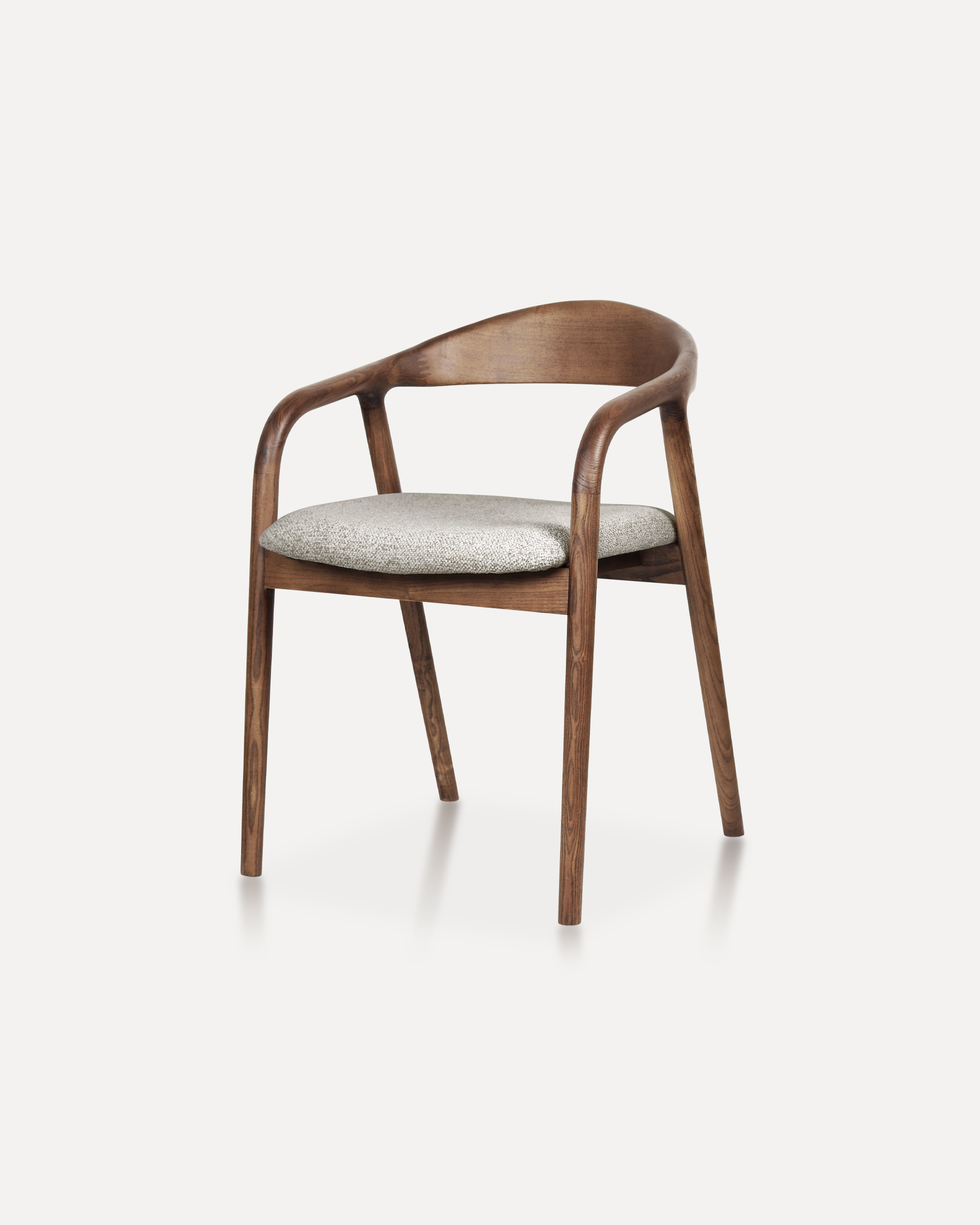
Showcases a refined silhouette with smooth, curved armrests and a gently rounde...
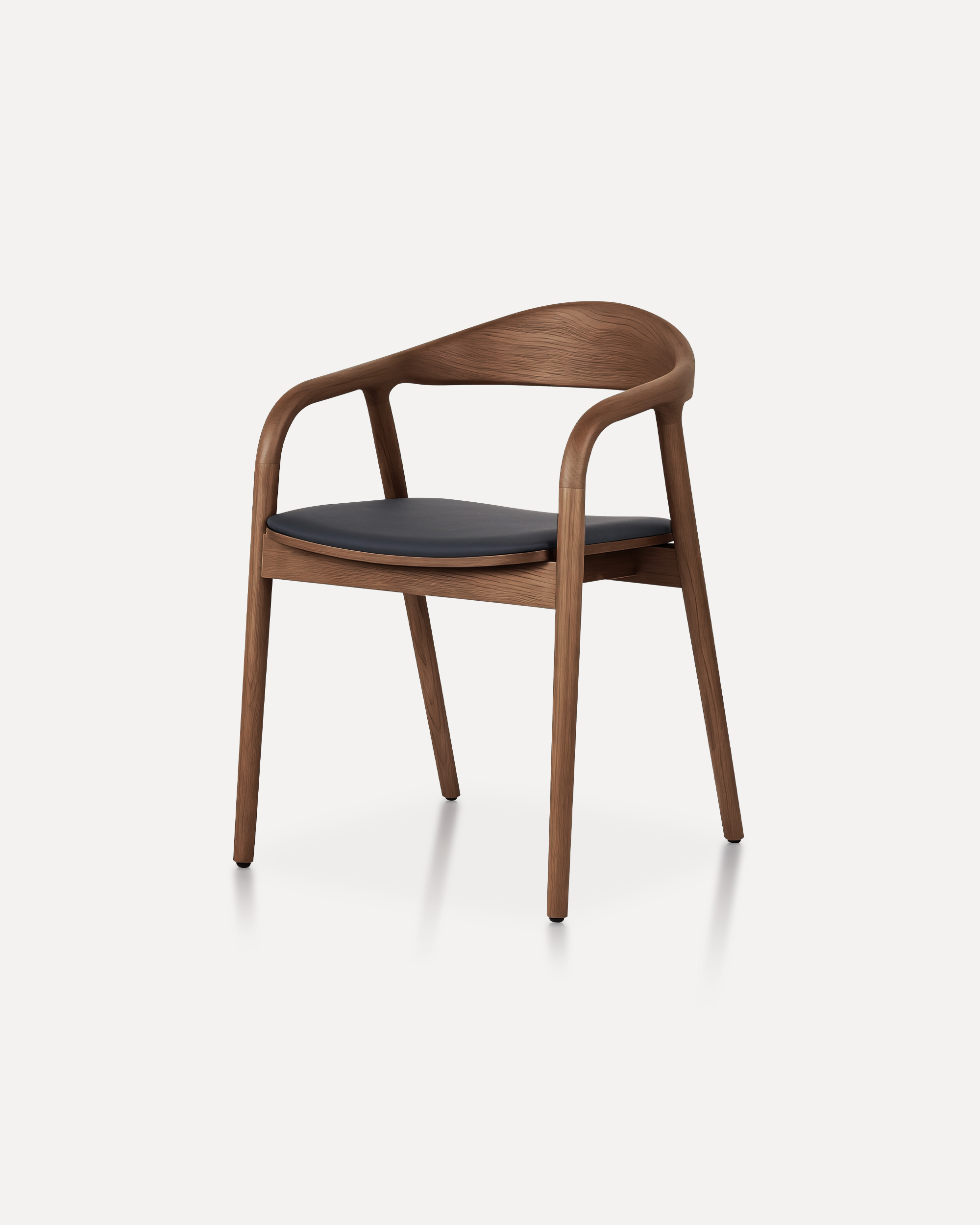
A masterclass in refined joinery and organic geometry, the Arc Chair features a...
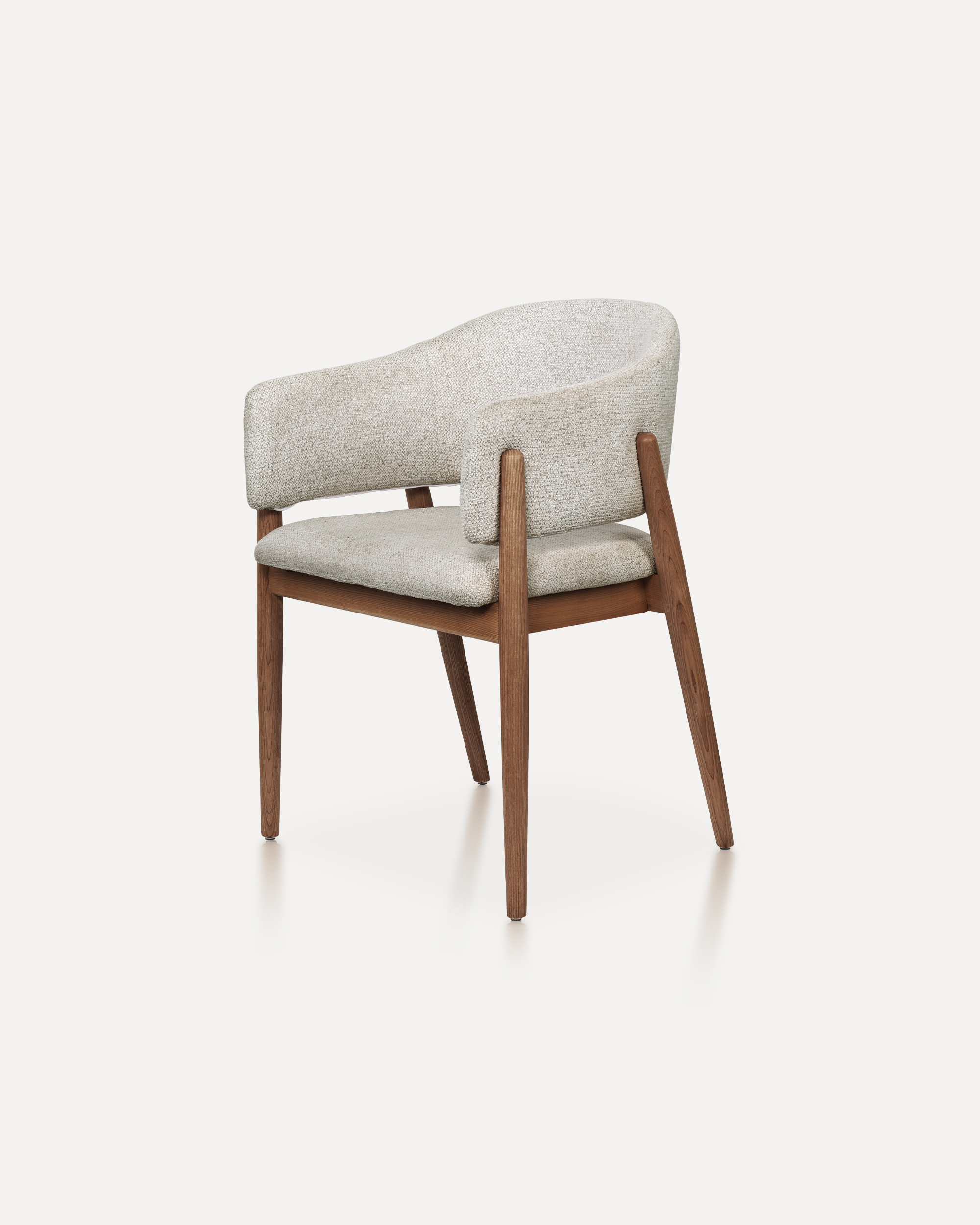
With its refined proportions and welcoming form, this chair brings quiet sophis...
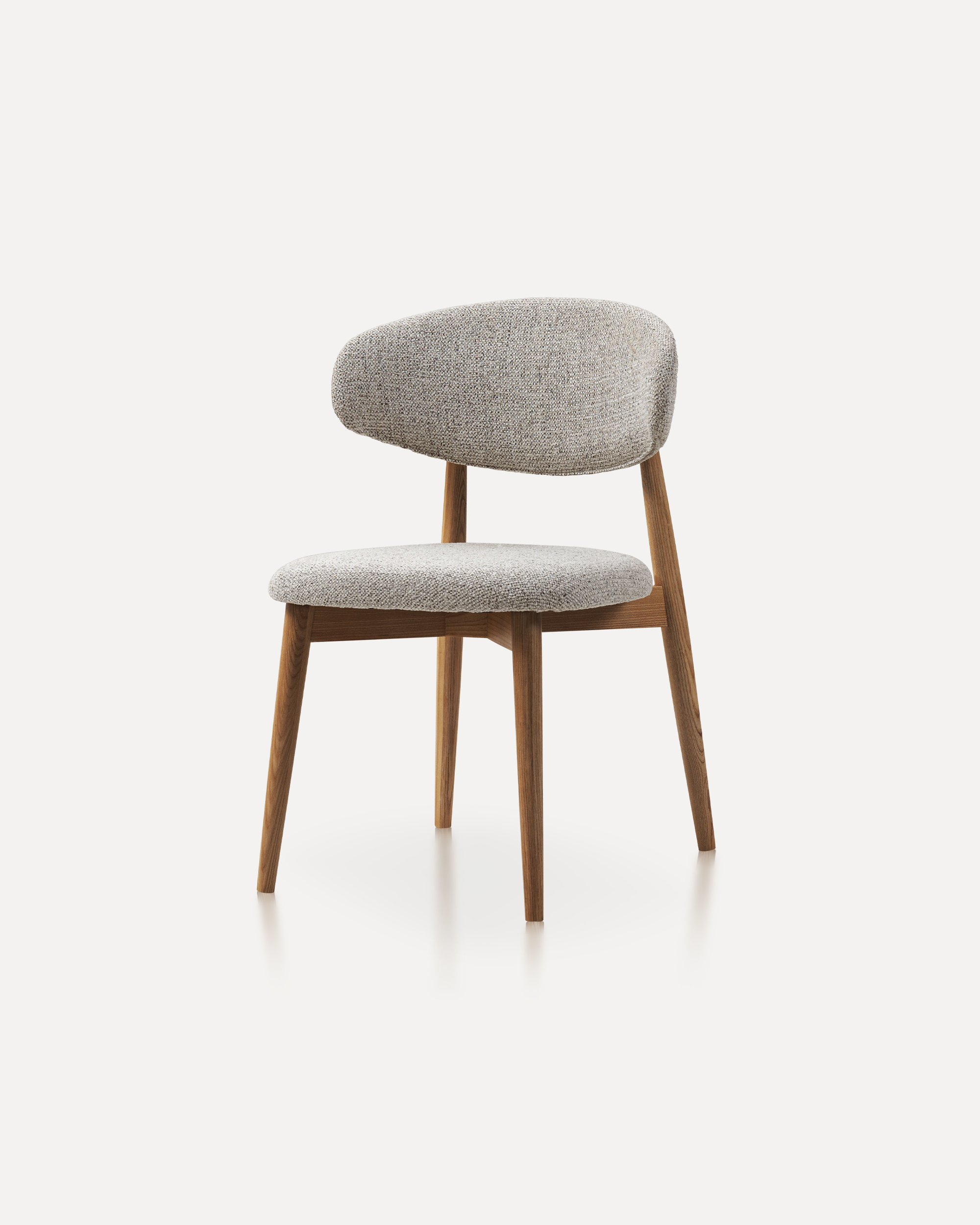
This wooden chair is a classic furniture piece that exudes warmth, durability, ...
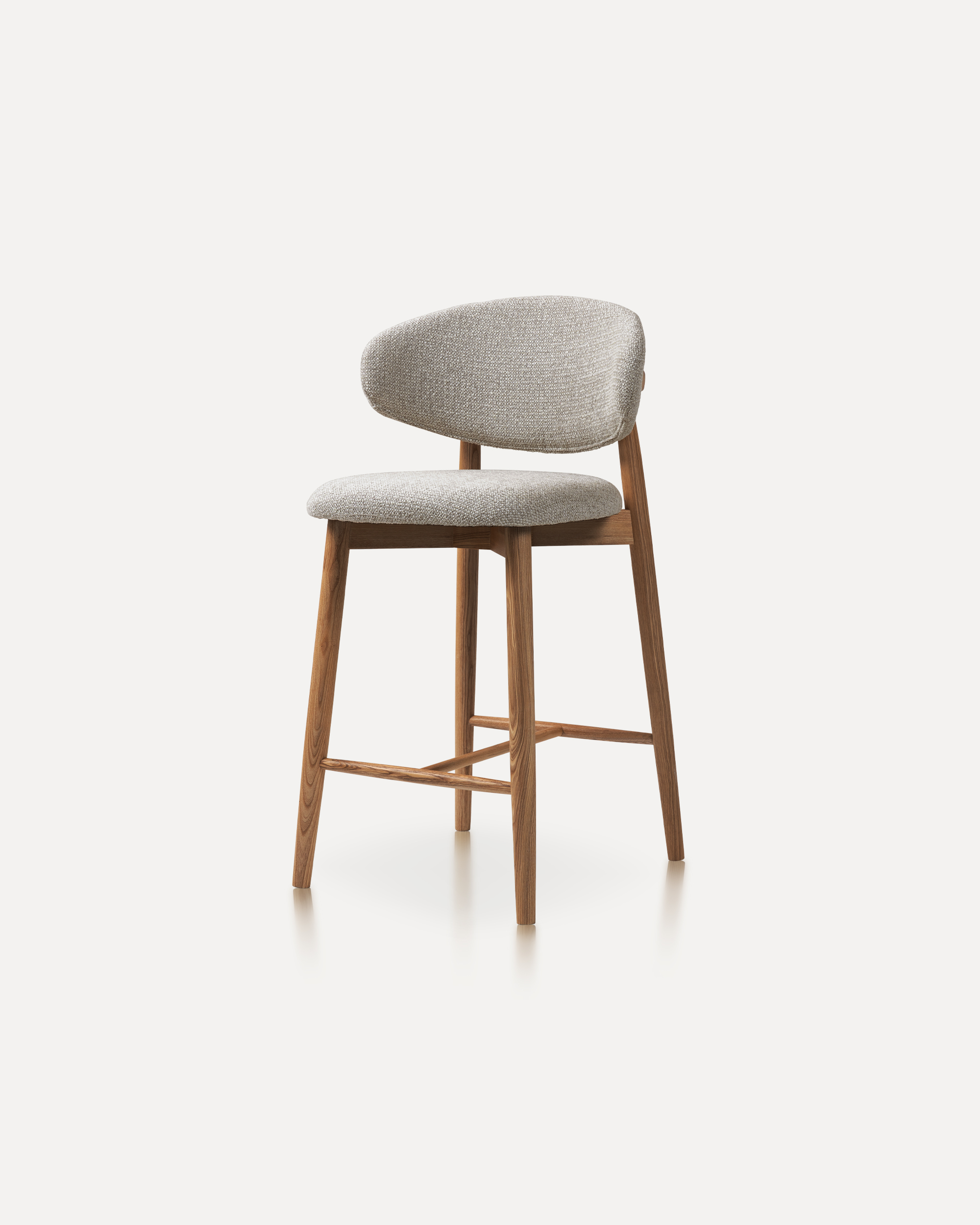
Our Wood Bar Stools are the perfect addition to any high-top table or bar setti...
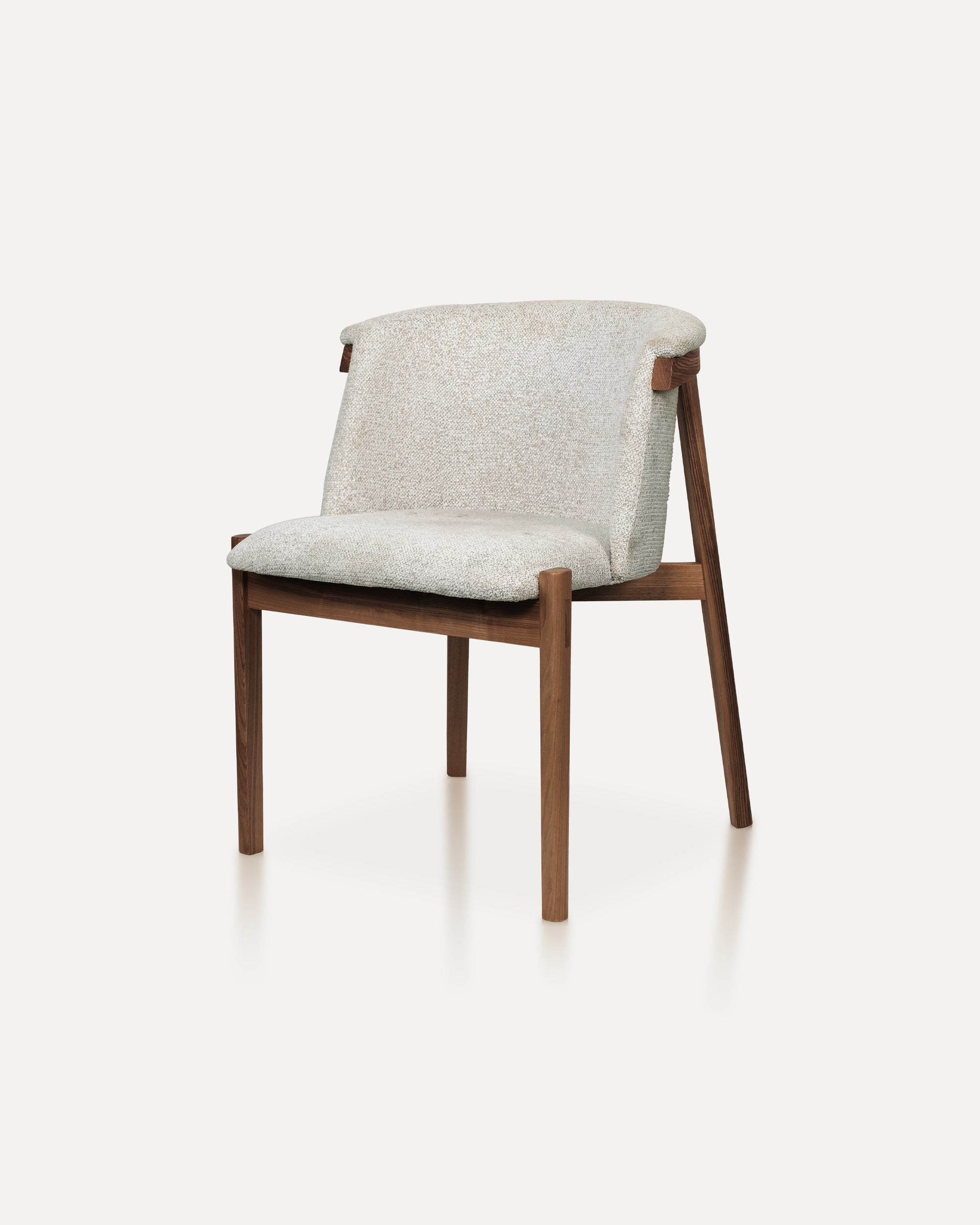
Bring natural elegance into your home with this finely crafted chair. The desig...
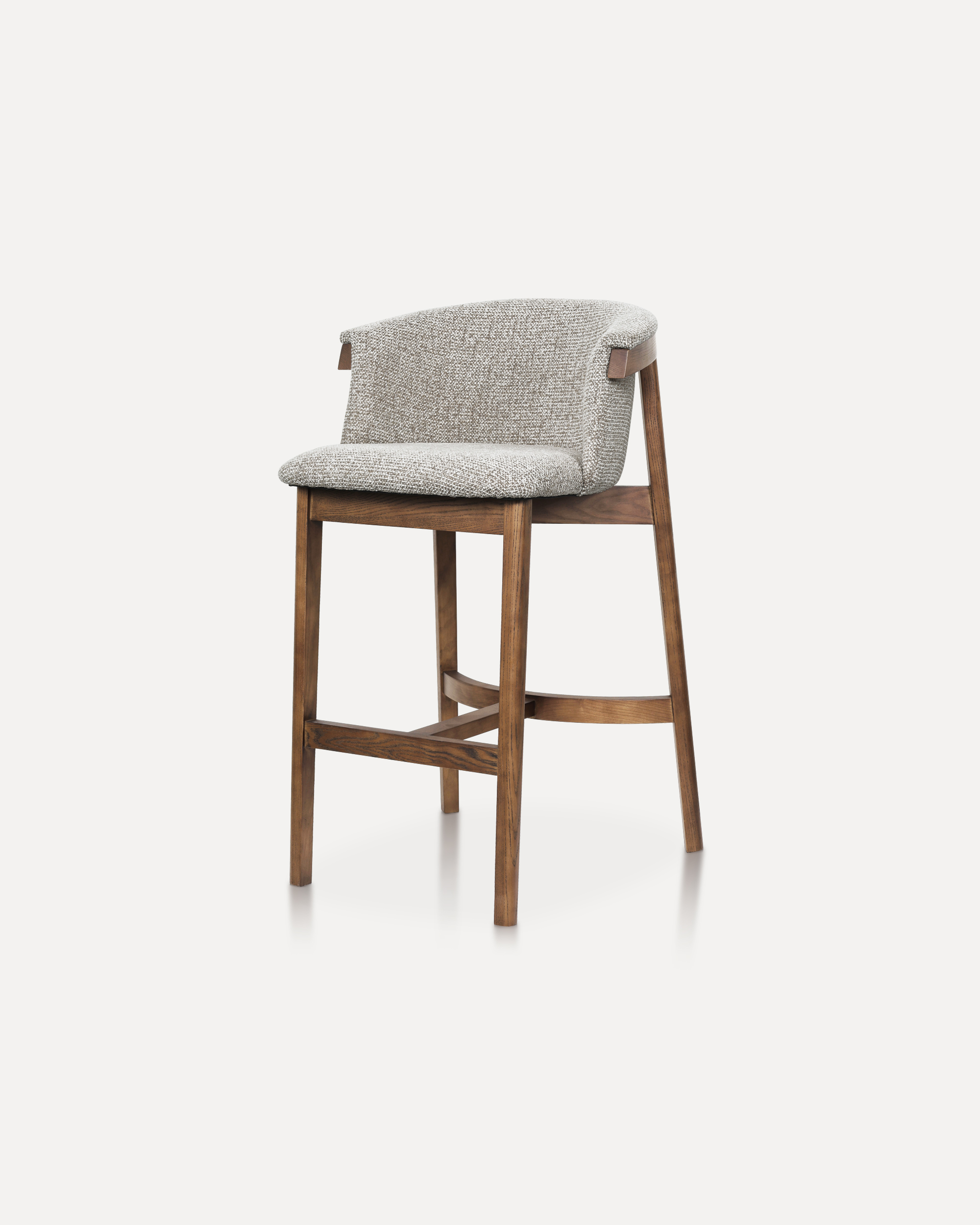
This sophisticated bar chair elevates any counter or high-top setting with its ...
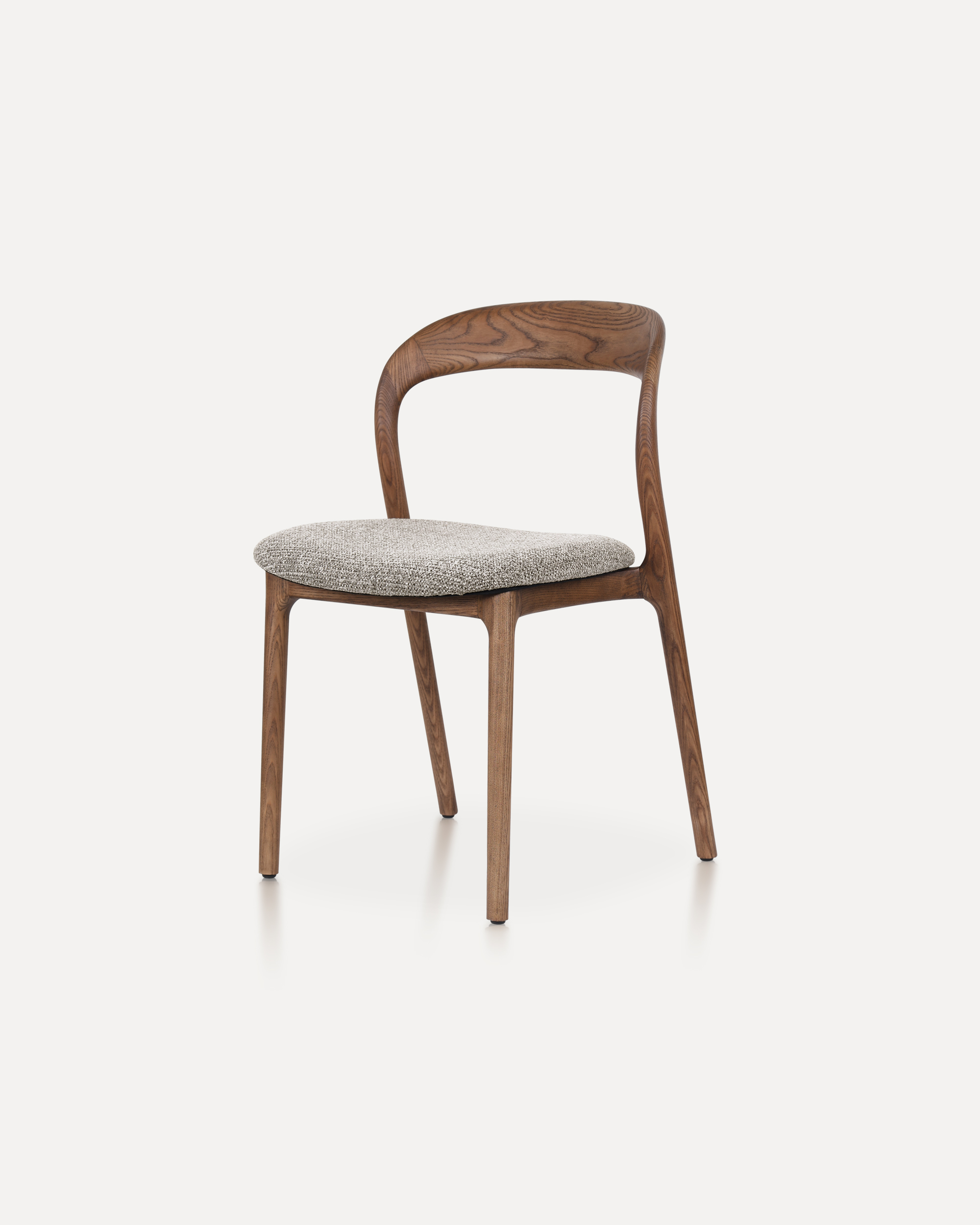
The Echo Chair is crafted from solid ashwood, featuring a unified back-and-arm ...
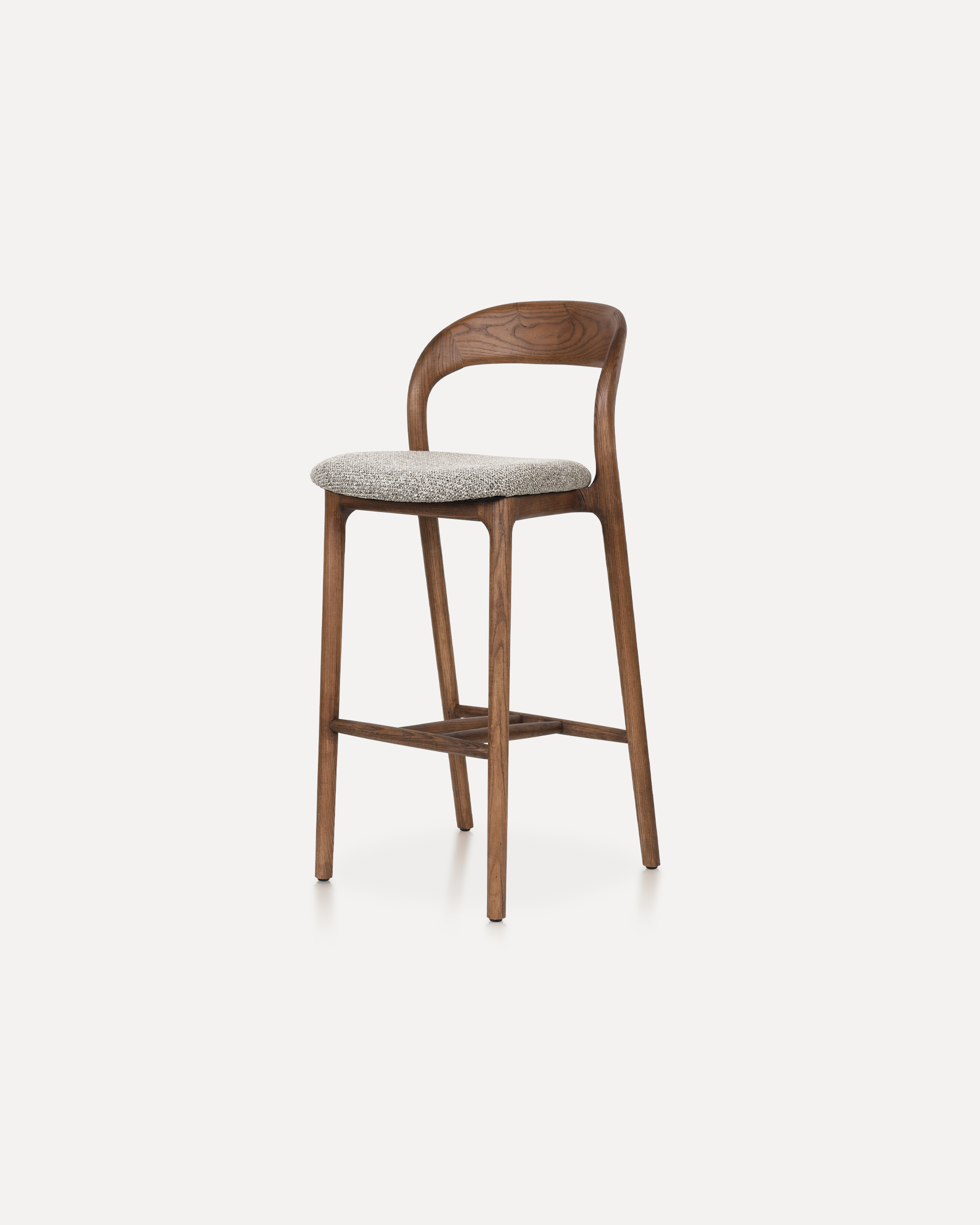
This Bar Chair is a counter-height seating solution crafted from solid ashwood ...
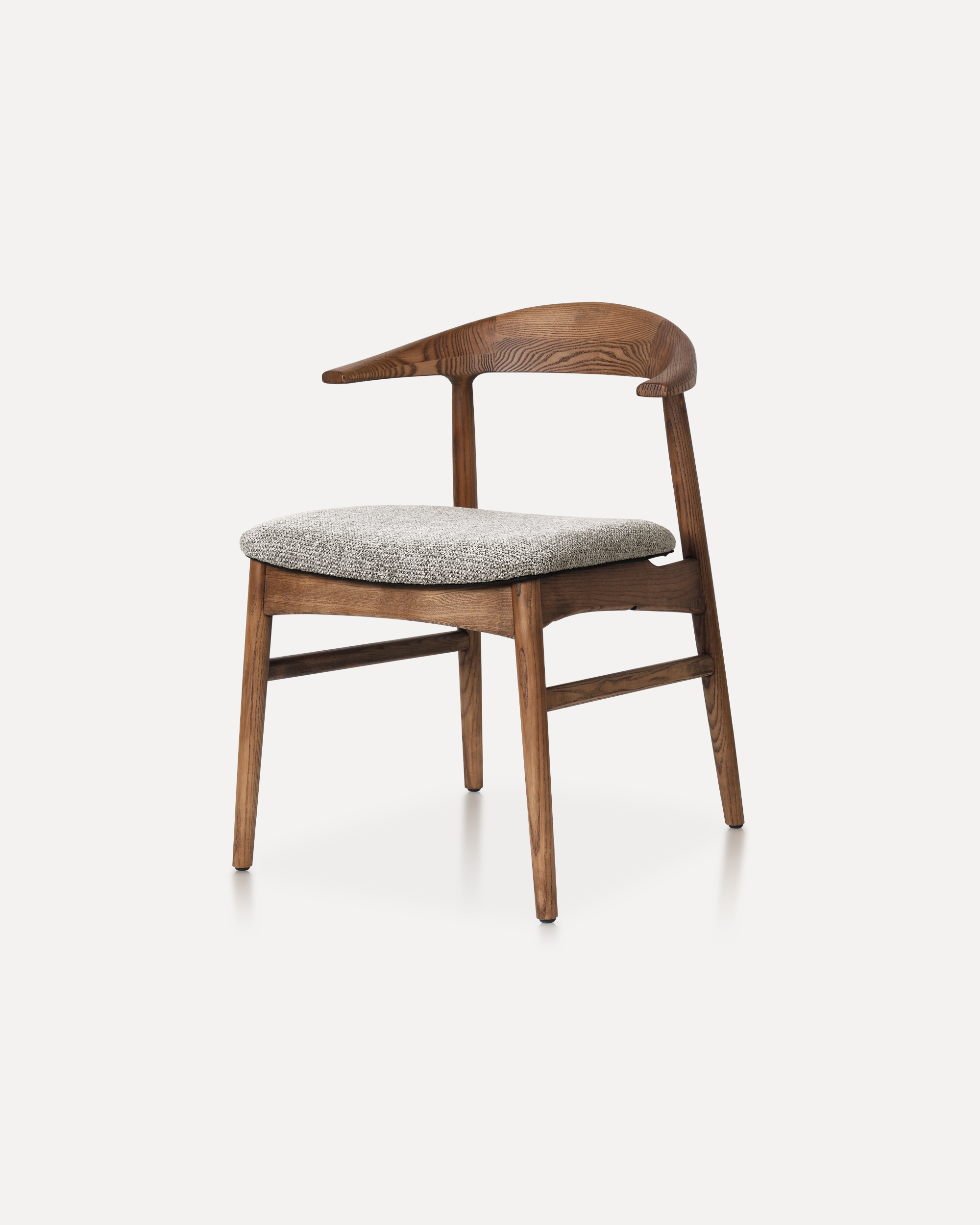
The Horizon Chair reinterprets mid-century warmth for today’s refined interiors...
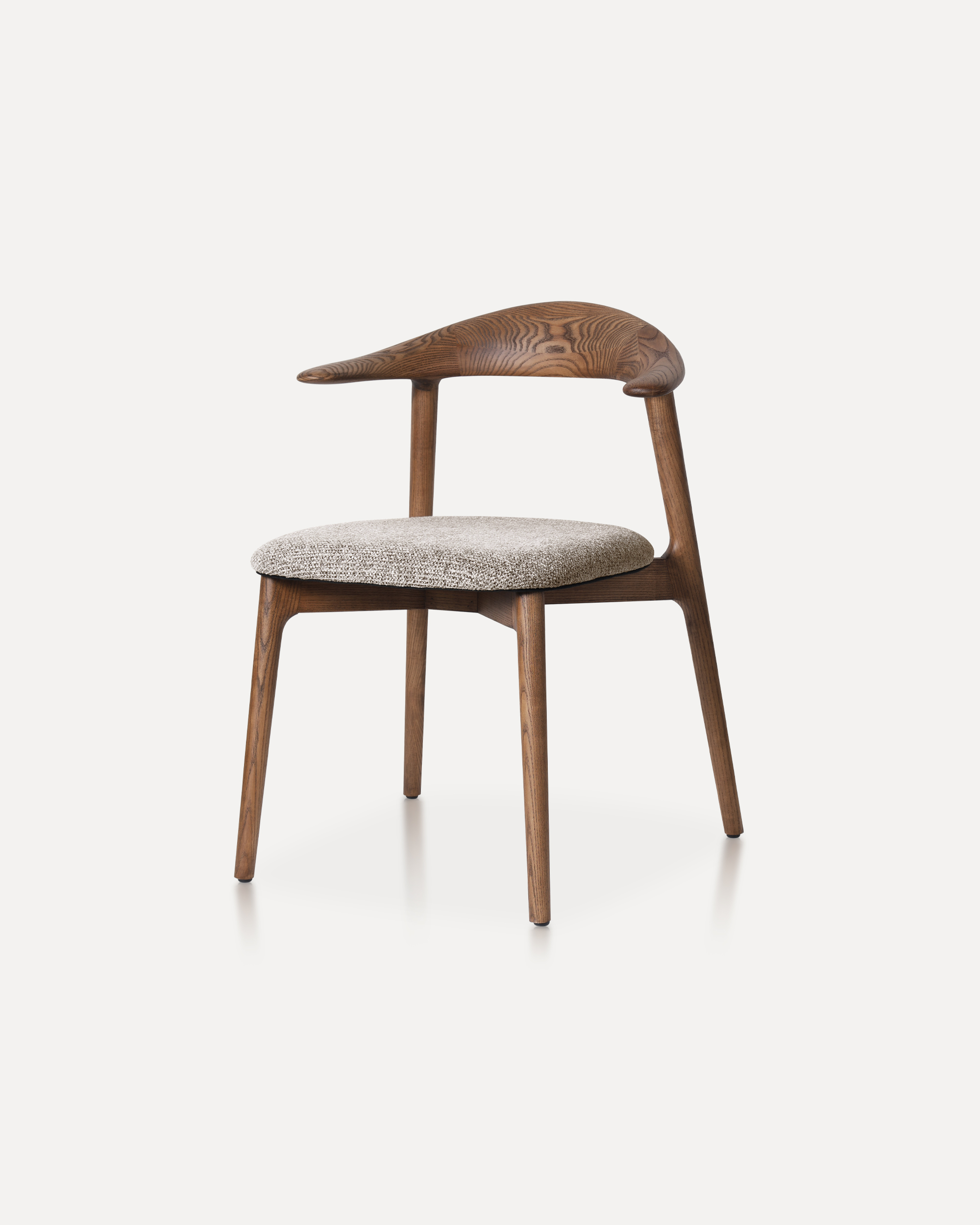
This classic features a striking, organic backrest carved from a single slab of...