
 English
  Français
 Español
Industry News
MENU

Content
Wood bar stools have maintained their position as one of the most consistently popular seating choices for kitchen islands, home bars, and commercial hospitality settings for practical and aesthetic reasons that metal and plastic alternatives have not been able to replicate fully. The warmth and visual character of real wood brings a naturalness to a space that powder-coated metal and injection-moulded plastic simply cannot match — each piece of solid wood has unique grain patterns, colour variation, and texture that makes the finished stool a genuinely individual object rather than an identical unit from a production run.
Beyond aesthetics, well-made solid wood bar stools are among the most durable pieces of furniture available at any price point. A hardwood bar stool constructed with mortise-and-tenon joints and properly finished will outlast multiple generations of cheaper alternatives, and can be refinished, repaired, or reupholstered rather than discarded when it shows wear. This longevity makes solid wood stools a genuinely cost-effective choice over a five to ten year horizon even when the initial purchase price is higher than comparable metal or plastic designs. The weight of solid wood also contributes to stability — a substantial wooden bar stool does not tip as easily as a lightweight metal frame stool, and does not slide on smooth flooring with the same ease, both practical advantages in high-traffic kitchen and bar settings.
The single most important measurement when buying wooden bar stools is the seat height relative to the counter or bar surface they will be used with. Getting this wrong results in stools that are either too low for comfortable seating — forcing users to crane upward — or too high, with legs dangling uncomfortably. The standard guidance is to leave 25 to 30cm (10 to 12 inches) between the seat top and the underside of the counter surface, which provides adequate knee clearance and a comfortable seated posture for most adults.
| Counter/bar height | Recommended seat height | Stool category | Typical setting |
| 85 – 95cm (34 – 37 inches) | 60 – 65cm (24 – 26 inches) | Counter stool | Kitchen island, breakfast bar |
| 100 – 110cm (39 – 43 inches) | 70 – 75cm (28 – 30 inches) | Bar stool | Home bar, pub counter, restaurant |
| 115 – 120cm (45 – 47 inches) | 80 – 85cm (32 – 34 inches) | Extra-tall bar stool | Standing bars, raised counters |
Adjustable-height wood bar stools — typically featuring a gas-lift mechanism beneath a wooden seat — offer flexibility for households where the stools may be used at different counter heights or by people of significantly different heights. However, pure solid wood construction is not compatible with gas lift mechanisms, so adjustable wooden stools necessarily use a metal or mechanism component within the base. For households where a specific fixed counter height is known, a fixed-height solid wood stool is the simpler, more durable, and usually more attractive option. Always measure your counter height from floor to underside of the overhang before purchasing, not from the floor to the top surface — the overhang underside is the dimension that determines knee clearance.
The species of wood used in a bar stool affects its durability, weight, grain appearance, and how well it accepts staining and finishing. Hardwoods are the appropriate choice for bar stools that will see regular use — they resist denting, wear, and joint loosening far better than softwoods under the dynamic loads of daily seating.
Oak is the most widely used hardwood for bar stools in both European and North American markets, and for good reason — it offers an excellent combination of hardness (Janka rating approximately 1,290 for red oak, 1,360 for white oak), attractive open grain, good stain acceptance, and wide availability at accessible price points. Oak bar stools age gracefully, developing a warm patina over time that enhances rather than detracts from their appearance. White oak is slightly harder and more moisture resistant than red oak, making it marginally preferable for kitchen settings where spills are a regular occurrence, but both are durable choices for bar stool use.
Ash is a tough, flexible hardwood with a pronounced straight grain that gives finished pieces a clean, contemporary appearance well-suited to Scandinavian and modern minimalist design aesthetics. With a Janka hardness of approximately 1,320, ash is comparable to oak in durability and is commonly used in both solid wood and bentwood applications — the ability of ash to be steam-bent into curves without splitting makes it a popular choice for curved seat backs and legs in traditional Windsor-style and bentwood bar stools. Ash has excellent shock resistance, which is relevant for bar stools that experience repeated dynamic loading from users sitting down with force.
Beech is the dominant wood in European commercial and contract furniture production — the majority of bar stools and café chairs produced for the hospitality industry use beech as the primary timber. It is hard (Janka approximately 1,300), machines cleanly, accepts paint and clear finishes well, and is available in consistent, knot-free grades suitable for furniture production. Beech has a fine, uniform grain with small flecks that gives it a clean, unobtrusive appearance — it does not have the pronounced grain character of oak or ash, which makes it an ideal canvas for painted or stained finishes where a consistent background is desired. Steamed beech — beech that has been heat-treated to even out its natural colour variation — is the standard specification for professional furniture production.
American black walnut is among the most visually striking woods used in furniture, with a rich chocolate-brown heartwood, fine grain, and natural lustre that requires minimal finishing to look exceptional. Walnut bar stools occupy the premium end of the wooden bar stool market — the timber is significantly more expensive than oak or beech — but the resulting pieces have an unmistakable visual presence that justifies the premium in settings where furniture quality is a priority. Walnut is moderately hard (Janka approximately 1,010) — softer than oak and beech — which means walnut bar stools may show surface dents more readily than oak equivalents under heavy commercial use, though for residential applications this is rarely a practical concern.
Rubberwood (from Hevea brasiliensis plantation trees) is widely used in budget and mid-range wooden bar stools from Asian manufacturers because it is inexpensive, available in large consistent quantities, and has acceptable hardness (Janka approximately 960) and machinability. It accepts stain well, and factory-finished rubberwood stools in medium-brown or dark stain can be visually indistinguishable from more expensive hardwood alternatives at a casual glance. The limitation of rubberwood is its lower resistance to moisture and humidity compared to oak, beech, or ash — in very humid environments or where frequent spills are a consideration, rubberwood stools require more careful maintenance to prevent joint swelling and delamination of any veneered elements.
The construction method of a wooden bar stool determines its long-term durability far more than the species of wood used or the quality of the finish. A well-designed joint in a lower-grade wood will outlast a poorly constructed joint in premium walnut. Understanding the key construction quality indicators helps buyers distinguish genuinely durable products from those that look similar but will loosen and fail within a few years of use.
The mortise-and-tenon joint — where a projecting tenon on one member fits into a corresponding mortised recess in another — is the gold standard for wooden furniture joinery because it provides maximum glue surface area and mechanical interlocking that resists the racking forces that bar stool legs experience constantly. Dowel joints are simpler to produce and adequate for many applications but rely entirely on the glue bond and the fit of the cylindrical dowel — a tight, well-glued dowel joint in a quality piece of furniture is acceptable, but the same joint in a cheaper stool with loose tolerances and insufficient glue will loosen within months of use. Screw-and-block joinery — visible on the underside of some budget stools — is the weakest option for dynamic furniture like bar stools and should be avoided for any stool that will see frequent use.
Stretcher rails — the horizontal bars that connect legs near the base — serve a critical structural function on bar stools, particularly on tall stools where the long legs create significant leverage that stresses the seat-to-leg joint with every use. A bar stool with well-positioned stretchers on all four sides (or three sides for stools with a rear foot rail where a footrest doubles as the back stretcher) is structurally far more resistant to racking and joint failure than a stool without stretchers. The presence of a footrest at the appropriate height — typically 20 to 25cm from the floor — also doubles as the primary lower stretcher on most bar stool designs, simultaneously providing comfort for the user and structural rigidity to the leg assembly.
Higher-quality wooden bar stools use solid wood throughout all structural components — legs, stretchers, seat rails, and seat. Budget stools increasingly substitute MDF, particle board, or thin veneer over MDF for the seat and sometimes non-structural elements, while using solid wood only for the visible structural members. For the seat specifically, a solid wood seat is significantly more durable than a veneered MDF seat — solid wood can be sanded and refinished when scratched, resists moisture better at edges, and does not delaminate as veneer does when exposed to repeated spills. Check product listings specifically for "solid wood seat" rather than accepting "wood" or "wooden" descriptors that may encompass veneered or composite constructions.
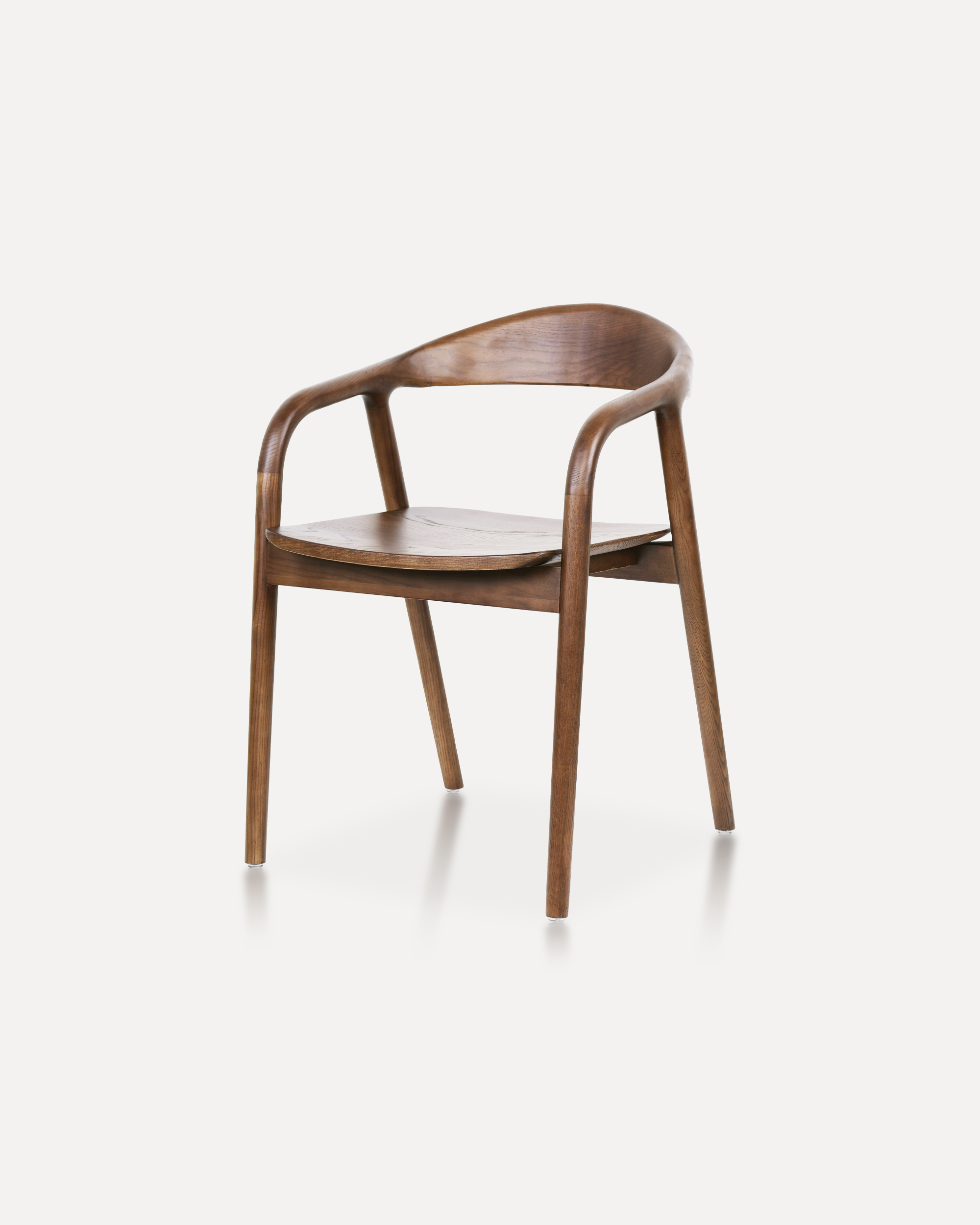
Wood bar stools are available in backless, low-back, and full-back configurations, each with different comfort profiles and appropriate use contexts. The right choice depends on how the stools will primarily be used and how long users will typically be seated.
Backless wooden bar stools — a round or square seat on four legs — are the simplest and most compact design, and have practical advantages in commercial and open-plan settings. They tuck fully under a counter overhang when not in use, keeping walkways clear and making the counter area look uncluttered. In commercial hospitality environments, backless stools are preferred because they accommodate a wider range of body types, do not restrict movement around a busy bar counter, and are more forgiving of the dimensional variation in how different customers prefer to sit. For home settings, backless stools are practical for kitchen islands used primarily for quick meals and informal standing-height socialising rather than extended seated dining — for prolonged sitting, a backrest makes a significant comfort difference.
Low-back wooden bar stools provide a partial back support — typically a single curved rail or a short spindle section — without the full height of a traditional chair back. These designs provide enough lumbar and lower back support to make extended sitting significantly more comfortable than a backless stool while maintaining a relatively compact profile that still tucks reasonably close to a counter. Saddle-back stools with a curved top rail that the user can lean against are a particularly comfortable variant of the low-back design, common in traditional and farmhouse aesthetic bar stool ranges.
Full-back wooden bar stools with spindle backs, ladder backs, or solid wood panel backs offer the best seated comfort for extended use — they are the appropriate choice for home bars and kitchen dining areas where the stools function more like dining chairs at a raised height than quick-perch counter seating. Full-back stools do not tuck under a counter overhang as neatly as backless options and require more floor space when pushed out, so the spatial context should be considered before choosing them. The additional structural complexity of a full back also means full-back stools are heavier and more expensive to produce than backless equivalents in the same wood species and finish.
Many wooden bar stool designs combine a solid wood frame with an upholstered seat pad — foam and fabric or leather over a wooden base fixed to the seat frame. Upholstered seats are significantly more comfortable than hard wood seats for prolonged sitting and add a visual softness and opportunity for colour coordination with the wider interior scheme. The practical trade-off is durability in high-use environments — fabric upholstery stains, wears, and eventually requires replacement, while a solid wood seat can simply be wiped clean and refinished. For home bar stools with moderate use, upholstered seats are an excellent choice; for commercial settings or family kitchens with young children, an easy-clean faux leather or hard wood seat is more practical.
The finish applied to a wooden bar stool determines how it looks, how well it resists everyday wear and spills, and how easy it is to maintain or restore over its service life. Understanding the main finishing options and their trade-offs helps buyers make choices that match both their aesthetic preference and practical requirements.
Determining how many wooden bar stools to buy and how to space them correctly is a practical planning step that prevents the common outcome of a counter that is either under-utilised with too few stools or awkwardly crowded with too many placed too close together. The right spacing makes seated users comfortable and allows natural movement without feeling cramped.
The standard guidance for bar stool spacing is to allow a minimum of 60cm (24 inches) between stool centres for backless stools, and 70cm (28 inches) or more between centres for stools with backs. This spacing allows each seated person adequate elbow room and comfortable turning movement without contacting the person beside them. For stools with armrests — less common in bar stool designs but present in some lounge-style models — allow 70 to 75cm between centres to prevent armrests from overlapping.
To calculate the number of stools for a given counter length, subtract the overhang at each end (typically leave 15 to 20cm of counter clear at each end for practical use) and divide the remaining usable counter length by the per-stool spacing. For a 180cm island counter with 15cm clearance at each end, the usable seating length is 150cm, which accommodates two stools at 75cm centres comfortably, or three stools if spacing is reduced to 50cm — workable but slightly snug for average-sized adults. Purchasing stools before finalising this calculation and discovering the count is wrong wastes money on returns, so measure carefully and plan the layout before ordering.
Well-maintained wooden bar stools will last for decades, but the maintenance required depends on the finish and the use environment. A few consistent practices significantly extend service life and preserve appearance.
With wooden bar stools available at prices ranging from under £50 to several hundred pounds per stool, the quality gap between the extremes is substantial. The following checklist focuses on the indicators of genuine quality that should be verified before purchasing, whether in-store or from an online listing.

Crafted entirely from solid ash wood, this chair embodies a refined balance of ...
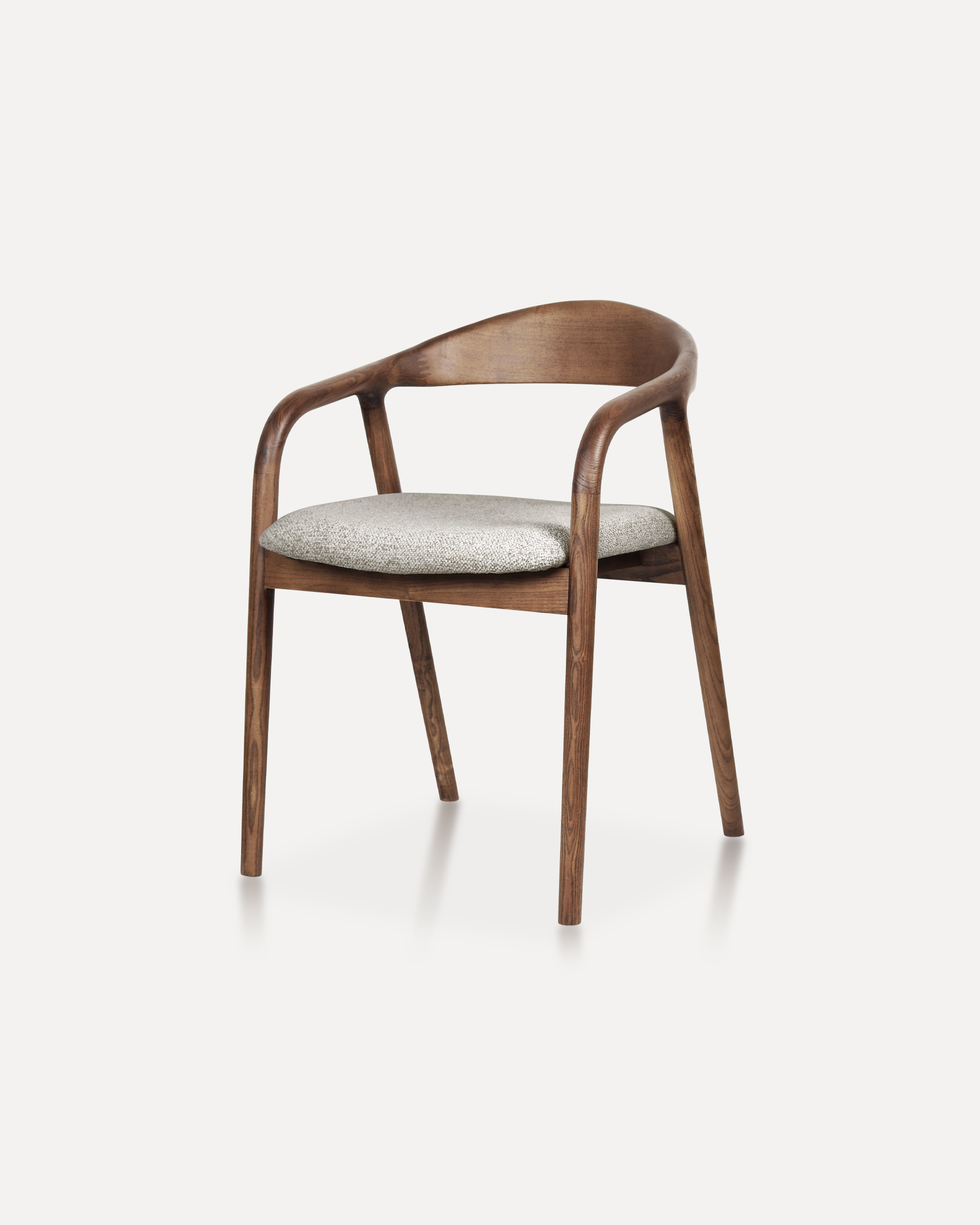
Showcases a refined silhouette with smooth, curved armrests and a gently rounde...
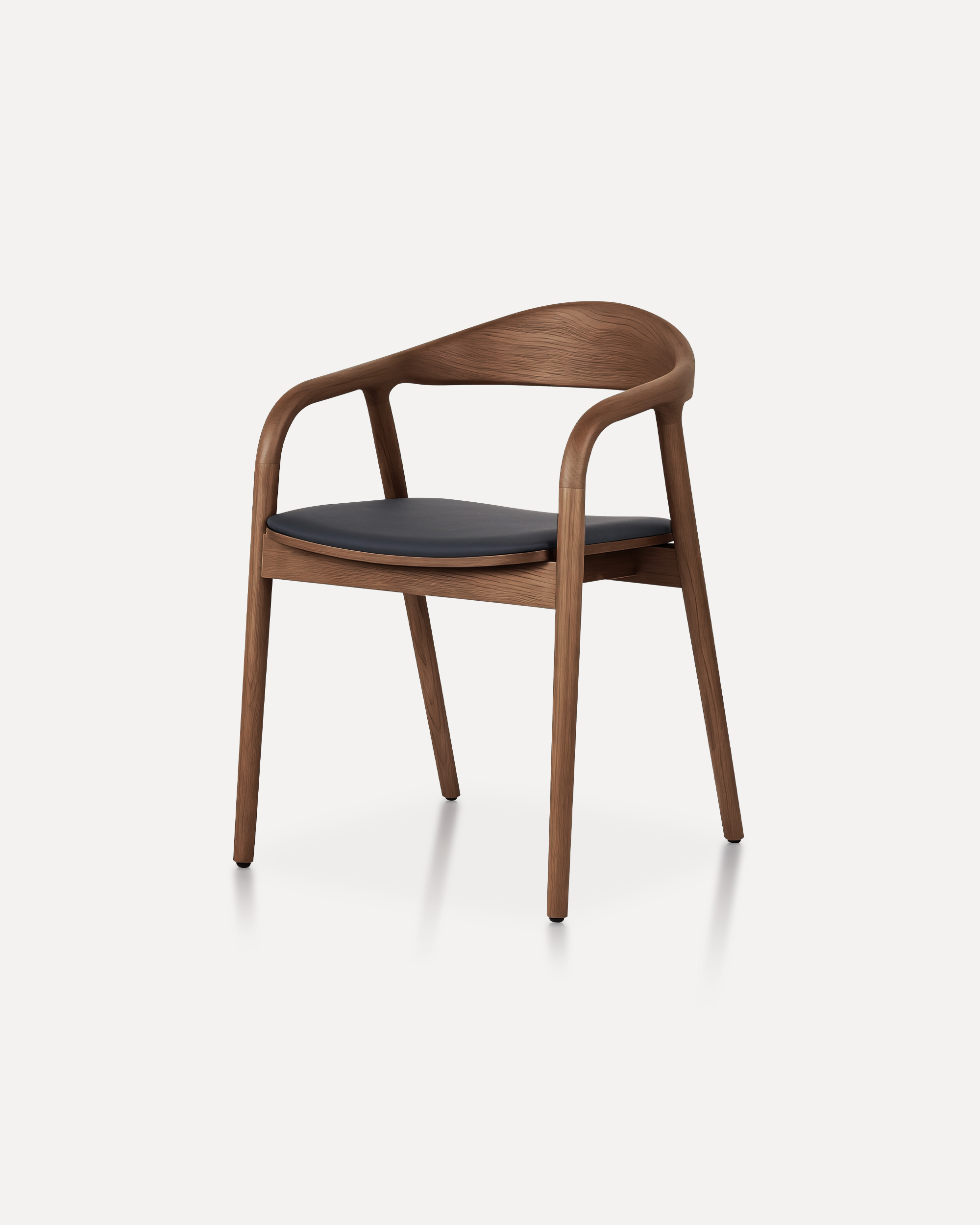
A masterclass in refined joinery and organic geometry, the Arc Chair features a...
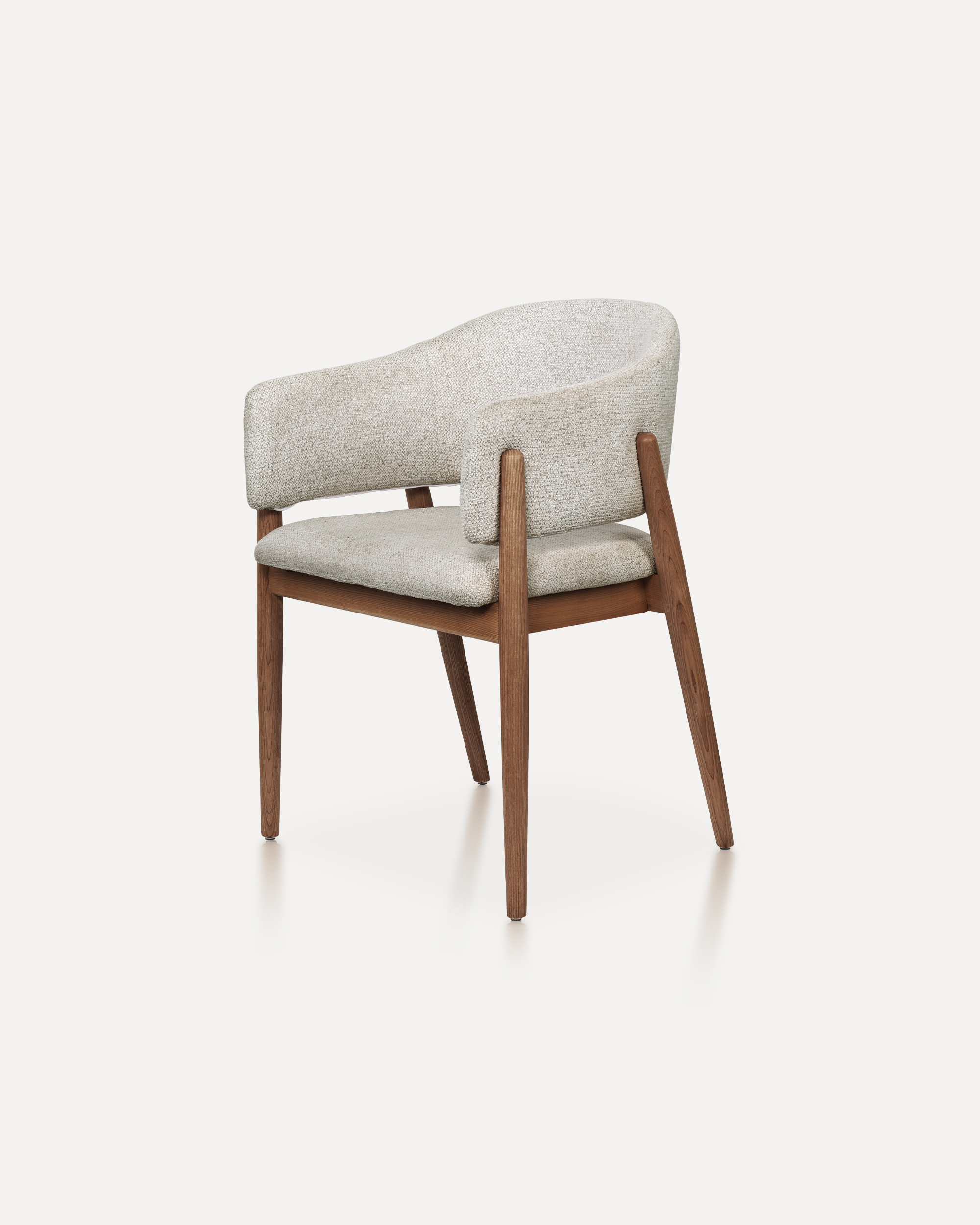
With its refined proportions and welcoming form, this chair brings quiet sophis...
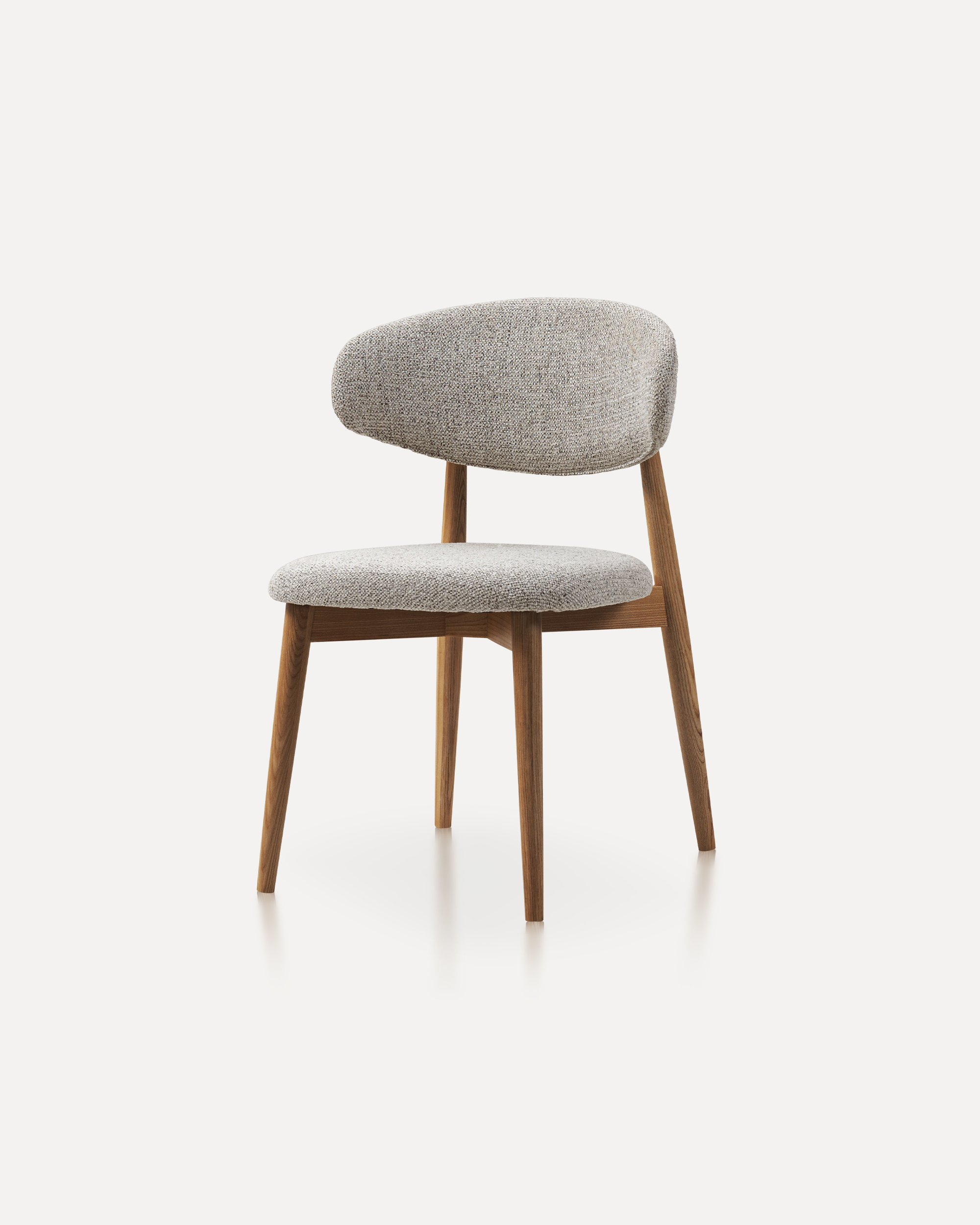
This wooden chair is a classic furniture piece that exudes warmth, durability, ...
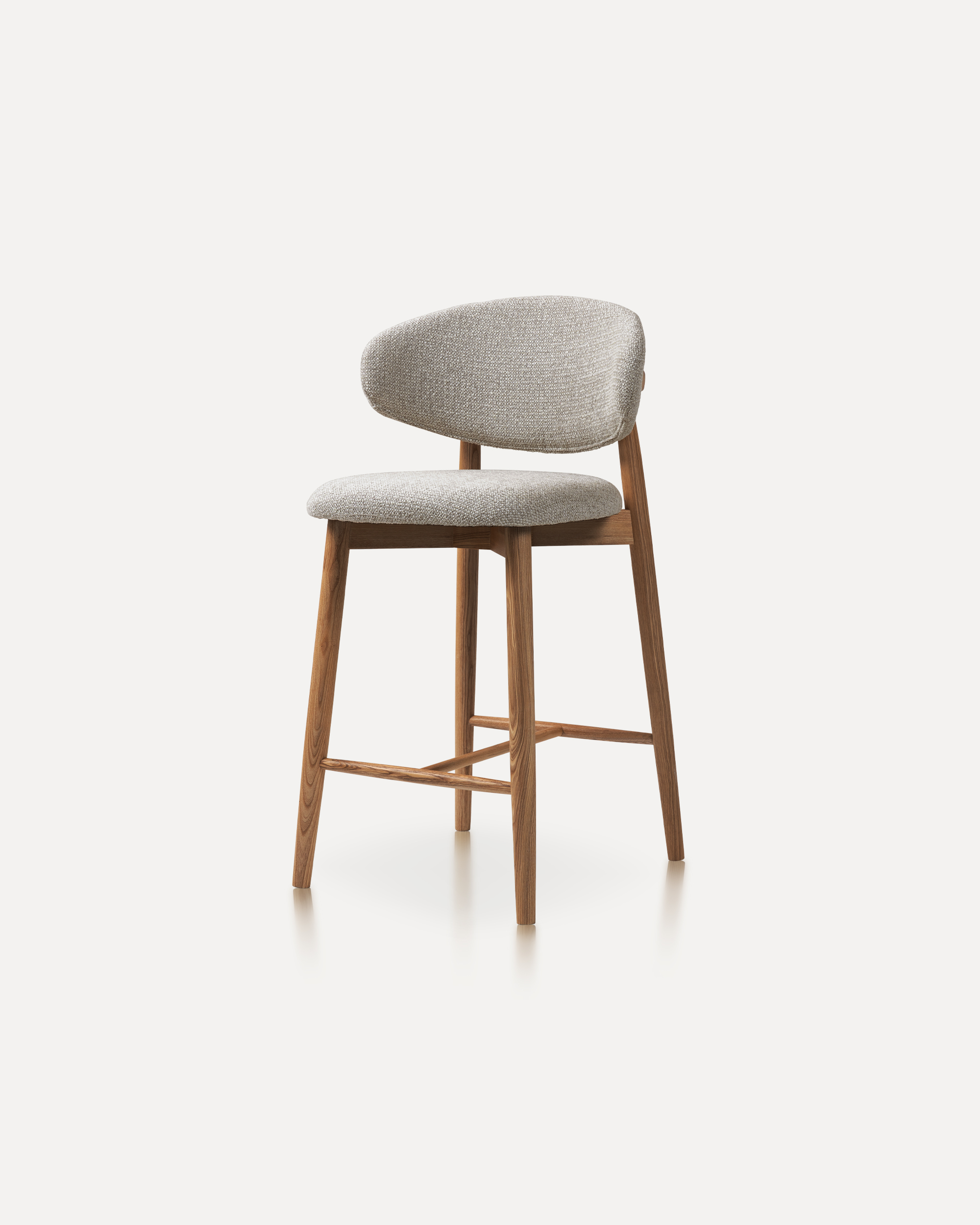
Our Wood Bar Stools are the perfect addition to any high-top table or bar setti...
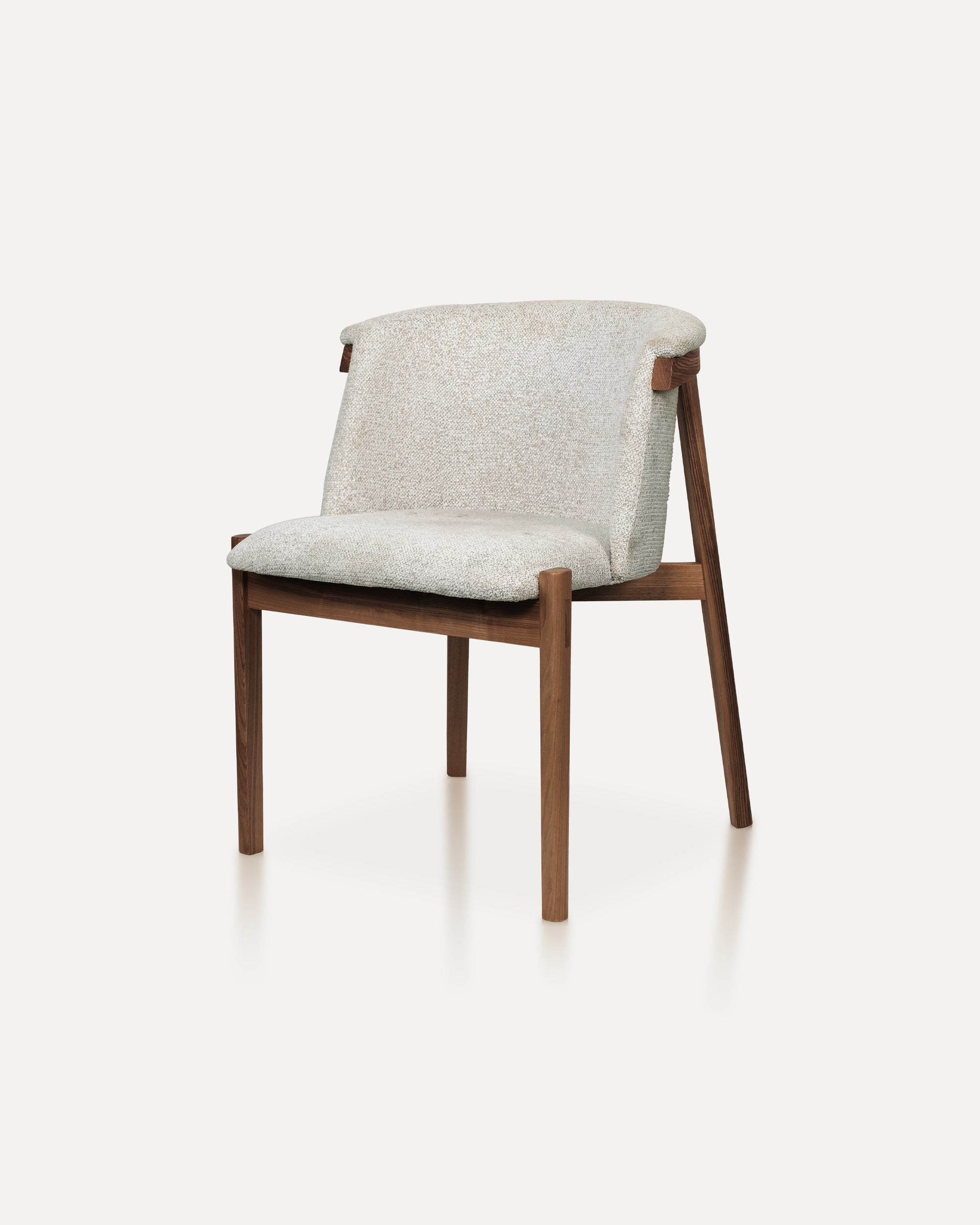
Bring natural elegance into your home with this finely crafted chair. The desig...
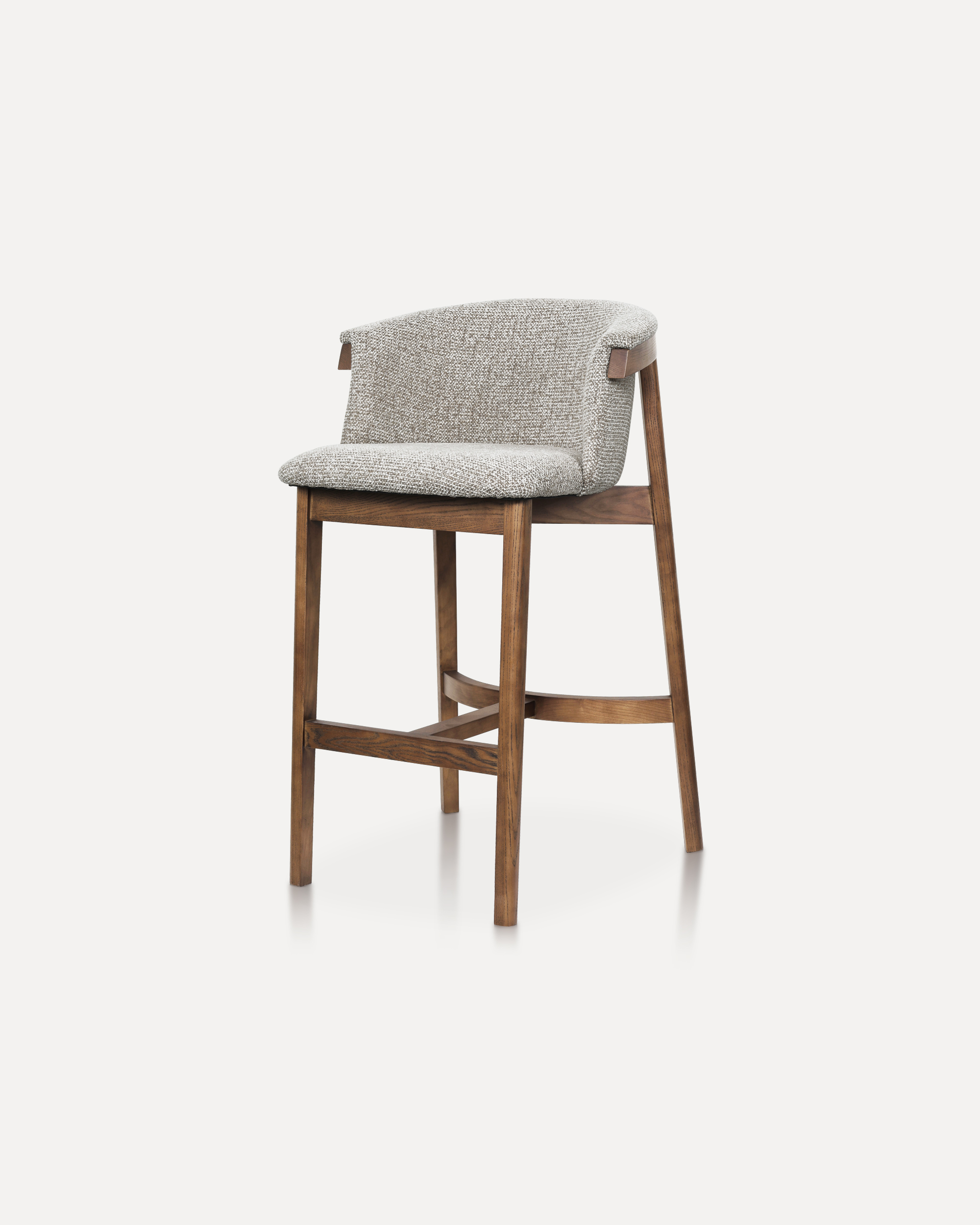
This sophisticated bar chair elevates any counter or high-top setting with its ...
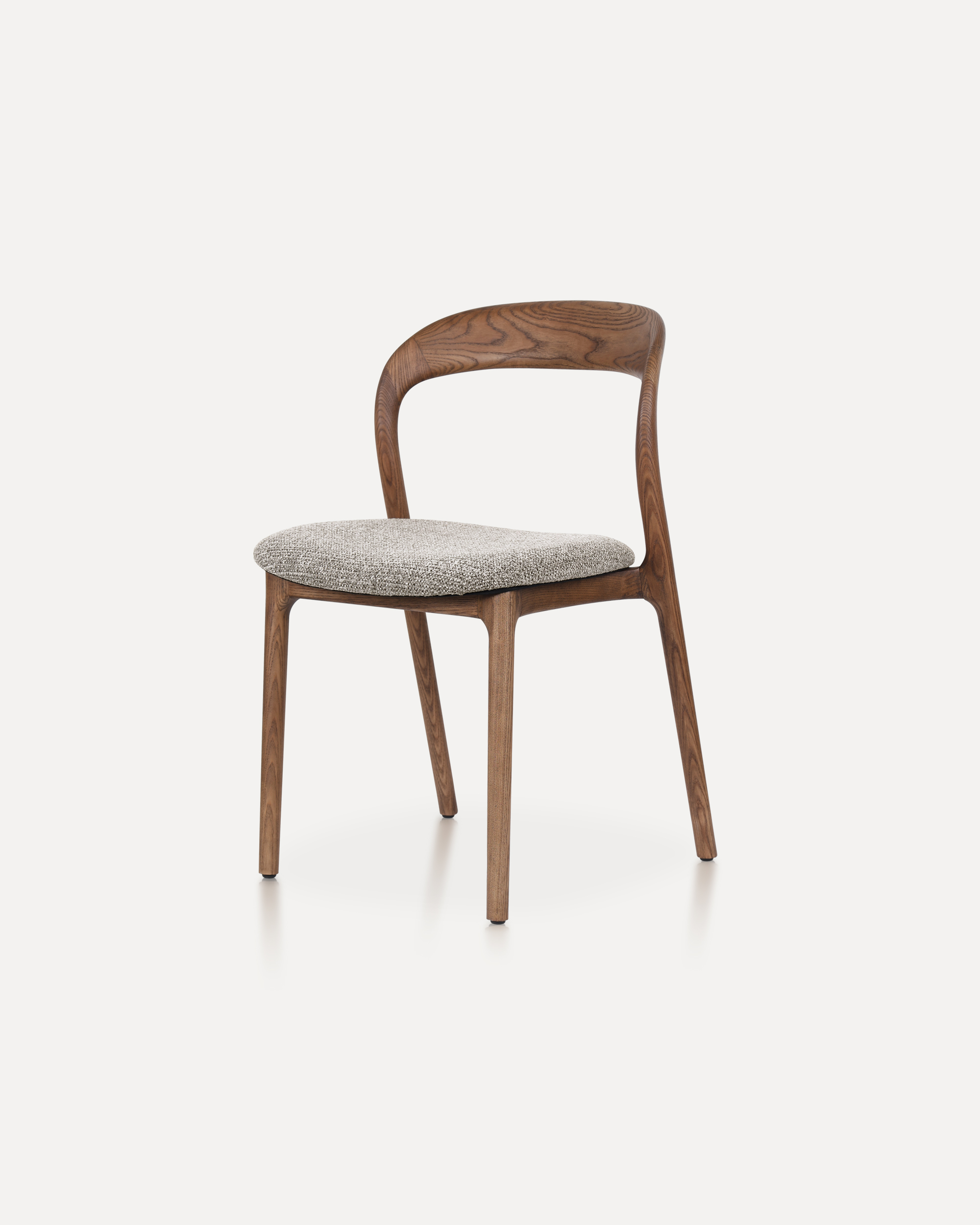
The Echo Chair is crafted from solid ashwood, featuring a unified back-and-arm ...
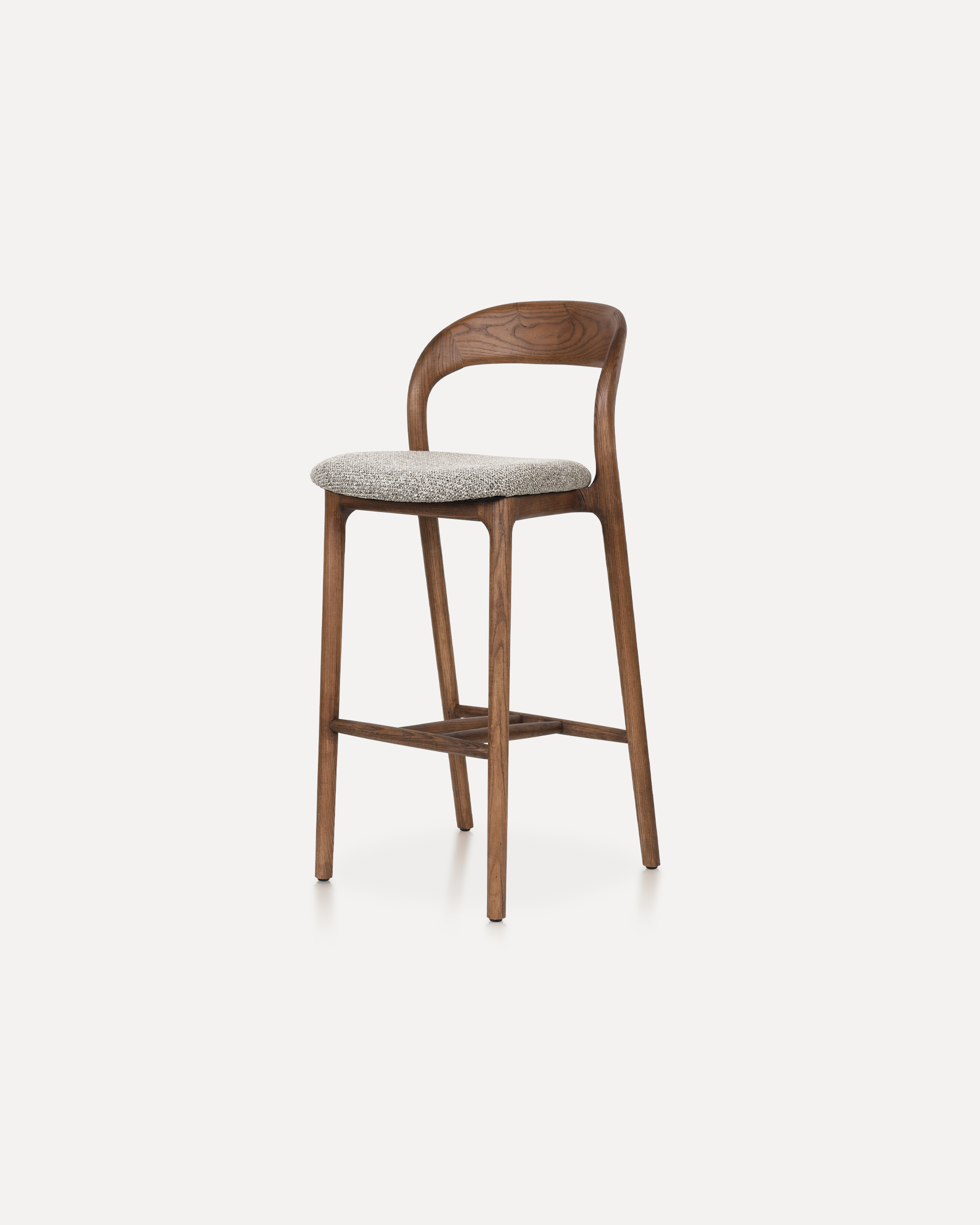
This Bar Chair is a counter-height seating solution crafted from solid ashwood ...
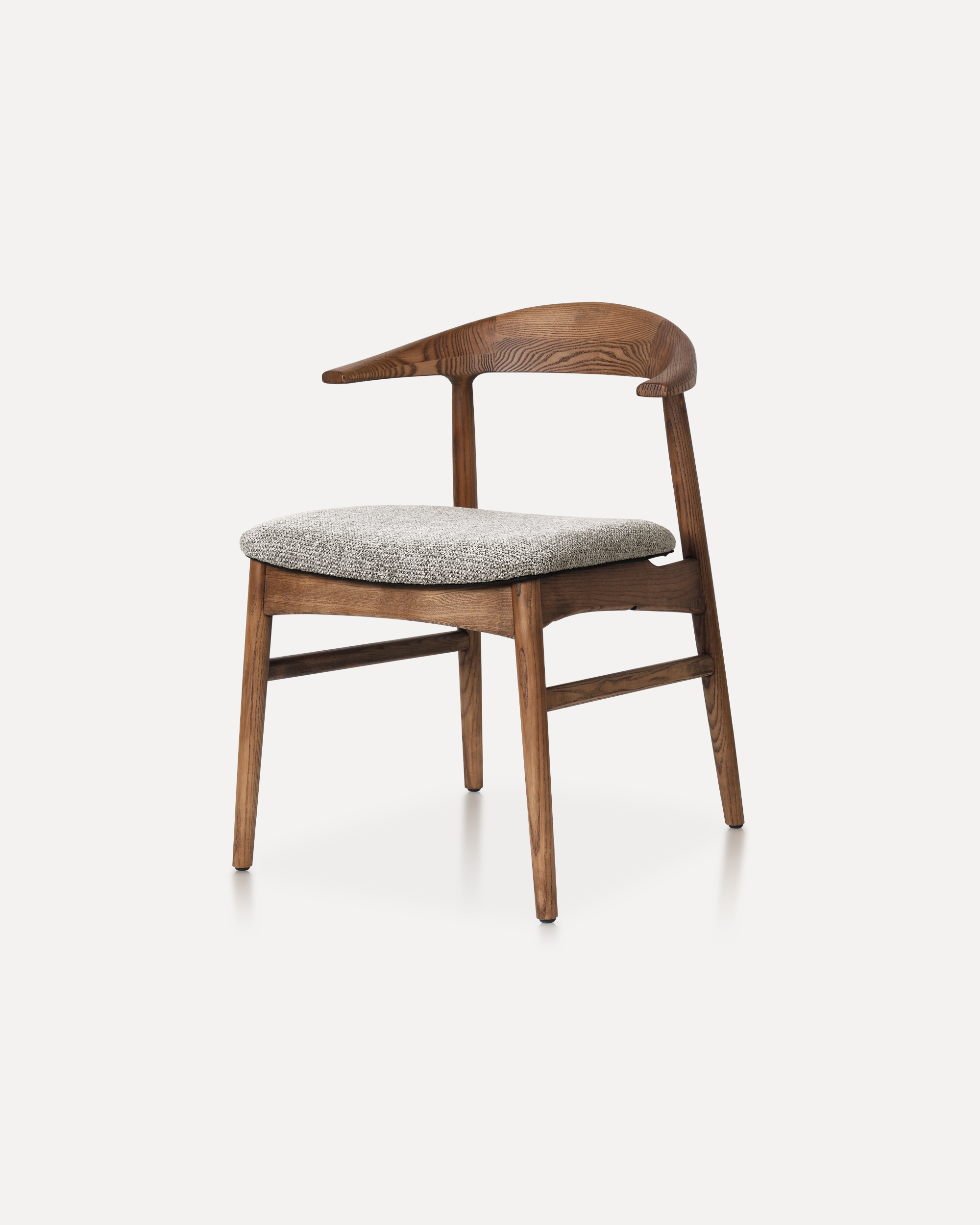
The Horizon Chair reinterprets mid-century warmth for today’s refined interiors...
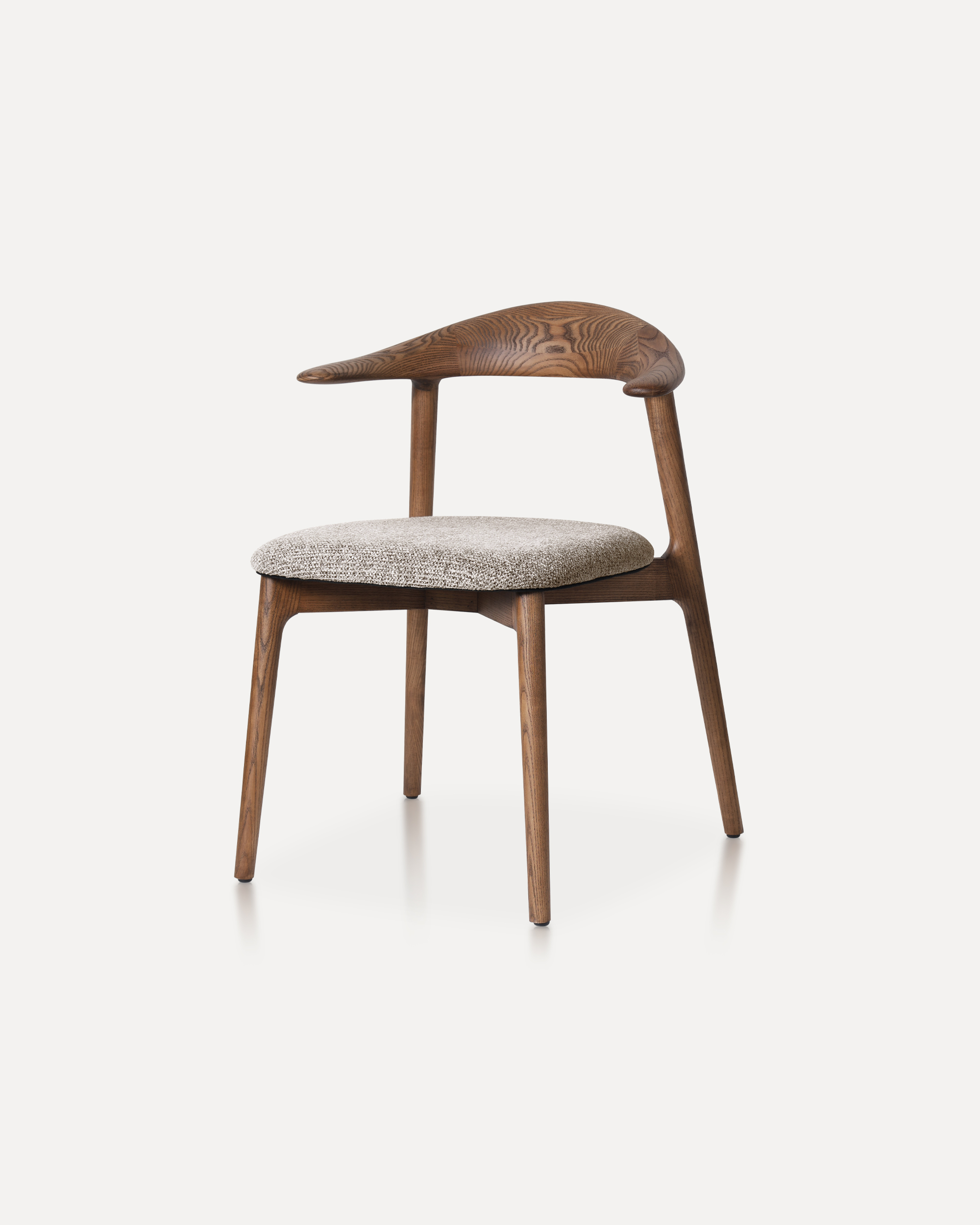
This classic features a striking, organic backrest carved from a single slab of...