
 English
  Français
 Español
Industry News
MENU

Content
Solid wood dining chairs occupy a different category from the engineered wood, plastic, or metal alternatives that fill most furniture stores. When you sit in a well-made wooden dining chair, the difference is immediately apparent — in the weight, the stability, the warmth of the material, and the sense that this piece of furniture was built to last decades rather than a handful of years. That durability is the core reason solid wood dining chairs command higher prices and why people who buy them rarely regret it. A set of quality hardwood dining chairs purchased today can realistically still be in use in your children's homes.
Beyond longevity, real wood dining chairs offer something that composite or engineered alternatives simply cannot replicate: natural character. Each piece of solid wood carries its own grain pattern, color variation, and texture, meaning that even chairs from the same batch have subtle individuality. They can be refinished, repaired, and restored in ways that particle board or MDF furniture cannot. And unlike many trends-driven furniture materials, quality hardwood chairs age gracefully — developing a patina that makes them look better over time rather than worse. This guide covers everything practical you need to know to choose, compare, and care for solid wood dining chairs that will genuinely serve your home for the long term.
Not all solid wood is the same. The species of wood used in a dining chair determines its hardness, grain character, natural color, weight, and long-term durability. Understanding the most common species helps you make a more informed comparison when shopping.
Oak is one of the most widely used hardwoods for solid wood dining chairs, and for good reason. It scores high on the Janka hardness scale — a standard measure of wood's resistance to denting and wear — which means oak chairs hold up well under everyday family use. Oak has a prominent, open grain that takes stains and finishes readily, making it easy to customize the final appearance. White oak and red oak are the two main varieties used in furniture; white oak tends to have a slightly more closed grain and better moisture resistance, which many furniture makers prefer for dining room applications. Rustic, farmhouse, traditional, and mid-century styles all work well in oak.
Walnut is the premium choice in solid wood dining chairs for design-conscious buyers. Its rich, dark chocolate-brown color with streaks of lighter sapwood is distinctive and attractive without any stain needed, and it pairs beautifully with both light and dark dining table finishes. American black walnut is slightly softer than oak but still durable enough for dining chair use, and its fine, straight grain works beautifully in mid-century modern and contemporary chair designs. Walnut commands higher prices than oak due to its slower growth rate and more limited supply, but the aesthetic result is difficult to match with any other species.
Beech is a dense, hard, fine-grained hardwood that has been a staple of European chair manufacturing for well over a century. It steam-bends exceptionally well, which is why classic chair designs like the Thonet bentwood chair are made from beech. Beech wood has a very fine, even grain with a pale, creamy color that accepts stains and painted finishes reliably. It's less visually dramatic than walnut or oak in its natural state, but as a structural material for solid wood kitchen chairs and dining room chairs it is outstanding — hard-wearing, stable, and resistant to splitting. It is widely used in professional and restaurant seating because it handles repeated heavy use extremely well.
Ash is a tough, flexible hardwood with a bold, open grain similar to oak but with a paler, more neutral tone. It's one of the hardest domestic hardwoods available in Europe and North America and has very good shock resistance, which is why it's traditionally used for tool handles and sports equipment as well as furniture. Ash dining chairs have a clean, Scandinavian-adjacent aesthetic in their natural finish, and the wood takes stains and oils well for those who prefer a more modified look. The main caveat for ash is that supply has been significantly impacted by the emerald ash borer beetle in North America and ash dieback disease in Europe, which has made quality ash timber increasingly expensive.
Rubberwood — harvested from rubber trees after their latex production lifespan ends — has become a very common material in affordable solid wood dining chairs. It is a genuine hardwood (not engineered or composite), with reasonable density and a fairly plain, straight grain that takes paint and stain well. Its main appeal is cost: rubberwood is significantly cheaper than oak, walnut, or ash while still being solid wood rather than particle board. Its limitations include lower character and visual interest compared to premium species, and somewhat lower durability over very long periods. For buyers who want genuine solid wood construction at a more accessible price point, rubberwood is a practical option.
The table below provides a side-by-side comparison of the most common wood species used in solid wood dining chairs across the factors that matter most for buyers:
| Wood Species | Hardness | Natural Color | Grain Character | Price Range | Best Style Match |
| Oak | High | Pale to golden brown | Bold, open grain | Mid–High | Rustic, farmhouse, traditional |
| Walnut | Medium–High | Deep chocolate brown | Fine, straight, rich | High–Premium | Mid-century, contemporary |
| Beech | High | Pale cream to light tan | Fine, even, subtle | Mid | Classic, Scandinavian, painted |
| Ash | Very High | Pale, creamy white | Bold, open, similar to oak | Mid–High | Scandinavian, modern |
| Rubberwood | Medium | Light tan, neutral | Plain, straight | Budget–Mid | Painted, versatile |
The wood species used in a dining chair matters, but how the chair is constructed matters just as much — arguably more — when it comes to long-term structural integrity. A dining chair endures a particular kind of stress: people sit down on it with force, lean back, rock slightly, and shift their weight in all directions thousands of times over its lifetime. Poor joinery fails under this stress; quality joinery lasts for generations.
The mortise and tenon joint — where a protruding tenon on one piece fits precisely into a mortise (cavity) cut into another — is the gold standard of traditional chair joinery. It creates a large gluing surface with strong mechanical interlocking, which is exactly what's needed at the stress points where chair legs meet seat rails and where back uprights connect to the seat. Quality solid wood dining chairs use mortise and tenon construction at all major structural joints. You can sometimes feel this quality in how a chair handles when you pick it up and move it: there should be no flex, no creaking, and no sense of movement at the joints.
Dowel joints use cylindrical wooden pegs inserted into aligned holes in both connecting pieces to create the bond. They are faster and cheaper to produce than mortise and tenon joints and are widely used in mid-range solid wood dining chairs. A properly made dowel joint with quality adhesive is reasonably strong, but it provides less mechanical interlocking than mortise and tenon and has less gluing surface area. Multiple dowels per joint improve strength. Dowel joinery is acceptable for chairs in lighter-use settings but may loosen over time in high-use family dining situations.
Quality wooden dining chairs typically have corner blocks — triangular or rectangular wooden reinforcements glued and screwed into the interior corners where the seat rails meet — which significantly increase the rigidity of the seat frame. Stretchers (horizontal rungs connecting the chair legs lower down) provide additional bracing against the racking forces that come from everyday use. Their presence is a reliable indicator of a chair built for durability. Budget chairs often omit corner blocks and stretchers to reduce production costs, which shows up as wobbliness after a year or two of use.
Even perfect joinery fails if the adhesive used is poor quality or incorrectly applied. High-quality furniture-grade PVA or polyurethane wood glues provide strong, flexible bonds that hold under sustained stress. Chairs assembled with insufficient glue, or where surfaces weren't properly prepared before gluing, will develop loose joints over time. While glue quality isn't something you can assess from a product listing, you can check for it by examining the chair in person — look for any visible gaps at joints, any signs of squeeze-out that was inadequately cleaned, and whether the overall assembly feels tight and rigid with no discernible movement.
Solid wood dining chairs are made in an enormous range of styles, from highly traditional to very contemporary. Knowing which broad style direction works in your dining space helps narrow down the options quickly.
Farmhouse-style solid wood dining chairs typically feature thicker, more substantial construction, plank-back or ladder-back designs, and finishes that emphasize the natural grain of the wood — often in oak, pine, or reclaimed wood. They pair well with large, chunky farmhouse tables and work in kitchen-dining rooms as well as dedicated dining spaces. Distressed or wire-brushed finishes are common in this style category, adding texture and a sense of age that suits the aesthetic. These chairs tend to be heavier than contemporary designs, which some people find reassuring and others find inconvenient.
Scandinavian-inspired solid wood dining chairs prioritize clean lines, tapered legs, and minimal ornamentation. The emphasis is on the natural beauty of the wood itself — pale ash, light oak, or walnut are the typical species choices — with simple oil or lacquer finishes that let the grain speak for itself. Mid-century modern designs share this clean-lined aesthetic but often incorporate more sculptural elements: gently curved backs, splayed legs, and subtle shaping that gives the chair visual interest while maintaining simplicity. These styles work well in contemporary, open-plan dining spaces and pair with both light and dark table finishes.
Traditional wooden dining chairs — including Windsor chairs with their characteristic spindle backs and splayed legs — have been made in essentially the same form for centuries, which is a testament to how well the design works. Windsor chairs are made in a variety of regional styles (bow-back, comb-back, sack-back) and are typically constructed from multiple wood species in the same chair: denser hardwoods for the legs and spindles, and softer woods for the saddle seat. They are enormously comfortable, remarkably strong, and look at home in both period and contemporary dining rooms depending on the finish chosen.
Many solid wood dining chairs combine a hardwood frame with an upholstered seat pad, and sometimes an upholstered back panel. This approach gives you the structural longevity of solid wood construction with the added seating comfort of cushioned upholstery — particularly appealing for households where meals around the table tend to be long and relaxed. The upholstery fabric choice matters for practicality: performance fabrics, leather, and vinyl are all more practical for dining settings than delicate woven fabrics, because dining chairs are inevitably exposed to food and drink spills. Check that the seat pad is removable and that replacement is available if the fabric eventually wears or stains beyond cleaning.
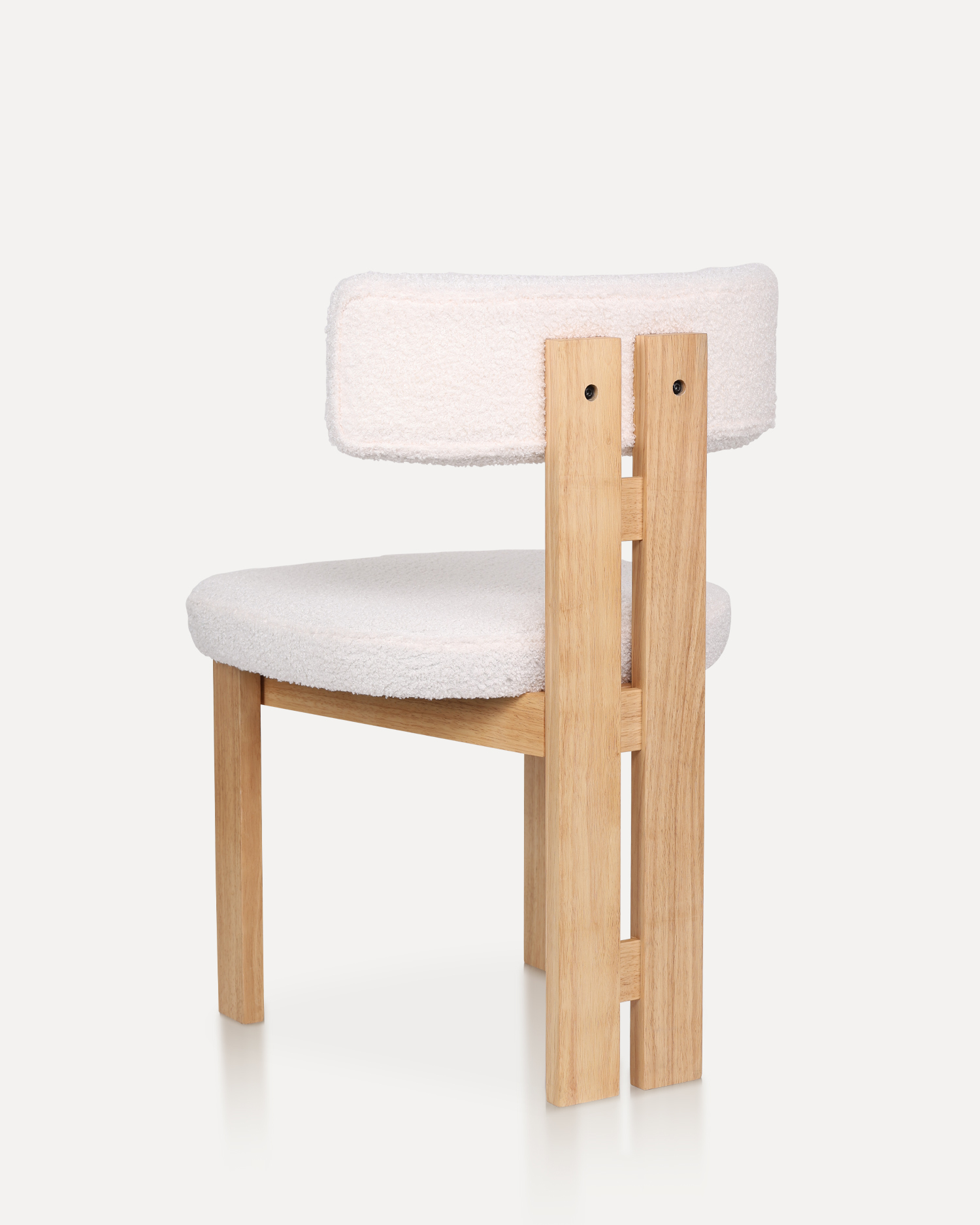
Getting the sizing right between your dining table and chairs is one of the most practically important — and most frequently underestimated — aspects of buying a dining chair set. Chairs that are the wrong height, width, or depth for your table make every meal less comfortable than it should be.
The finish applied to a solid wood dining chair affects its appearance, its ease of maintenance, and how the wood responds to the inevitable spills and humidity changes in a dining environment. The main finish types each have distinct characteristics worth understanding.
Solid wood dining chairs are durable, but they do require some basic care to stay in top condition over the years. The good news is that the maintenance involved is straightforward and far less demanding than many people assume.
For day-to-day cleaning, a slightly damp cloth is all that's needed for most spills and dust on lacquered or painted solid wood chairs. Always wipe dry immediately after — letting water sit on wood surfaces, even finished ones, can cause watermarks and eventually raise the wood grain. Avoid abrasive cleaners, bleach-based products, and anything containing ammonia, as these can damage both the wood and the finish. For oiled chairs, use a cleaning product specifically designed for oiled wood furniture rather than general household cleaners.
One of the genuine advantages of real wood dining chairs over composite alternatives is that they can be refinished. Scratches and scuffs on lacquered chairs can often be addressed with touch-up products, and a chair that has become significantly worn can be sanded back and completely refinished with a fresh coat of lacquer or oil — something that simply cannot be done with veneer over particleboard furniture. Oiled chairs should be re-oiled annually using the appropriate oil for the species (hardwax oil for most hardwoods, teak oil for denser tropical species). This re-oiling keeps the wood hydrated, maintains its resistance to moisture, and refreshes the appearance.
If a joint in a solid wood dining chair begins to feel loose — detectable as a slight creaking or flex at the connection point — address it promptly rather than leaving it. A loose joint that continues to be used works against the remaining adhesive and widens the gap, eventually requiring more significant repair. A loose joint can often be re-glued as a relatively simple repair: disassemble the joint, clean off old adhesive with a chisel or sandpaper, apply fresh wood glue, reassemble, clamp, and allow to cure fully. Catching loose joints early makes repair easy; ignoring them until the chair collapses makes it significantly harder.
The phrase "solid wood" is used loosely in furniture marketing, and not everything labeled as such is what it implies. Some practical checks help ensure you're getting what you're paying for.
Choosing the right solid wood dining chairs comes down to matching the species, construction quality, style, and finish to your specific household needs and aesthetic preferences. For a family with young children who eat every meal at the dining table, the priorities are durability, easy cleaning, and structural quality — which points toward hardwood species like oak or beech, lacquer or painted finishes, and mortise-and-tenon joinery. For a household where the dining room is more occasionally used and visual refinement is the priority, walnut or ash chairs with an oil finish and a mid-century or Scandinavian silhouette might be the better fit.
Whatever direction you choose, the case for investing in quality solid wood dining chairs over cheaper engineered alternatives is strong and consistent: real wood chairs last longer, look better as they age, can be repaired and refinished rather than discarded, and bring a warmth and authenticity to the dining space that no substitute material can truly replicate. Spend time comparing species, sit in as many chairs as you can before buying, check the joinery quality carefully, and buy the best construction your budget allows. Solid hardwood dining chairs purchased thoughtfully are genuinely one of the better long-term furniture investments you can make for your home.
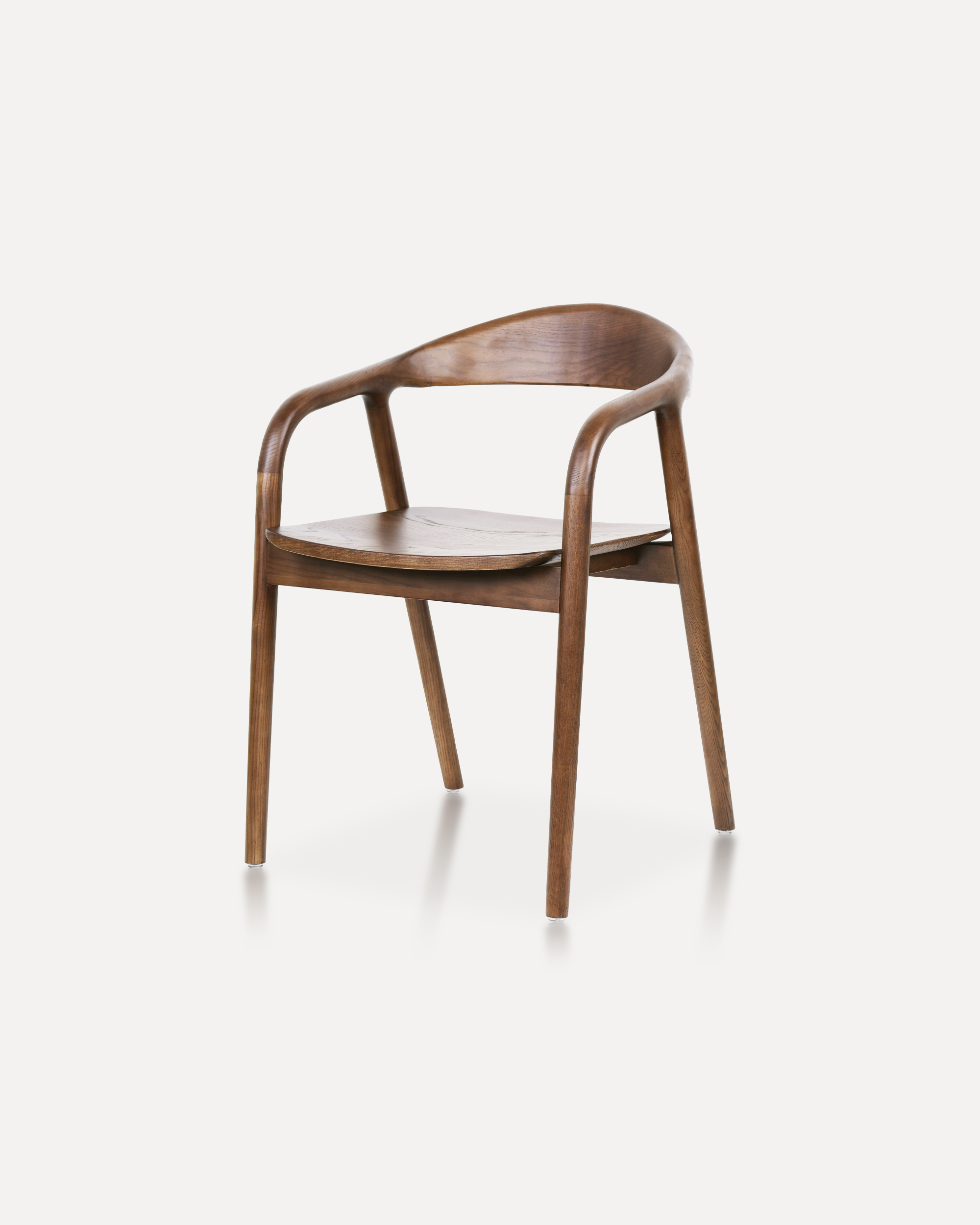
Crafted entirely from solid ash wood, this chair embodies a refined balance of ...
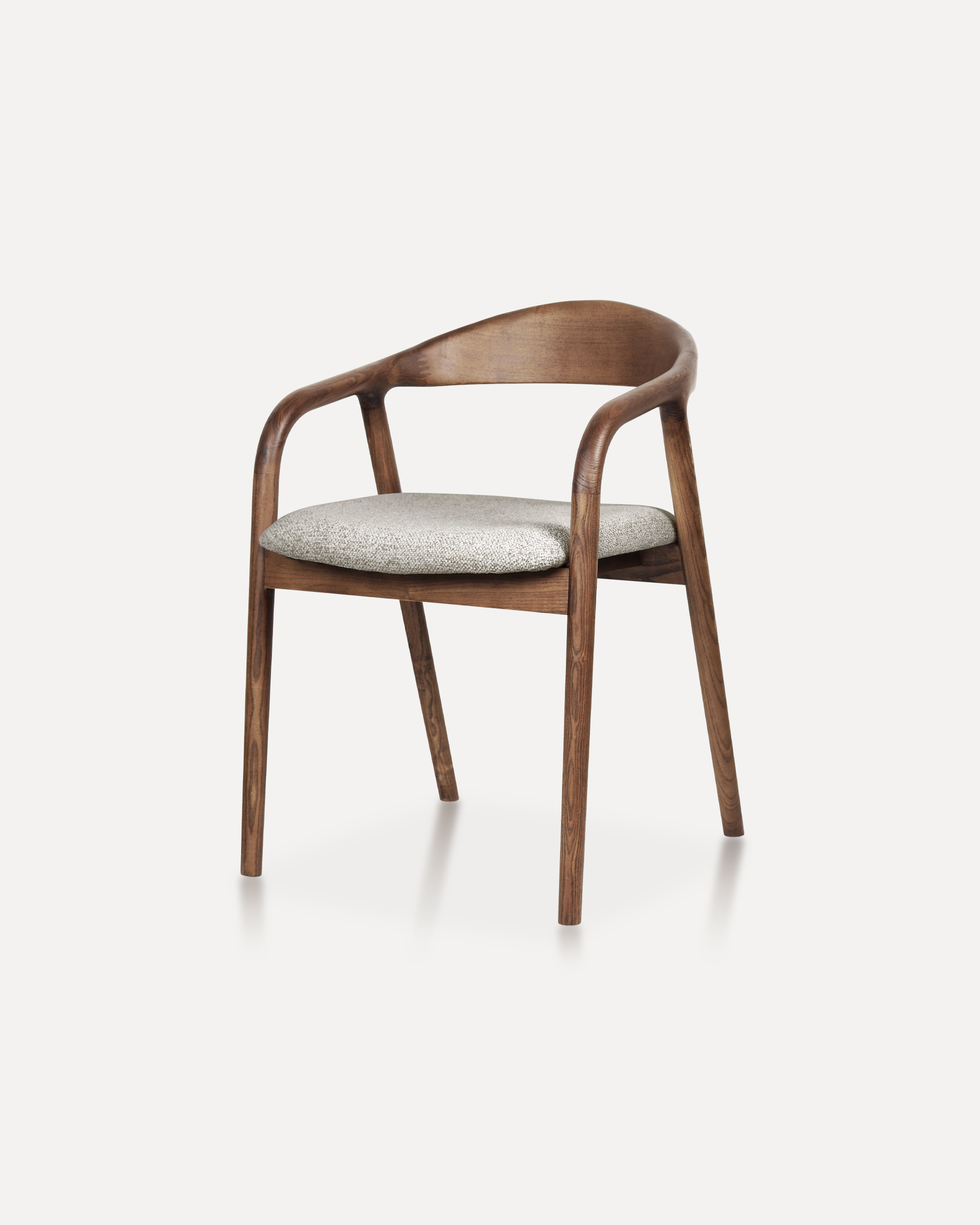
Showcases a refined silhouette with smooth, curved armrests and a gently rounde...
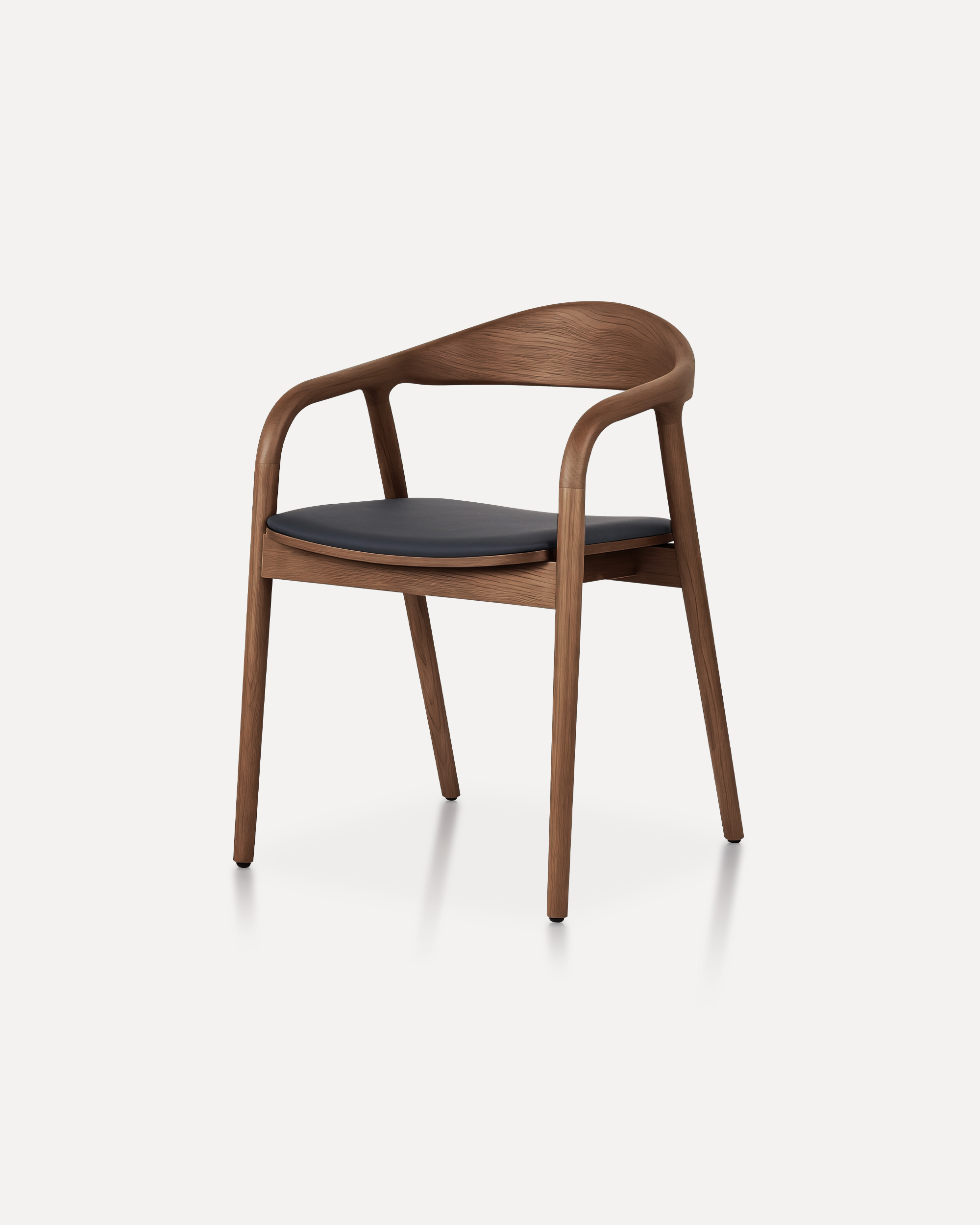
A masterclass in refined joinery and organic geometry, the Arc Chair features a...
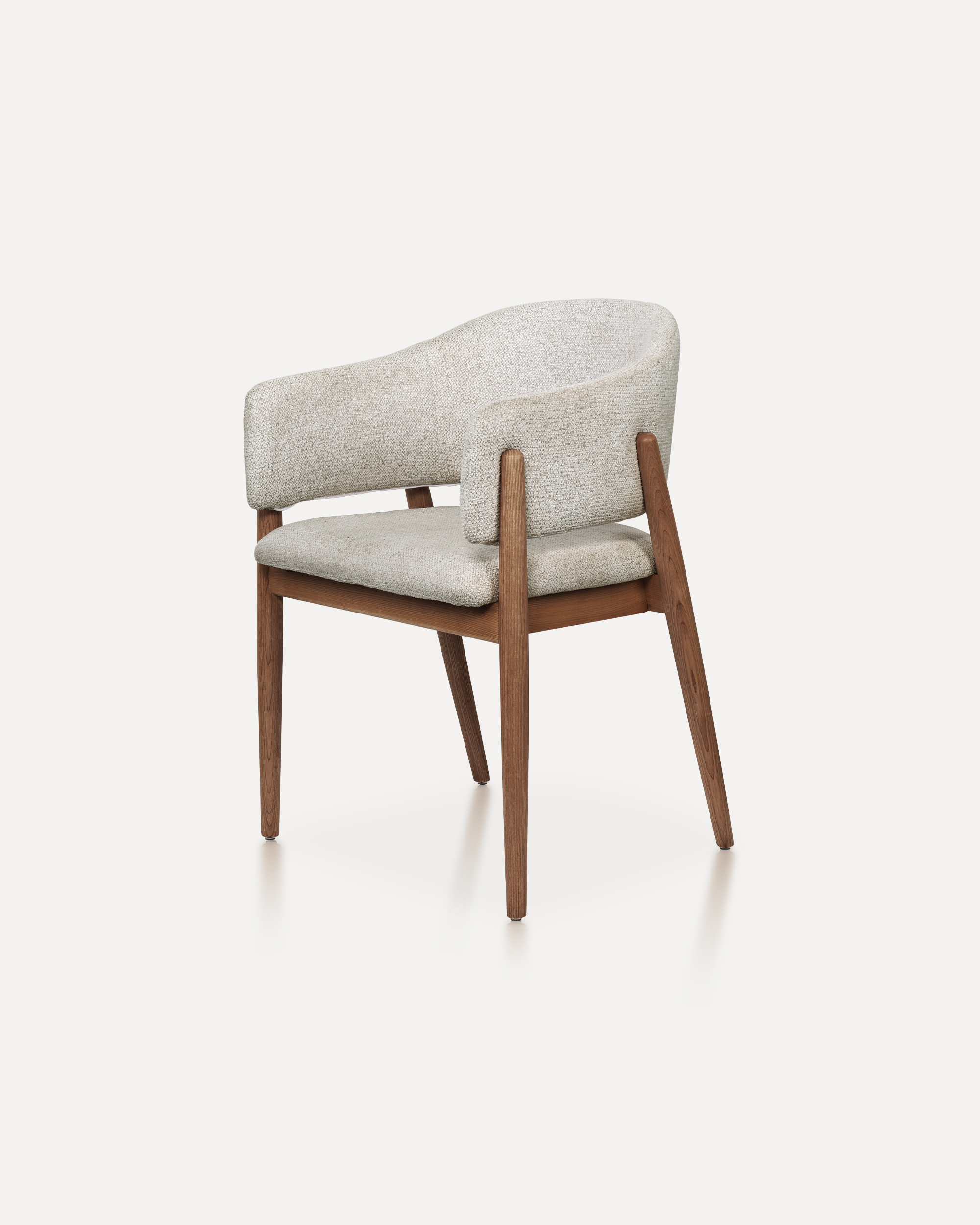
With its refined proportions and welcoming form, this chair brings quiet sophis...
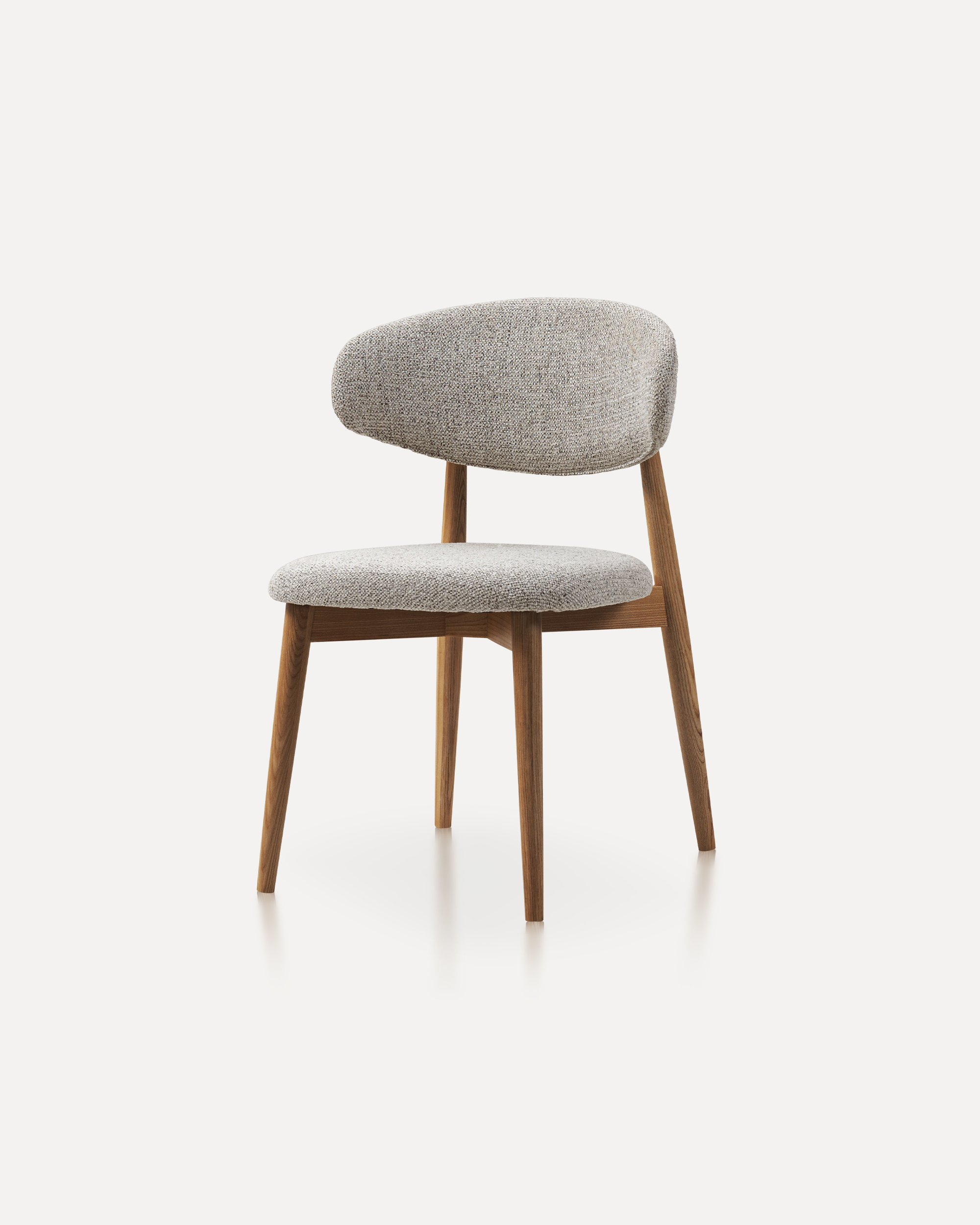
This wooden chair is a classic furniture piece that exudes warmth, durability, ...
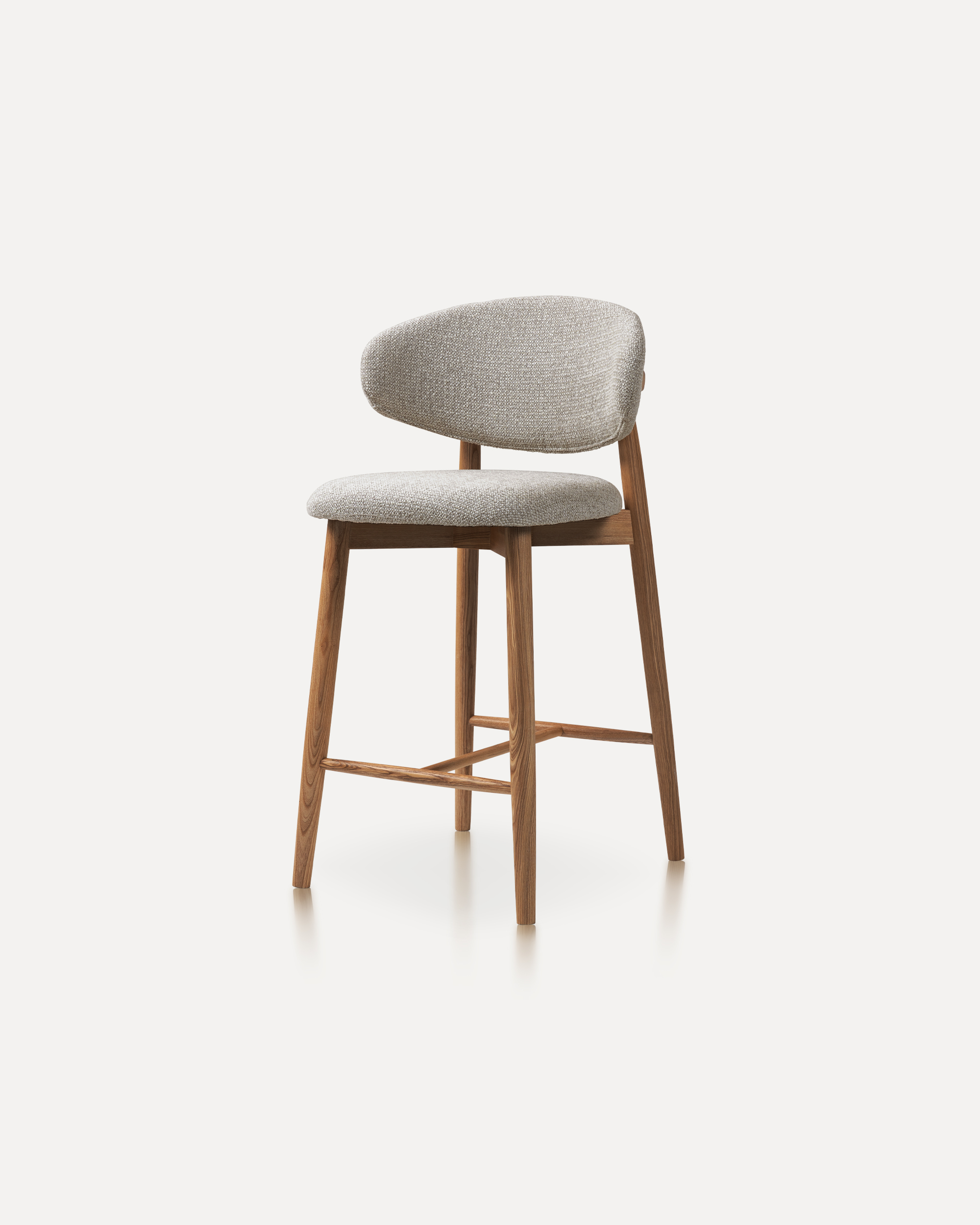
Our Wood Bar Stools are the perfect addition to any high-top table or bar setti...
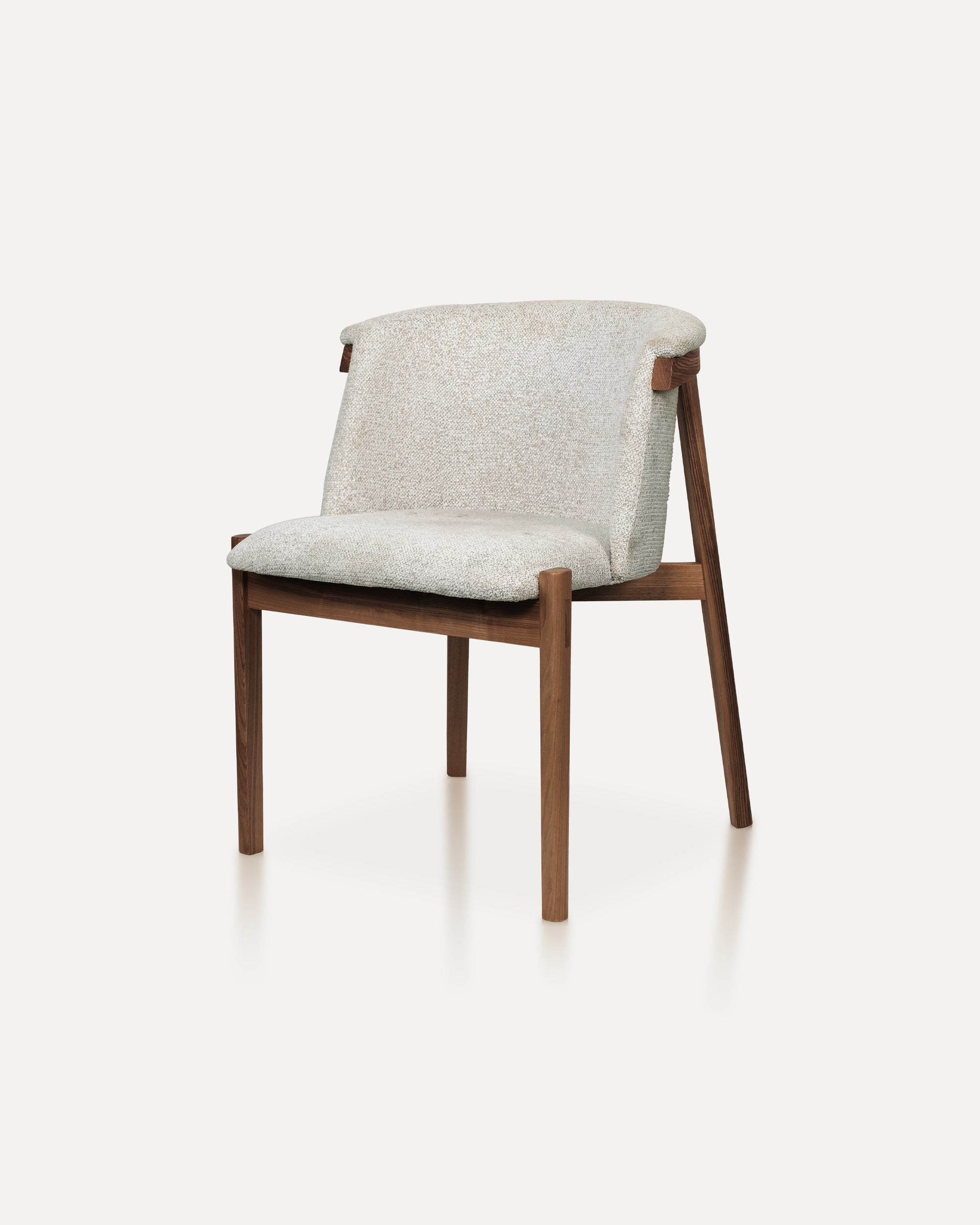
Bring natural elegance into your home with this finely crafted chair. The desig...
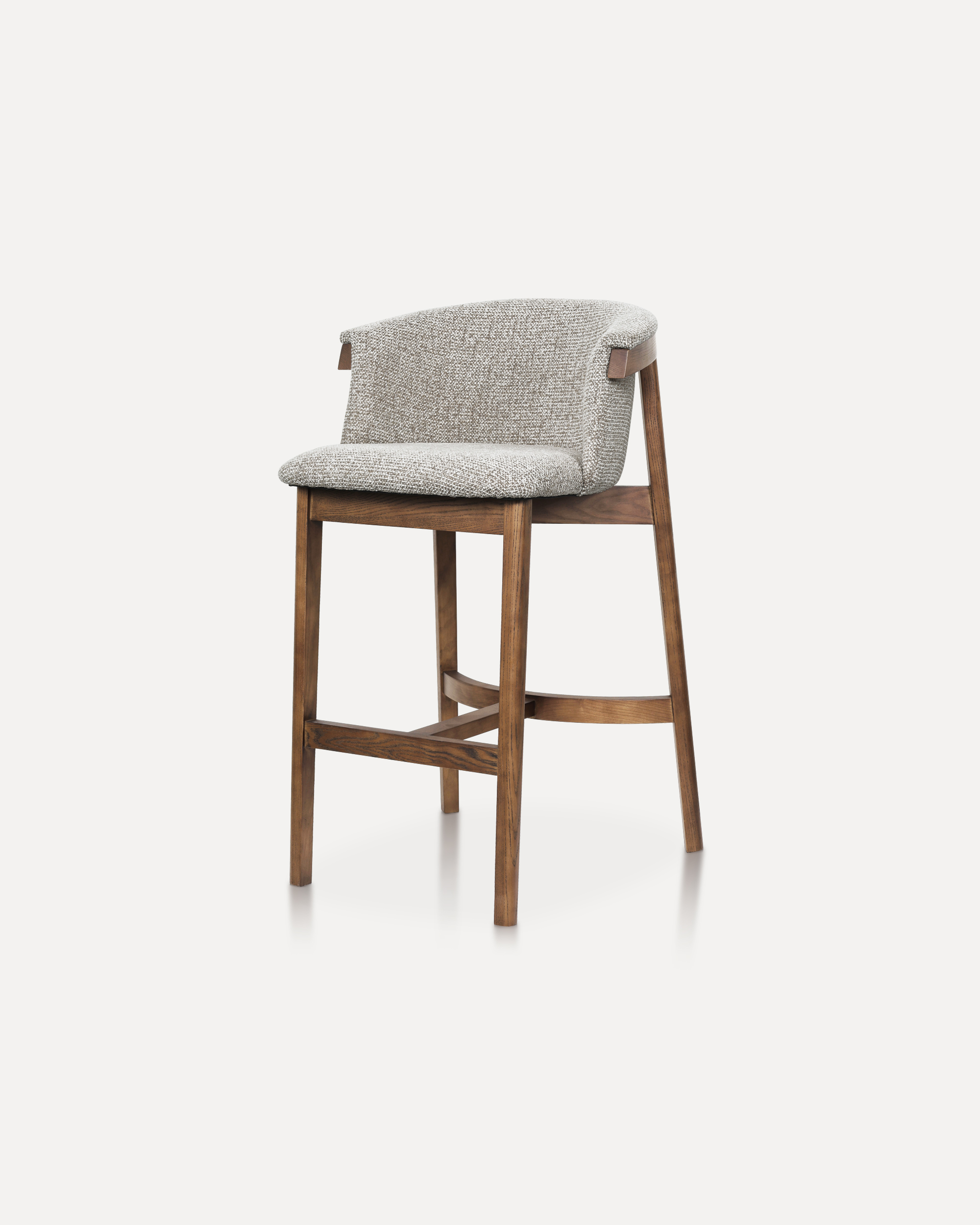
This sophisticated bar chair elevates any counter or high-top setting with its ...
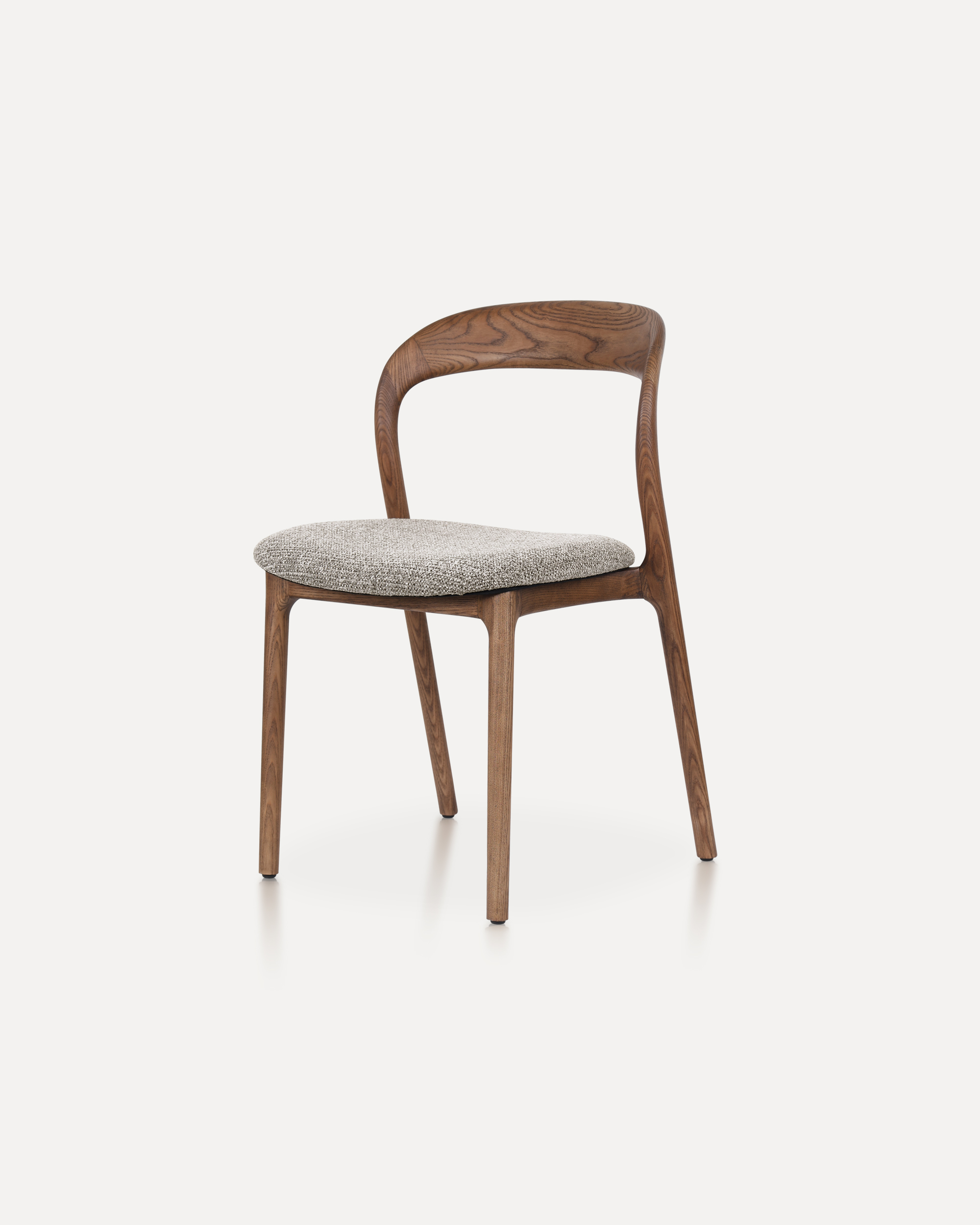
The Echo Chair is crafted from solid ashwood, featuring a unified back-and-arm ...
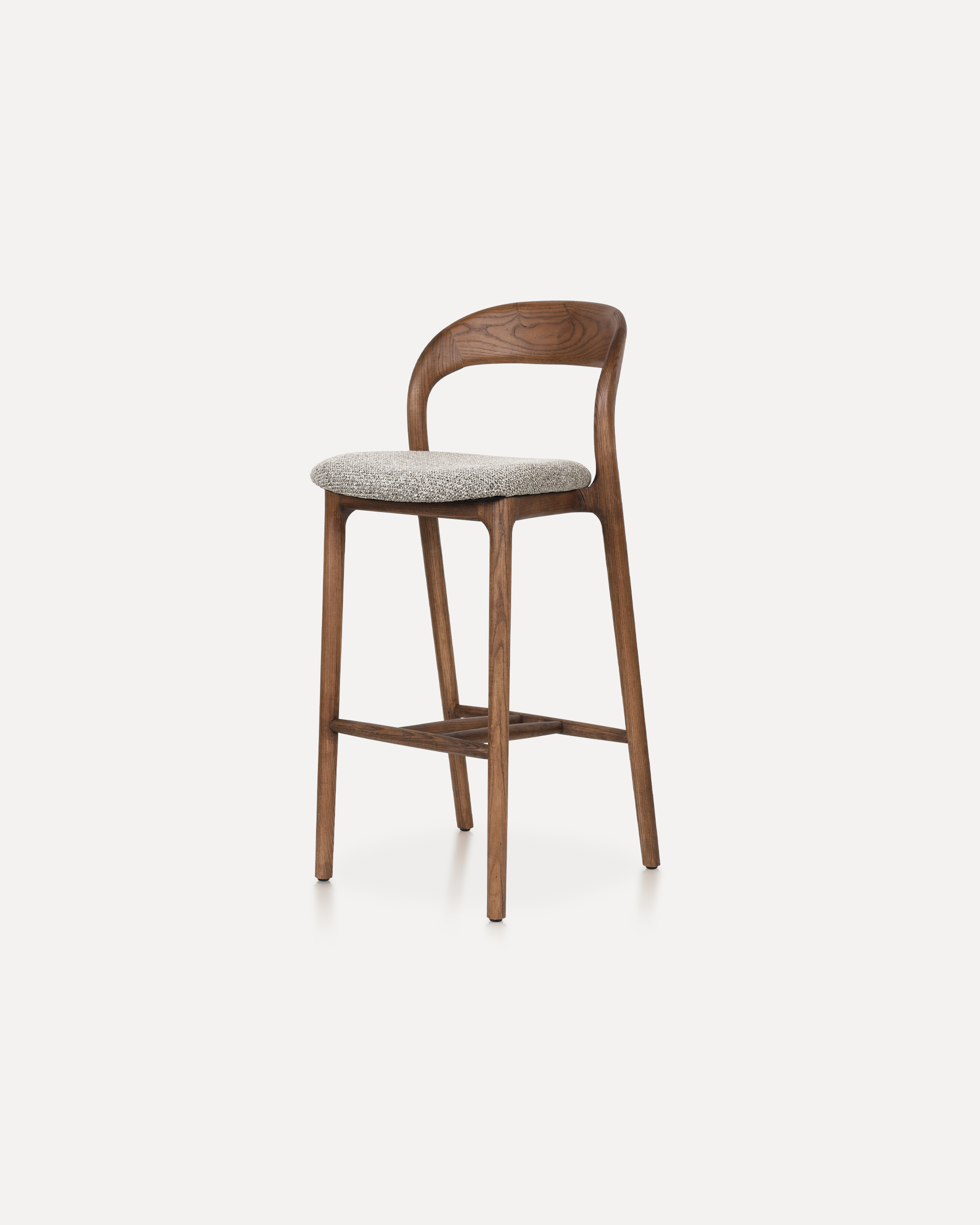
This Bar Chair is a counter-height seating solution crafted from solid ashwood ...
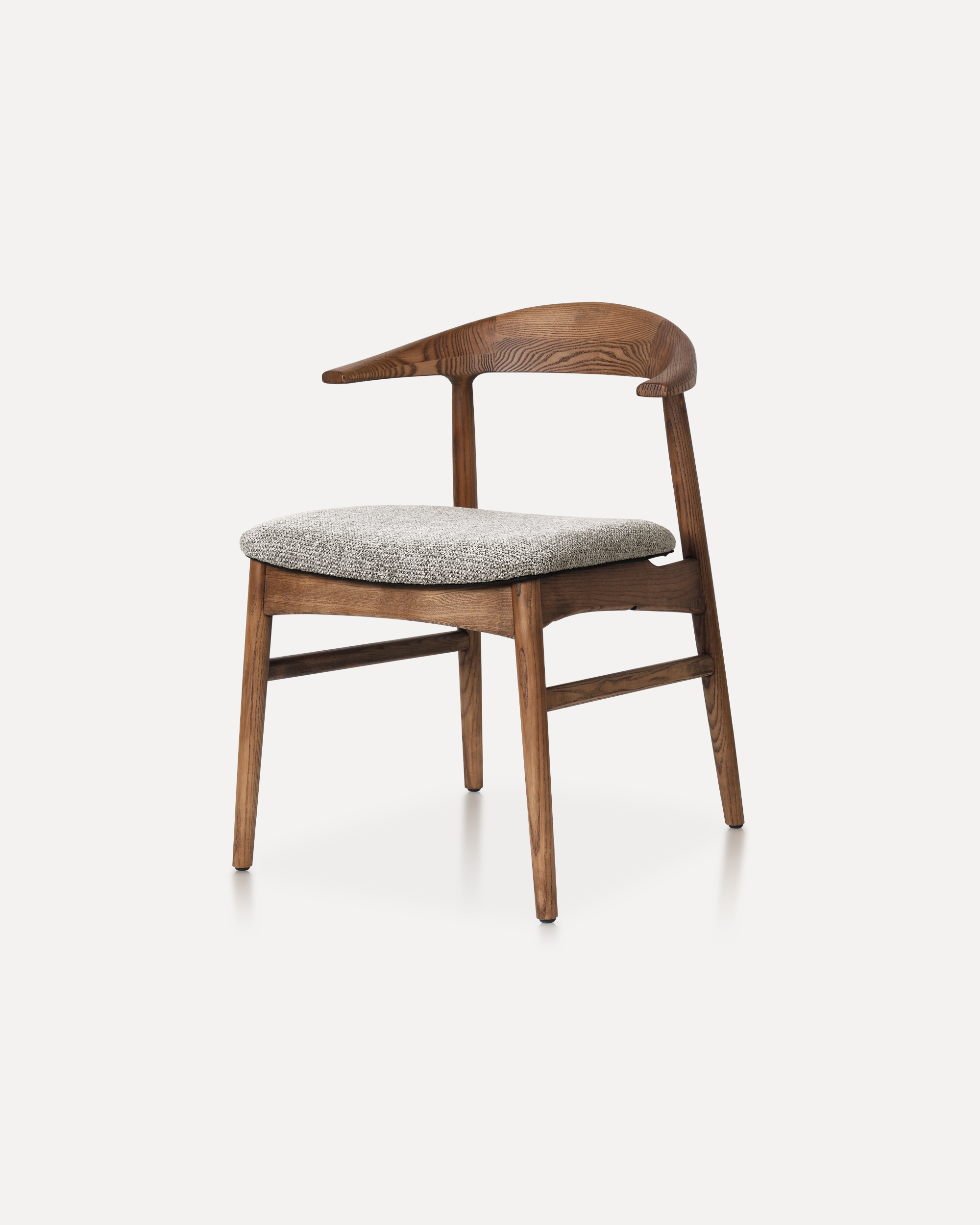
The Horizon Chair reinterprets mid-century warmth for today’s refined interiors...
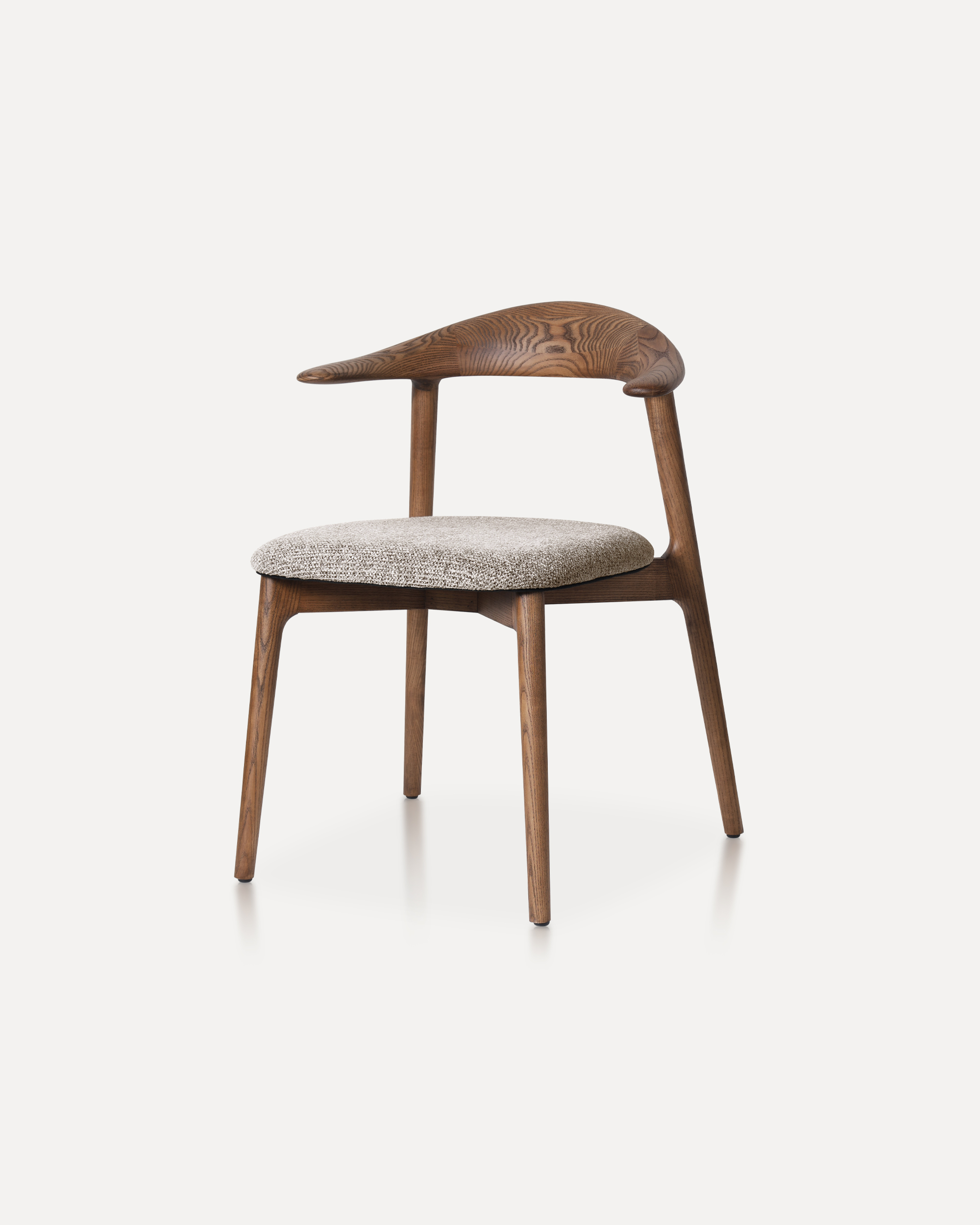
This classic features a striking, organic backrest carved from a single slab of...