
 English
  Français
 Español
Industry News
MENU

Content
The simple act of raising a seat has a history as long as communal drinking itself. Before the advent of the modern wood bar stool, patrons in ancient taverns and inns would often stand or sit on rough benches. The need for a taller seat emerged alongside the development of the bar as a physical barrier—a counter used to separate the barkeeper from the customers, originally for protection and later for convenience.
This elevated boundary necessitated an elevated seat. The earliest bar stools were rudimentary, often just a backless chair on elongated legs. The materials of choice were usually the most available and durable: wood.
The Industrial Revolution brought about advancements in manufacturing that made furniture production more efficient. It was during this time, in the 19th and early 20th centuries, that the bar stool, as we know it, truly solidified its form. As saloons and public houses became central to social life, the wood bar stool became an essential fixture, designed to be sturdy, stackable, and capable of enduring years of heavy use and spills.
Wood is not just a material; it’s a composite of cellulose fibers and lignin that offers a unique combination of strength, resilience, and aesthetic warmth that modern materials often try to emulate.
The durability of a wood bar stool largely depends on the type of wood used.
A well-made wood bar stool uses traditional joinery techniques to ensure structural integrity. Mortise and tenon joints, where a projecting piece (the tenon) fits snugly into a hollow opening (the mortise), are far stronger than simple screw or nail connections. This attention to construction is what allows a quality stool to withstand the constant shifting and swiveling of patrons without wobbling or breaking.
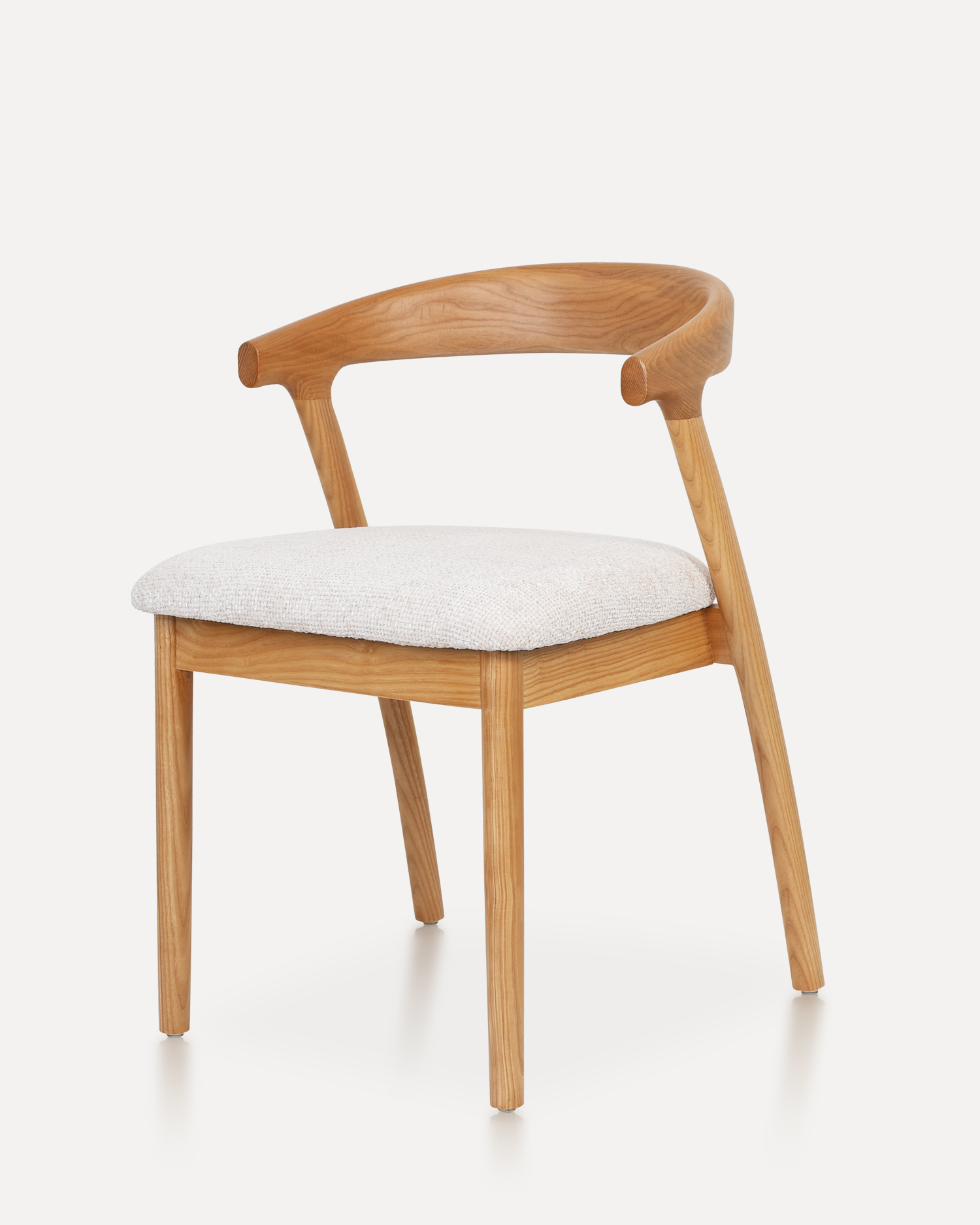
Beyond its physical properties, the aesthetic versatility of wood is a key reason for the continuous popularity of wood bar stools in modern interior design.
The design of a bar stool can define the style of an entire space:
Modern bar stool design has integrated principles of ergonomics. While the oldest stools were purely functional, today’s designs often include features like contoured seats that follow the shape of the human body, built-in footrests at an optimal height for circulation, and even low backs for lumbar support without sacrificing the stool’s signature open-air look. The natural give and warmth of wood also makes it a more comfortable seating surface than metal or plastic, especially over long periods.
In an age of endless materials, the wood bar stool remains a timeless choice, a bridge between historical durability and contemporary style.
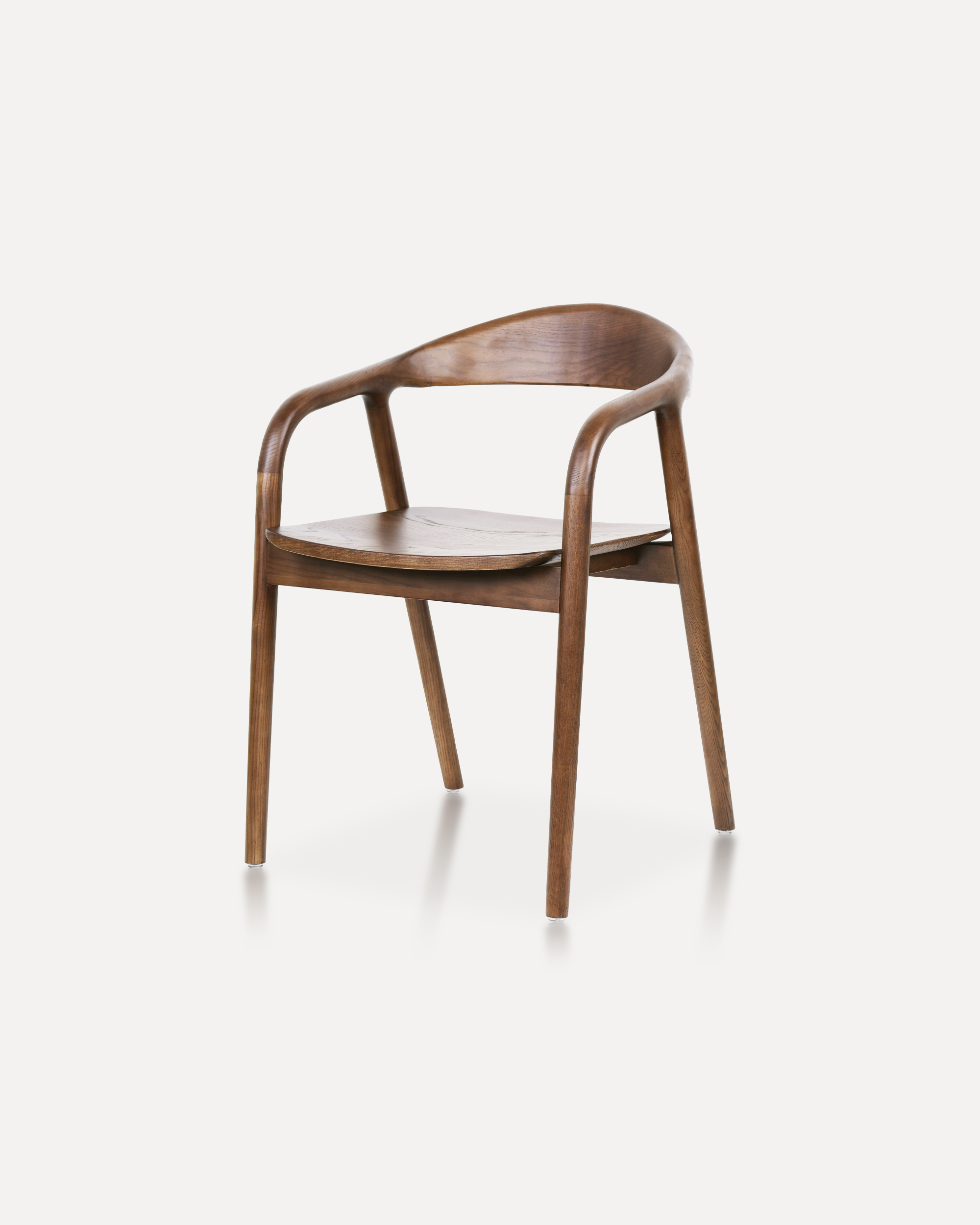
Crafted entirely from solid ash wood, this chair embodies a refined balance of ...
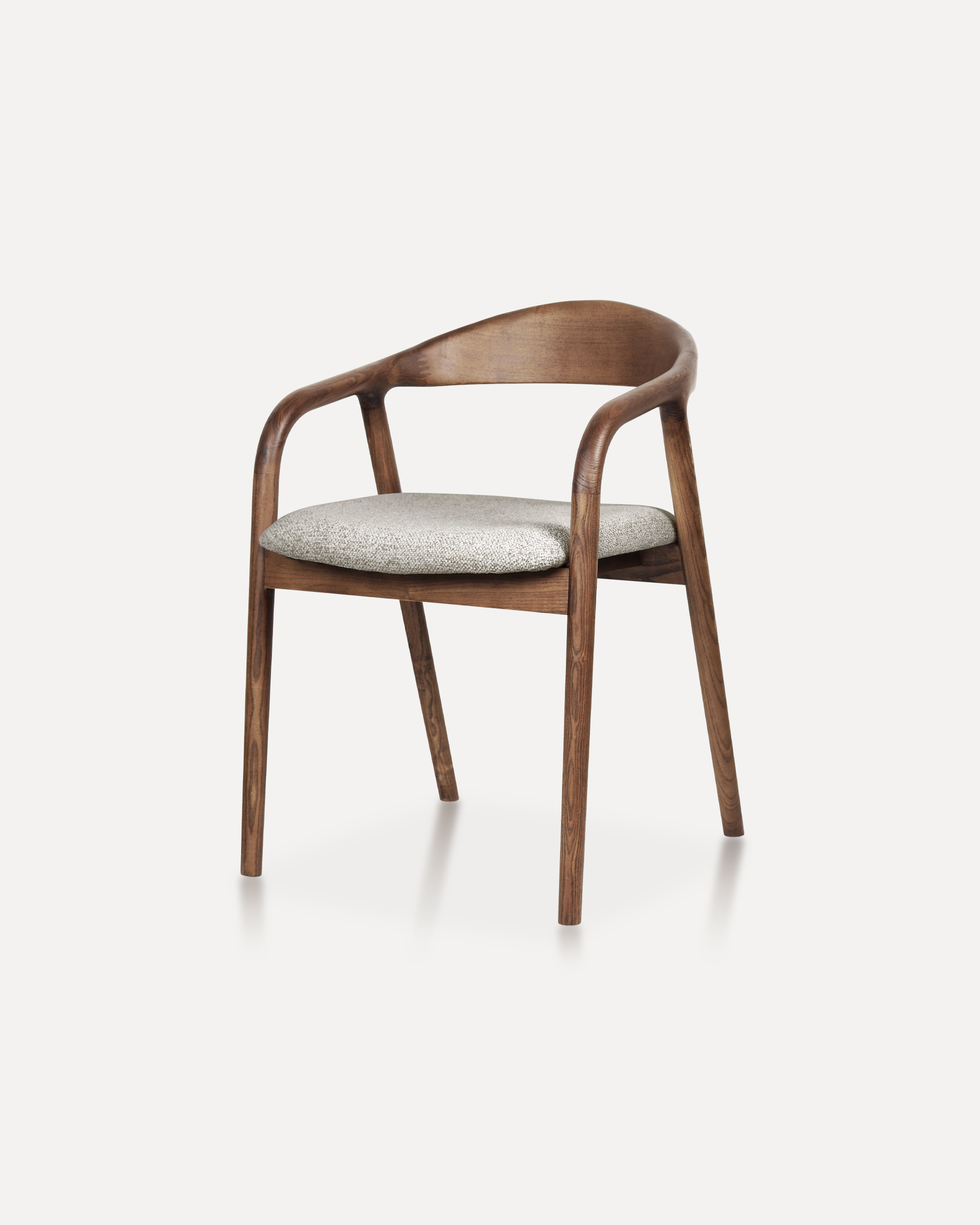
Showcases a refined silhouette with smooth, curved armrests and a gently rounde...
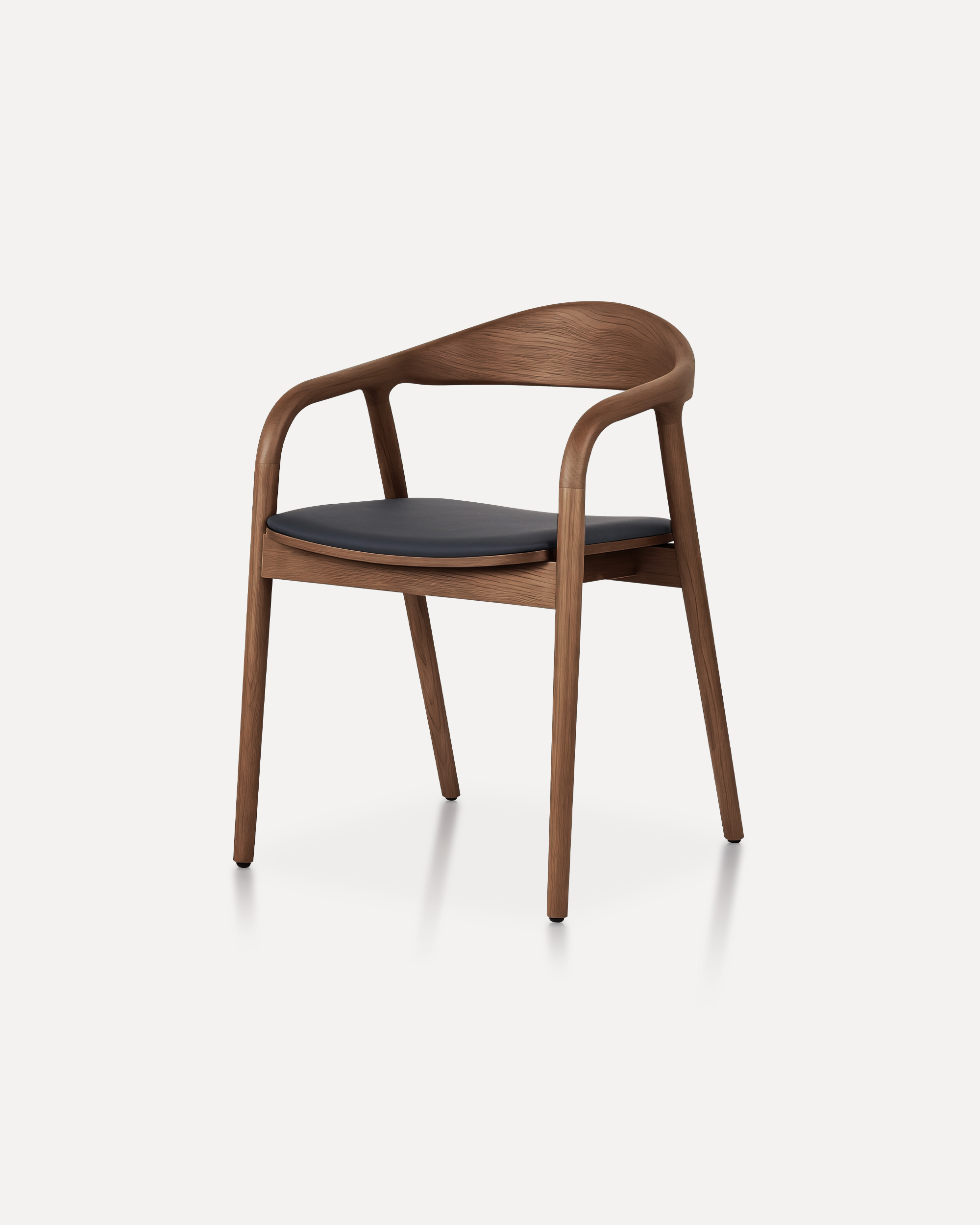
A masterclass in refined joinery and organic geometry, the Arc Chair features a...
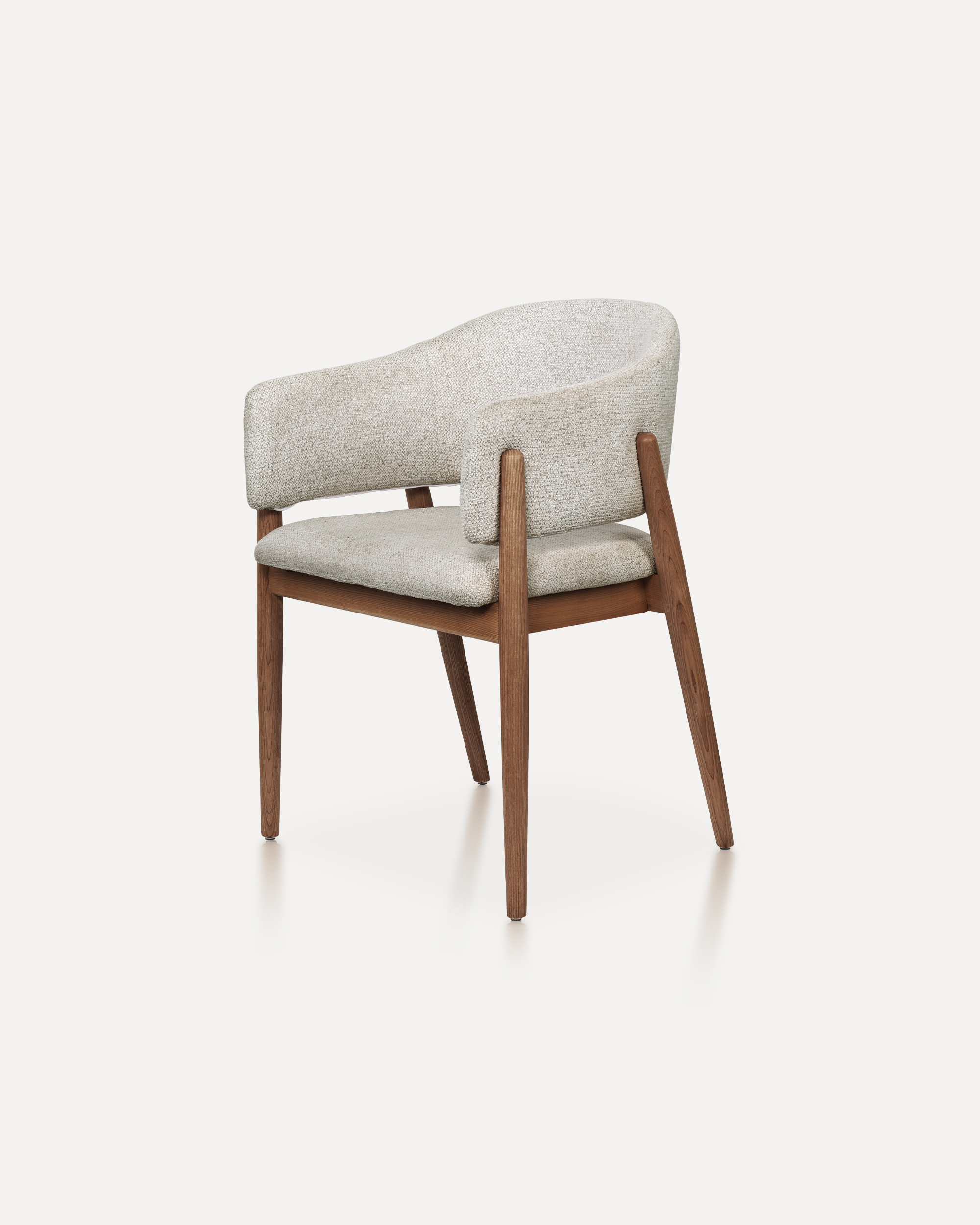
With its refined proportions and welcoming form, this chair brings quiet sophis...
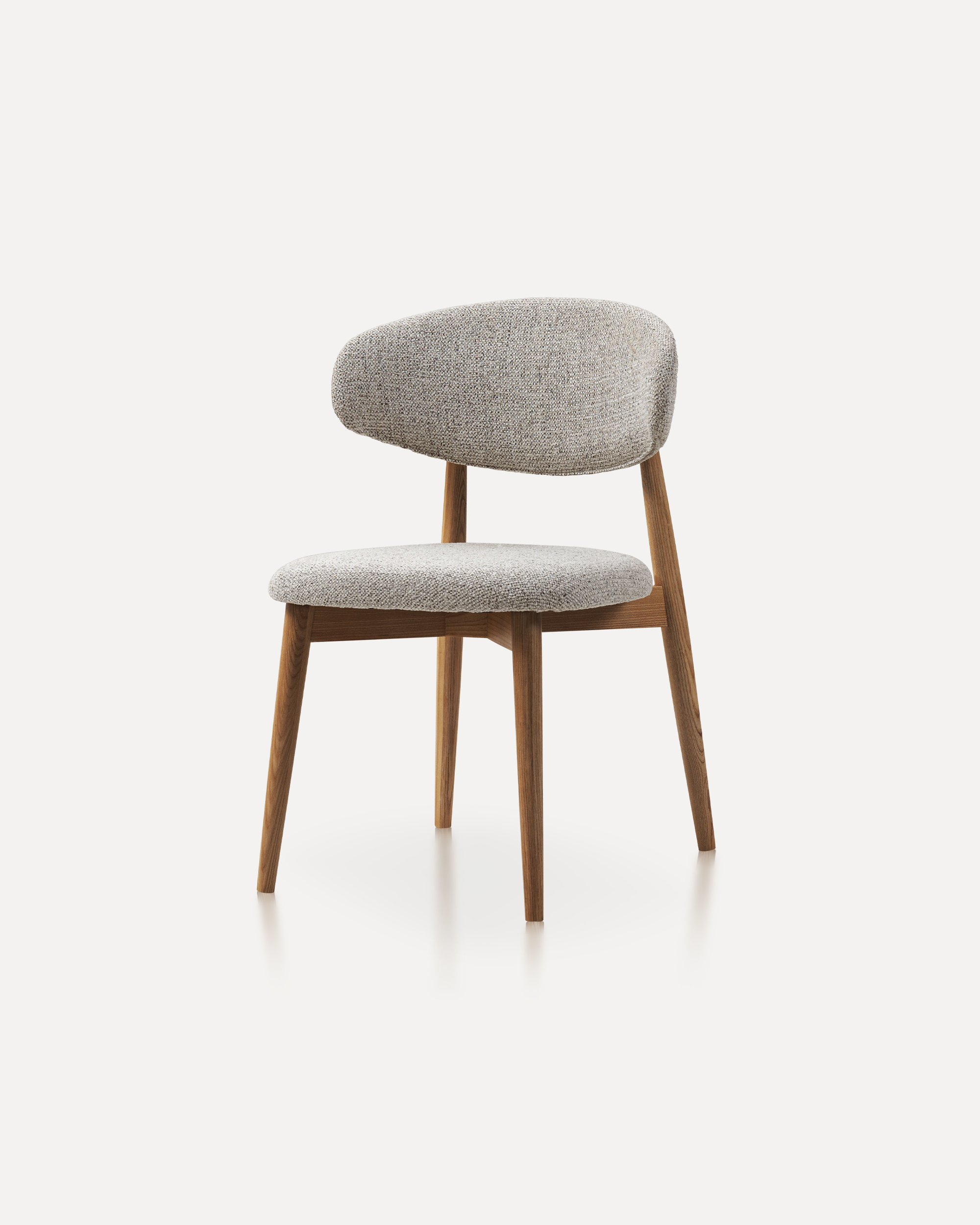
This wooden chair is a classic furniture piece that exudes warmth, durability, ...
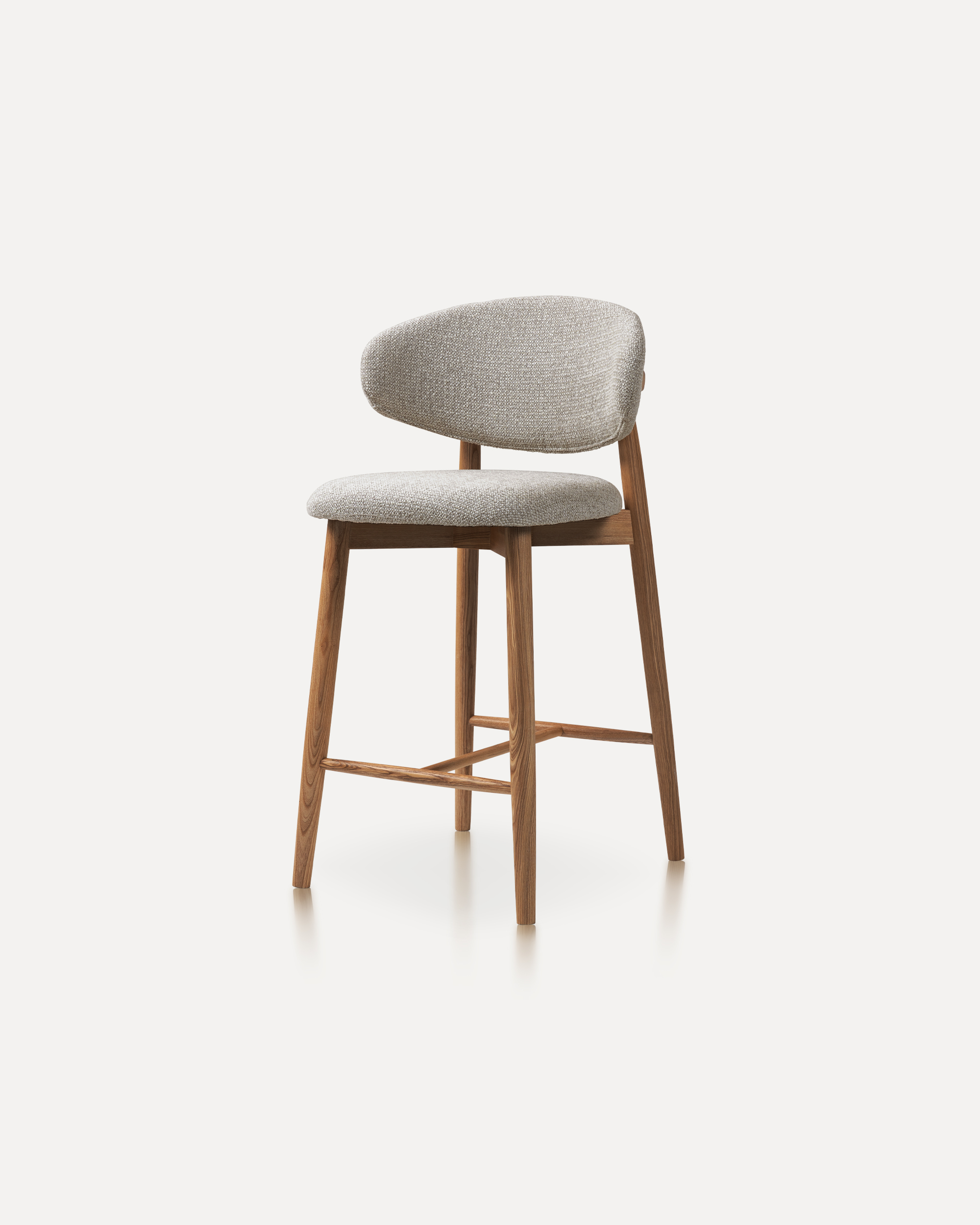
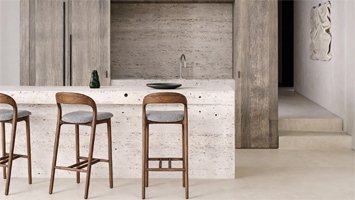
Our Wood Bar Stools are the perfect addition to any high-top table or bar setti...
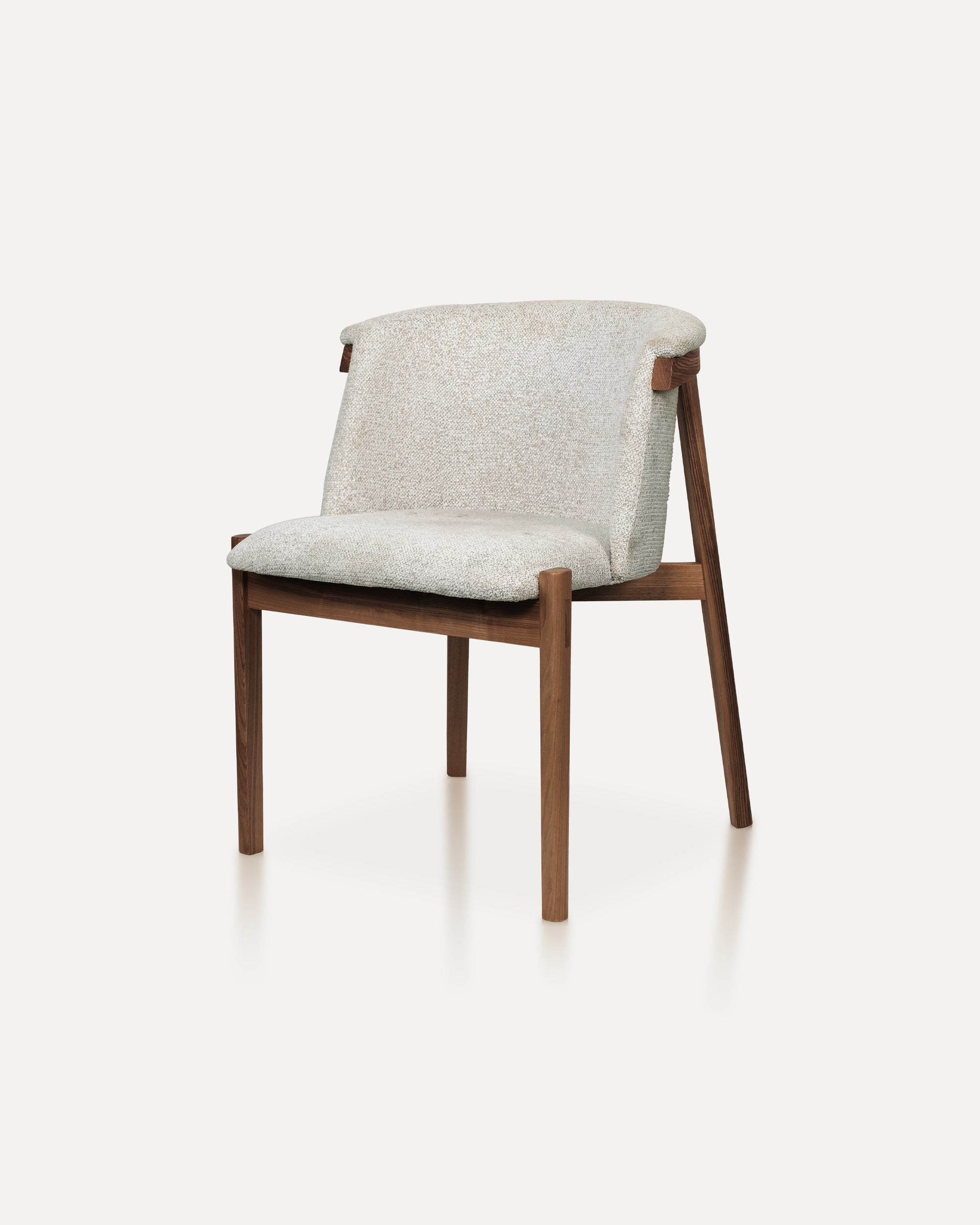
Bring natural elegance into your home with this finely crafted chair. The desig...
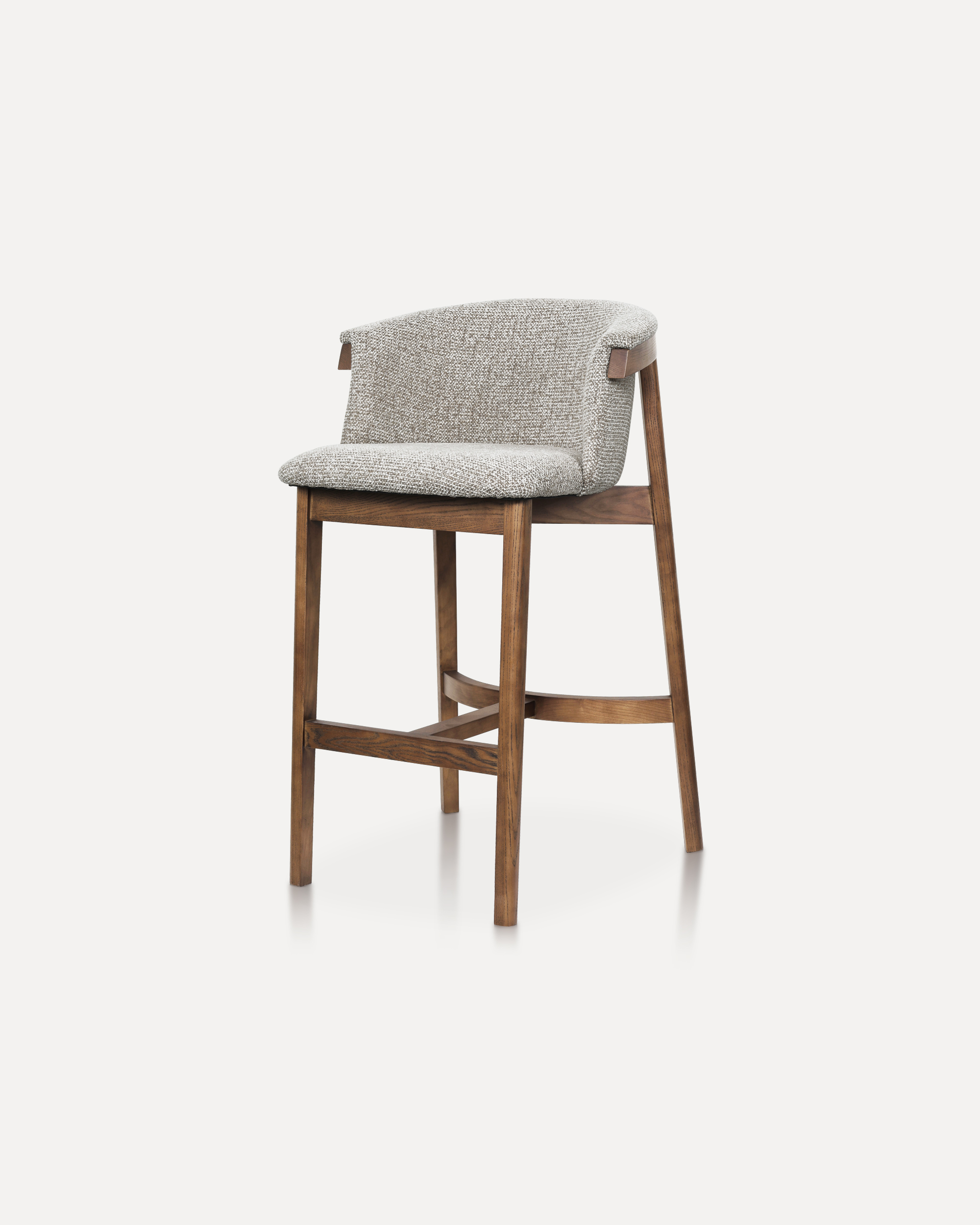
This sophisticated bar chair elevates any counter or high-top setting with its ...
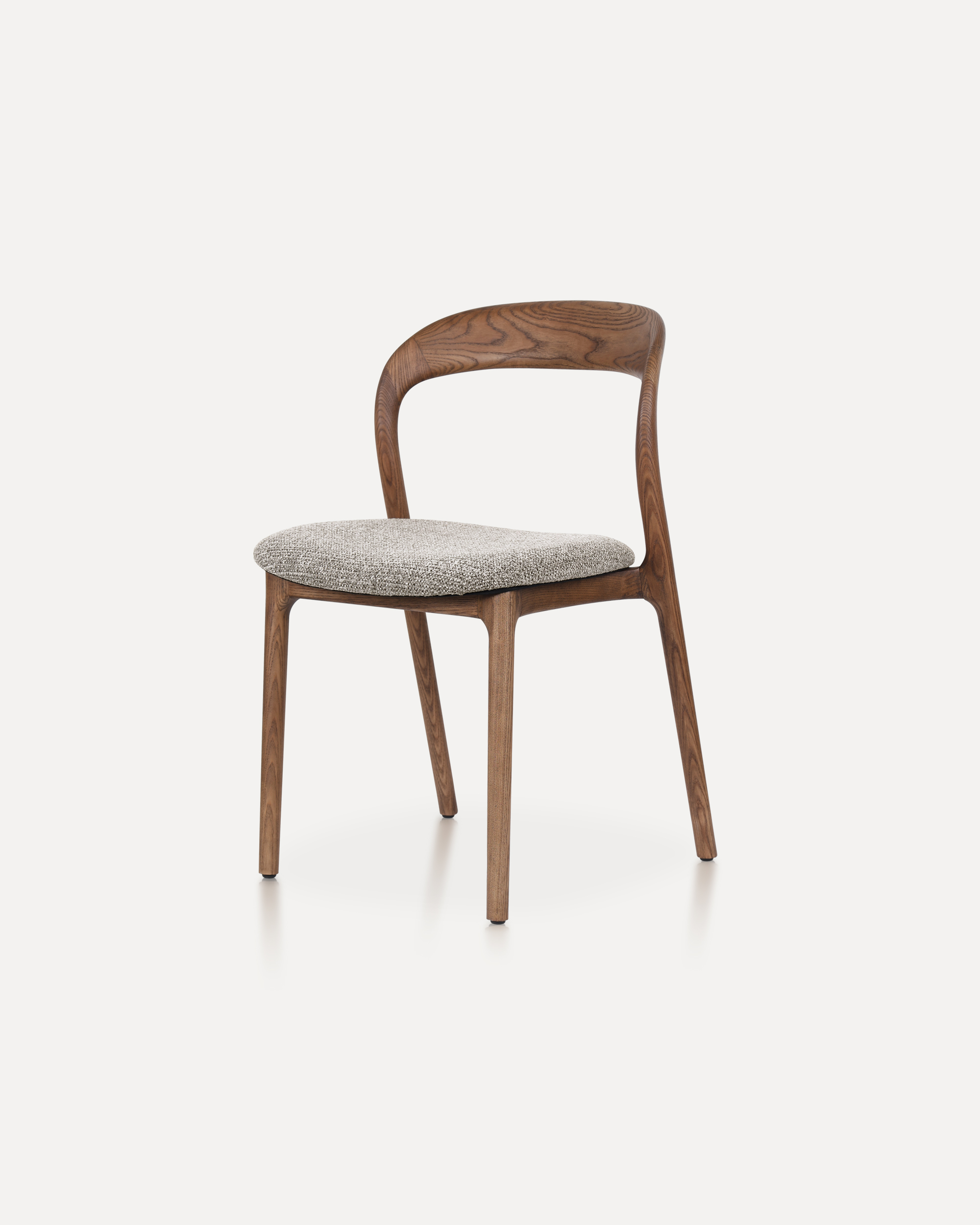
The Echo Chair is crafted from solid ashwood, featuring a unified back-and-arm ...
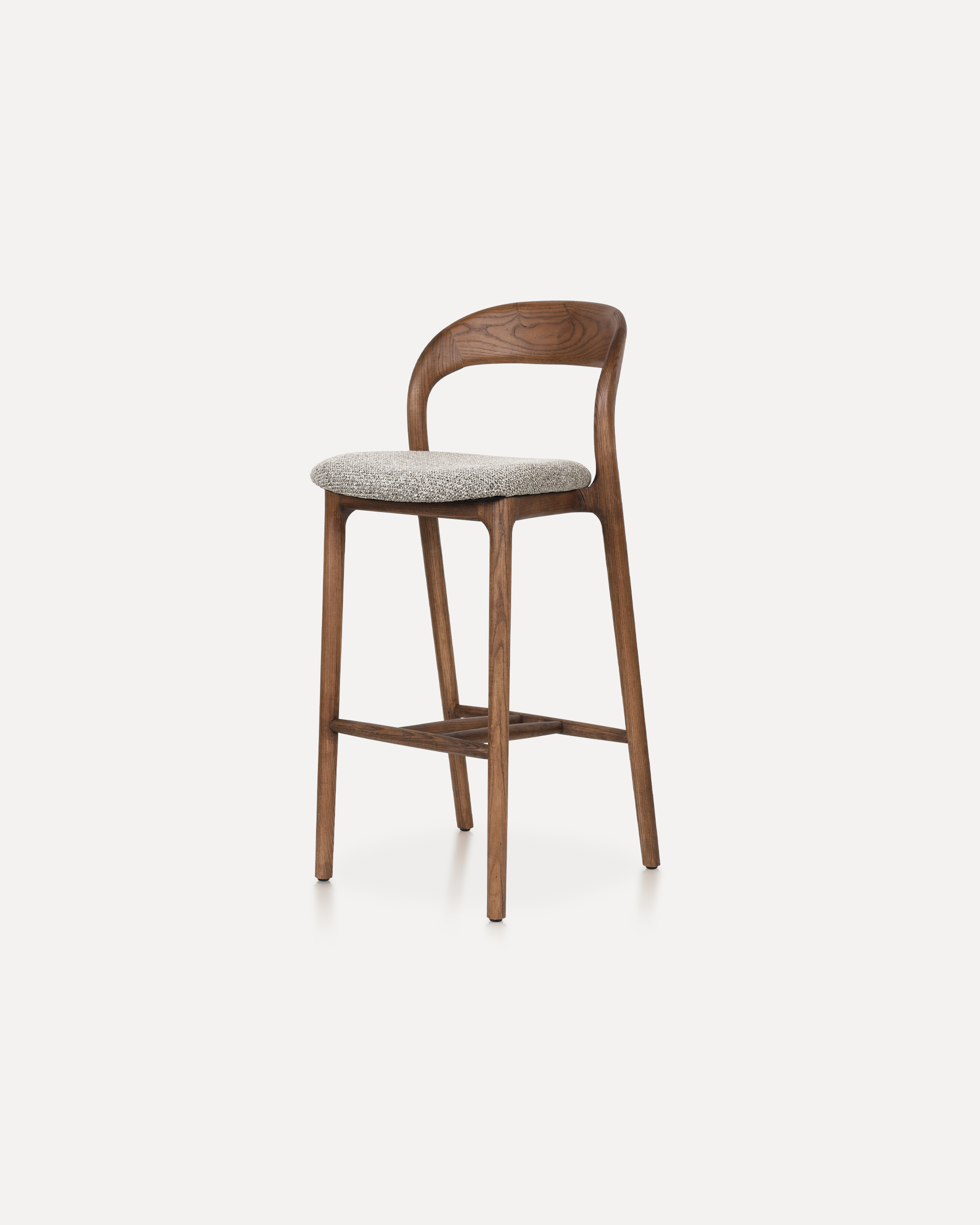
This Bar Chair is a counter-height seating solution crafted from solid ashwood ...
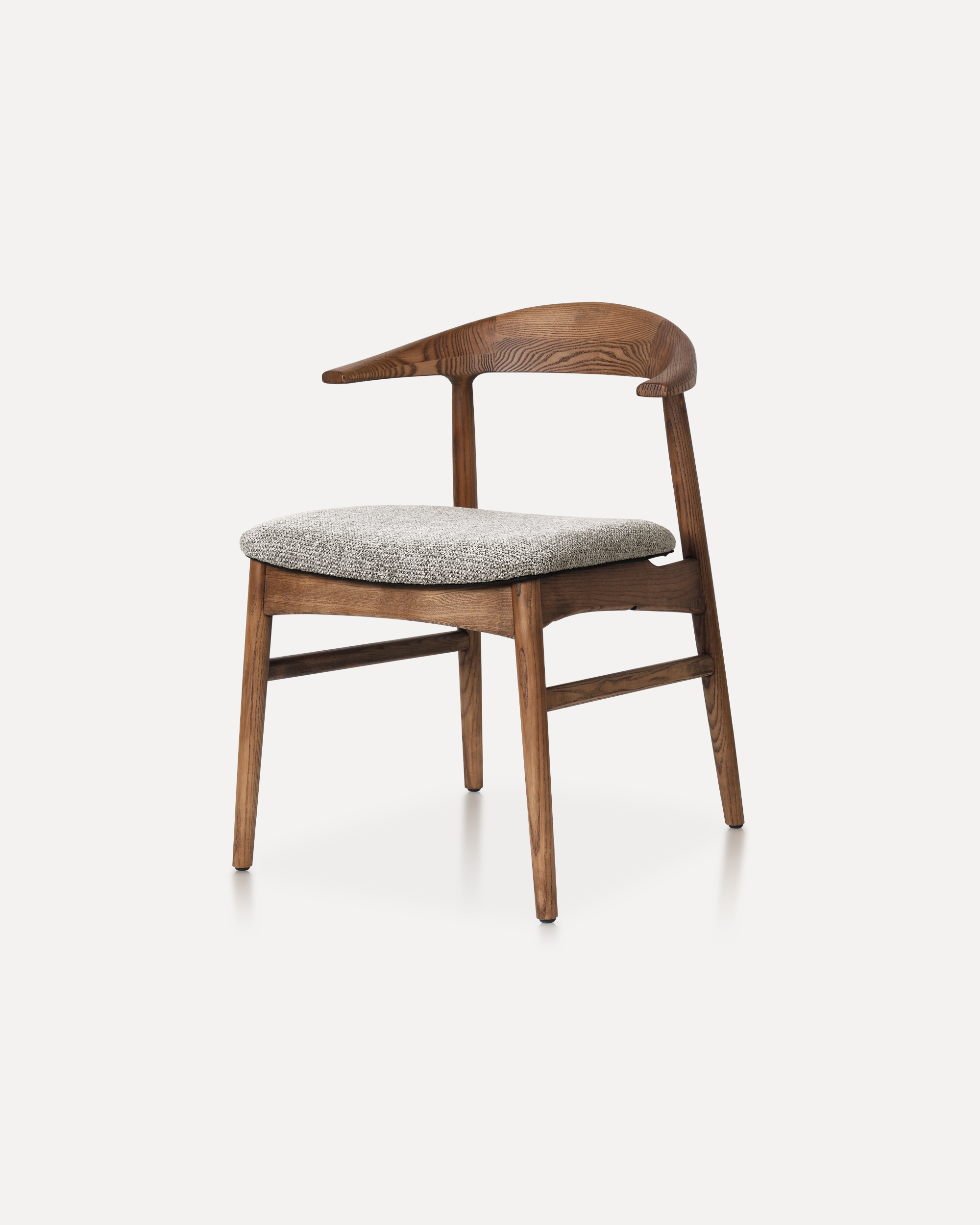
The Horizon Chair reinterprets mid-century warmth for today’s refined interiors...
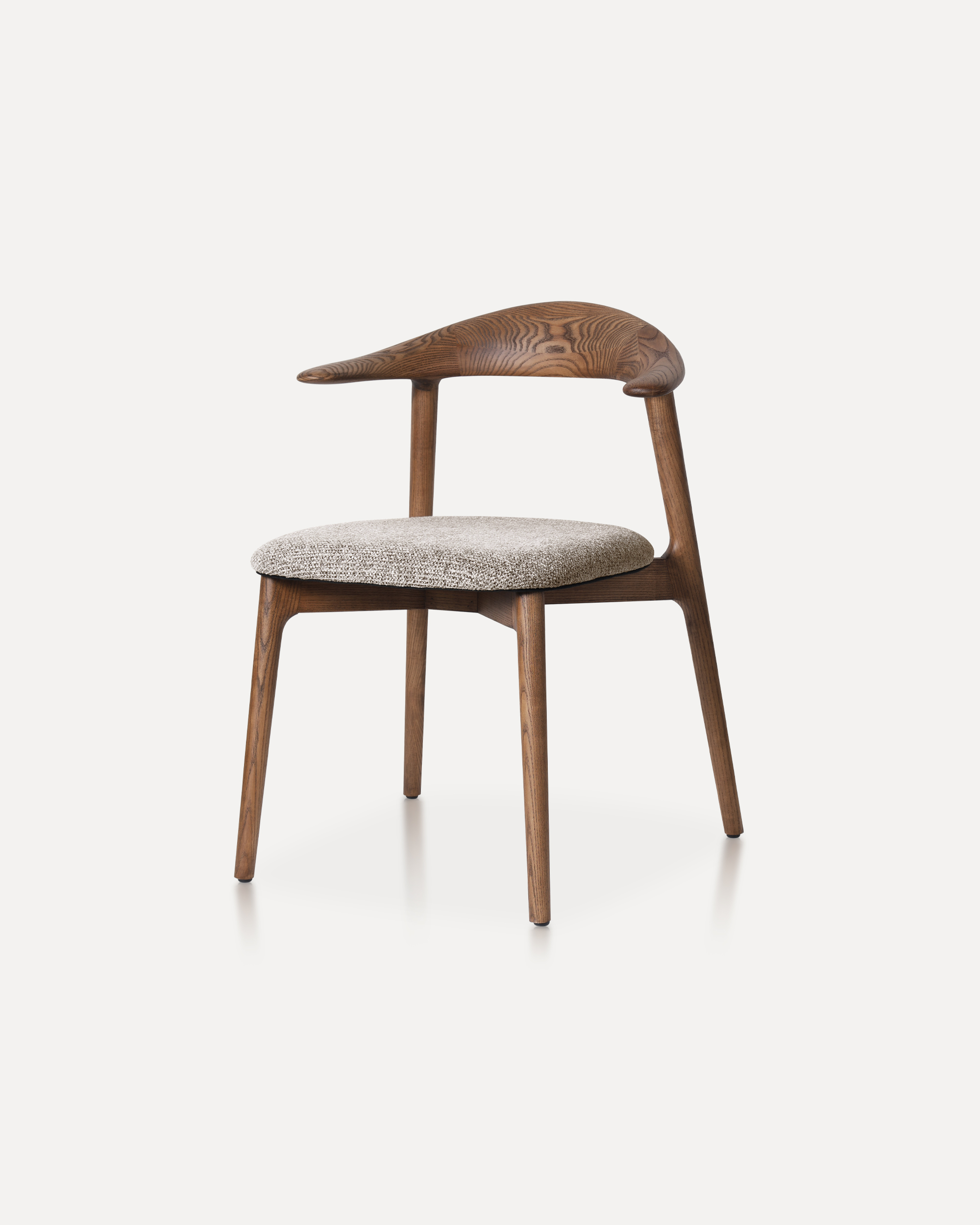
This classic features a striking, organic backrest carved from a single slab of...