
 English
  Français
 Español
Industry News
MENU

When you sit down for a meal, your dining room chair is likely the last thing on your mind. You might notice its style or color, but beneath the surface of this humble piece of furniture lies a fascinating blend of physics, physiology, and psychology. The chair we choose is far more than just a place to perch—it’s a carefully engineered object that profoundly influences our comfort, health, and even our social interactions.
Content
The fundamental job of a chair is to support your weight, and this is where basic physics comes into play.
Every object has a center of gravity, the average location of the weight of the object. For a chair to be stable, its center of gravity must be positioned directly over the area defined by its legs (the base of support).
The strength of a chair depends on the material chosen, whether it’s wood, metal, or plastic.
The most important scientific aspect of a dining chair is its ergonomics, the science of designing and arranging things people use so that the people and things interact most efficiently and safely. A well-designed dining chair optimizes posture and minimizes strain.
For many ergonomic experts, the ideal seated posture involves a few key angles:
A chair that is too low or too high relative to the table forces your shoulders to slump or your neck to strain, leading to the discomfort commonly known as “dinner fatigue.”
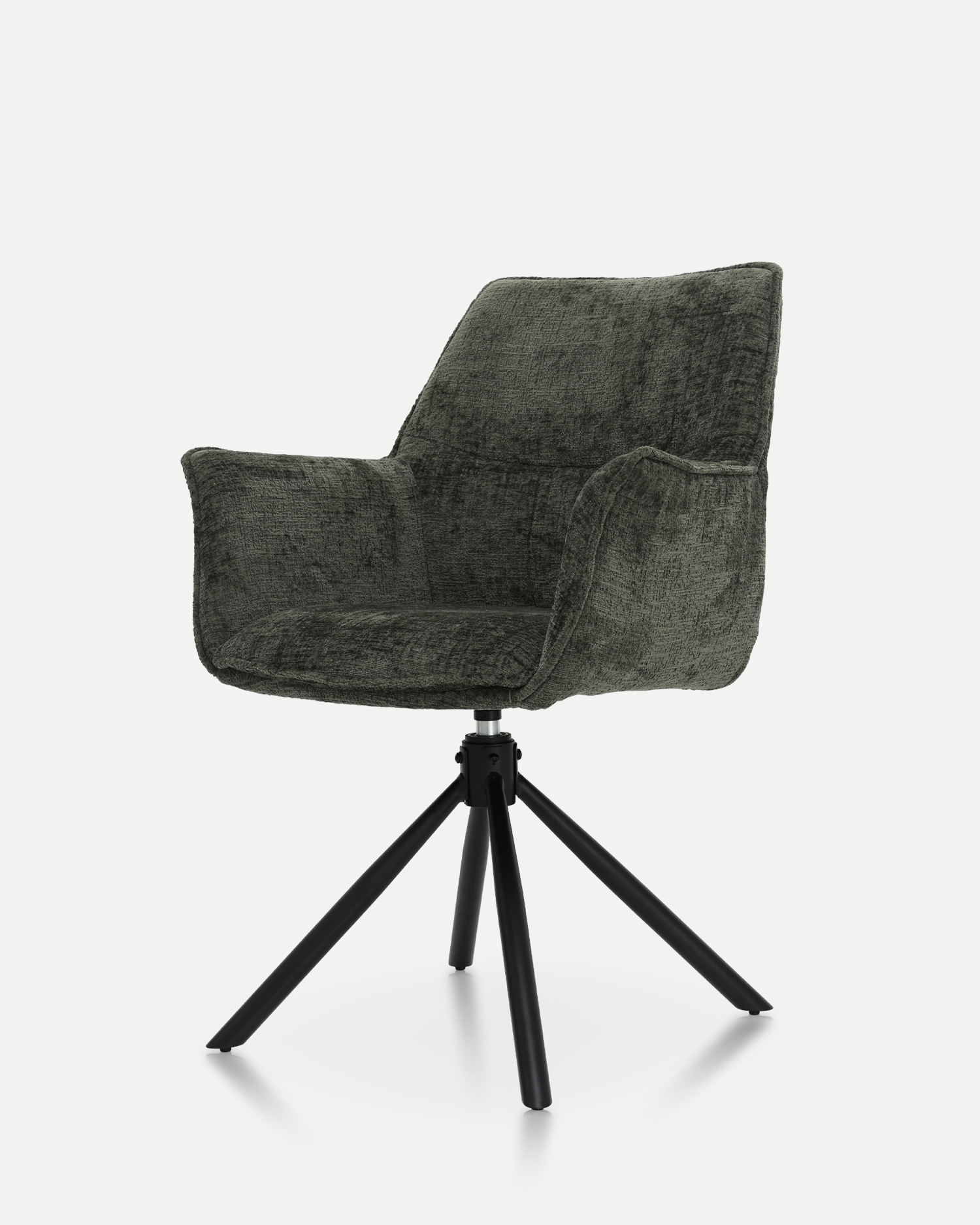
The choice of a dining chair subtly influences how we interact with others and how long we linger at the table.
Restaurants strategically use chair design to manage customer flow.
The chair’s size and position relative to the table also affect the group’s dynamic. A narrow chair or one placed close to another promotes intimacy, while a larger, more imposing armchair can suggest authority or importance, subtly influencing the conversation around the table.
In the end, the simple dining room chair is a complex piece of engineering, where materials and measurements combine to create the ideal environment for one of humanity’s oldest and most important rituals: sharing a meal. The next time you sit down, take a moment to appreciate the science holding you up.
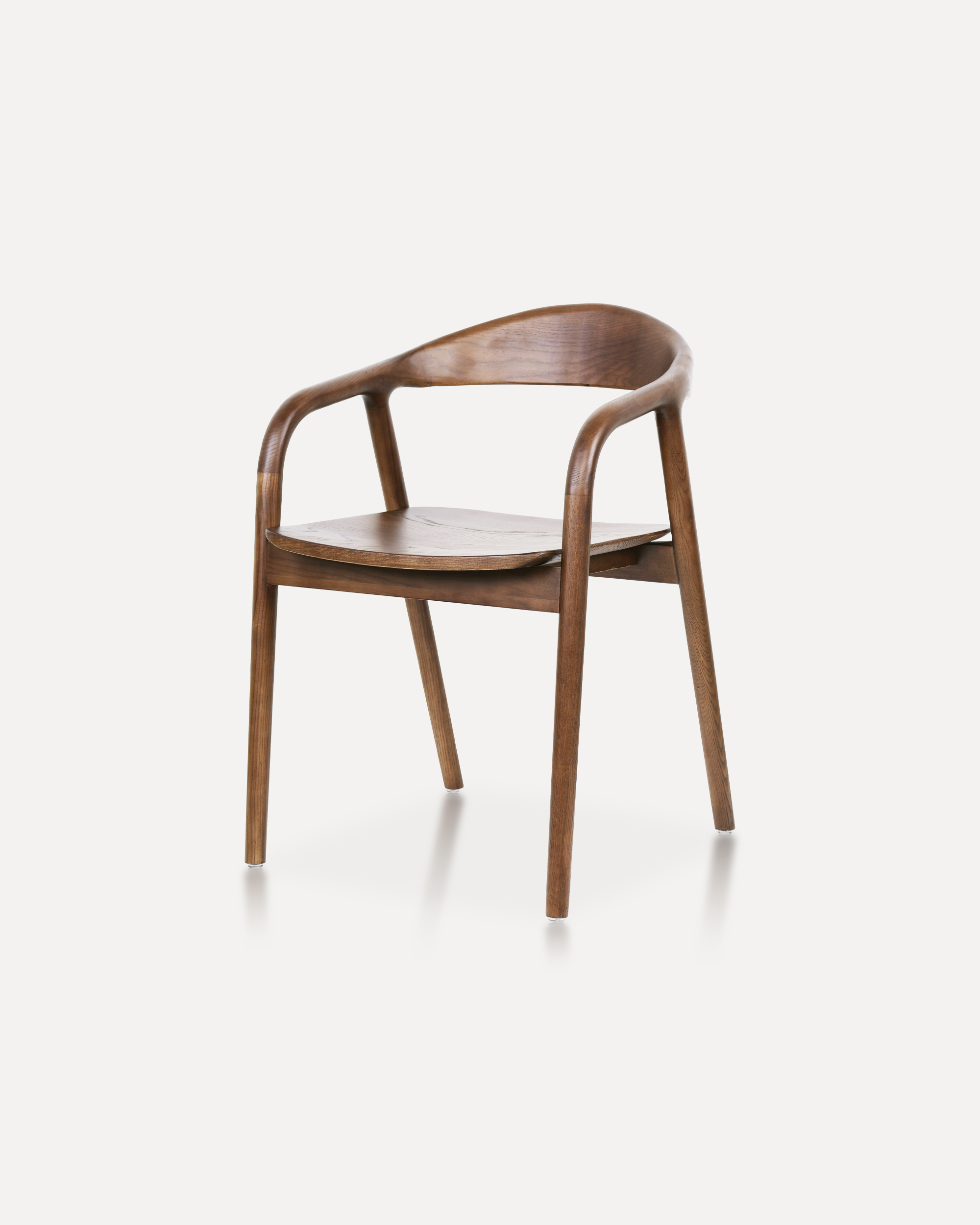
Crafted entirely from solid ash wood, this chair embodies a refined balance of ...
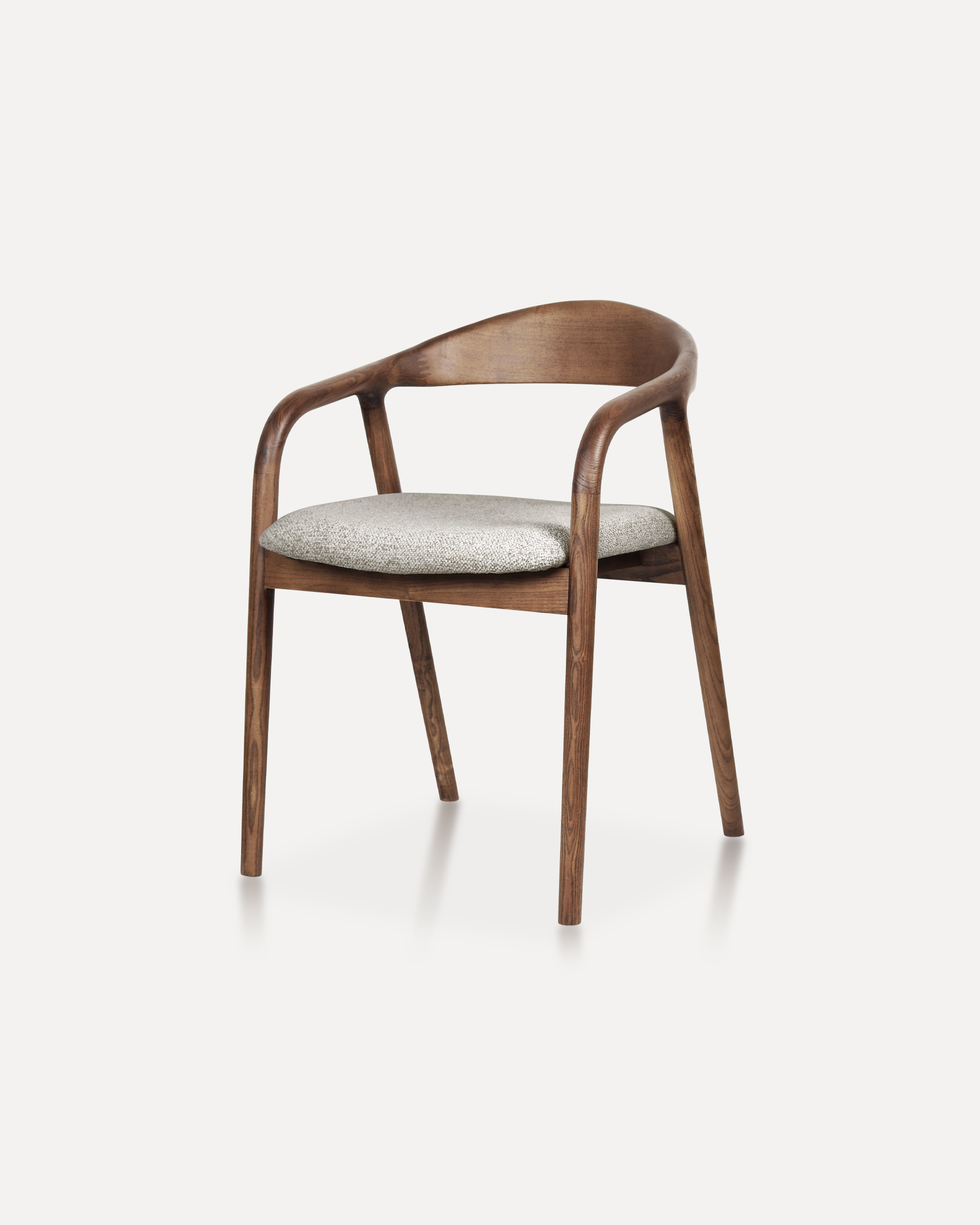
Showcases a refined silhouette with smooth, curved armrests and a gently rounde...
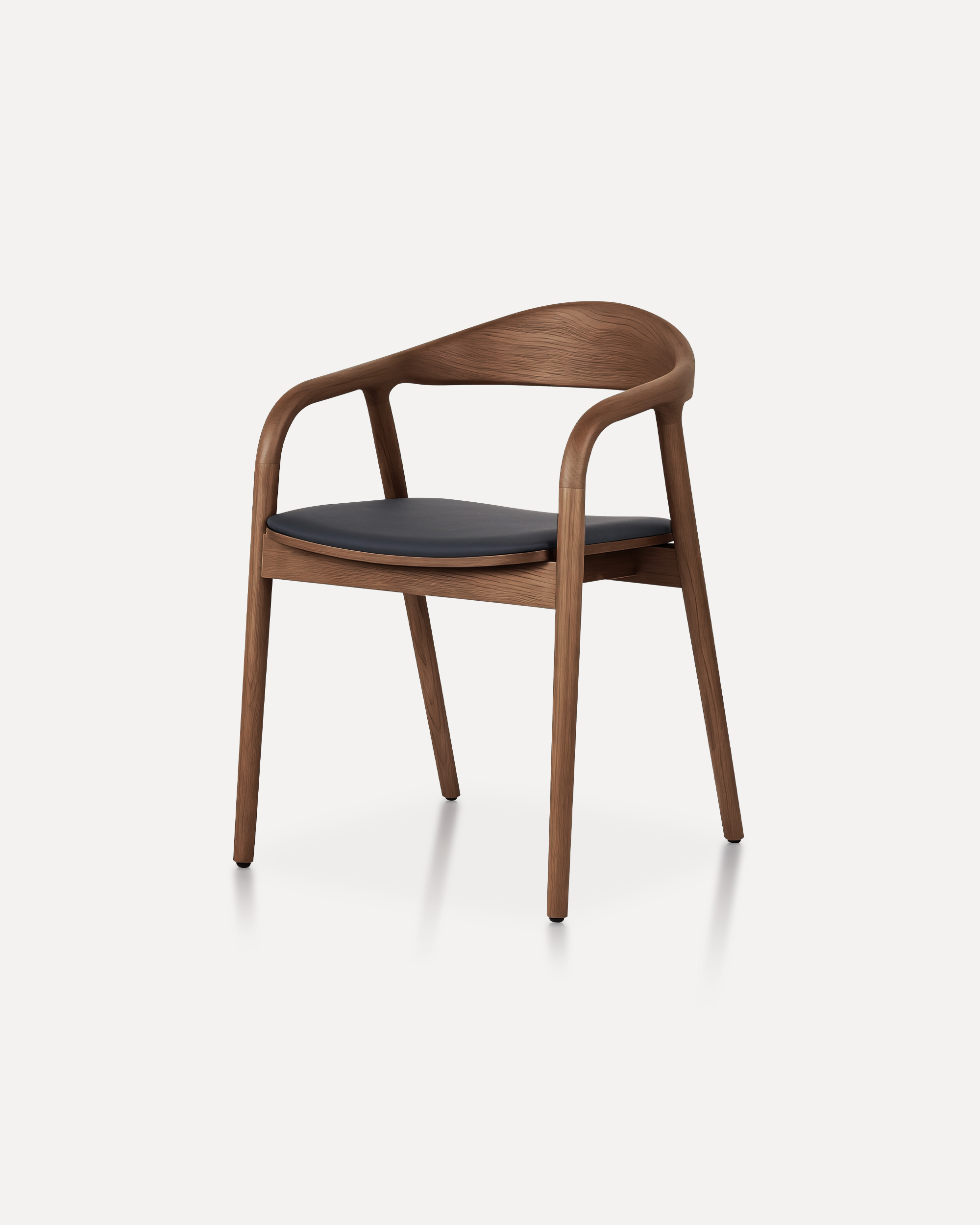
A masterclass in refined joinery and organic geometry, the Arc Chair features a...
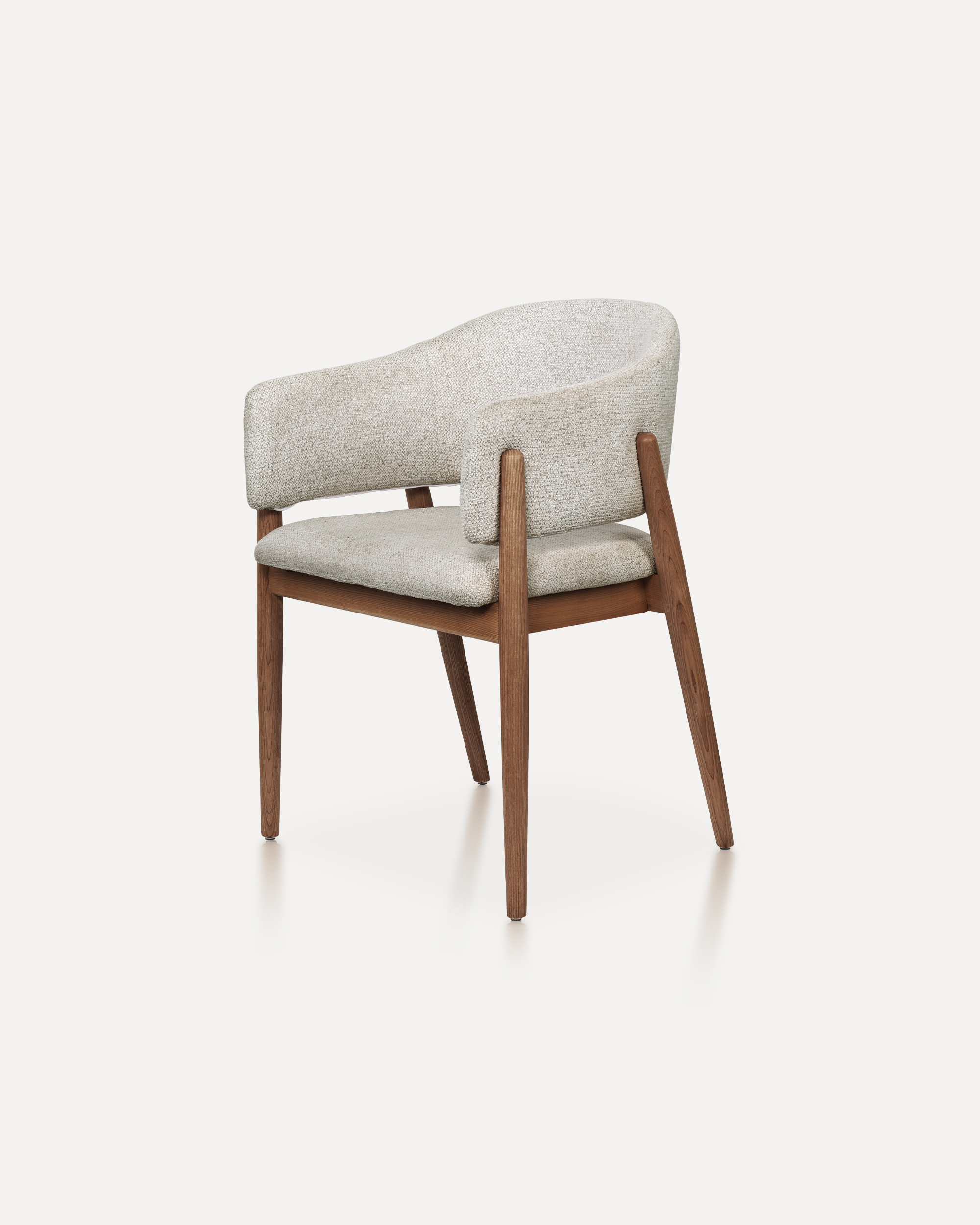
With its refined proportions and welcoming form, this chair brings quiet sophis...
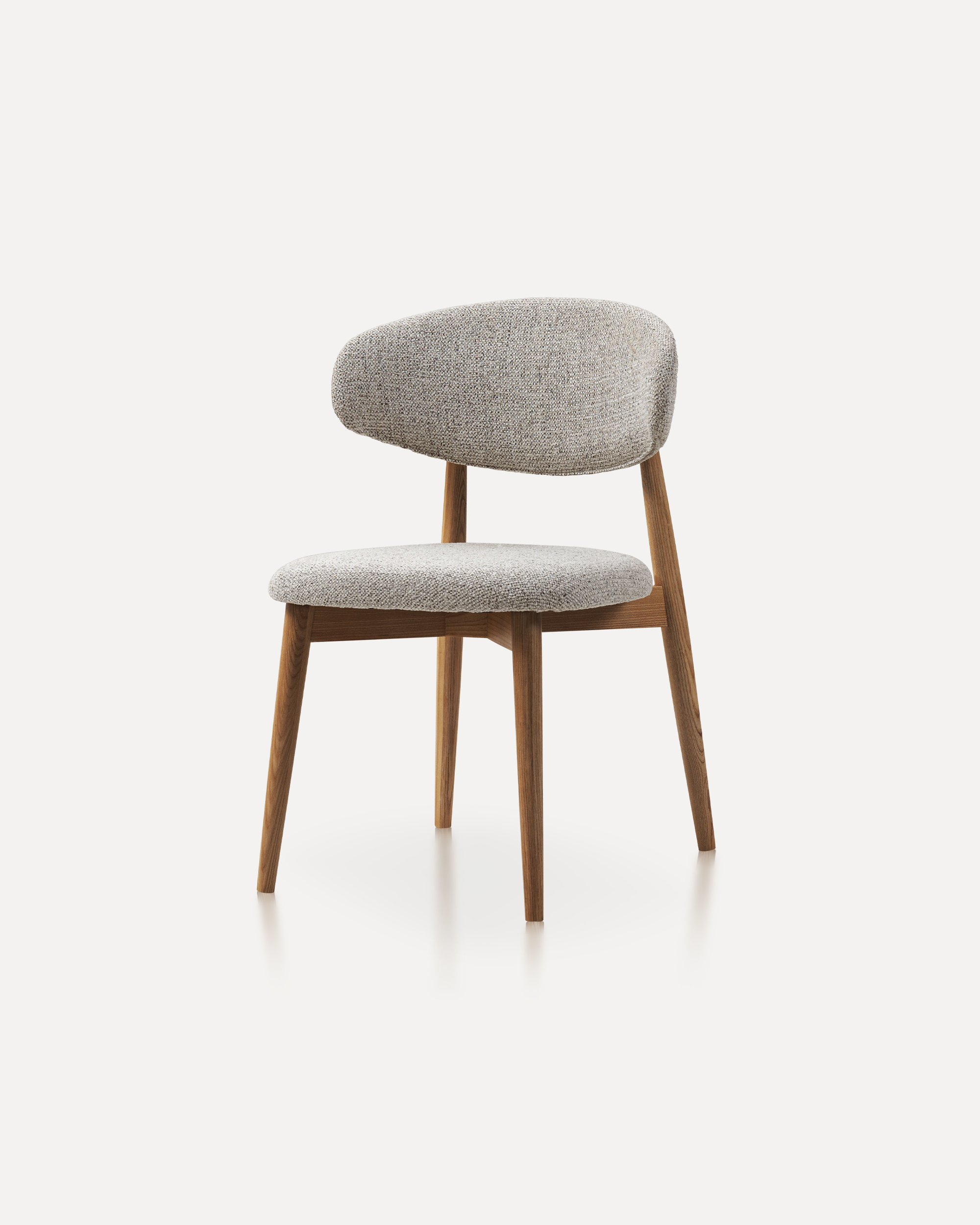
This wooden chair is a classic furniture piece that exudes warmth, durability, ...
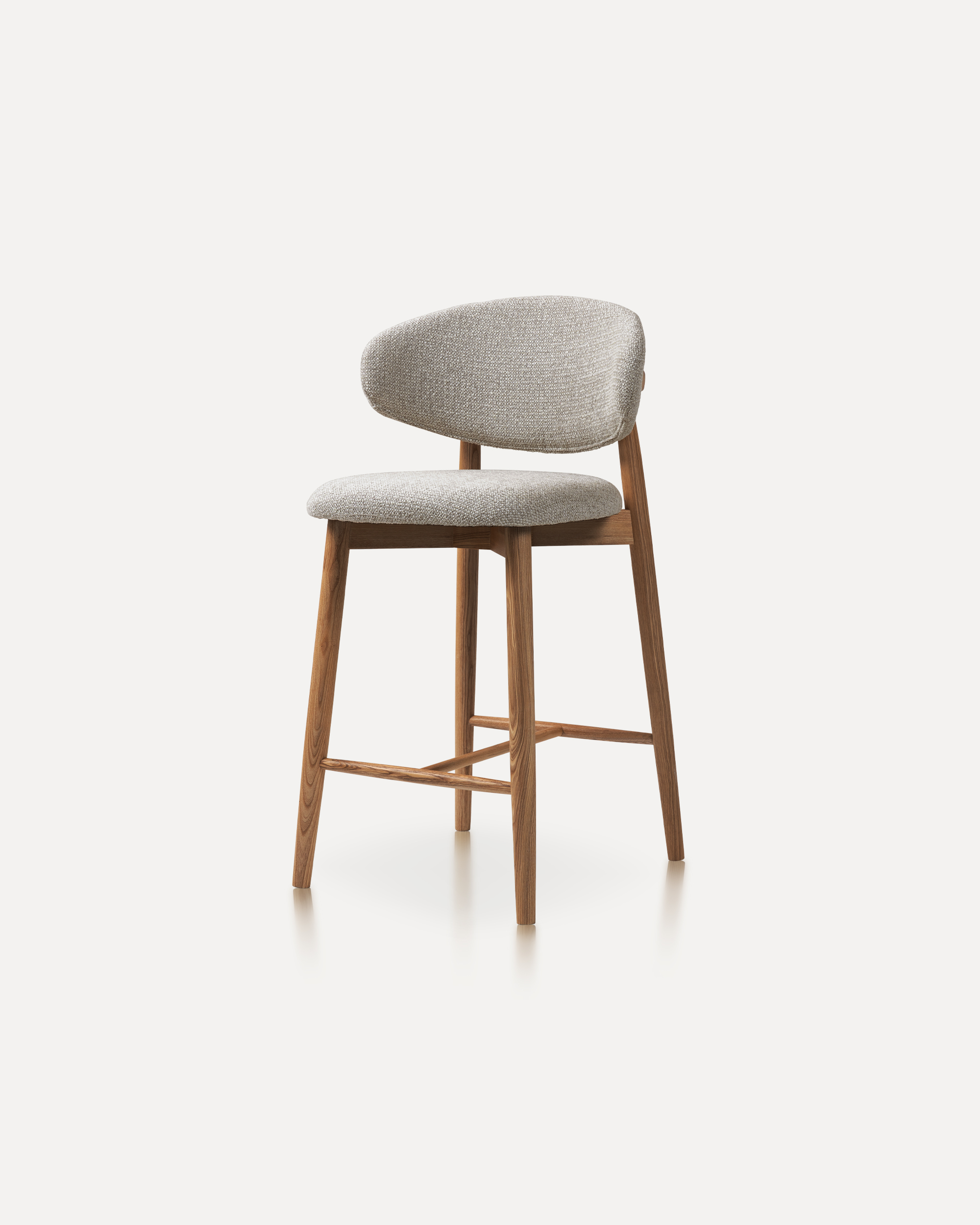
Our Wood Bar Stools are the perfect addition to any high-top table or bar setti...
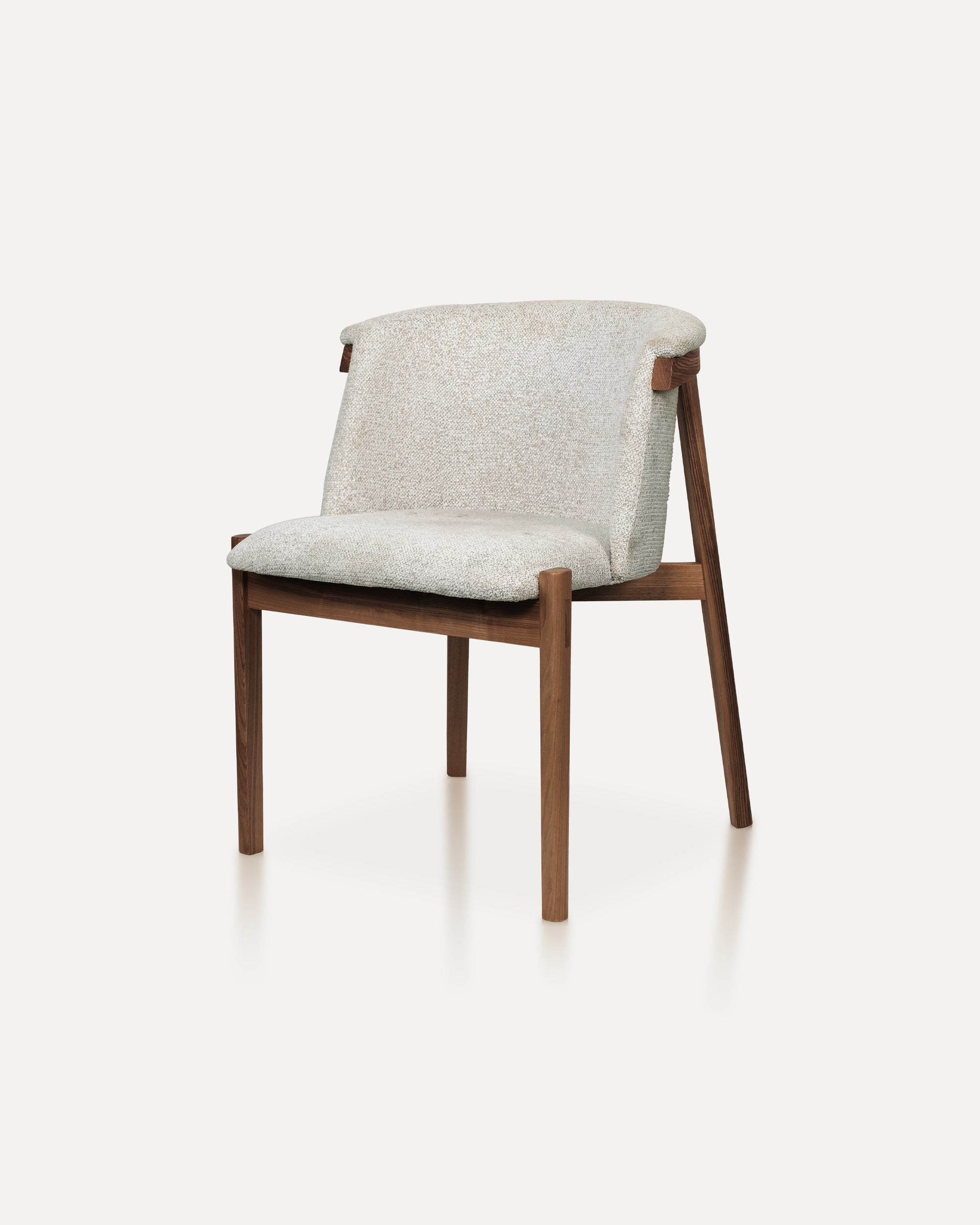
Bring natural elegance into your home with this finely crafted chair. The desig...
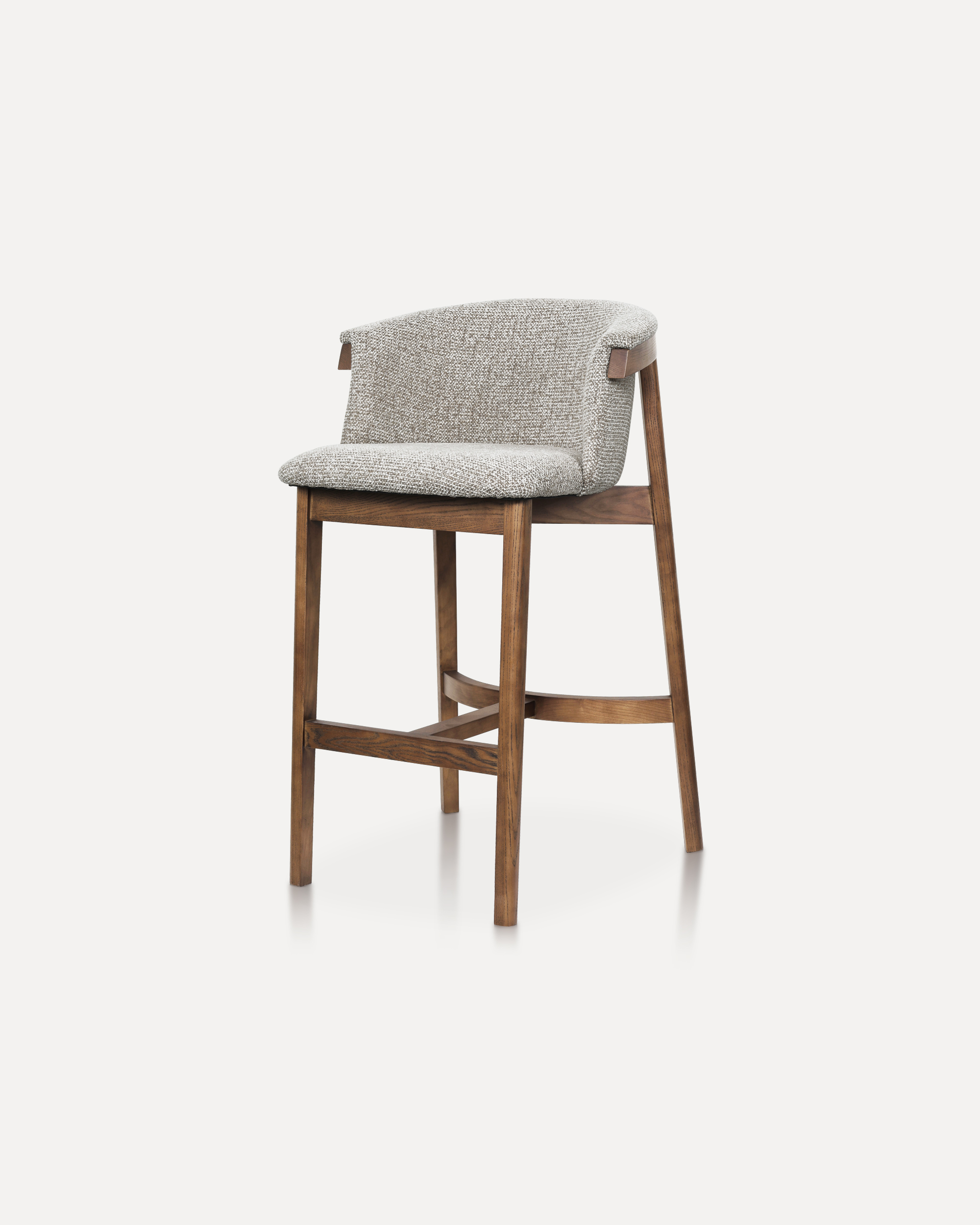
This sophisticated bar chair elevates any counter or high-top setting with its ...
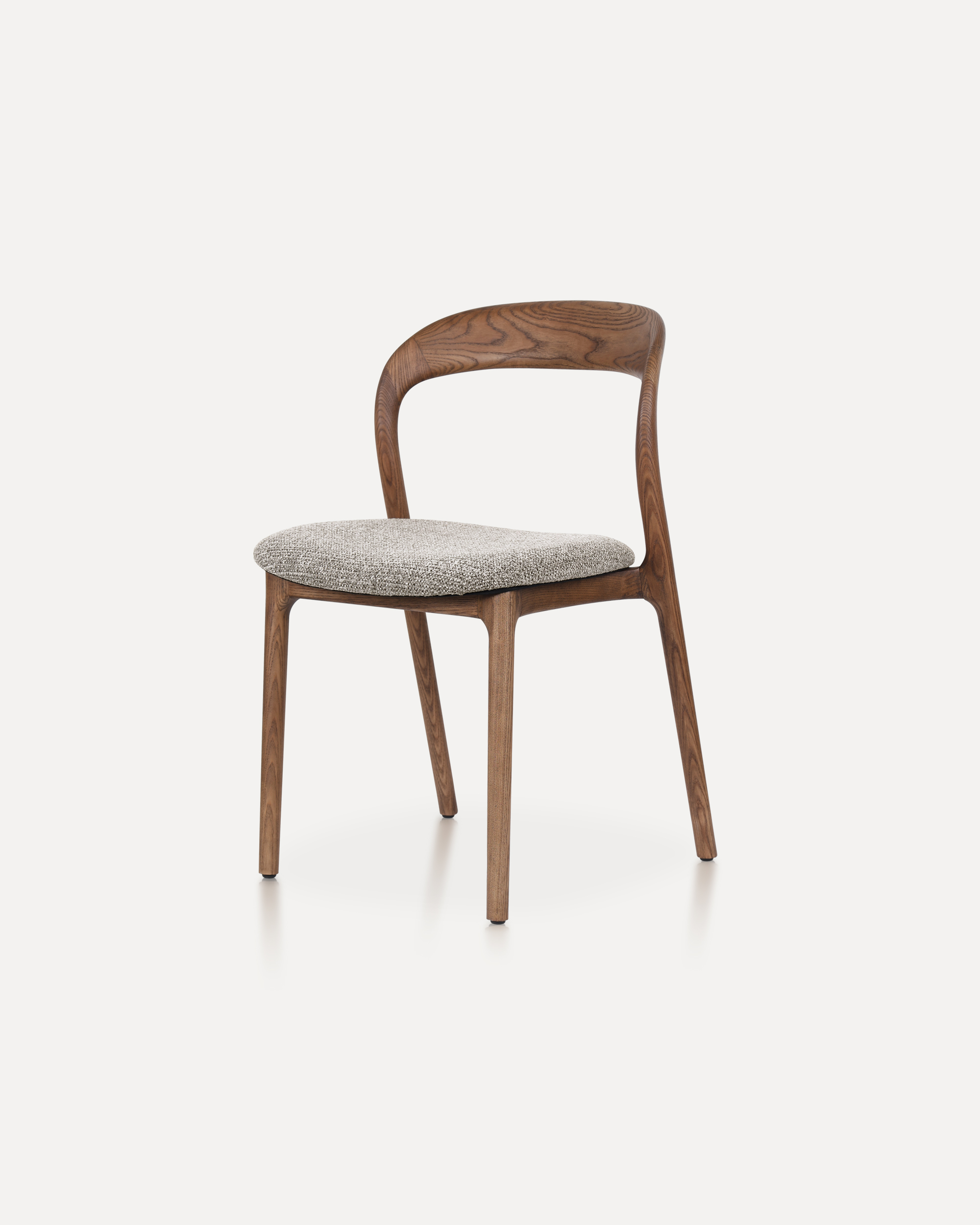
The Echo Chair is crafted from solid ashwood, featuring a unified back-and-arm ...
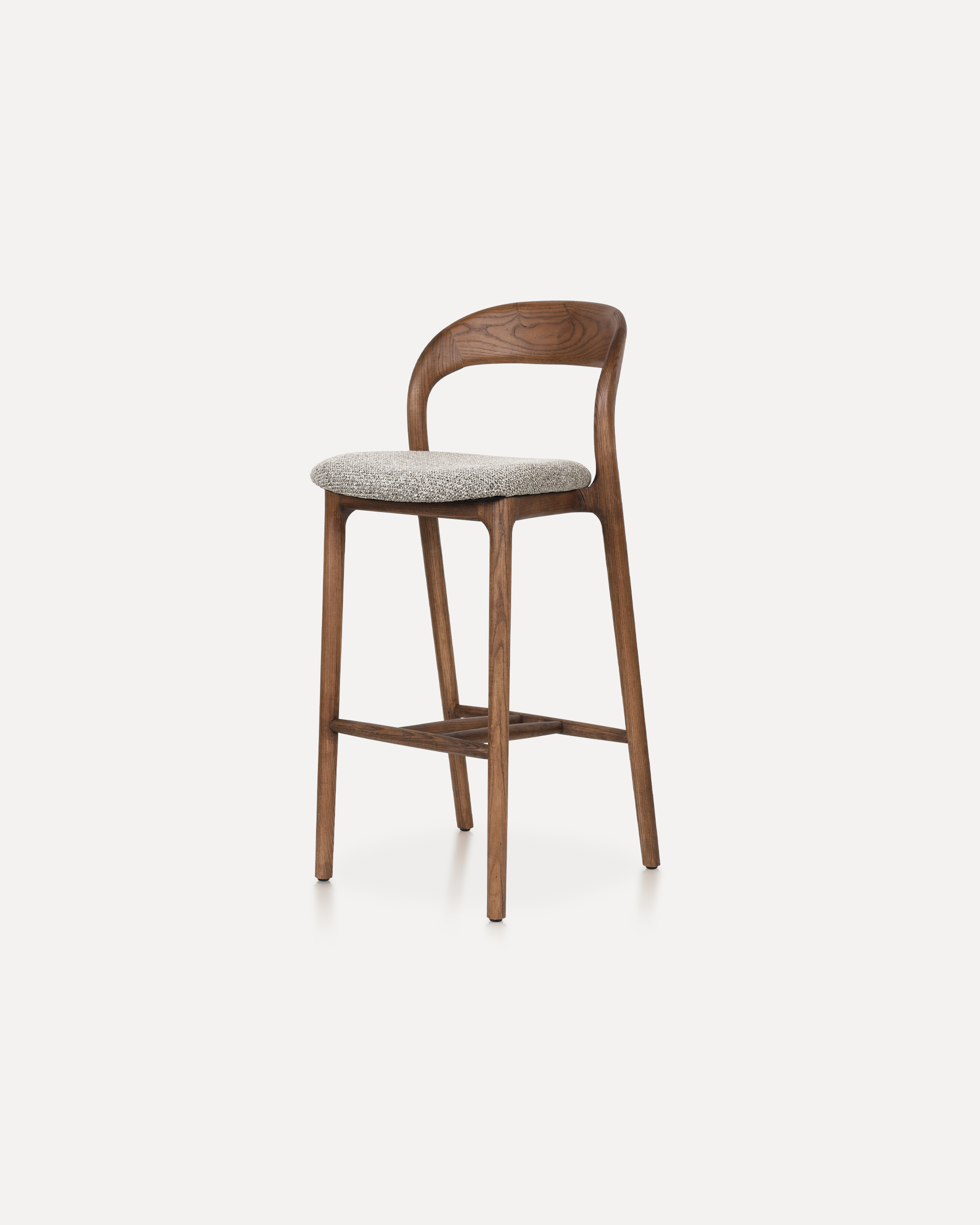
This Bar Chair is a counter-height seating solution crafted from solid ashwood ...
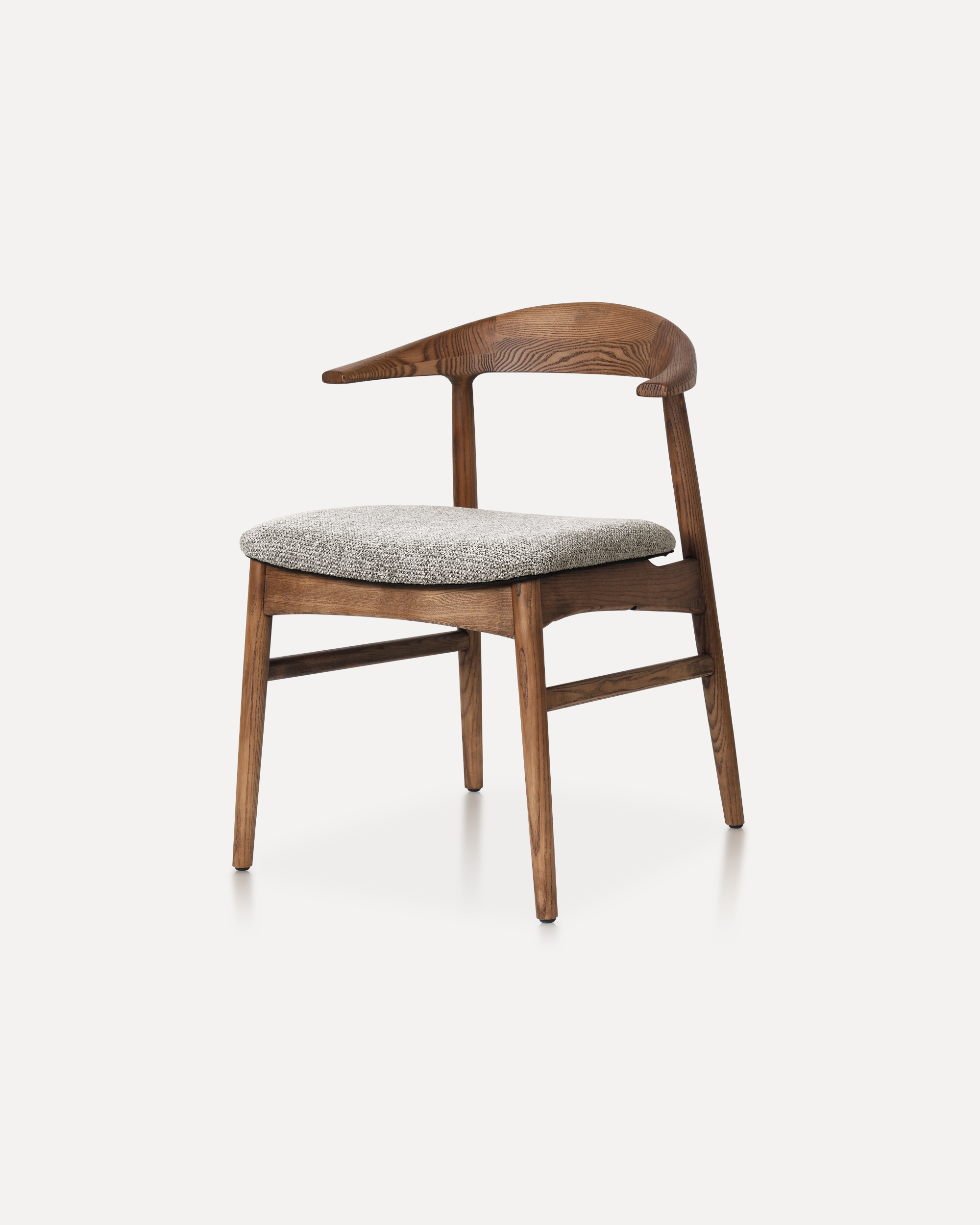
The Horizon Chair reinterprets mid-century warmth for today’s refined interiors...
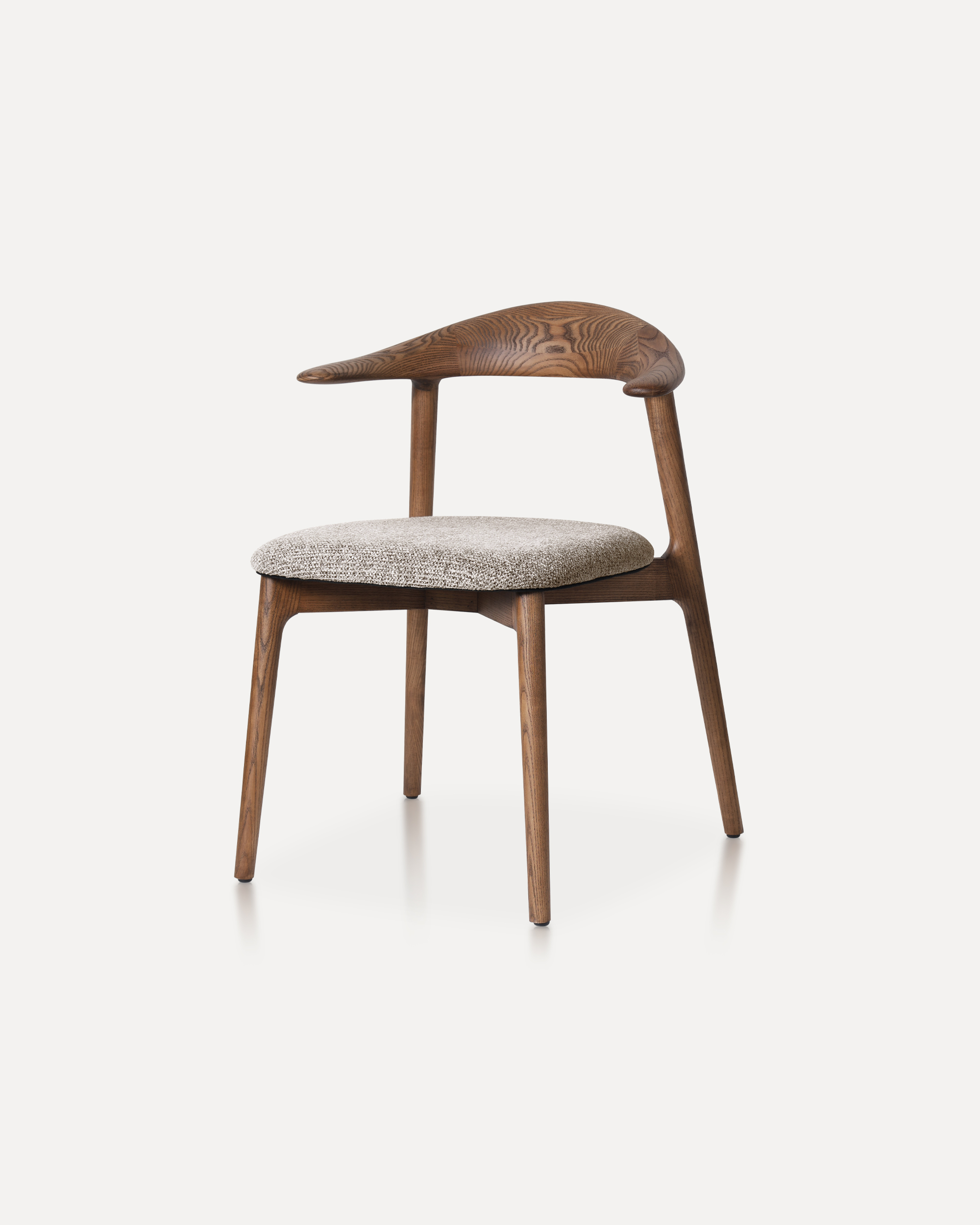
This classic features a striking, organic backrest carved from a single slab of...