
 English
  Français
 Español
Industry News
MENU

Content
Walk into any furniture store, and you'll see lounge chairs made of metal, plastic, plywood, and particleboard. But there's a reason solid wood lounge chairs have been around for centuries – they're durable, repairable, and they age beautifully. A solid wood frame doesn't just hold your weight; it develops character over time. Scratches can be sanded out, finishes can be refreshed, and the joinery can be tightened. Try doing that with a plastic chair. When you buy a solid wood lounge chair, you're not just buying a seat – you're buying a piece of furniture that can outlive you if you treat it right.
That said, not all solid wood is the same. The type of wood, the joinery, the finish, and the ergonomics all determine whether your chair will be a family heirloom or firewood in five years. Let's break down everything you need to know so you can pick a solid wood lounge chair that fits your body, your home, and your budget.
The wood species is the single biggest factor in how your solid wood lounge chair looks, feels, and holds up. Hardwoods are the go-to for lounge chairs because they resist denting and warping. Here's a rundown of the most common options.
| Wood Type | Density (Hardness) | Durability | Relative Cost | Color & Grain | Best For |
| White Oak | Very high | Excellent – water‑resistant | $$$ | Light brown, prominent grain | Everyday family use, humid spaces |
| Black Walnut | High | Very good – stable | $$$$ | Rich dark brown, straight grain | Modern interiors, showpiece chairs |
| Teak | High | Exceptional – weatherproof | $$$$$ | Golden brown, oily texture | Indoor/outdoor, high‑humidity areas |
| Ash | High | Good – flexible and strong | $$ | Pale cream, bold ring pattern | Curved or bentwood designs |
| Cherry | Medium‑high | Good – ages to rich red | $$$ | Pinkish brown, darkens with age | Traditional and classic styles |
| Rubberwood | Medium | Fair – prone to denting | $ | Light blonde, subtle grain | Budget picks, light‑use chairs |
If you want a solid wood lounge chair that lasts decades, stick with oak, walnut, or ash. Teak is brilliant but overkill for indoor use. Avoid rubberwood or pine for a main lounge chair – they're too soft and won't hold up to daily sitting and shifting.
Wood can be beautiful, but if the joints are weak, your solid wood lounge chair will start wobbling within a year. Joints are the skeleton of the chair. Here's what to look for and what to run away from.
This is an old-school joint where a protruding tenon on one piece fits snugly into a hole (mortise) on the other. It's strong, stable, and can be pinned or glued. When done correctly, a mortise-and-tenon joint can outlast the wood itself. Many high-end solid wood lounge chairs use this for the arm-to-leg and seat-to-frame connections. If you see a chair with this joint, it's a good sign.
Dowel joints use wooden pegs to align and secure two pieces. They're common in mid-range furniture. They work well if the dowels are thick and the glue is high-quality. However, over time and with heavy use, dowels can loosen, especially if the chair rocks side to side. It's not a deal-breaker, but it's not as bombproof as mortise and tenon.
If a wooden lounge chair is held together mostly by screws into end grain or metal L-brackets hidden under the seat, skip it. Screws in wood will work loose as the wood expands and contracts with humidity. Metal brackets can bend and creak. These are signs of cheap construction. A true solid wood lounge chair should rely on wood-to-wood joinery with glue – hardware should only be for decorative accents, not structural support.
A lounge chair is for lounging – if it's not comfortable, it's just a wooden sculpture. Don't let the beauty of the wood distract you from ergonomics. Here are the key measurements to check.
Always sit in the chair before buying if you can. If you're buying online, look for detailed dimension diagrams and read reviews about comfort from people with a similar build to yours.
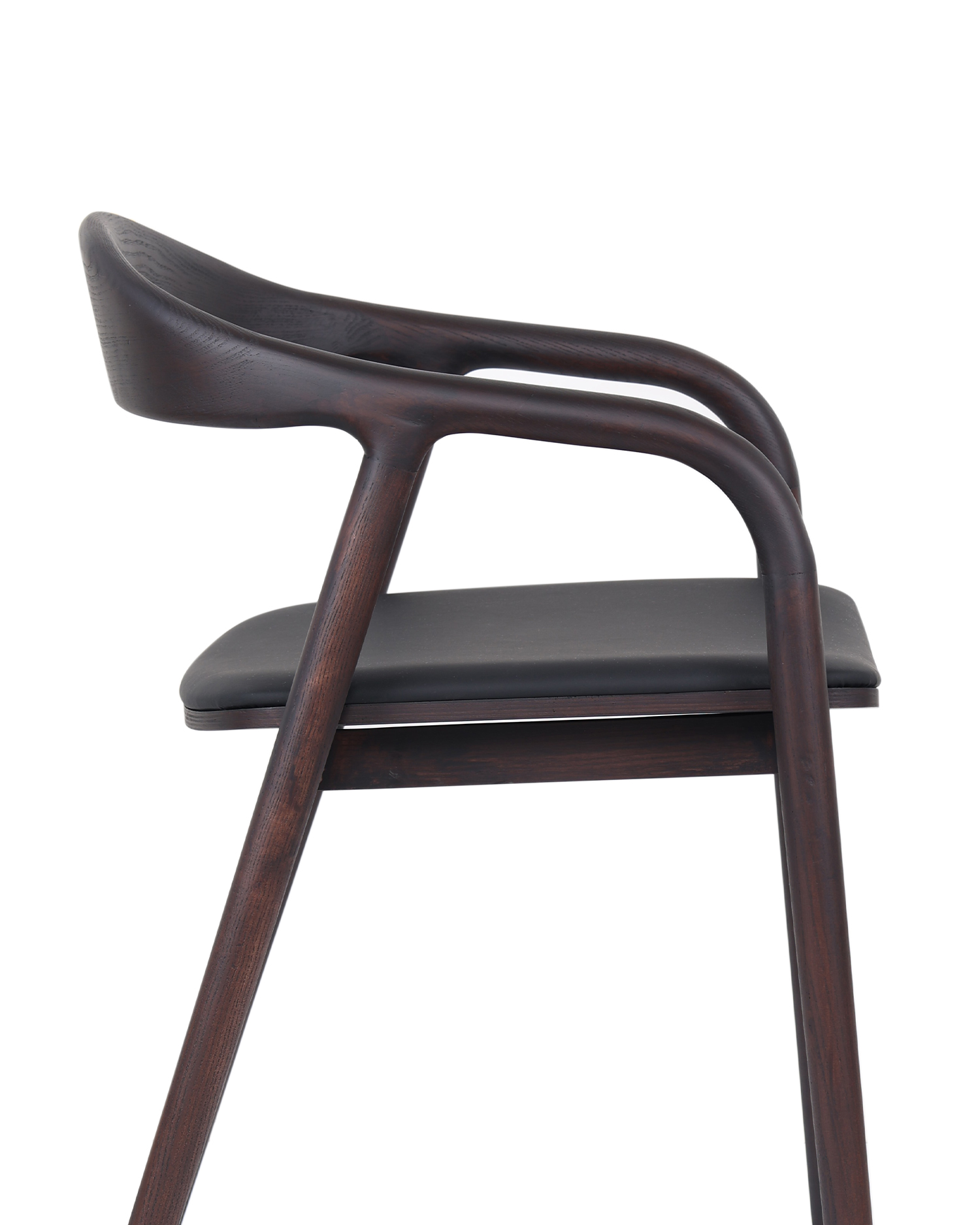
Solid wood lounge chairs come in a variety of silhouettes. The style you choose affects not just the look of your room, but also how the chair supports you. Here's a quick breakdown.
Think tapered legs, angled backs, and organic curves. These chairs often use walnut or teak and have a lightweight, sculptural feel. They're excellent for small spaces because the exposed legs make the room look airier. The backrest usually follows the natural curve of your spine, making them surprisingly comfortable for their minimalist look.
These are chunkier, with thicker armrests, turned legs, and often upholstered backs and seats. They're made from cherry or mahogany. They offer the deepest seating and the most generous cushioning. Great for big living rooms or studies, but they take up space and can feel heavy in a modern apartment.
Clean lines, light woods (beech, ash, or oak), and a focus on function. Backrests are often slightly curved but not overly padded. These chairs prioritize natural wood grain and simplicity. They're versatile and fit almost any decor, but they lean toward firm seating – so if you like a plush feel, you'll need a separate cushion.
Wide armrests, slatted backs, and deep recline. Usually made of teak or cedar. While originally outdoor furniture, some use them indoors for a relaxed, coastal vibe. They're extremely comfortable for reading, but the slatted back means less lumbar support compared to a solid backrest.
Wood is a living material – it responds to heat, humidity, and sunlight. A little care goes a long way in keeping your solid wood lounge chair in top condition for decades.
Dust regularly with a soft, dry microfiber cloth – dust particles act like sandpaper over time. For deeper cleaning, dampen the cloth with a tiny amount of water and a drop of mild dish soap, wipe, and immediately dry with a clean cloth. Never let water pool on the wood – it can cause white rings or raise the grain. Avoid commercial furniture polishes with silicone – they create a buildup that's hard to remove and can interfere with future refinishing.
Most solid wood lounge chairs come with a clear topcoat – lacquer, varnish, or oil. Oil finishes (like Danish oil or tung oil) need reapplying every 6–12 months. It's easy: wipe on a thin coat, wait 10 minutes, and buff off excess. This nourishes the wood and keeps it from drying out. Lacquered or varnished chairs just need dusting – but if the finish scratches, you can't spot-repair easily; you'd need to strip and redo the whole piece. For that reason, many woodworkers recommend oiled finishes – they're more forgiving and give a warmer, more natural feel.
Scratches happen. For shallow scratches, a quick rub with the meat of a walnut or a dab of color-matched furniture marker works wonders. For deeper scratches, lightly sand the area with fine-grit sandpaper (220 grit), then reapply the finish. For dents, you can sometimes steam them out: place a damp cloth over the dent and press with a warm iron – the steam swells the wood fibers. Test on a hidden area first.
Prolonged sunlight fades wood and can cause surface cracks. Position your lounge chair away from south‑facing windows, or use curtains. Also, keep indoor humidity between 40% and 60% – too dry, and wood splits; too damp, and joints swell and loosen. A humidifier or dehumidifier is a good investment if you live in extreme climates.
Prices for solid wood lounge chairs range from $200 to well over $5,000. Where you land depends on your priorities.
If you sit in the chair every day, skip the entry tier. A mid‑range solid wood lounge chair from a reputable woodworker is the best value – you get quality without paying for brand hype.
To wrap it up, here's a quick, practical checklist to take with you when shopping.
A solid wood lounge chair is an investment in your daily comfort and your home's character. Take your time, test it out, and choose one that feels like it was made for you – because with proper care, it'll be holding you up for a very long time.
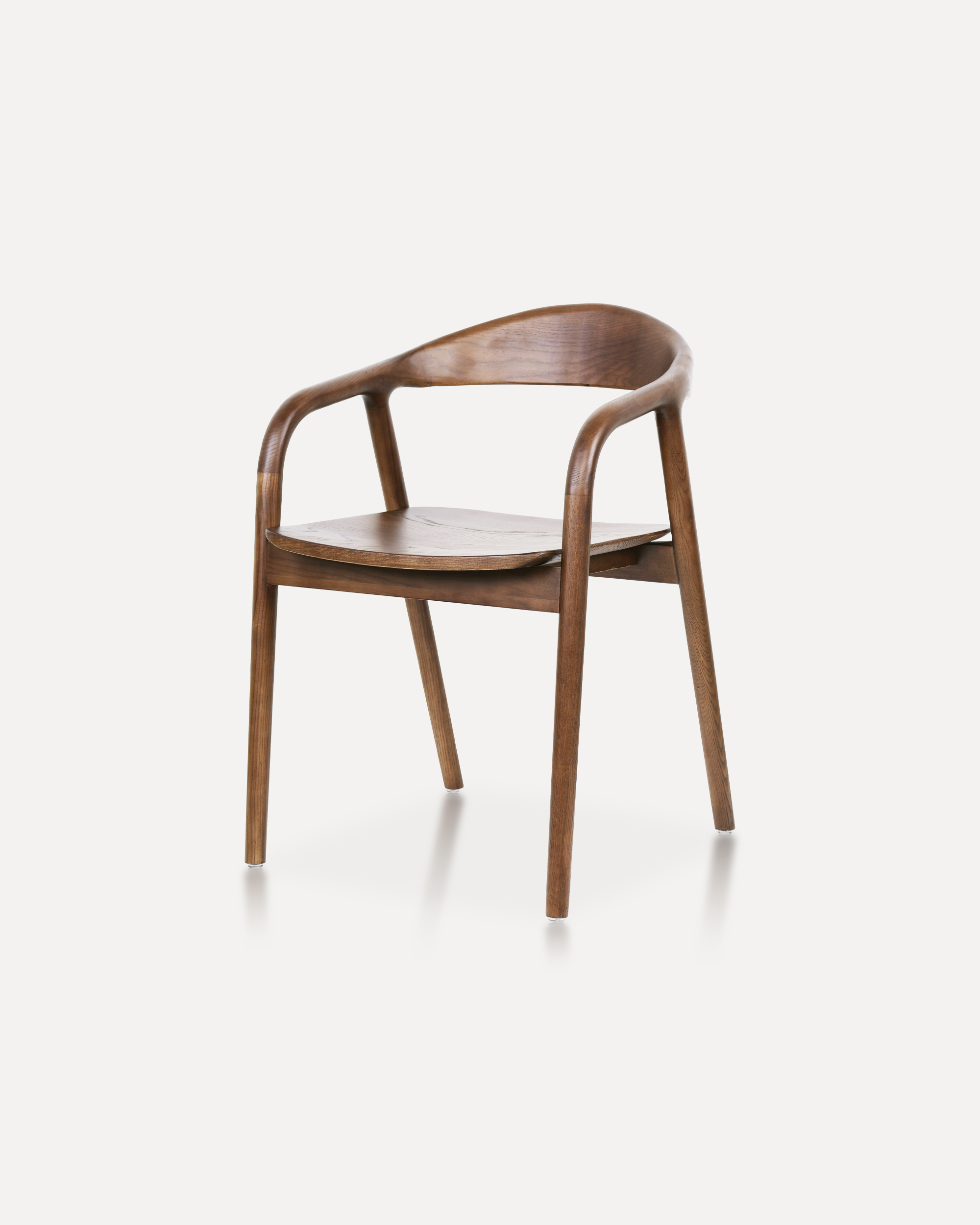
Crafted entirely from solid ash wood, this chair embodies a refined balance of ...
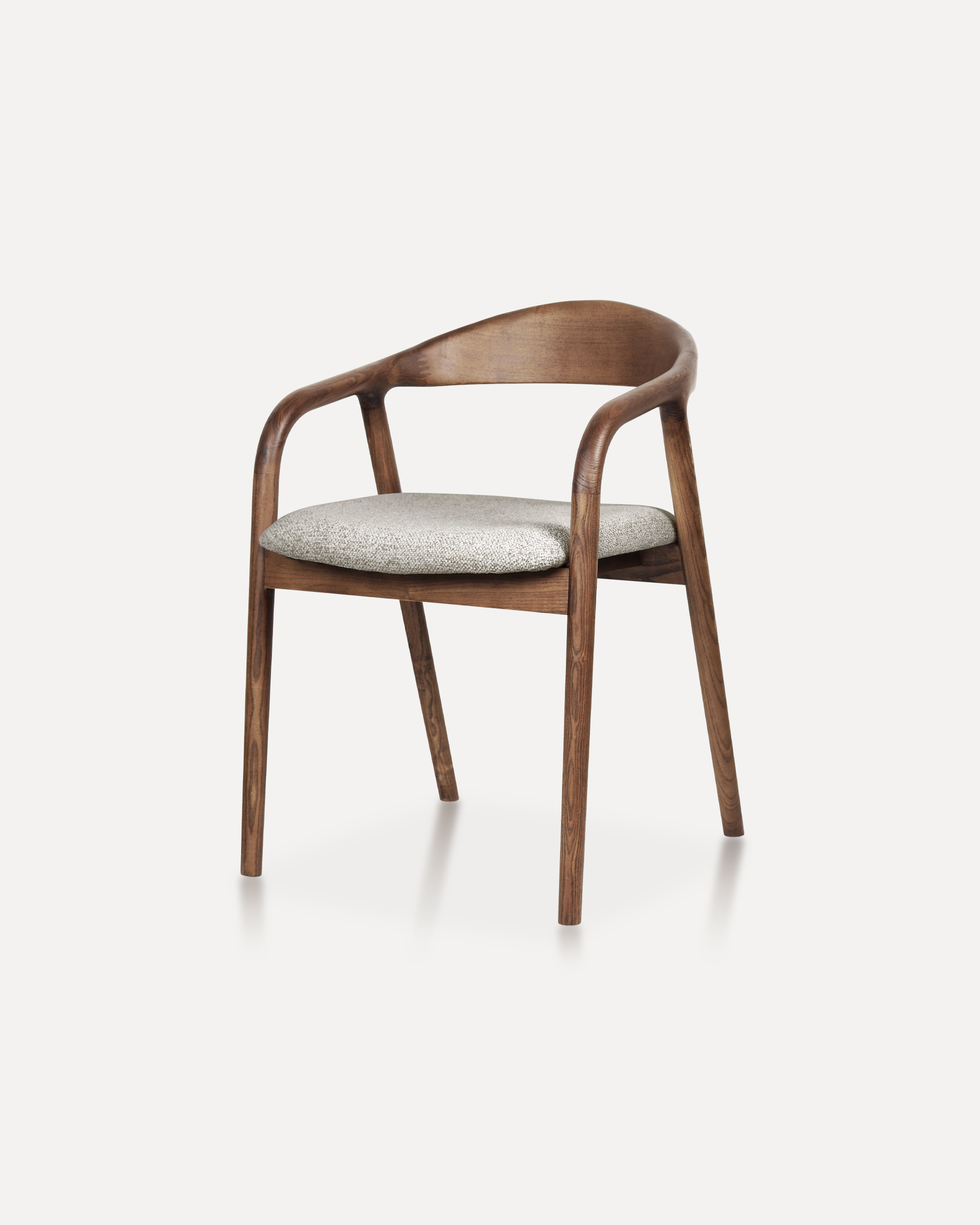
Showcases a refined silhouette with smooth, curved armrests and a gently rounde...
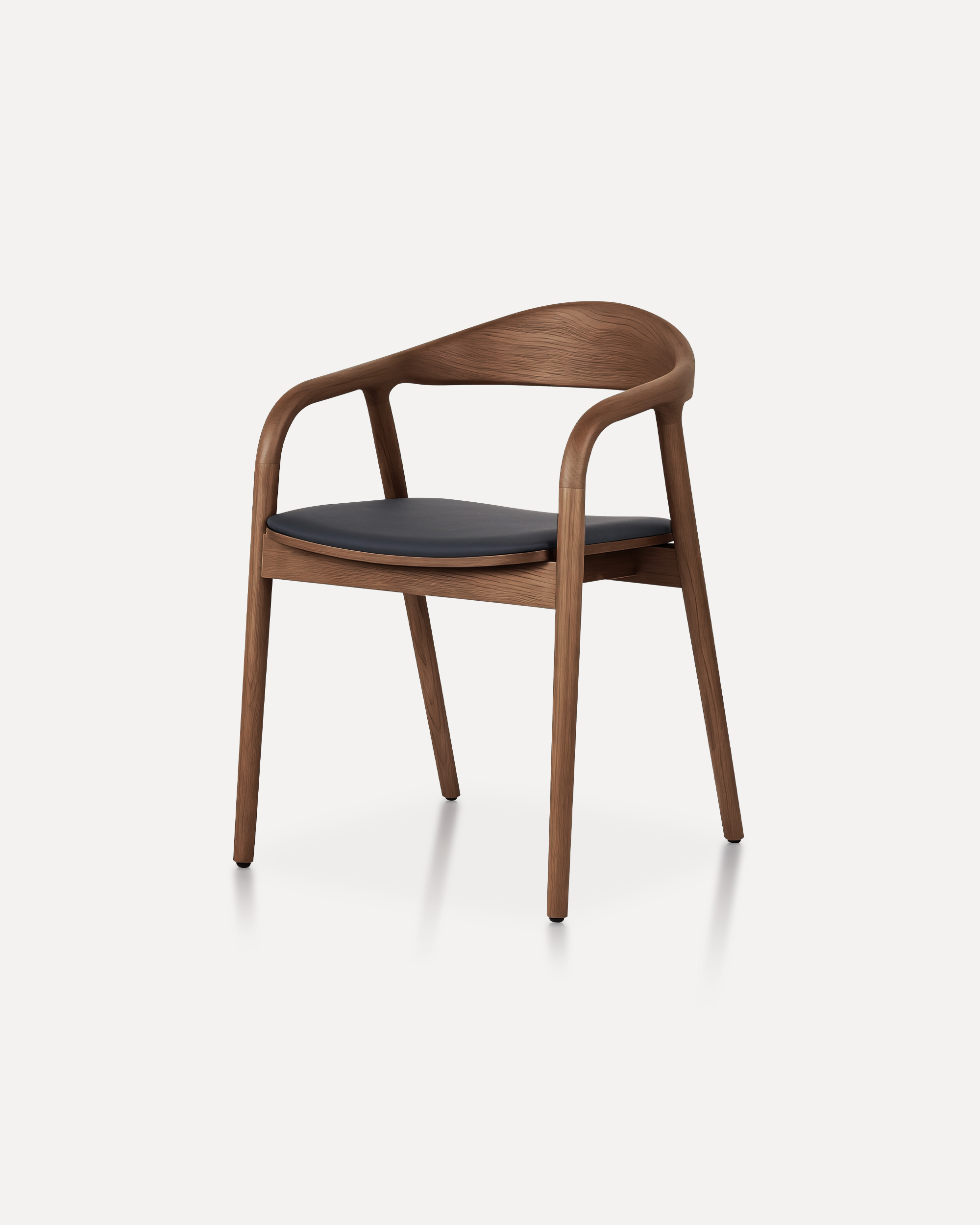
A masterclass in refined joinery and organic geometry, the Arc Chair features a...
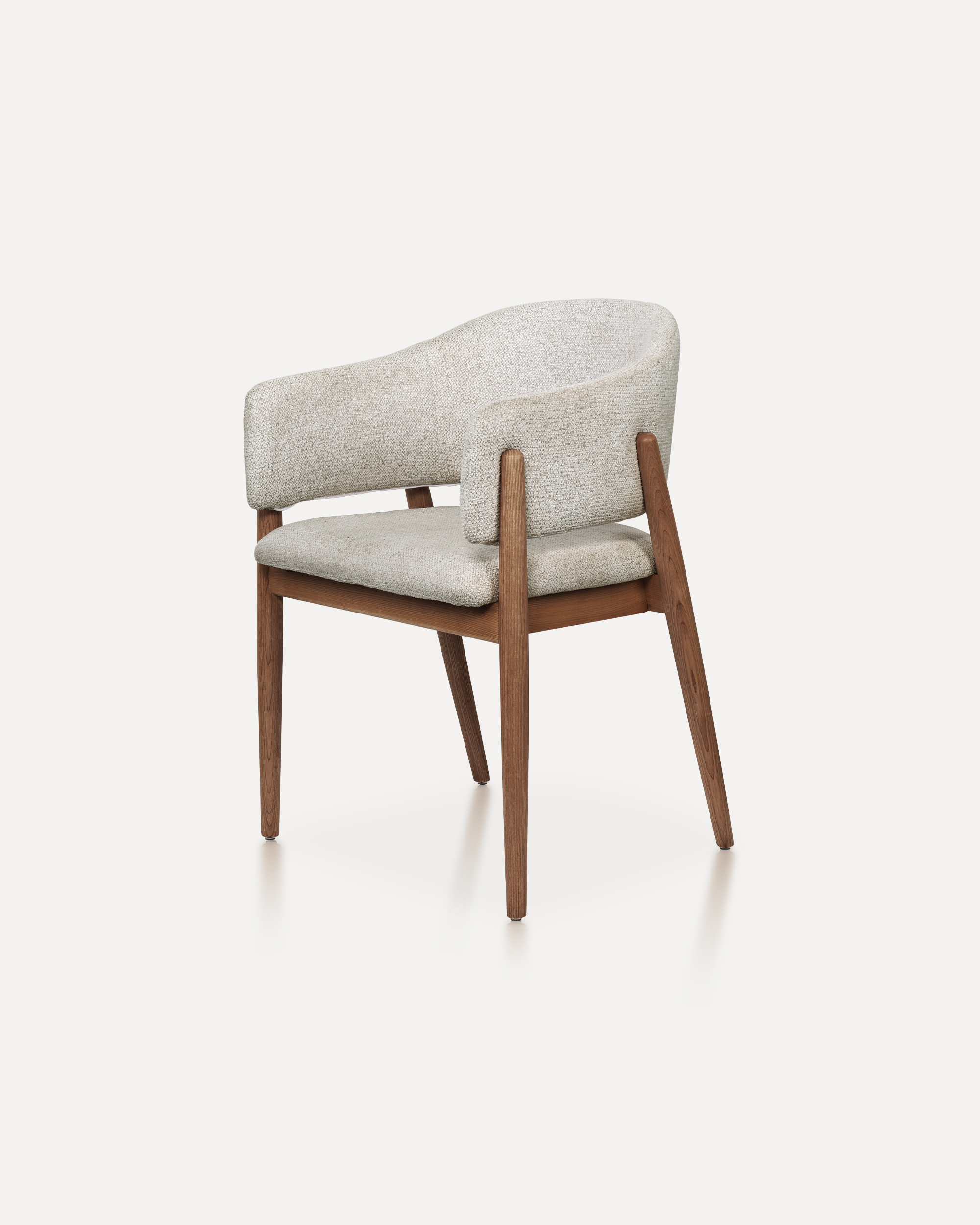
With its refined proportions and welcoming form, this chair brings quiet sophis...
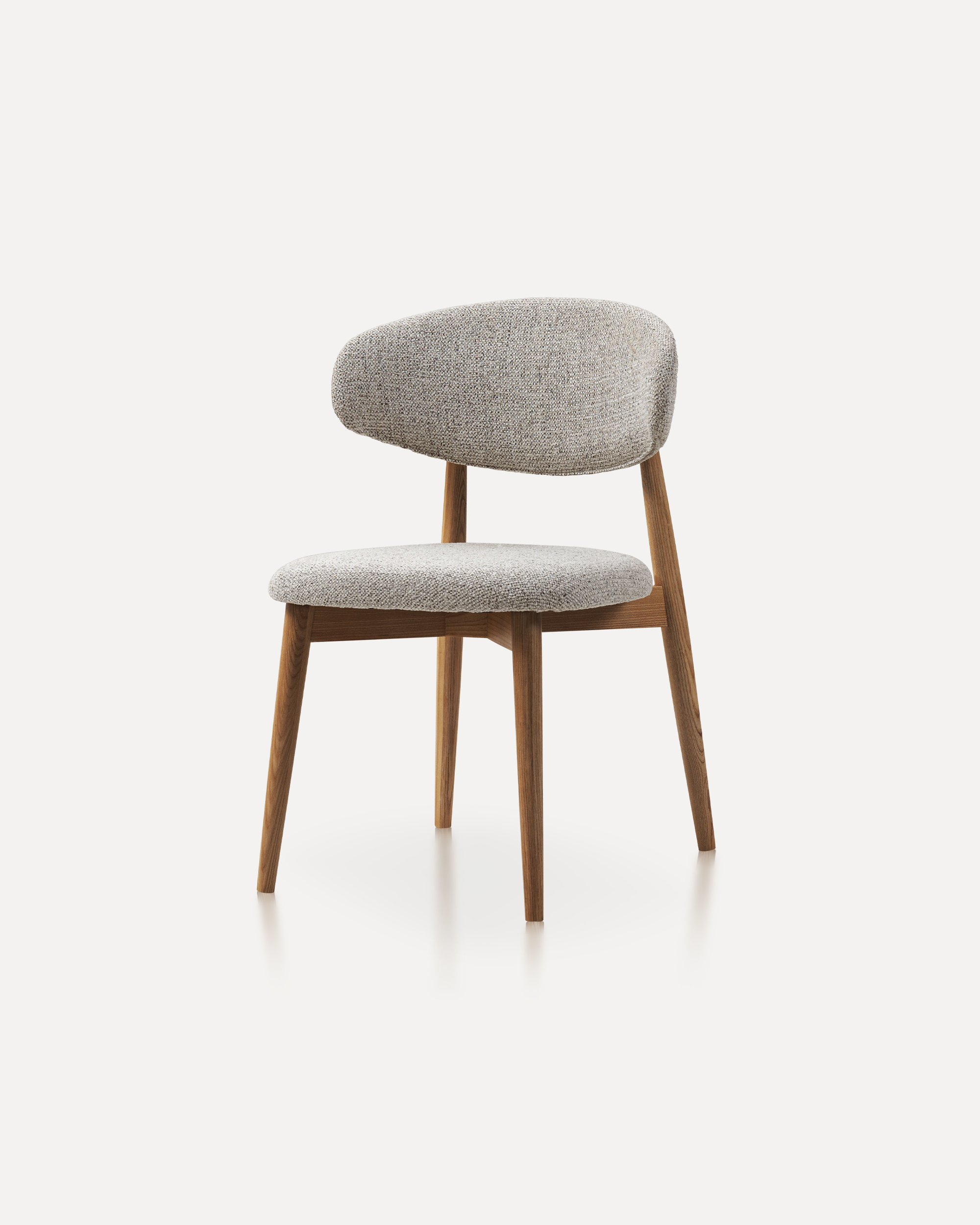
This wooden chair is a classic furniture piece that exudes warmth, durability, ...
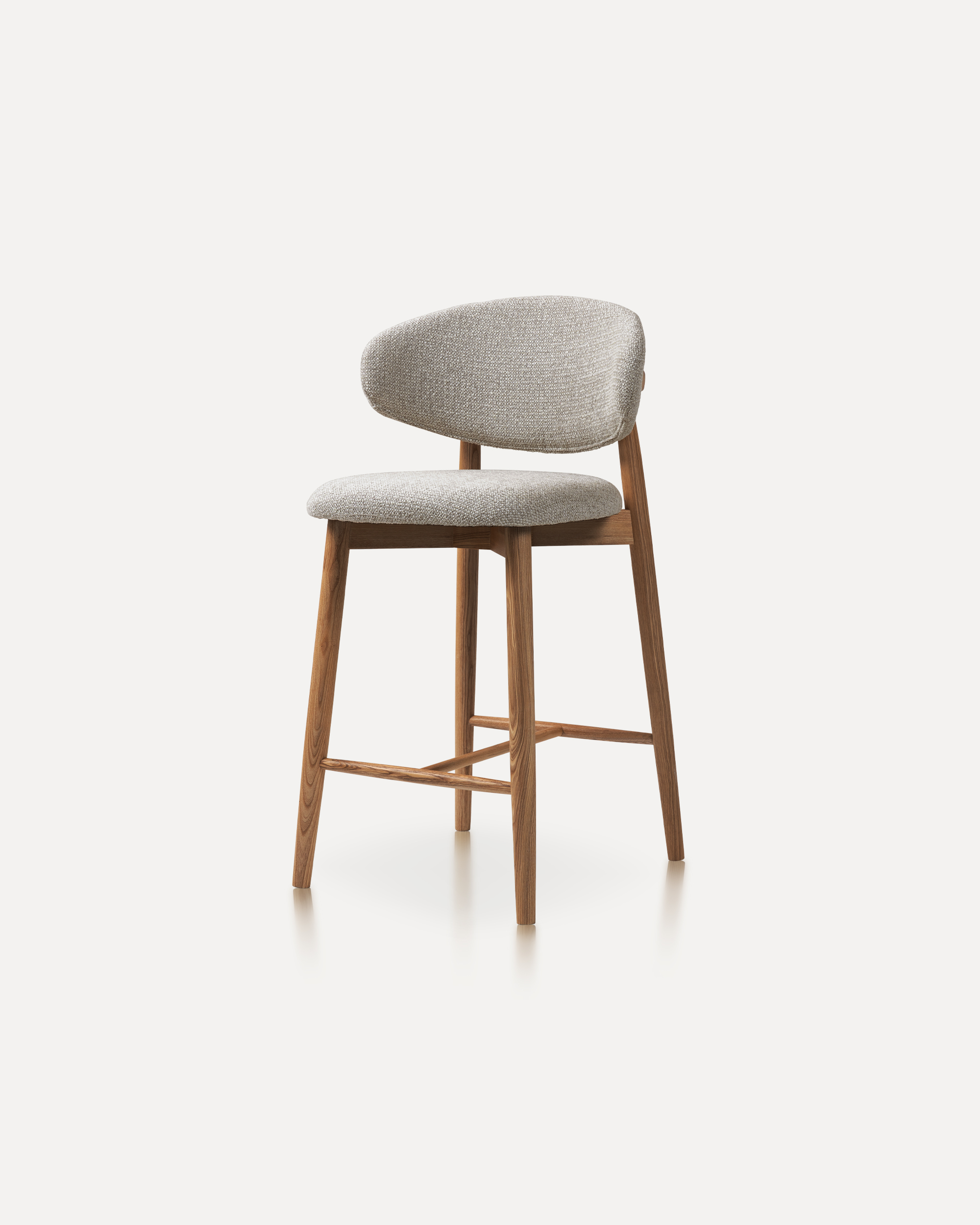
Our Wood Bar Stools are the perfect addition to any high-top table or bar setti...
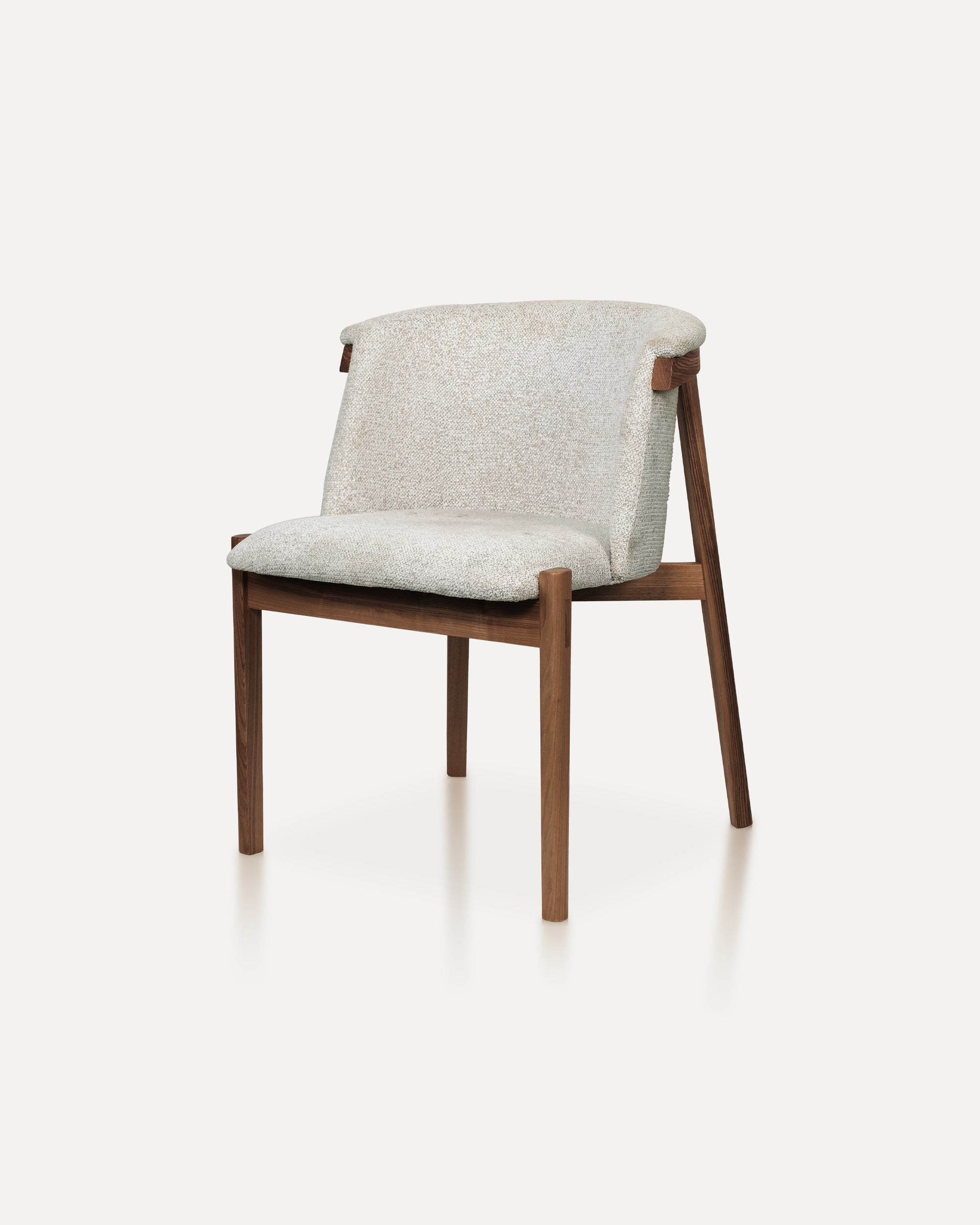
Bring natural elegance into your home with this finely crafted chair. The desig...
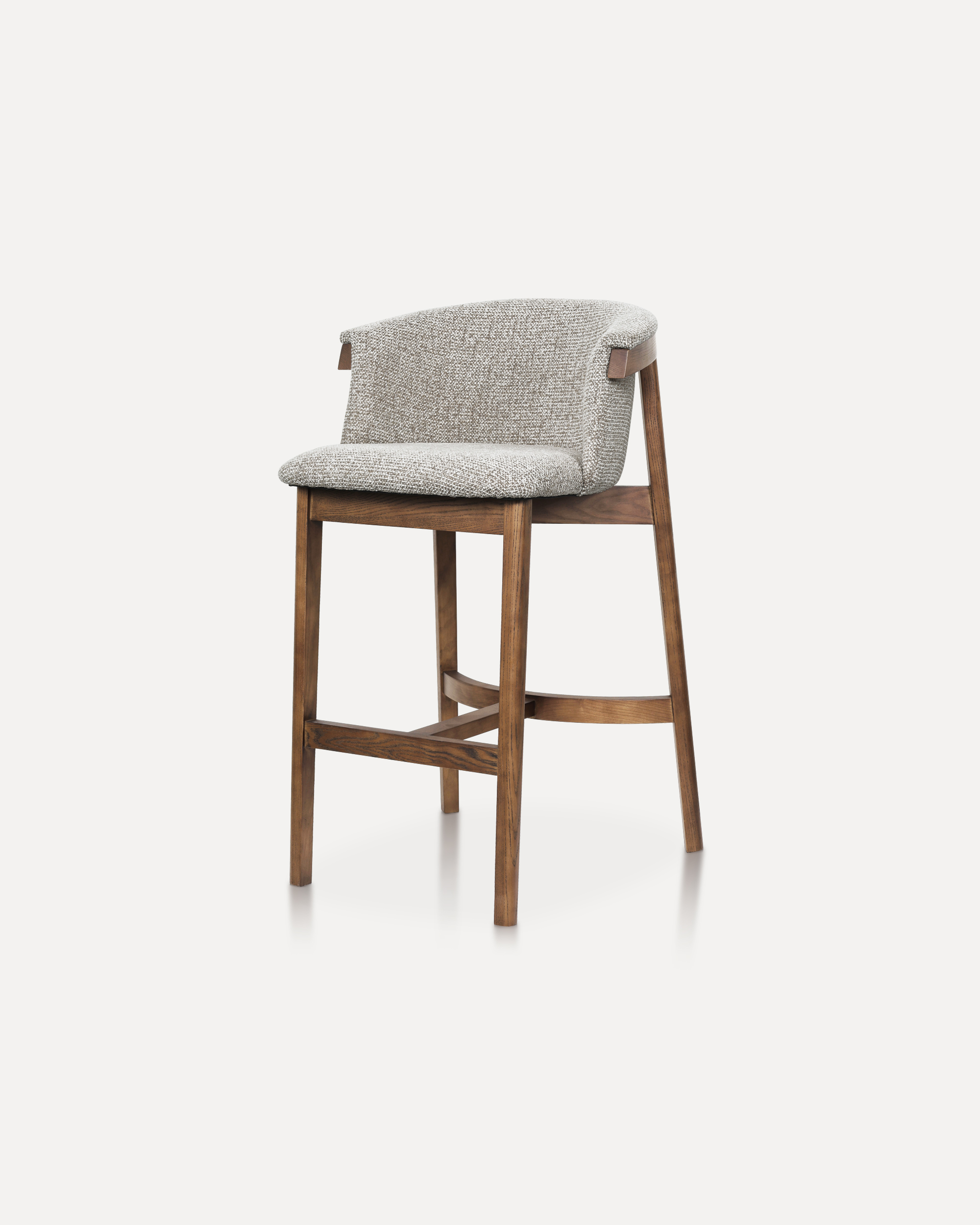
This sophisticated bar chair elevates any counter or high-top setting with its ...
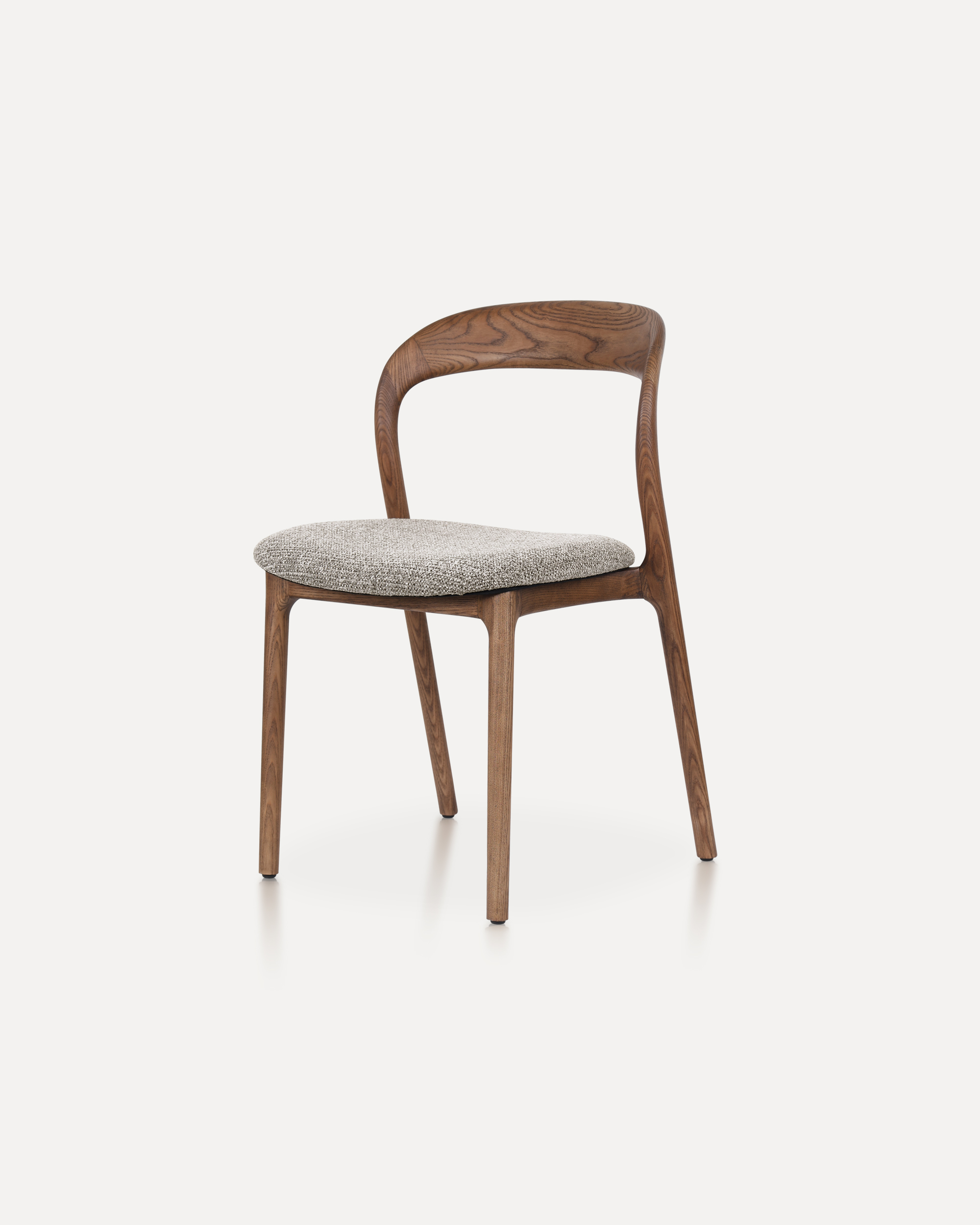
The Echo Chair is crafted from solid ashwood, featuring a unified back-and-arm ...
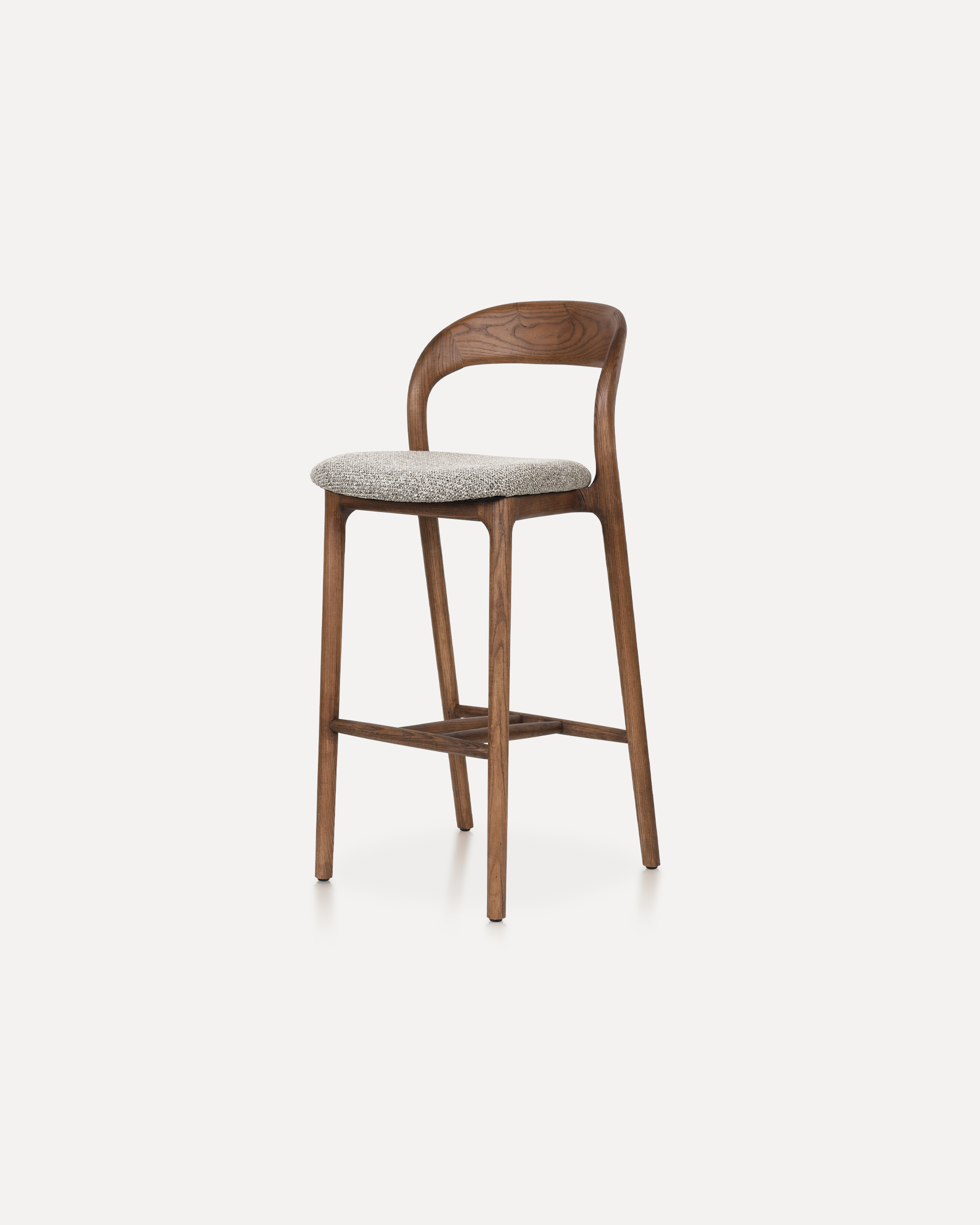
This Bar Chair is a counter-height seating solution crafted from solid ashwood ...
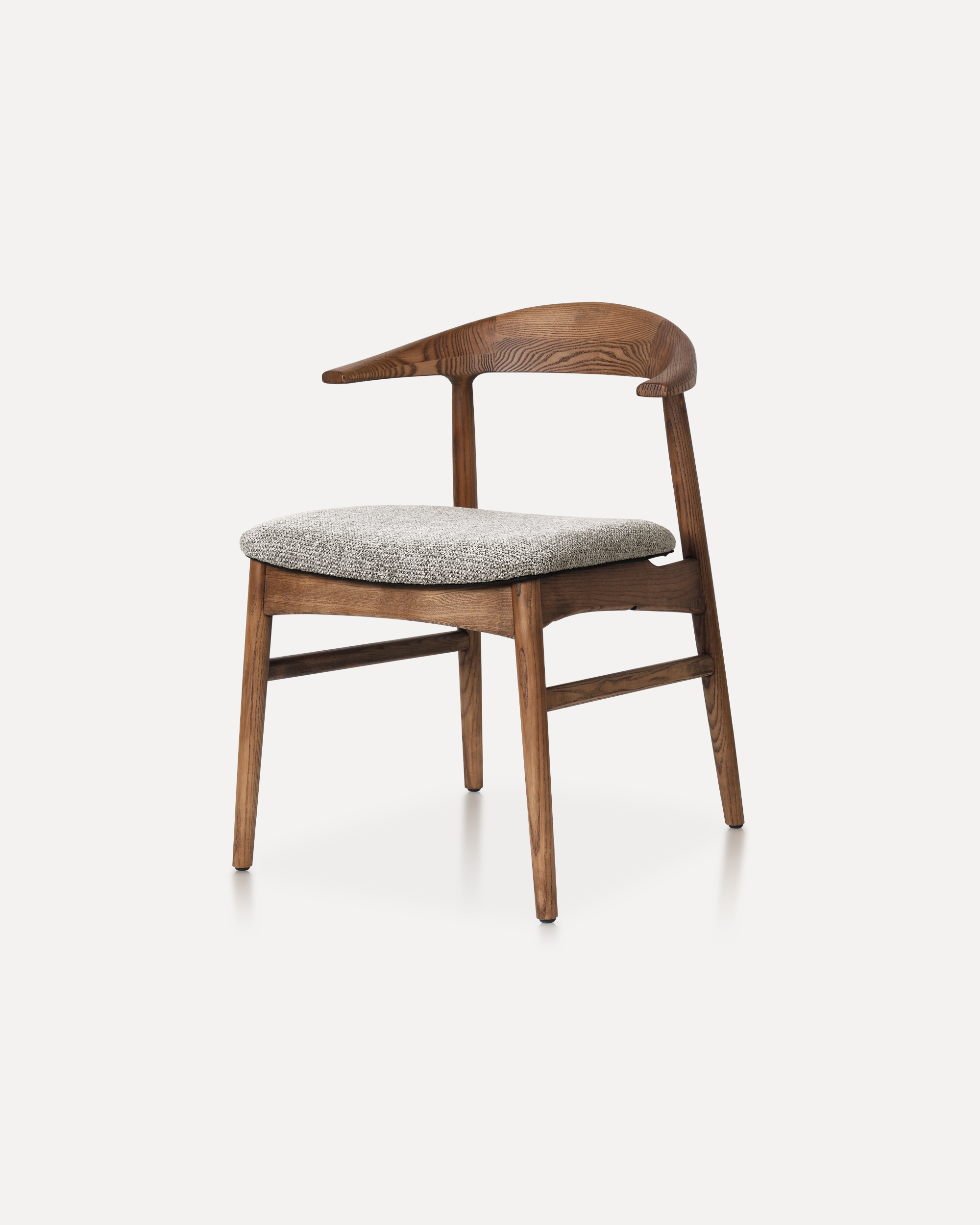
The Horizon Chair reinterprets mid-century warmth for today’s refined interiors...
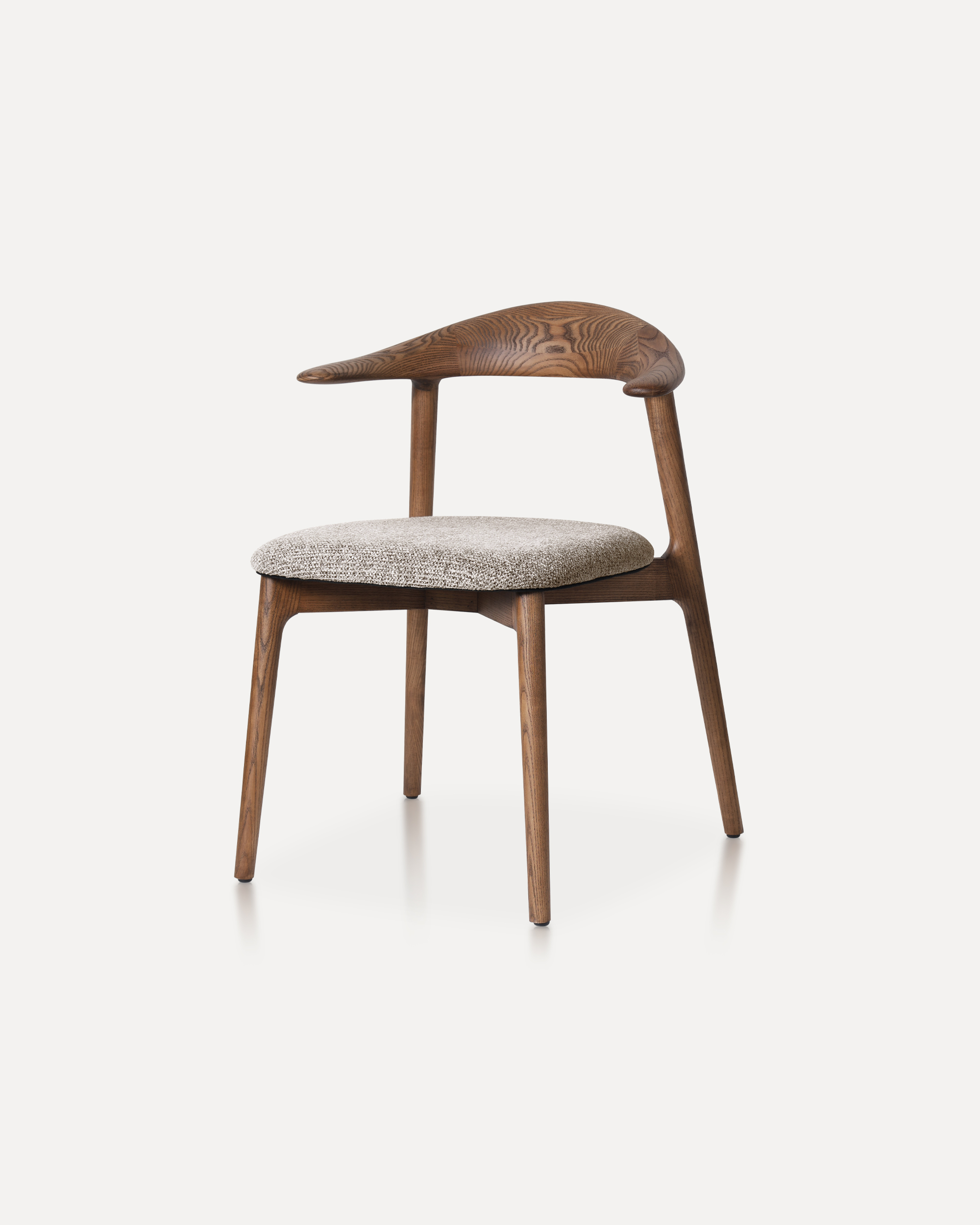
This classic features a striking, organic backrest carved from a single slab of...