
 English
  Français
 Español
Industry News
MENU

Content
A solid wood dining chair is made entirely from natural timber — not plywood, particle board, MDF, or wood veneer applied over a cheaper substrate — which gives it a fundamentally different performance profile compared to chairs made from engineered wood or other materials. The most immediate advantage is durability. A well-constructed solid hardwood dining chair can last decades with basic maintenance, and many antique solid wood chairs are still in active daily use after 50, 80, or even 100 years. That kind of longevity is simply not achievable with furniture made from MDF or particle board, which swells, crumbles, and delaminates when exposed to moisture and eventually loses structural integrity at joints regardless of care.
Beyond durability, solid wood dining chairs offer repairability that other materials cannot match. A broken joint on a solid wood chair can be re-glued, reinforced, or replaced. A scratched or dented surface can be sanded and refinished to look new again. The chair can be stripped and repainted, restained to a completely different color, or reupholstered if it has a padded seat — transformations that extend its useful life and allow it to adapt to changing interior tastes over time. Solid hardwood timber dining chairs also contribute to a room's visual warmth in a way that metal, plastic, and veneer furniture typically cannot replicate, making them a perennial choice for dining rooms where comfort, aesthetics, and longevity all matter.
The species of wood used to construct a dining chair has a significant impact on its weight, hardness, grain appearance, color tone, and how it responds to finishing. Not all wood species are equally suited to chair construction — the joints in a dining chair are subjected to considerable stress from daily use, particularly the rear legs and back joints which experience significant leverage forces. Here are the most commonly used and practically suitable wood species for solid wood dining chairs:
Oak is one of the most popular choices for solid hardwood dining chairs and for good reason. It is an exceptionally hard and dense hardwood (Janka hardness of approximately 1290 lbf for red oak and 1360 lbf for white oak) that resists denting and wear from daily use. Oak's prominent grain pattern — characterized by its distinctive ray fleck when quarter-sawn — gives oak dining chairs a bold, natural appearance that works well in rustic, farmhouse, Shaker, and transitional interior styles. White oak has better moisture resistance than red oak due to its closed pore structure, making it slightly preferable for dining room environments where spills are frequent. Oak takes stains and oil finishes exceptionally well and is widely available, keeping its price point reasonable relative to its quality.
American black walnut is a premium choice for solid wood dining room chairs, prized for its rich chocolate-brown color, fine straight grain, and superb workability. Walnut is slightly softer than oak (Janka hardness approximately 1010 lbf) but still hard enough for furniture use and has excellent dimensional stability. Walnut dining chairs have a distinctly upscale, mid-century modern aesthetic and are typically left with a natural oil or clear lacquer finish to showcase the wood's inherent color rather than being stained. The price of walnut lumber is significantly higher than oak, which is reflected in the retail price of walnut solid wood dining chairs — but the visual result is consistently striking.
European beech is one of the most widely used species for solid wood dining chair manufacturing, particularly in Europe and for mass-produced quality furniture. Beech has a fine, even grain, a pale pinkish-tan color, and excellent bending properties that make it ideal for steam-bent chair components. It is also very hard (Janka hardness approximately 1300 lbf) and glues, machines, and finishes easily. The downside of beech is that it is prone to movement with humidity changes, and unfinished beech chairs can warp or check if not properly sealed. Beech takes paint extremely well, which is why it is the predominant choice for painted solid wood dining chairs in Scandinavian, French country, and classic European styles.
Ash is a strong, flexible hardwood with a prominent grain that is visually similar to oak but with a lighter, more uniform color and slightly more pronounced grain definition. Its exceptional flexibility and shock resistance — properties that made it the traditional choice for tool handles and sports equipment — translate well to chair construction, where the ability to absorb sudden loading without splitting is a valuable characteristic. Ash solid hardwood chairs have a clean, contemporary look and accept both light stains and natural oil finishes beautifully, making them a popular choice for Scandinavian-style and modern dining room chairs.
Rubberwood (Hevea brasiliensis) is a sustainable tropical hardwood that has become increasingly common in mid-range solid wood dining chairs. It is the timber harvested from rubber trees at the end of their latex-producing life cycle, giving it strong sustainability credentials as a byproduct material. Rubberwood is a medium-density hardwood with a fine, even grain and a pale cream to light tan color. It is dimensionally stable, resists warping well, takes stain evenly, and machines cleanly — making it an excellent, cost-effective choice for solid wood chair construction at accessible price points.
Solid wood dining chairs are available in an enormous range of design styles that span from centuries-old traditional forms to cutting-edge contemporary designs. Knowing the major style categories helps you navigate the market and identify chairs that will harmonize with your dining room's existing aesthetic or the direction you want to take it.
Shaker dining chairs are defined by their commitment to functional simplicity: straight or gently tapered legs, ladder-back or slat-back designs, woven rush or solid wood seats, and no applied ornamentation. Every element serves a structural or ergonomic purpose. Mission style — closely related to the American Arts and Crafts movement — shares Shaker's emphasis on honest construction and natural materials, with slightly heavier proportions, through-tenon joinery details, and a preference for quartersawn oak with visible ray fleck. Both styles work beautifully in farmhouse, craftsman, and transitional interiors and are typically finished in medium to dark stains that emphasize the wood grain.
Scandinavian and mid-century modern solid wood dining chairs share an emphasis on organic forms, tapered legs, and the honest use of natural materials. The iconic designs of this genre — including Hans Wegner's Wishbone Chair and the classic Y-chair — demonstrate how solid wood can be sculpted into forms that are simultaneously structurally sound and visually sculptural. These chairs typically feature solid oak, beech, ash, or walnut construction with natural oil or soap finishes, light to medium wood tones, and minimal upholstery. They work exceptionally well in modern, minimalist, and Japandi (Japanese-Scandinavian) interior styles.
Farmhouse and rustic solid wood dining chairs embrace the natural character of timber — visible knots, varied grain patterns, and slight surface texture are features rather than flaws in this category. These chairs typically feature turned legs, spindle backs, cross-back or X-back designs, and generous proportions. Distressed and whitewashed finishes are common in this style, as are painted finishes in neutral tones like white, black, and gray. Oak, pine, and elm are common wood choices for farmhouse dining chairs, and the style pairs naturally with large plank dining tables, shiplap walls, and mixed vintage and natural decor elements.
Contemporary solid hardwood dining chairs prioritize clean silhouettes, slender profiles, and refined joinery details. These chairs often feature subtly angled legs, minimal back structures, and either upholstered or solid wood seats in a simple geometric form. Walnut and oak in natural or lightly smoked finishes are the most popular wood choices in this category. Contemporary solid wood chairs are designed to work alongside glass, marble, and metal dining tables and within interiors that value restraint and precision over decorative detail.
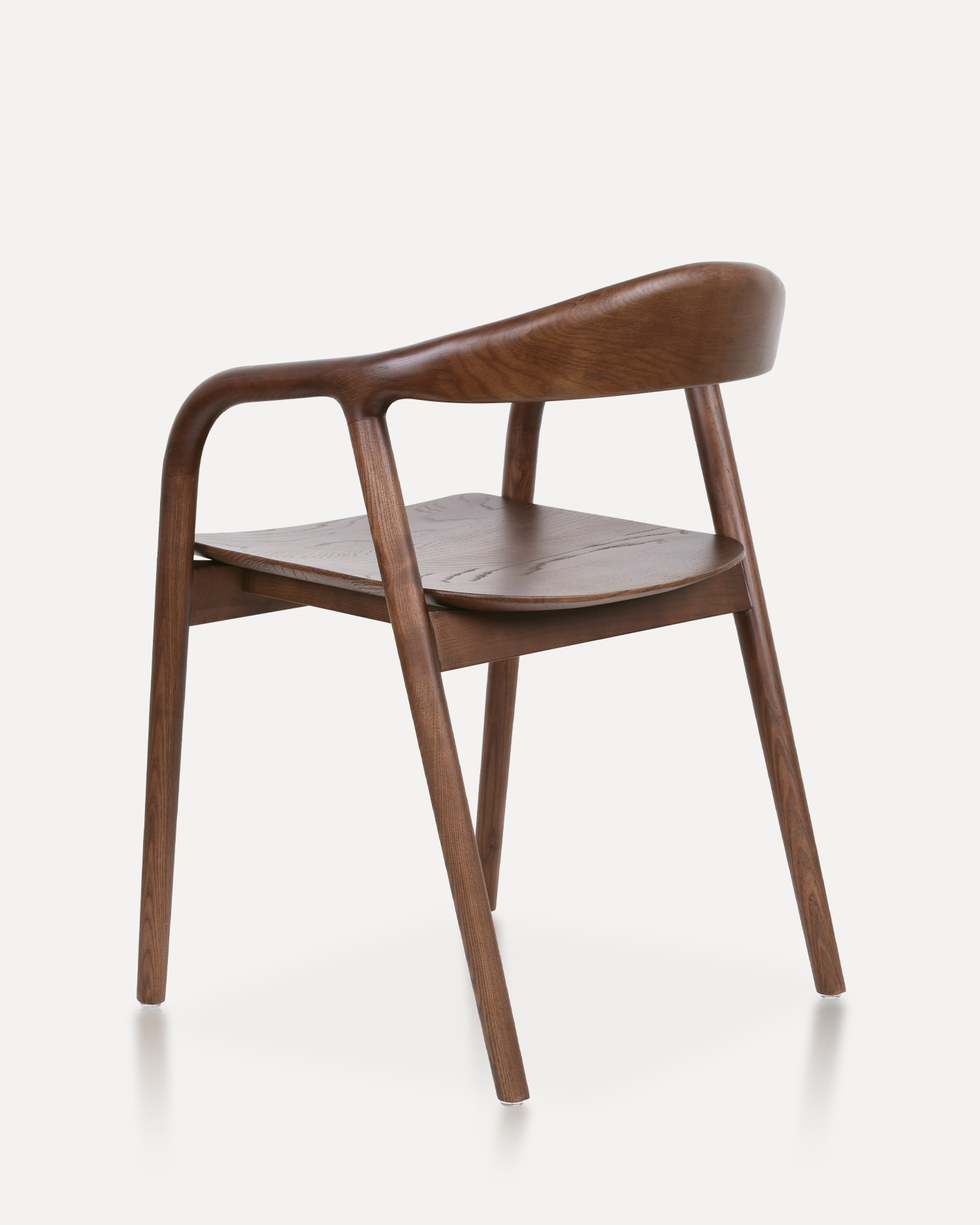
Not all solid wood dining chairs are built equally. The structural decisions made during construction — particularly the joinery methods used at key stress points — have a far greater impact on long-term durability than the wood species alone. Here is what to examine when evaluating the construction quality of a solid hardwood dining chair:
Getting the dimensions right is essential for both comfort and visual proportion in a dining room. The following table provides standard dimension ranges for solid wood dining chairs and the measurements that determine their compatibility with dining tables of different heights:
| Dimension | Standard Range | Guidance Notes |
| Seat Height | 44–48 cm (17–19") | Should leave 25–30 cm clearance below standard dining table (75–78 cm tall) |
| Seat Width | 42–50 cm (16.5–20") | Wider seats (48 cm+) offer more comfort for larger adults |
| Seat Depth | 40–46 cm (16–18") | Deeper seats suit taller users; shallower suits children and shorter adults |
| Overall Chair Height | 85–100 cm (33–39") | Back height affects visual proportion; taller backs create more formal look |
| Overall Chair Width | 48–56 cm (19–22") | Allow minimum 60 cm per chair along table length for comfortable seating |
| Armchair Width | 56–68 cm (22–27") | Check arm height clears table apron before purchasing arm chairs |
| Counter Height Seat | 62–66 cm (24–26") | For counter-height tables of 90–95 cm; keep 25–30 cm clearance |
The most important ergonomic relationship is between seat height and table height. The standard rule is to maintain 25–30 cm of clearance between the top of the seat and the underside of the table apron (the structural frame below the tabletop). This clearance allows comfortable thigh and knee positioning while seated. If you are choosing chairs for an existing table, measure your table's apron height — not just the overall table height — before selecting chair seat height, as apron depths vary significantly between table designs.
Choosing solid wood dining chairs that work harmoniously with your dining table involves balancing wood species, finish, style, and scale. You don't necessarily need chairs and table to match exactly — in fact, intentional mixing of different wood tones and styles often creates a more interesting and personal dining room than a perfectly matched set. Here are practical guidelines for combining dining chairs and tables successfully:
When pairing solid hardwood dining chairs with a solid wood table, you can either match the species and finish closely for a cohesive, traditional look, or deliberately contrast the tones for a more contemporary, layered effect. A popular approach in current interior design is to pair a dark walnut table with light ash or oak chairs, or to combine a whitewashed oak table with darker-stained wood chairs. The key to making contrast work is ensuring that the style lines of the chairs and table share a common aesthetic language — a rustic farmhouse table and a sleek Scandinavian chair will read as mismatched regardless of what you do with their colors.
Using different chair styles at the same table — commonly placing larger armchairs or carver chairs at the head positions and side chairs along the table's length — is a classic and practical approach that creates visual hierarchy and provides greater comfort for the primary seats. This mixing works best when all chairs share the same wood species or finish, so the variety in form reads as intentional design rather than furniture accumulation. Alternatively, using one style of solid wood dining chair for the sides and a completely different upholstered accent chair for the head positions creates a sophisticated eclectic look that is widely used in contemporary interior design.
Solid wood furniture is durable but not maintenance-free. The right care routine keeps solid wood dining chairs looking their best and prevents the wood from drying out, cracking, or developing surface damage that affects both appearance and structural integrity.
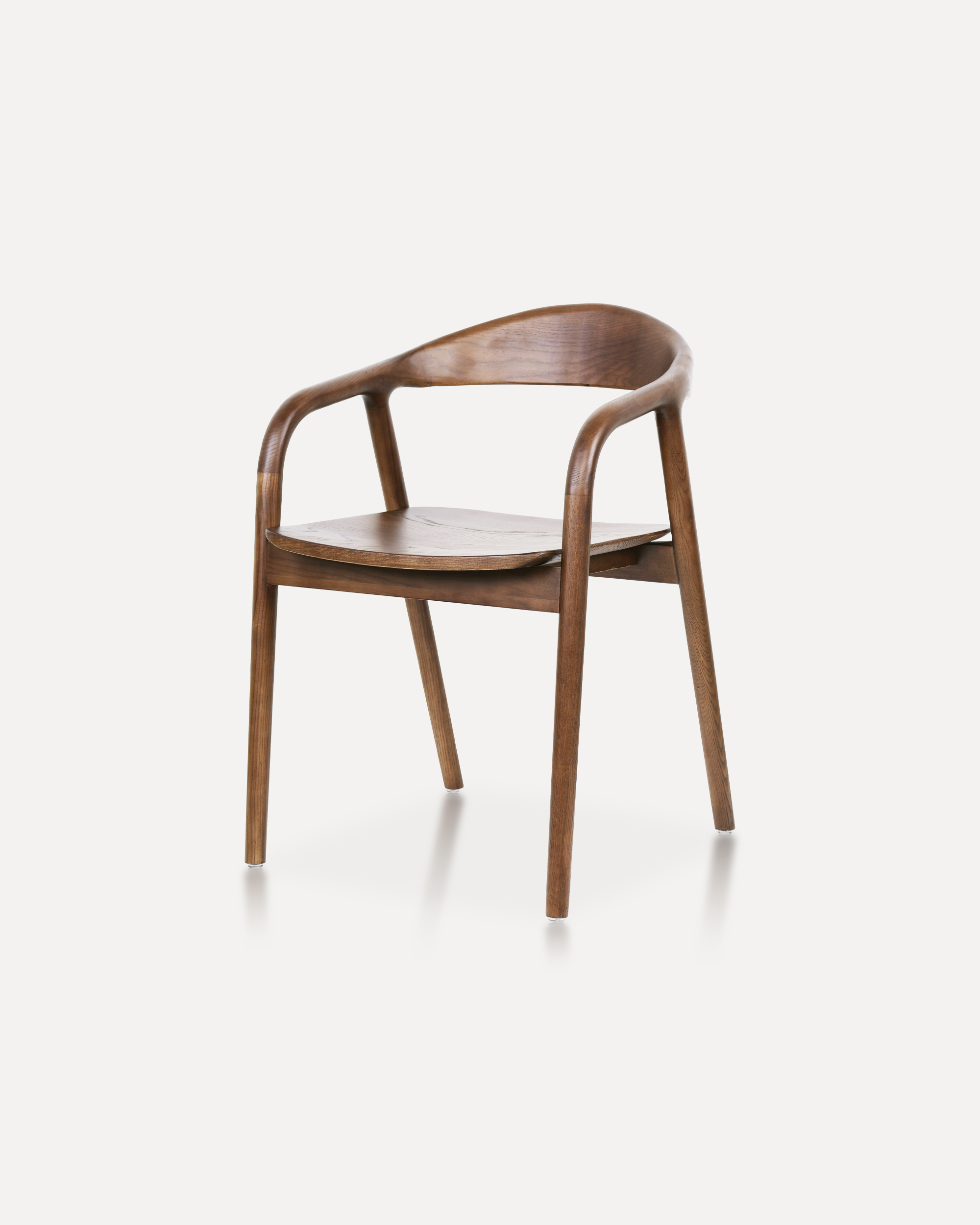
Crafted entirely from solid ash wood, this chair embodies a refined balance of ...
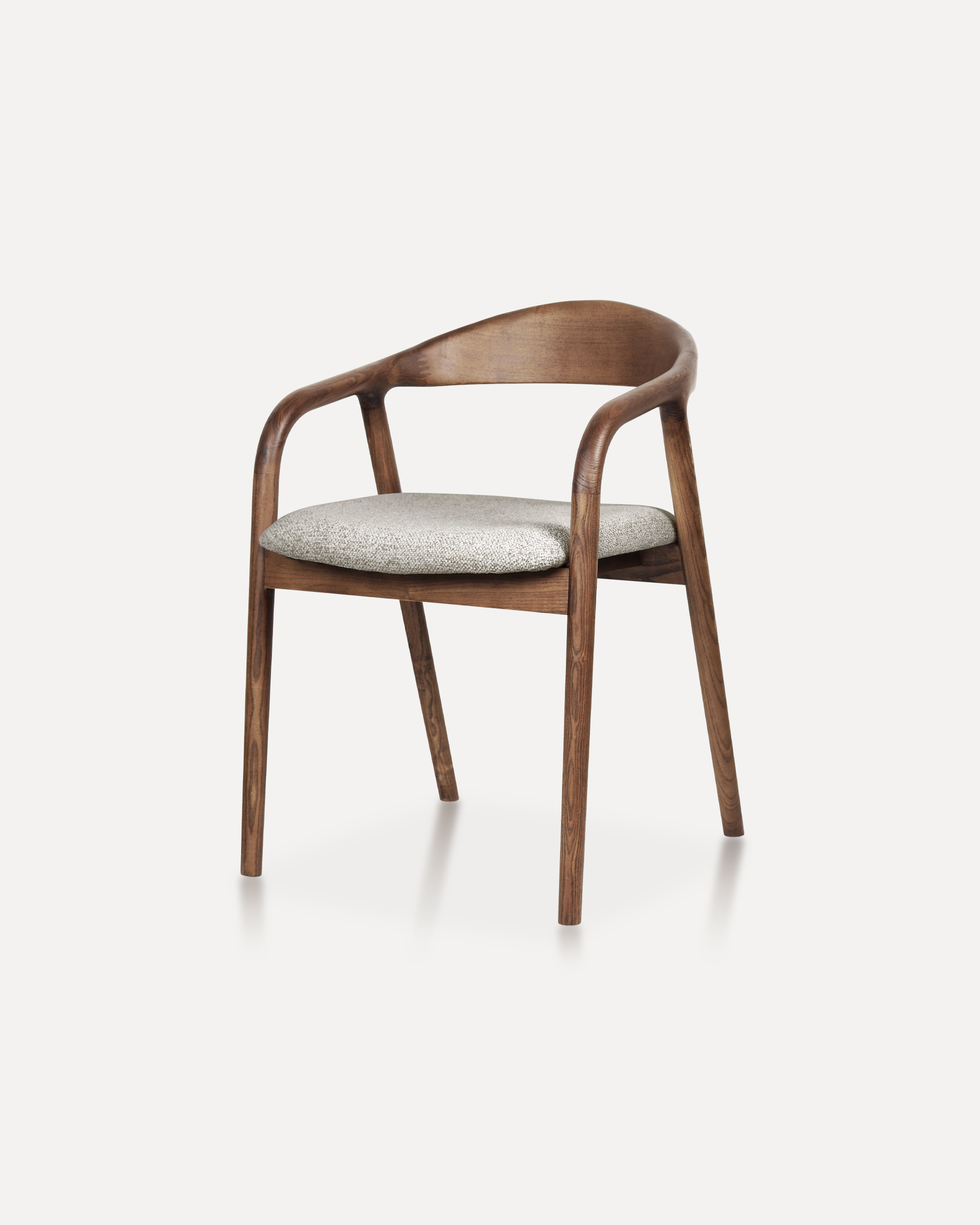
Showcases a refined silhouette with smooth, curved armrests and a gently rounde...
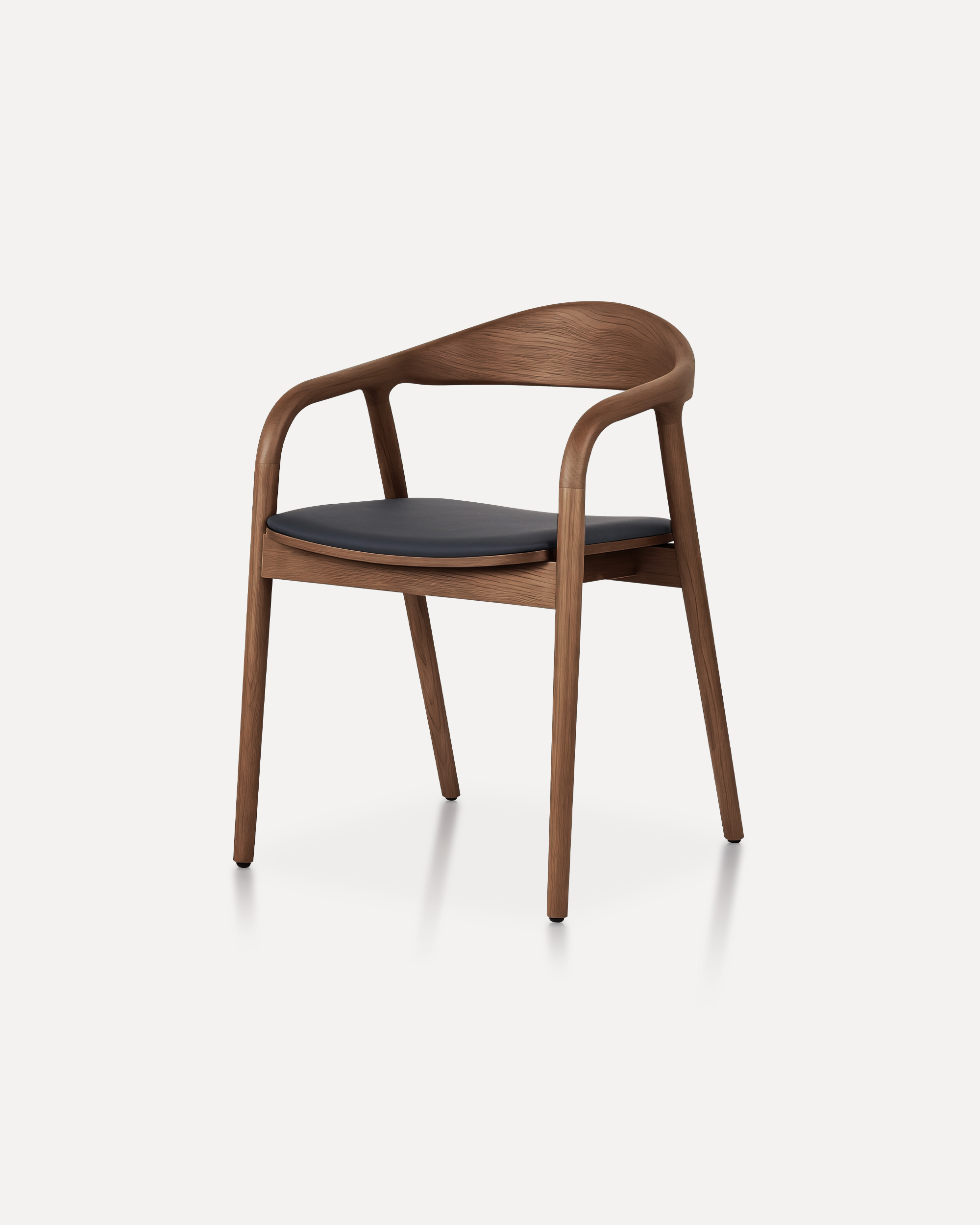
A masterclass in refined joinery and organic geometry, the Arc Chair features a...
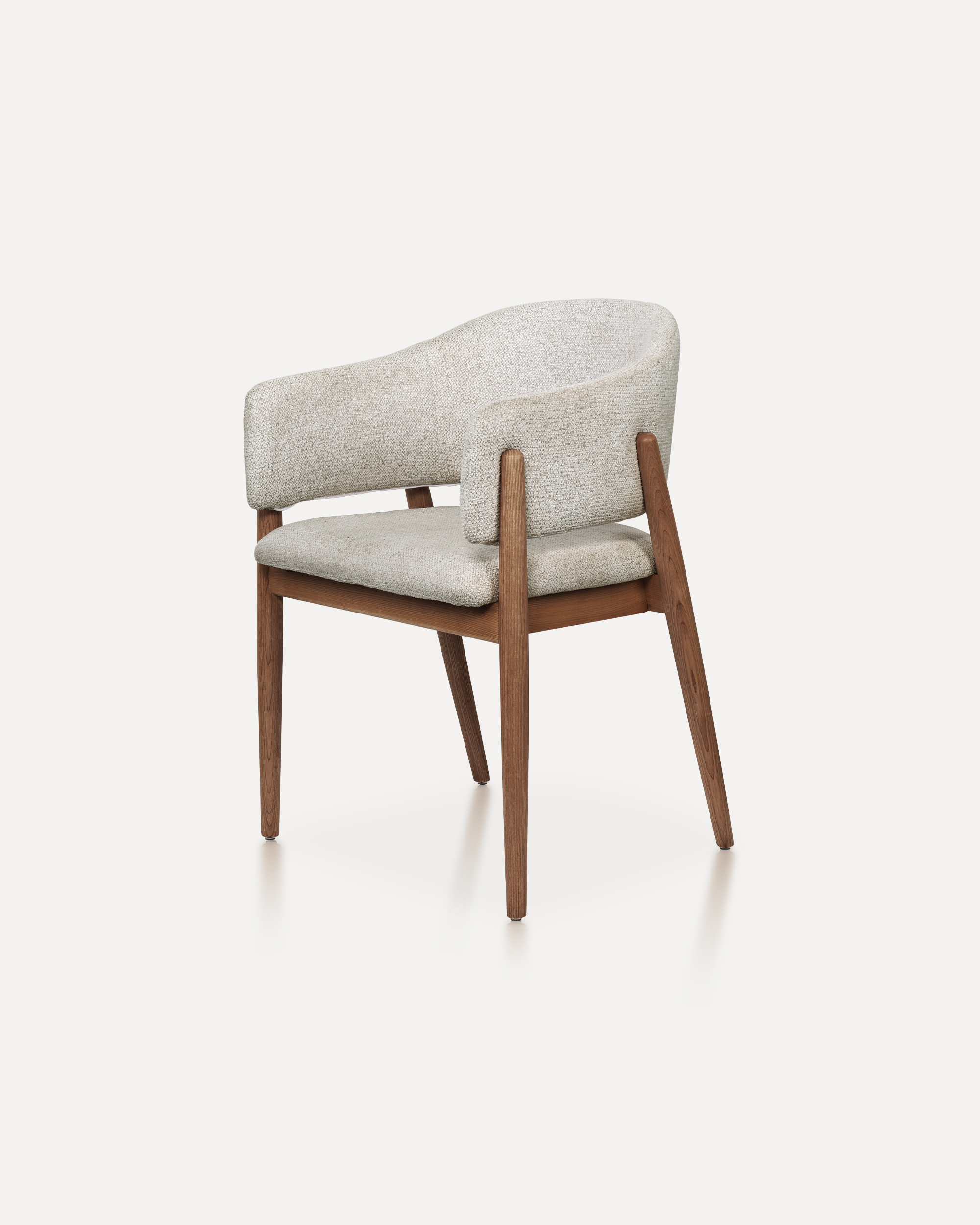
With its refined proportions and welcoming form, this chair brings quiet sophis...
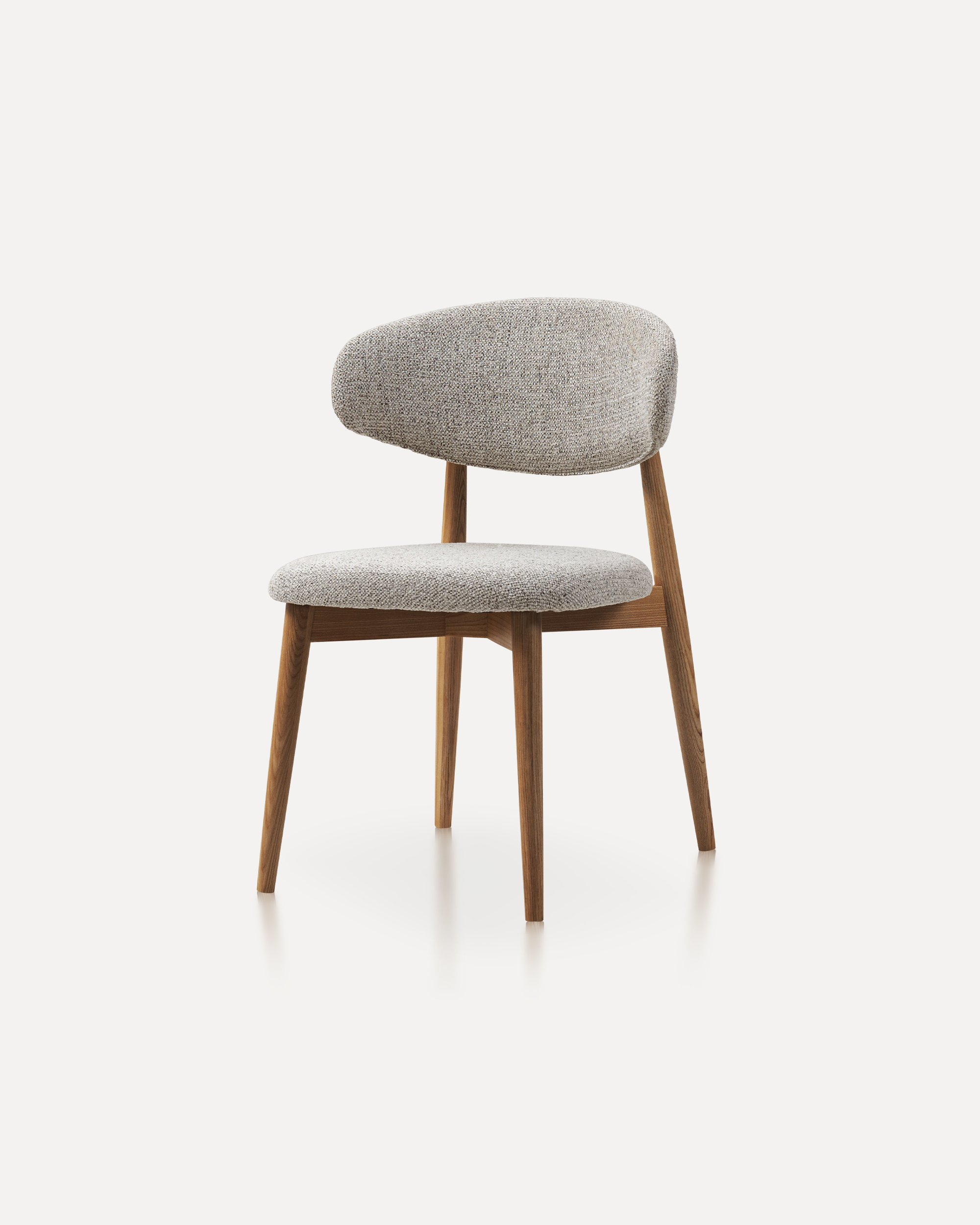
This wooden chair is a classic furniture piece that exudes warmth, durability, ...
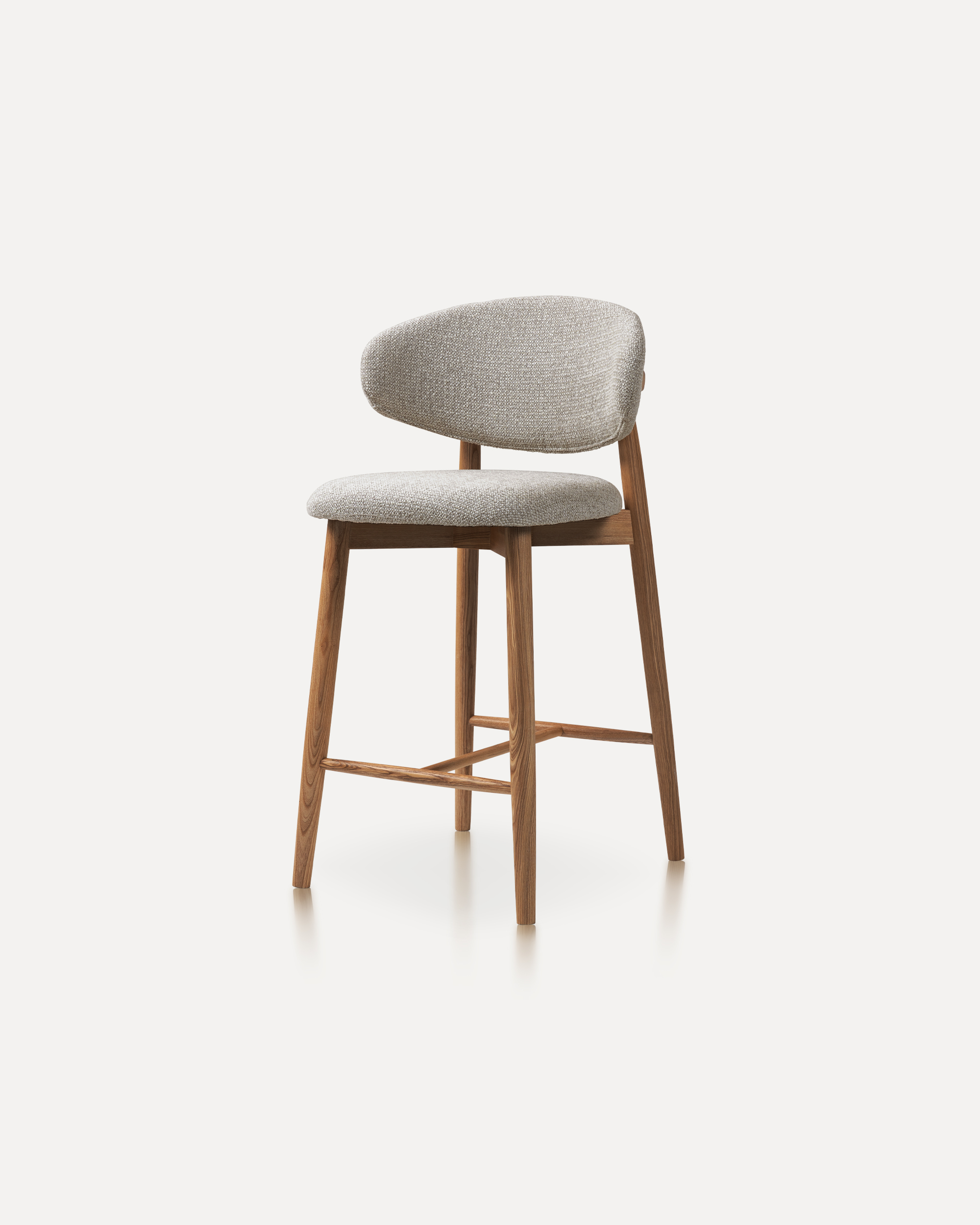
Our Wood Bar Stools are the perfect addition to any high-top table or bar setti...
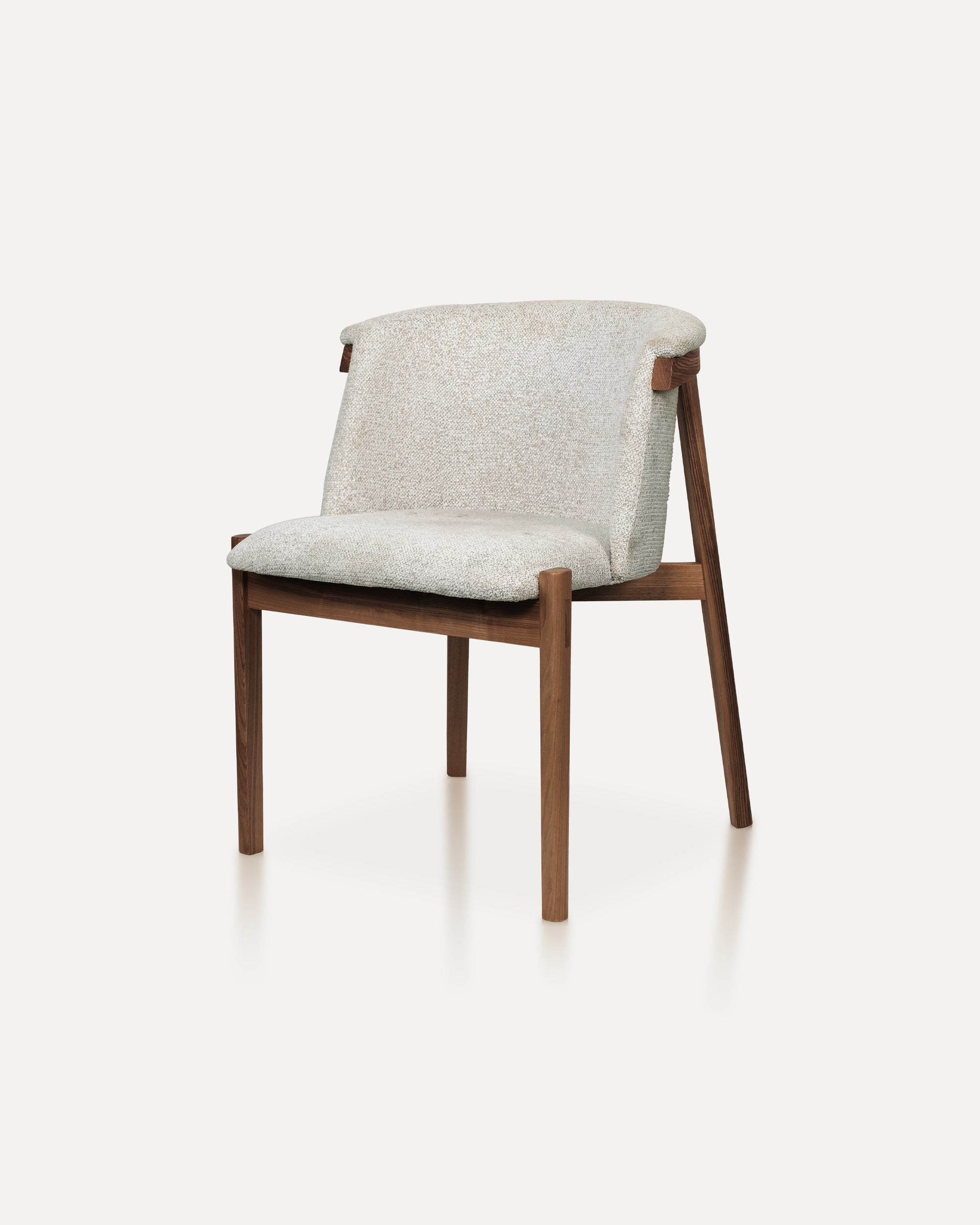
Bring natural elegance into your home with this finely crafted chair. The desig...
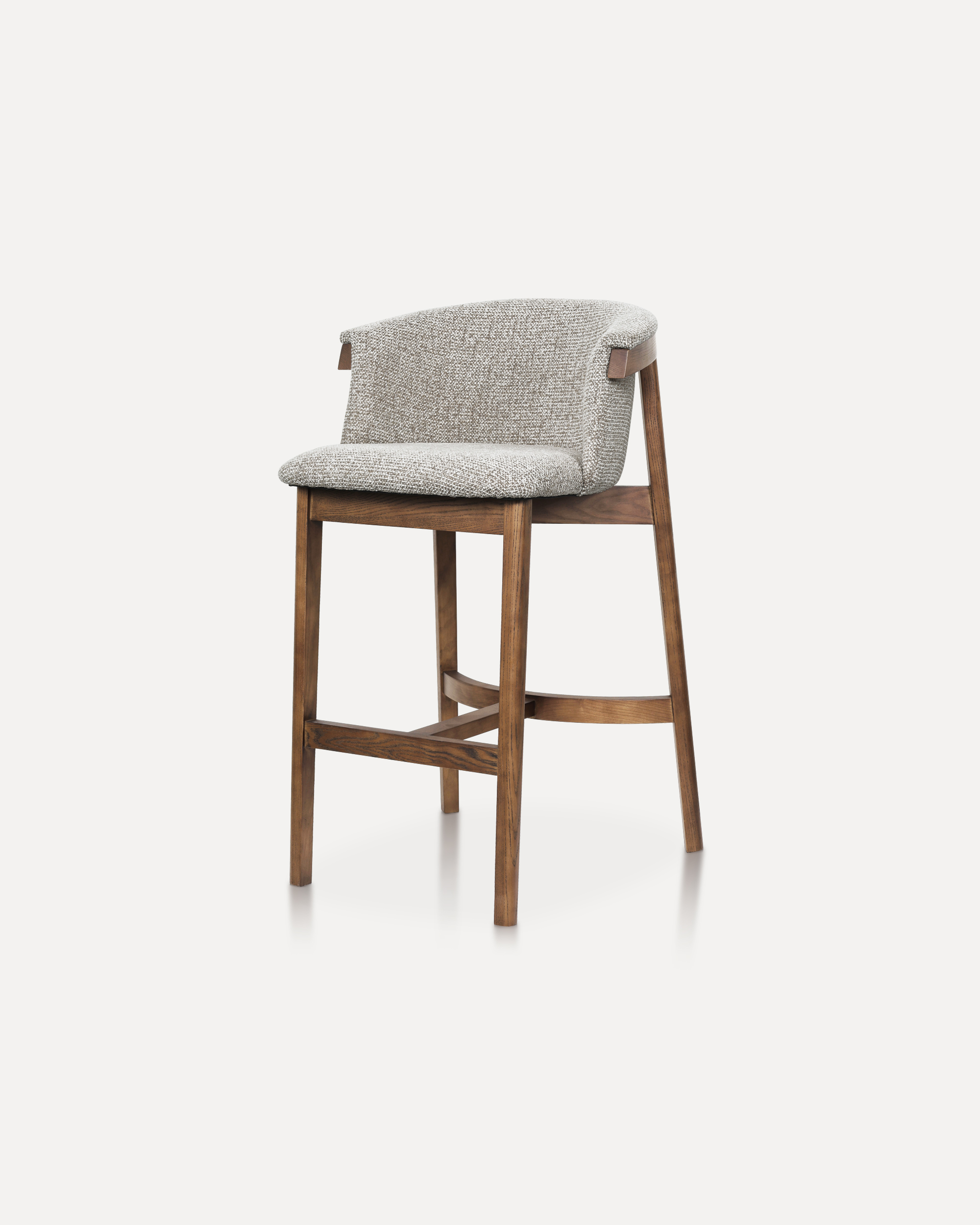
This sophisticated bar chair elevates any counter or high-top setting with its ...
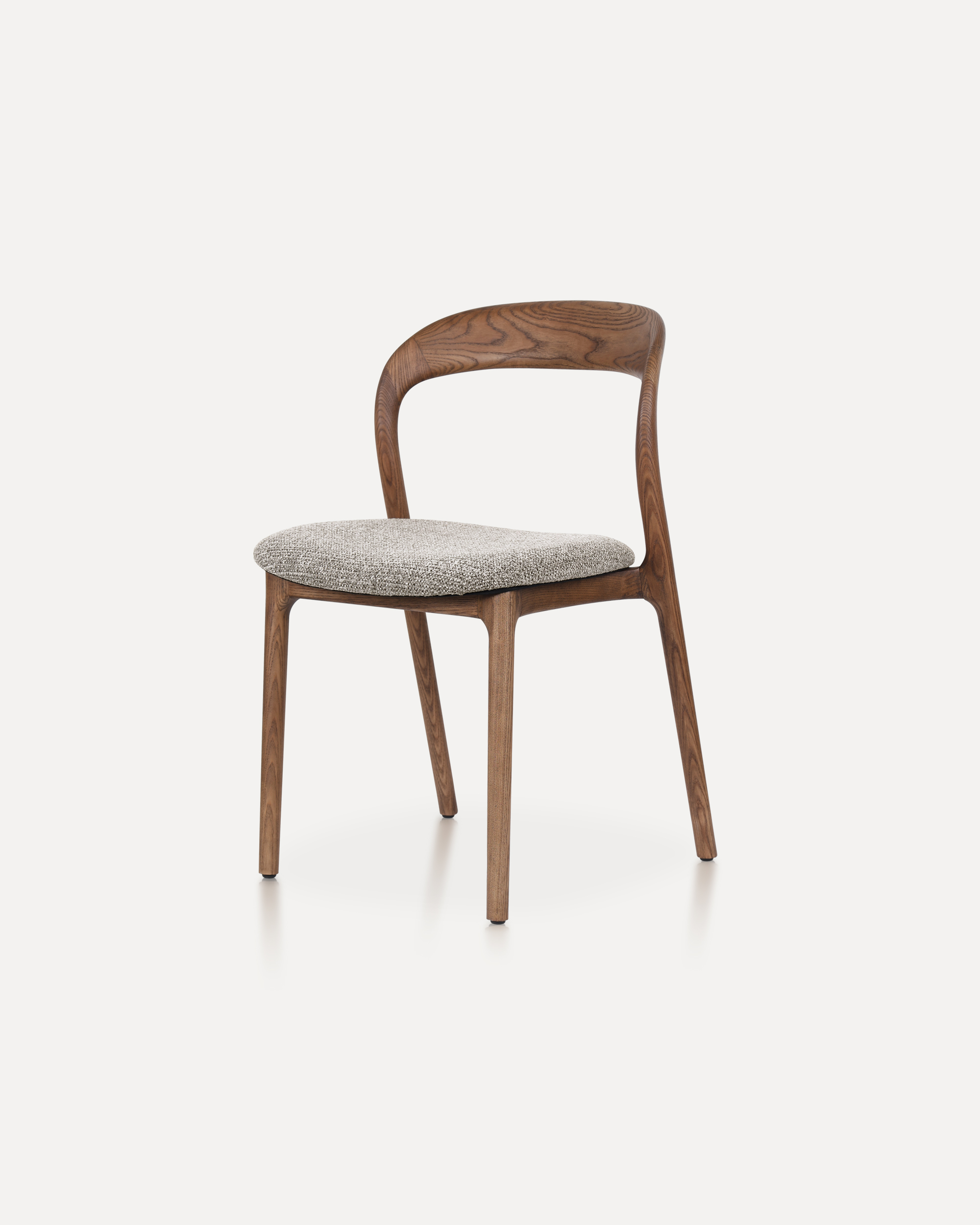
The Echo Chair is crafted from solid ashwood, featuring a unified back-and-arm ...
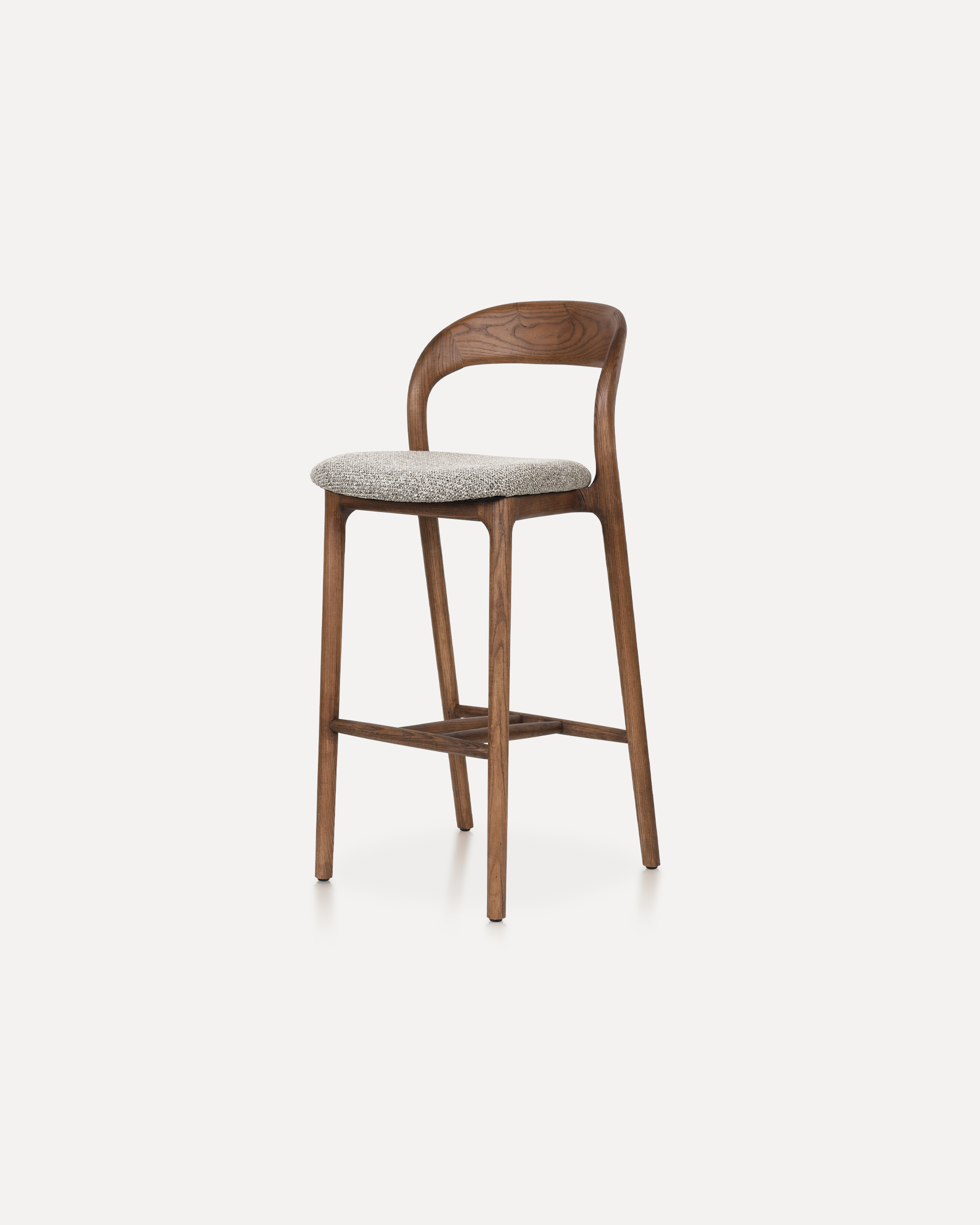
This Bar Chair is a counter-height seating solution crafted from solid ashwood ...
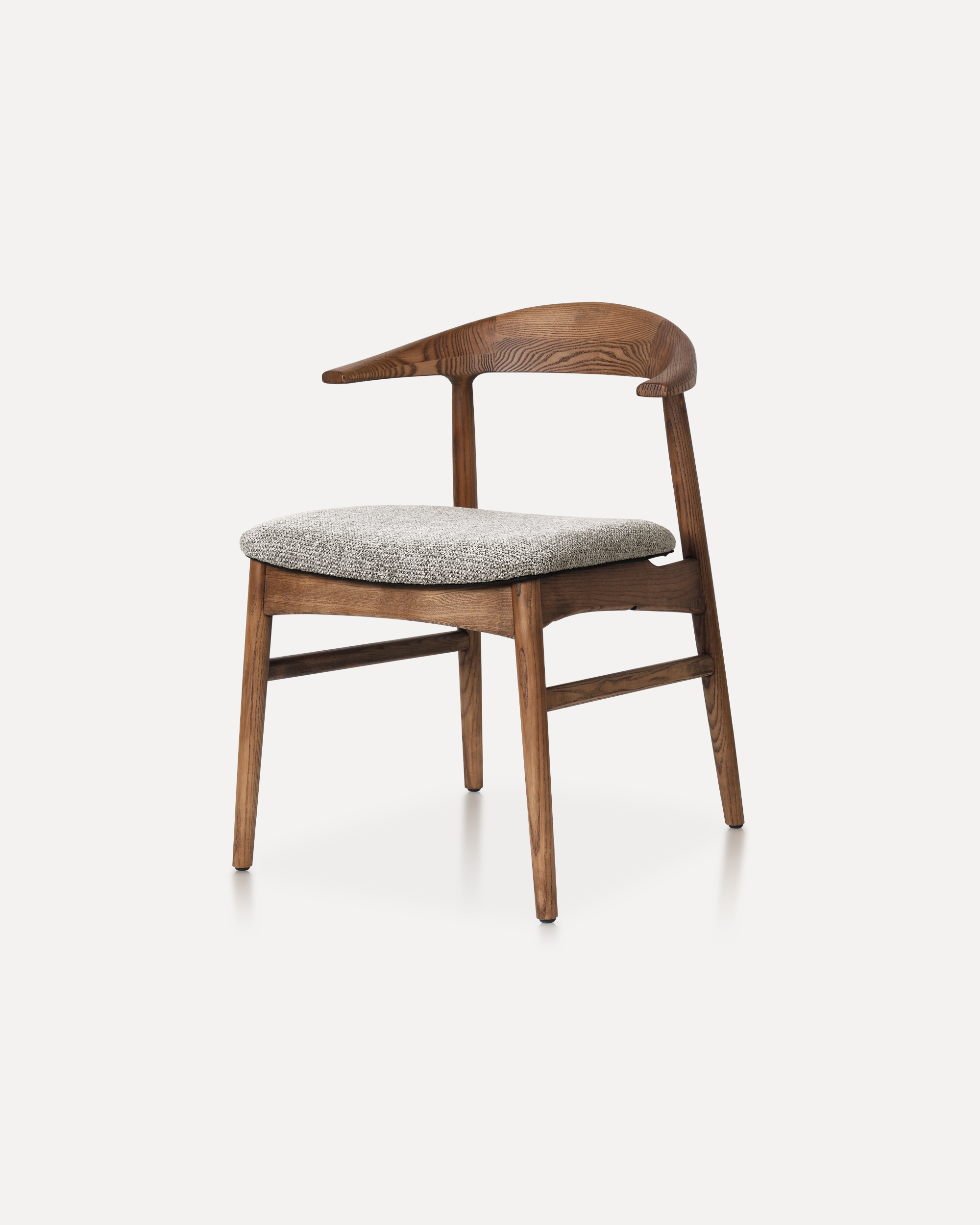
The Horizon Chair reinterprets mid-century warmth for today’s refined interiors...
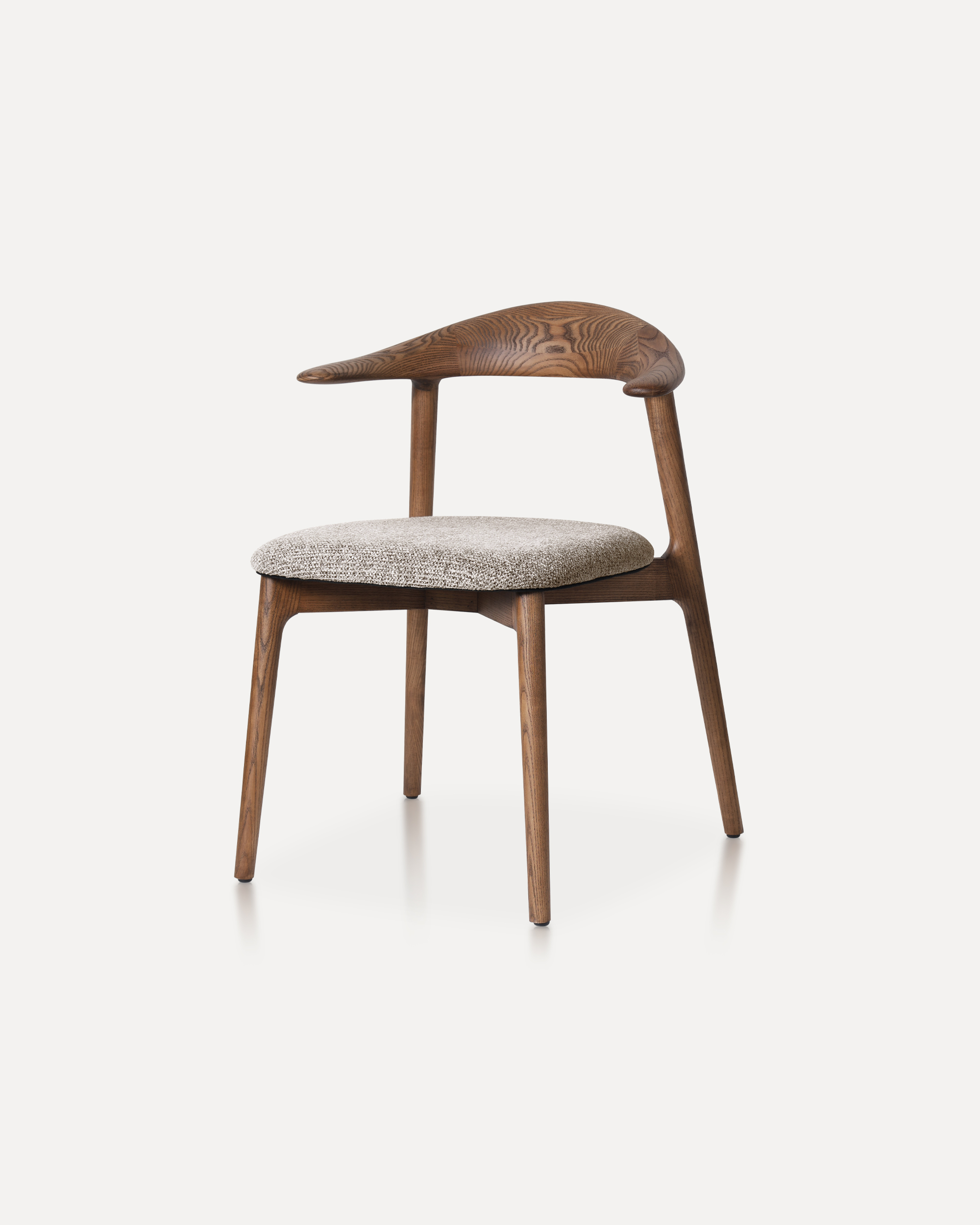
This classic features a striking, organic backrest carved from a single slab of...