
 English
 Français
 Español
Industry News
MENU

Ask anyone who has hosted a long dinner which piece of furniture works hardest, and the answer is rarely the table. It is the chair — pulled out, pushed in, sat on sideways, leaned back in, wiped down, and asked to look good while doing all of it. A wooden dining chair carries more of that daily load than any other seat in the house, which is why it deserves a little more thought than a colour swatch. Here is how we think about them after more than two decades of building solid wood seating for homes, hotels and brands around the world.
Content
A dining chair is a working object. It gets used three or four times a day, often by the same people, and it has to feel the same on the thousandth sitting as it did on the first. That is a question of geometry before it is a question of style. The numbers below are the ones we come back to in every development meeting, because they decide whether a chair feels generous or merely looks it.
Stability matters as much as comfort. Put the chair on a flat floor and press alternate corners — there should be no rocking. Then look underneath: corner blocks, dowels, screws or a properly cut mortise and tenon all tell you how the frame was put together, and how long it is likely to stay that way.
Most of the solid wood dining chairs on the market are made from a small handful of species, and each one behaves differently under the hand and under the family. European ash is the wood we return to most often: it is tough, springy and forgiving, which means a shaped back can be cut thin without becoming fragile. Its open grain and pale honey tone take a clear finish beautifully, and it ages into a soft, almost leathery warmth.
Rubberwood is the quieter workhorse. The grain is fine and even, it machines cleanly, and it holds stain and paint without patchiness — which is why so many dark and painted chairs you see in restaurants and busy family kitchens are rubberwood underneath. It is also dense and dimensionally stable, an advantage when chairs travel in containers or sit in air-conditioned dining rooms.
| Wood direction | Grain and appearance | Working character | Where it suits best |
|---|---|---|---|
| European ash | Open, straight grain; pale honey tone | Tough and springy, bends well for curved backs | Statement dining chairs, arched and sculpted backs |
| Rubberwood | Fine, even grain; stains and paints smoothly | Dense and stable, machines cleanly | Everyday family dining, painted and dark finishes, larger orders |
| Walnut-toned solid wood | Deep brown with soft contrast | Same solid construction, colour carried in the finish | Formal dining rooms and warm, darker schemes |
Whatever the species, two things matter more than the label. The first is moisture content: wood that is dried and then kept stable will not open a joint in a dry winter. The second is sourcing — FSC-certified, traceable timber is not a marketing line, it is what allows a buyer to answer a customer's question honestly two years later.
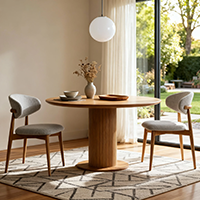
 CY2070C Curved-Back Padded Side Chair in RubberwoodA curved back and padded fabric seat make this rubberwood chair a comfortable, neutral option for dining rooms and cozy reading corners.View Product →
Once the wood is settled, the design conversation really begins. The back is where most of it happens. A gently arched back wraps the sitter without trapping them; a semi-enclosed back gives a sense of privacy in a restaurant or a busy open-plan room; an open frame keeps a small dining space feeling light. None of these is better than the others — they simply answer different rooms.
The seat is the other half. A solid timber seat is the most honest and the easiest to live with: wipe it, and it is clean. A lightly upholstered seat softens the edge for long dinners and takes the chill off a cold morning. A saddle leather or woven rattan panel adds texture and gives the chair a different personality altogether, which is why we build the same silhouette in several versions rather than inventing a new shape for every material.
Armrests deserve a practical note. They are lovely at the head of the table, but a dining armchair needs roughly 10 cm of extra clearance to slide under the tabletop — measure before you commit a whole set to them.
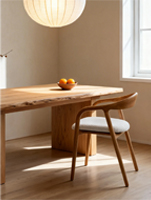
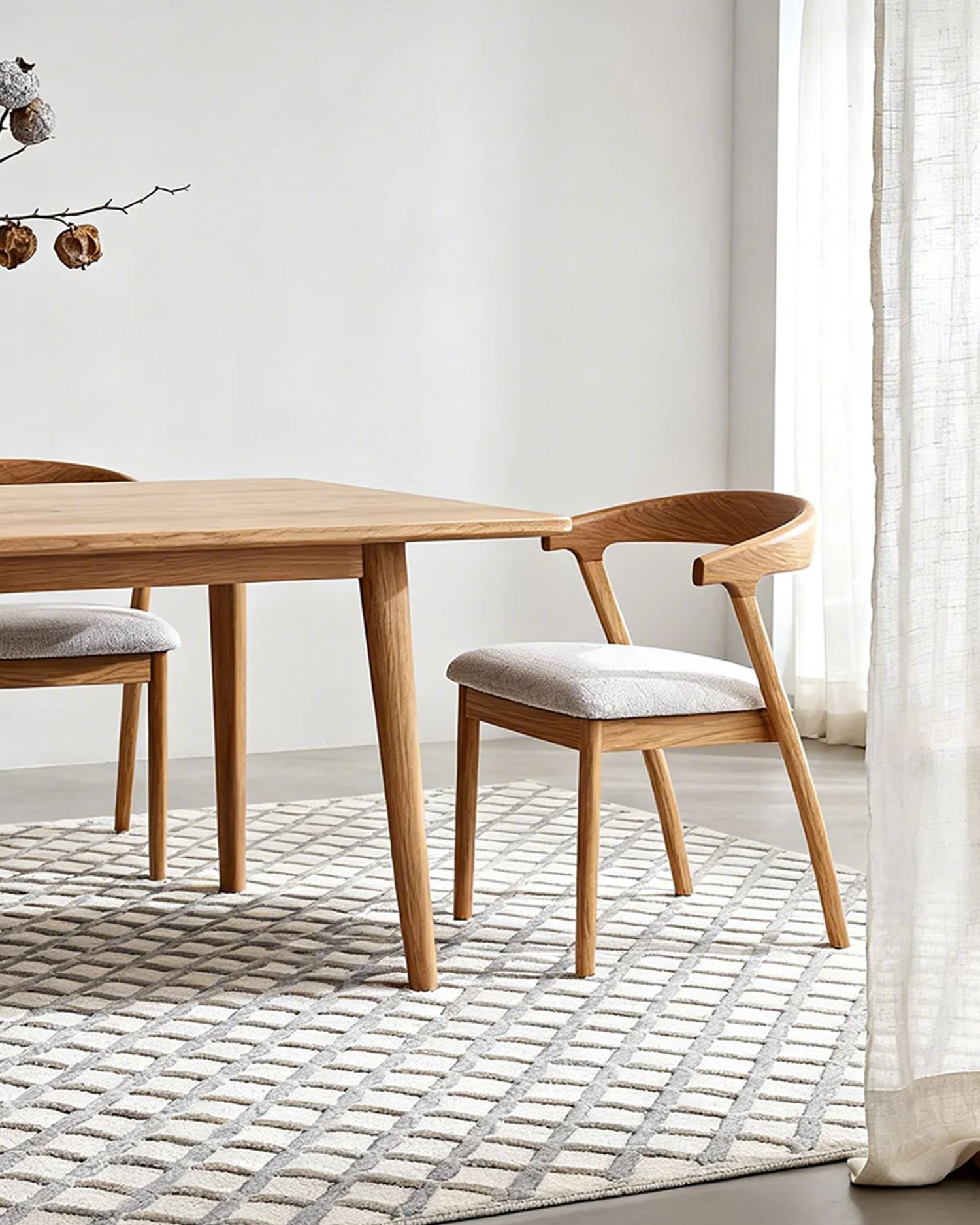 CY2047 Ash Wood Dining Chair with Padded SeatSlender ash wood lines and a neutral upholstered seat suit dining rooms and workspaces where chairs need to tuck neatly under the table.View Product →
Proportion is quiet but decisive. As a rule of thumb, allow 60 cm of table edge per person for comfortable eating, and 55 cm at a push. A 180 cm table seats three per side without elbows going to war; a 140 cm table is happier with two. Chairs should tuck in far enough that the seat sits under the tabletop, but not so far that the back hits the edge.
Storage is where dining chairs are usually forgotten. If the room doubles as a home office, or the table is only used at weekends, a stackable chair earns its keep. If the chairs will be shipped, stored or sold flat-packed, a knock-down construction with a small carton protects both the frame and the freight budget. Neither feature should be visible in the design — the best space-saving chairs look exactly like the ones that stay put.
 CY2073C Flat-Pack Space-Saving Dining ChairA rounded padded seat and rubberwood frame pair with knock-down packaging, making this chair practical for compact dining rooms and storage-conscious apartments.View Product →
Finish is the part of a dining chair that people actually live with, and it is worth choosing slowly. Pale natural tones and soft neutrals keep a room open and let the timber grain do the talking; deeper walnut-toned browns bring formality and hide the odd mark; a single saturated note such as forest green gives a plain scheme a memory point. Matte surfaces are more forgiving than high gloss in a room where people eat.
The test of a finish is not one chair but six. Order a set from the same production batch where possible, and check that the tone is consistent across seats and backs — grain variation is natural and welcome, a patchwork of shades is not. You can see the directions we currently work in on our colour scheme page, which is updated as new finishes are developed.
Solid wood is not delicate, but it does respond to its surroundings. A few habits will add years to a set:
Specifying dining chairs for a hotel, a restaurant or a retail collection asks different questions: consistency between batches, packing that survives a sea container, replacement parts, and documentation that stands up to a compliance review. We work with brand and design teams on exactly that basis — samples first, then production, with model-level manuals and specification sheets available for each chair so the details do not live only in an email thread. Our download library holds those documents for the current range.
It also helps to be honest about the floor. A chair that looks right in a photograph may be wrong for a terrace, a heated floor or a room with underfloor drying. Tell the maker where the chair will live and how often it will be moved, and the recommendation becomes much more useful than a catalogue number.
A good wooden dining chair is not the loudest thing in the room. It is the one nobody notices for ten years, because it never wobbles, never squeaks, and still looks like it belongs at that table. Choose the wood for the way it ages, the shape for the way you sit, and the finish for the light in your room — and the rest tends to take care of itself.
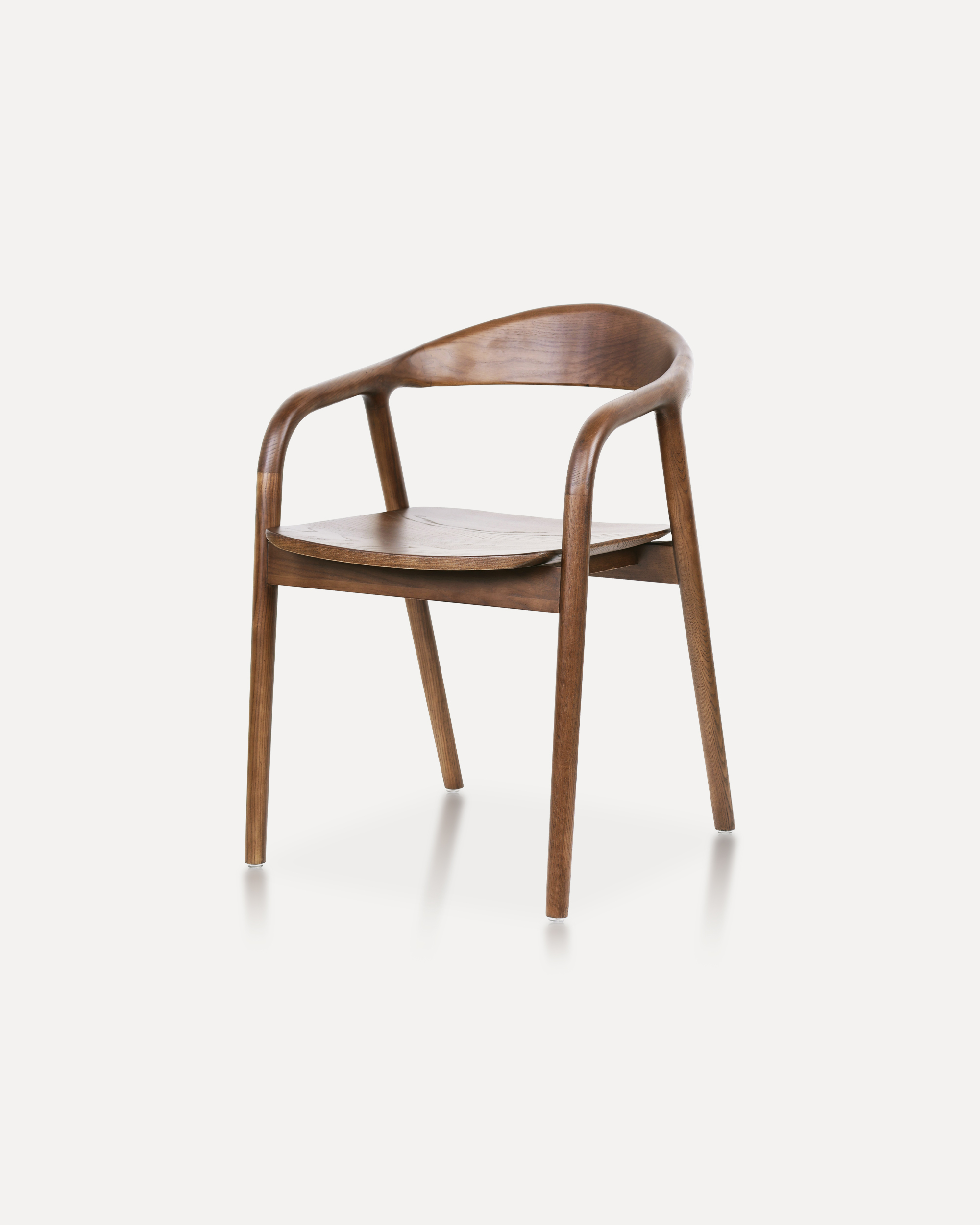
Crafted entirely from solid ash wood, this chair embodies a refined balance of ...
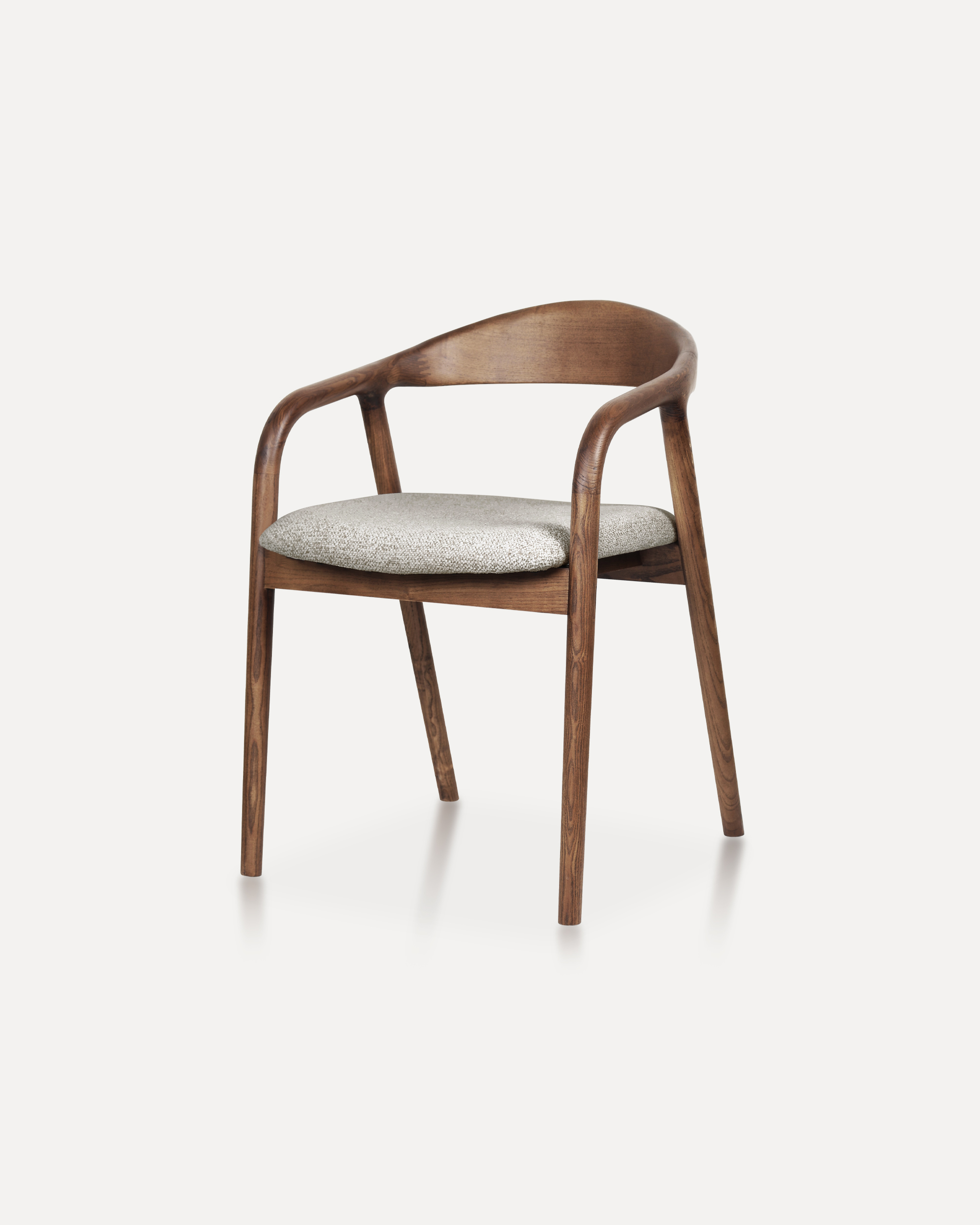
Showcases a refined silhouette with smooth, curved armrests and a gently rounde...
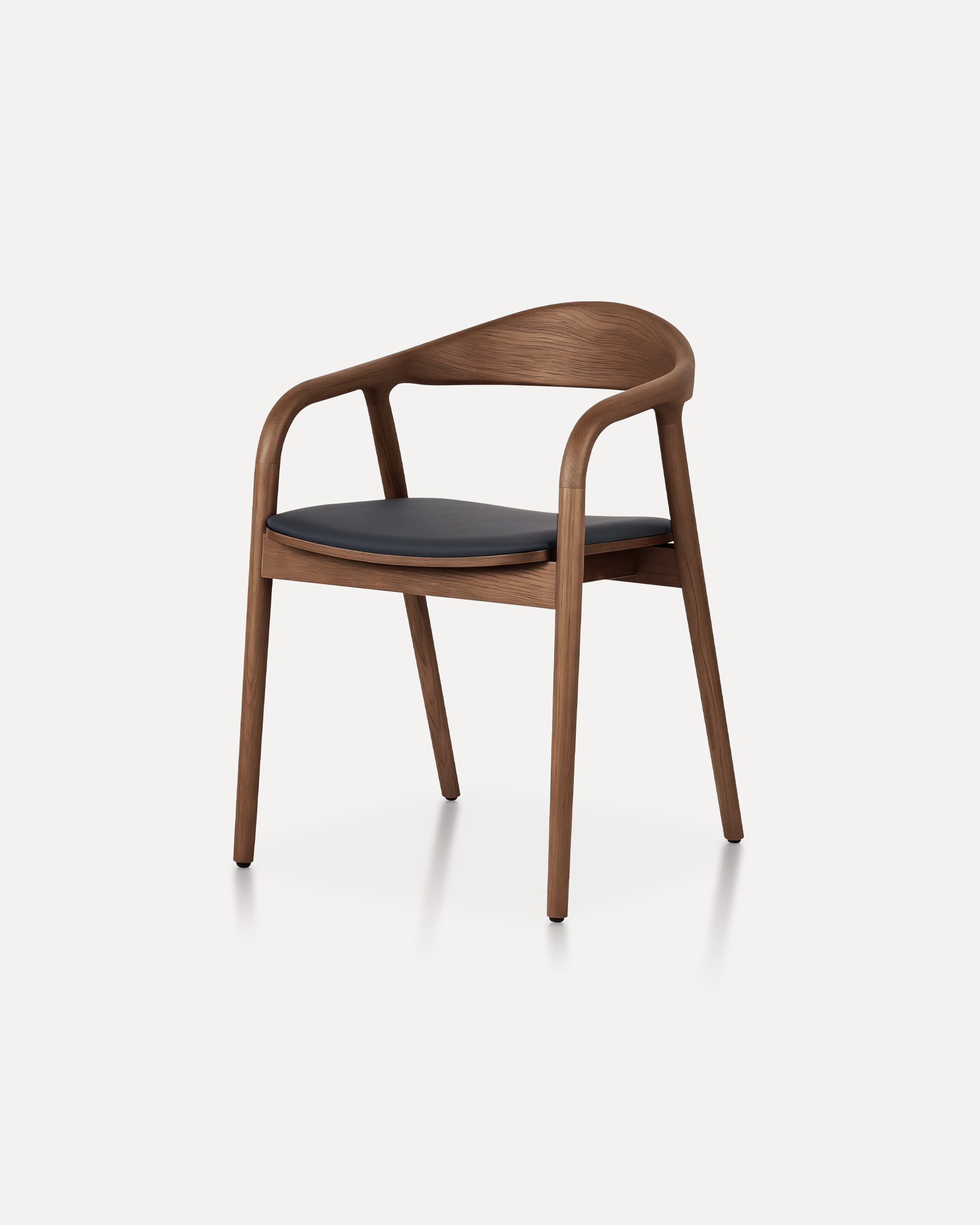
A masterclass in refined joinery and organic geometry, the Arc Chair features a...
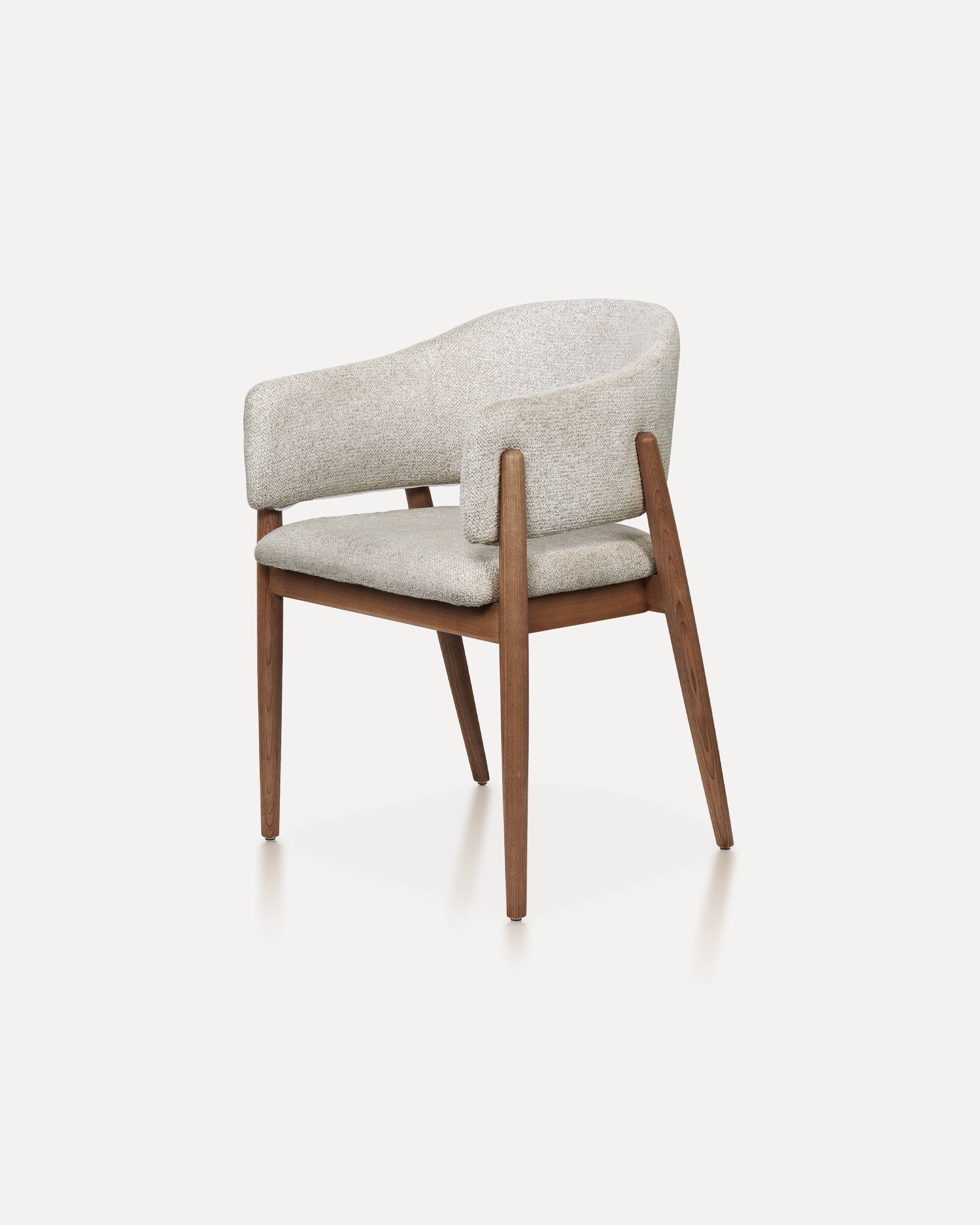
With its refined proportions and welcoming form, this chair brings quiet sophis...
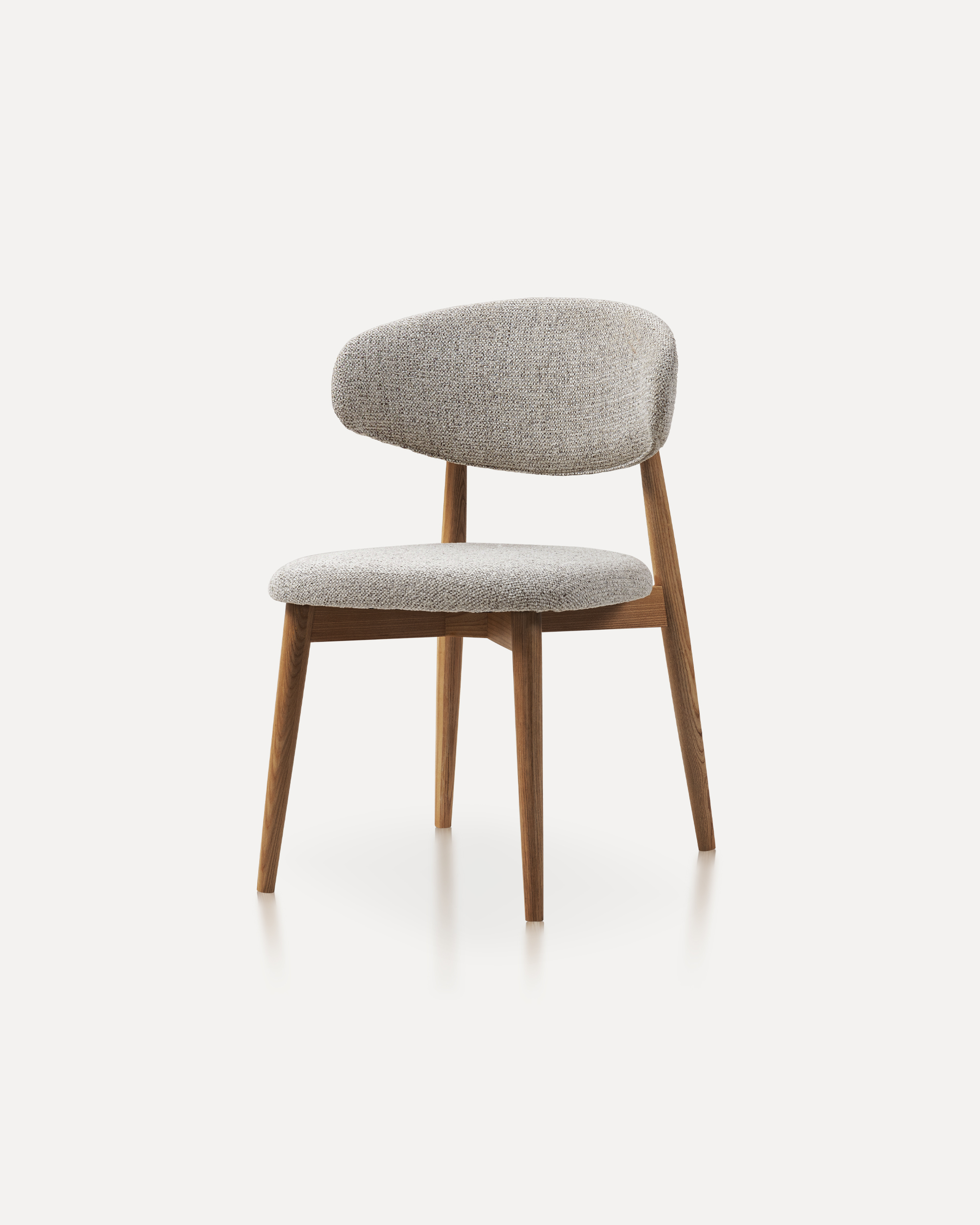
This wooden chair is a classic furniture piece that exudes warmth, durability, ...
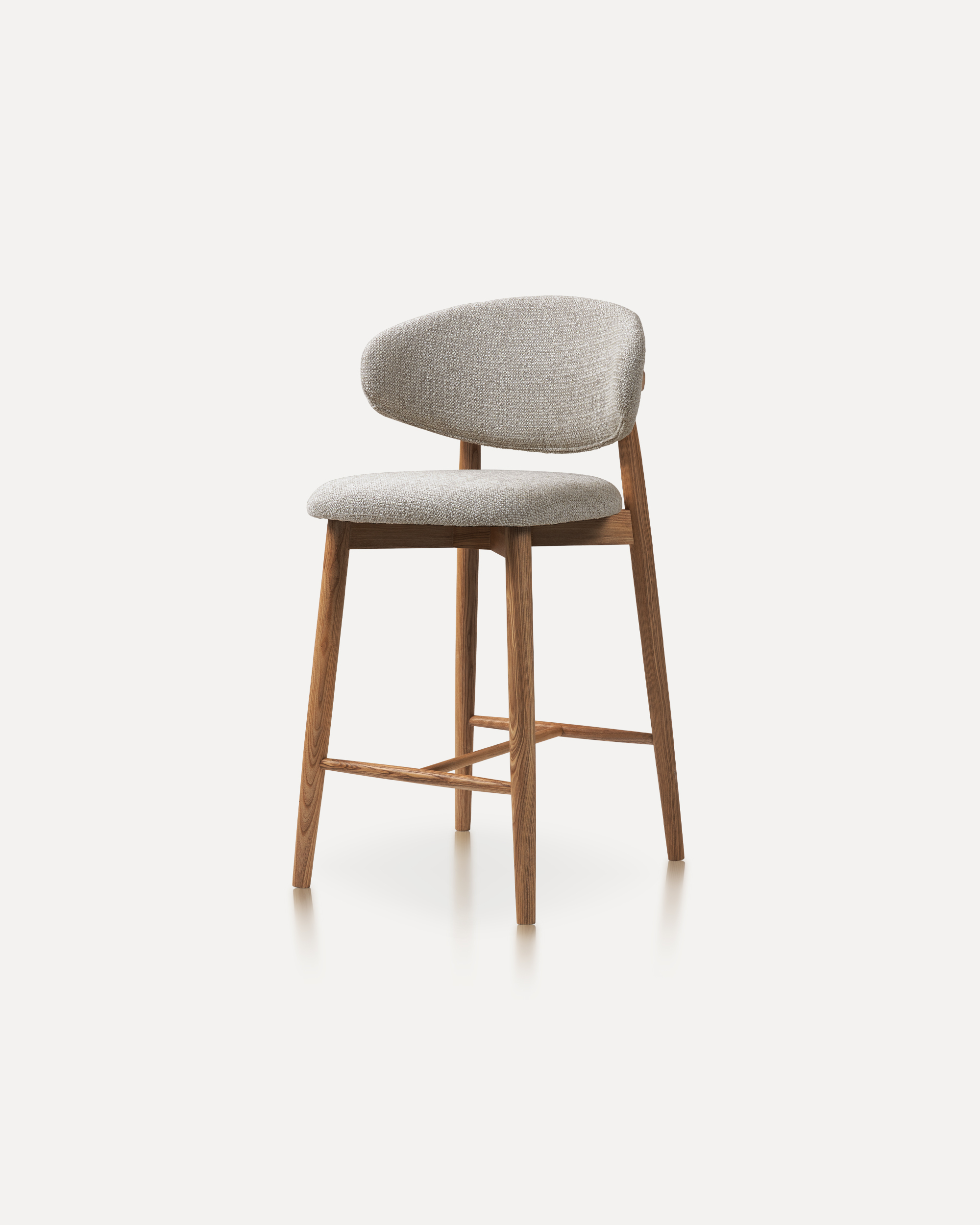
Our Wood Bar Stools are the perfect addition to any high-top table or bar setti...
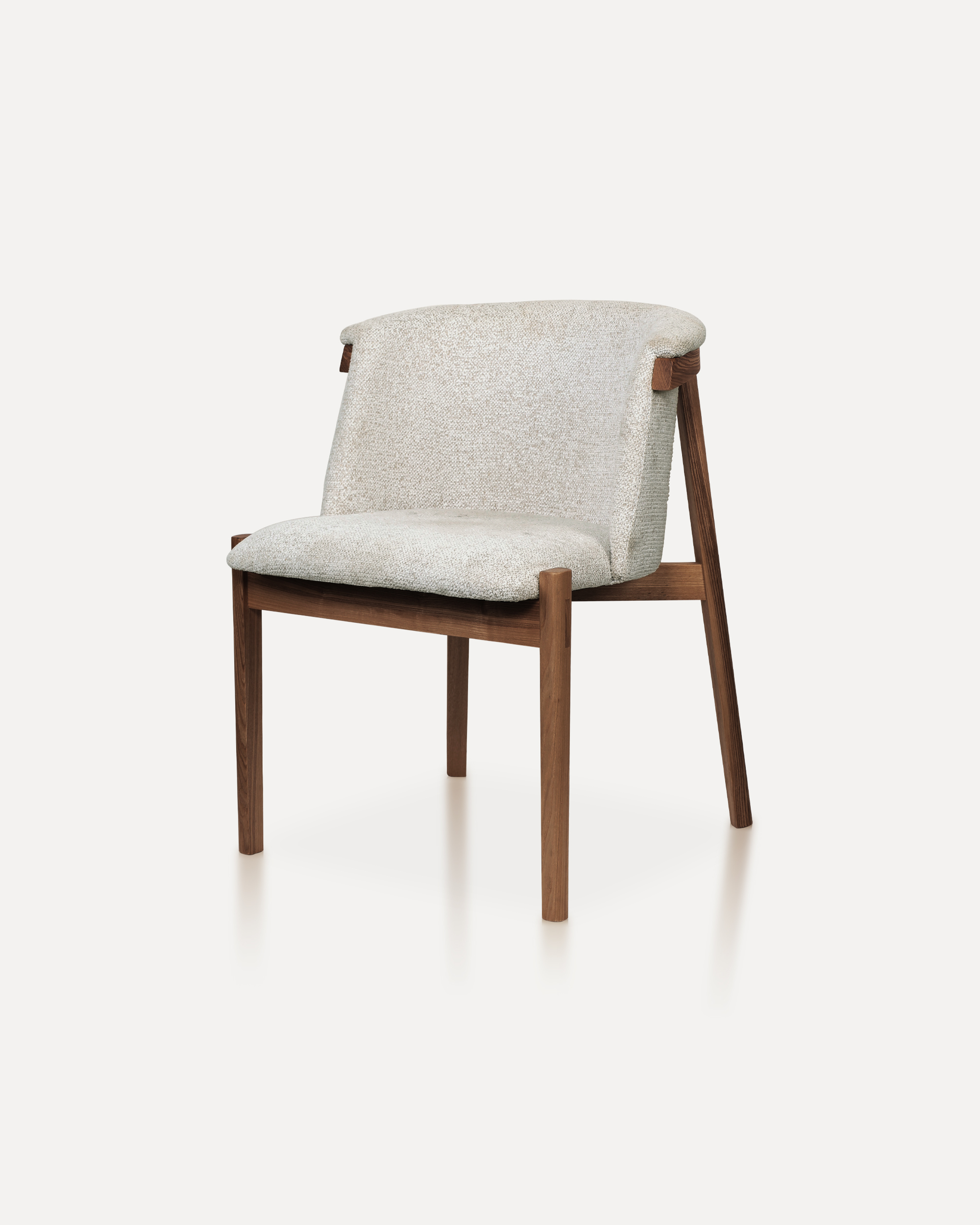
Bring natural elegance into your home with this finely crafted chair. The desig...
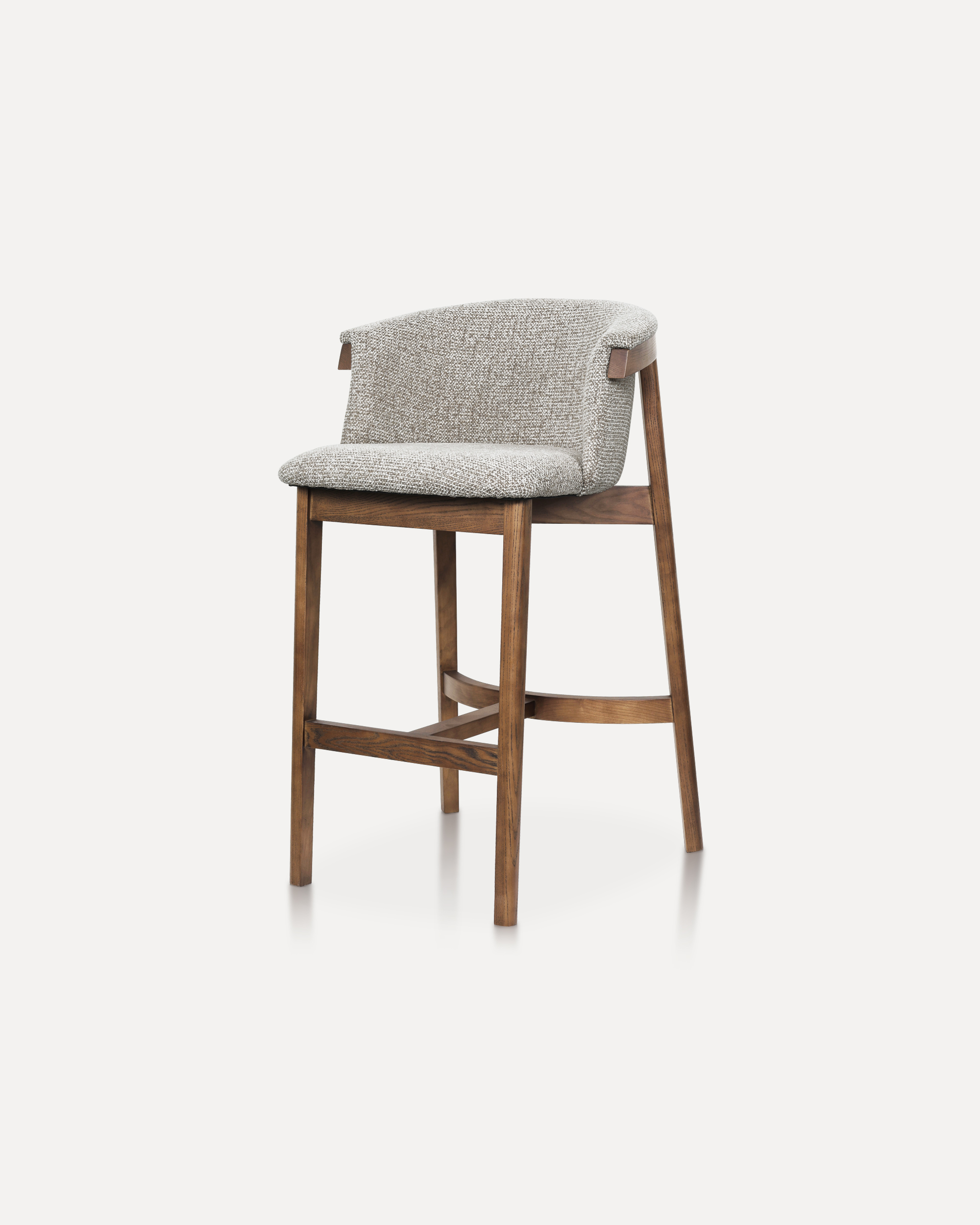
This sophisticated bar chair elevates any counter or high-top setting with its ...
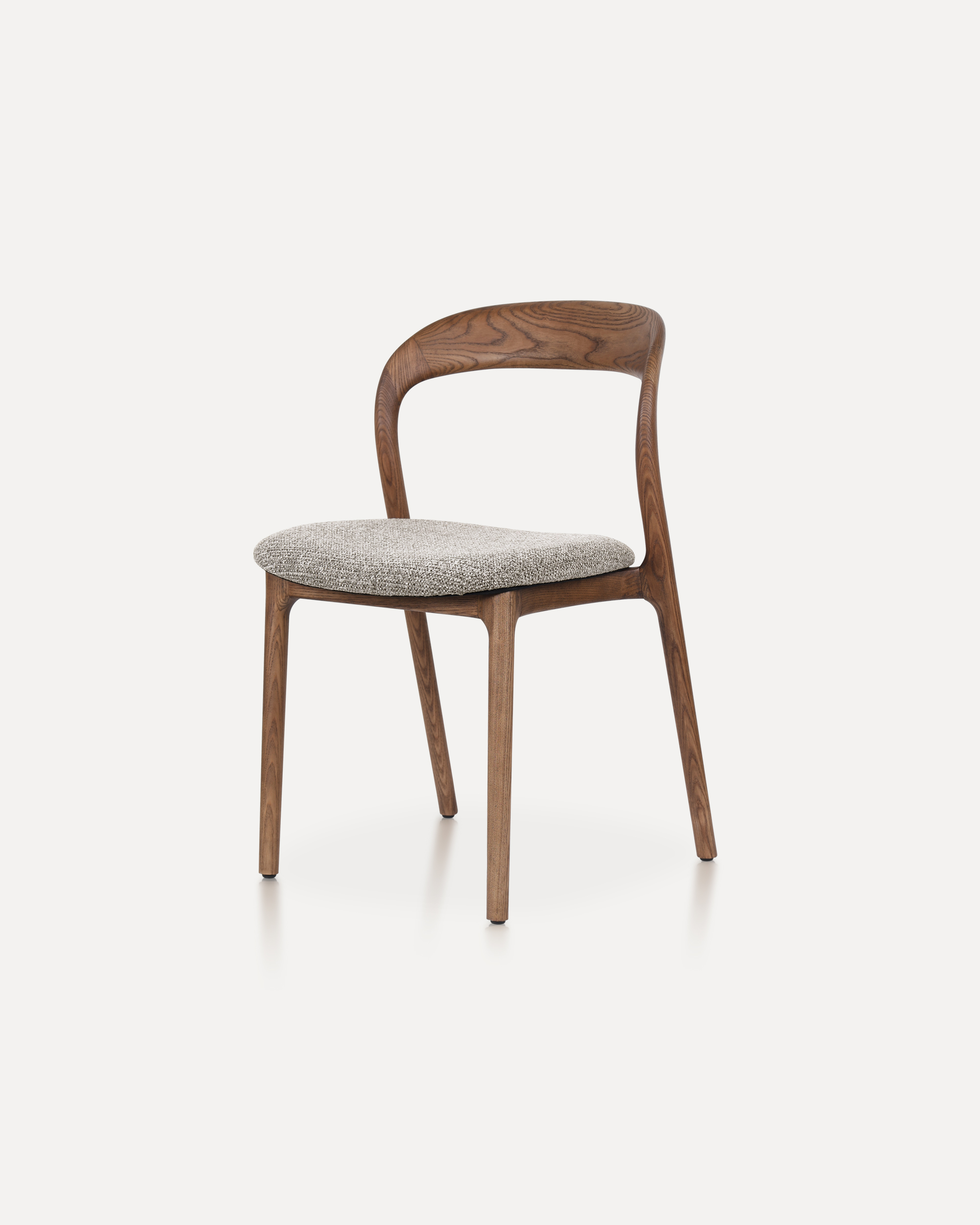
The Echo Chair is crafted from solid ashwood, featuring a unified back-and-arm ...
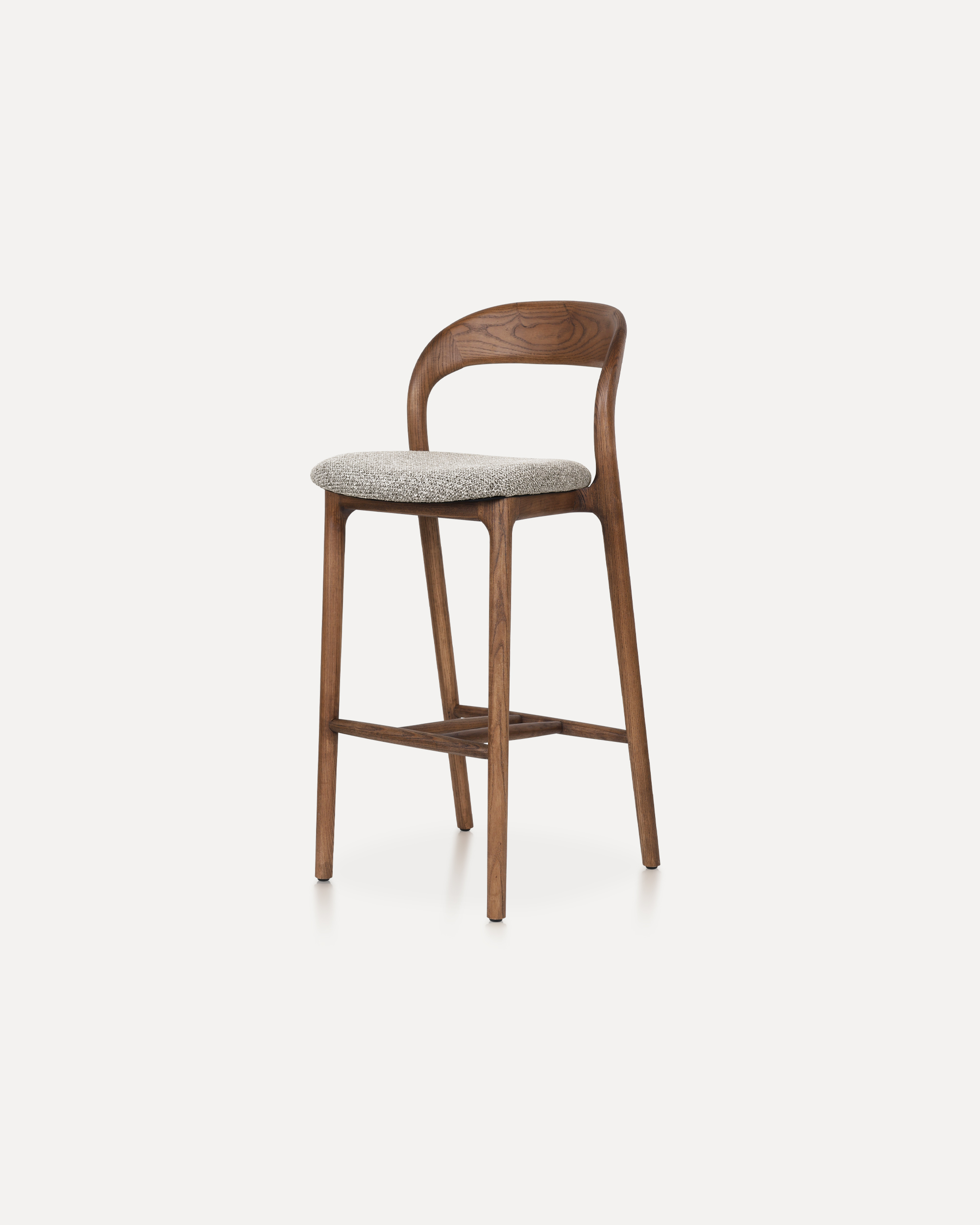
This Bar Chair is a counter-height seating solution crafted from solid ashwood ...
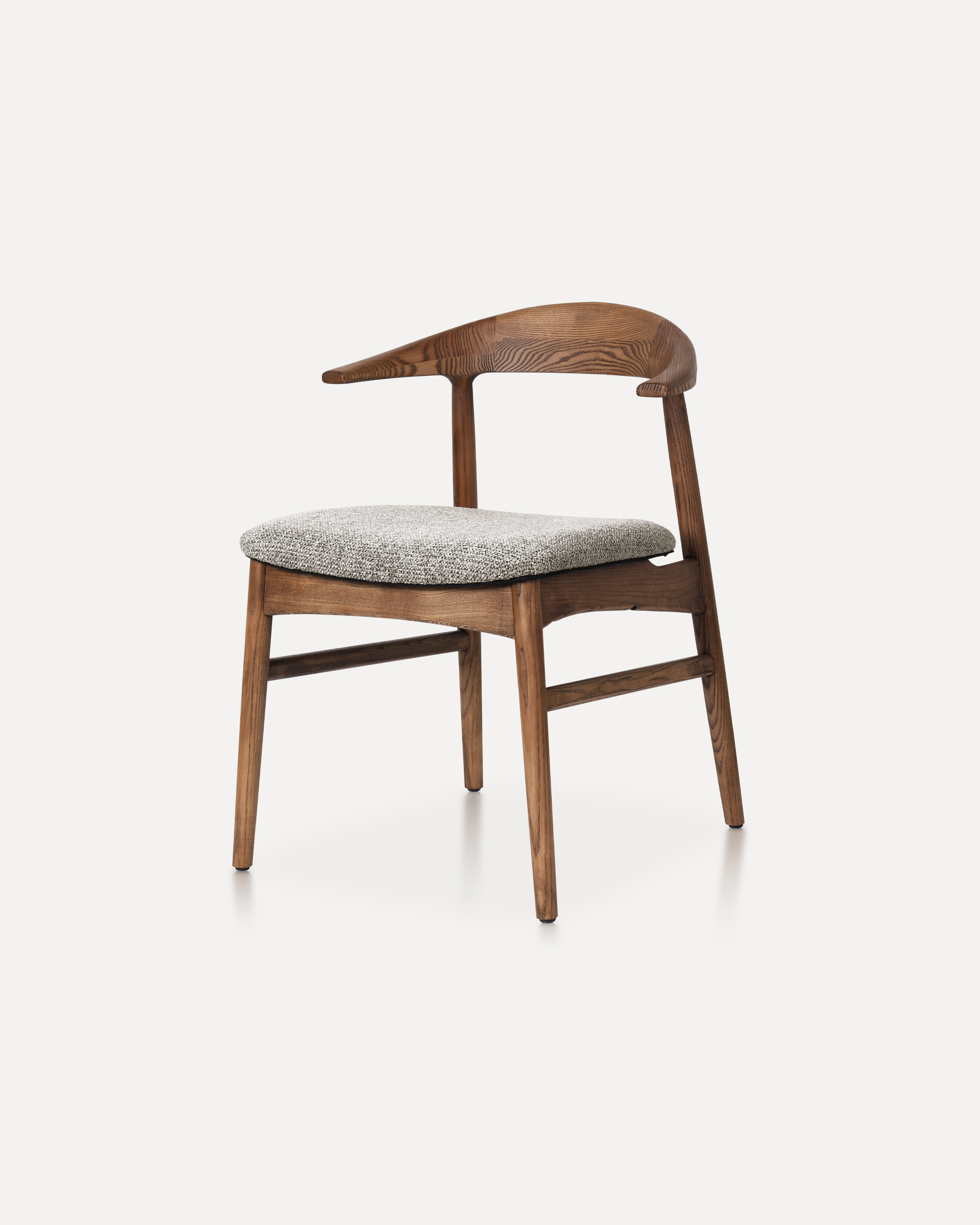
The Horizon Chair reinterprets mid-century warmth for today’s refined interiors...
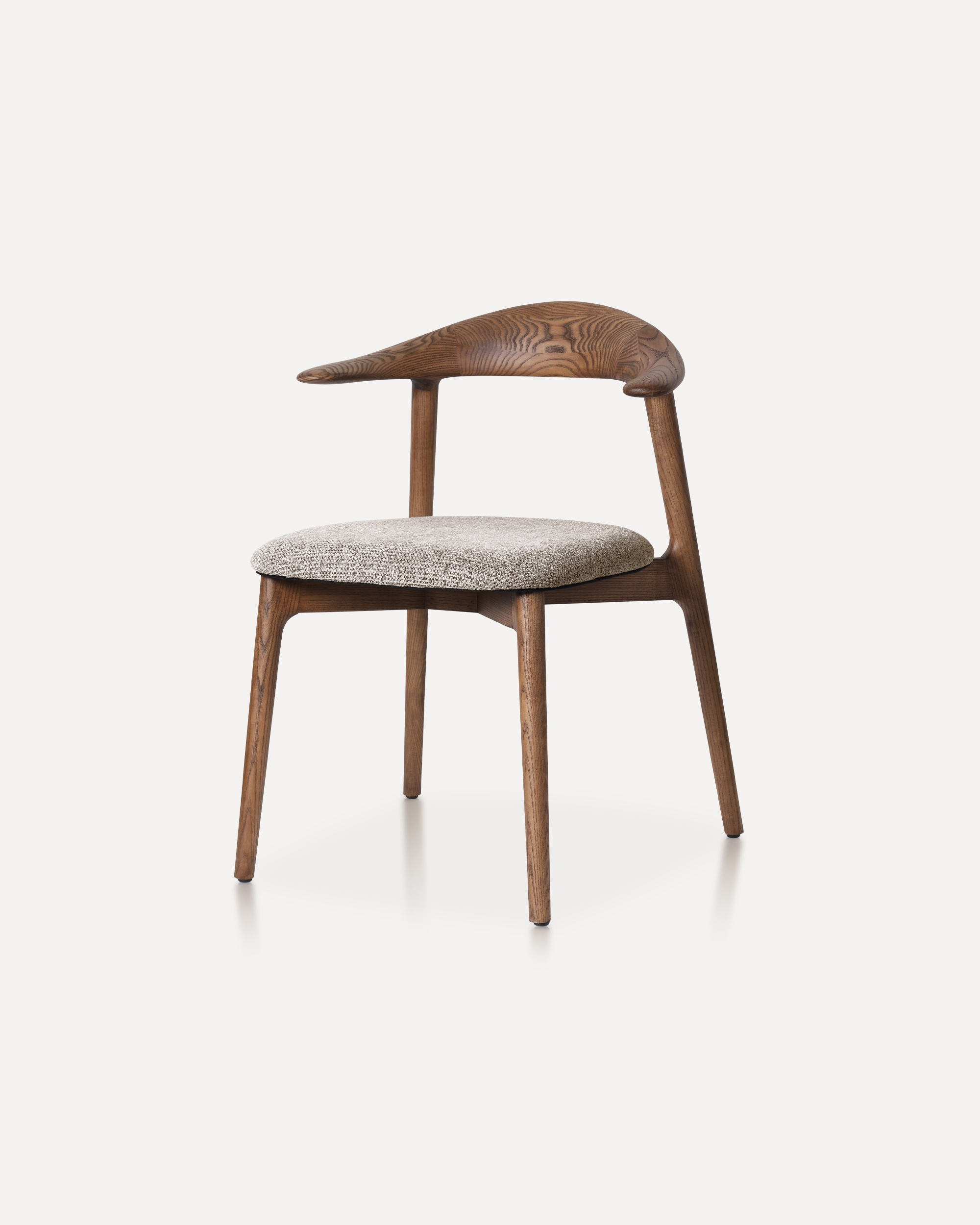
This classic features a striking, organic backrest carved from a single slab of...