
 English
  Français
 Español
Industry News
MENU

Content
Selecting the material for your dining chairs is the most critical decision for long-term satisfaction. Hardwoods like oak, walnut, and maple remain the gold standard for longevity because they can be refinished and develop a beautiful patina over time. If you prefer a modern aesthetic, metal chairs—specifically powder-coated steel or aluminum—offer incredible structural integrity and are resistant to the wear and tear of a busy household. For those seeking comfort, upholstered chairs provide a soft tactile experience, but it is essential to look for performance fabrics. These high-tech textiles are engineered to repel liquids and resist staining, making them a practical choice even in homes with young children or pets.
| Material | Pros | Best For |
| Solid Wood | Timeless, Sturdy | Traditional & Rustic |
| Metal | Easy to Clean, Slim Profile | Industrial & Minimalist |
| Upholstered | Maximum Comfort | Formal Dining Rooms |
| Polycarbonate | Lightweight, Modern | Small Apartments |
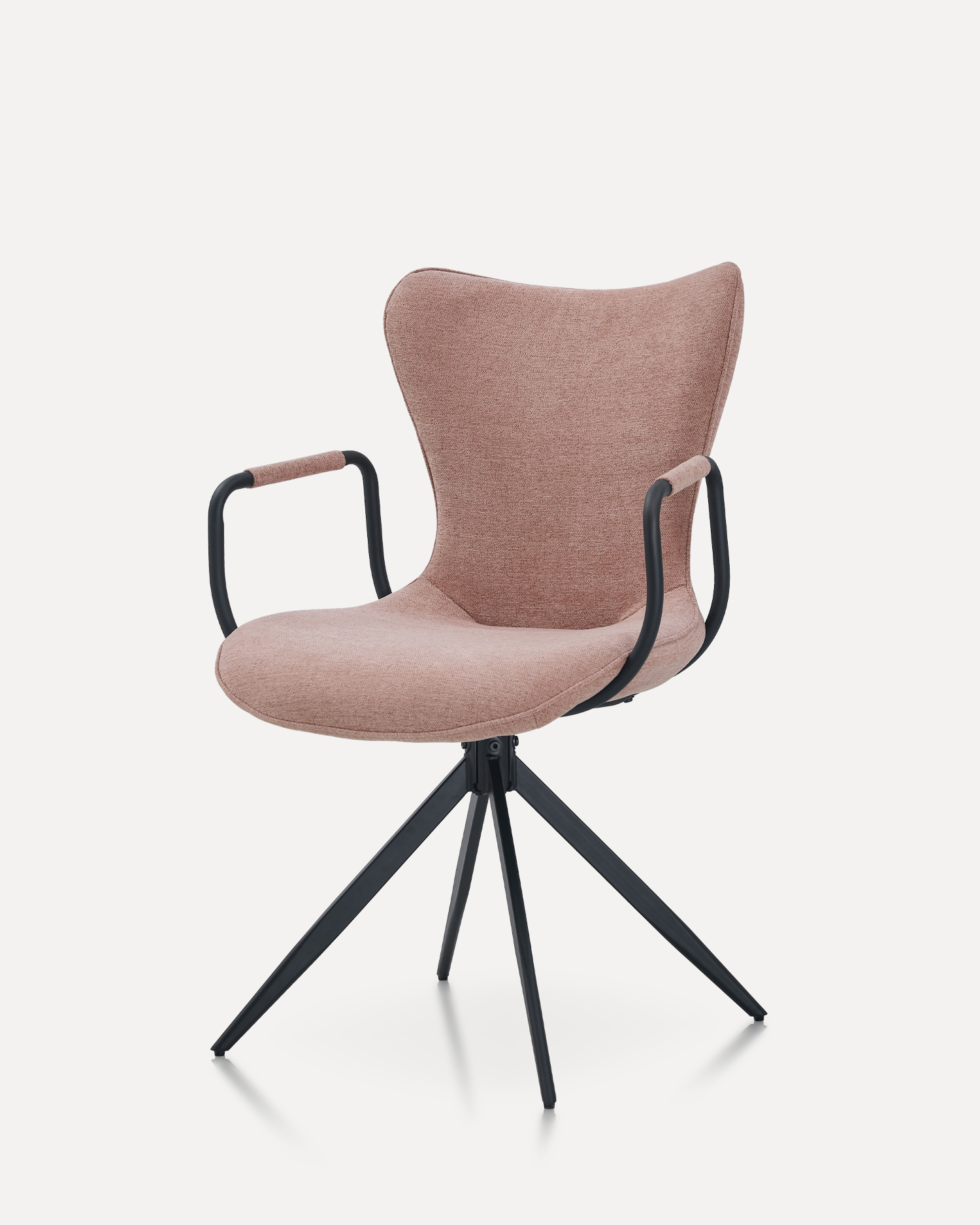
A Dining Room Chairs should support the body during long conversations, not just a quick meal. Ergonomics play a vital role in how the chair interacts with your posture. The seat height typically ranges between 18 to 20 inches, which allows for sufficient legroom under a standard 30-inch table. Furthermore, the angle of the backrest—known as the pitch—should be slightly reclined to relieve pressure on the lower spine. Contoured seats that mimic the natural curve of the body provide significantly more support than flat wooden surfaces. If the chair includes armrests, ensure they can slide under your tabletop to save space when the chairs are not in use.
Integrating new chairs into an existing room requires a careful balance of scale and style. "Mismatching" chairs is a popular contemporary trend, but it works best when there is a unifying element, such as a consistent color palette or a shared material. For smaller dining areas, consider "ghost" chairs or armless silhouettes that maintain a low visual profile and prevent the room from feeling cluttered. In larger, open-concept spaces, high-back chairs can act as a visual anchor, defining the dining zone against the living or kitchen areas. Always measure the perimeter of your table to ensure each guest has at least 24 inches of horizontal space for a comfortable dining experience.
When planning your layout, don't forget the importance of the chair's "footprint." Spindle-legged chairs tend to look lighter and airier, while blocky, fully-upholstered designs feel more grounded and substantial. If you frequently host large gatherings, keeping a few stackable chairs in a closet or using a dining bench on one side of the table can provide flexible seating without permanently occupying valuable floor space. Choosing the right dining chair is ultimately an investment in your home’s hospitality and your daily comfort.
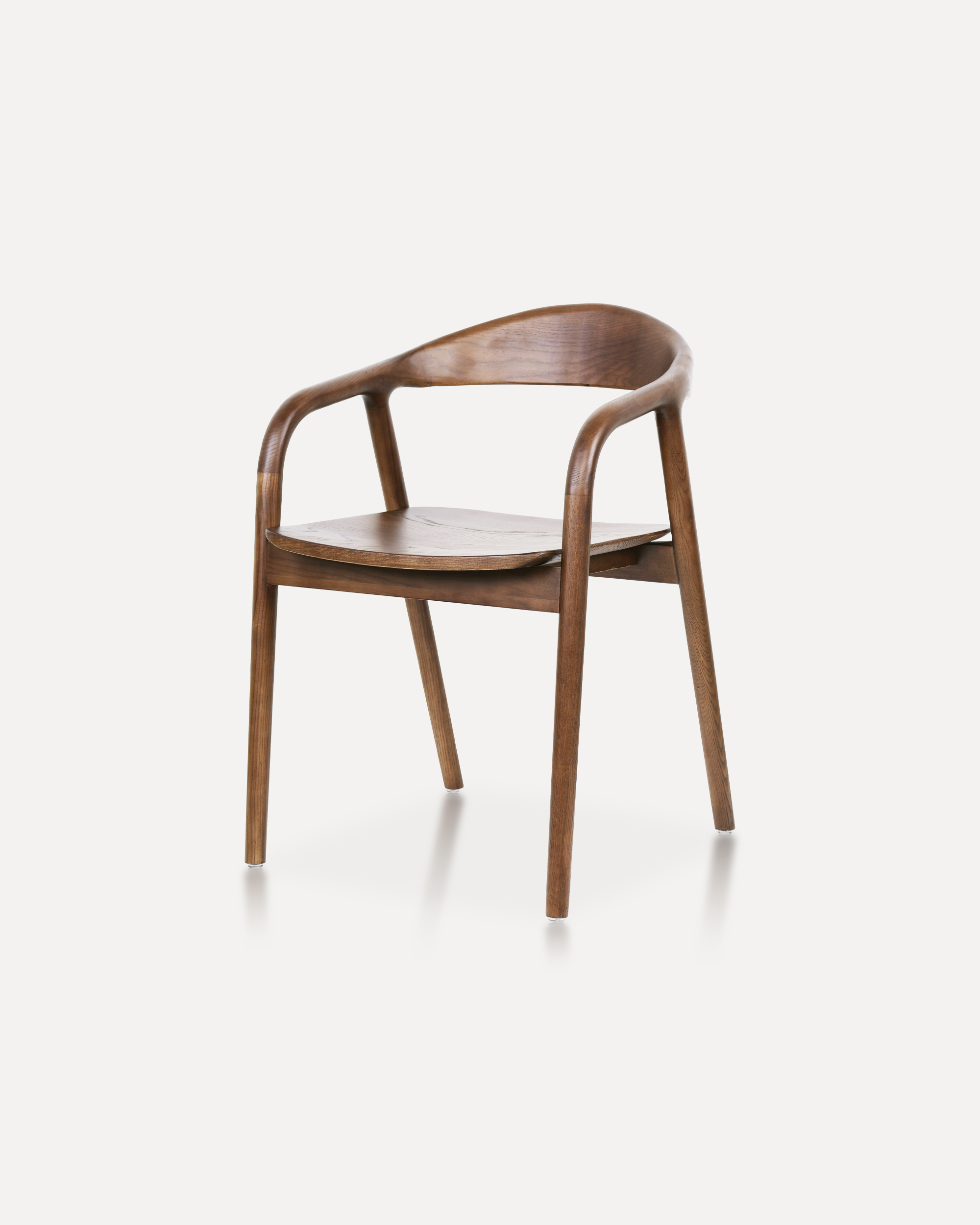
Crafted entirely from solid ash wood, this chair embodies a refined balance of ...
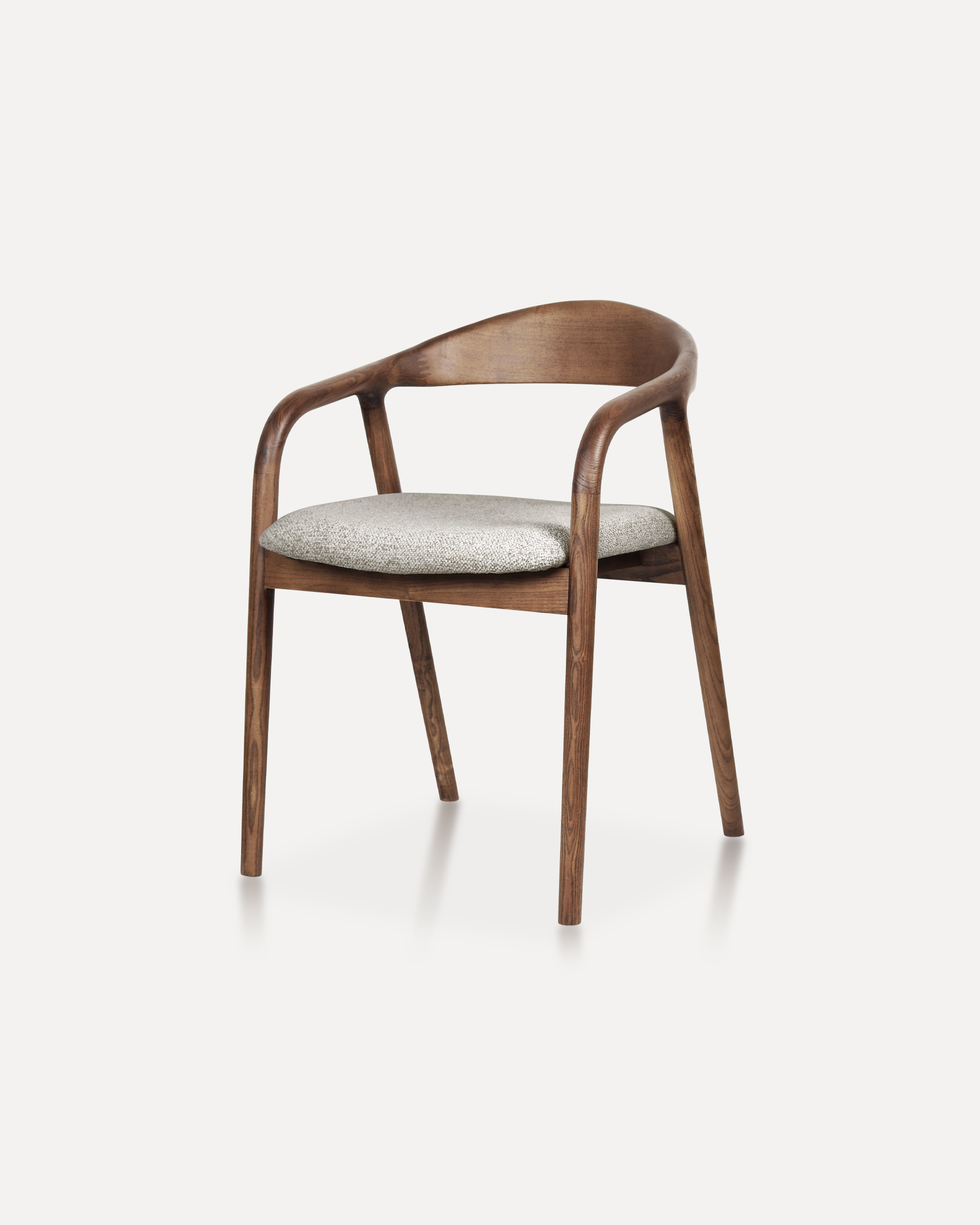
Showcases a refined silhouette with smooth, curved armrests and a gently rounde...
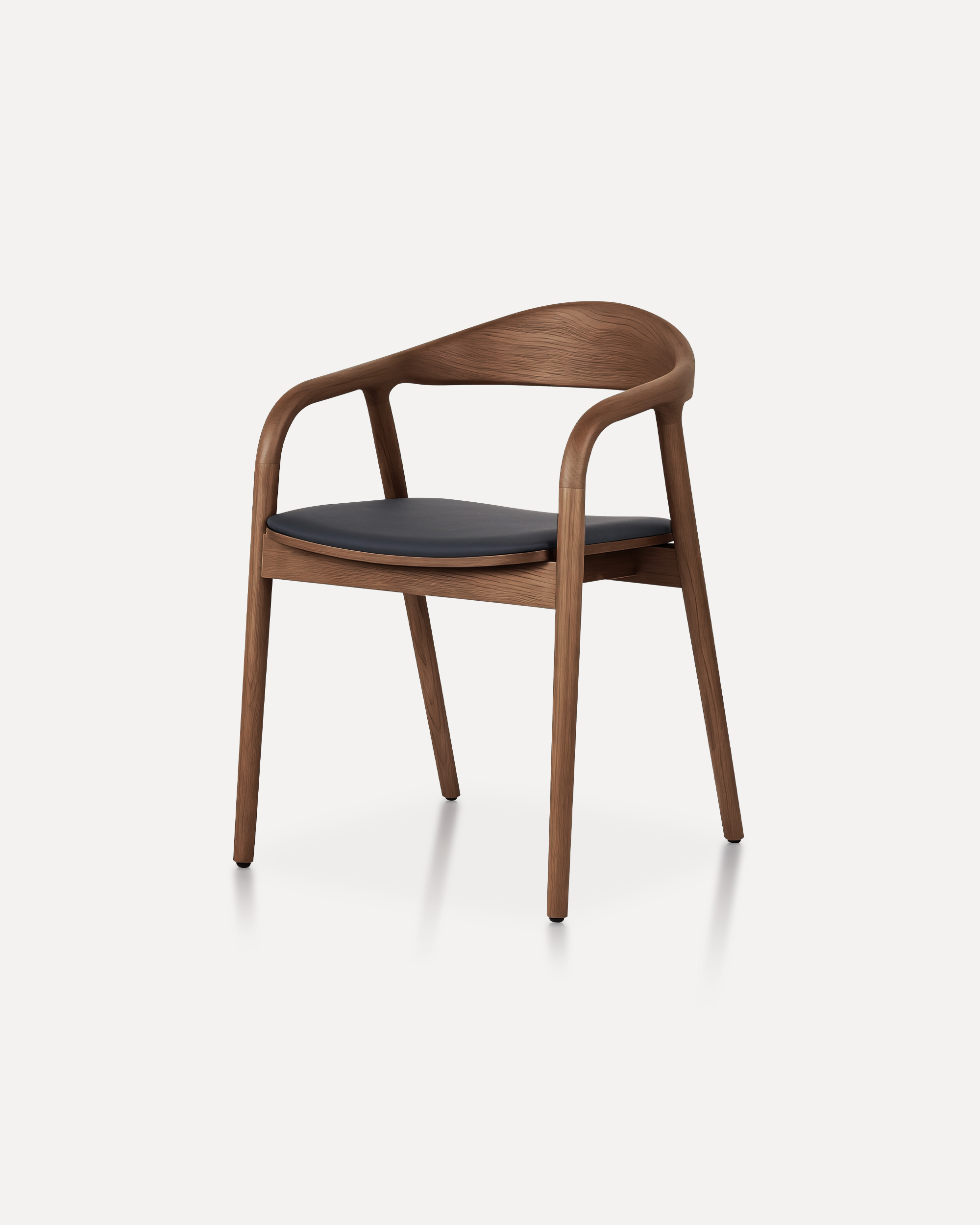
A masterclass in refined joinery and organic geometry, the Arc Chair features a...
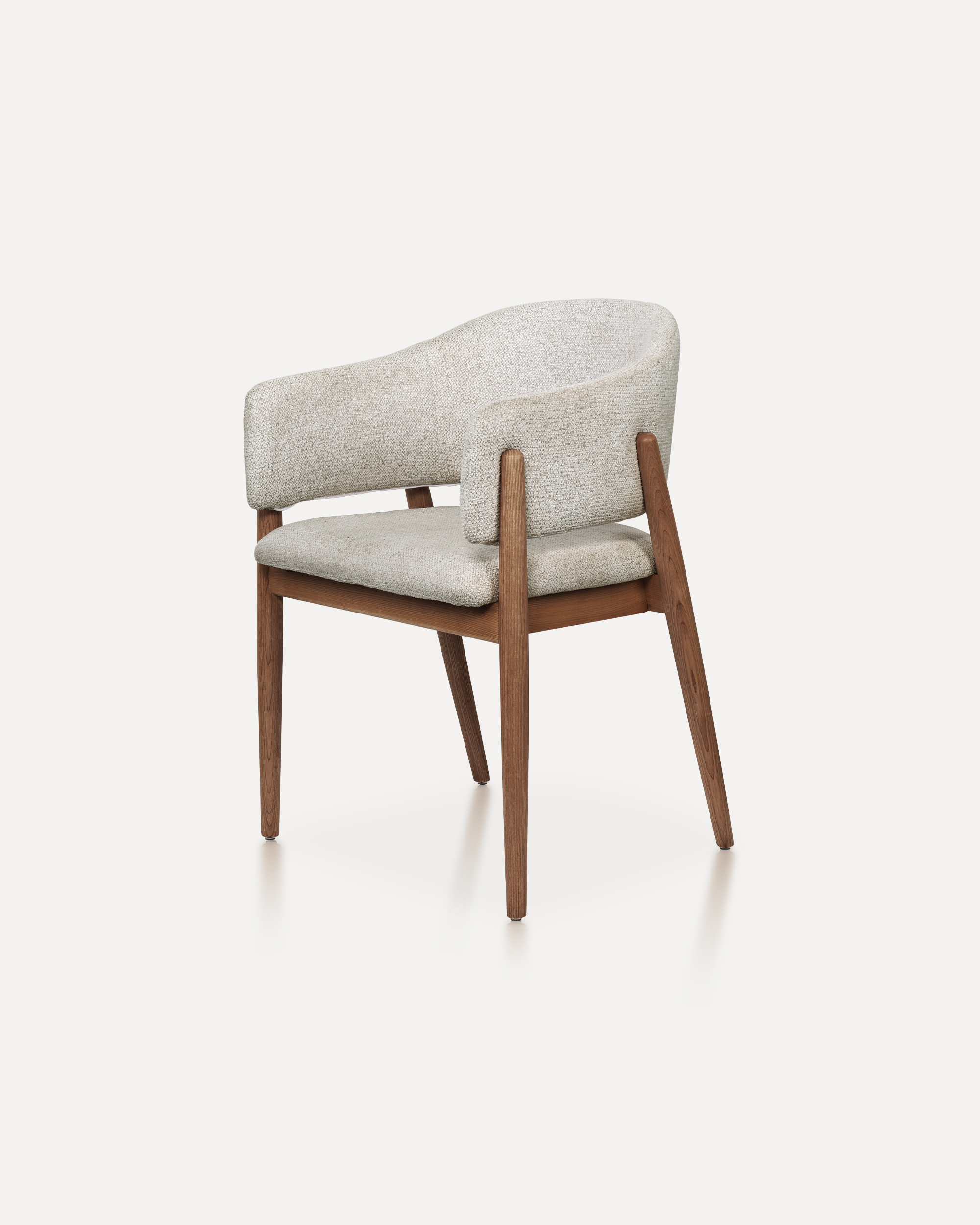
With its refined proportions and welcoming form, this chair brings quiet sophis...
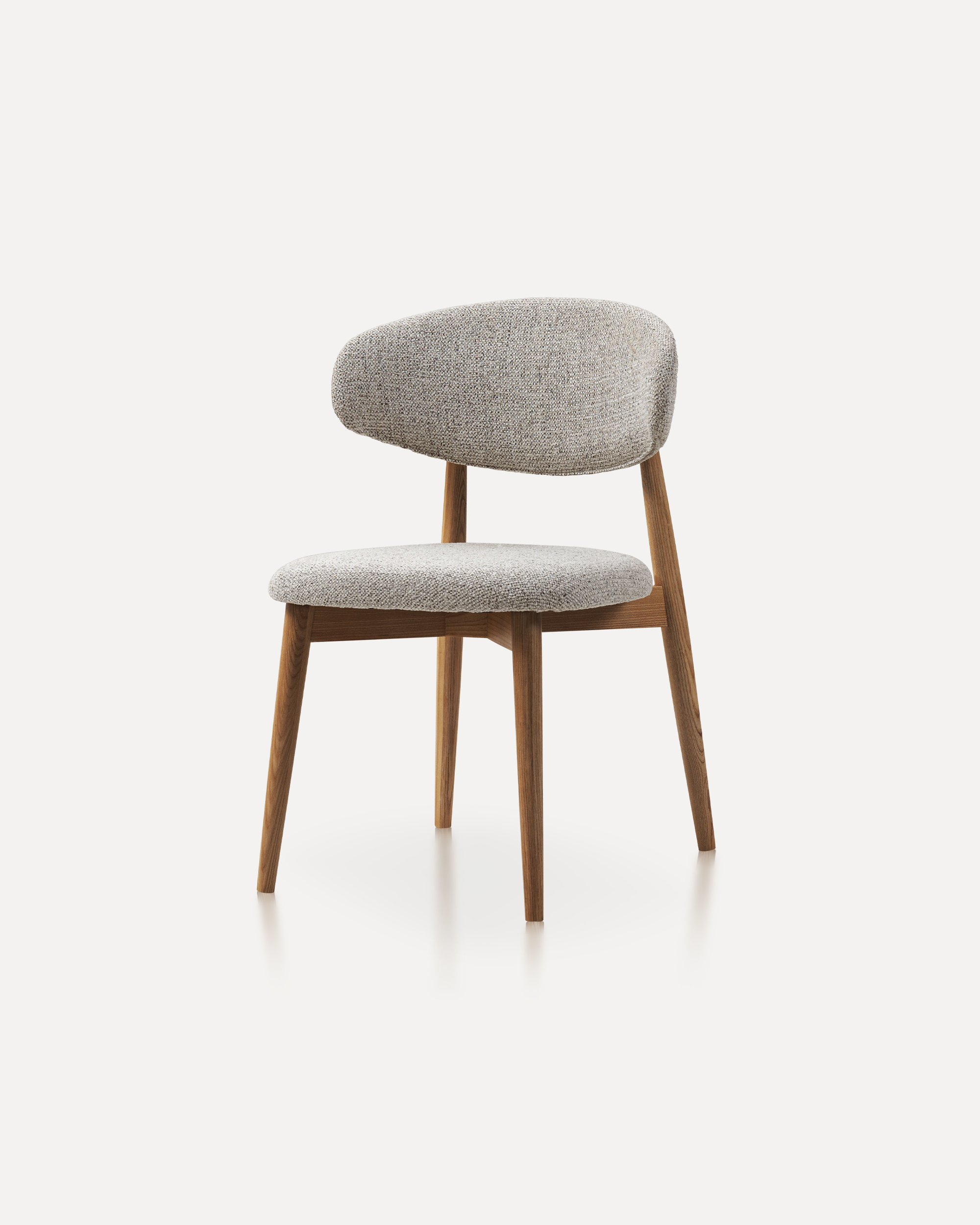
This wooden chair is a classic furniture piece that exudes warmth, durability, ...
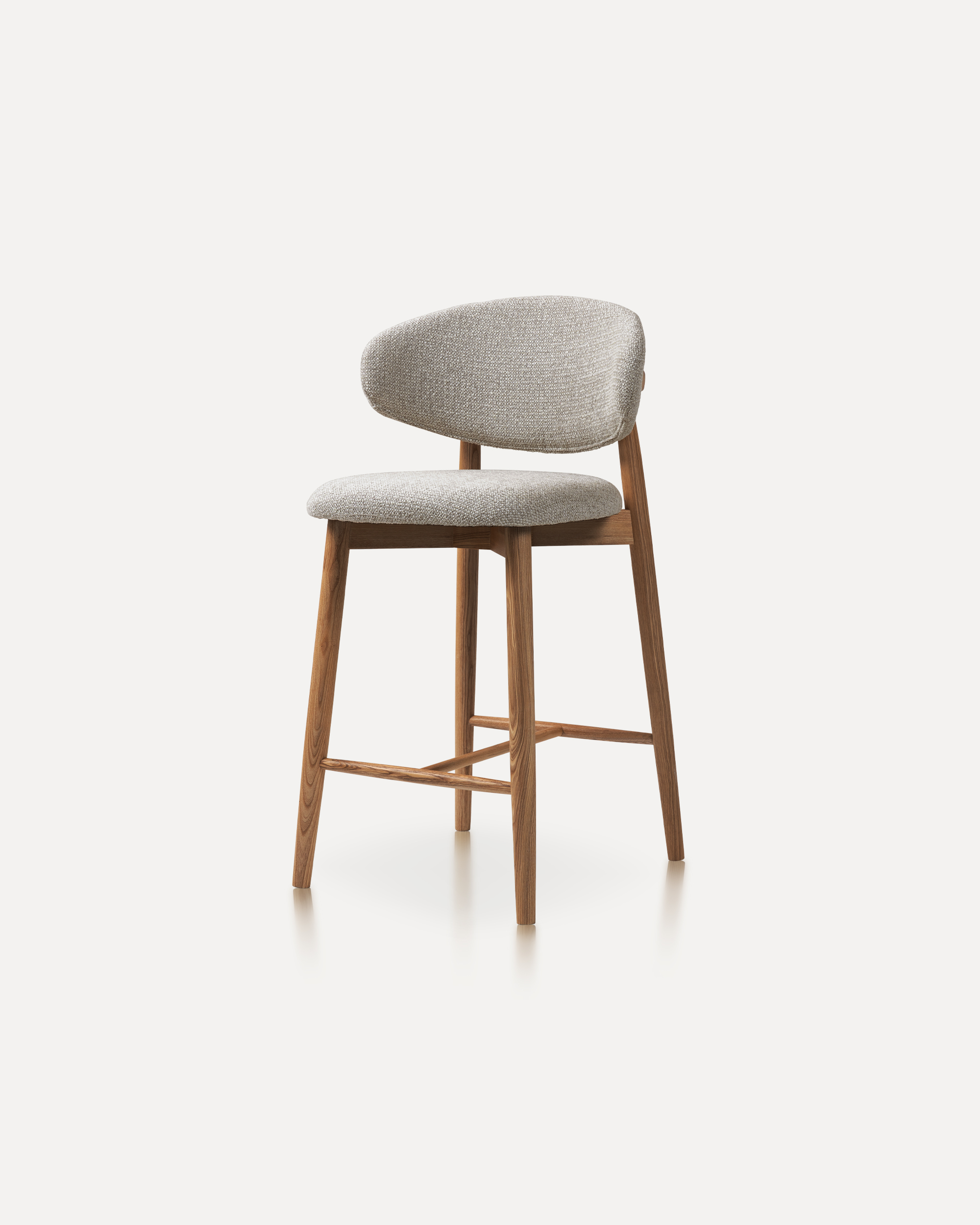
Our Wood Bar Stools are the perfect addition to any high-top table or bar setti...
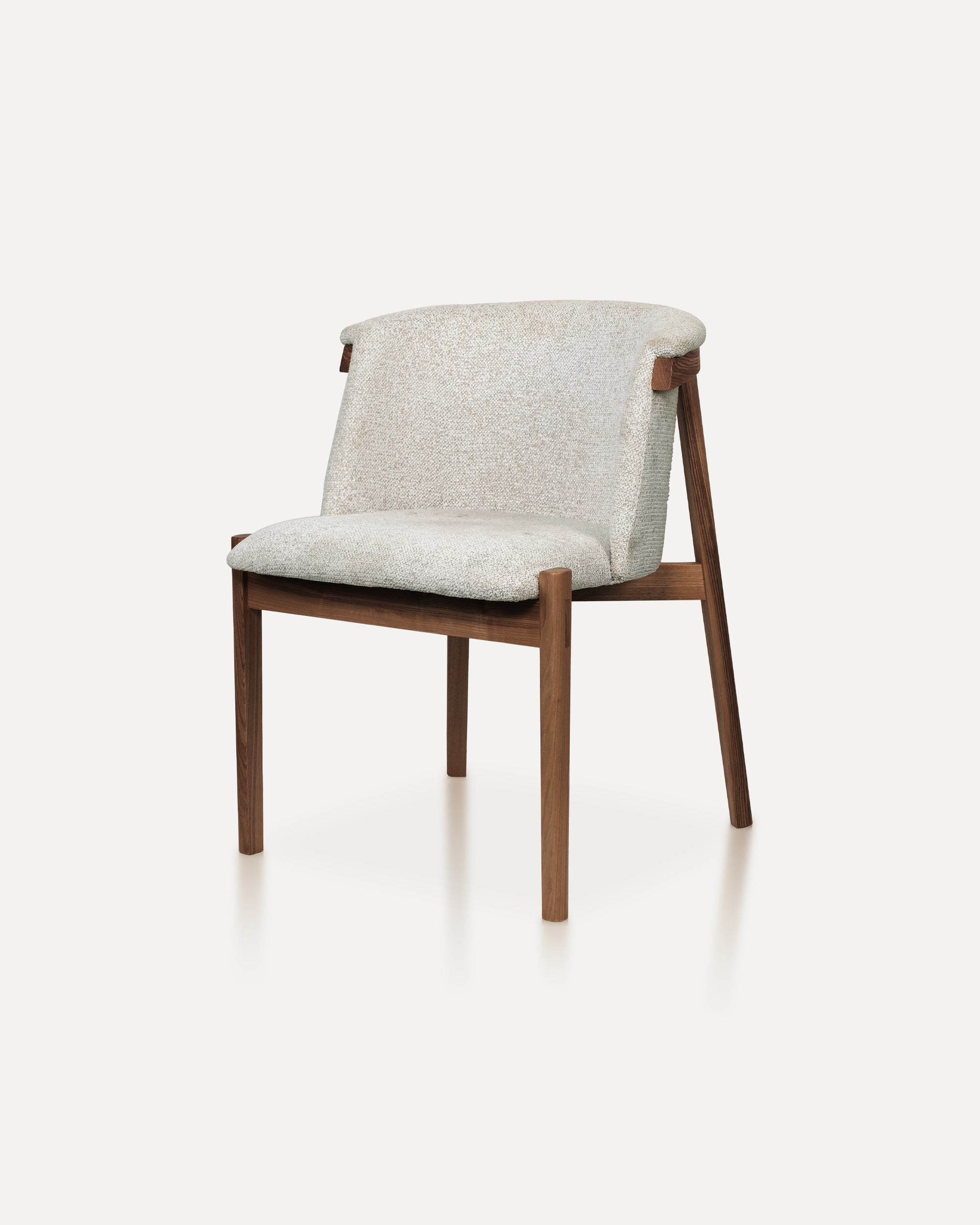
Bring natural elegance into your home with this finely crafted chair. The desig...
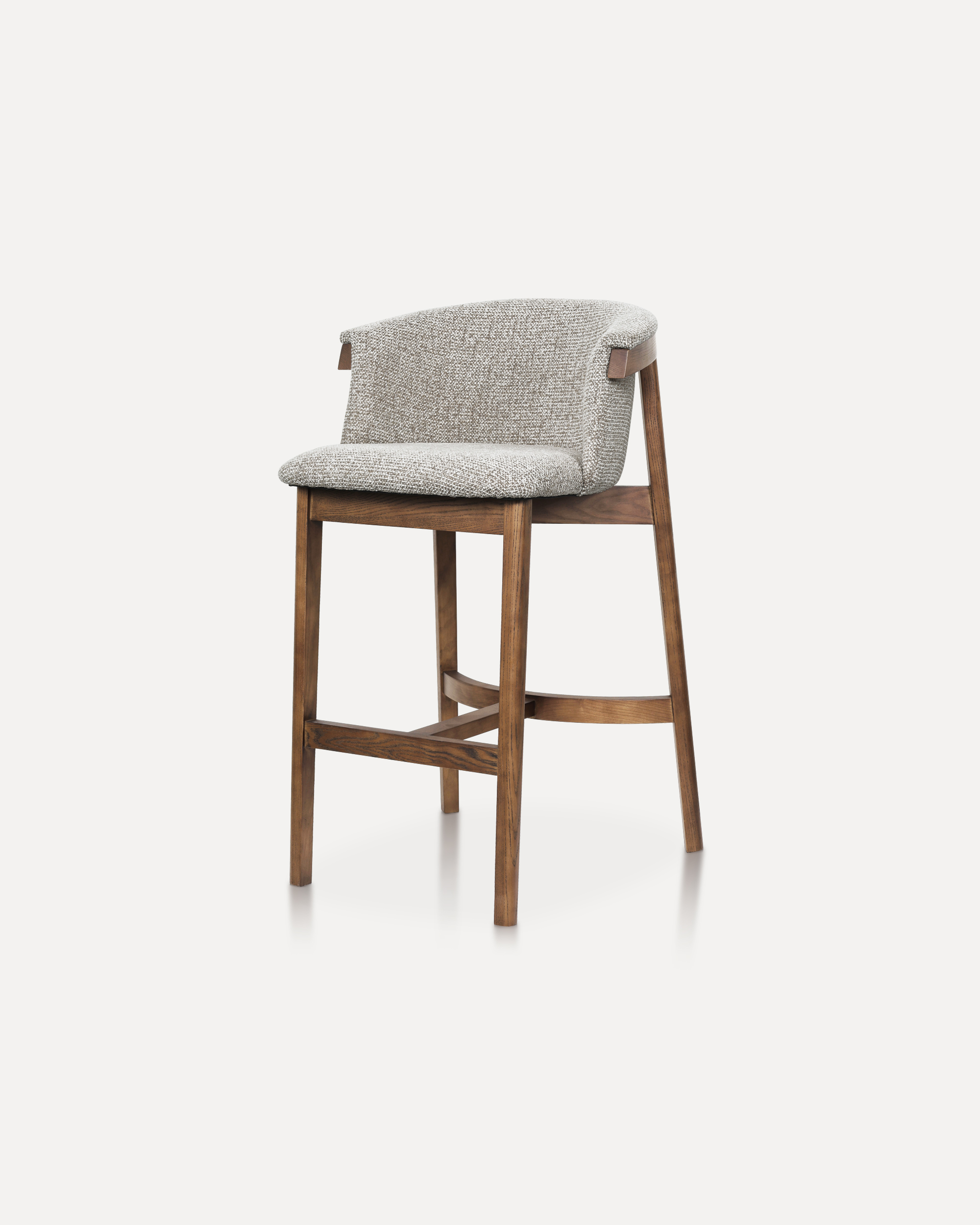
This sophisticated bar chair elevates any counter or high-top setting with its ...
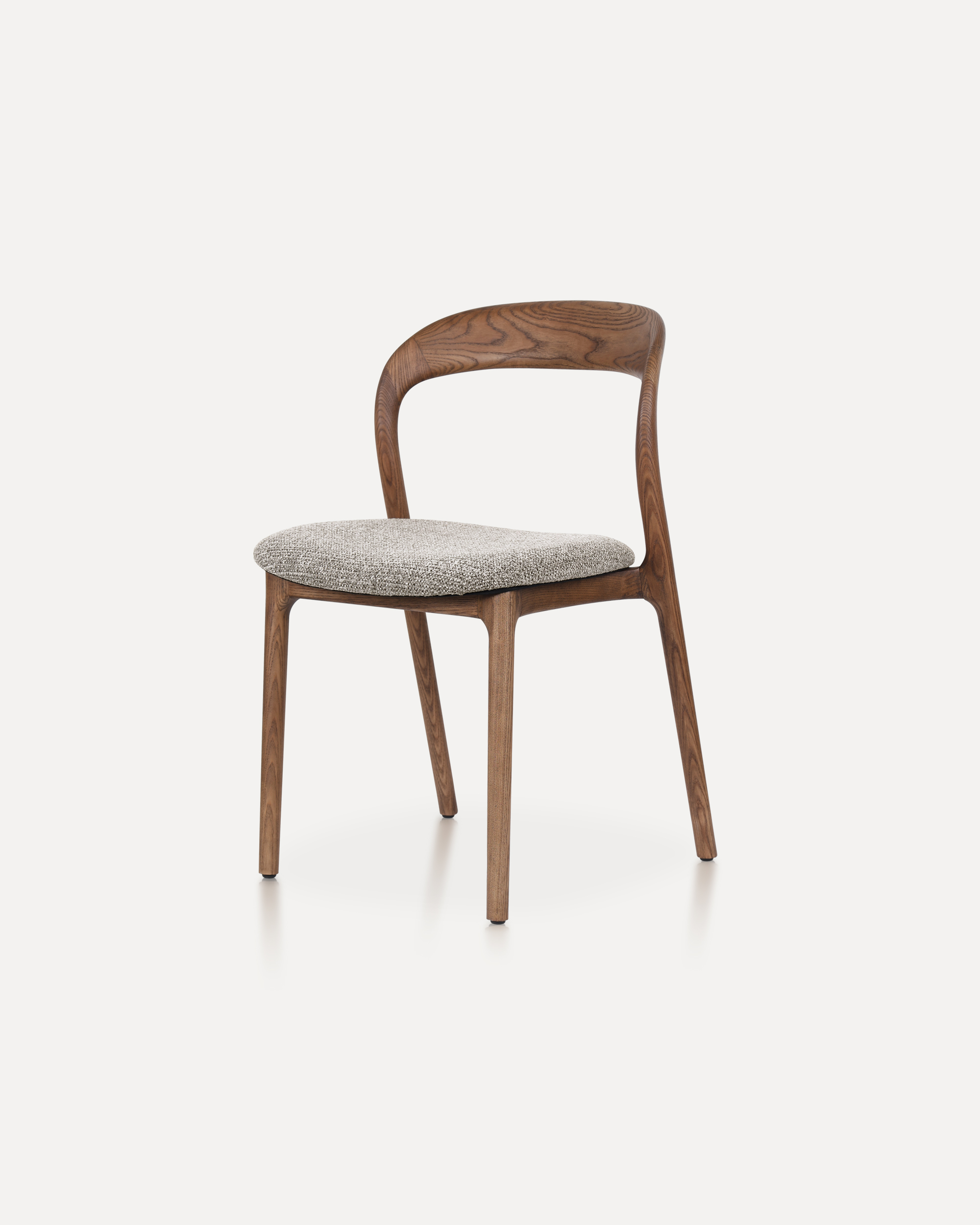
The Echo Chair is crafted from solid ashwood, featuring a unified back-and-arm ...
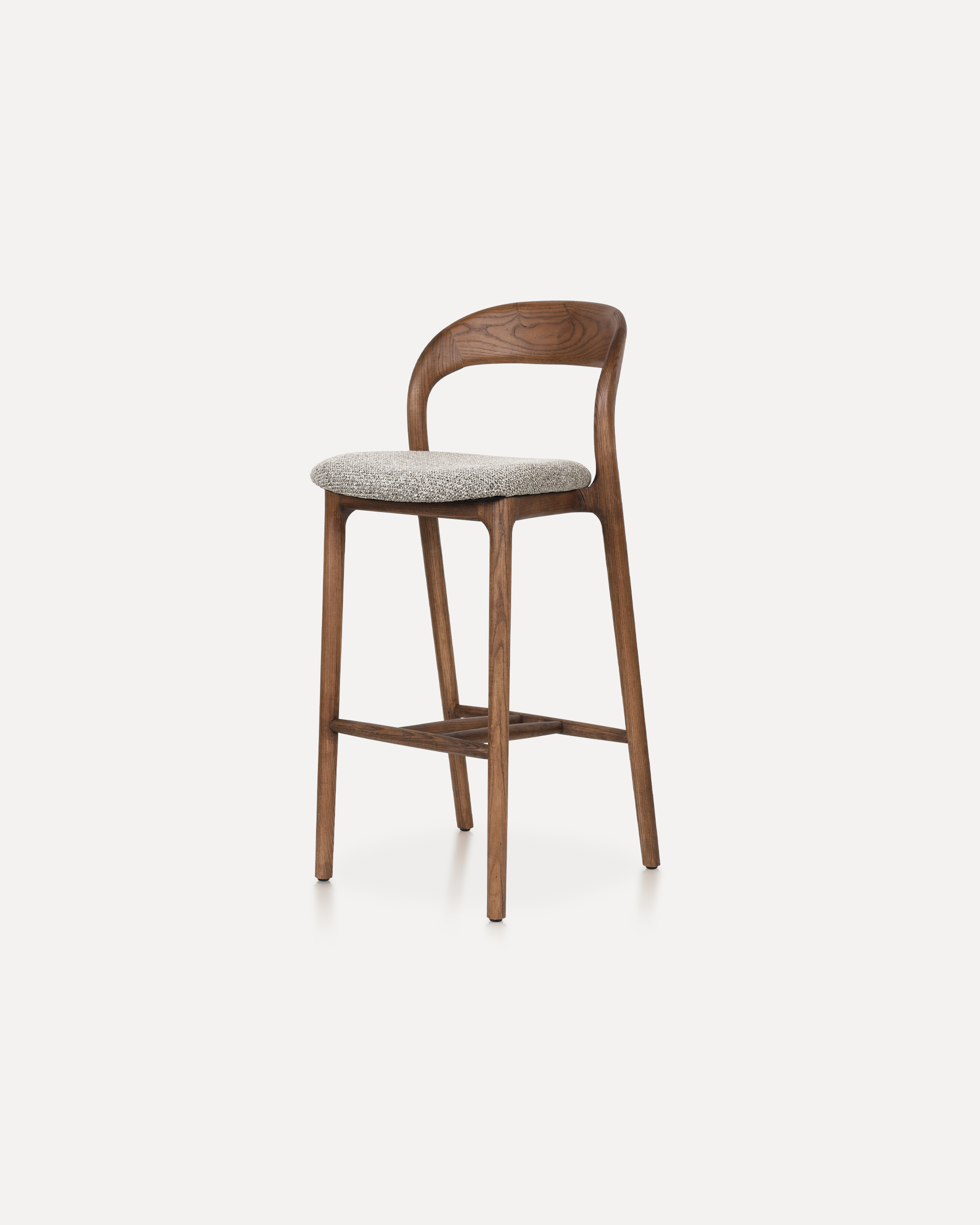
This Bar Chair is a counter-height seating solution crafted from solid ashwood ...
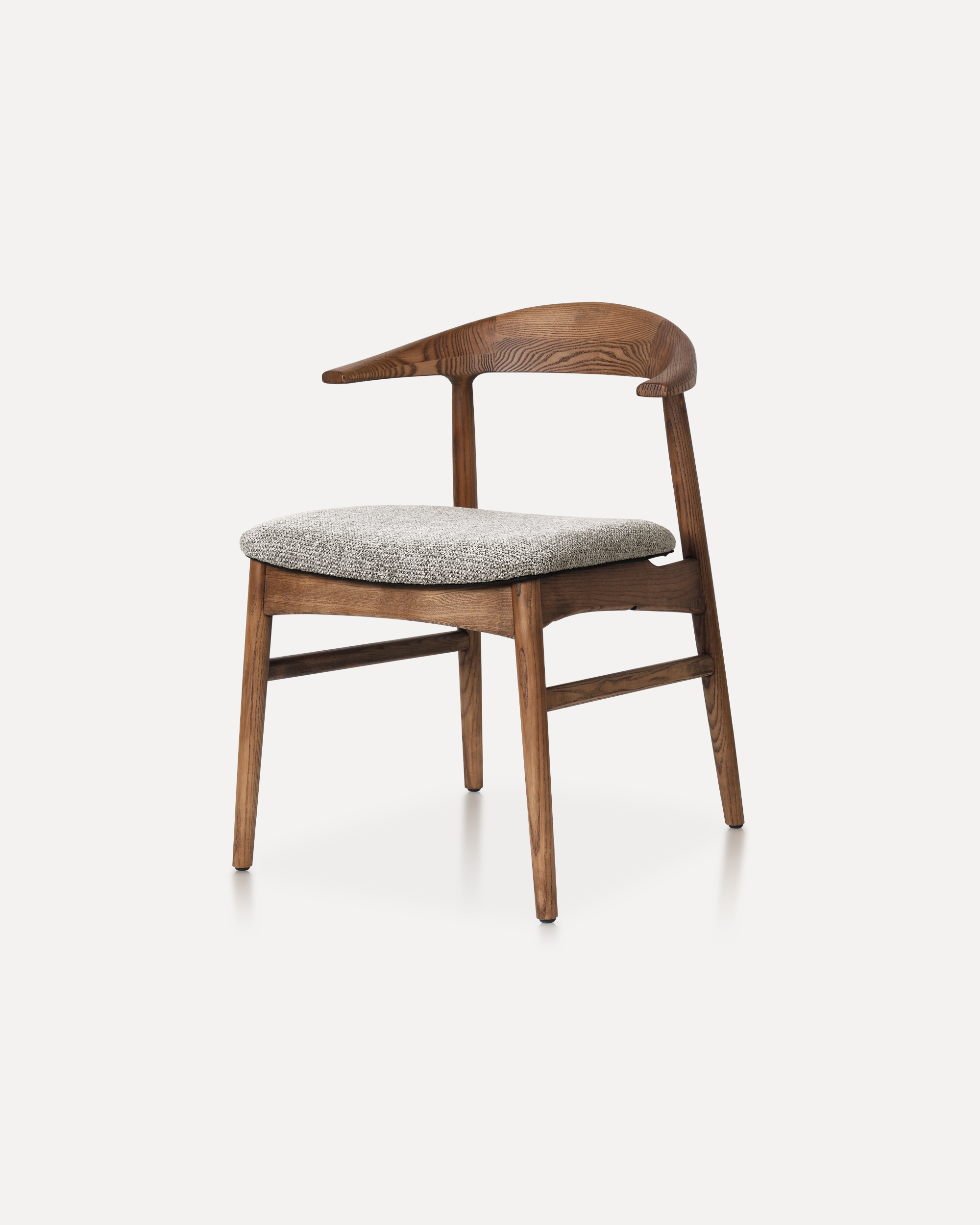
The Horizon Chair reinterprets mid-century warmth for today’s refined interiors...
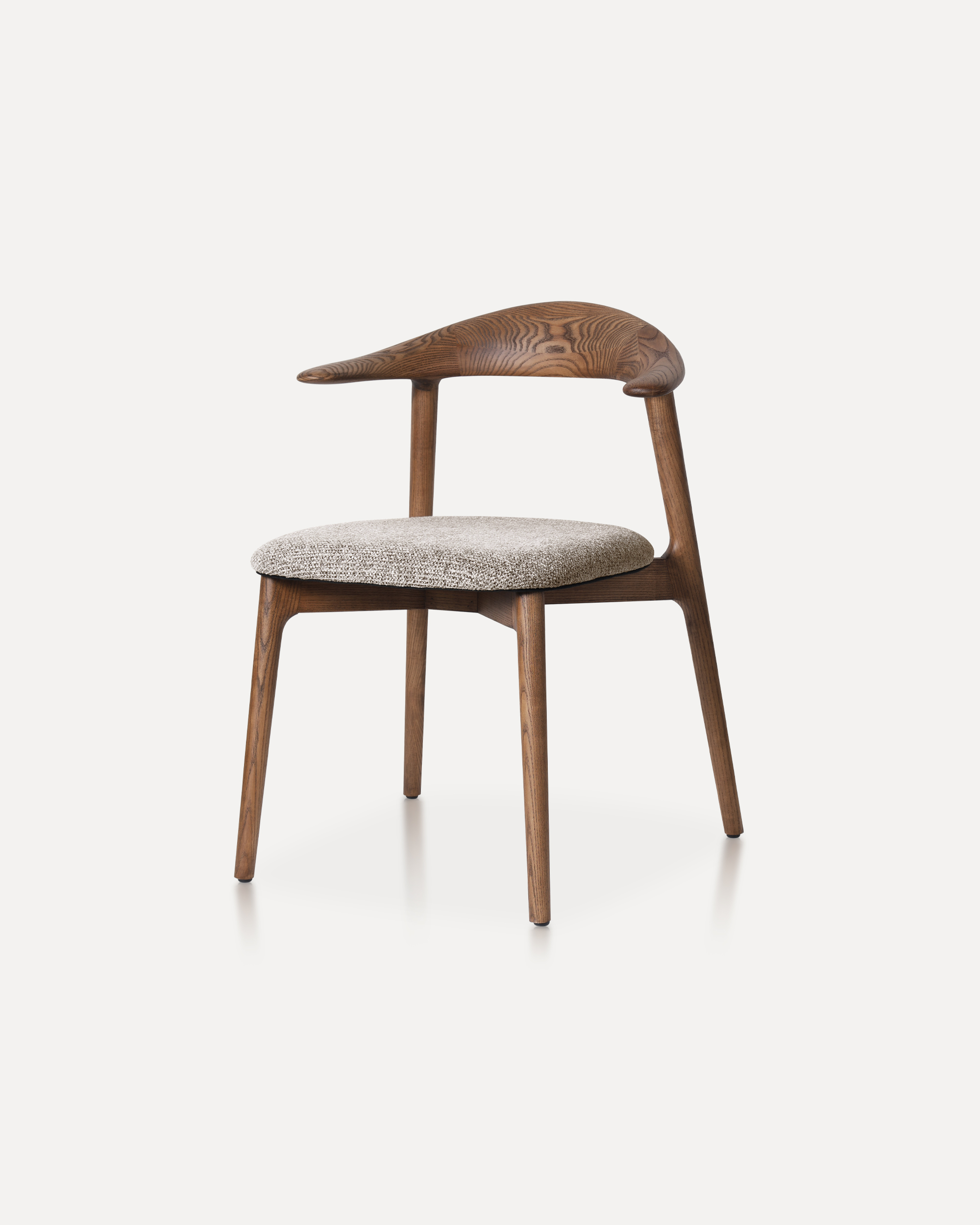
This classic features a striking, organic backrest carved from a single slab of...