
 English
  Français
 Español
Industry News
MENU

Content
The essence of modern design often lies in the thoughtful selection of materials. When choosing a modern dining table, the material is not just an aesthetic consideration but a critical factor in durability, maintenance, and how the piece will fit into your daily life. Modern tables frequently feature glass, natural wood, or marble/stone composites, each offering a distinct feel and requiring specific care.
Glass is a cornerstone of minimalist and contemporary modern design. It provides a light, airy feel and can make smaller dining areas appear significantly larger by not visually blocking the space. Tempered safety glass is the standard for tabletops, offering excellent durability against heat and scratches. The main maintenance consideration is frequent wiping to keep the surface free of fingerprints and smudges, maintaining its pristine, reflective quality.
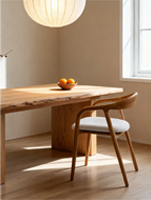
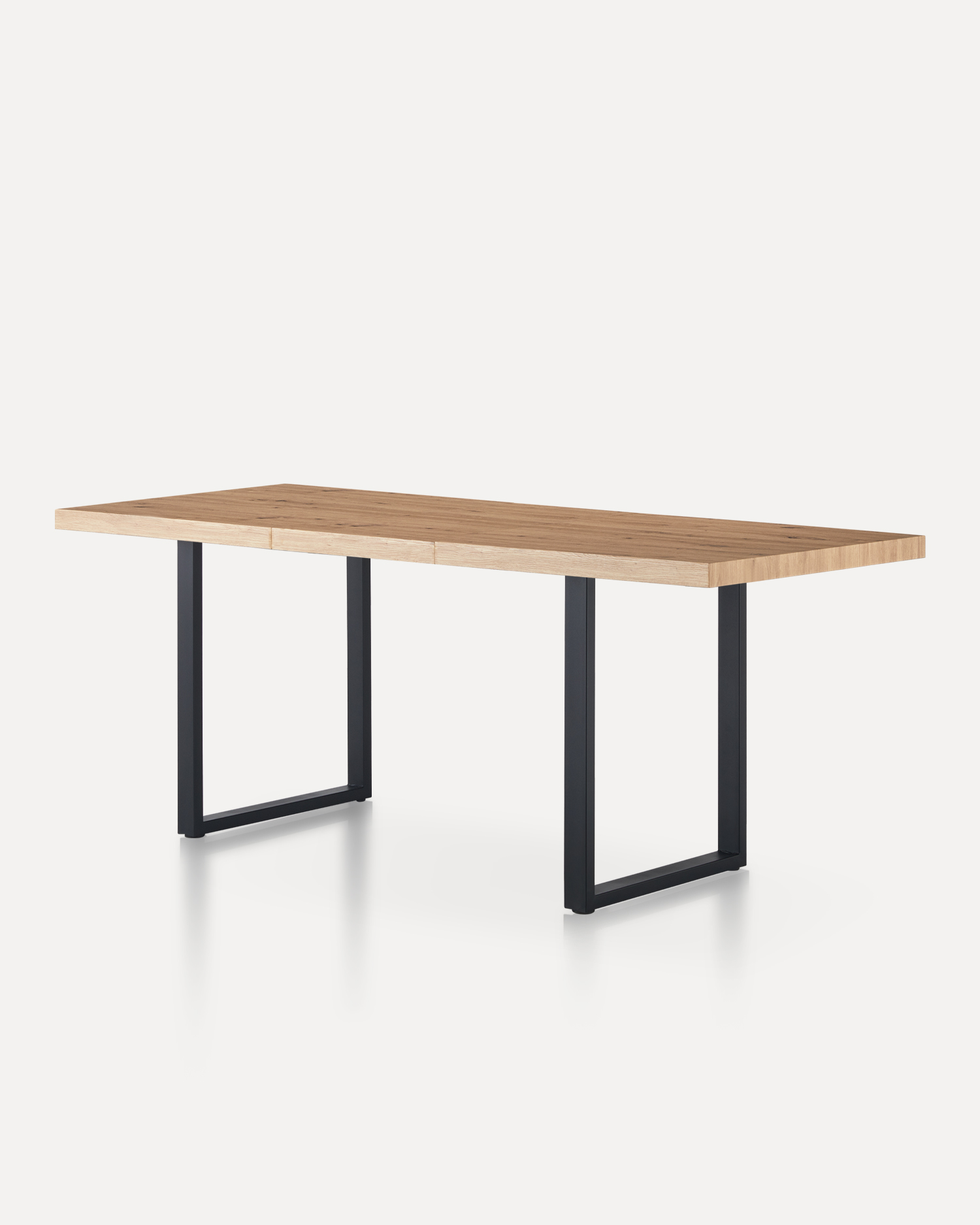
While wood is a traditional material, modern tables often use it in sleek, unembellished forms, perhaps with unique base designs. Options like walnut, oak, or reclaimed wood bring warmth and natural texture to a modern setting. Solid wood offers unparalleled longevity and can be refinished, but it is susceptible to changes in humidity. Engineered wood, like veneer on MDF, can achieve a specific aesthetic at a lower cost and often provides better stability against warping, though deep scratches may be harder to repair.
Selecting the correct size and shape is paramount for both function and flow. A modern dining table should fit comfortably within the room, allowing at least 36 inches of clearance between the table edge and any walls or furniture for ease of movement and chair push-back. Overlooking this practical aspect can negate the sophisticated, uncluttered look that modern design strives for.
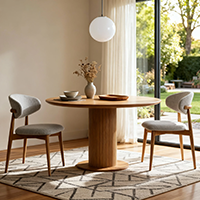
Rectangular tables are the most common choice, maximizing seating capacity and working well in long, narrow rooms. They provide a clear visual line that anchors the space. Round tables, however, are excellent for promoting conversation, as all diners face each other directly. They also work exceptionally well in smaller square rooms and dining nooks, as the absence of sharp corners allows for smoother traffic flow around the table.
The following table provides a quick reference for minimum practical seating capacities based on common shapes and sizes:
| Shape | Minimum Size (Inches) | Seating Capacity |
| Rectangular | 60" L x 36" W | 6 |
| Round | 48" Diameter | 4-5 |
| Rectangular Extension | 72" L (Extended) | 8 |
A key differentiator in modern dining tables is the base design. Unlike traditional four-legged tables, modern bases often utilize sculptural, architectural elements that become the table's defining feature. The choice of base also has a significant functional impact on seating comfort and flexibility.
The selection of dining chairs is just as important as the table itself for completing the modern aesthetic. The goal is to create a sense of harmony without necessarily matching the pieces exactly. Modern design encourages a play between textures and shapes.
Consider these key strategies for pairing:
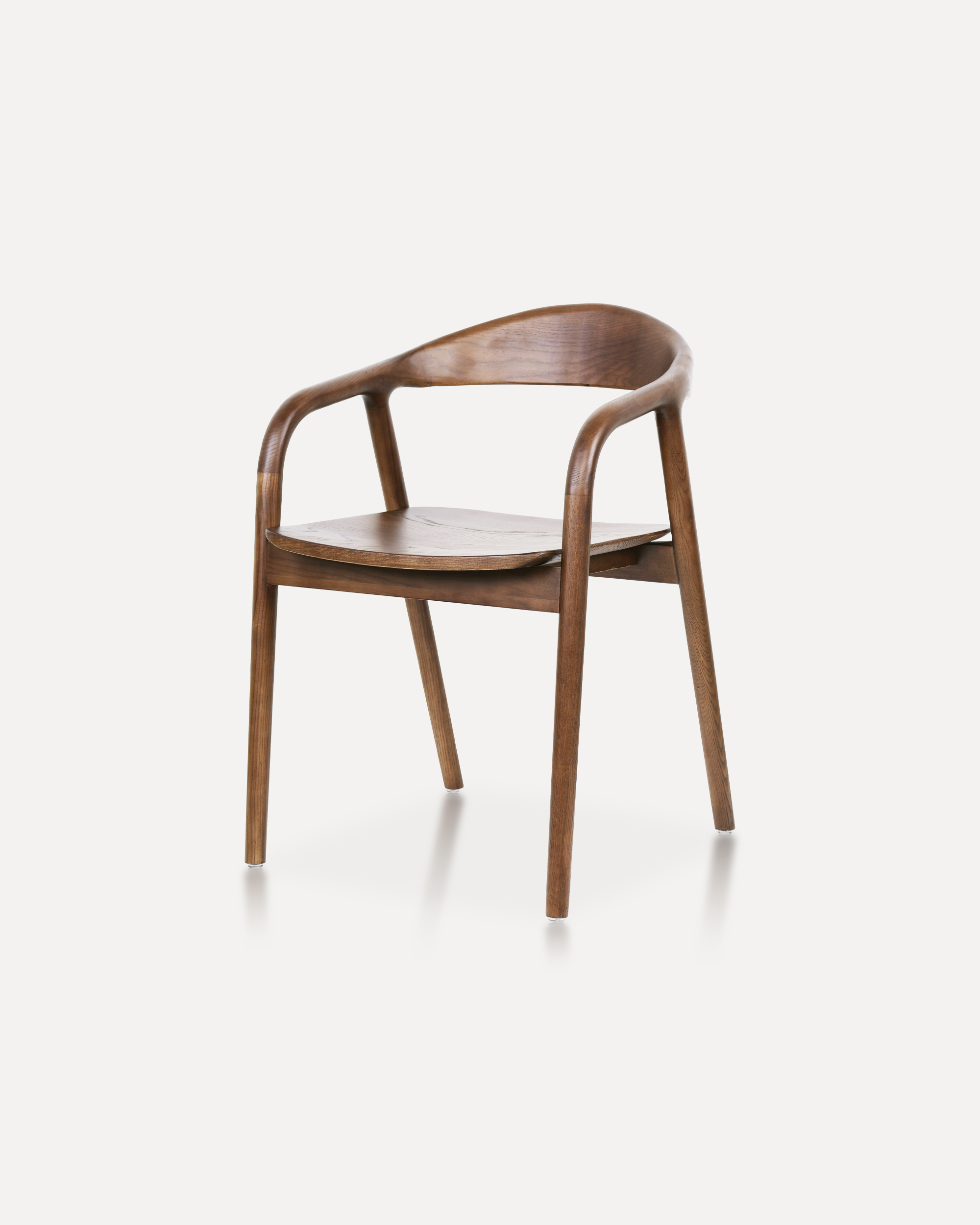
Crafted entirely from solid ash wood, this chair embodies a refined balance of ...
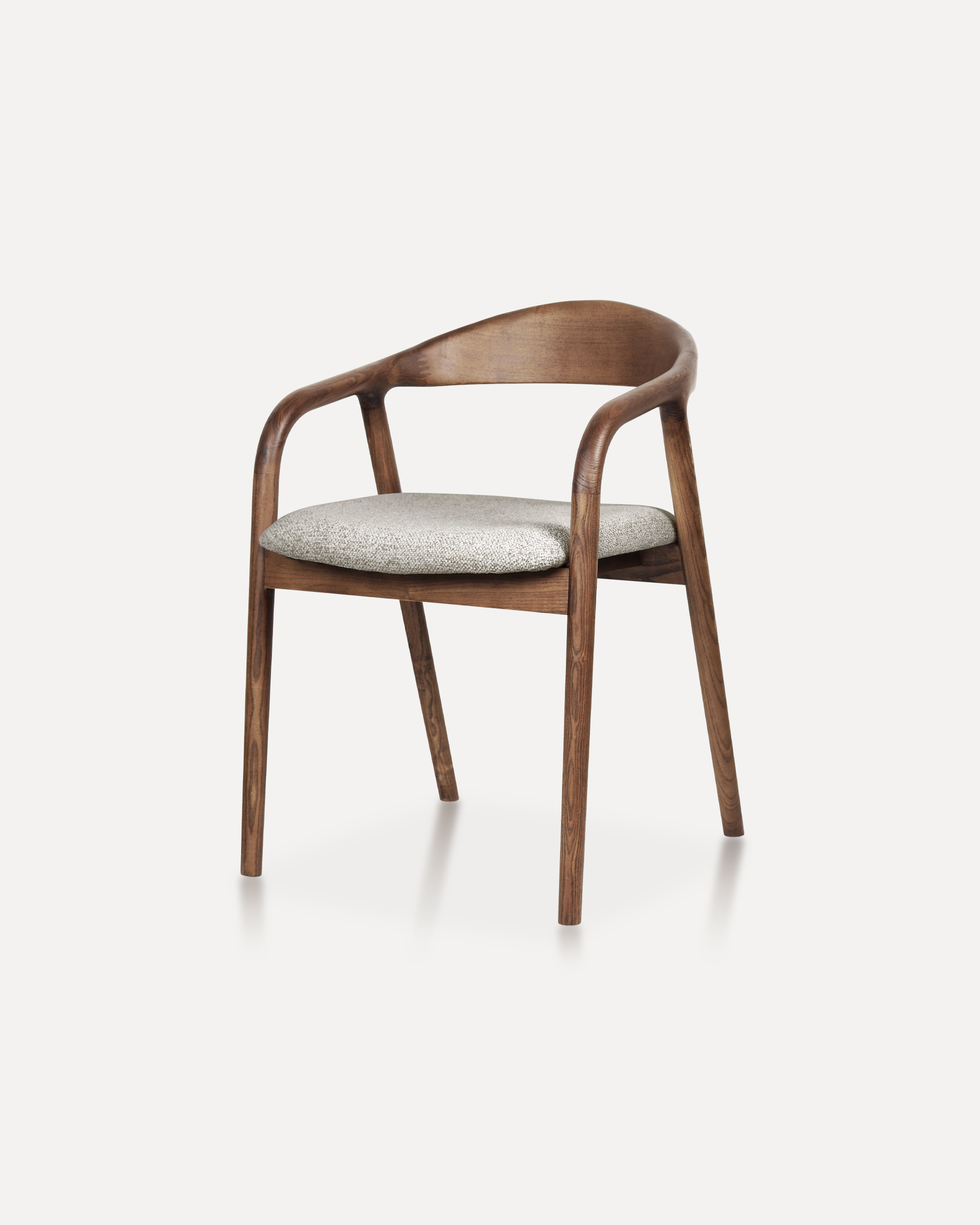
Showcases a refined silhouette with smooth, curved armrests and a gently rounde...
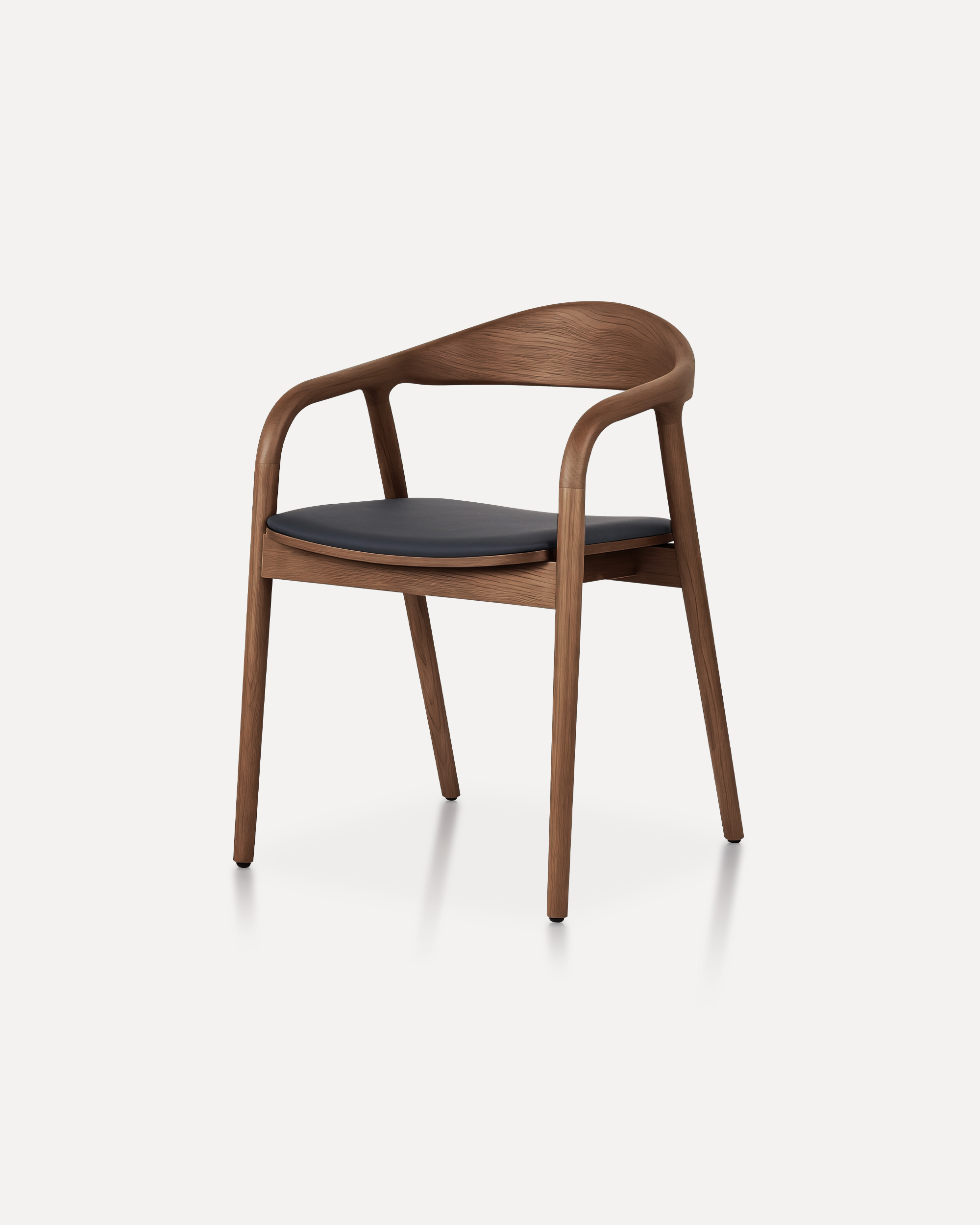
A masterclass in refined joinery and organic geometry, the Arc Chair features a...
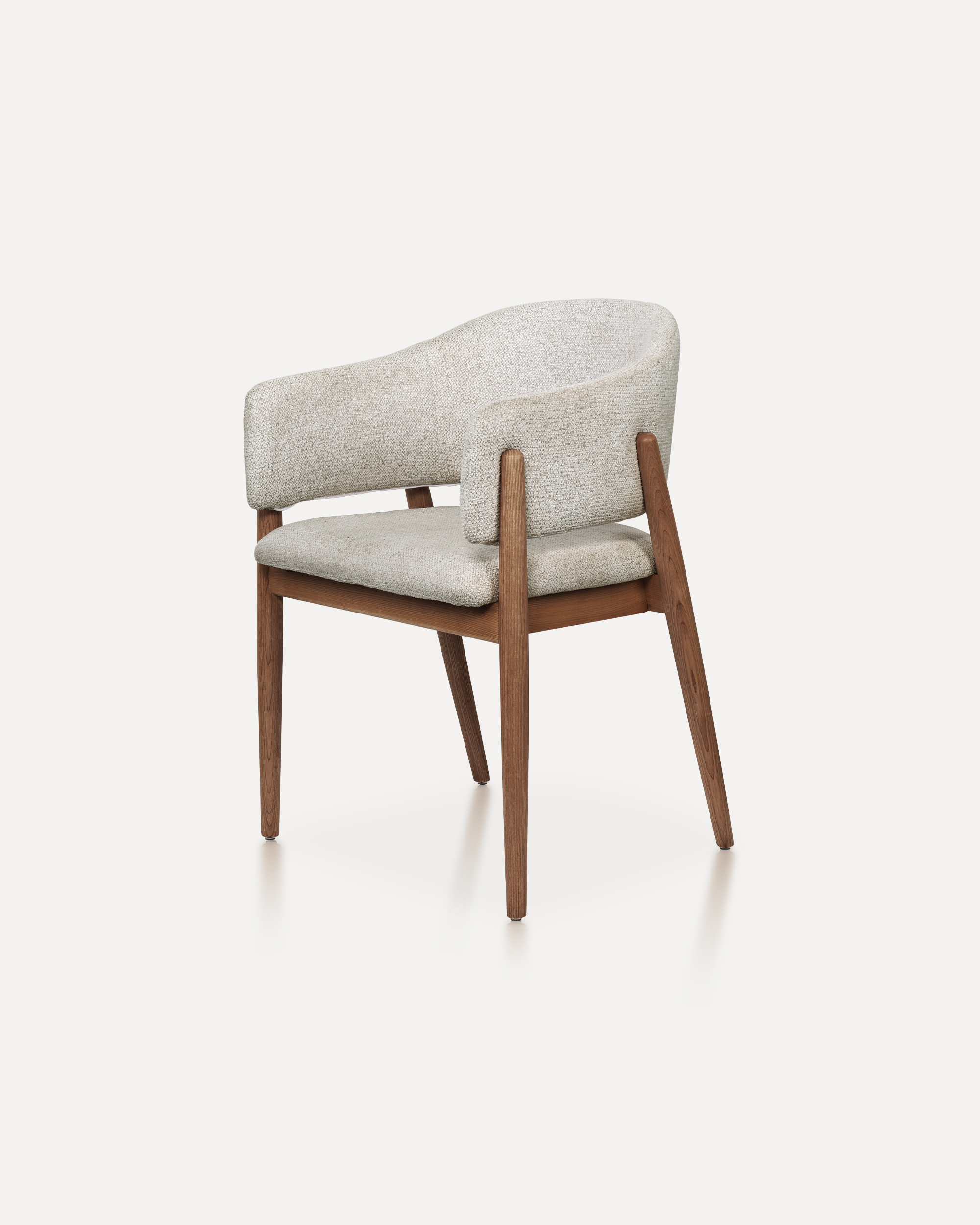
With its refined proportions and welcoming form, this chair brings quiet sophis...
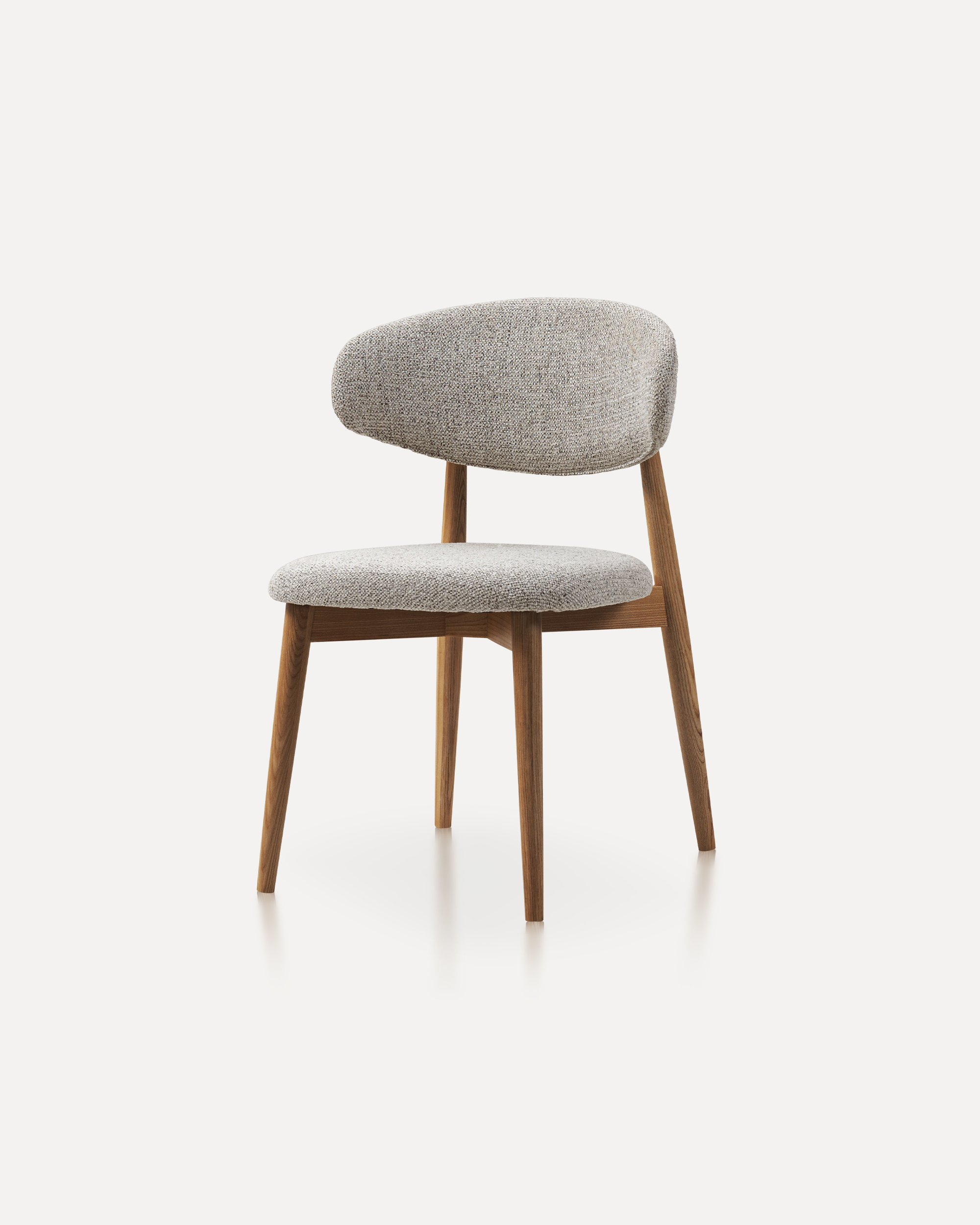
This wooden chair is a classic furniture piece that exudes warmth, durability, ...
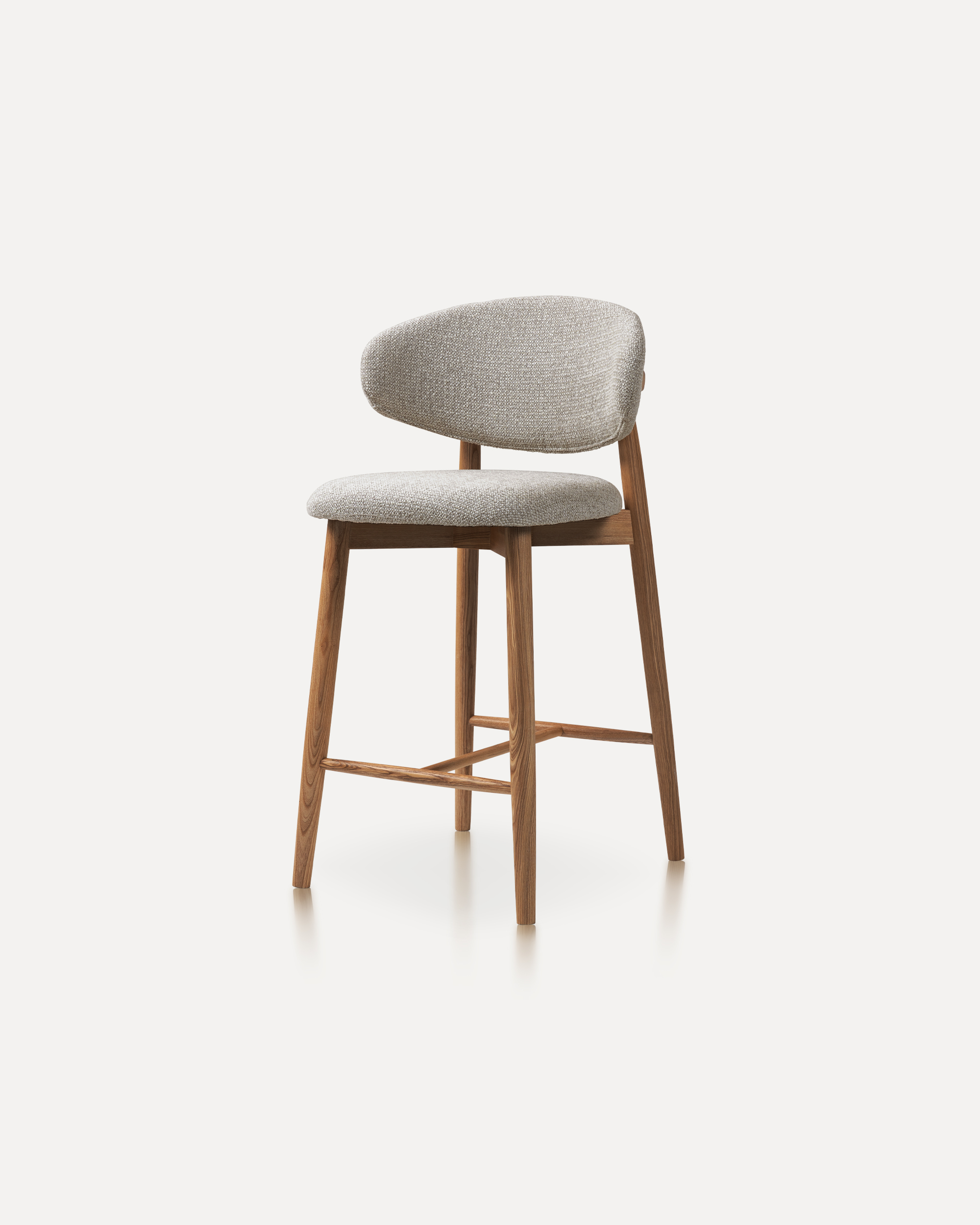
Our Wood Bar Stools are the perfect addition to any high-top table or bar setti...
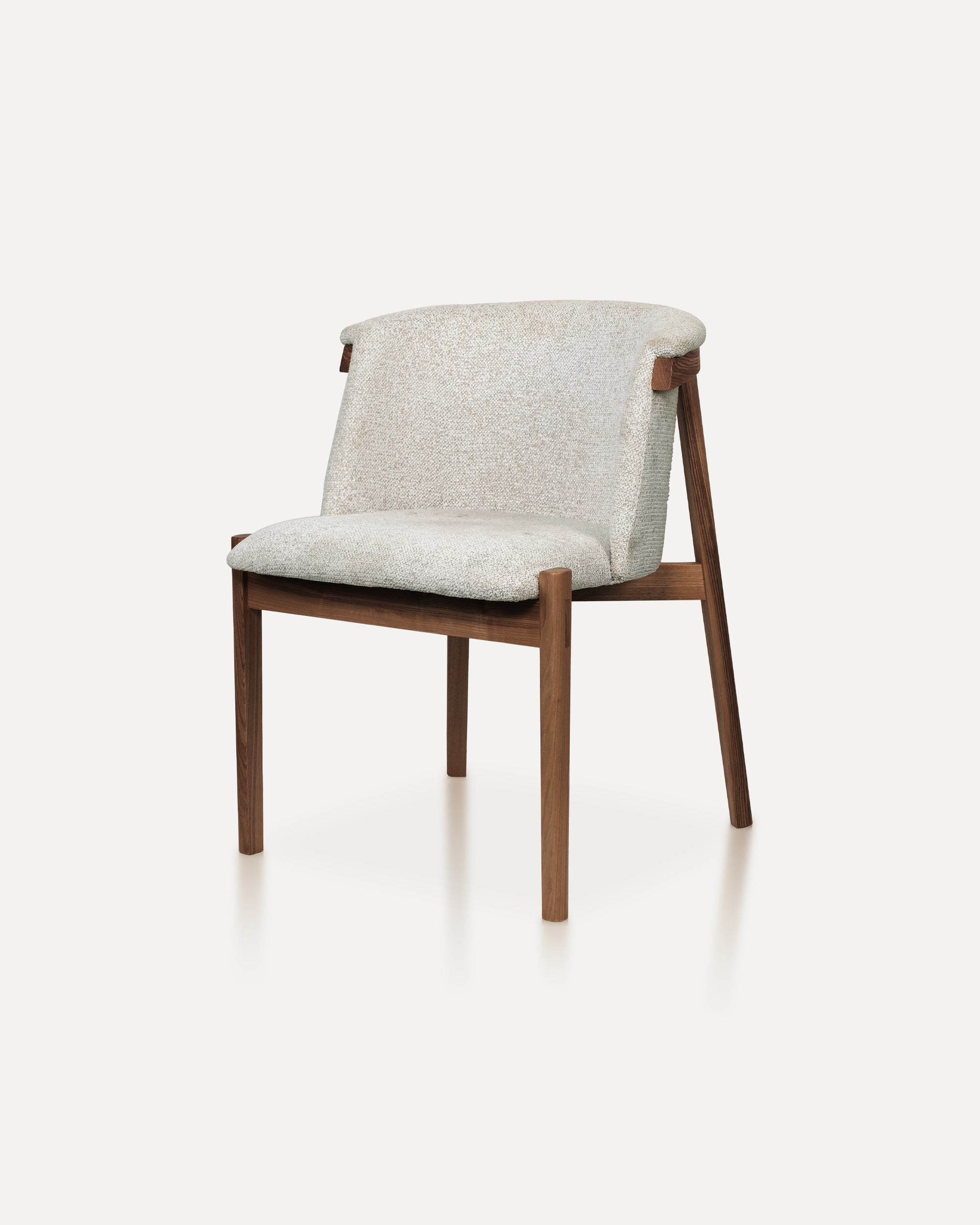
Bring natural elegance into your home with this finely crafted chair. The desig...
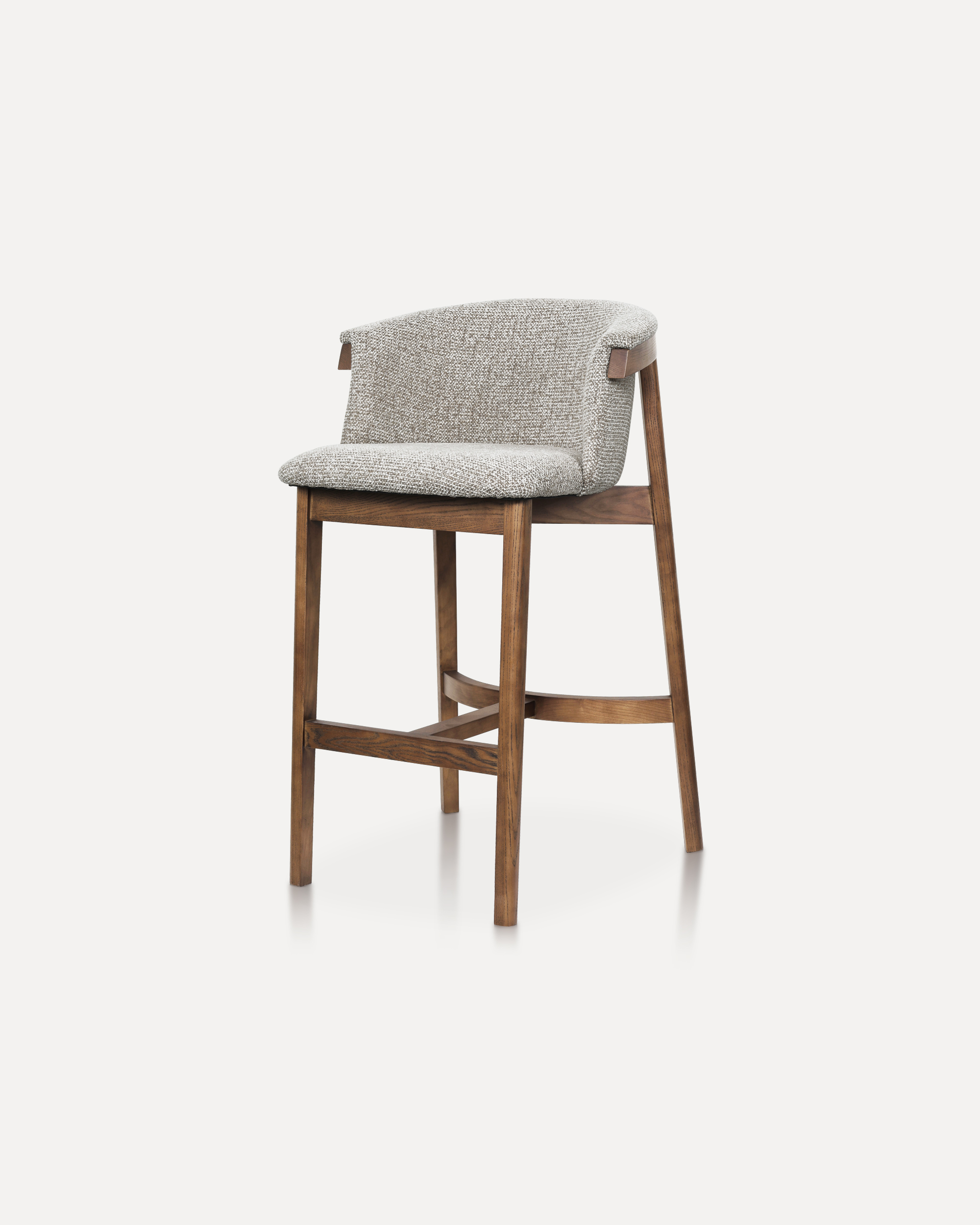
This sophisticated bar chair elevates any counter or high-top setting with its ...
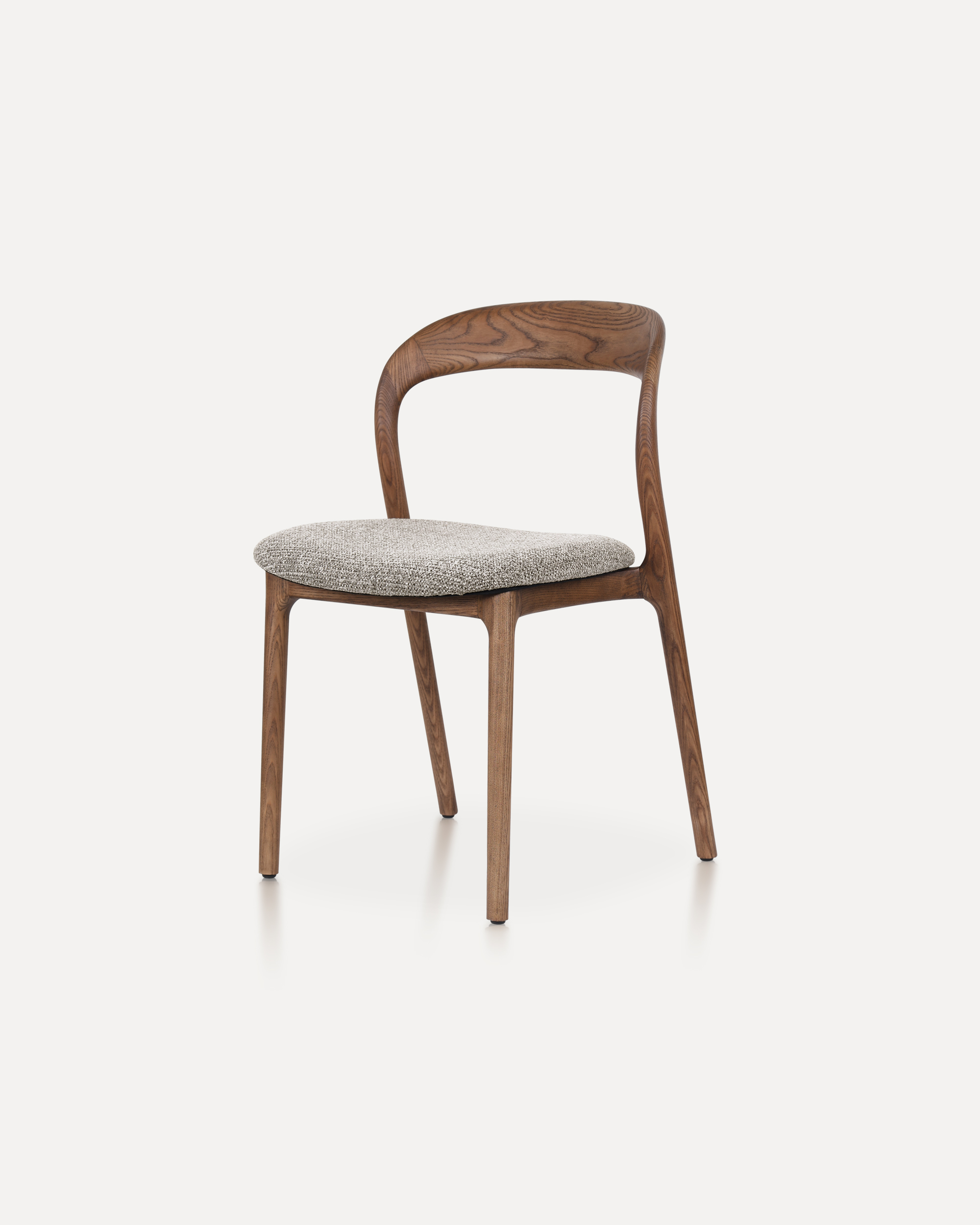
The Echo Chair is crafted from solid ashwood, featuring a unified back-and-arm ...
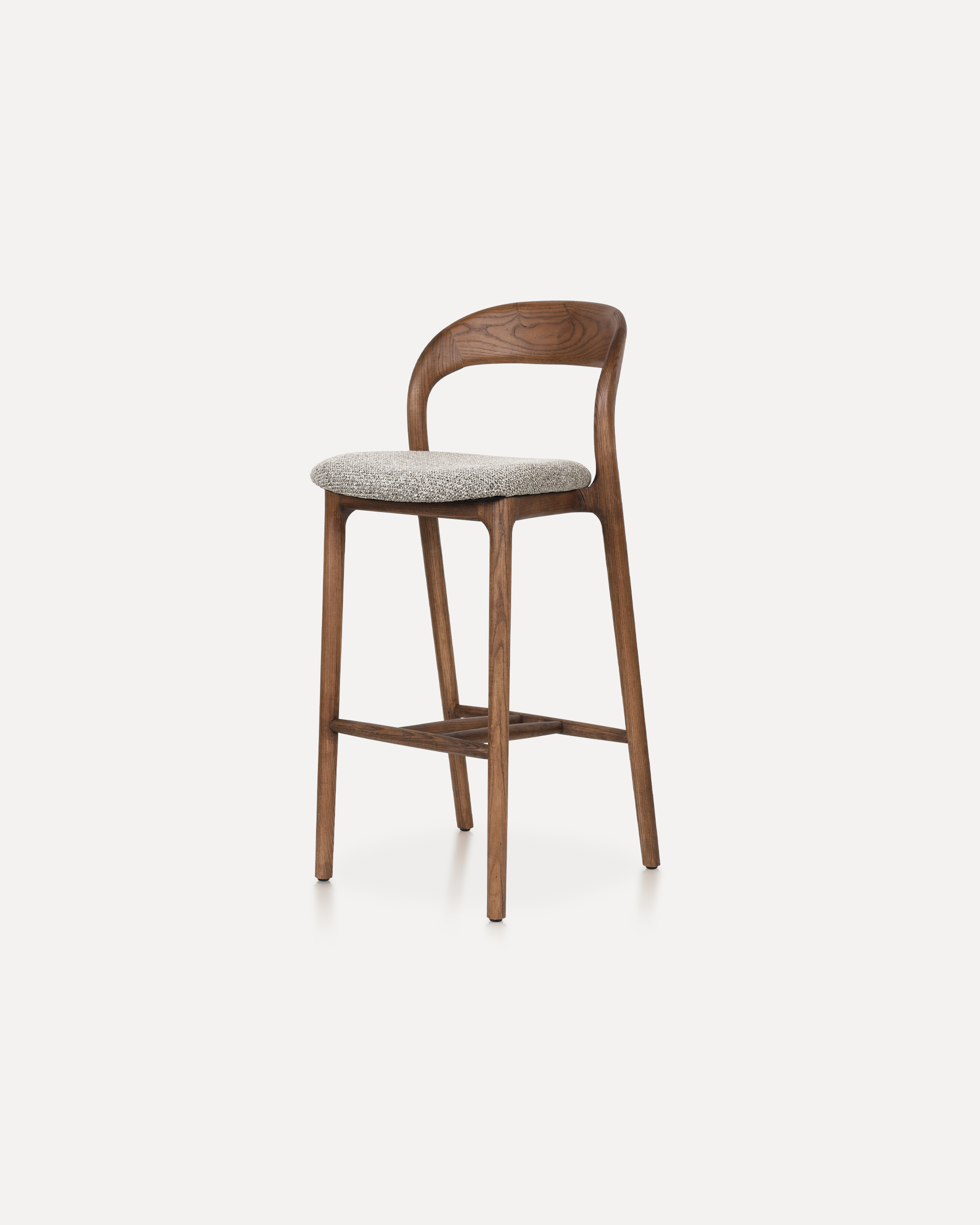
This Bar Chair is a counter-height seating solution crafted from solid ashwood ...
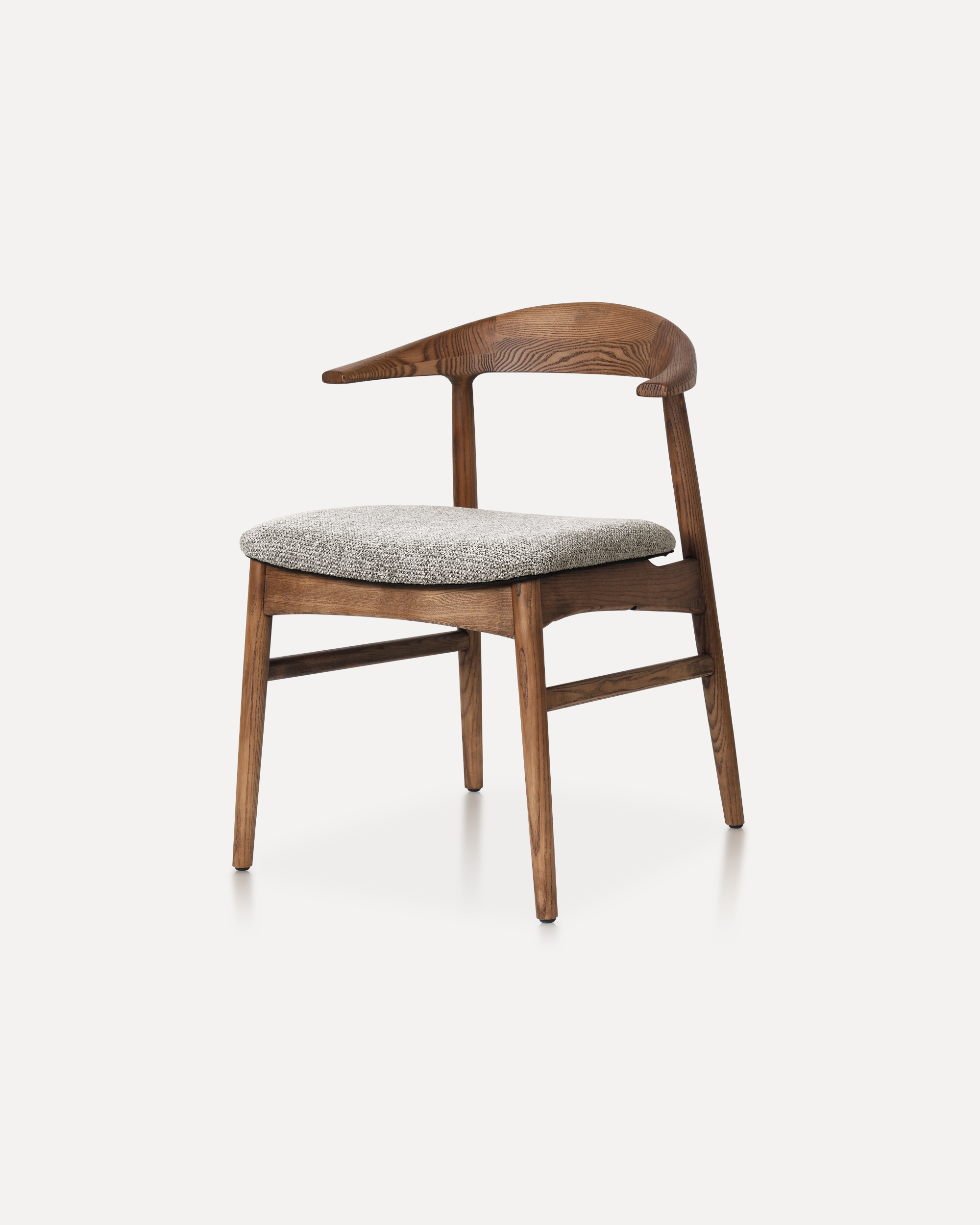
The Horizon Chair reinterprets mid-century warmth for today’s refined interiors...
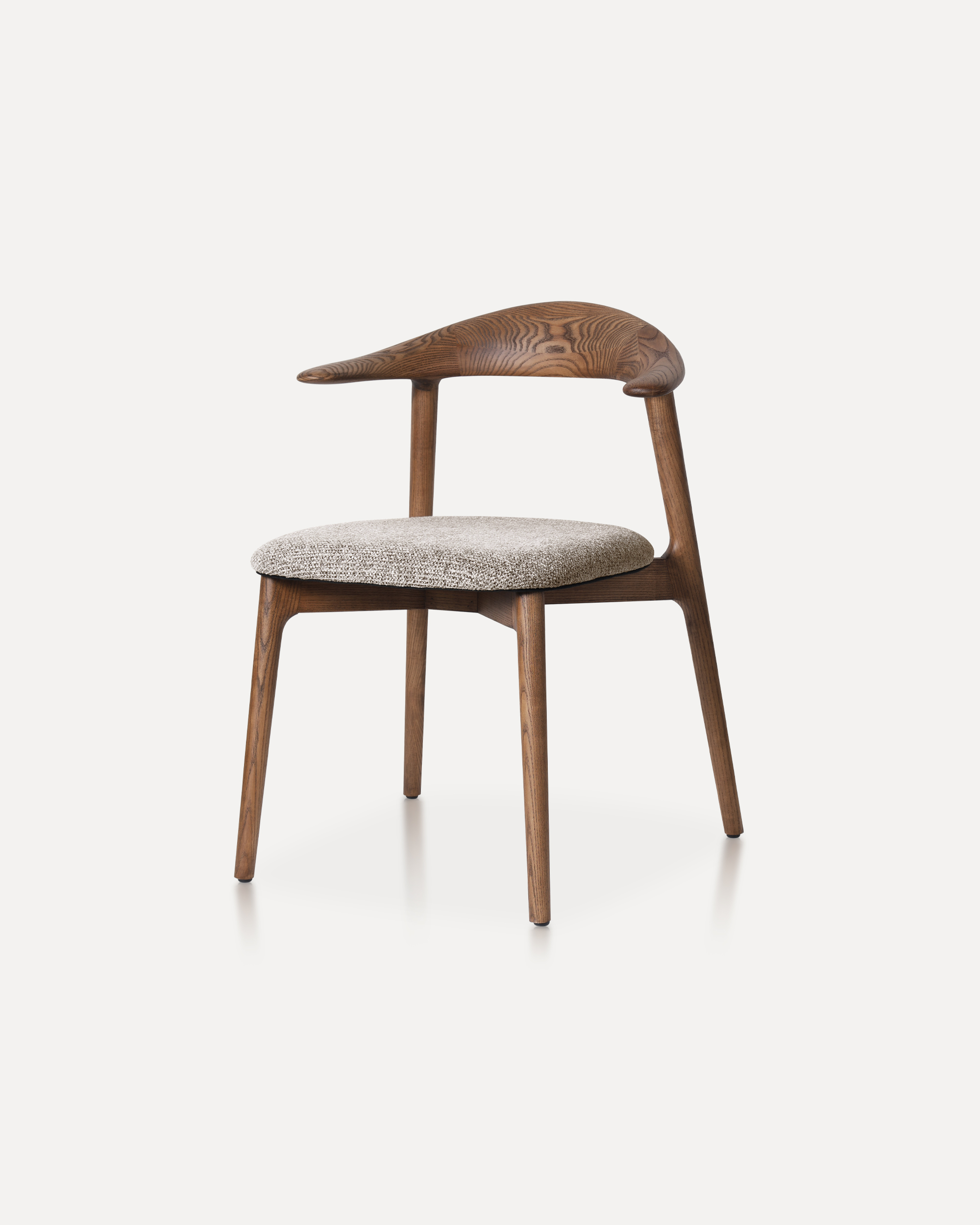
This classic features a striking, organic backrest carved from a single slab of...