
 English
  Français
 Español
Industry News
MENU

Content
A home chair is one of those purchases that people often treat as secondary to a sofa or bed — something you'll figure out later, or something that just needs to fill a corner. But the chair you sit in every day has a direct impact on your posture, your comfort during work or leisure, and the overall look of the room it lives in. A poorly chosen home sitting chair that's the wrong height, too shallow, or badly upholstered becomes something you stop using within months. A well-chosen one becomes the seat you claim every time you walk into the room.
The home chair market is vast, covering everything from ergonomic home office chairs designed for eight-hour workdays to plush accent chairs meant to be sat in while reading for an hour. Because these categories have very different performance requirements, the process of choosing the right chair starts with being honest about how and where it will actually be used — not how it looks in a showroom or product photo.
This guide works through the main home chair categories, the specifications that matter most for each use case, how to evaluate materials and construction quality, and how to size a chair correctly for both the room and the person using it. Whether you're looking for a residential lounge chair, a supportive home office seat, a compact bedroom chair, or a statement armchair for a living room, the same evaluation framework applies.
Home chairs are not a single product category — they're a family of furniture types with fundamentally different design intentions. Knowing which type suits your need is the first decision that narrows down the field significantly.
| Chair Type | Primary Use | Typical Seat Height | Best Room |
| Accent / Armchair | Relaxed seating, décor focal point | 16–18 in (40–46 cm) | Living room, bedroom |
| Home Office Chair | Extended desk work, ergonomic support | Adjustable 17–21 in | Home office, study |
| Recliner Chair | Deep relaxation, TV watching, napping | 19–20 in (48–51 cm) | Living room, media room |
| Reading Chair | Sustained comfortable reading posture | 16–18 in (40–46 cm) | Living room, bedroom, study |
| Dining Chair | Mealtime seating at table height | 17–19 in (43–48 cm) | Dining room, kitchen |
| Bedroom Chair / Slipper Chair | Getting dressed, occasional seating | 15–17 in (38–43 cm) | Bedroom |
| Rocking Chair | Rhythmic relaxation, nursery use | 16–18 in (40–46 cm) | Nursery, living room, porch |
| Chaise Longue | Lounging, legs-up relaxation | 15–17 in (38–43 cm) | Living room, bedroom, sunroom |
The line between some of these categories blurs in practice — a well-designed accent chair can double as a reading chair, and a quality home office chair can work at a desk in a bedroom. The key is to identify your primary use case first, then evaluate whether the chair you're considering can genuinely serve any secondary purposes without compromising its core function.
Comfort in a home chair is not a fixed property — it depends on the interaction between the chair's dimensions and the body of the person using it. A chair that feels perfectly supportive to a 5'10" person may feel like sitting on a shelf to someone 5'3". This is why comfort evaluation needs to go beyond how a chair looks and start with its physical specifications matched to the user.
Seat height is the single most important comfort dimension for a home chair. The ideal seat height allows the user to sit with feet flat on the floor and thighs roughly parallel to it, with no pressure under the thighs from the seat edge. Too high a seat leaves feet dangling and causes pressure behind the knees; too low makes standing up difficult and creates poor lower back alignment. As a rule of thumb, seat height should be approximately equal to the distance from the back of the knee to the floor when standing — typically 15–18 inches for most adults. If you're buying a home chair for multiple users of significantly different heights, an adjustable-height model is worth the additional cost.
Seat depth — the front-to-back measurement of the seat surface — is the dimension most often overlooked and most often wrong in mass-market home chairs. Standard residential lounge chair seat depths range from 19 to 24 inches. For a shorter person, a 24-inch deep seat will push them to perch at the front with no back support; for a tall person, a 19-inch seat leaves thighs unsupported past the knee. The ideal seat depth leaves 2–3 inches between the front edge of the seat and the back of the knee when seated fully back against the backrest.
For a home lounge chair or accent chair used for reading and relaxing, a high back that supports the head and neck during extended sitting is a significant comfort upgrade over a low-back design, though it comes with a visual trade-off — high-back chairs are more dominant pieces in a room. For home office chairs, adjustable lumbar support is non-negotiable for anyone sitting for more than two hours at a time. A fixed lumbar curve that doesn't match a user's natural spinal curve actively worsens posture rather than supporting it.
The fill material in a home chair cushion determines how it feels immediately and how it holds up over years of use. High-resilience (HR) foam with a density of 1.8 lb/ft³ or above is the industry standard for quality residential seating — it provides firm initial support that yields slightly under body weight without bottoming out. Cheaper chairs use low-density foam (under 1.5 lb/ft³) that collapses within months of regular use. Down-wrapped foam cushions add a soft, luxurious outer feel while retaining the structural support of the foam core — this is the spec used in premium home chairs. Pure polyester fiber fill is inexpensive but compresses permanently and is not suitable for chairs that will see daily use.
The single biggest mistake people make when furnishing a home office is buying a visually attractive lounge-style home chair and expecting it to support eight hours of desk work comfortably. Lounge chairs and home office task chairs are engineered for fundamentally different use patterns, and the differences are not cosmetic.
A residential lounge chair is designed for 1–2 hours of relaxed, variable-posture use — reading, watching television, casual conversation. The seat angle is typically tilted slightly backward, the back reclines past vertical, and the overall posture it encourages is passive rather than active. This is exactly wrong for desk work, where an upright torso, 90-degree hip angle, and active core engagement are needed to work productively without developing back or neck pain.
A proper home office chair, by contrast, features adjustable seat height, independently adjustable lumbar support, a seat pan that tilts forward slightly to encourage pelvic alignment, and armrests at desk height that reduce shoulder and neck strain. For anyone working from home for more than three hours per day, the investment in a genuine ergonomic home office chair — which starts at around $300 for a quality entry-level model and goes significantly higher for premium options — pays for itself quickly in reduced discomfort and maintained productivity.
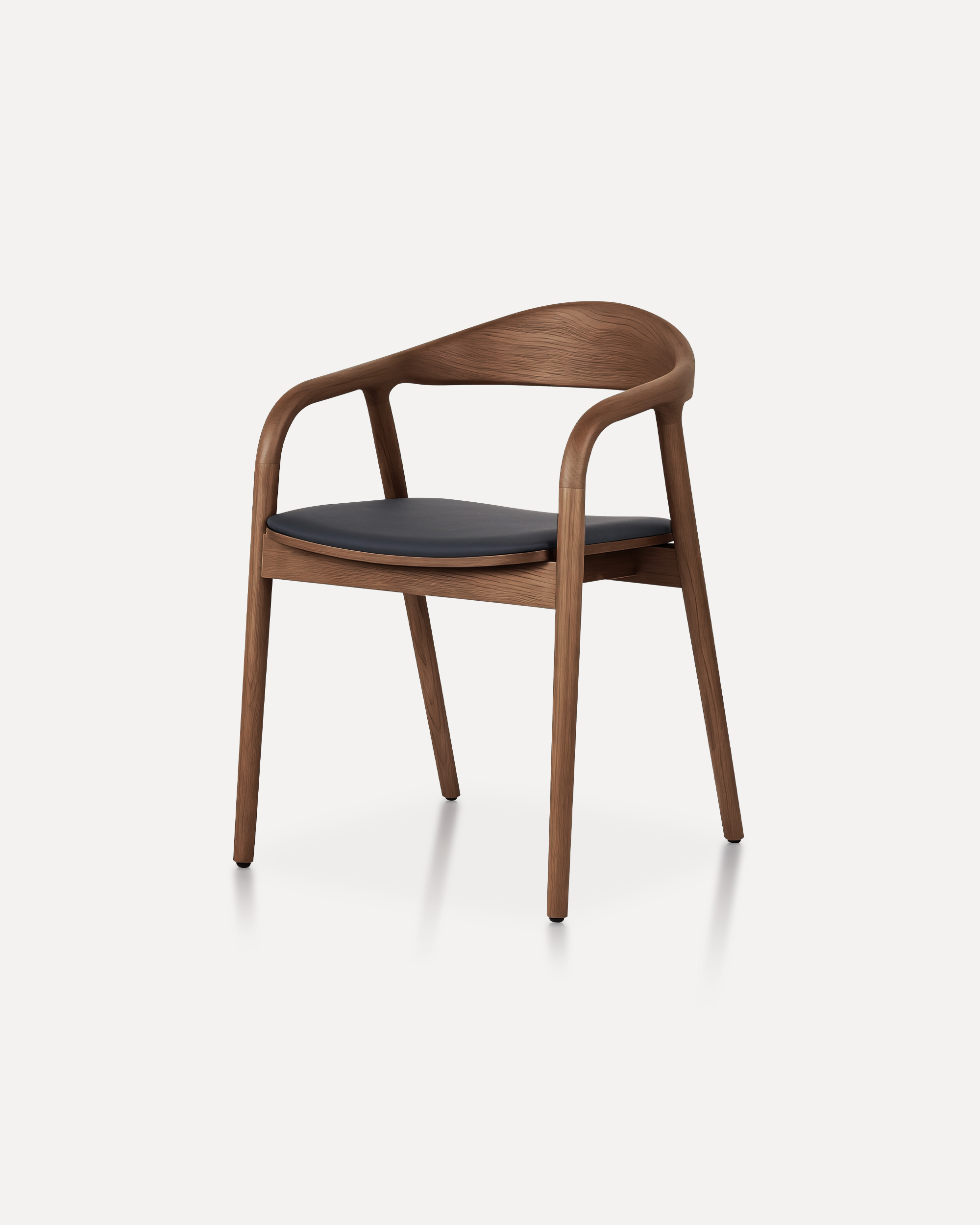
Key features to look for in an ergonomic home office chair include:
The upholstery material you choose for a home chair affects durability, maintenance requirements, comfort in different climates, and how the chair ages visually. Each material has genuine trade-offs that make it better suited to certain households and uses.
Woven fabric remains the most popular home chair upholstery because it offers the widest range of colors and textures, tends to be more breathable than leather or vinyl, and generally costs less. Performance fabrics — particularly tightly woven polyester blends with a double-rub count above 30,000 — are highly durable and cleanable with mild soap and water. Natural fabrics like linen and cotton look beautiful but soil more readily and have lower abrasion resistance, making them better choices for chairs in low-traffic rooms or for people without young children or pets.
Full-grain and top-grain leather home chairs develop a patina over years that many people find more attractive than the original surface. Leather is naturally durable, relatively easy to wipe clean, and resists pet hair. The trade-offs are significant cost (a leather accent chair starts at 2–3 times the price of a comparable fabric version), temperature sensitivity (cool in winter, warm and sticky in hot weather without air conditioning), and the need for periodic conditioning to prevent cracking. Leather is not a good choice for rooms with direct sunlight, which degrades and fades it rapidly.
PU (polyurethane) faux leather has improved dramatically and is now a viable option for home chairs in many applications. It's easy to clean, available in a wide range of colors, and costs significantly less than genuine leather. The limitation is longevity — most PU leather home chairs begin to peel or crack at stress points (seat front edge, armrest top) within 3–5 years of daily use, whereas genuine leather can last 15–20 years with care. Newer PVC-free and microfiber faux leathers last longer and are more breathable, but still don't match real leather's durability at equivalent price points.
Velvet and boucle (looped wool or wool-blend fabric) are having a sustained moment in interior design and look exceptional on accent and lounge chairs. Velvet has a luxurious hand feel and reflects light richly, making chairs upholstered in it strong room focal points. Modern performance velvet blends are significantly more durable and cleanable than traditional cotton velvet. Boucle has a textural, organic quality that photographs beautifully and suits Scandinavian and contemporary interiors. Both materials show crushing and matting in high-traffic areas over time and are best suited for occasional-use chairs rather than daily heavy-use seating.
A home chair that is the right size for the user but the wrong scale for the room will always look awkward, regardless of how attractive it is individually. Getting scale right requires measuring the room and the intended chair position before purchasing — not estimating from a showroom floor where furniture is typically spaced generously in large, high-ceilinged spaces.
Key spatial guidelines for placing a home chair in common room configurations:
The style of a home chair — its visual language, leg design, back shape, and proportions — should complement the existing furniture and architecture of the room rather than clash with it. But "matching" doesn't mean identical; intentional contrast between chair style and room style often produces more interesting, livable interiors than rooms where every piece shares the same design vocabulary.
Characterized by tapered wood legs, clean lines, and organic shapes that reference the 1950s and 60s Scandinavian and American design movements. Works well in contemporary, Scandi, and eclectic interiors. Classic examples include the Eames lounge chair, the Egg chair, and the Tulip chair. These silhouettes have remained commercially popular for decades because their proportions are genuinely well-resolved — they look right in a wide range of room contexts.
Wingback and Chesterfield-influenced home chairs feature high backs with side "wings," rolled arms, and typically sit on turned or cabriole legs. They suit traditional, country, and transitional interiors. Updated versions in contemporary fabrics — a classic wingback silhouette in a charcoal boucle or a deep velvet — are popular in modern-eclectic interiors where the form reads as a classic but the material palette keeps it current.
Defined by geometric simplicity, metal or minimal-profile legs, and an absence of decorative detail. These chairs foreground material quality and precision of form over ornamentation. They suit modern, industrial, and Scandinavian interiors and look best when the upholstery fabric or material is itself interesting — a striking color, a textured weave, or a quality leather — since there are no decorative details to carry the design.
Price is not always a reliable guide to quality in home chairs — some mid-priced chairs are genuinely well-made, and some expensive designer chairs use cheaper structural components than their price implies. These are the construction details that indicate whether a home chair is built to last or built to a budget:
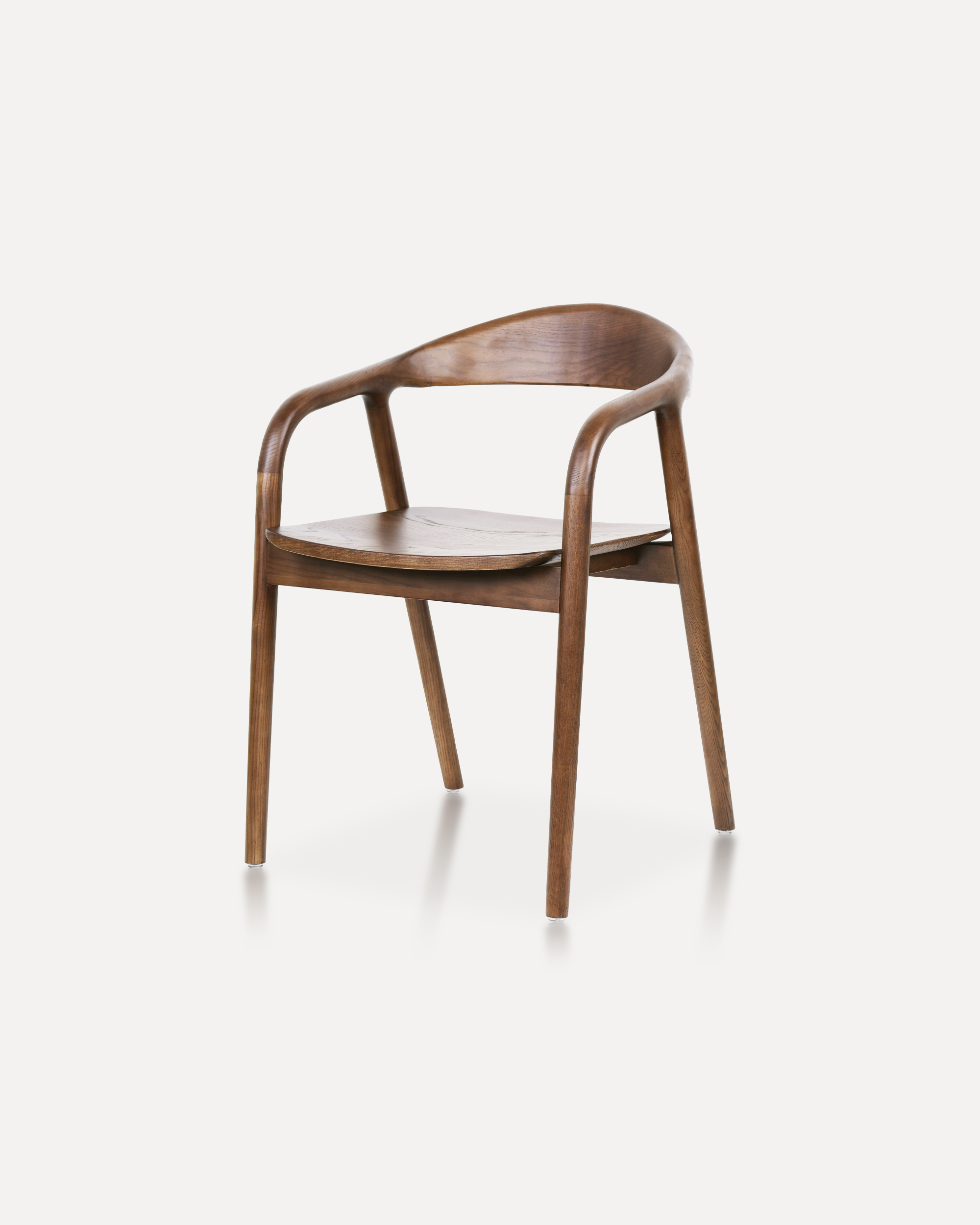
Crafted entirely from solid ash wood, this chair embodies a refined balance of ...
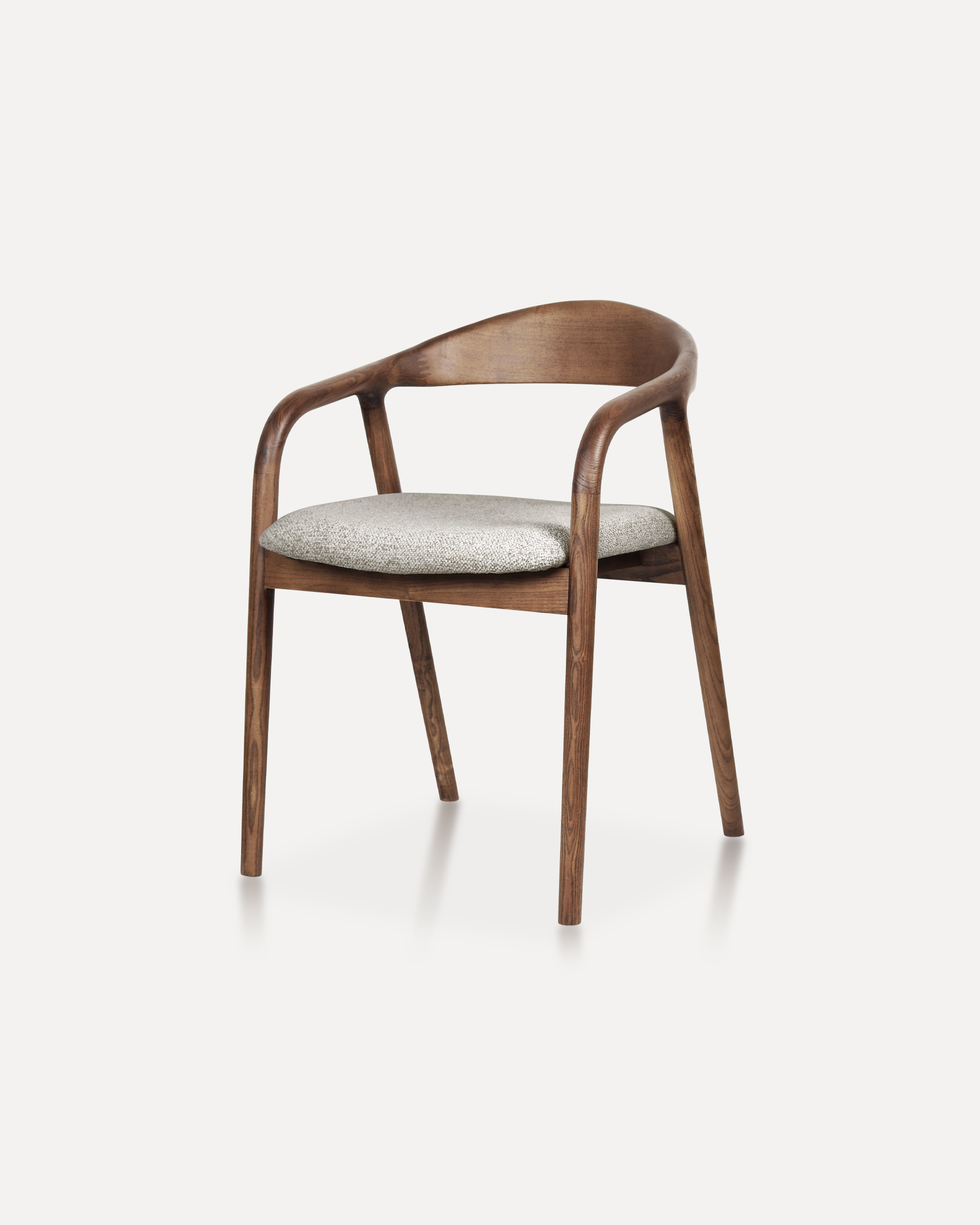
Showcases a refined silhouette with smooth, curved armrests and a gently rounde...

A masterclass in refined joinery and organic geometry, the Arc Chair features a...
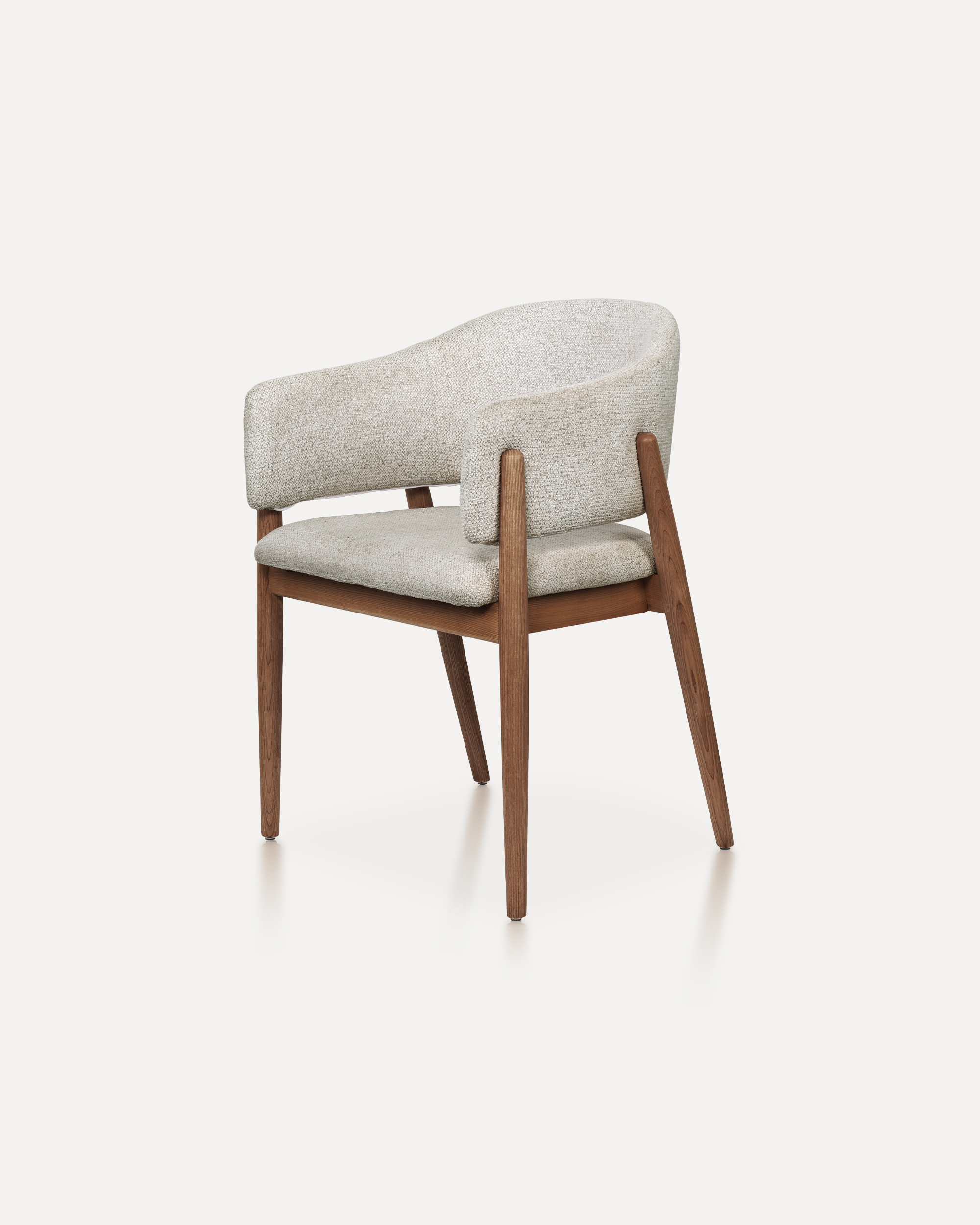
With its refined proportions and welcoming form, this chair brings quiet sophis...
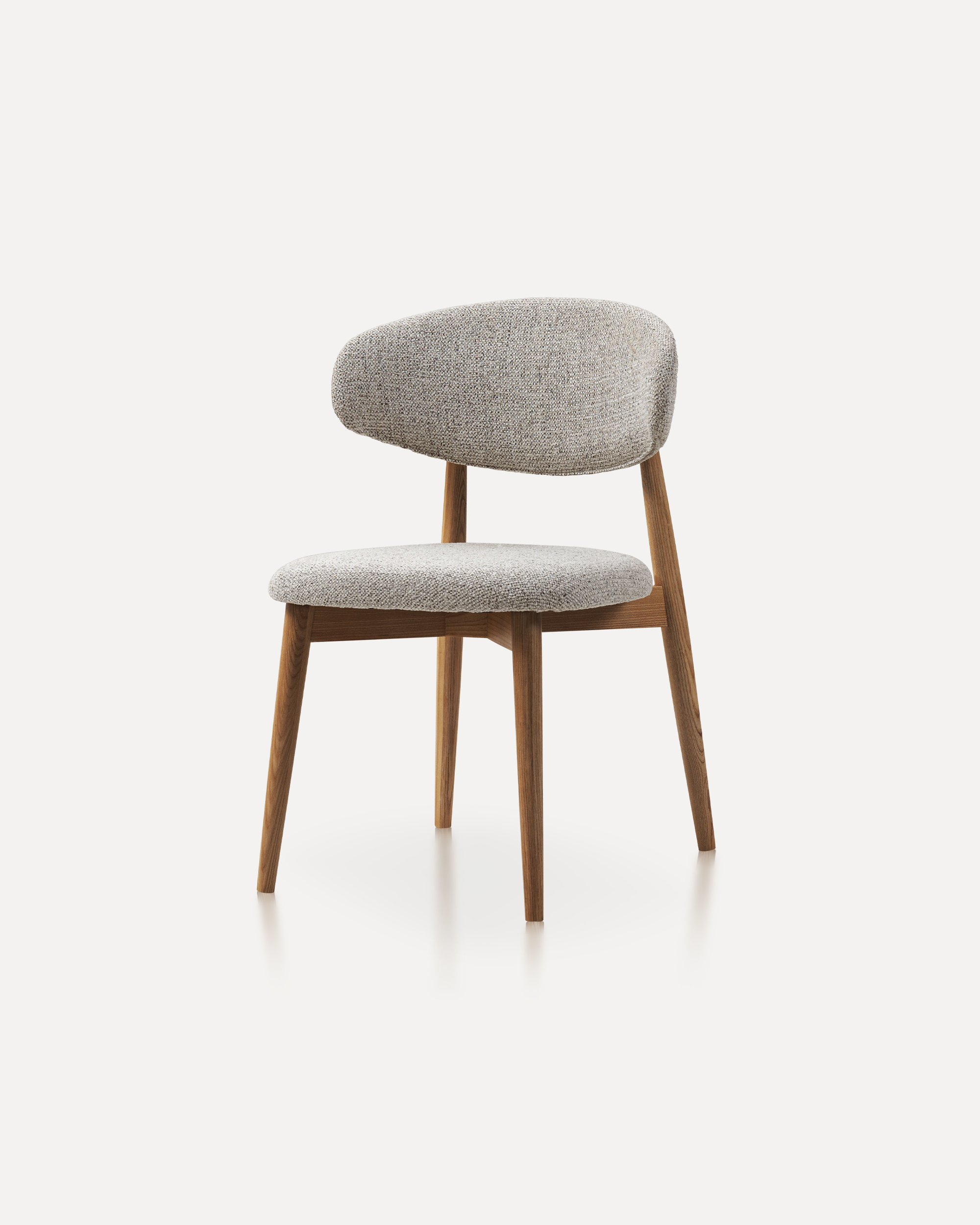
This wooden chair is a classic furniture piece that exudes warmth, durability, ...
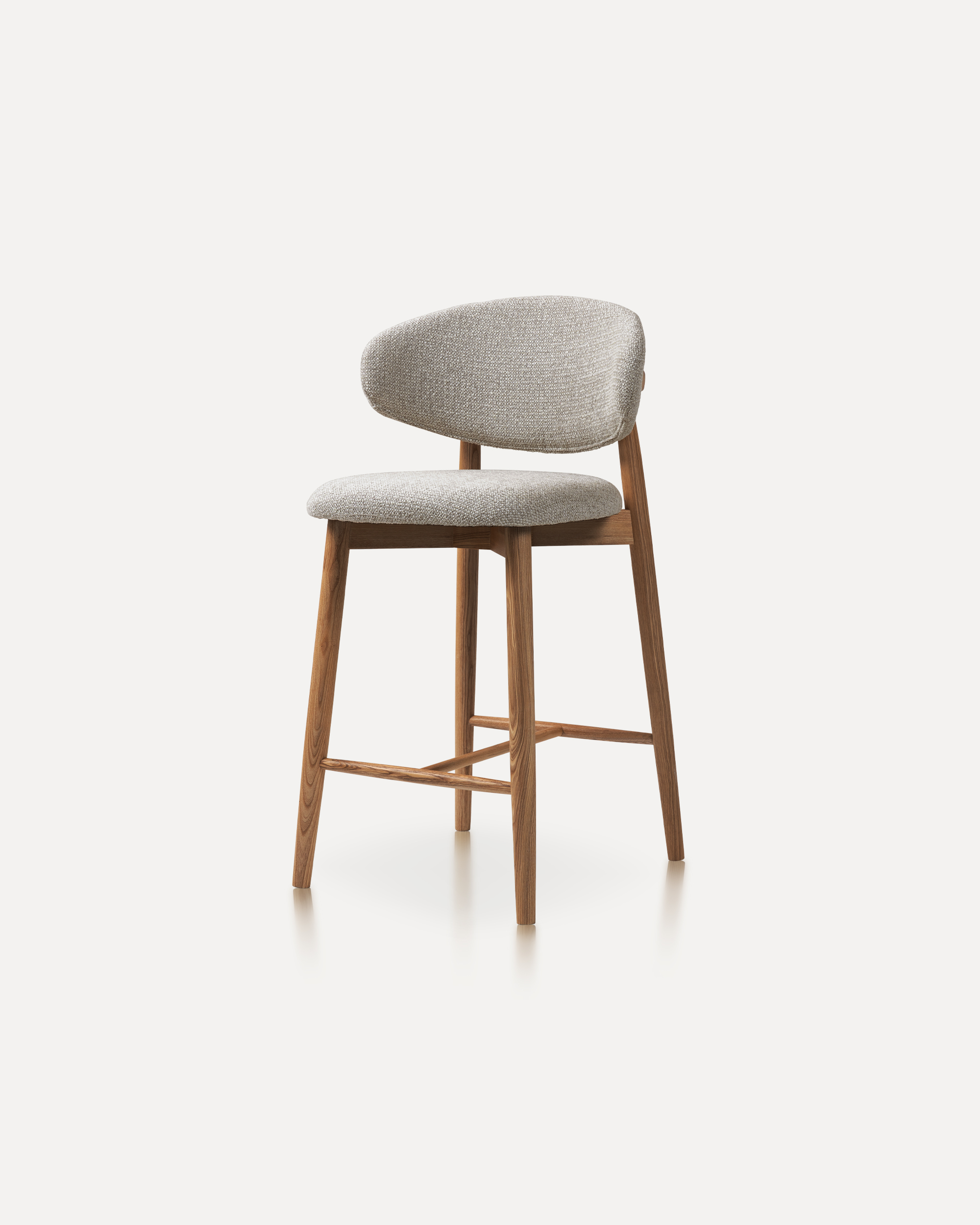
Our Wood Bar Stools are the perfect addition to any high-top table or bar setti...
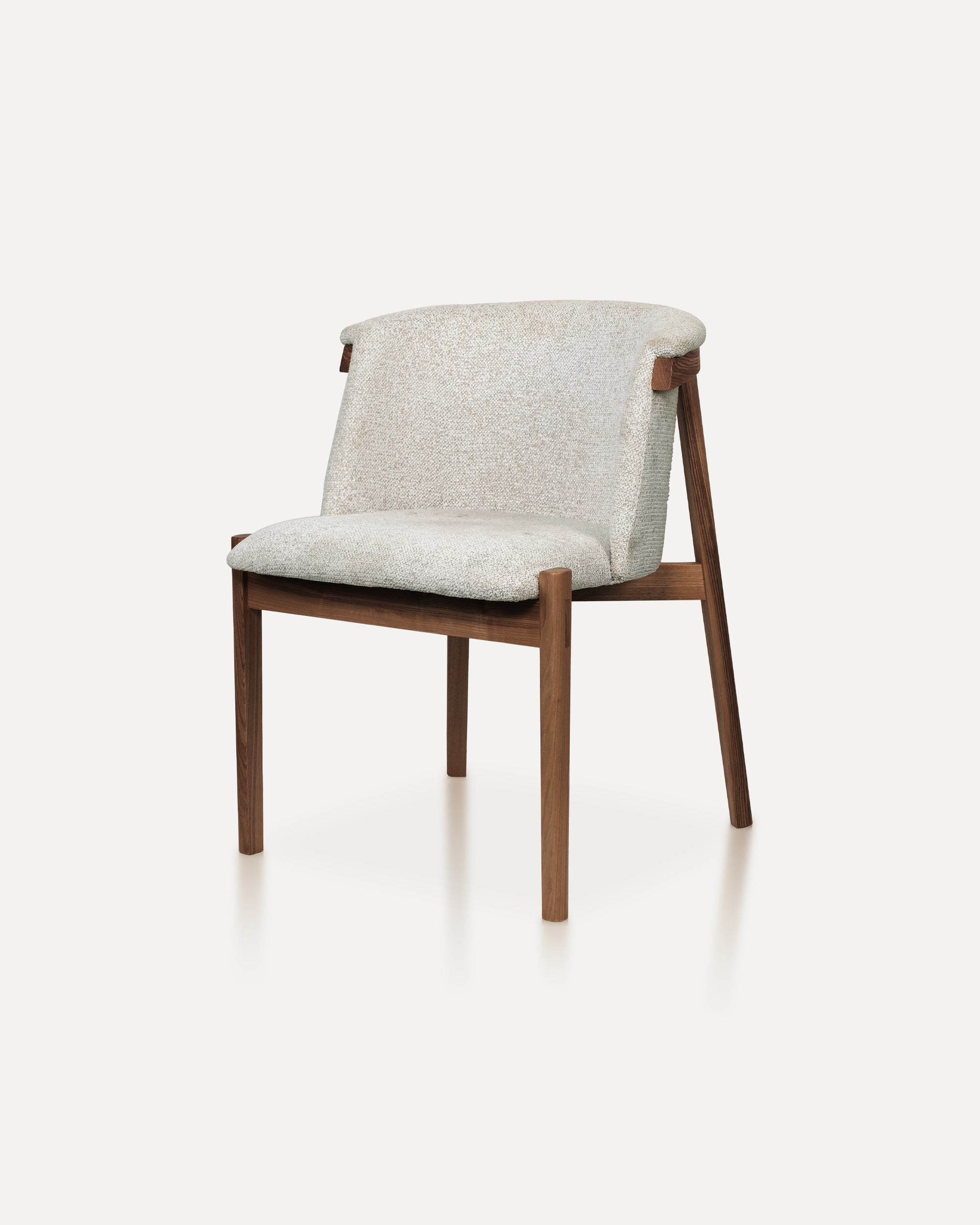
Bring natural elegance into your home with this finely crafted chair. The desig...
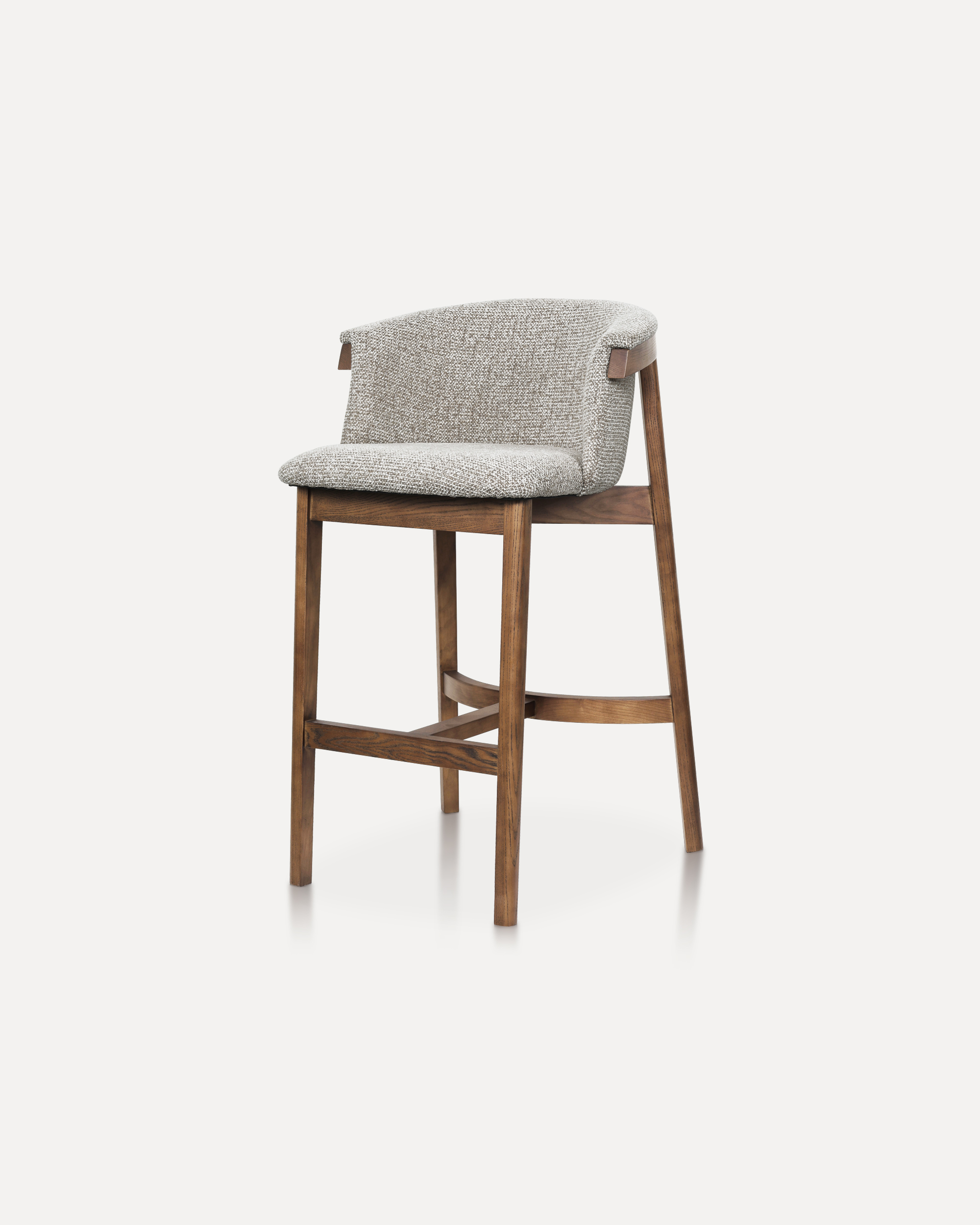
This sophisticated bar chair elevates any counter or high-top setting with its ...
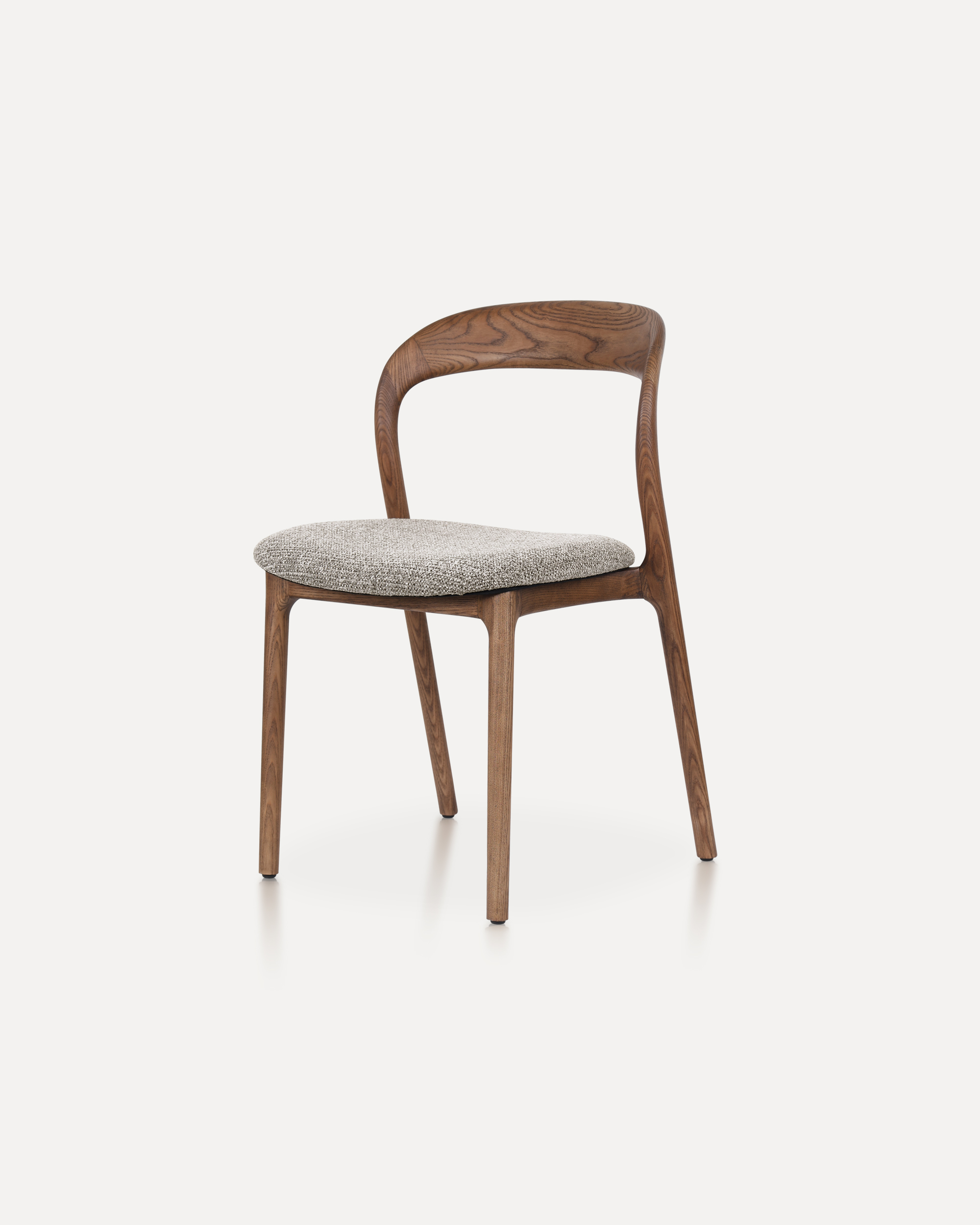
The Echo Chair is crafted from solid ashwood, featuring a unified back-and-arm ...
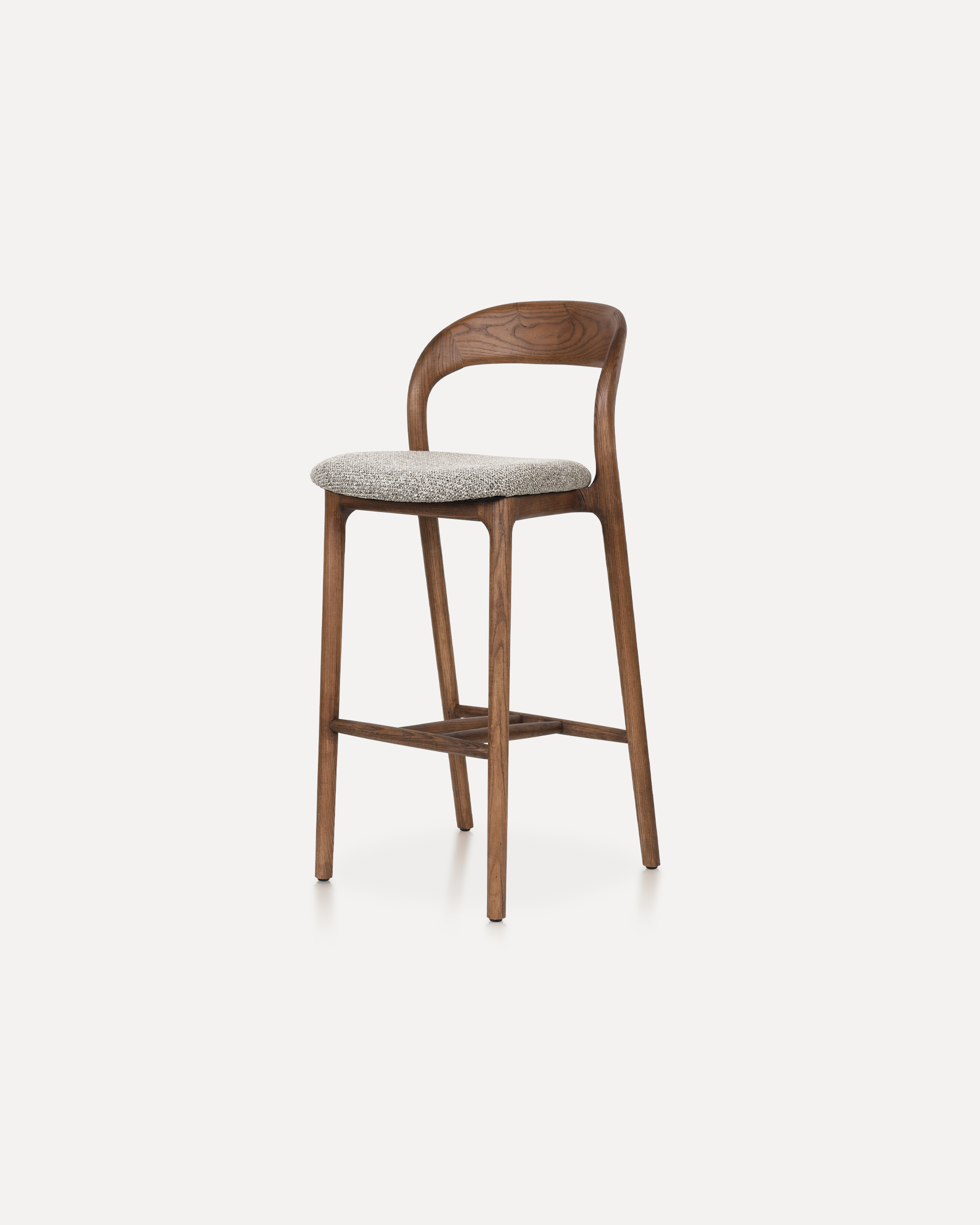
This Bar Chair is a counter-height seating solution crafted from solid ashwood ...
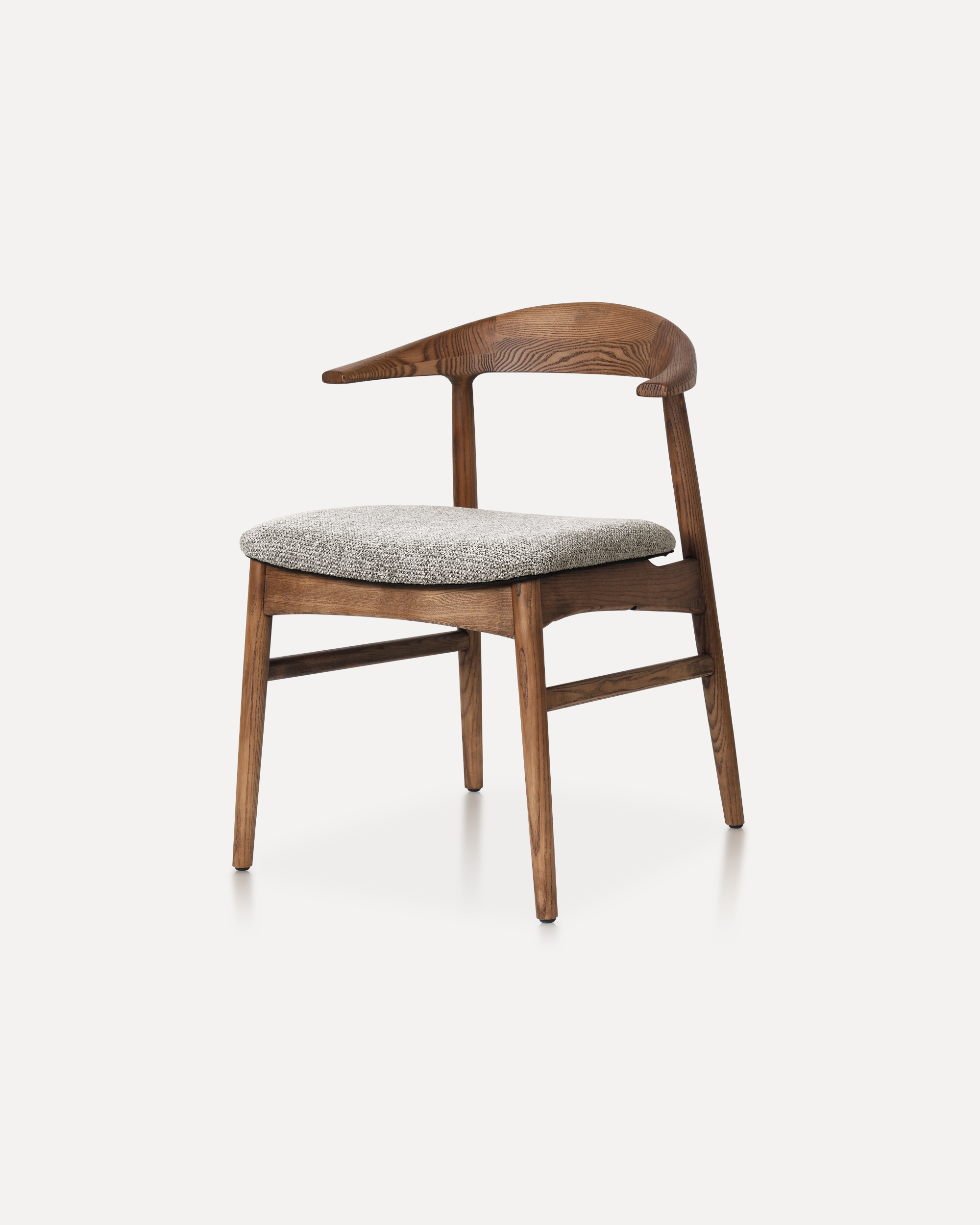
The Horizon Chair reinterprets mid-century warmth for today’s refined interiors...
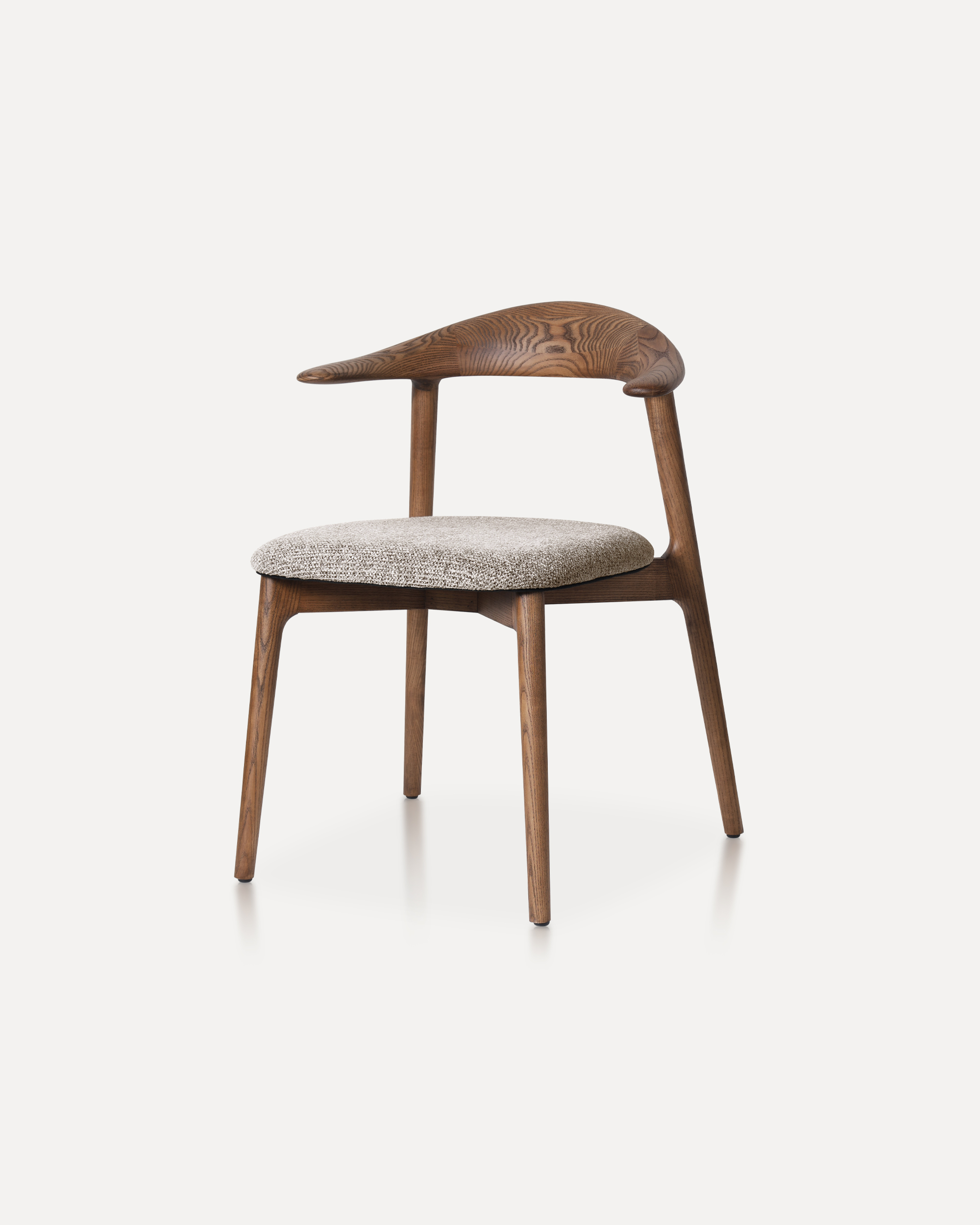
This classic features a striking, organic backrest carved from a single slab of...