
 English
  Français
 Español
Industry News
MENU

Content
When choosing wood bar stools, the type of timber used is the most critical factor in determining both the stool's lifespan and its visual impact on your space. Hardwoods like Oak, Maple, and Walnut are industry favorites because of their dense grain structures, which resist dents and scratches better than softwoods. Oak offers a classic, prominent grain that hides minor wear well, making it ideal for high-traffic kitchens. Walnut, while more expensive, provides a rich, dark chocolate hue that adds immediate sophistication to a home bar. For a more budget-friendly yet sturdy option, Rubberwood—a sustainable hardwood—is frequently used because it takes stains evenly and remains stable under varying humidity levels.
It is also essential to consider the finish applied to the wood. A high-quality polyurethane or lacquer coating acts as a barrier against moisture from spilled drinks and cleaning agents. If you prefer a more "raw" look, oil-rubbed finishes bring out the natural texture of the wood but require more frequent maintenance to prevent the wood from drying out or staining. Always check the joinery of the stool; look for mortise-and-tenon joints or reinforced corner blocks rather than simple glue and screws to ensure the stool remains wobble-free over years of use.
The most common mistake when purchasing wood bar stools is selecting the wrong height for the counter or bar. To ensure a comfortable seating experience, there should be a gap of approximately 10 to 12 inches between the seat of the stool and the underside of the counter. This allows enough room for legs to move freely and for the user to sit with proper posture. Standard kitchen counters usually require "Counter Height" stools, while basement bars or high-top tables require "Bar Height" stools.
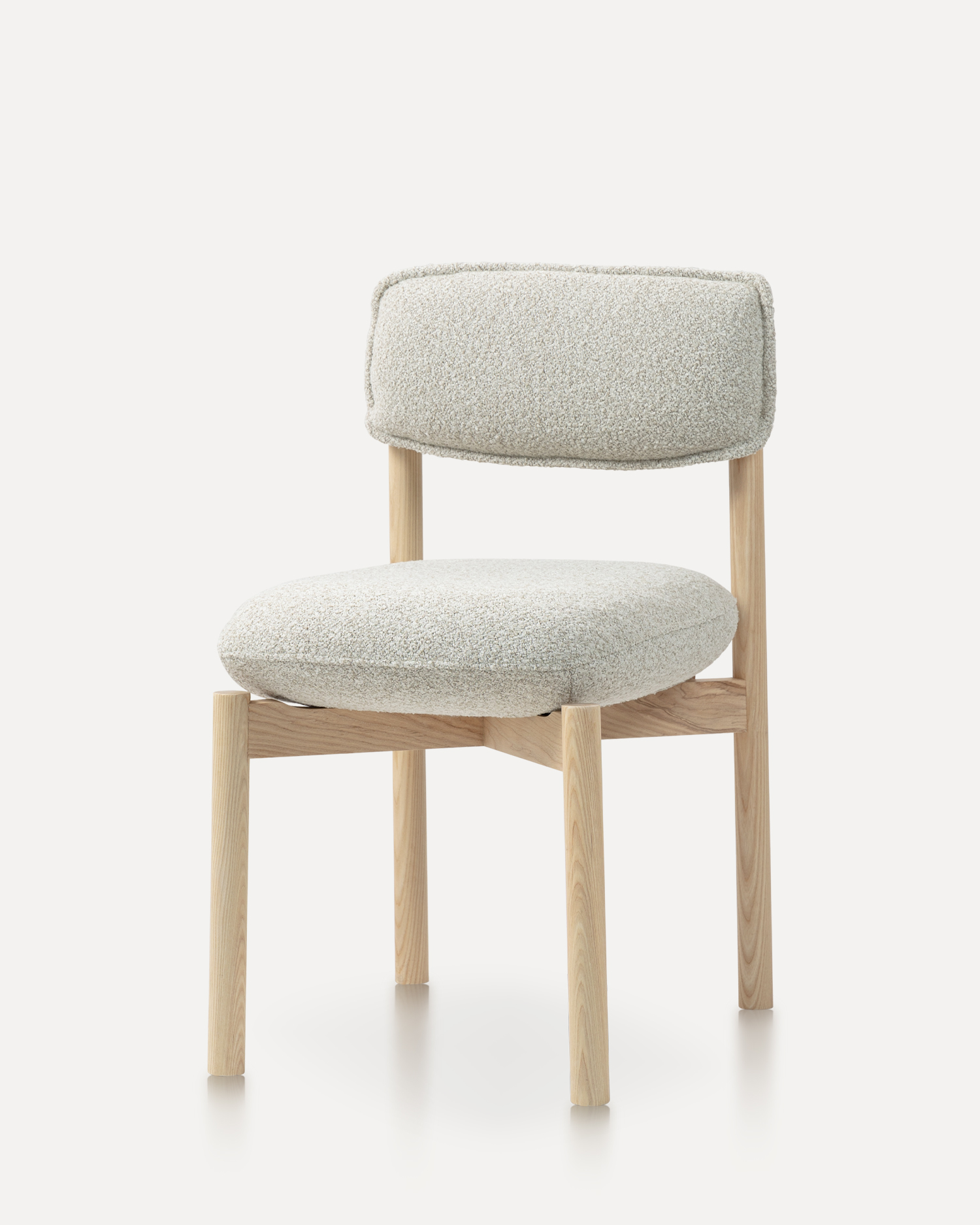
Beyond height, ergonomics play a vital role in how long guests will want to stay seated. A wood stool with a contoured seat—often called a "saddle seat"—is significantly more comfortable than a perfectly flat surface because it distributes weight more evenly. Additionally, look for stools with built-in footrests. Because wood is a rigid material, having a designated place to rest your feet prevents leg fatigue and strain on the lower back. If the stool will be used for dining or working, a backrest provides essential lumbar support that backless models lack.
| Surface Type | Surface Height | Ideal Stool Seat Height |
| Kitchen Counter | 34 – 36 inches | 24 – 26 inches |
| Home Bar | 40 – 42 inches | 28 – 30 inches |
| Extra Tall / Commercial | 44 – 47 inches | 33 – 36 inches |
Wood is an organic material that reacts to its environment, so proper care is necessary to keep your bar stools looking new. Dusting should be done weekly with a soft, lint-free cloth to prevent abrasive particles from scratching the finish. Avoid using all-purpose sprays that contain ammonia or silicone, as these can break down the protective topcoat or create a greasy buildup that attracts more grime.
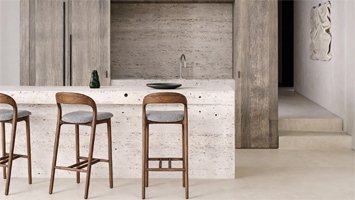
Wood bar stools are incredibly versatile and can anchor various design styles depending on their silhouette and color. For a farmhouse or rustic aesthetic, choose stools with a distressed finish, visible wood knots, and a chunky, turned-leg design. These elements evoke a sense of warmth and history. In contrast, Mid-Century Modern designs often feature tapered legs, bentwood backrests, and a medium-toned teak or walnut finish that emphasizes clean lines and minimalism.
If you want to blend styles, consider mixed-material stools where a wood seat is paired with metal legs. This "Industrial" look softens the coldness of metal with the natural warmth of timber. When styling, consider the "Rule of Three" or "Rule of Four"—spacing stools roughly 6 inches apart so they don't look cluttered. Choosing a wood tone that either matches your flooring or provides a sharp contrast (such as black-stained wood on light oak floors) can create a cohesive and professionally designed appearance in your kitchen or dining area.
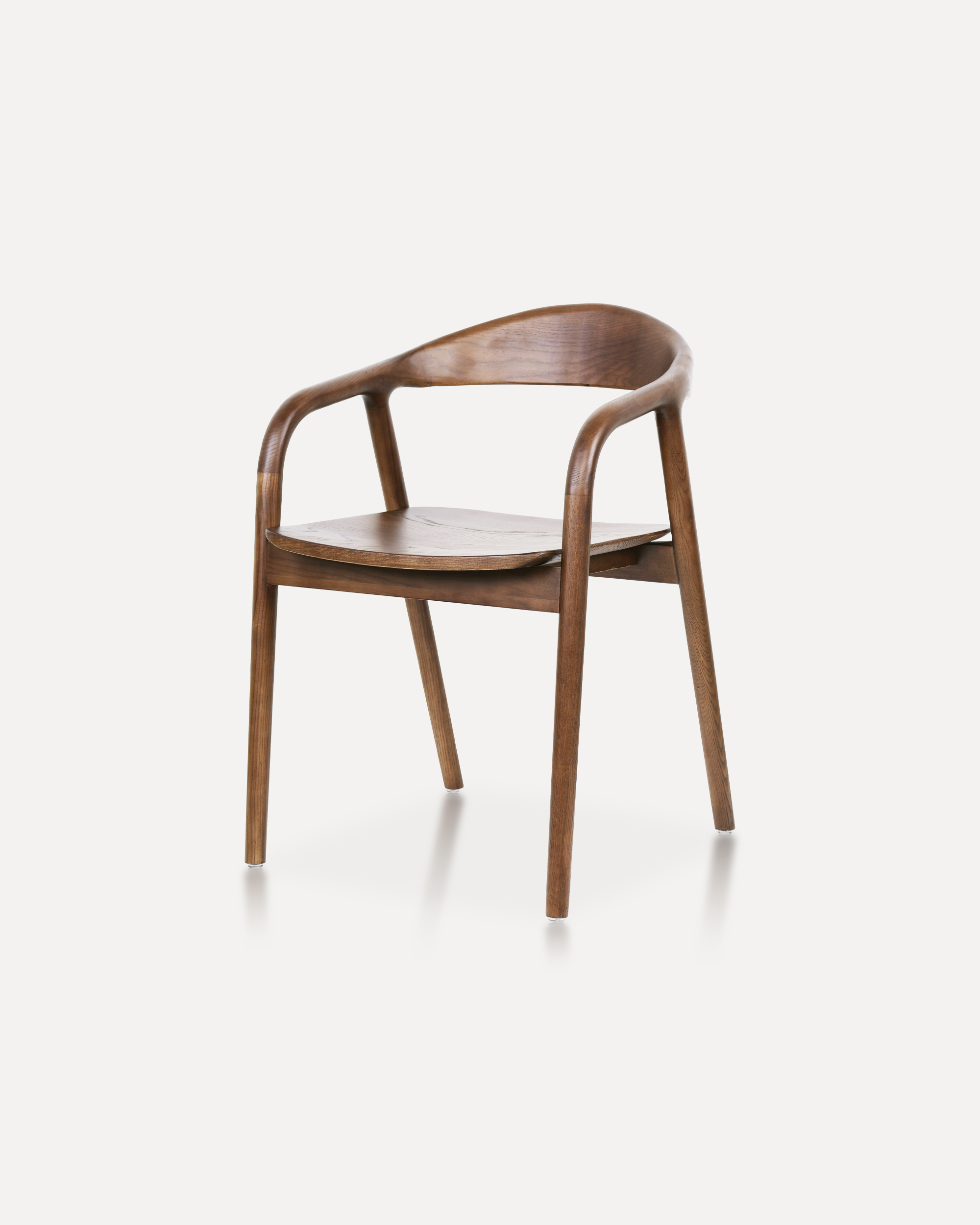
Crafted entirely from solid ash wood, this chair embodies a refined balance of ...
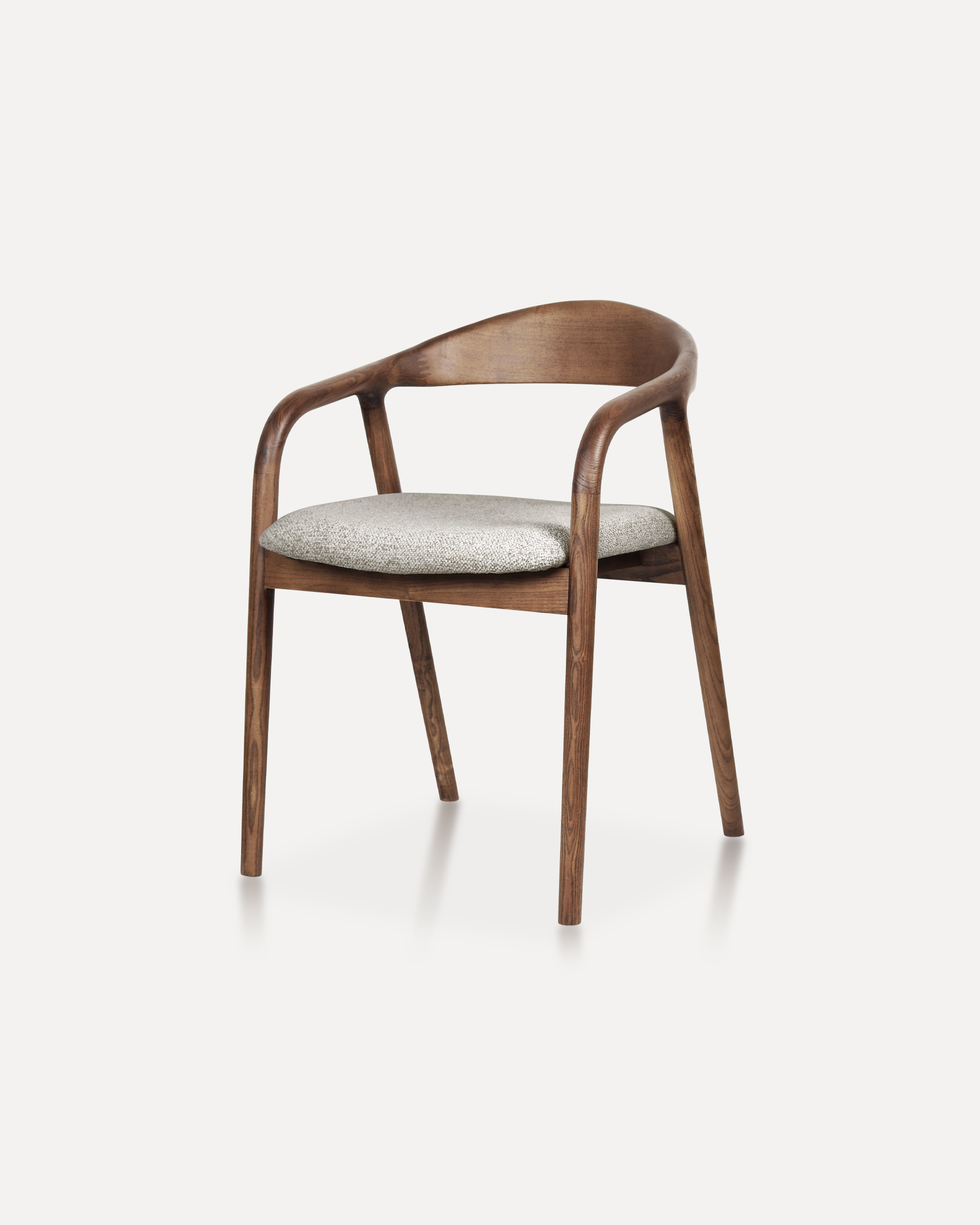
Showcases a refined silhouette with smooth, curved armrests and a gently rounde...
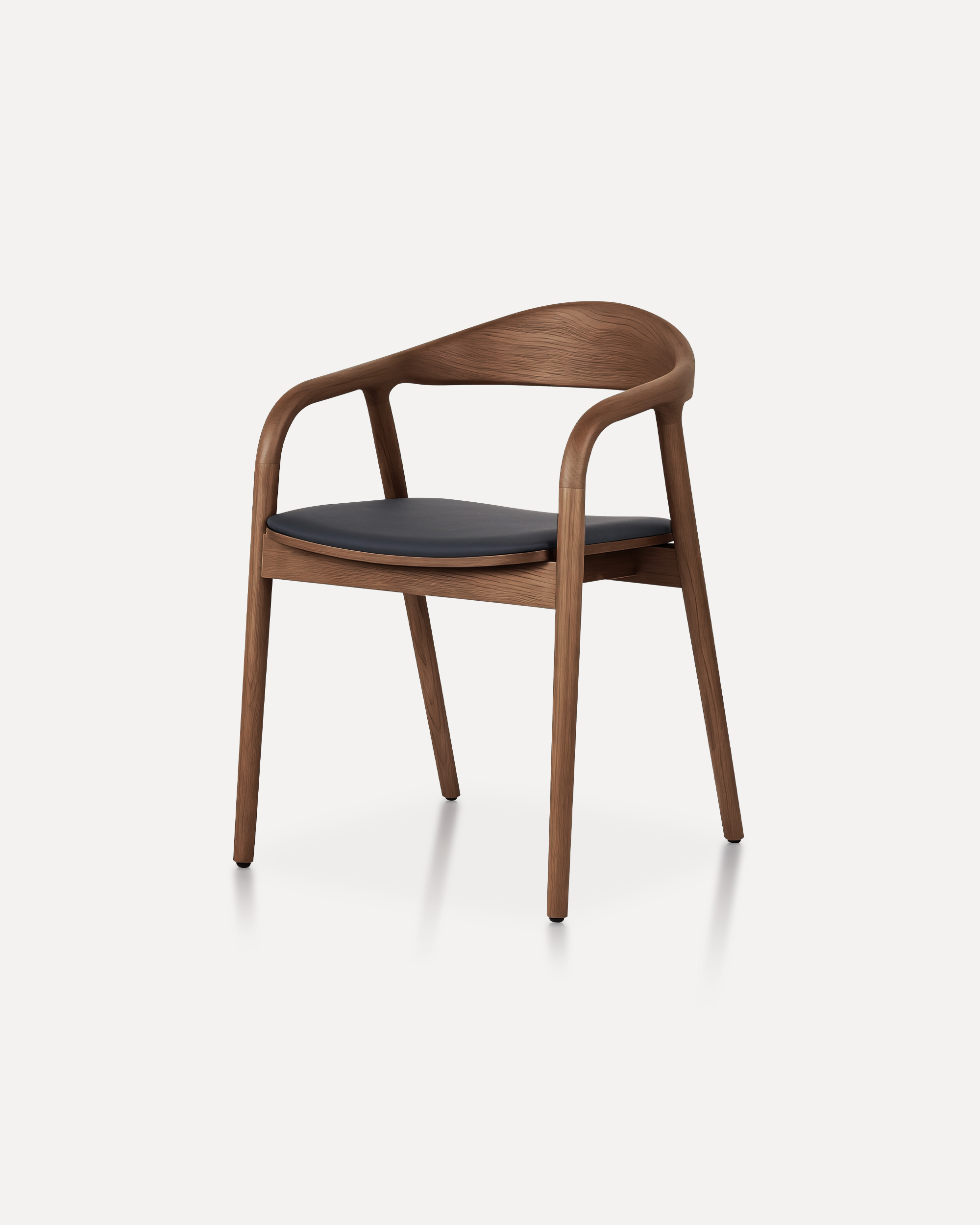
A masterclass in refined joinery and organic geometry, the Arc Chair features a...
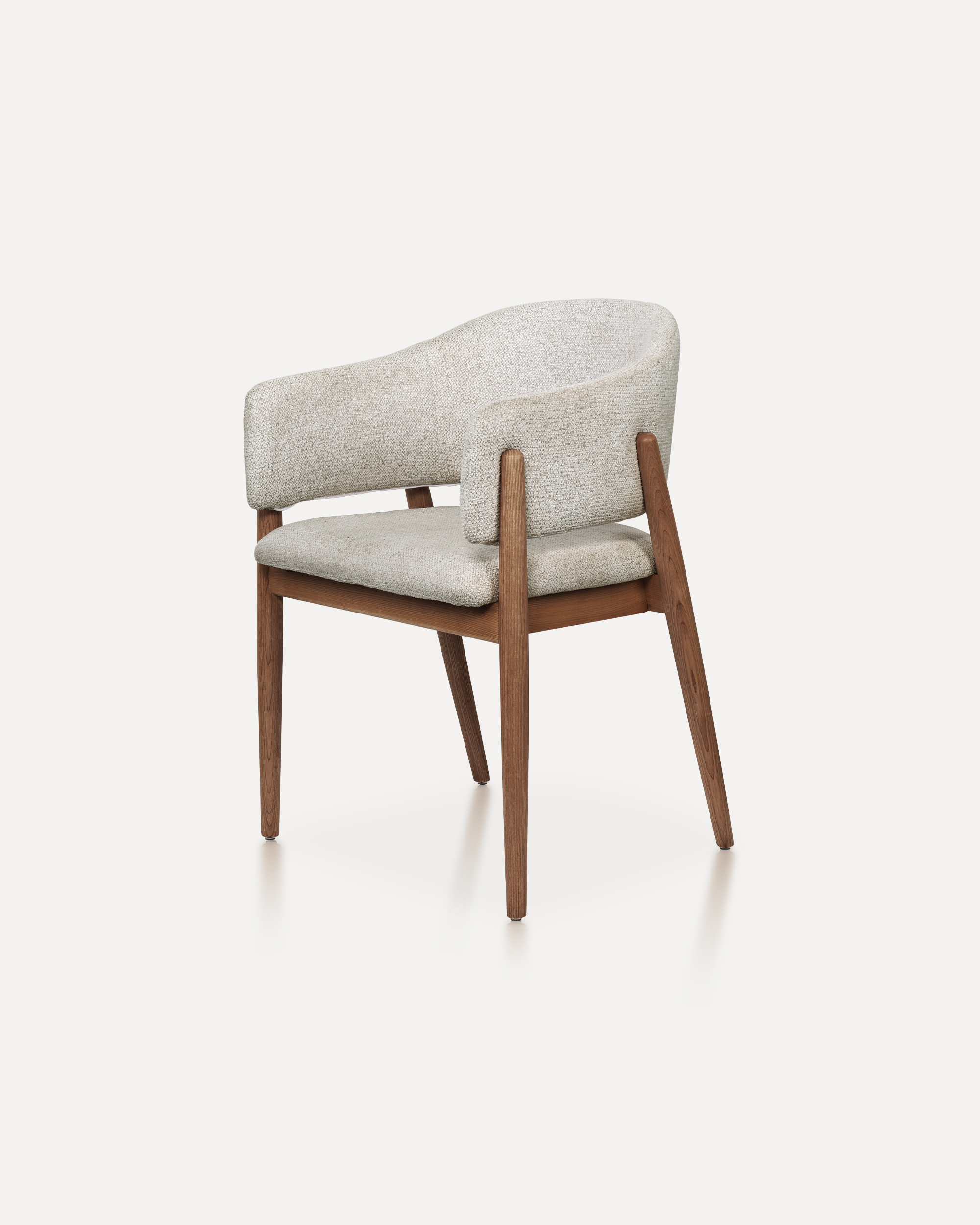
With its refined proportions and welcoming form, this chair brings quiet sophis...
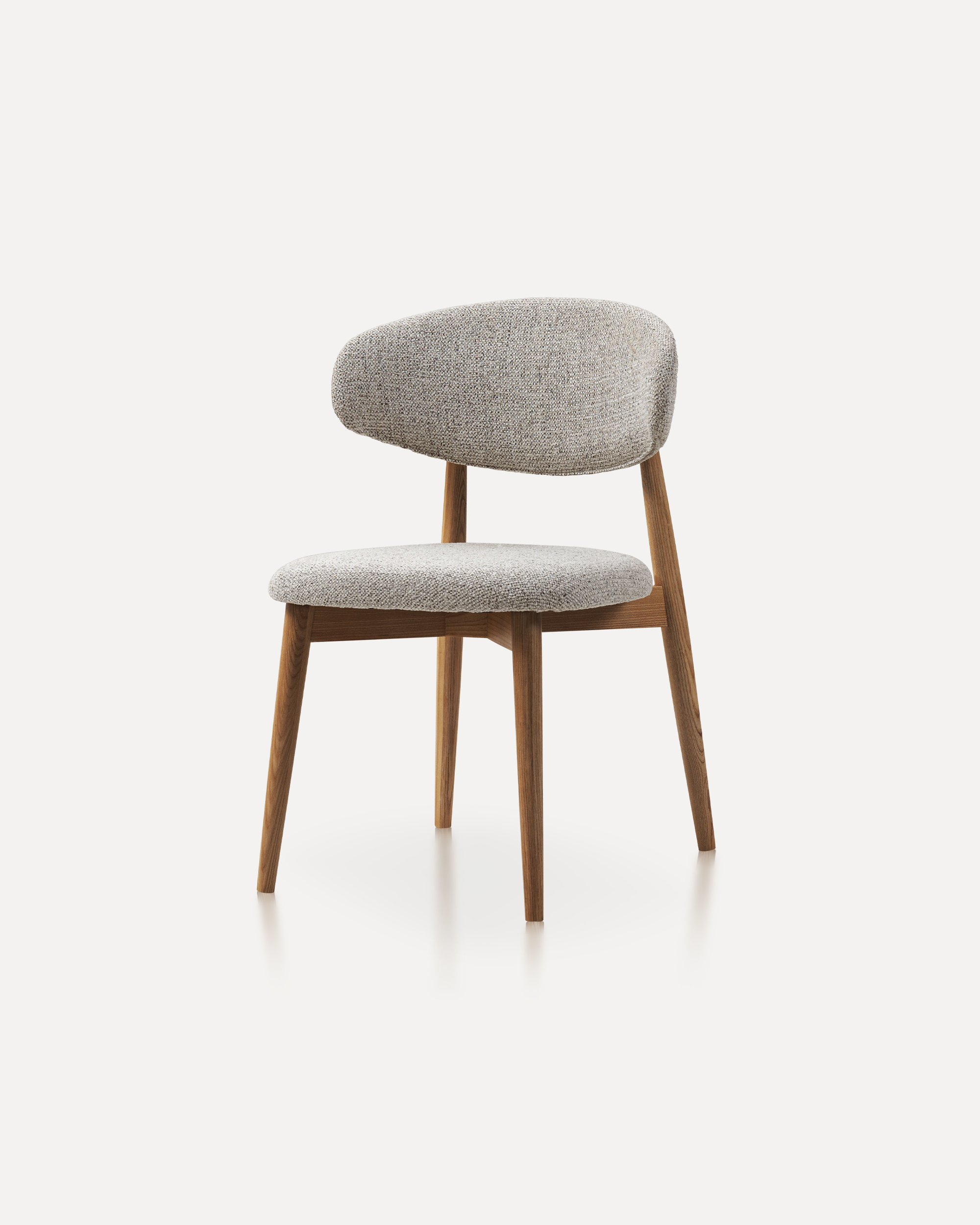
This wooden chair is a classic furniture piece that exudes warmth, durability, ...
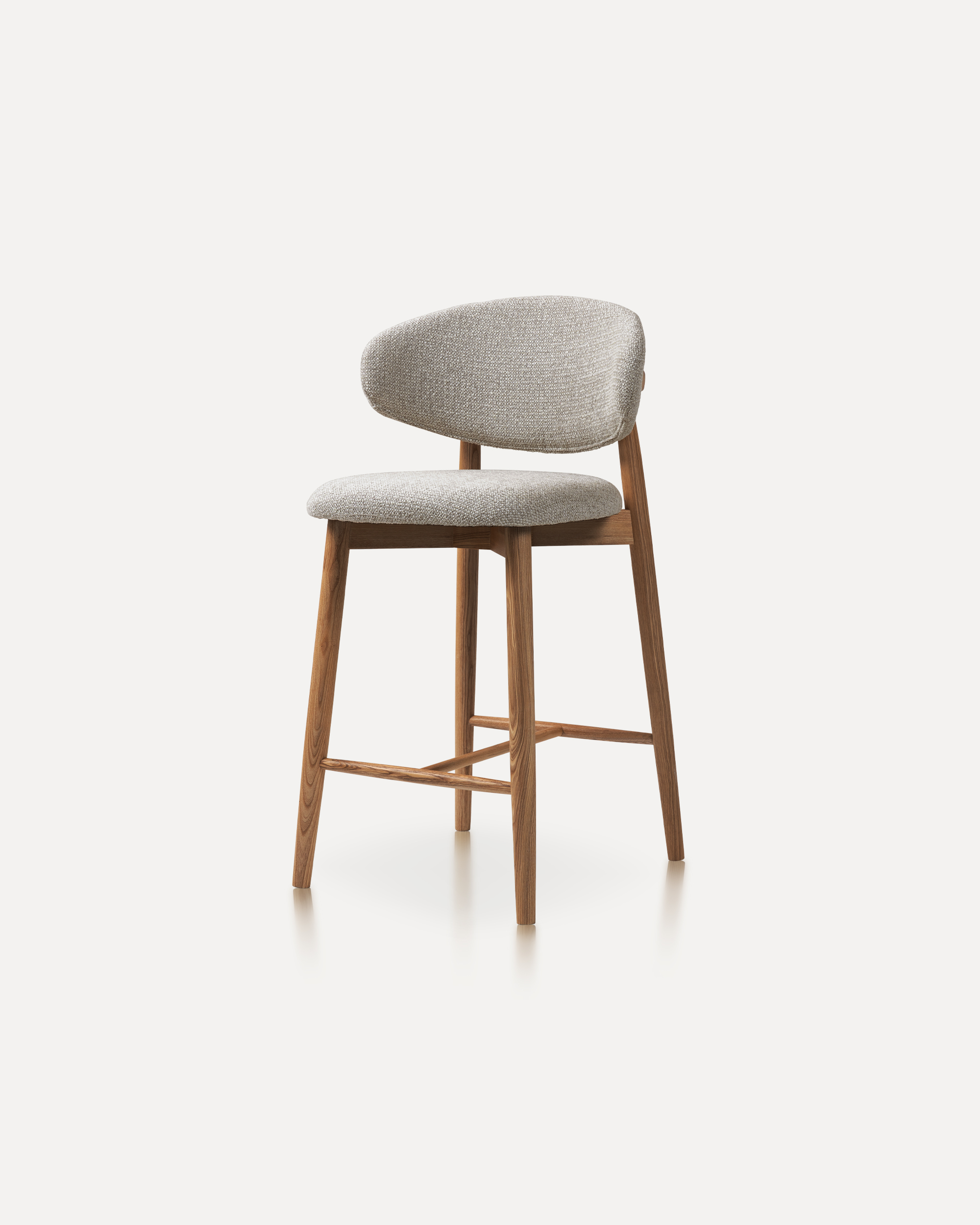
Our Wood Bar Stools are the perfect addition to any high-top table or bar setti...
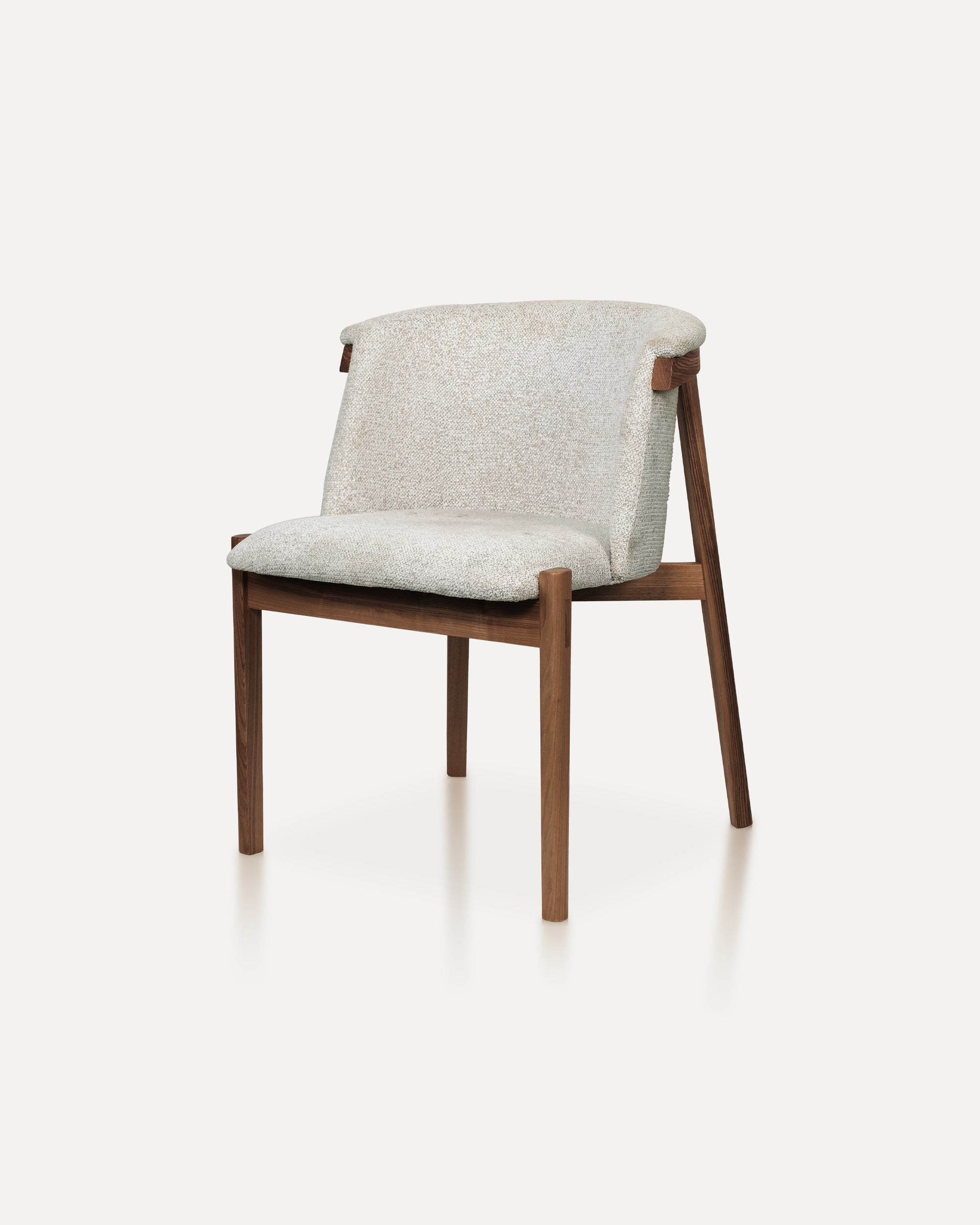
Bring natural elegance into your home with this finely crafted chair. The desig...
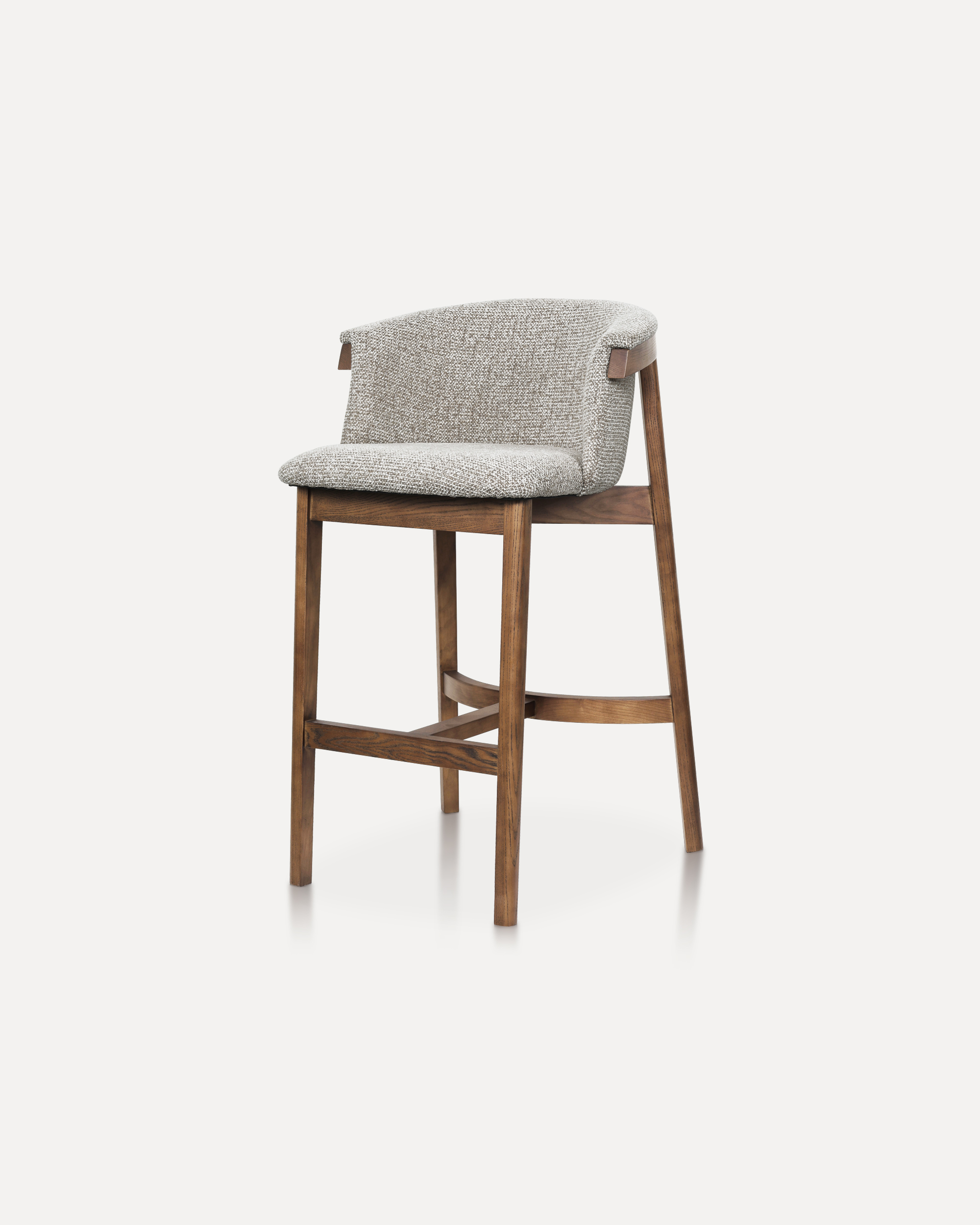
This sophisticated bar chair elevates any counter or high-top setting with its ...
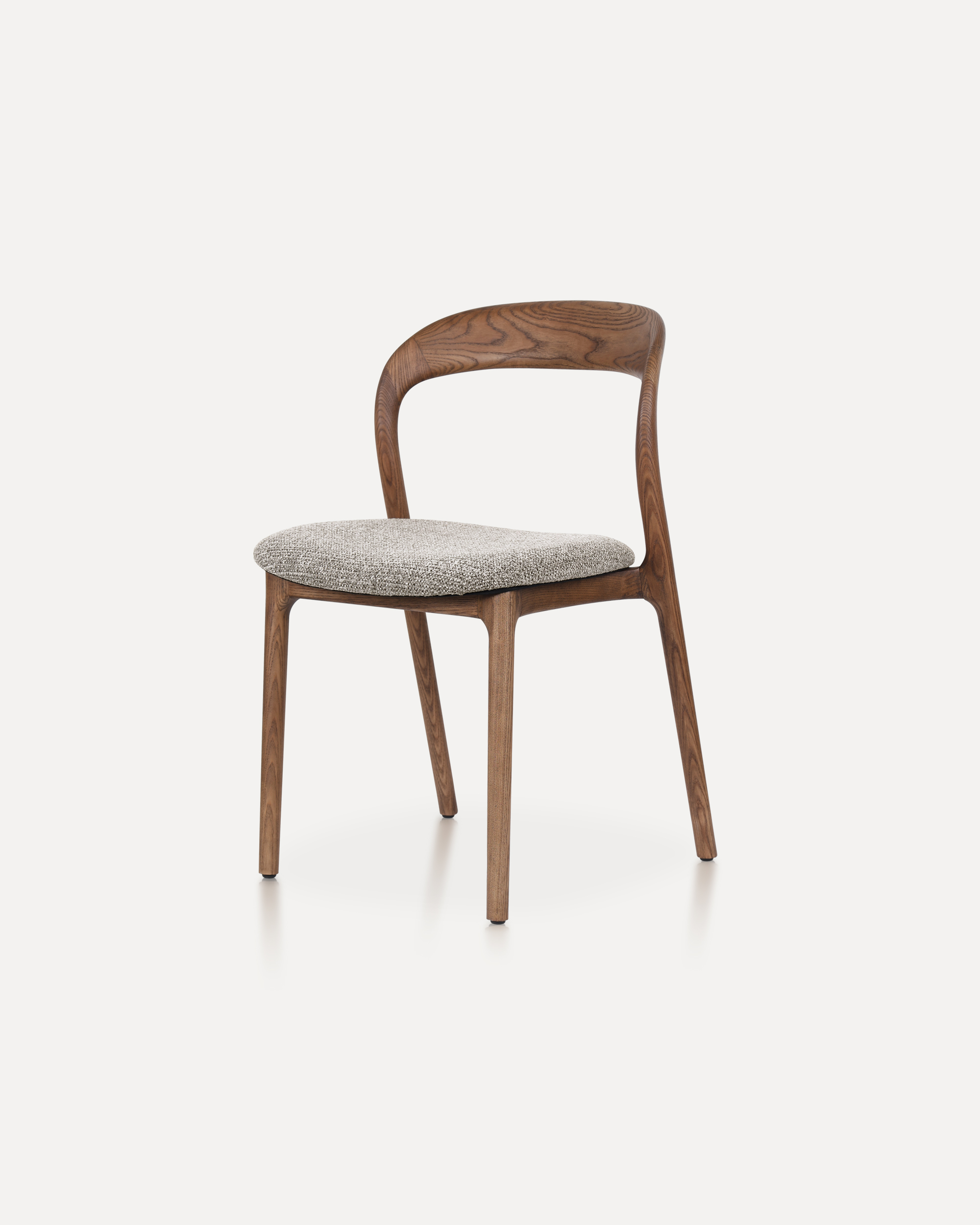
The Echo Chair is crafted from solid ashwood, featuring a unified back-and-arm ...
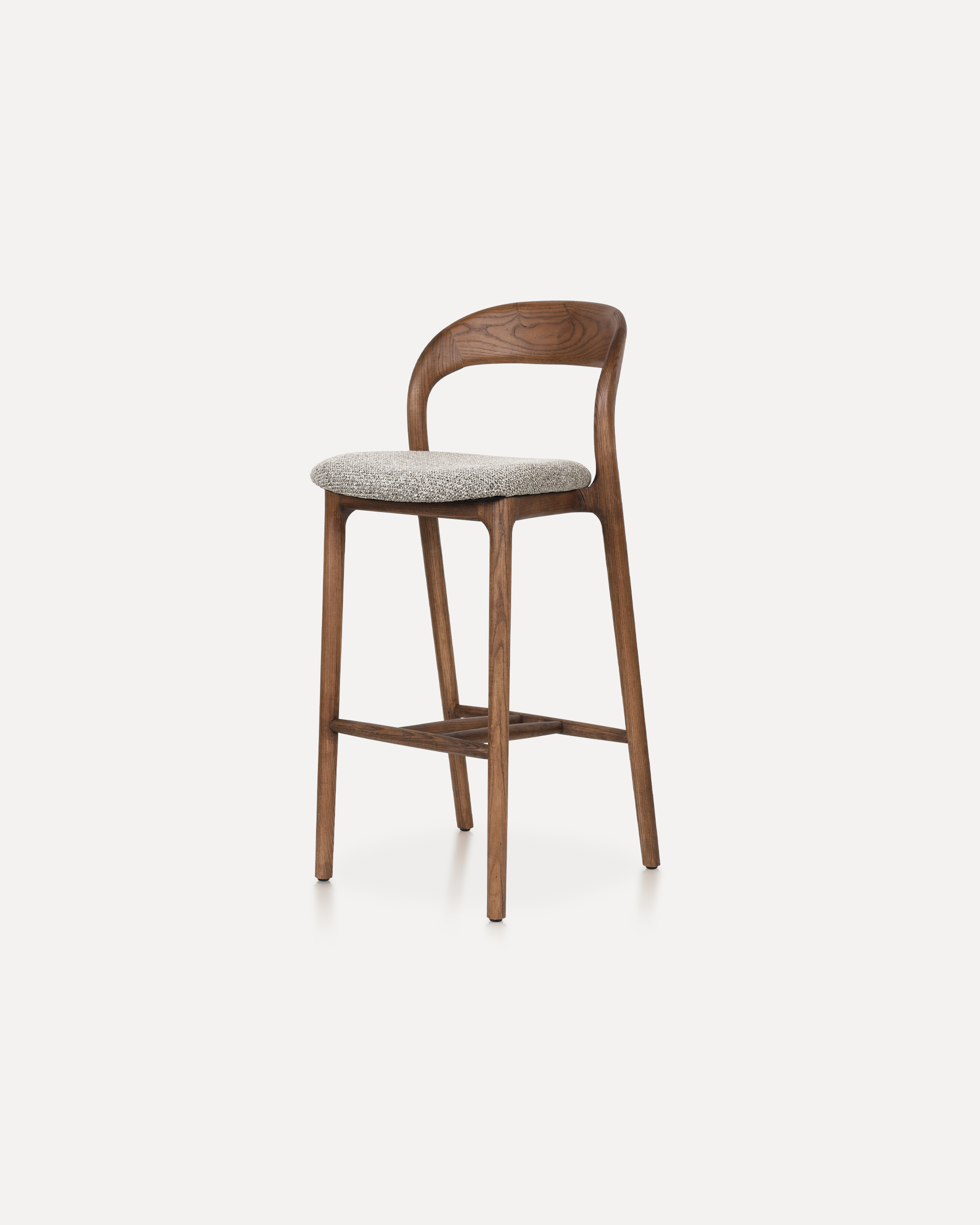
This Bar Chair is a counter-height seating solution crafted from solid ashwood ...
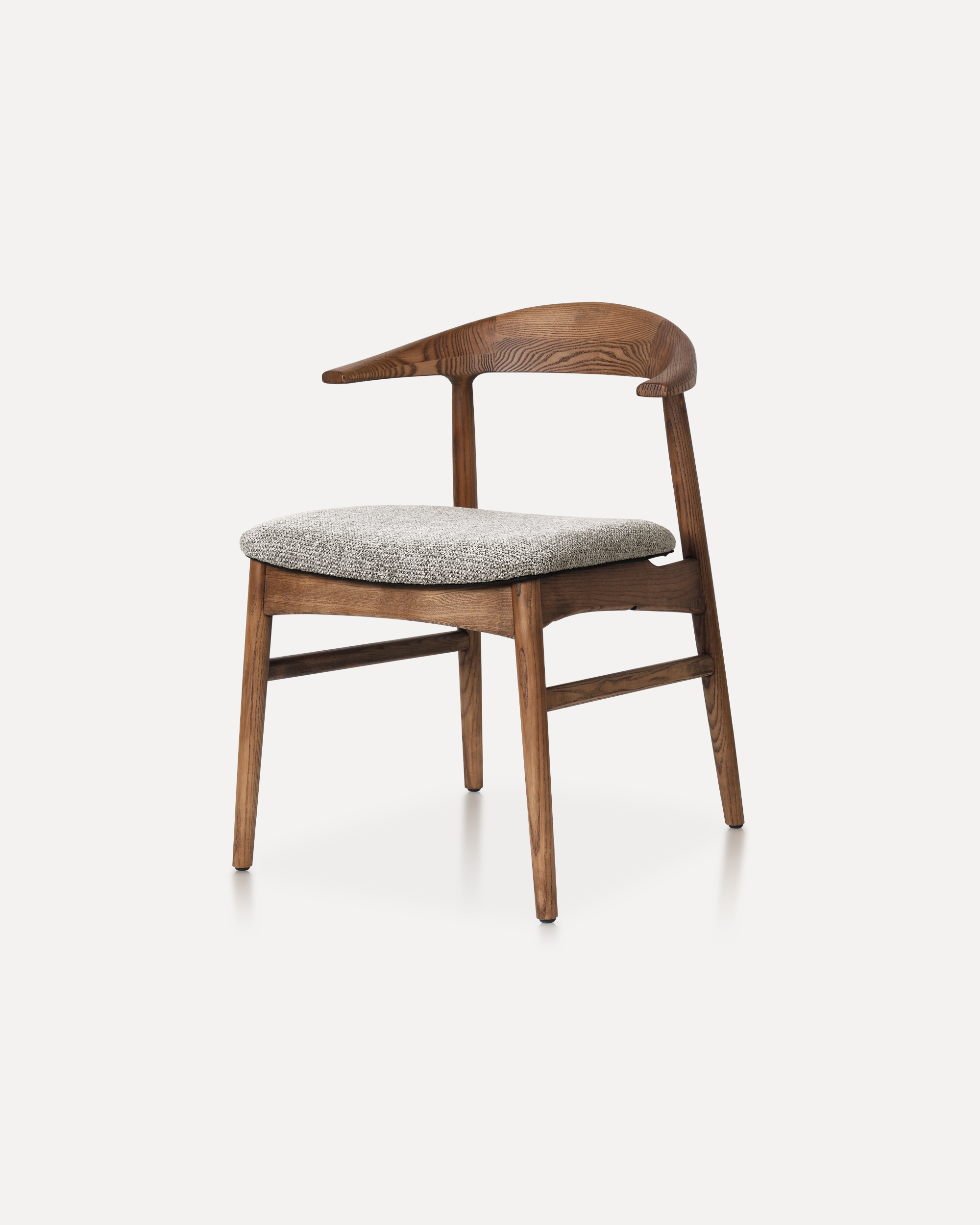
The Horizon Chair reinterprets mid-century warmth for today’s refined interiors...
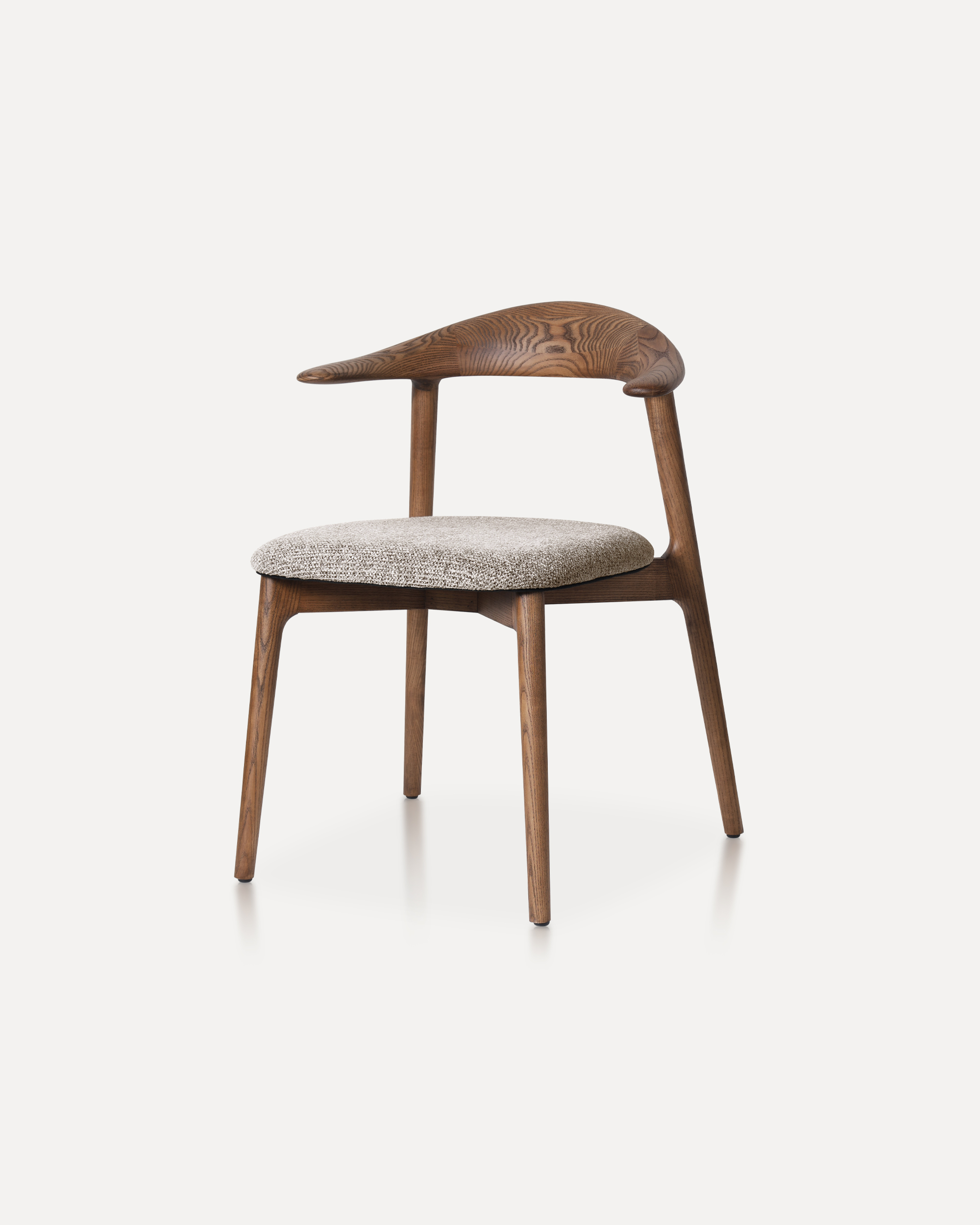
This classic features a striking, organic backrest carved from a single slab of...