
 English
  Français
 Español
Industry News
MENU

Content
Before getting into wood type or finish, the single most important factor in choosing wood bar stools is matching the seat height to your counter or bar height. Stools that are too tall or too short don't just look awkward — they make everyday use uncomfortable, forcing people to hunch over or sit too far below the surface. The general rule is to leave about 10 to 12 inches of clearance between the top of the seat and the underside of the counter, which allows enough legroom without making the seat feel disconnected from the surface. Getting this measurement wrong is one of the most common and frustrating mistakes buyers make, often discovered only after the stools arrive and don't fit properly under an existing counter.
| Counter/Bar Type | Counter Height | Recommended Stool Seat Height |
| Standard Kitchen Counter | 36 inches | 24–26 inches |
| Kitchen Island | 36–42 inches | 26–30 inches |
| Standard Home Bar | 42 inches | 28–30 inches |
Solid wood bar stools are made from a range of different wood species, and the type used affects not just appearance but also weight, durability, and price. Knowing the basic differences helps buyers set realistic expectations before shopping.
Hardwoods like oak, walnut, and maple are dense, durable, and resistant to dents and scratches, making them a strong choice for daily use in busy kitchens or commercial settings. They tend to cost more than softwoods but hold up significantly better over years of use, and their natural grain patterns often look richer and more refined.
Pine and acacia are more affordable options that still offer genuine solid wood construction, though they're softer and more prone to surface dents over time. Acacia in particular is popular for rustic wood bar stools because of its bold, varied grain pattern, which gives each piece a slightly different, natural character that many buyers find appealing for farmhouse or industrial-style spaces.
Some lower-cost stools use engineered wood or a thin veneer layer over composite material rather than solid wood throughout. While these can still look attractive, they generally don't hold up as well to moisture, weight stress, or repeated use, so it's worth confirming construction details before assuming a stool is fully solid wood based on appearance alone.
Beyond height and material, certain design features make a noticeable difference in how comfortable a stool feels during extended use, especially in homes where the bar or counter area doubles as a casual dining or work space.
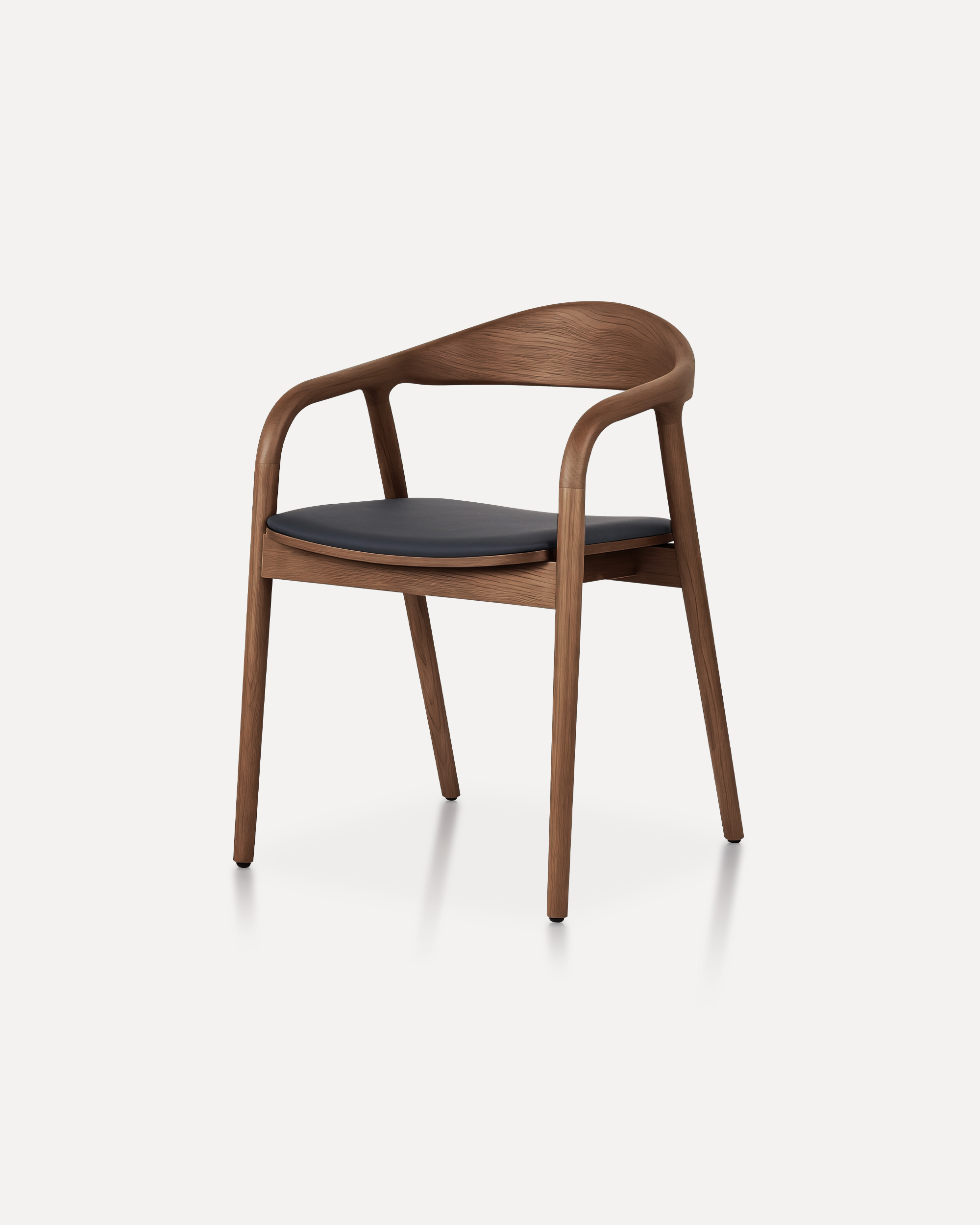
The terms get used loosely, but wood counter stools and bar stools actually refer to different height categories designed for different surface heights. Counter stools are built for standard kitchen counters around 36 inches high, while bar stools are designed for taller bar-height surfaces around 42 inches. Buying the wrong category is one of the most common return reasons, since a stool that looks similar in photos can be several inches off in actual height. Always check the specific seat height listed in the product details rather than relying on the general "bar stool" or "counter stool" label alone, since manufacturers don't always use these terms consistently.
A few practical checks before purchasing can help avoid common disappointments, from stools that wobble to ones that don't match existing decor as well as expected.
Choosing the right wood bar stools comes down to balancing height accuracy, wood durability, and comfort features against how the space will actually be used day to day. A stool that looks perfect in a showroom photo can still feel wrong at home if the height doesn't match your counter or if the wood type can't handle daily wear. Taking the time to measure correctly, understand wood type differences, and check construction details before buying leads to stools that hold up well and genuinely fit the way your household or business uses that space.
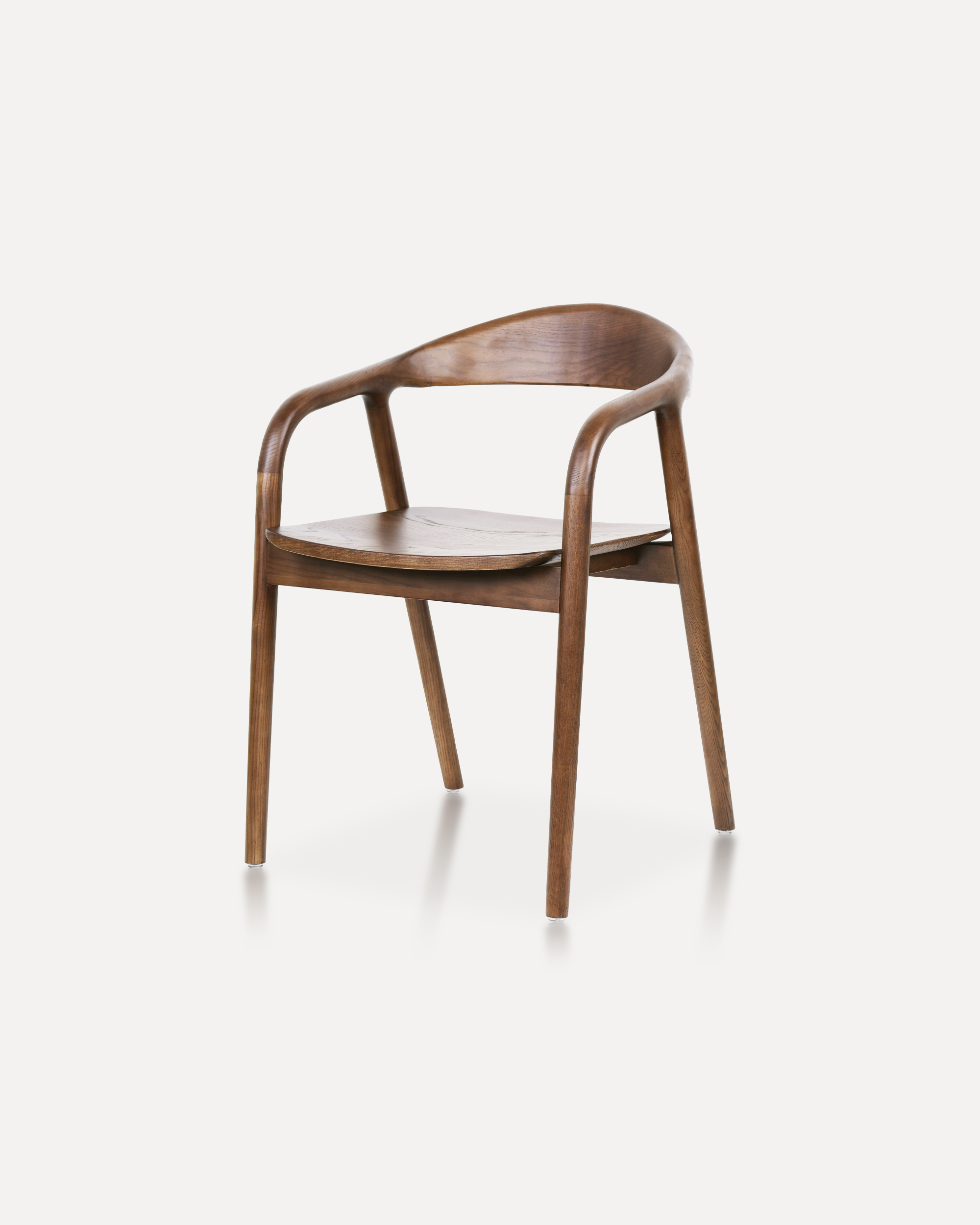
Crafted entirely from solid ash wood, this chair embodies a refined balance of ...
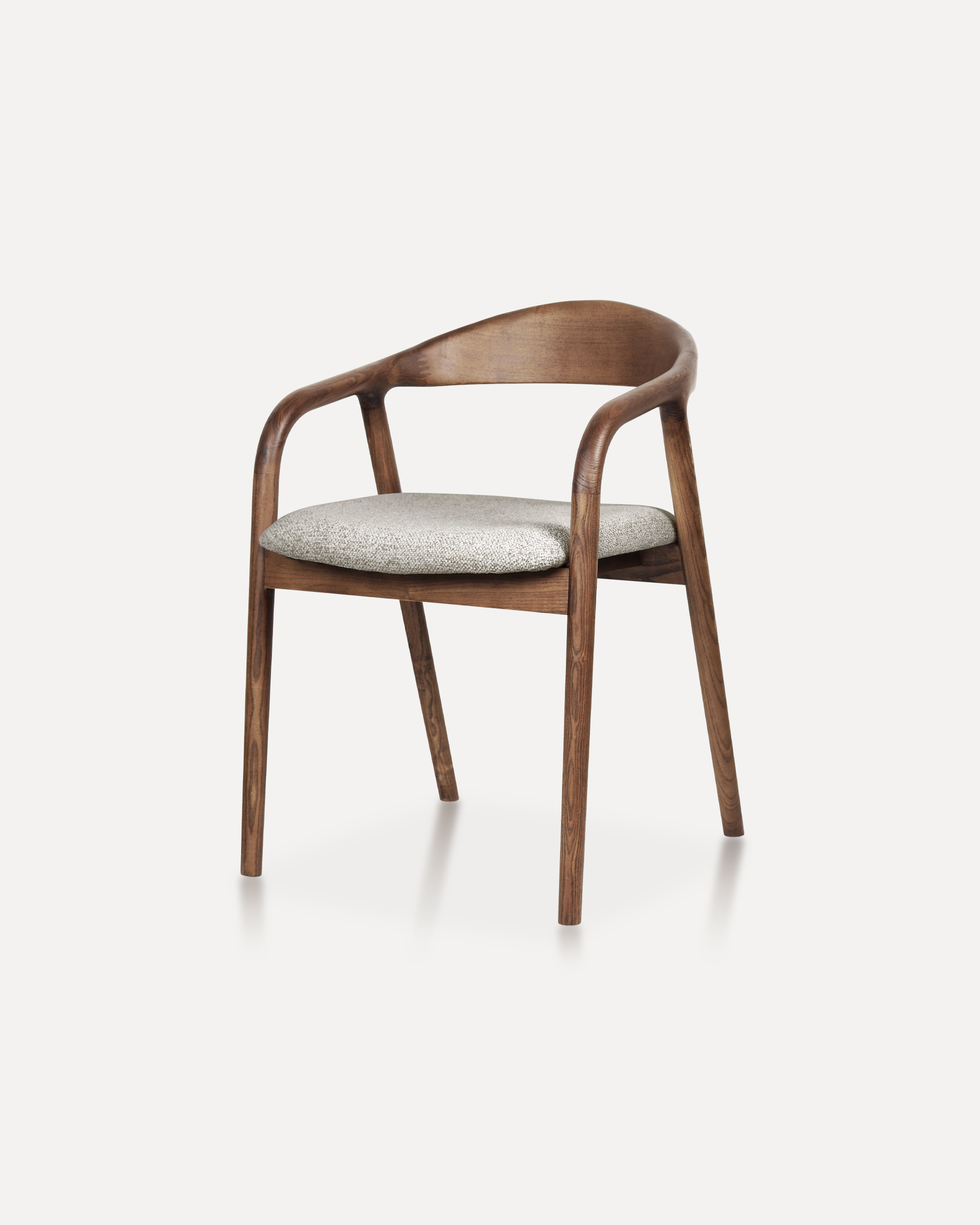
Showcases a refined silhouette with smooth, curved armrests and a gently rounde...

A masterclass in refined joinery and organic geometry, the Arc Chair features a...
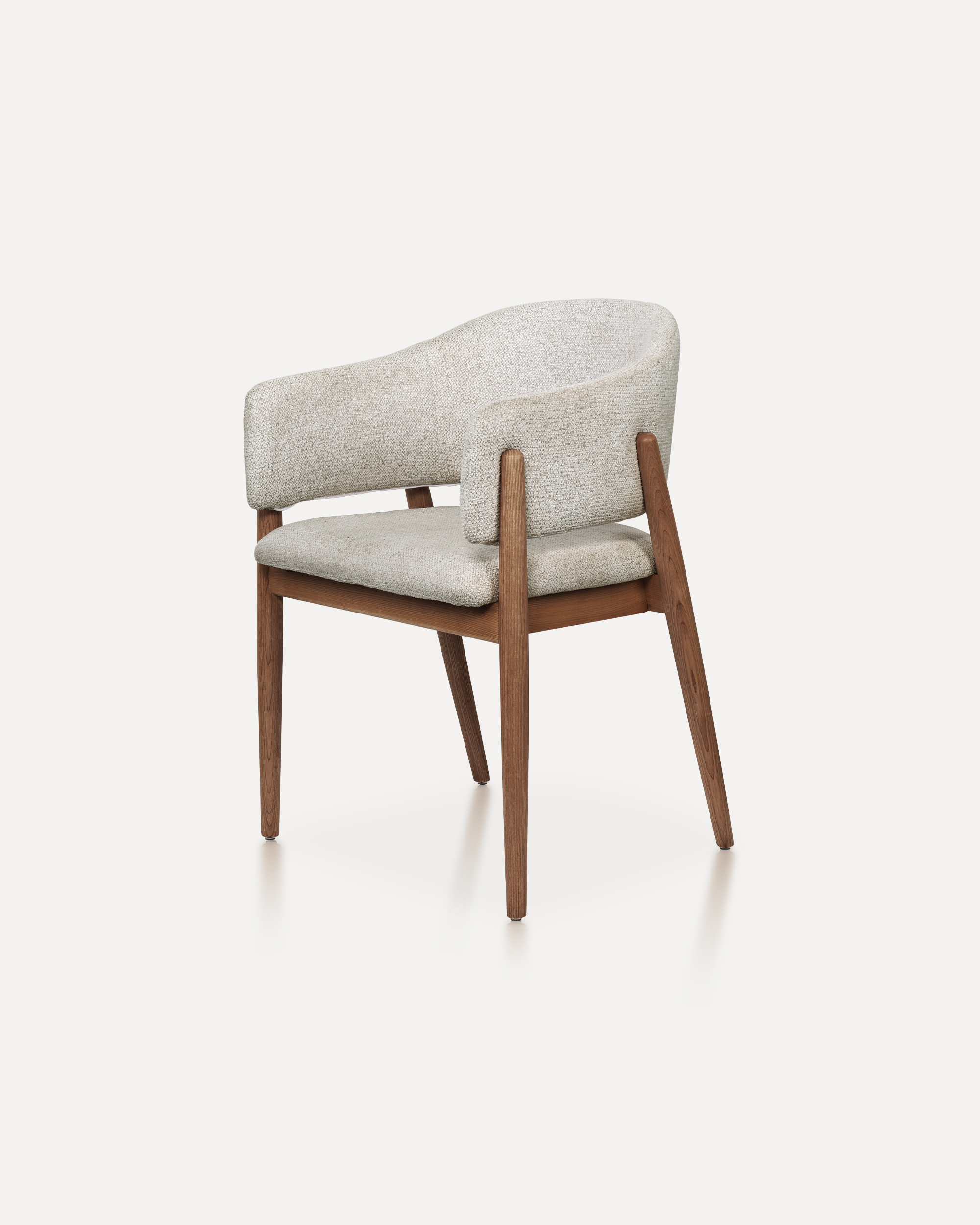
With its refined proportions and welcoming form, this chair brings quiet sophis...
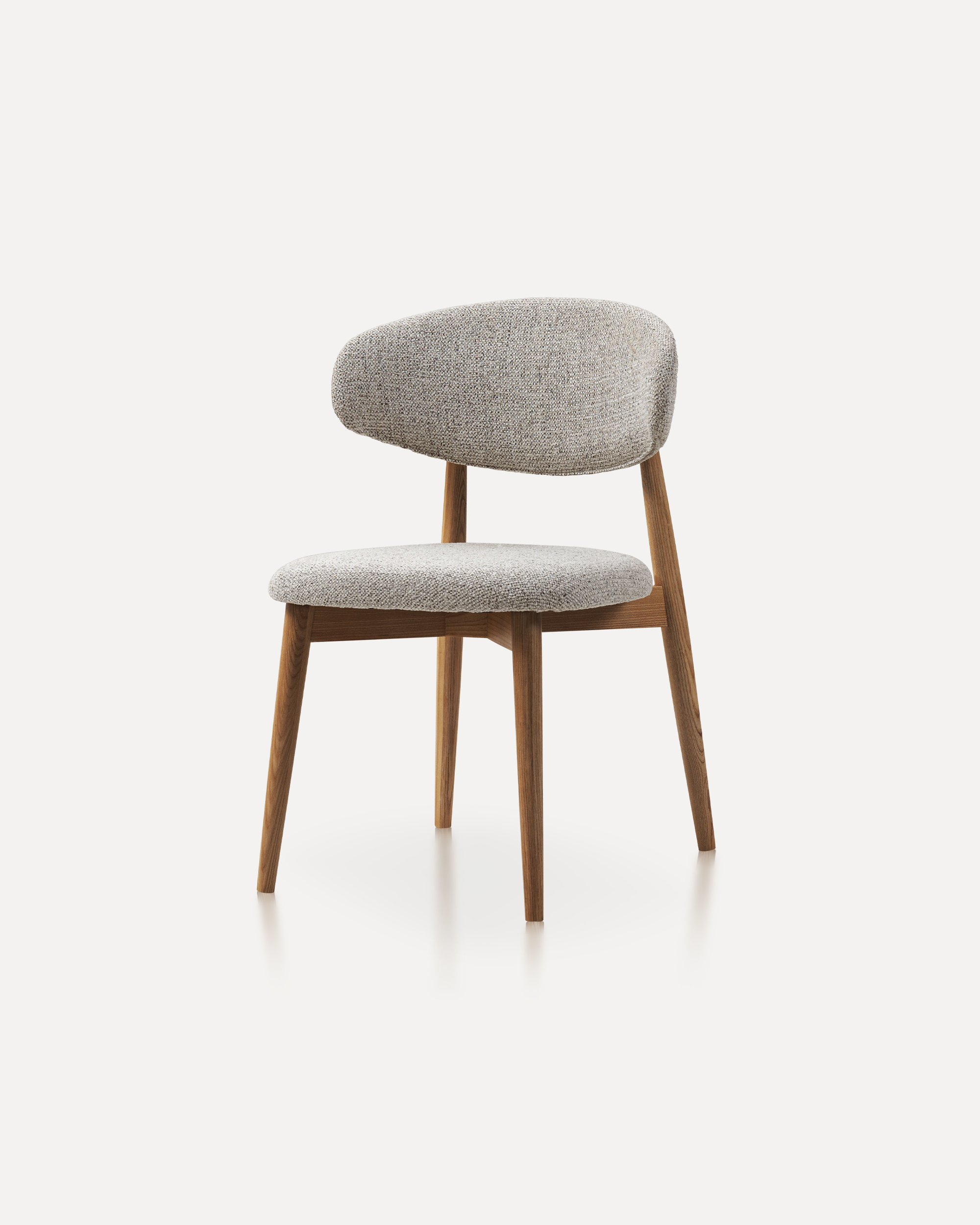
This wooden chair is a classic furniture piece that exudes warmth, durability, ...
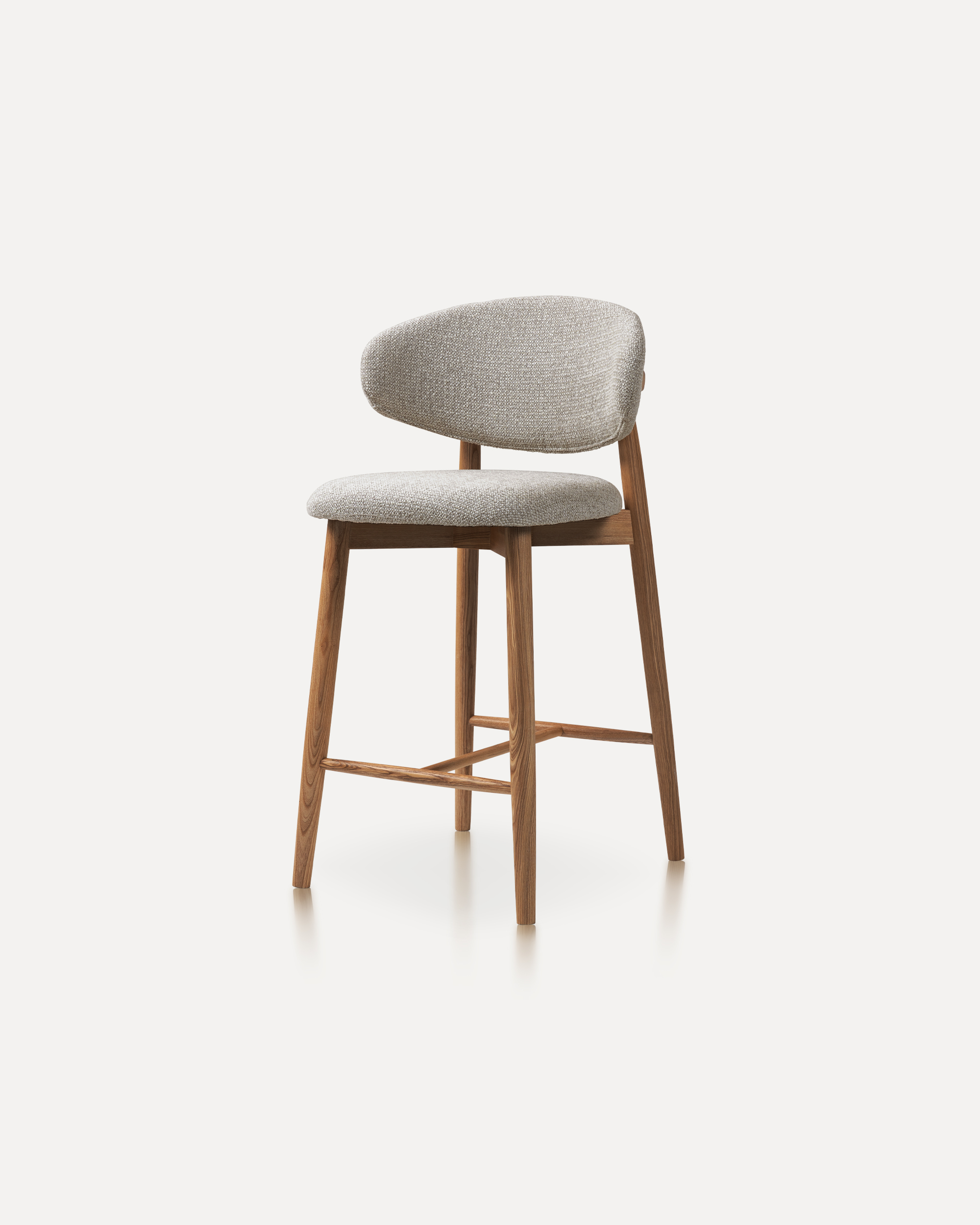
Our Wood Bar Stools are the perfect addition to any high-top table or bar setti...
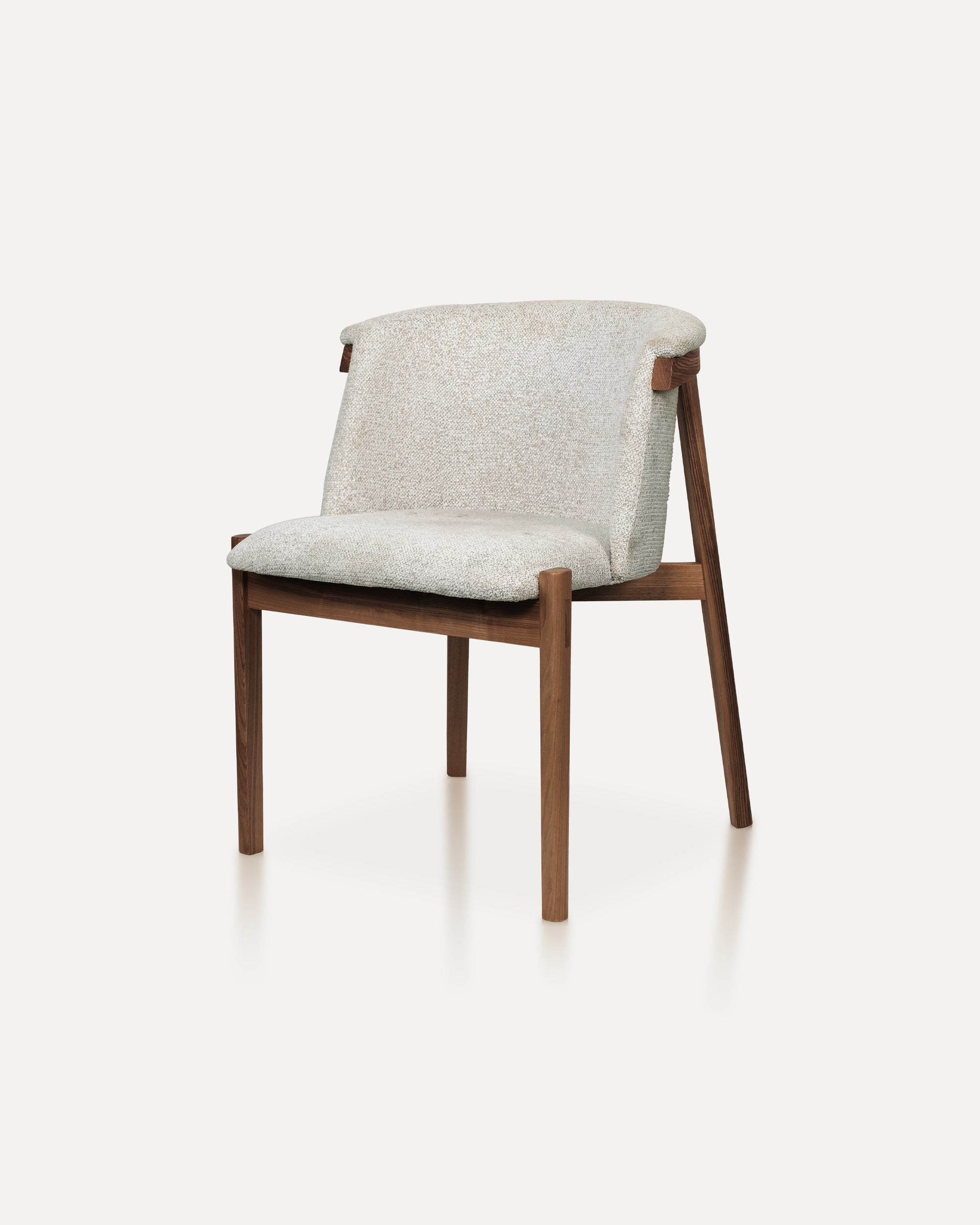
Bring natural elegance into your home with this finely crafted chair. The desig...
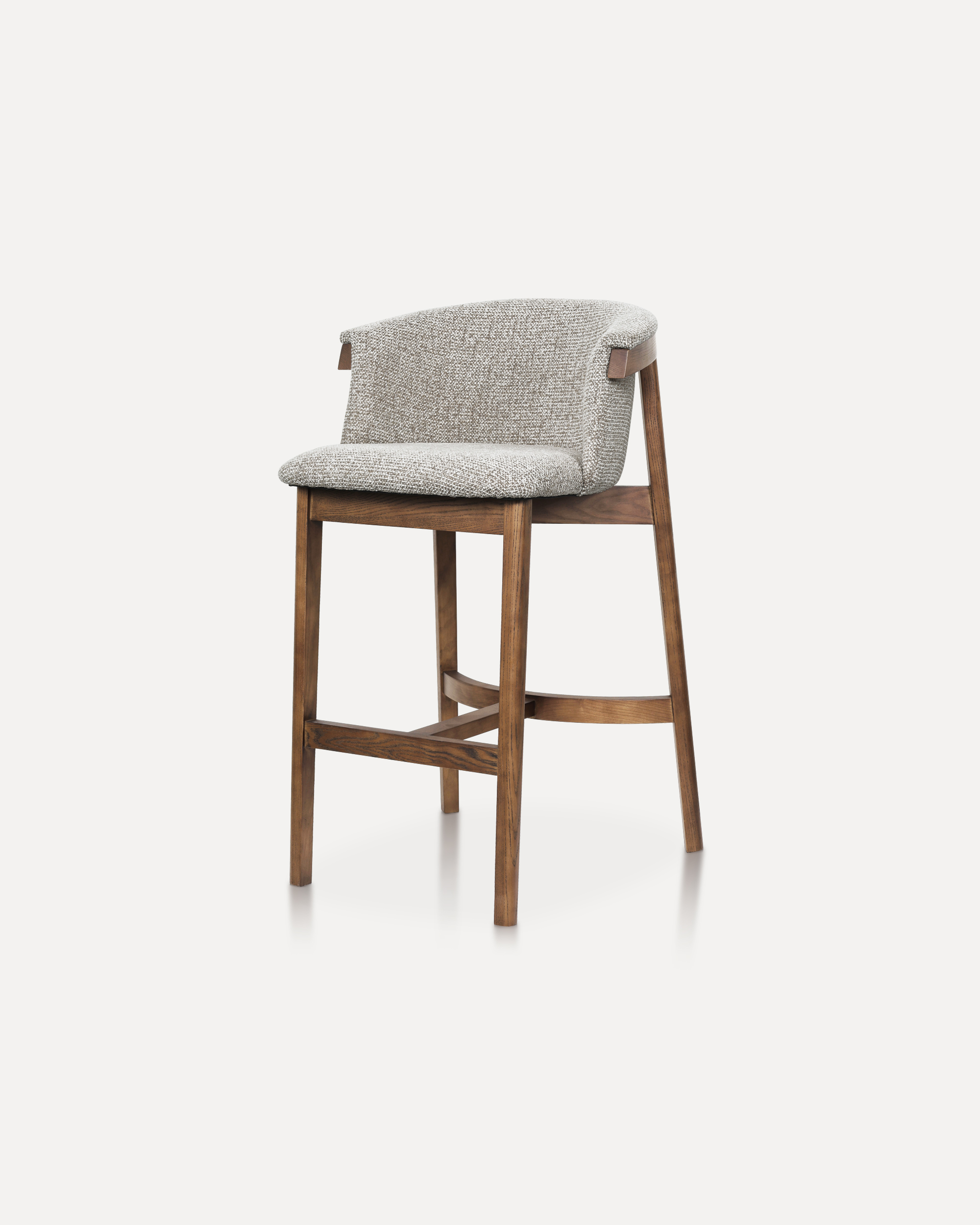
This sophisticated bar chair elevates any counter or high-top setting with its ...
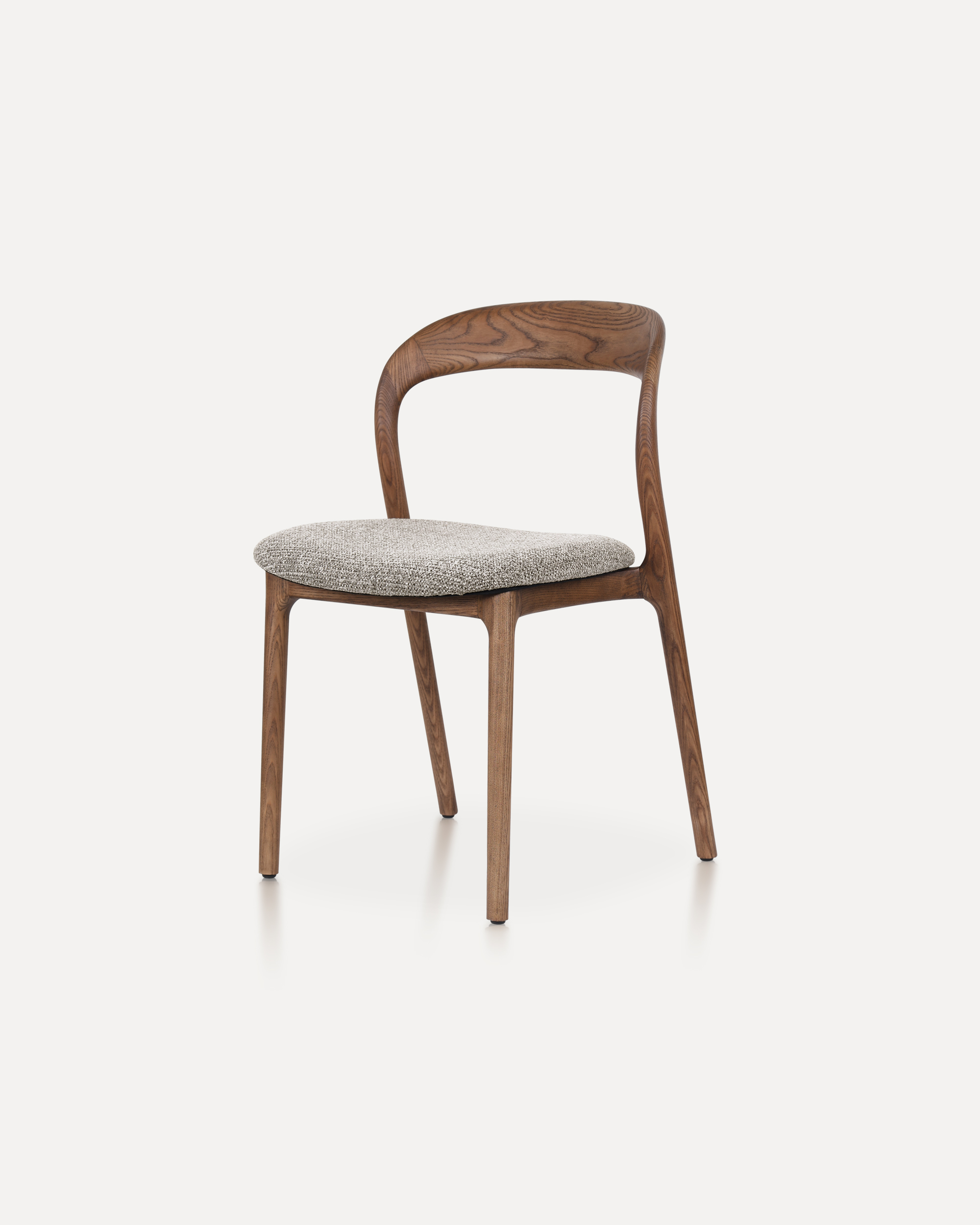
The Echo Chair is crafted from solid ashwood, featuring a unified back-and-arm ...
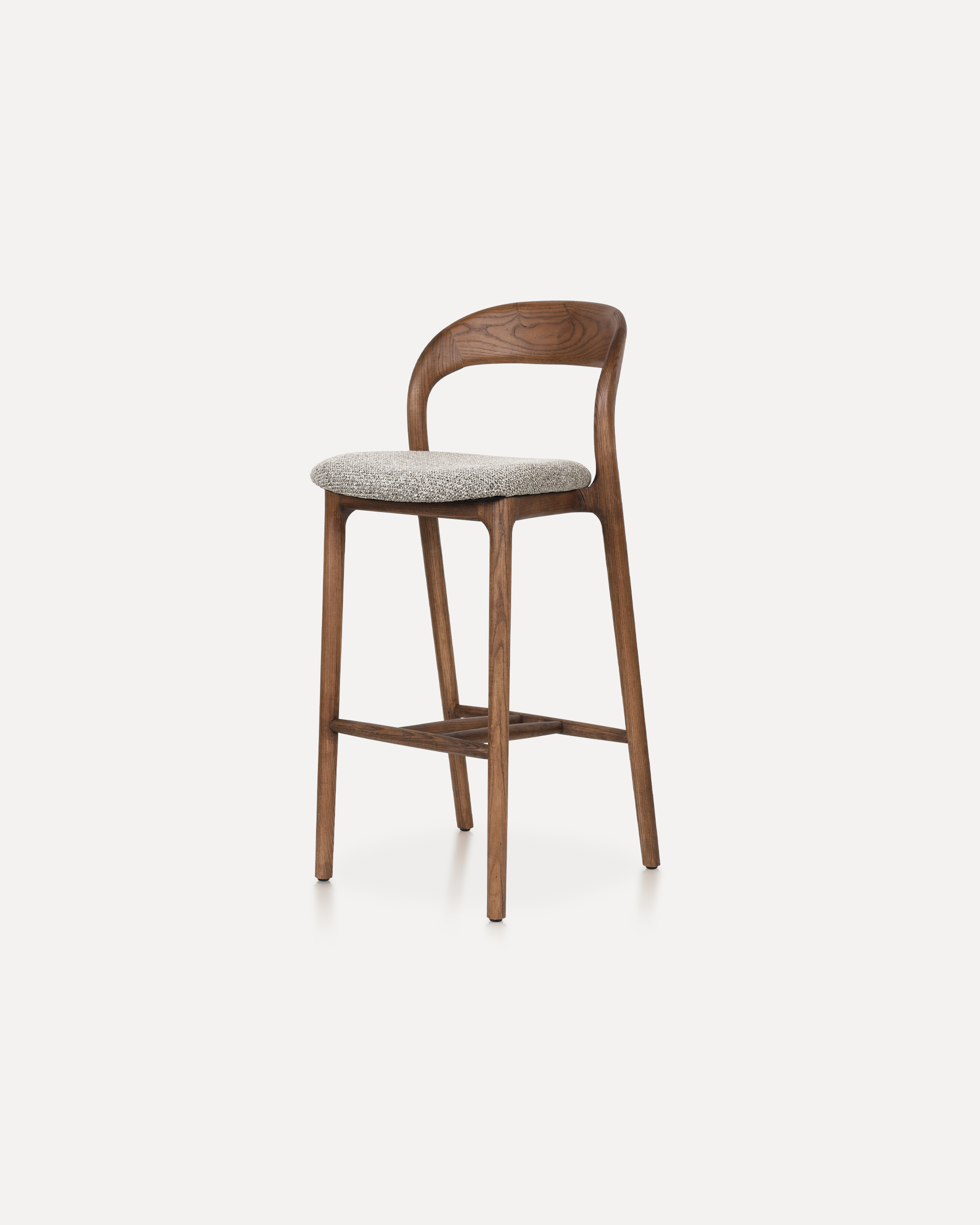
This Bar Chair is a counter-height seating solution crafted from solid ashwood ...
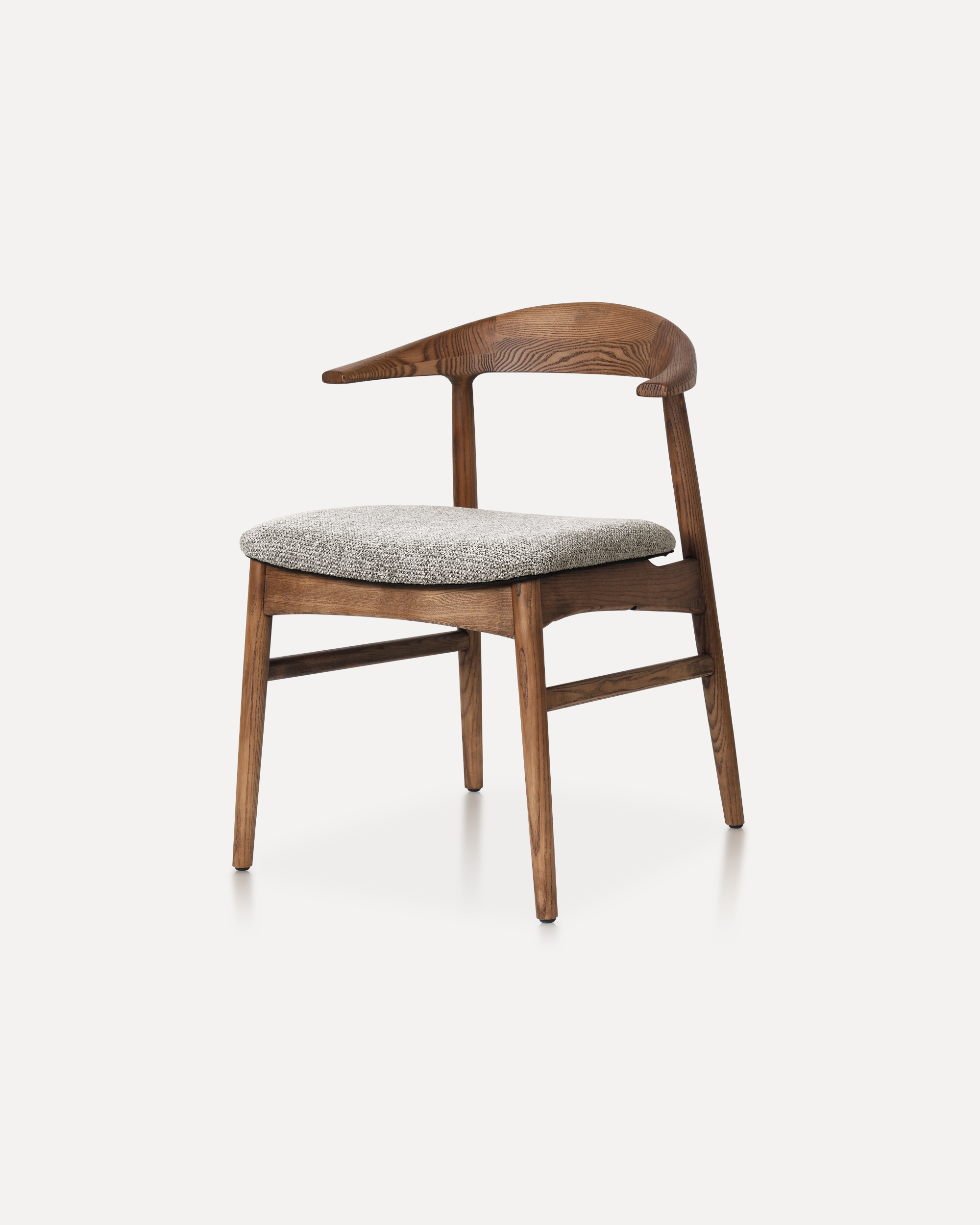
The Horizon Chair reinterprets mid-century warmth for today’s refined interiors...
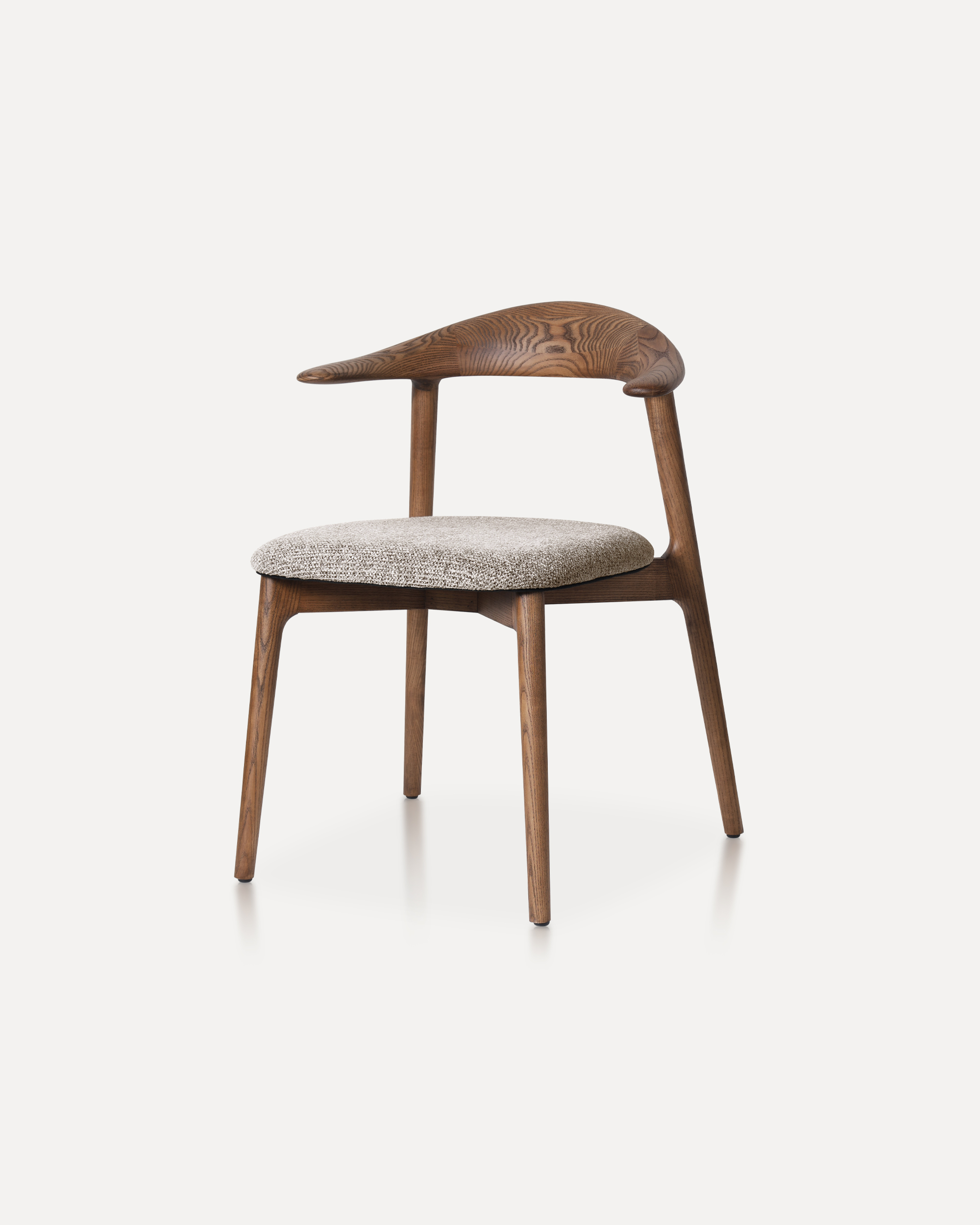
This classic features a striking, organic backrest carved from a single slab of...