
 English
  Français
 Español
Industry News
MENU

Content
Most people spend a lot of time choosing their dining table and then treat the chairs almost as an afterthought. But the reality is that dining chairs are the pieces you actually interact with every single day — you sit in them, pull them out, push them back, and spend everything from quick breakfasts to long dinner parties in them. The wrong chairs can make even a beautiful dining room feel uncomfortable, cluttered, or just slightly off in a way that is hard to put your finger on.
Good dining room chairs need to do several things at once: fit comfortably under your table, suit the scale of your room, match or complement your décor style, hold up to daily use, and ideally be easy to clean. That is a surprisingly demanding list of requirements, which is why taking a little extra time to understand what to look for pays off enormously in the long run.
This guide walks through every major consideration — from dimensions and materials to style pairings and care — so you can shop with confidence rather than guesswork.
Sizing is the most overlooked aspect of buying dining chairs, and it is also the one that causes the most regret after purchase. A chair that looks perfect in a showroom can feel cramped and awkward once it is actually sitting under your table at home. Before you browse a single style, measure first.
The most important measurement is the gap between the top of the chair seat and the underside of the tabletop — this is called the knee clearance, and it should be at least 7 to 8 inches (18–20 cm) for comfortable seating. Standard dining tables are typically 28 to 30 inches (71–76 cm) tall, which pairs well with standard dining chairs that have seat heights of 17 to 19 inches (43–48 cm). Counter-height tables at 34–36 inches require taller counter stools, while bar-height tables at 40–42 inches need bar stools. Always check the seat height specification against your actual table measurement before ordering.
Allow at least 6 inches (15 cm) of space between chairs when they are pulled up to the table. Most dining chairs are 16 to 20 inches wide, so for a 72-inch (6-foot) table, you can realistically seat three chairs comfortably on each long side — but only if each chair is around 18 inches wide and you account for the spacing between them. Overcrowding chairs makes the dining experience feel tight and prevents people from getting in and out easily.
Beyond the table itself, your dining room needs enough floor space for chairs to be pulled out fully without hitting a wall or sideboard. Plan for at least 36 inches (91 cm) between the edge of the table and any wall or furniture piece — 48 inches is more comfortable if the space allows it. This clearance accommodates a pulled-out chair plus room to walk behind a seated person.
Dining chair styles have multiplied enormously in recent years, but they broadly fall into a handful of categories. Knowing what each style brings to a room — and what it demands in return — helps you narrow the field quickly.
Upholstered dining chairs with padded seats and fabric or leather backs are the classic choice for formal dining rooms and family-focused spaces where comfort during longer meals is a priority. They add softness and warmth to a room and come in an endless variety of fabrics from linen and velvet to faux leather and performance weaves. The main practical consideration is that fabric upholstery can be harder to clean in households with young children or pets — choosing a performance fabric or leather makes a significant difference in longevity.
Solid wood dining chairs are among the most durable and timeless options available. Styles range from rustic farmhouse ladder-back chairs to sleek mid-century designs with tapered legs. Wood chairs are easy to clean, age well, and mix naturally with almost any table material — wood, marble, glass, or metal. The downside is that a fully wooden seat without cushioning can become uncomfortable during long dinners, which is why many people opt for wooden chairs with a seat pad or upholstered drop-in seat cushion.
Modern dining room chairs prioritize clean lines, minimal ornamentation, and materials like molded plastic, metal, or bent plywood. Iconic designs like the Eames shell chair, the Tulip chair, and various Scandinavian-inspired forms fall into this category. These chairs work beautifully in open-plan spaces and contemporary interiors, and they are often lighter and easier to move than traditional upholstered chairs. Many are stackable, which is a practical bonus in smaller homes.
A Parsons chair is fully upholstered from seat to back to legs, with no exposed wood frame. The result is a clean, architectural silhouette that works equally well in traditional and contemporary settings depending on the fabric chosen. Parsons dining chairs are extremely popular because they are comfortable, versatile, and make a strong visual statement when covered in a bold pattern or rich texture. They do require more fabric to reupholster than partially upholstered chairs, which is worth keeping in mind for long-term maintenance.
While not technically chairs, dining benches are increasingly used on one side of a rectangular table to maximize seating capacity and create a relaxed, casual feel. A bench paired with chairs on the opposite side is a popular combination in family dining rooms and kitchen-dining areas. Benches are also a practical choice for small spaces because they slide fully under the table when not in use, taking up less floor space than individual chairs.
The material of your dining chairs affects durability, comfort, maintenance, and visual weight in the room. Here is a direct comparison of the most common options.
| Material | Pros | Cons | Best For |
| Solid Wood | Durable, timeless, easy to clean | Can be hard without cushion, susceptible to moisture warping | Traditional, farmhouse, Scandinavian rooms |
| Upholstered Fabric | Comfortable, wide design range, soft look | Can stain, harder to clean, fabric wears over time | Formal dining rooms, adult households |
| Leather / Faux Leather | Easy to wipe clean, elegant, durable | Can crack over time, warm in summer, expensive for genuine leather | Families with kids, contemporary or industrial rooms |
| Metal | Very durable, lightweight options, modern look | Cold to the touch, can scratch floors, limited warmth | Industrial, modern, café-style dining spaces |
| Molded Plastic | Lightweight, stackable, easy to clean, affordable | Less luxurious feel, can yellow or crack with age | Contemporary, minimalist, or casual dining rooms |
| Rattan / Wicker | Lightweight, natural texture, boho appeal | Less durable, can snag clothing, harder to clean deeply | Coastal, bohemian, or relaxed casual dining rooms |
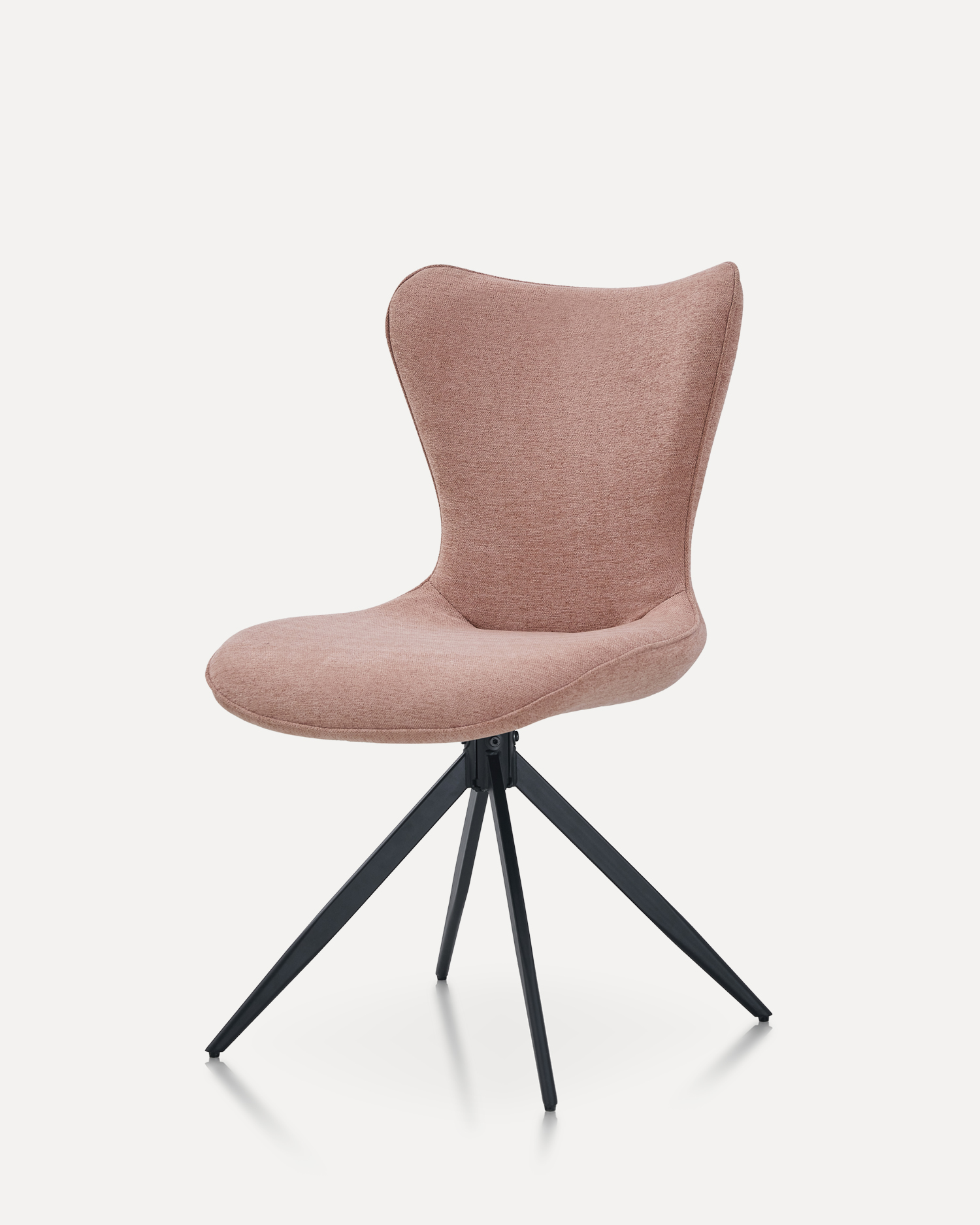
Matching dining chairs to a table does not mean everything has to be identical — in fact, perfectly matched sets can sometimes feel stiff and impersonal. The goal is visual cohesion, which can be achieved in several ways depending on your confidence level and interior style.
Buying a table and chairs as a matched set from the same manufacturer is the safest and most straightforward approach. The proportions, finishes, and style are designed to work together. This works especially well in traditional or formal dining rooms where cohesion and formality are the priority. The limitation is that matching sets can feel a little predictable, and replacing individual chairs if one gets damaged can be difficult if the product line is discontinued.
Using two different chair styles — for example, upholstered host chairs at the heads of the table and wooden side chairs along the long sides — is a widely popular approach that adds visual interest and personality. The key to making this work is finding a common element: the same wood finish, a shared color palette, or a similar leg profile. Without at least one unifying element, mixed chairs can look accidental rather than deliberate.
Some of the most striking dining room combinations deliberately contrast the table and chair materials. A marble-top table paired with warm walnut chairs, a rough reclaimed wood table with sleek metal chairs, or a glass table with velvet upholstered seats — these pairings work because the contrast creates visual balance. As a general rule, if your table has strong visual weight (dark wood, stone, or a large solid mass), lighter or more open chair designs prevent the combination from feeling heavy. If your table is light and airy (glass, light wood, slim legs), you can afford chairs with more substance.
A chair that looks beautiful but is uncomfortable to sit in for more than twenty minutes is a poor investment for a dining room. Comfort in a dining chair comes from several specific structural features that are easy to evaluate if you know what to look for.
In apartments, small homes, or open-plan spaces where the dining area is carved out of a living room corner, choosing the right dining chairs can make the difference between a room that feels tight and one that feels cleverly designed.
Chairs with slim profiles and open bases — such as metal wire chairs, acrylic ghost chairs, or slim-legged wooden designs — allow light and sightlines to pass through them, reducing the visual density of the dining setup. Stackable dining chairs are another smart choice for small spaces: they can be stored away when guests leave, reclaiming floor space in a room that has to serve multiple functions.
Transparent acrylic chairs, popularized by the Philippe Starck Louis Ghost chair, are particularly effective in tight spaces because they reflect light and practically disappear visually, making the room feel larger than it is. They pair equally well with rustic wood tables, marble surfaces, and sleek modern designs, making them one of the most versatile small-space chair options available.
Dining chairs take a lot of punishment — spilled wine, greasy fingers, general daily wear. Keeping them looking good depends on using the right cleaning approach for each material rather than a one-size-fits-all method that could do more harm than good.
Blot spills immediately with a clean, dry cloth — never rub, as this pushes the stain deeper into the fabric. For regular cleaning, vacuum the seat and back with an upholstery attachment to remove crumbs and dust. For spot cleaning, check the manufacturer's cleaning code: W means water-based cleaners are safe, S means solvent-based only, WS means either, and X means vacuum only. Applying a fabric protector spray when the chairs are new adds a useful line of defense against future stains.
Wipe genuine leather dining chairs with a damp cloth for everyday cleaning, then dry immediately. Use a leather conditioner every 6 to 12 months to prevent drying and cracking — this step is often skipped but makes a dramatic difference in how leather chairs age. Faux leather can be wiped with a mild soap and water solution, but avoid harsh chemicals that can break down the surface coating over time. Be particularly gentle on the seams and creases where faux leather tends to peel first.
Wipe wooden dining chairs with a damp cloth and dry promptly to prevent moisture from penetrating the grain. Avoid soaking the wood or leaving wet cloths in contact with the surface. For lacquered or painted wood, a gentle all-purpose cleaner works well. For oiled wood finishes, periodic re-oiling with the appropriate wood oil keeps the surface protected and nourished. Felt pads on chair feet protect both the floor and the chair legs from scratching and wear over time.
Metal and plastic dining chairs are the easiest to maintain. A wipe-down with a damp cloth and mild detergent is sufficient for most cleaning needs. For powder-coated metal chairs, avoid abrasive cleaners that can scratch the coating and expose the underlying metal to rust. Polished or brushed metal surfaces can be wiped with a microfiber cloth to maintain their sheen. Plastic chairs can yellow over time with UV exposure — if they are used outdoors or near sunny windows, this is worth keeping in mind when choosing color.
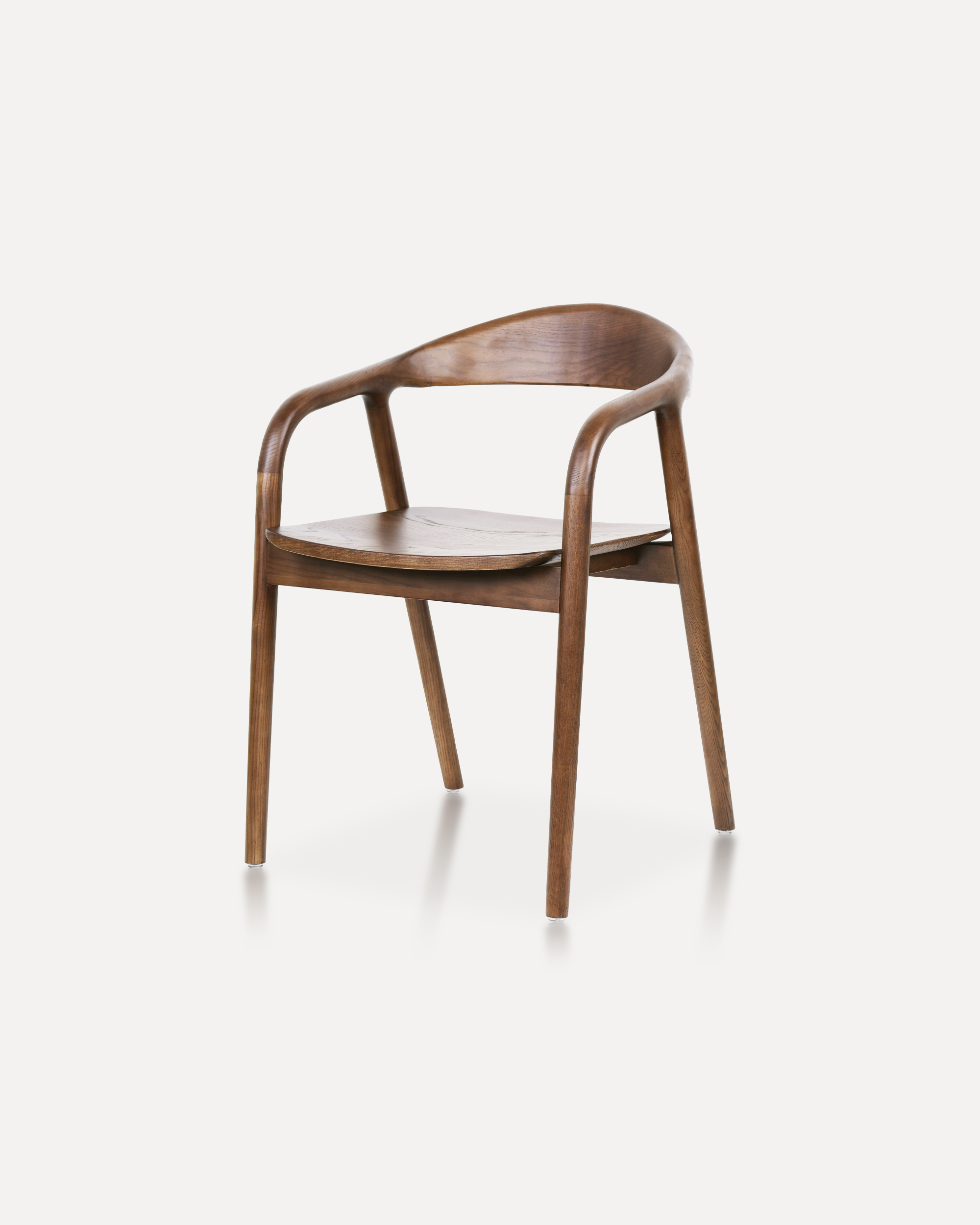
Crafted entirely from solid ash wood, this chair embodies a refined balance of ...
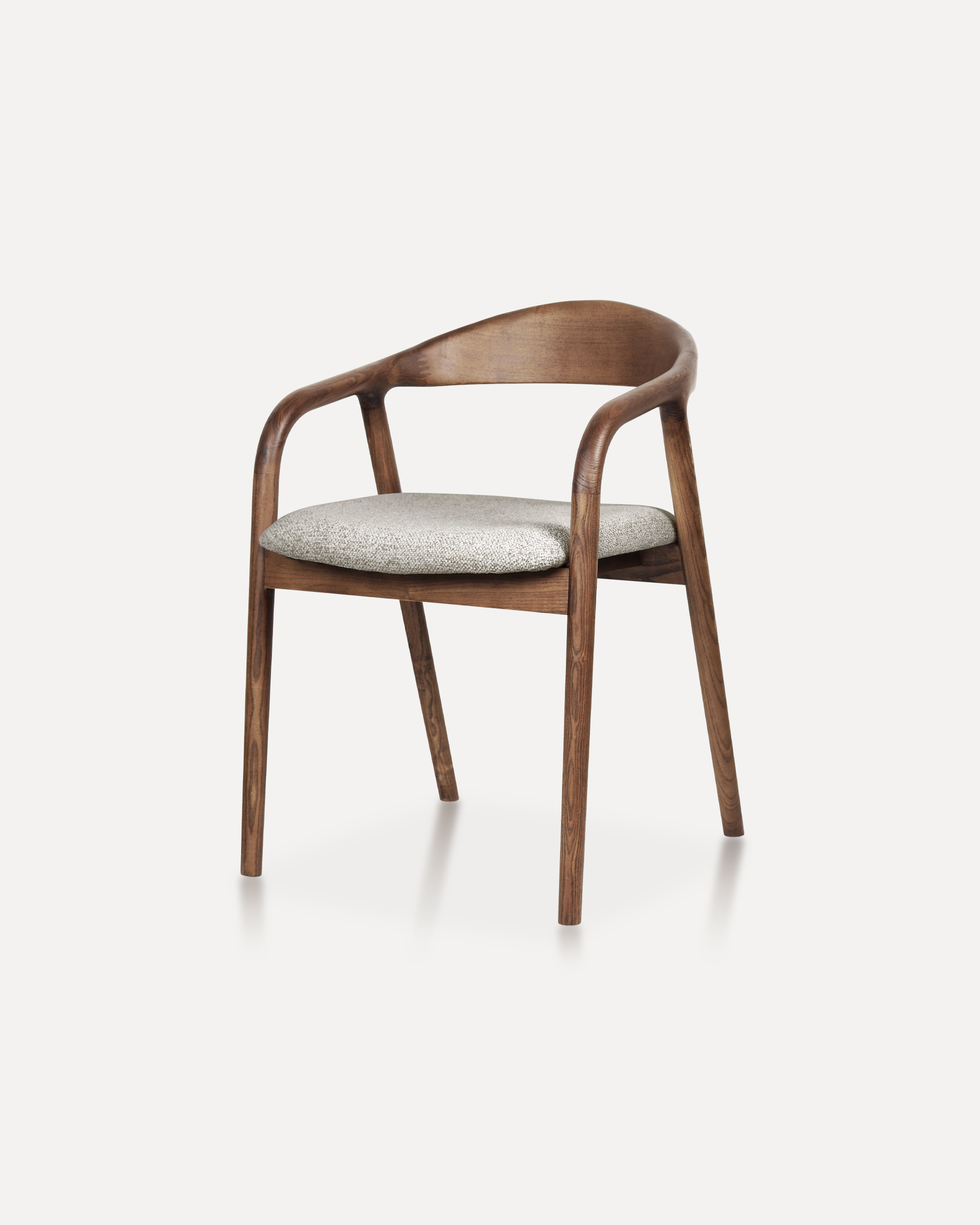
Showcases a refined silhouette with smooth, curved armrests and a gently rounde...
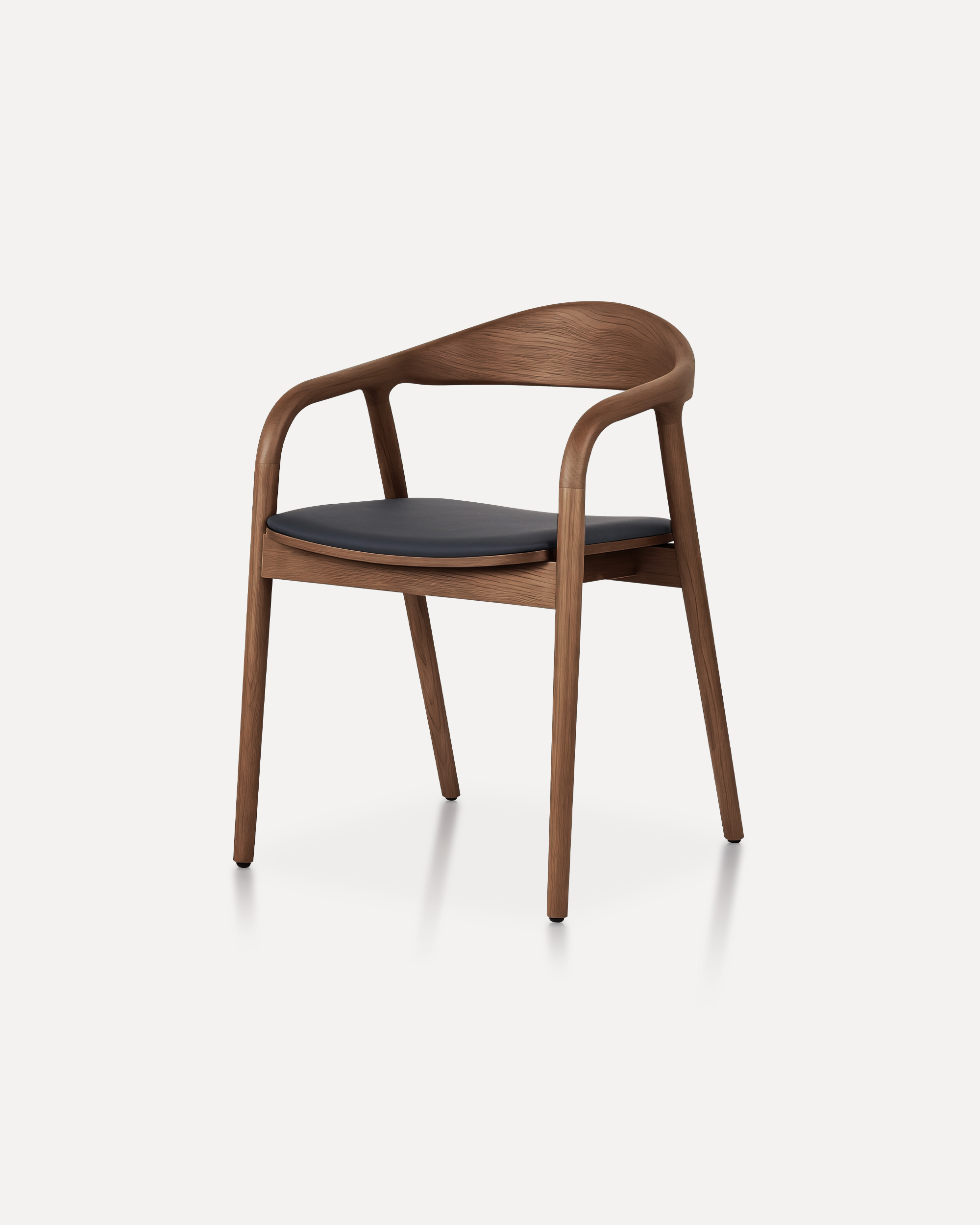
A masterclass in refined joinery and organic geometry, the Arc Chair features a...
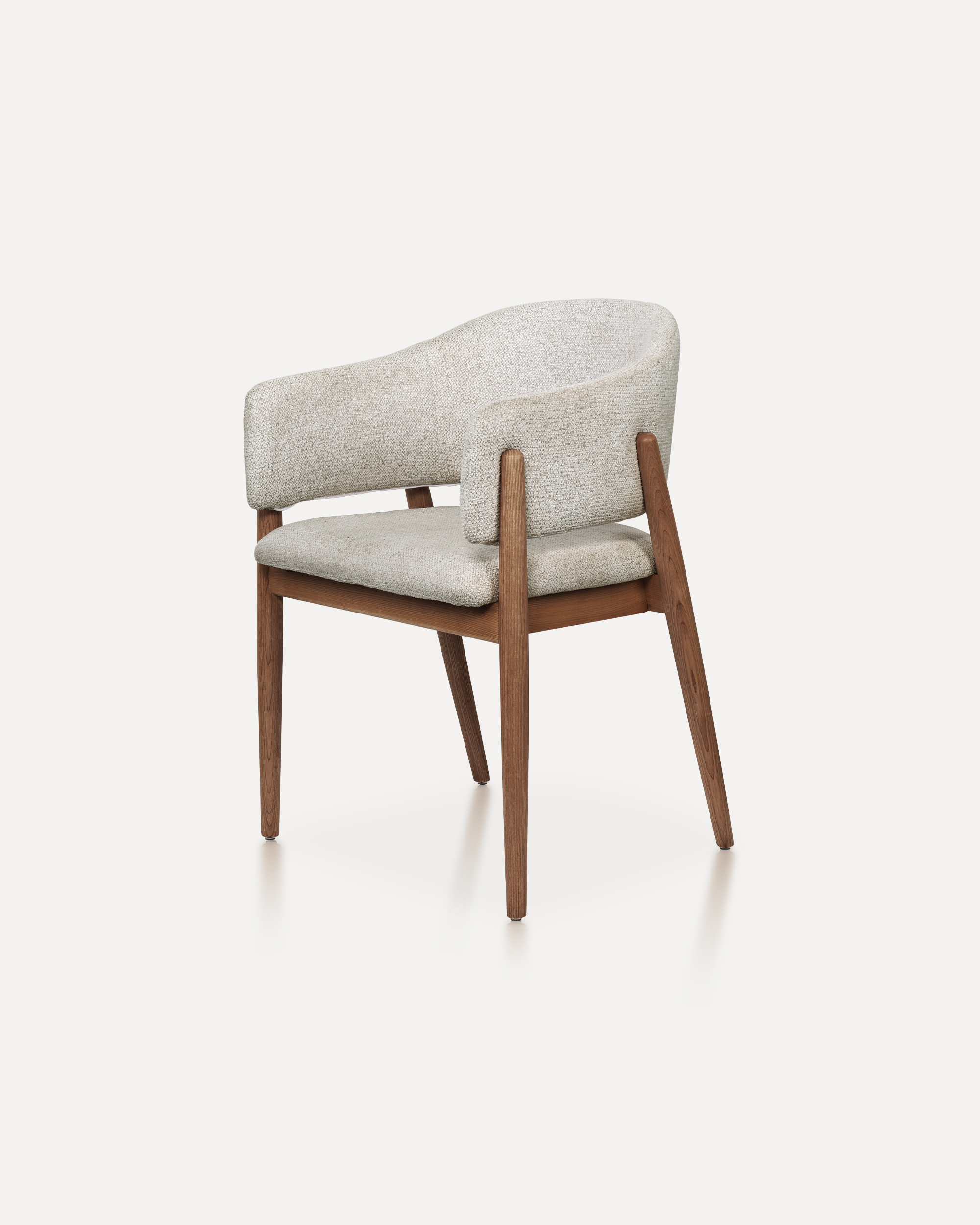
With its refined proportions and welcoming form, this chair brings quiet sophis...
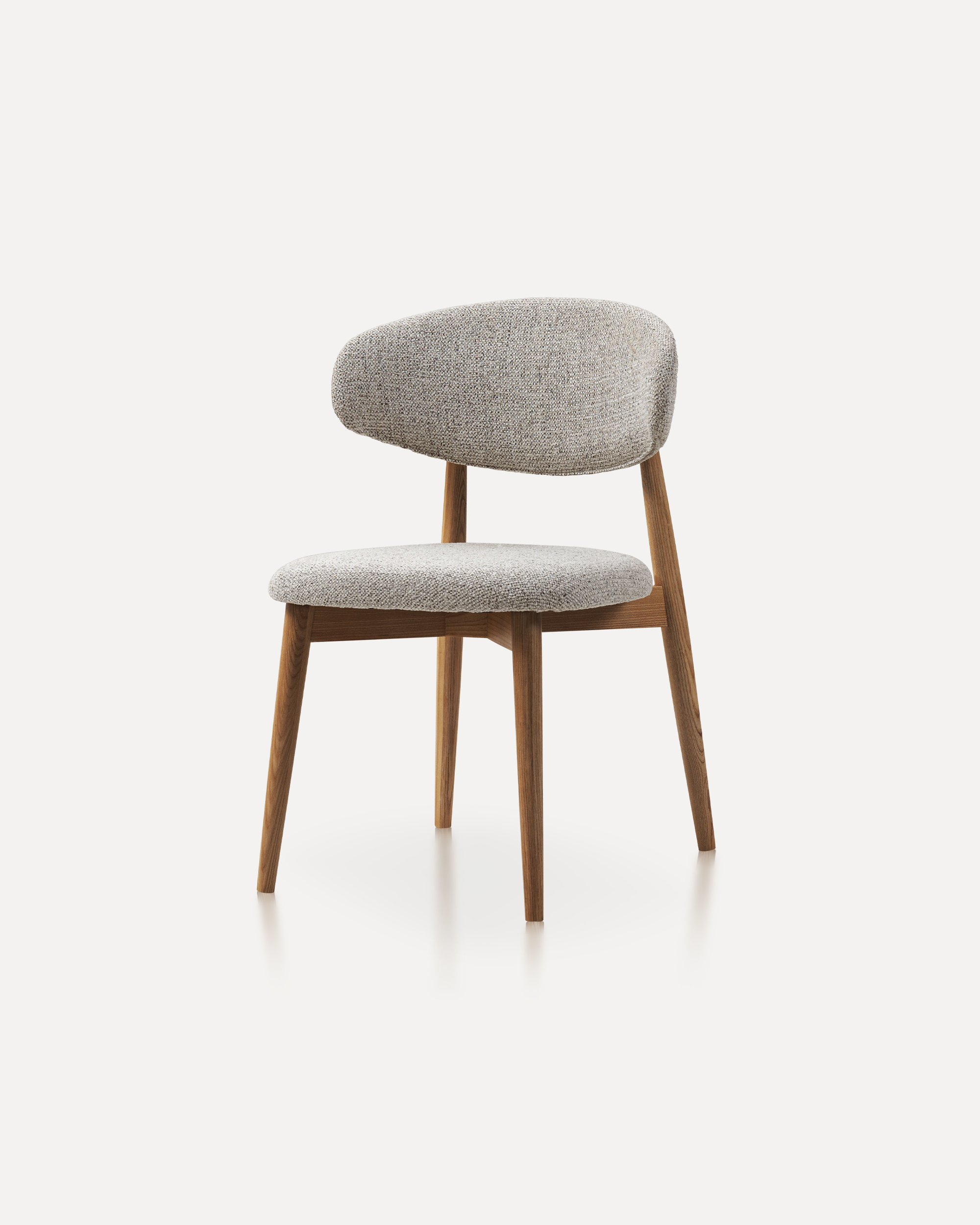
This wooden chair is a classic furniture piece that exudes warmth, durability, ...
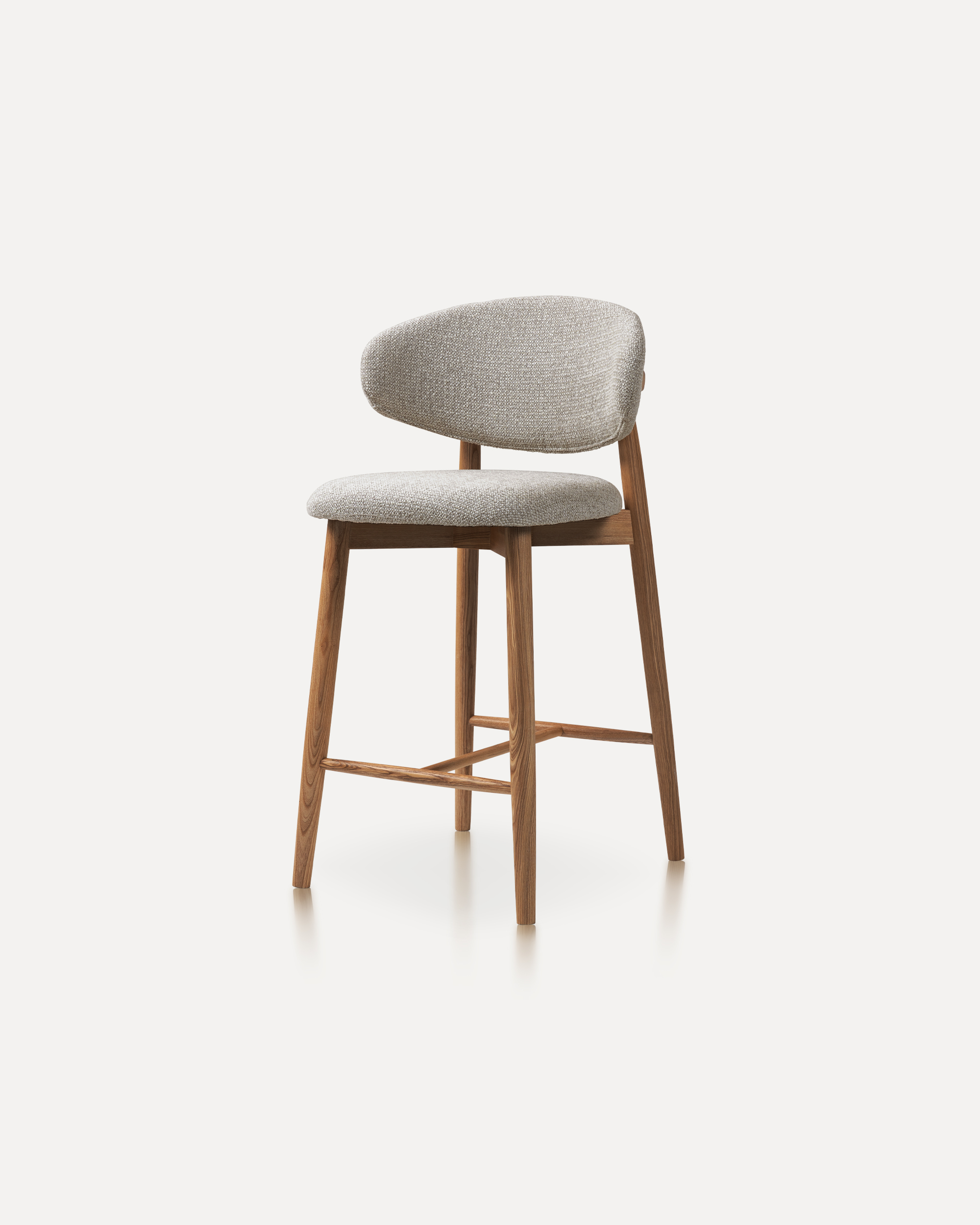
Our Wood Bar Stools are the perfect addition to any high-top table or bar setti...
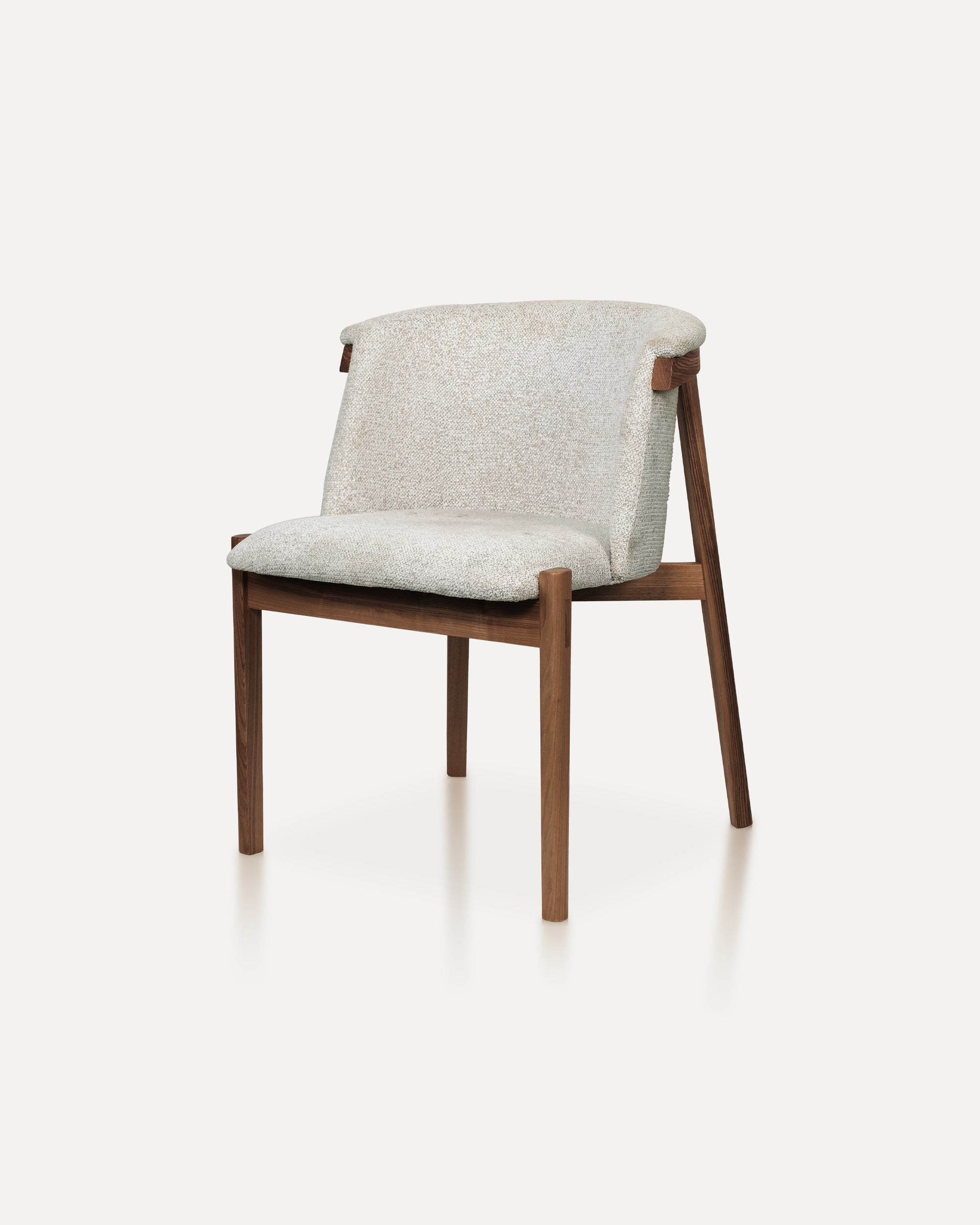
Bring natural elegance into your home with this finely crafted chair. The desig...
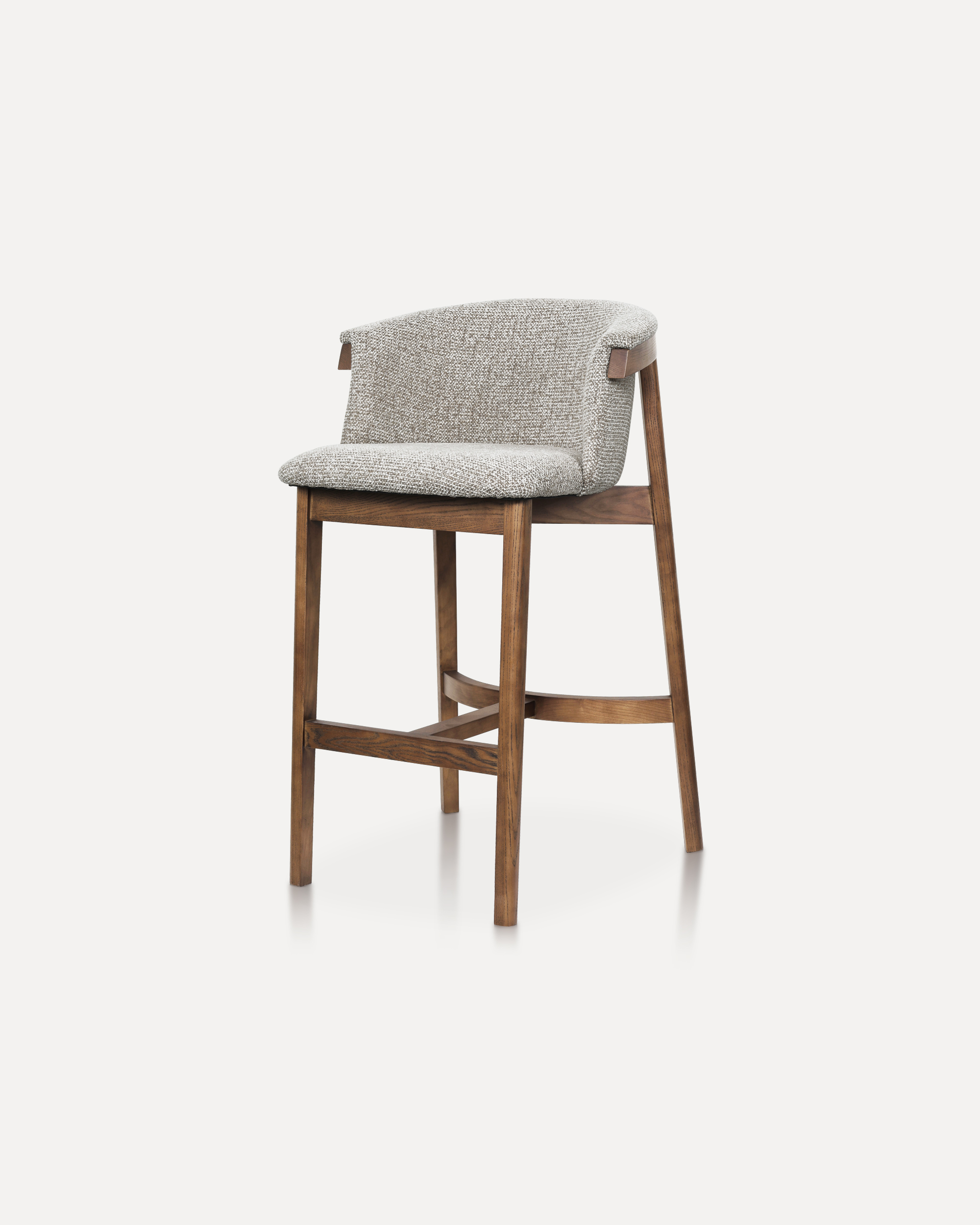
This sophisticated bar chair elevates any counter or high-top setting with its ...
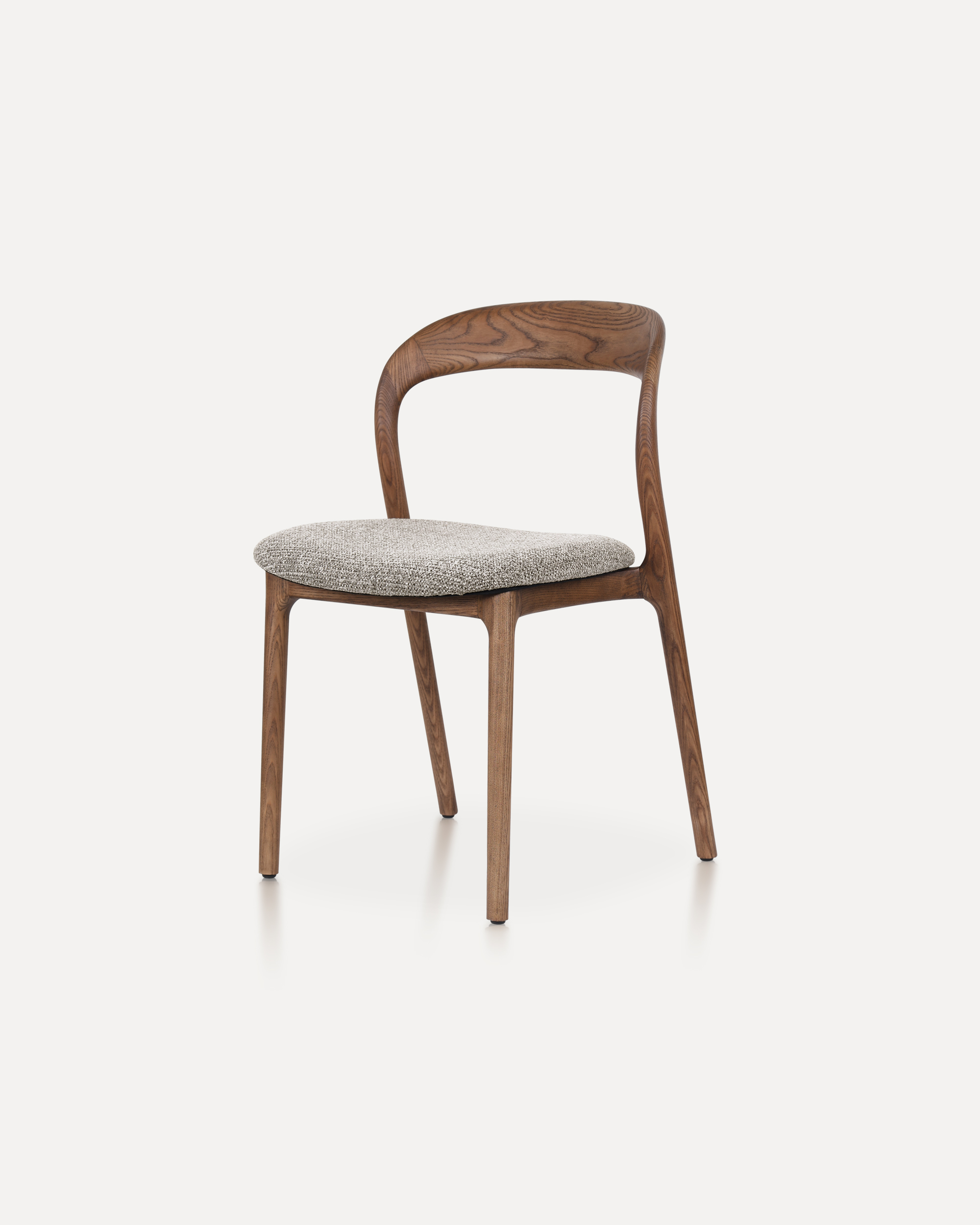
The Echo Chair is crafted from solid ashwood, featuring a unified back-and-arm ...
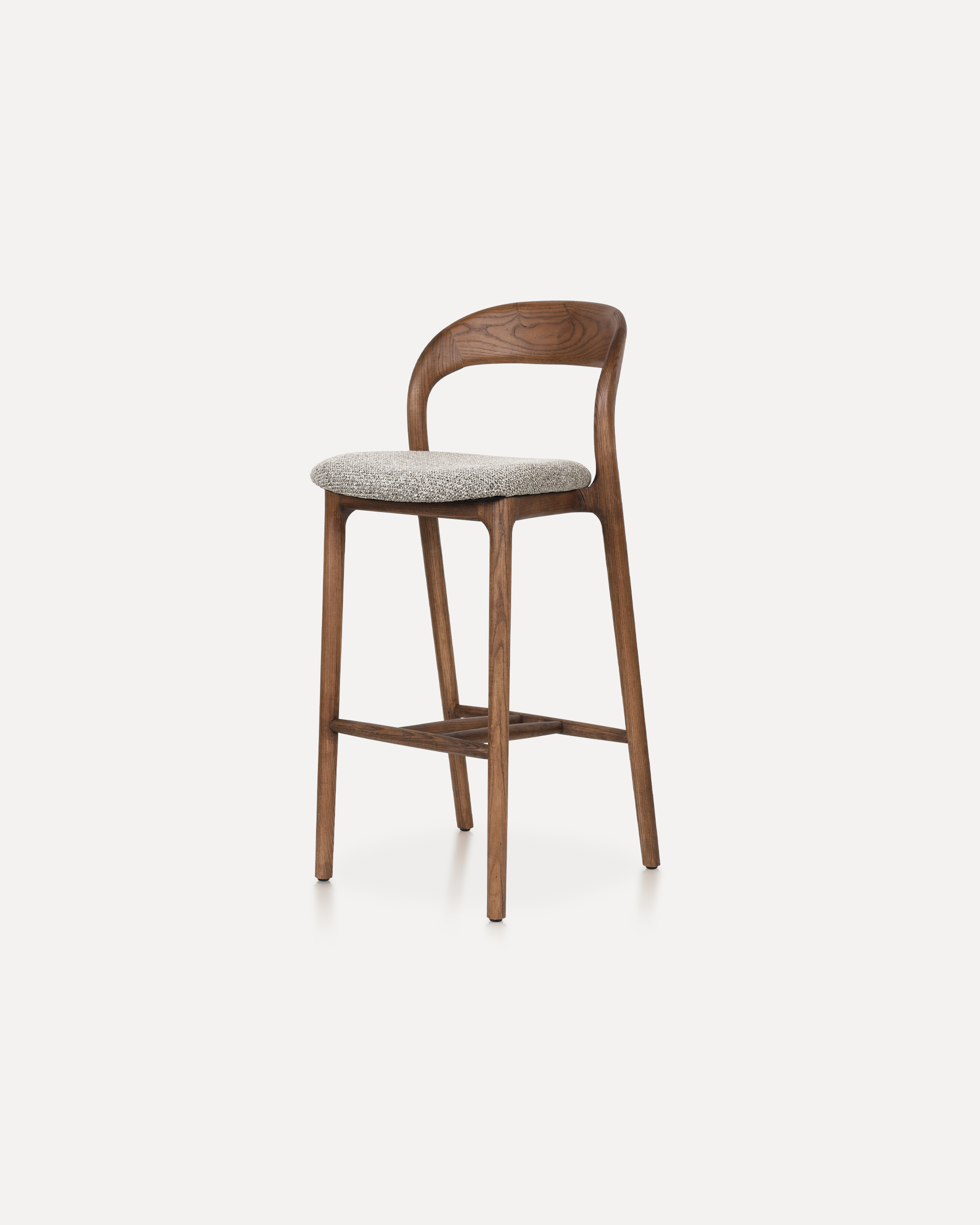
This Bar Chair is a counter-height seating solution crafted from solid ashwood ...
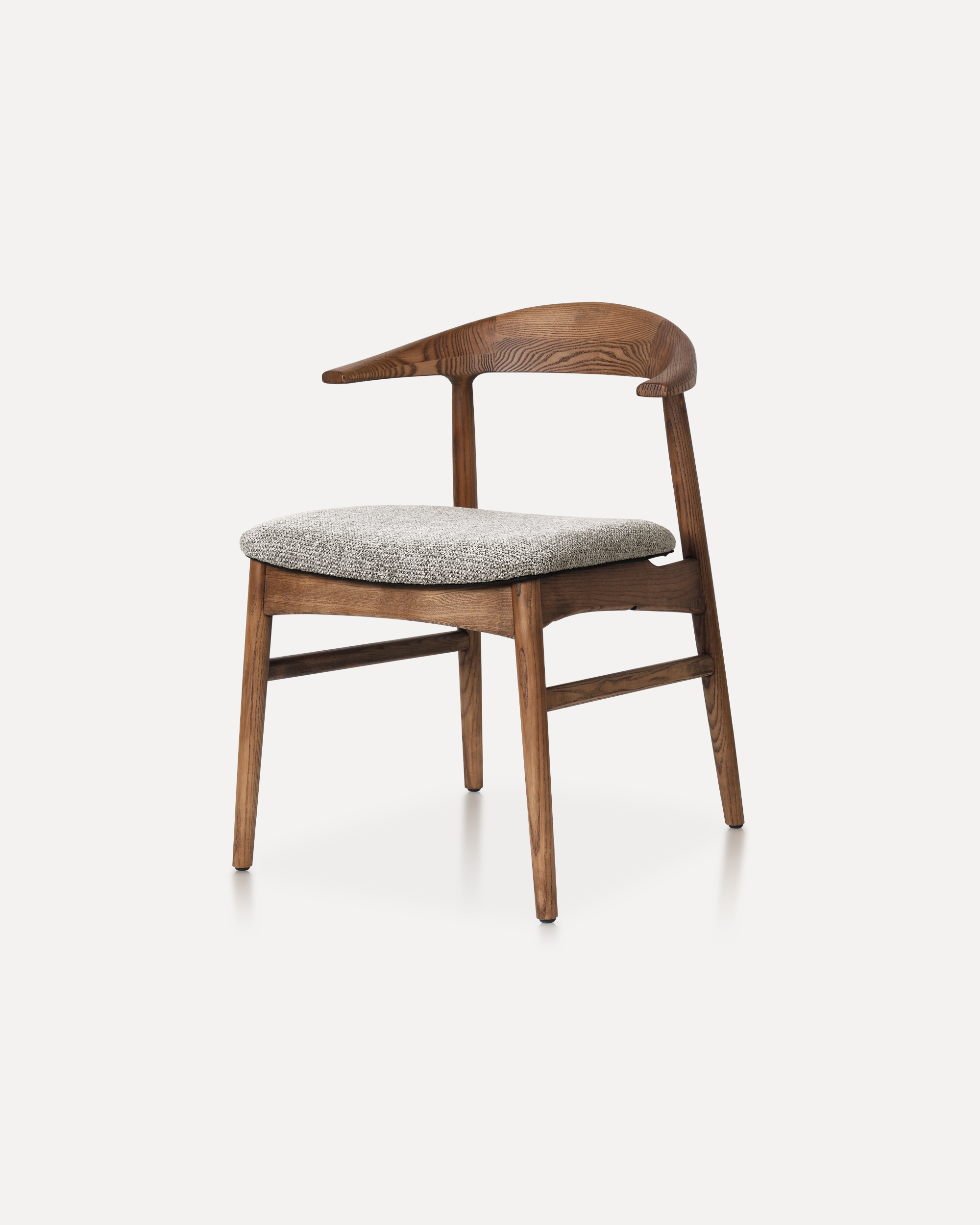
The Horizon Chair reinterprets mid-century warmth for today’s refined interiors...
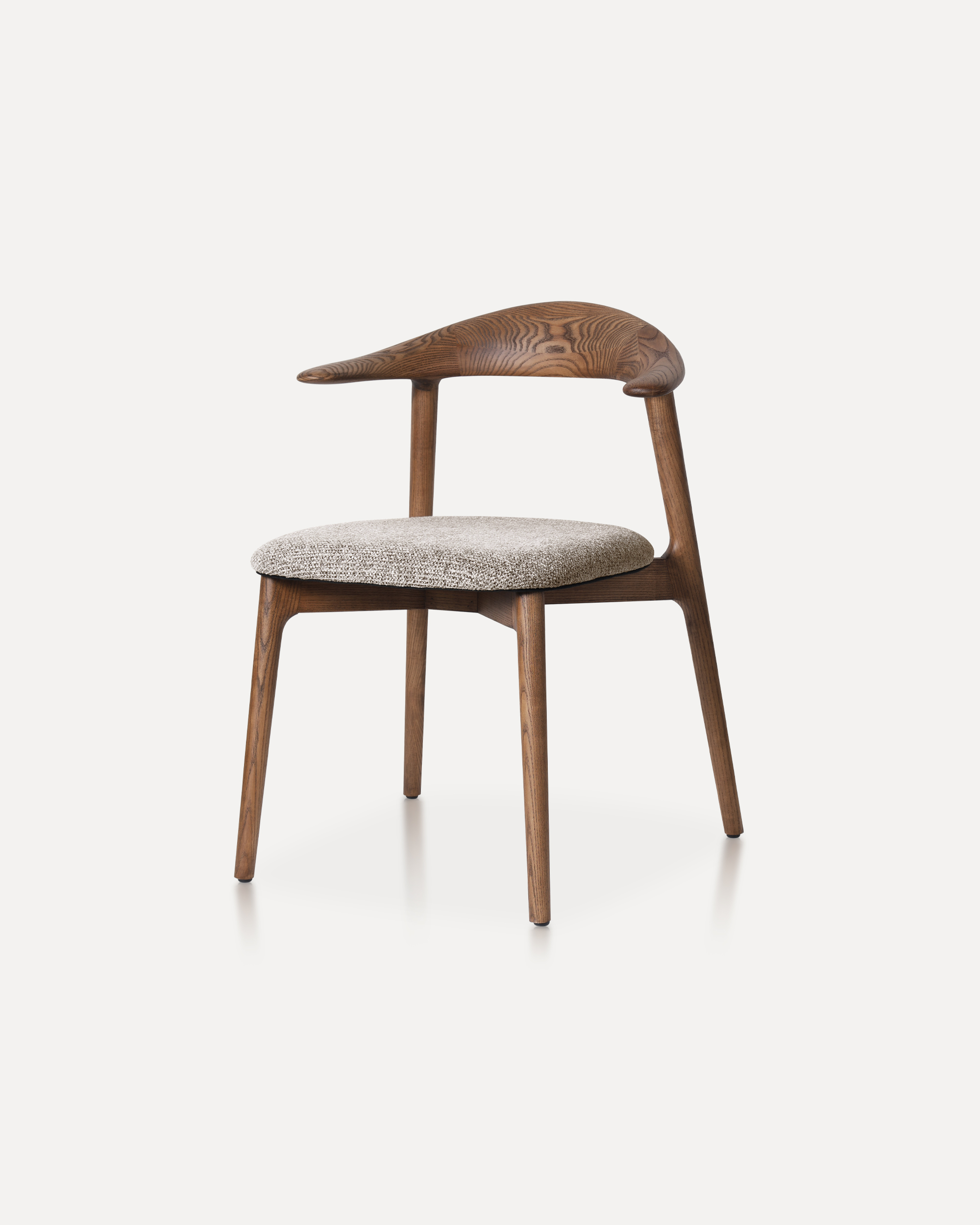
This classic features a striking, organic backrest carved from a single slab of...