
 English
 Français
 Español
Industry News
MENU

Bar stools are one of those pieces people tend to buy twice: the first pair is chosen for looks, the second for comfort. We have been building wooden chairs in Anji since 2001, and the questions our customers ask about bar stools have barely changed in all that time — will the seat land at the right height, will the footrest be where my feet expect it, and will the joints still be tight in five years.
This short guide walks through those questions in the order that actually matters, from the tape measure outward to the wood, the finish and the daily care that keeps a stool looking new.
Content
Every comfortable bar stool begins with a number. Measure from the floor to the underside of your counter or bar top, then subtract roughly 25–30 cm (10–12 inches). That gap is the room your thighs need to slide in and out without brushing the counter. If the gap is smaller, guests end up perching; if it is larger, they lean forward and the backrest does nothing useful.
In practice most projects fall into two families: counter height for kitchen islands and breakfast bars, and bar height for dedicated bar counters. Measure the seat height — floor to the top of the seat — rather than the back height, because catalogue numbers sometimes quote the taller figure.
| Setting | Counter height | Suggested seat height | Usual stool type |
|---|---|---|---|
| Kitchen island | 90 cm (36 in) | 60–65 cm (24–26 in) | Backless or low back |
| Home bar counter | 105 cm (42 in) | 75–80 cm (29–31 in) | Low back with footrest |
| Commercial bar | 110 cm (43 in) | 80–85 cm (31–33 in) | Upholstered back |
| Multi-use or event seating | Varies | Pair a 65 cm and a 75 cm frame | Stackable, light frame |
Our own bar-height frames are developed around these two standards in solid ash and rubberwood, so the decision usually comes down to the room rather than the geometry. You can see the current bar-height line here.
 Cream Upholstered Mid-Century Bar Stool with Curved FootrestAsh-framed stool with cream upholstery, 68 cm seat height and a curved rear-leg footrest, suited to counter and home-bar settings.View Product →
On a chair, the floor does the work. On a stool, the footrest does. It should sit roughly 40–45 cm below the seat top, so the foot lands flat with the knee slightly bent rather than dangling or tucked up. A well-placed footrest takes weight off the thighs and stops guests from hooking their heels around the stretcher, which is the single most common cause of early frame fatigue in busy bars.
A bar stool seat is usually shallower than a dining chair seat — around 38–42 cm is generous enough for a long evening without cutting behind the knee. Width matters more than people expect: 40 cm and up feels relaxed, while anything under 35 cm starts to feel like a perch. Back height is a question of setting. Backless stools disappear under an island and suit short visits; a low-to-mid back gives support for meals and conversation. If the stool will be used for eating rather than perching, choose the back.
The timber sets the tone of the piece as much as its price. Three choices cover most projects.
Ash is the classic bar stool timber. It is dense, takes a bend or a curve cleanly, and shows a long, open grain that reads well under a clear or lightly pigmented finish. European ash in particular machines to a crisp edge, which is why sculpted seats and arched backs are usually made from it. We specify FSC-certified, traceable stock and control moisture content carefully before machining, since a stool leg is a thin section that will move if the wood was not dried properly.
Rubberwood is the practical option for volume orders and painted finishes. Its grain is tight and even, it holds a screw well, and it keeps costs sensible for cafés, rental fleets and multi-unit residential projects. It is not a compromise so much as a different job.
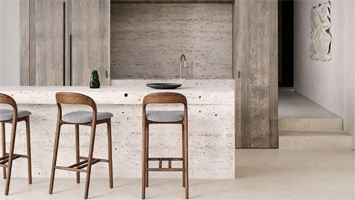
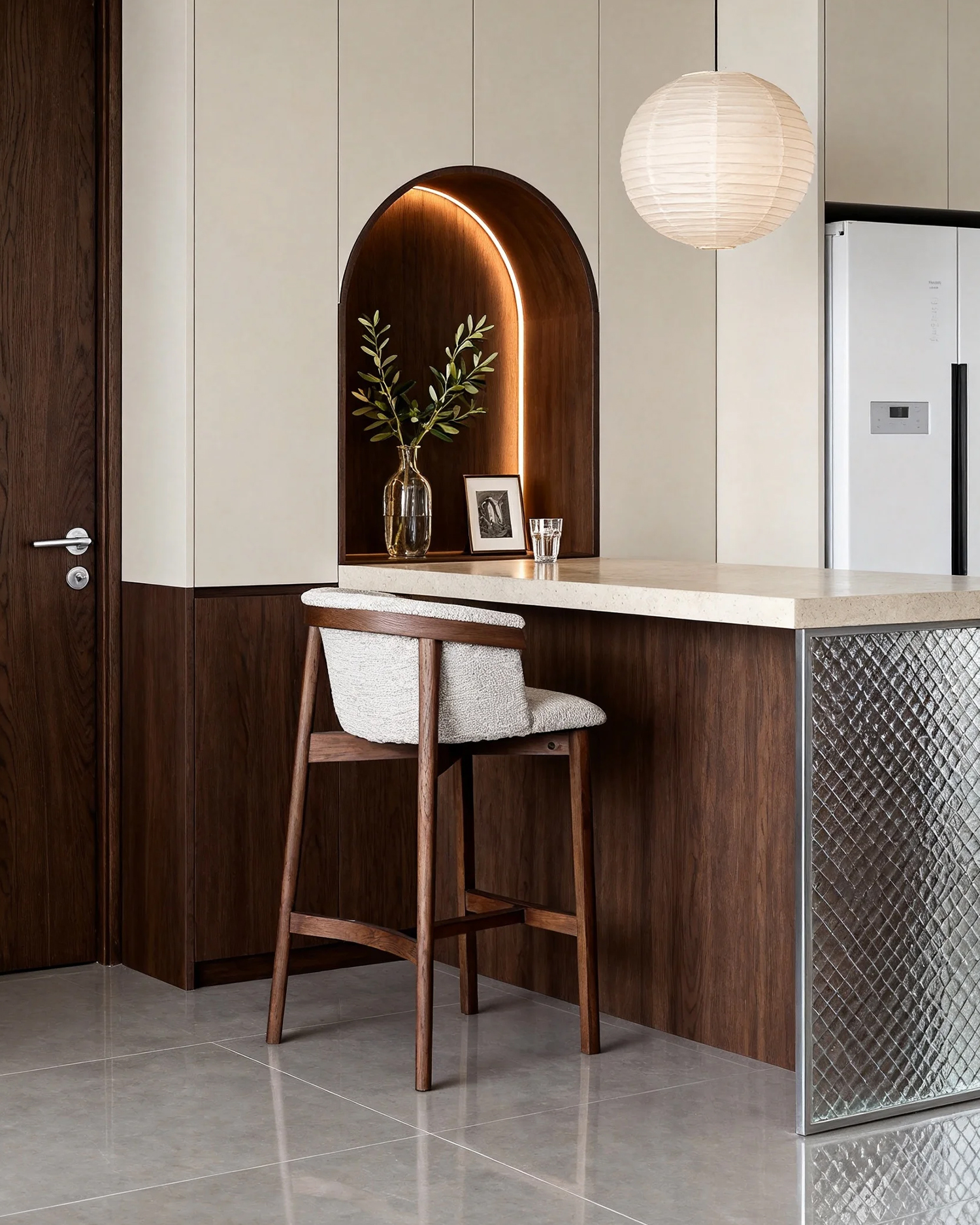
Walnut-toned finishes give you the warmth and depth of darker timber without the price volatility, and they sit naturally beside stone counters and dark cabinetry.
 Walnut-Toned Ash Bar Stool for Commercial or Home BarsAsh wood frame and upholstered ergonomic seat in a 68 cm seat height, suitable for bars, counters, and high-top tables.View Product →
Finish is where a stool either blends in or becomes the accent. In residential work, light neutral tones and matte sealers keep an island feeling open, while darker stains anchor a room with strong cabinetry. In commercial settings, the priorities shift: a matte lacquer hides fingerprints better than a high gloss, and a slightly darker seat colour forgives daily wear between deep cleans.
It helps to decide the colour family early, before comparing frames, because two stools of identical shape can look like different products in oak-white and forest green. If you are working from a palette, we keep our colour options documented separately from the product pages so that a single reference covers frames, seats and touch-up work. For a deeper look at heights, style families and wood behaviour over time, our workshop notes on wood bar stool selection are worth reading before you finalise a specification.
A home island usually needs two or three stools and a lot of visual quiet. A café needs twelve that can be wiped down, moved and occasionally mistreated. A hotel bar needs something that photographs well and still feels supportive at midnight.
If a project mixes heights — say a 90 cm island beside a 105 cm bar counter — choose one design language across both so the room still reads as a set. Versatility is the reason we keep several bar-height frames in the same family rather than a single bestseller.
 Soft Cushioned Counter-Height Chair with Built-In FootrestRubberwood frame with ash option, cushioned seat and 73 cm seat height, with a built-in footrest for kitchens, cafés, and home bars.View Product →
Solid timber is forgiving, but it does ask for a little routine. Five habits cover most of it:
If you would like a second opinion on a specification, our team is happy to look at a plan or a photo of the space and suggest a frame and height combination. You can reach us through the contact page — no obligation, and no sales script.
VICO has been manufacturing solid wood seating in Zhejiang since 2001, supplying furniture brands, designers, importers and hospitality projects in more than a hundred countries. We work in FSC-certified ash and rubberwood, with finishes developed for real rooms rather than showrooms. Whether you are ordering two stools for a kitchen island or a few hundred for a bar fit-out, the starting point is the same: the right height, a footrest that works, and a frame built to stay tight.
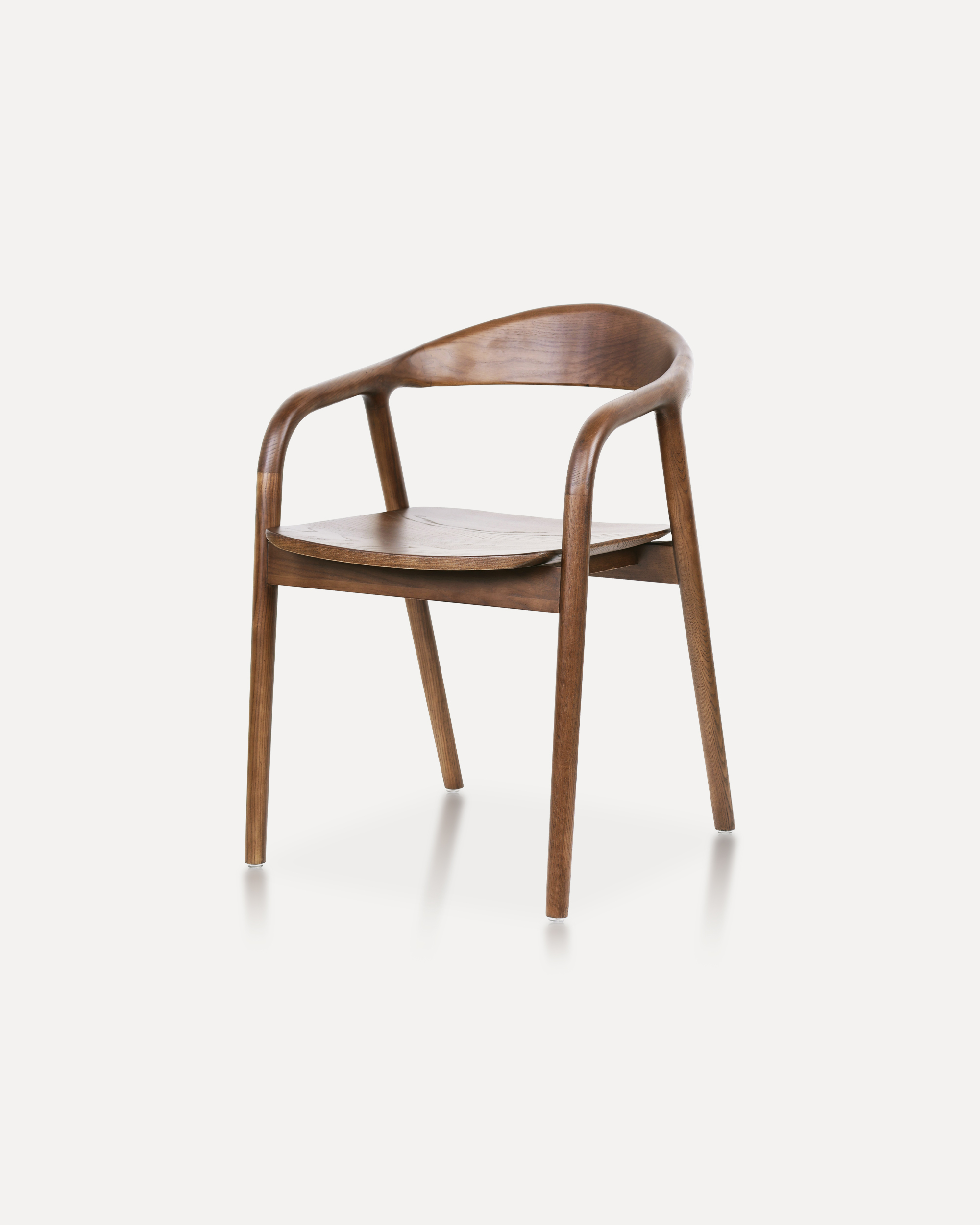
Crafted entirely from solid ash wood, this chair embodies a refined balance of ...
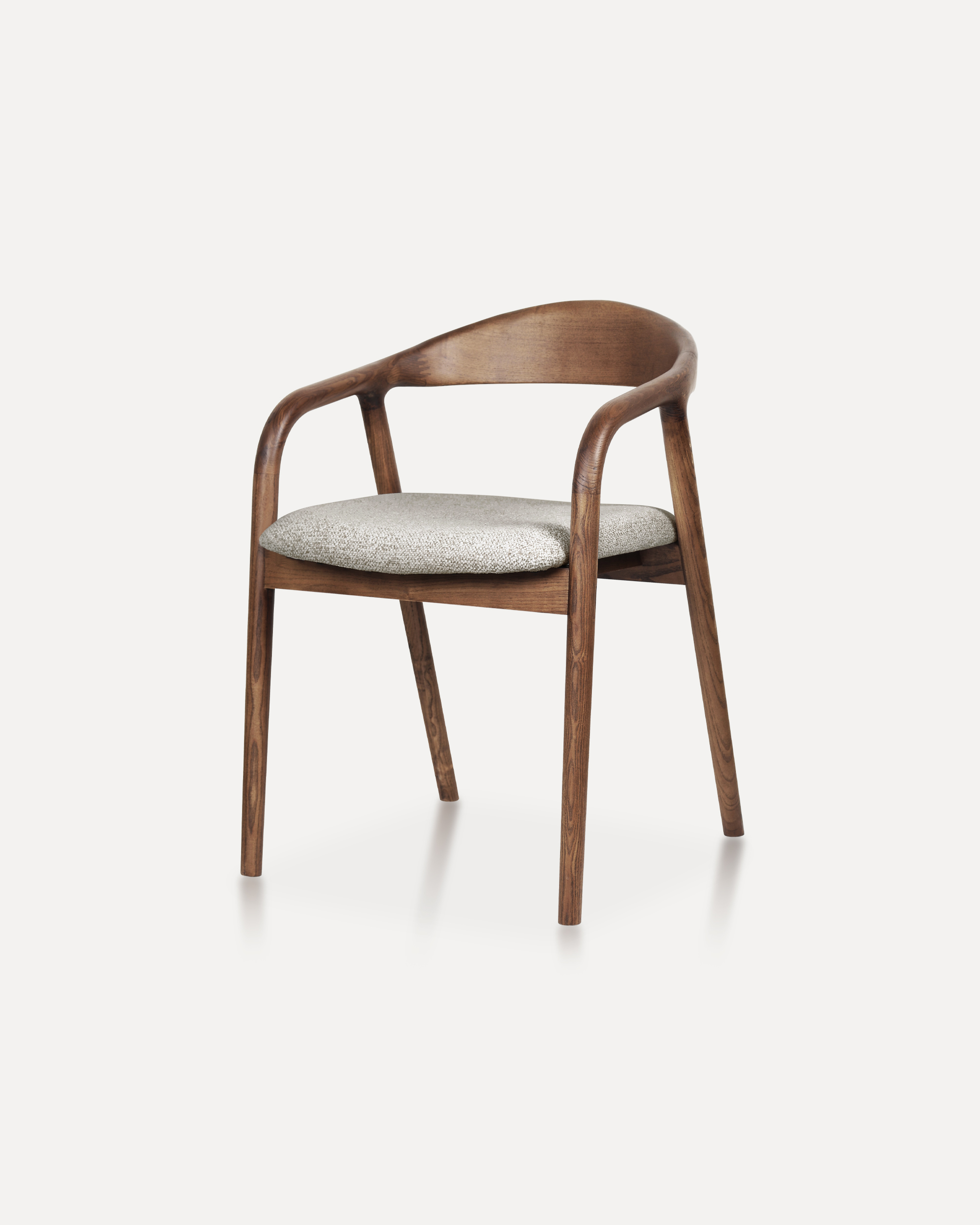
Showcases a refined silhouette with smooth, curved armrests and a gently rounde...
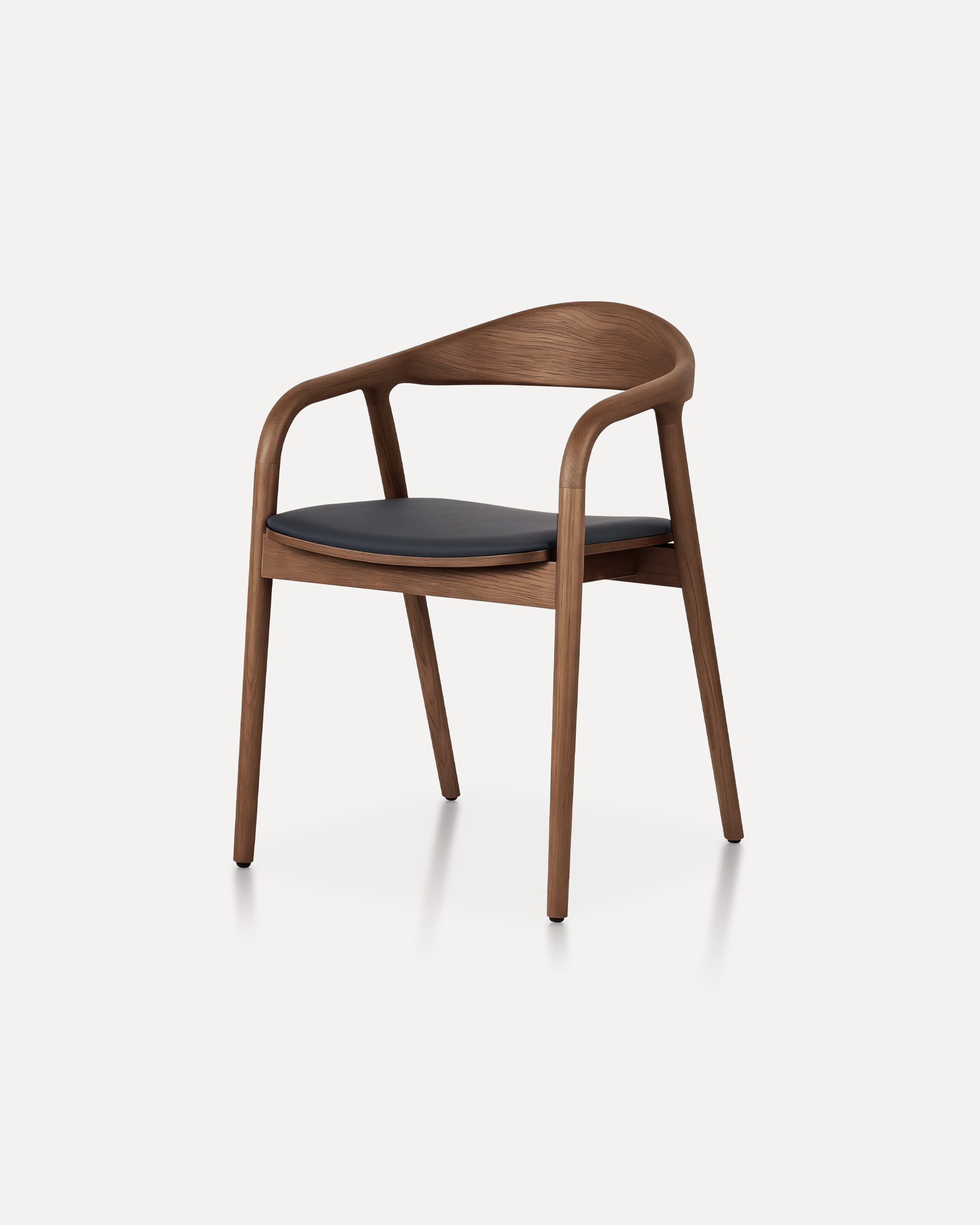
A masterclass in refined joinery and organic geometry, the Arc Chair features a...
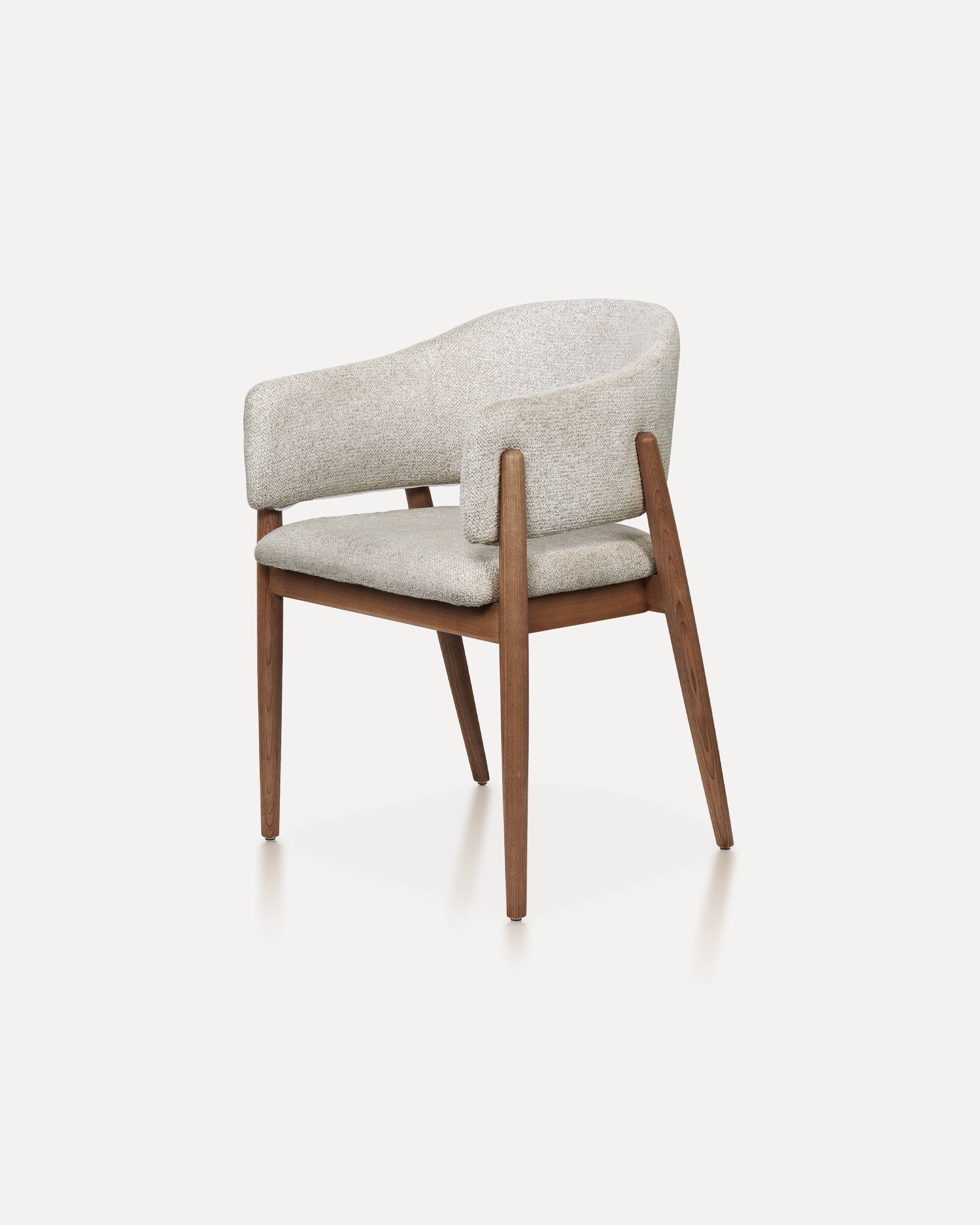
With its refined proportions and welcoming form, this chair brings quiet sophis...
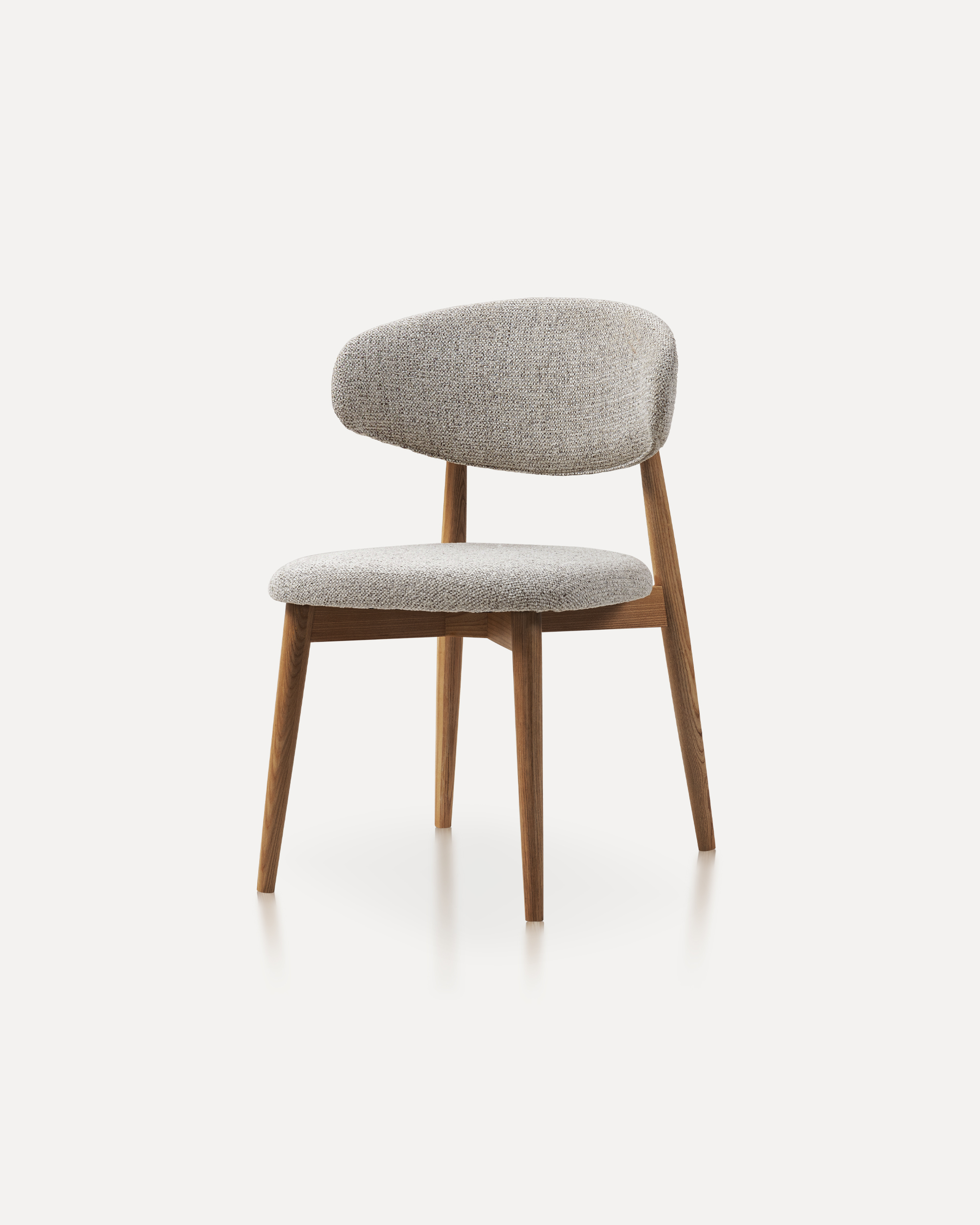
This wooden chair is a classic furniture piece that exudes warmth, durability, ...
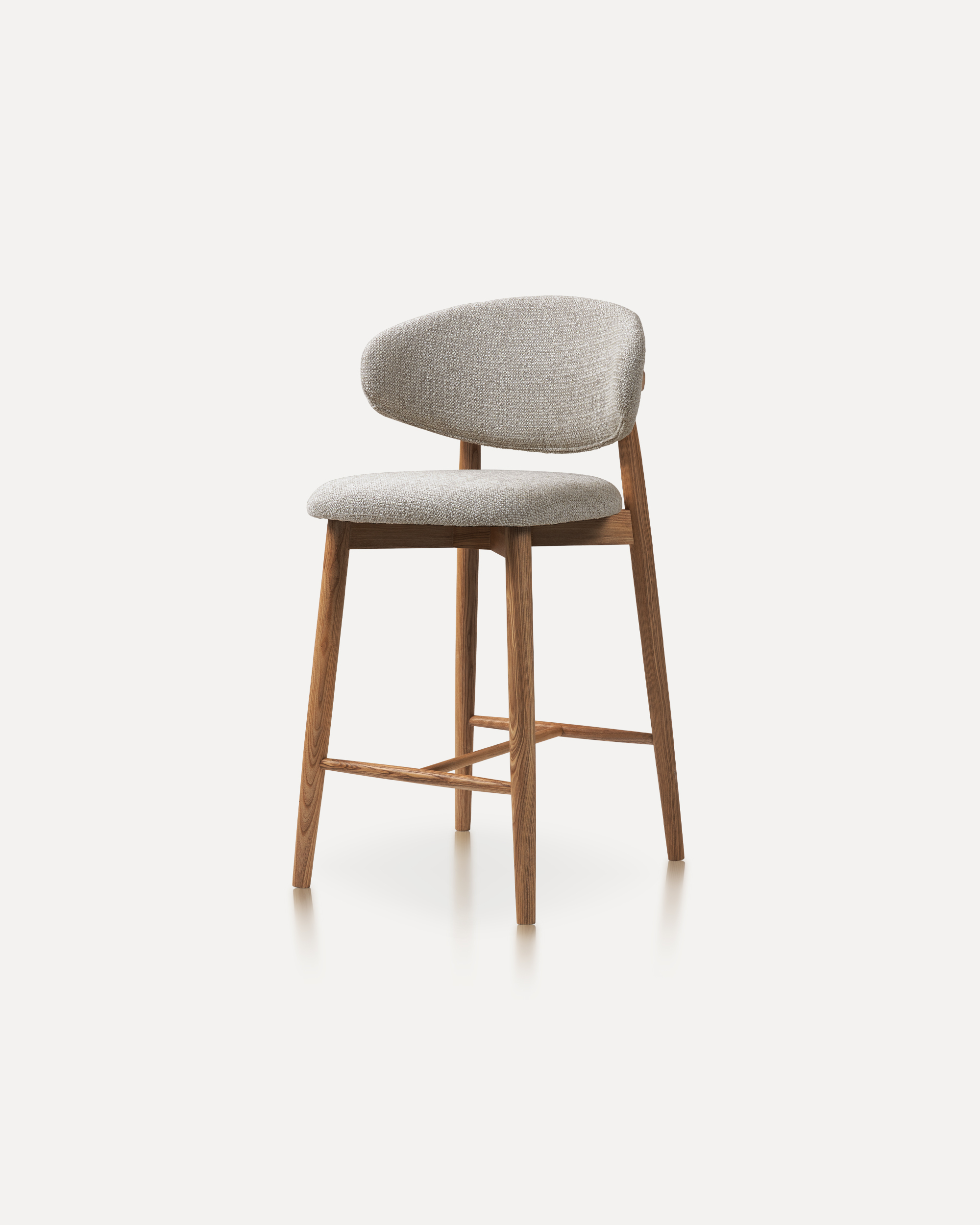
Our Wood Bar Stools are the perfect addition to any high-top table or bar setti...
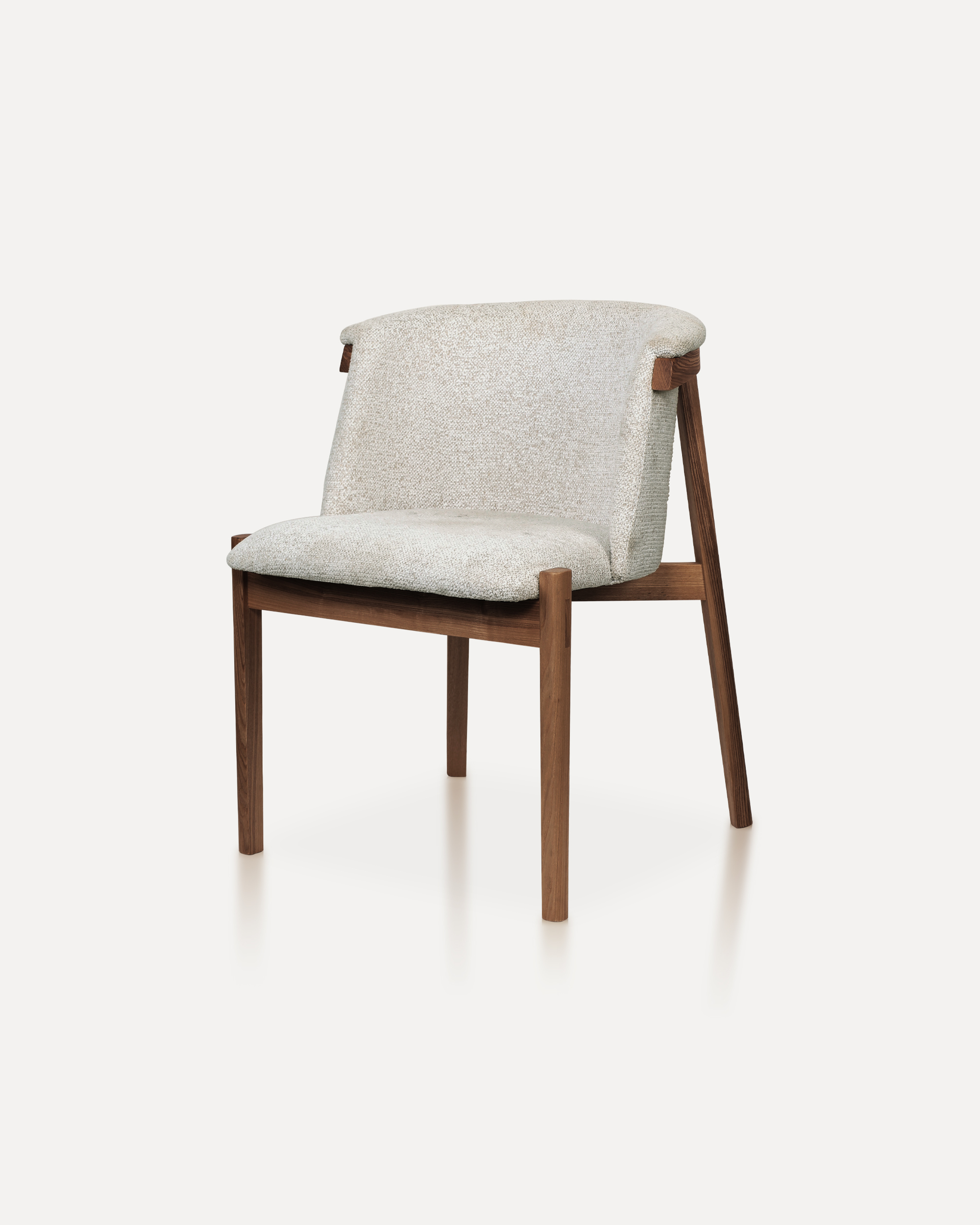
Bring natural elegance into your home with this finely crafted chair. The desig...
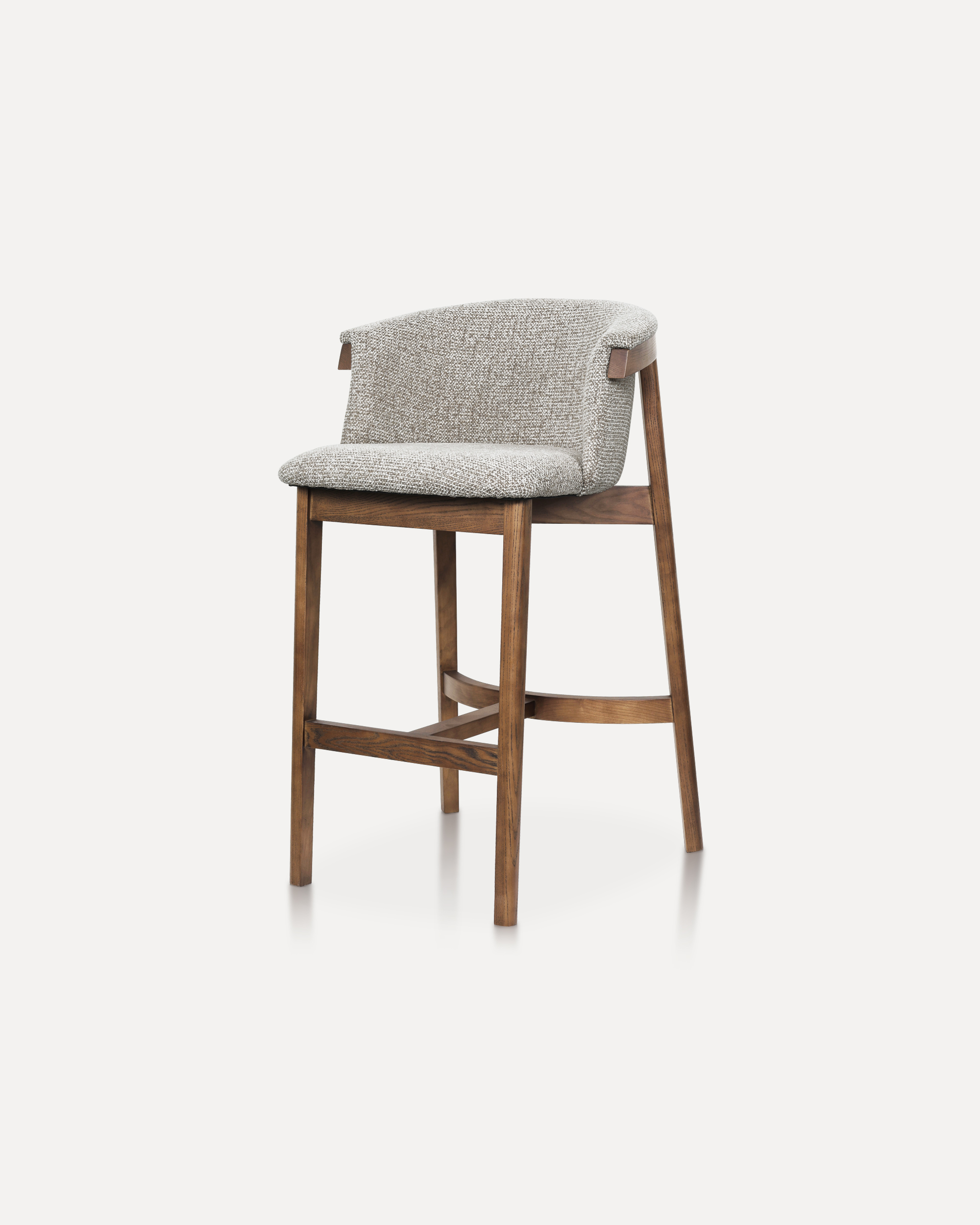
This sophisticated bar chair elevates any counter or high-top setting with its ...
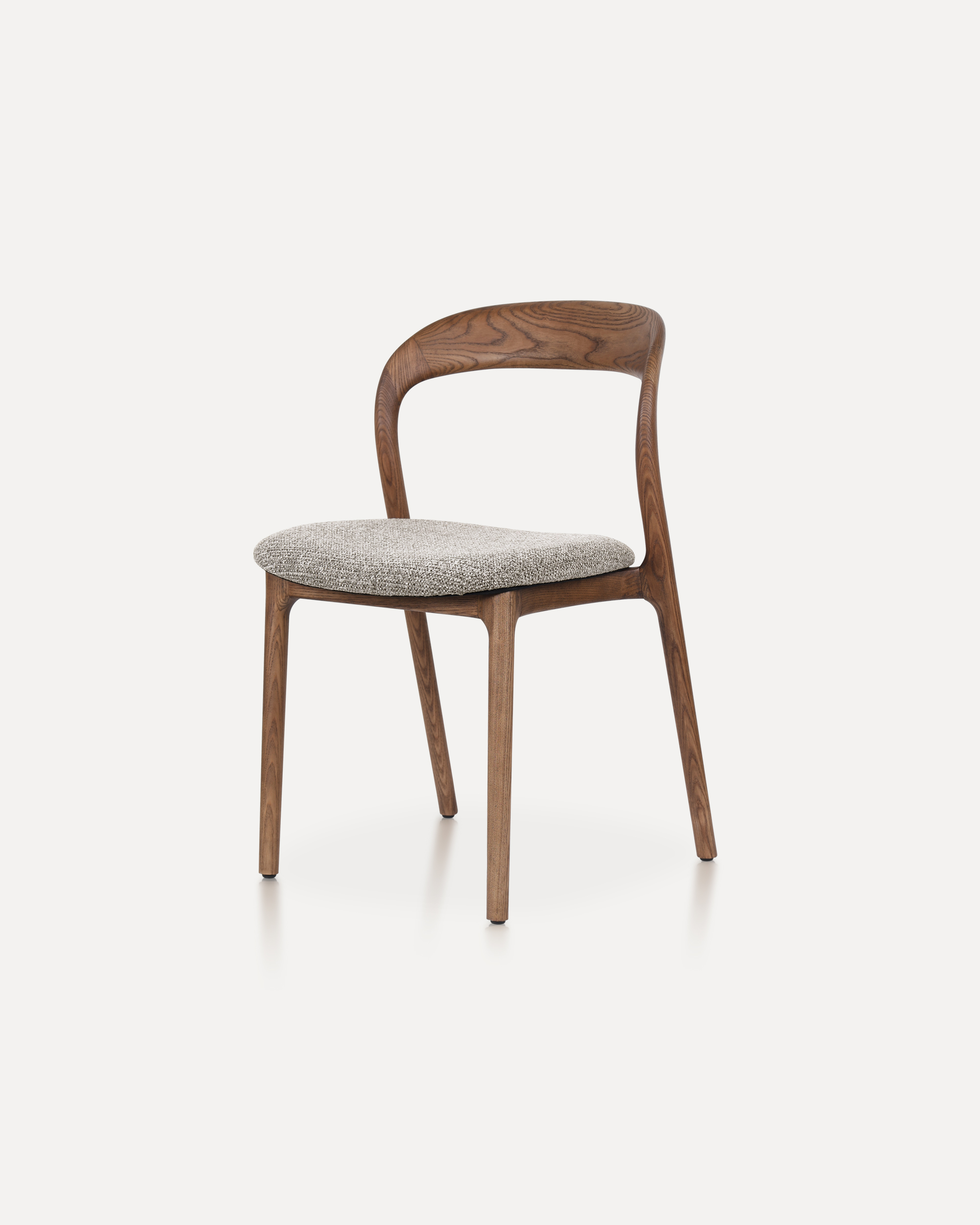
The Echo Chair is crafted from solid ashwood, featuring a unified back-and-arm ...
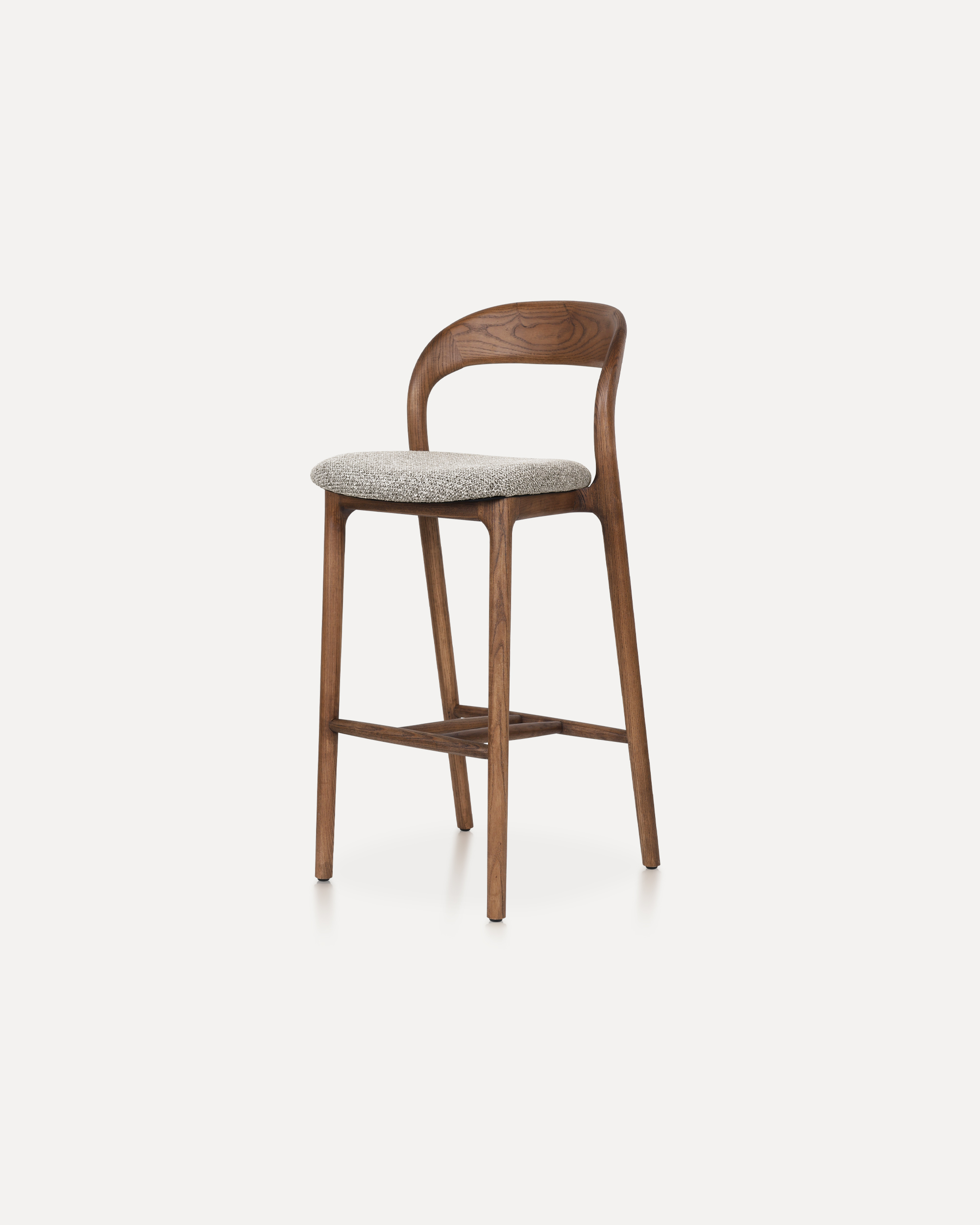
This Bar Chair is a counter-height seating solution crafted from solid ashwood ...
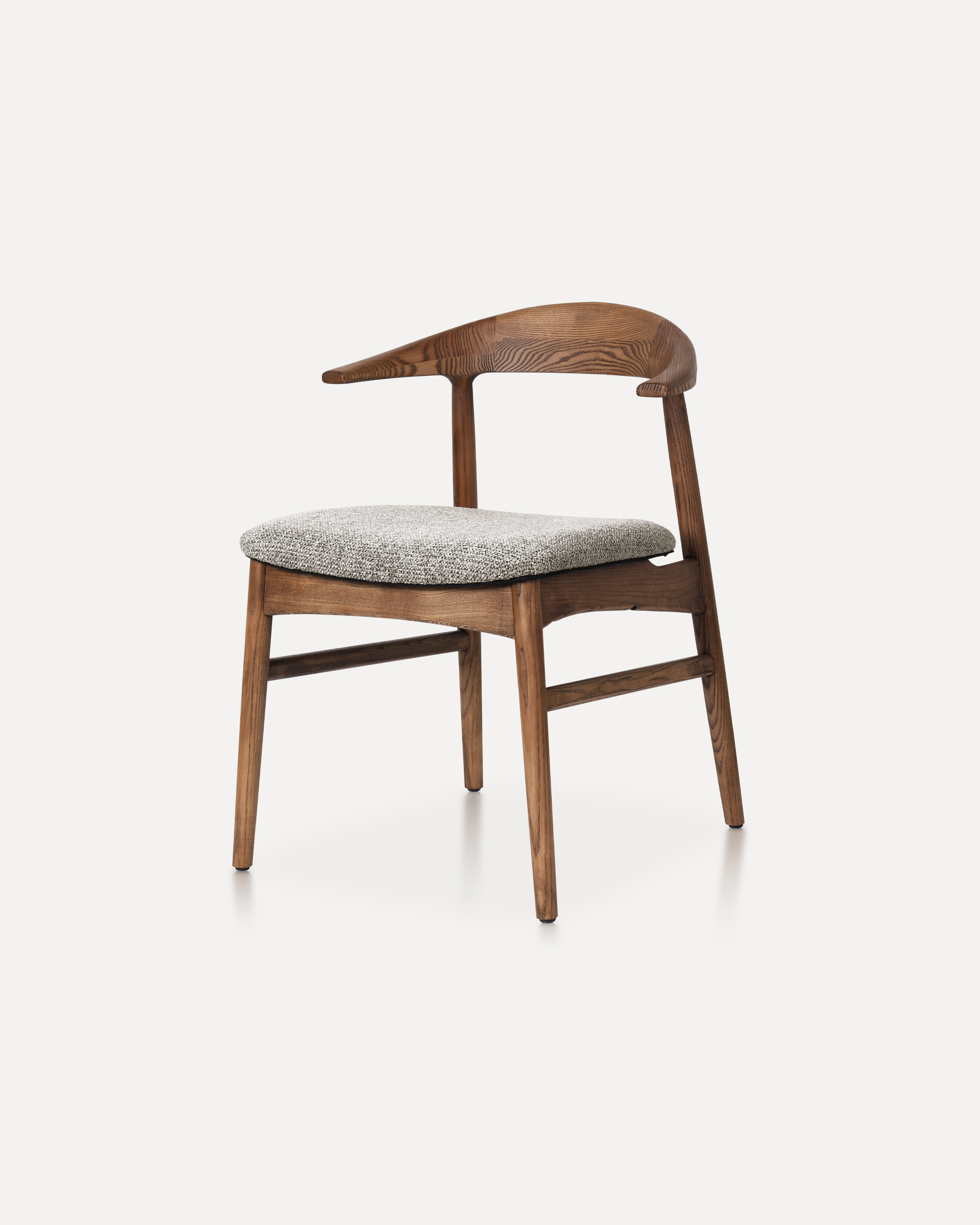
The Horizon Chair reinterprets mid-century warmth for today’s refined interiors...
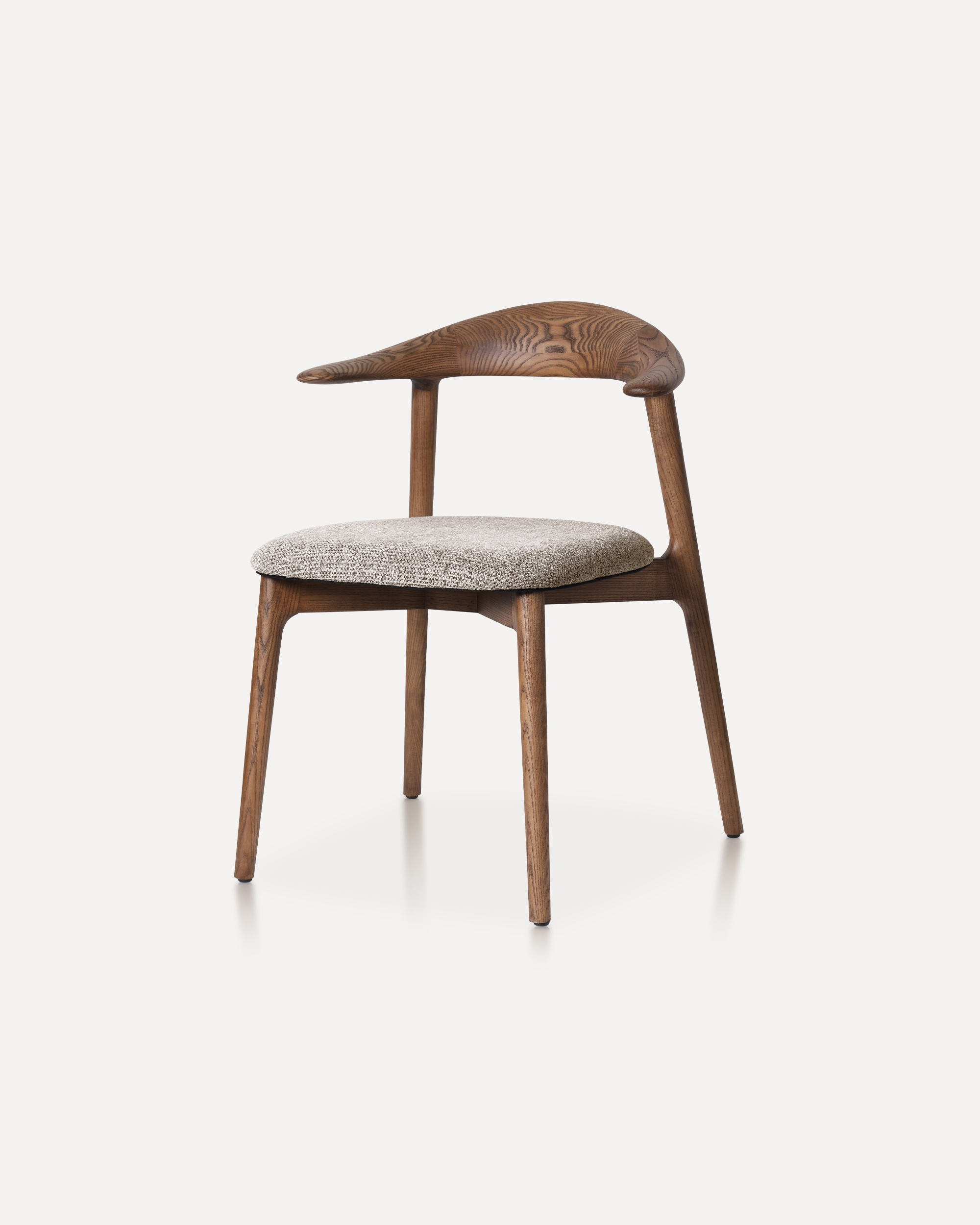
This classic features a striking, organic backrest carved from a single slab of...