
 English
 Français
 Español
Industry News
MENU

If you are shopping for new seating around your table, you have probably noticed that an ash wood dining chair keeps showing up in showrooms, design magazines and online shops. There is a good reason. Ash is strong, light in color, and gentle on the budget compared with some other hardwoods. This guide walks you through what makes ash dining chairs worth considering, how to judge quality, and how to keep them looking good for a long time.
Content
Ash is a hardwood known for its toughness and flexibility. It has been used for generations to make tool handles, baseball bats and oars, which tells you something about how well it handles impact and repeated stress. In a dining room, that same strength means a solid ash dining chair can cope with daily use, kids pulling chairs in and out, and the occasional lean-back from a relaxed guest.
Ash also has a very recognizable look. The heartwood and sapwood are both pale, ranging from creamy white to light tan, and the grain is straight and open with a clear, bold pattern. This makes ash wood dining chairs a natural fit for Scandinavian, Japanese-inspired, modern farmhouse and minimalist interiors where a bright, natural feel matters.
Hardness is one way to compare woods, and it is measured on the Janka scale. The higher the number, the harder the wood resists dents and wear. The figures below are approximate and vary by species and board, but they give a useful picture of where an ash dining room chair sits among its competitors.
| Wood | Approx. Janka Hardness | Color | Best For |
| White ash | 1,320 lbf | Cream to light tan | Strong, bright, modern looks |
| White oak | 1,360 lbf | Light to medium brown | Traditional and rustic styles |
| Beech | 1,300 lbf | Pale pinkish tan | Smooth, even grain looks |
| Walnut | 1,010 lbf | Rich dark brown | Premium, formal styling |
| Pine | 380 to 870 lbf | Pale yellow | Budget and casual furniture |
In practice, an ash wood chair for a dining table is about as hard as oak and beech, much harder than pine, and noticeably harder than walnut. Its real advantage is the combination of strength and lighter weight, which makes the chairs easier to move when you are cleaning or rearranging the room.
Not every chair labeled as ash is built the same way. Some are solid wood throughout, while others use ash veneer over engineered boards or mix ash with cheaper woods in hidden parts. Knowing what to look for helps you avoid disappointment.
A solid ash dining chair is made from whole pieces of timber, so scratches can be sanded out and the chair can be refinished later. Veneer chairs are thinner on the surface and cannot be sanded much. Veneer is not automatically bad, especially for molded plywood seats, but the listing should say clearly which parts are solid and which are veneered. If the description just says "ash finish" or "ash look," it may not contain any real ash at all.
The strongest chairs use mortise and tenon joints, often reinforced with glue and dowels. Corner blocks under the seat add extra stability. Be cautious of chairs held together mainly with staples or screws driven straight into end grain, since these loosen over time. When you test a chair in a store, sit down, shift your weight and lean slightly. Any creaking, wobbling or racking from side to side is a warning sign.
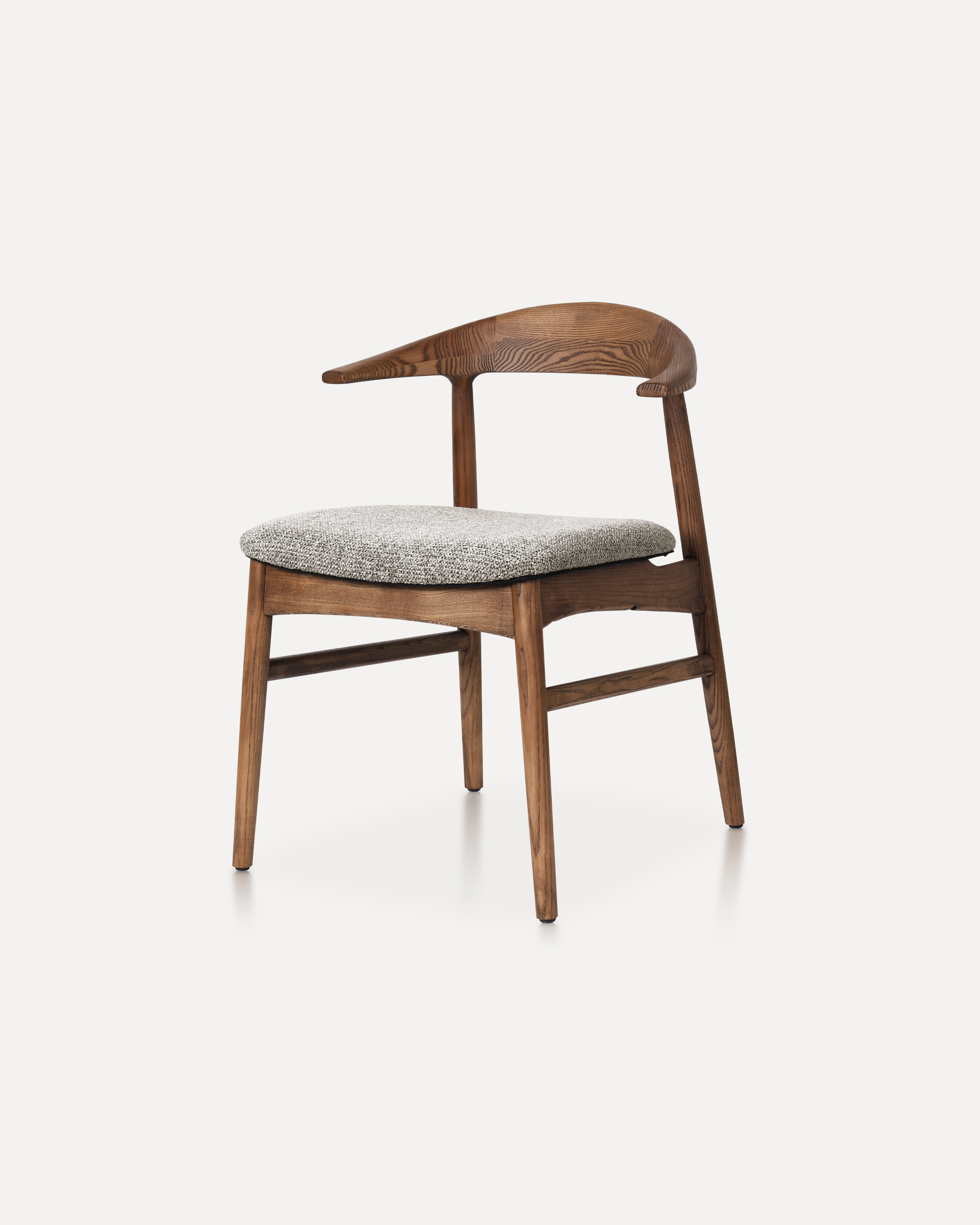
Because ash is a pale, neutral wood, the finish makes a big difference to the final look of your ash wood dining chairs set. The same chair design can feel airy and Scandinavian in a natural finish or dramatic and contemporary in black.
An ash dining room chair works well with a table in the same wood for a calm, coordinated look, but it also contrasts nicely with darker tops such as walnut or black-stained oak. If you pair it with a white marble or stone top, the pale wood keeps the space soft and balanced. For a more relaxed feel, try mixing two chair styles in the same wood and finish so the set looks collected rather than matched.
A beautiful chair is not worth much if people want to leave the table after twenty minutes. Comfort depends mostly on proportions, so measure your table before you shop.
| Measurement | Recommended Range | Why It Matters |
| Seat height | 17 to 19 in (43 to 48 cm) | Keeps feet flat on the floor |
| Gap between seat and tabletop | 10 to 12 in (25 to 30 cm) | Leaves room for legs |
| Seat width | 16 to 20 in (40 to 50 cm) | Supports most body sizes |
| Table space per chair | About 24 in (60 cm) | Avoids elbow bumping |
| Clearance behind the chair | 36 in (90 cm) or more | Lets people sit and stand easily |
Wood seats can feel firm during long dinners. If you like to linger, look for a gently contoured seat or add a thin seat cushion. Chairs with a slightly curved, steam-bent backrest also support the lower back better than flat, vertical slats. Armchairs at the ends of the table add comfort for the host, while armless chairs along the sides tuck neatly under the tabletop and save space.
Ash is fairly low maintenance, but a few habits will keep it looking fresh and prevent problems such as cracked joints or faded patches.
If an oil-finished chair starts to look dry or patchy after a year or two, a light re-oiling usually restores it. Lacquered chairs need less upkeep, but deep scratches may require a professional touch-up. Because solid ash can be sanded, even an older chair can often be refinished instead of replaced.
Many ash trees in North America have been affected by the emerald ash borer, an invasive beetle, and this has influenced supply and pricing in some regions. European ash is also facing disease pressure. None of this means you should avoid ash furniture, but it is reasonable to ask where the timber comes from and whether it is certified by a scheme such as FSC or PEFC. Some makers also use salvaged ash from trees that had to be removed, which turns a problem into attractive, characterful furniture.
Prices for ash dining chairs vary widely by brand, country and construction. Mass-market chairs with veneer or mixed-wood construction cost the least, mid-range solid ash chairs from established furniture brands sit in the middle, and handcrafted or designer pieces cost the most. Rather than chasing a specific number, compare what you get at each level: solid versus veneer, joinery type, finish quality and warranty length.
An ash wood dining chair offers a rare mix of strength, light weight, natural beauty and reasonable cost. If you check the construction, measure your table, pick a finish that suits your room and give the wood basic care, a good set of solid ash dining chairs can serve your household for many years. Take your time comparing options, sit in the chairs when you can, and choose the design that feels as good as it looks.
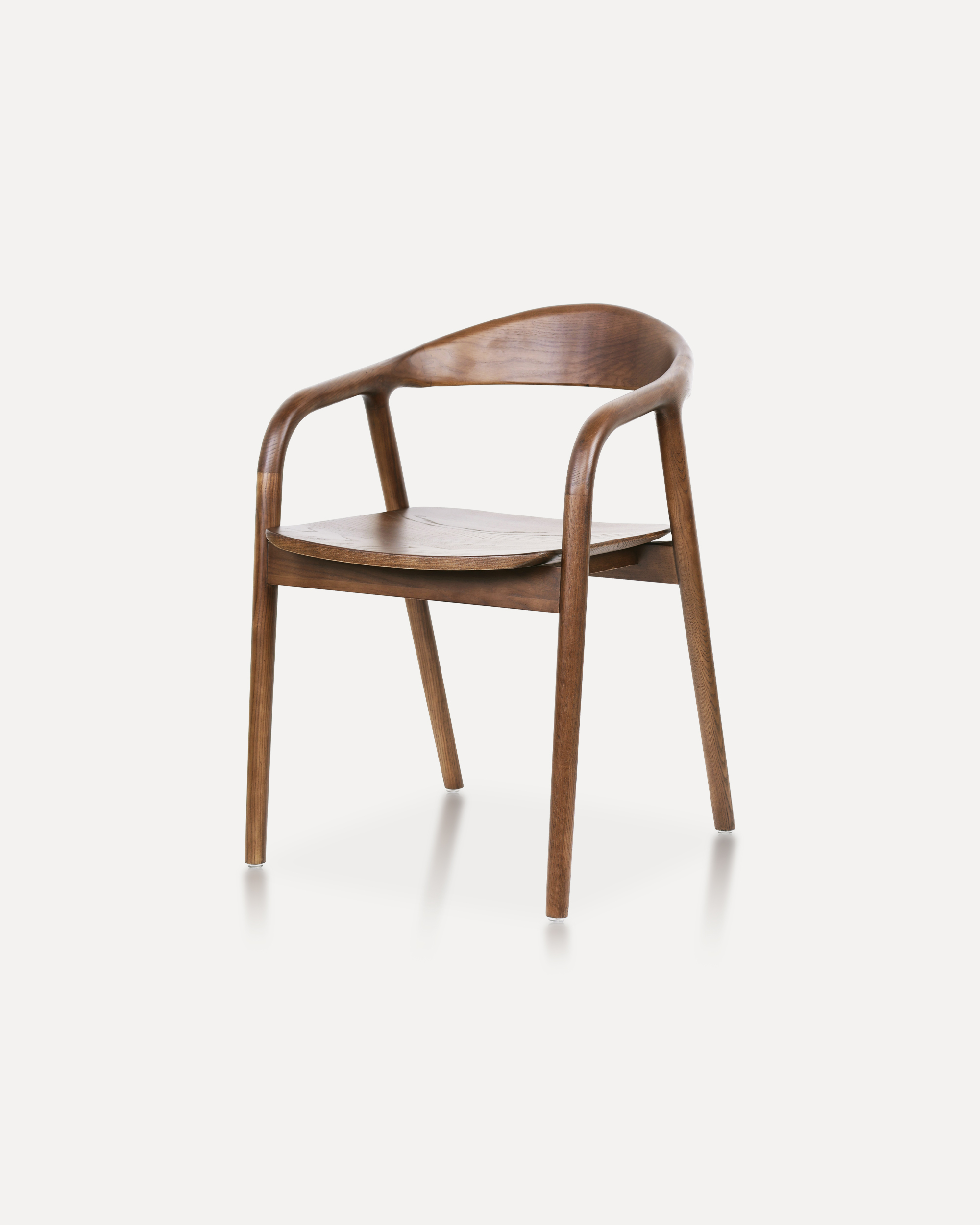
Crafted entirely from solid ash wood, this chair embodies a refined balance of ...
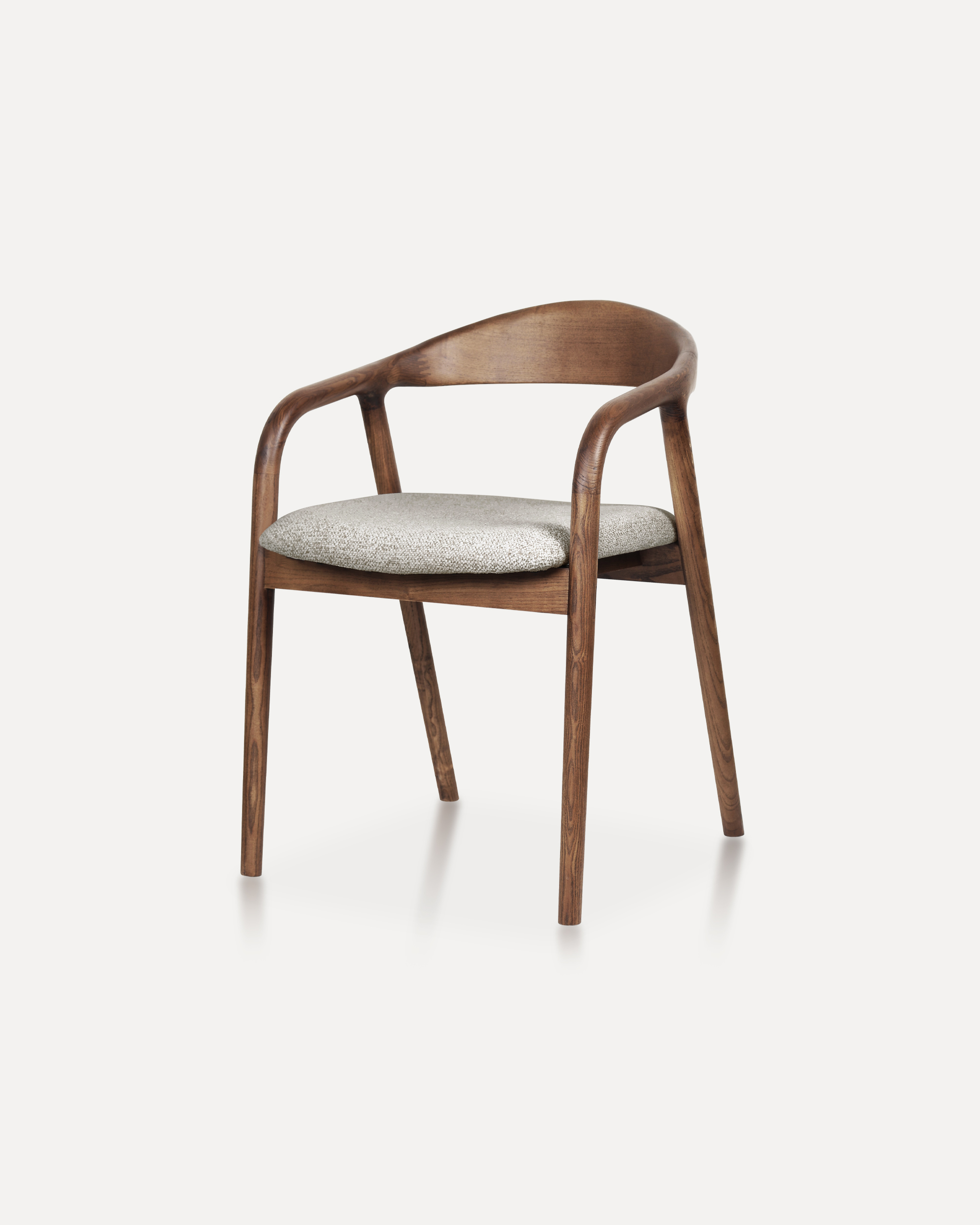
Showcases a refined silhouette with smooth, curved armrests and a gently rounde...
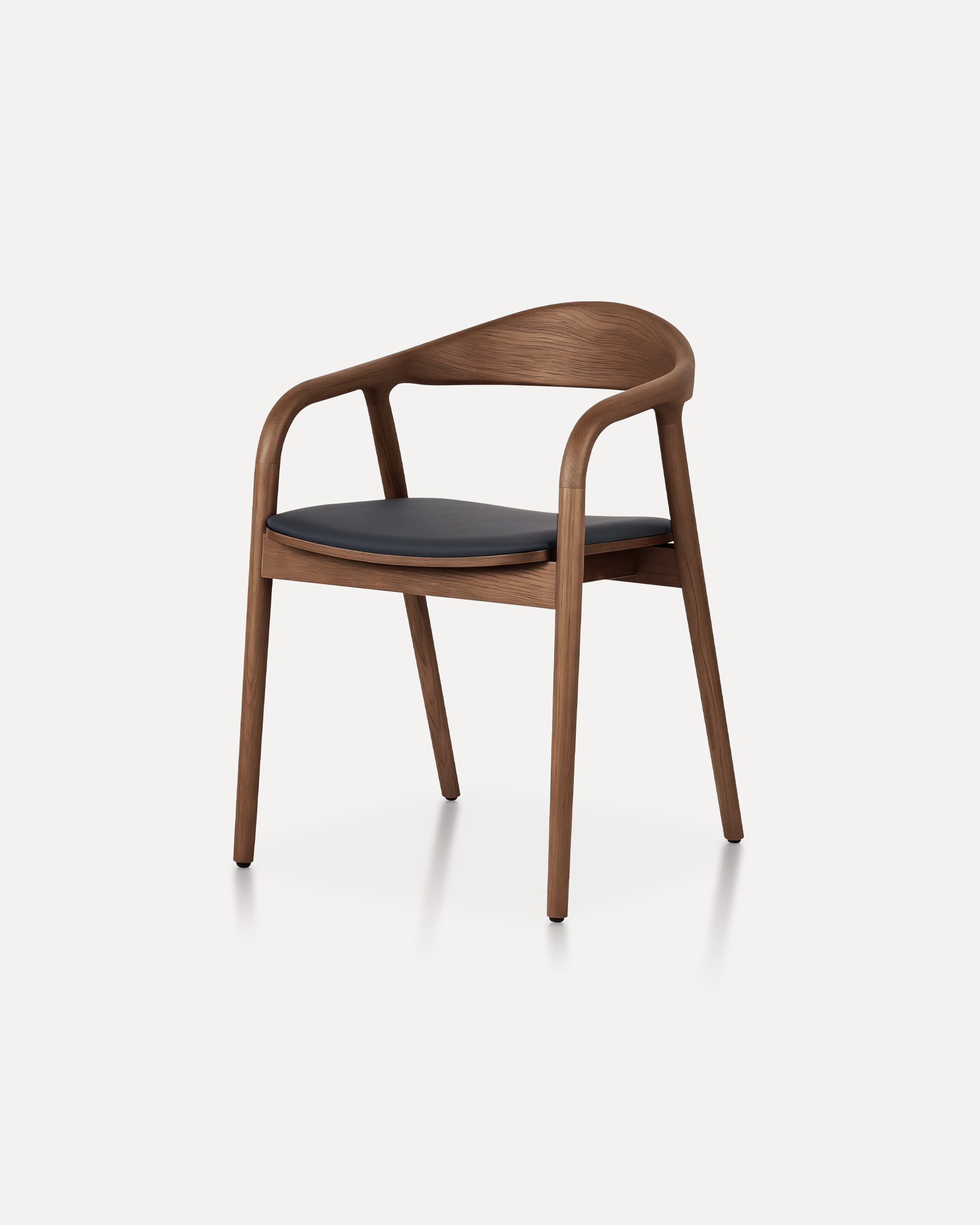
A masterclass in refined joinery and organic geometry, the Arc Chair features a...
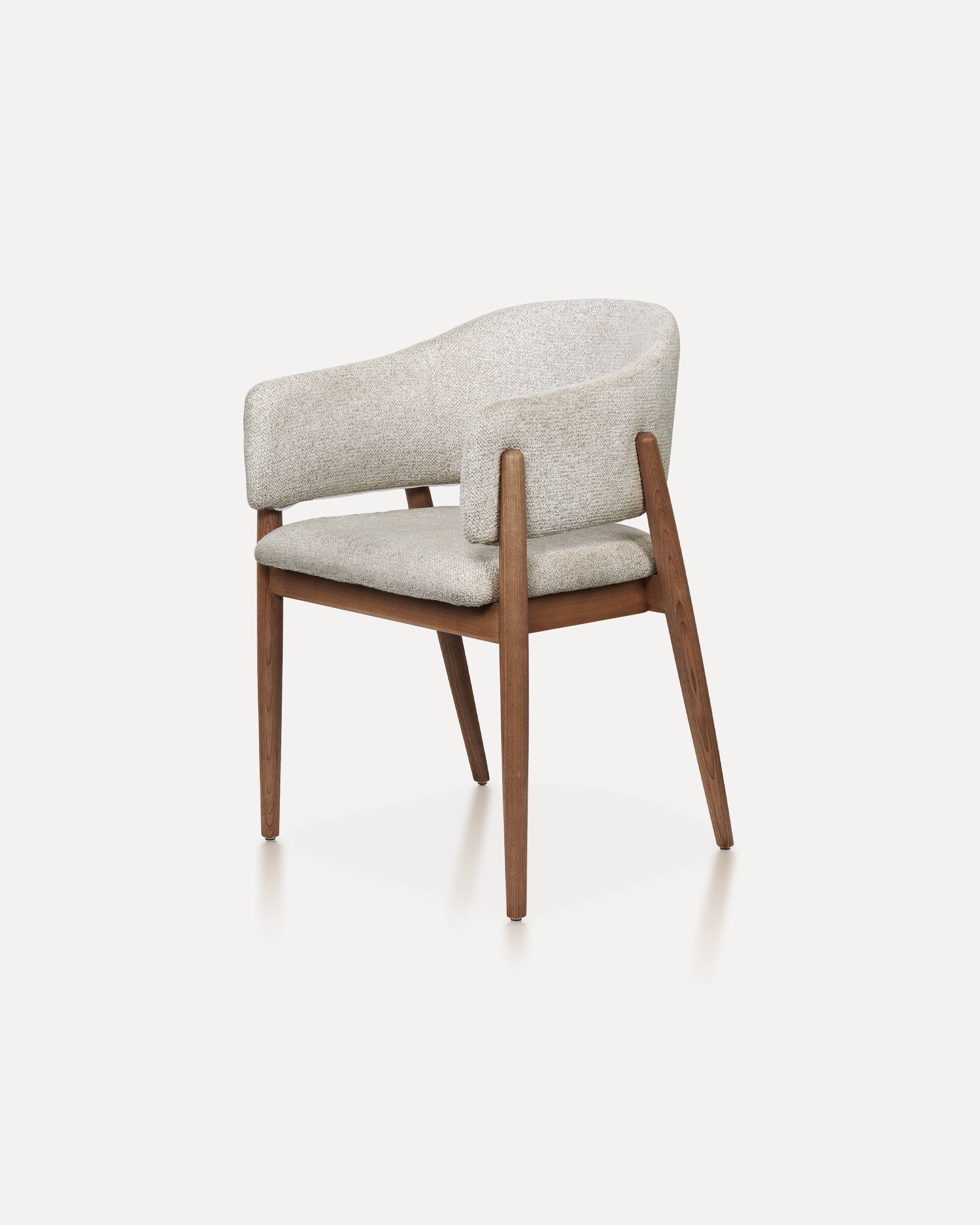
With its refined proportions and welcoming form, this chair brings quiet sophis...
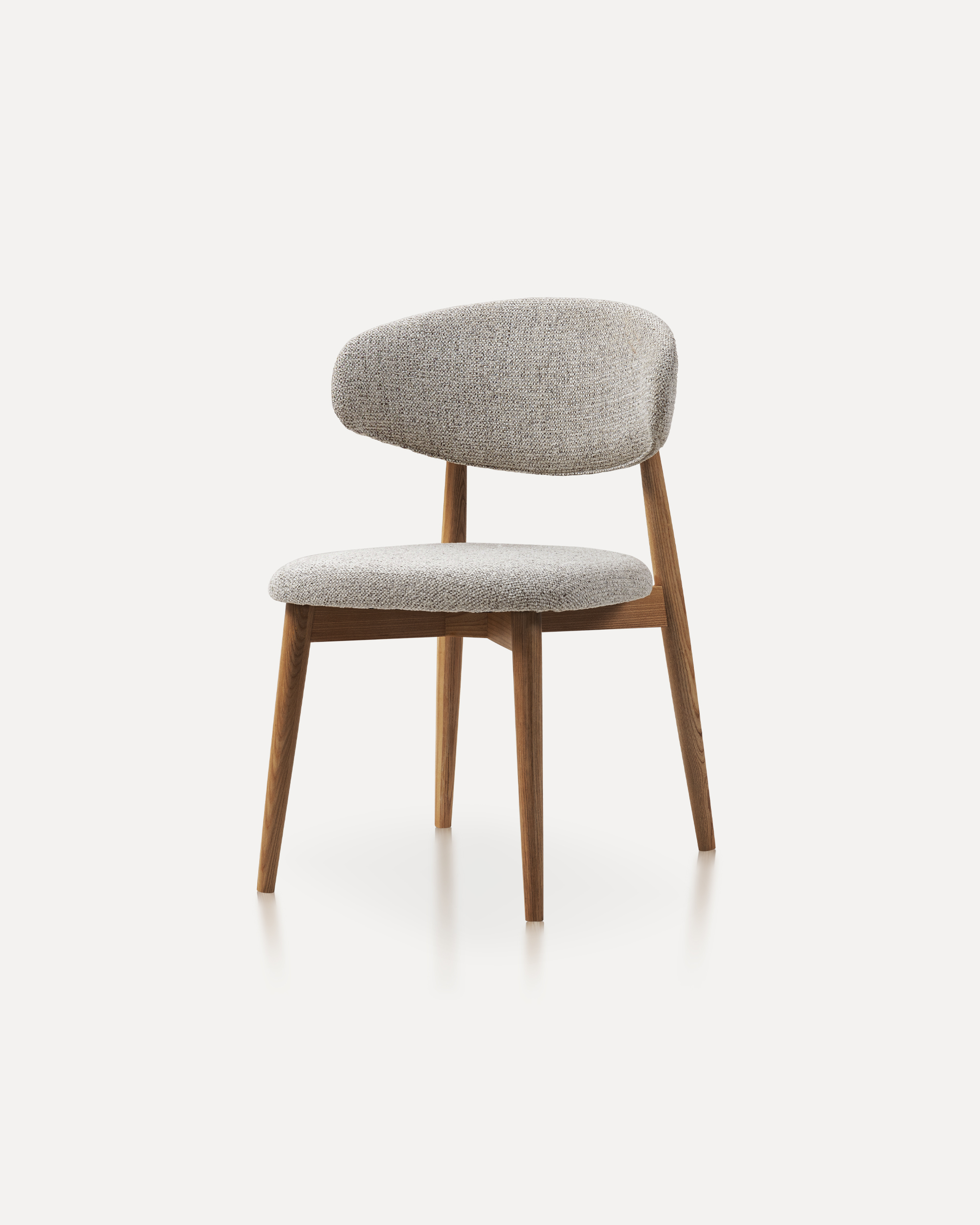
This wooden chair is a classic furniture piece that exudes warmth, durability, ...
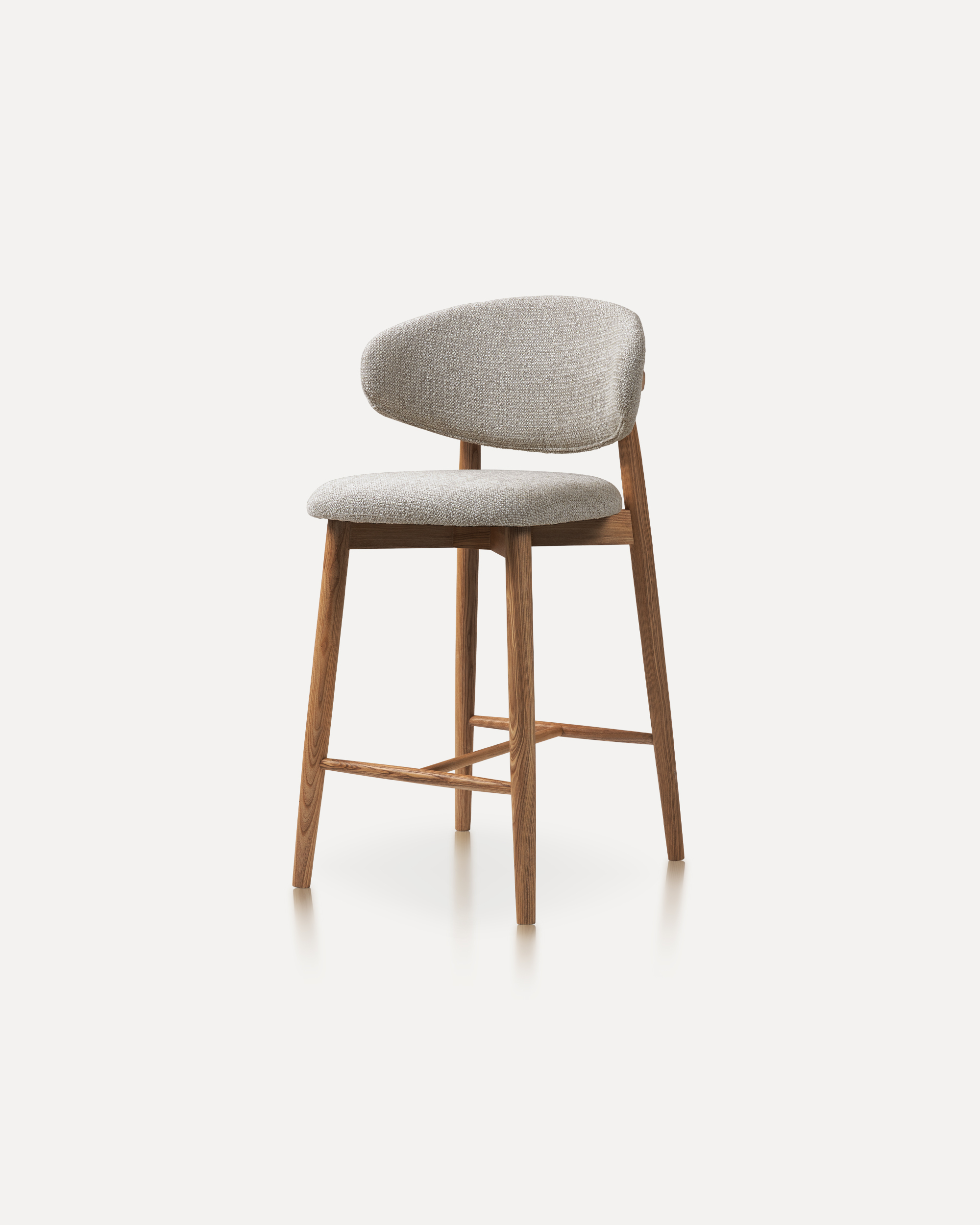
Our Wood Bar Stools are the perfect addition to any high-top table or bar setti...
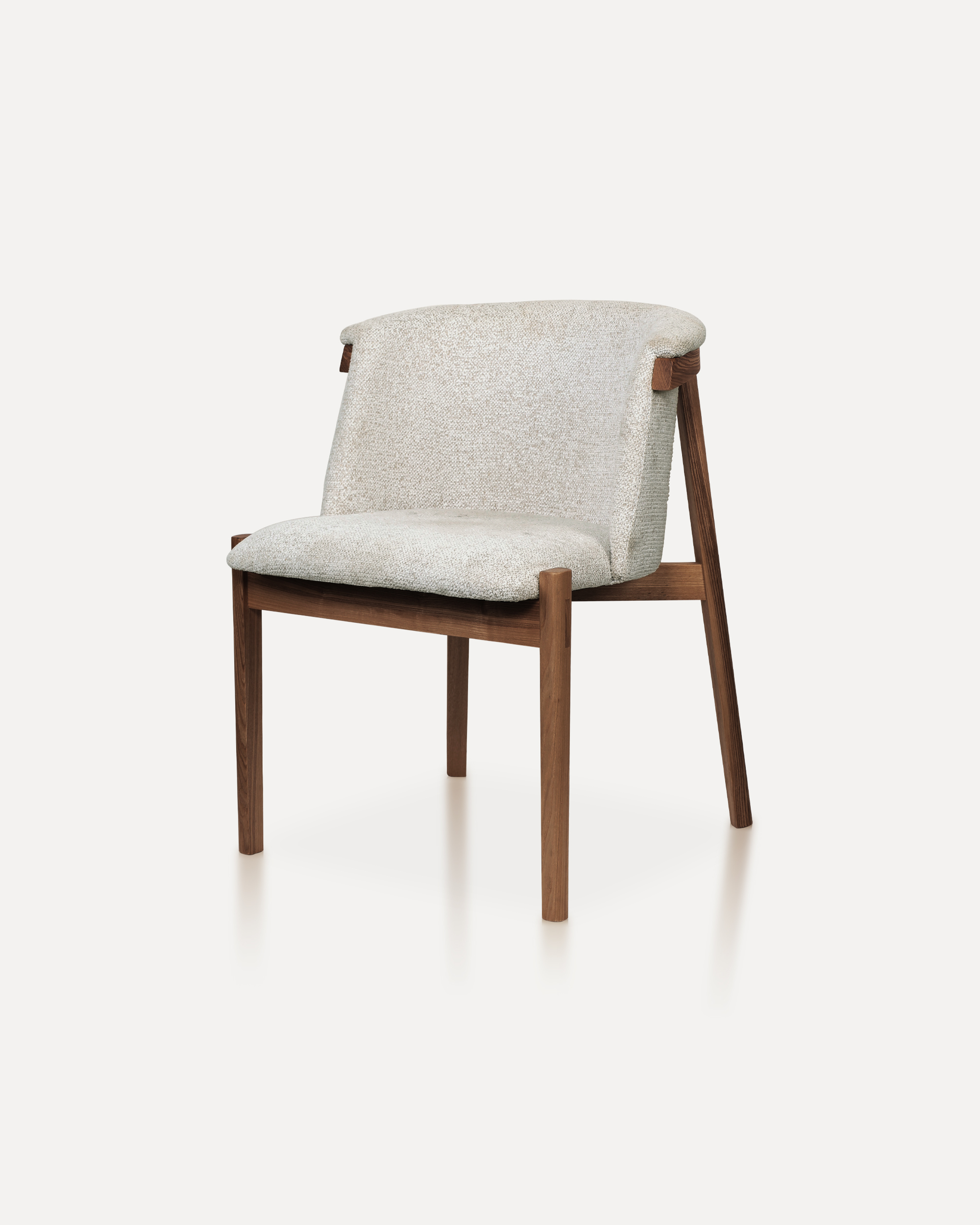
Bring natural elegance into your home with this finely crafted chair. The desig...
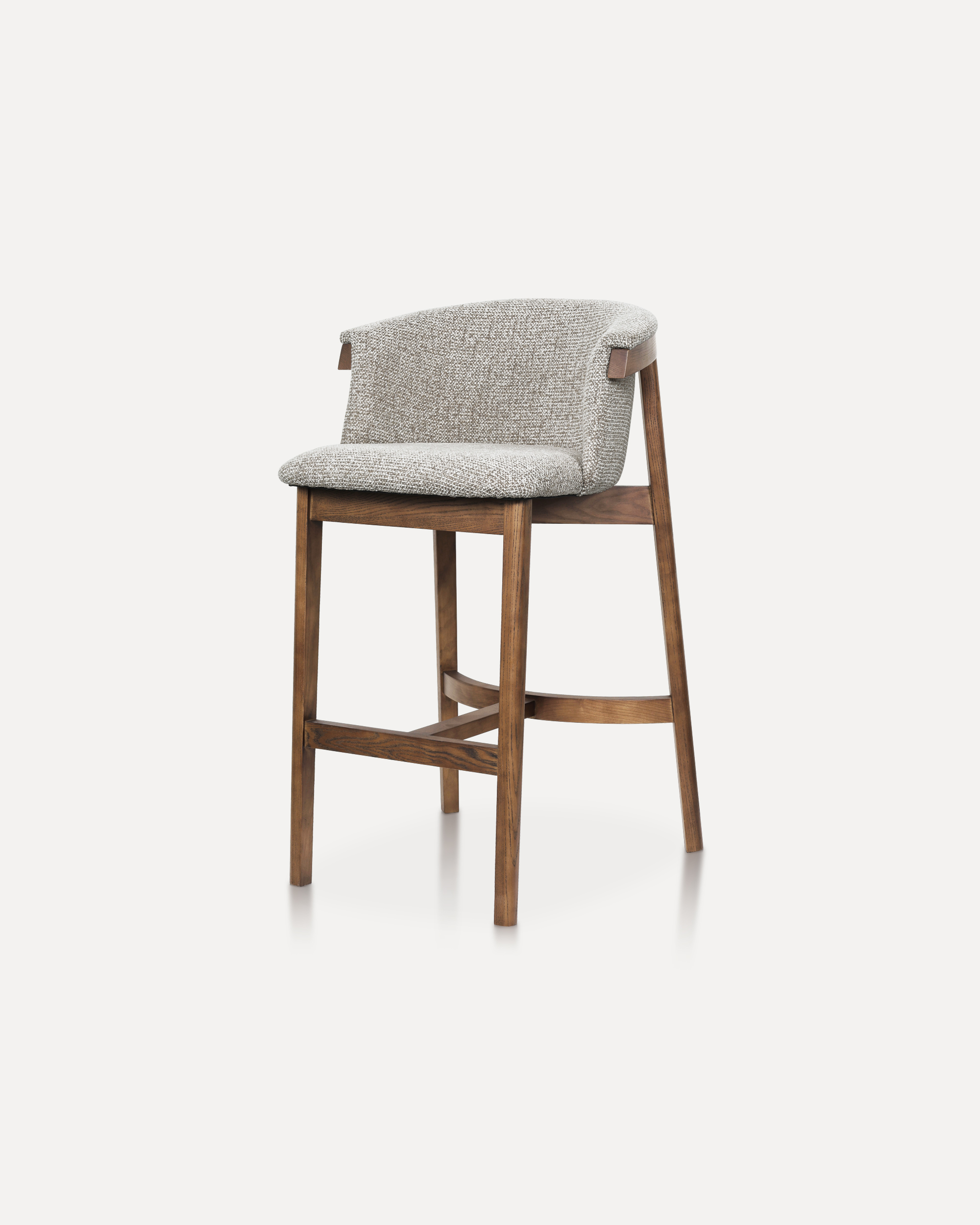
This sophisticated bar chair elevates any counter or high-top setting with its ...
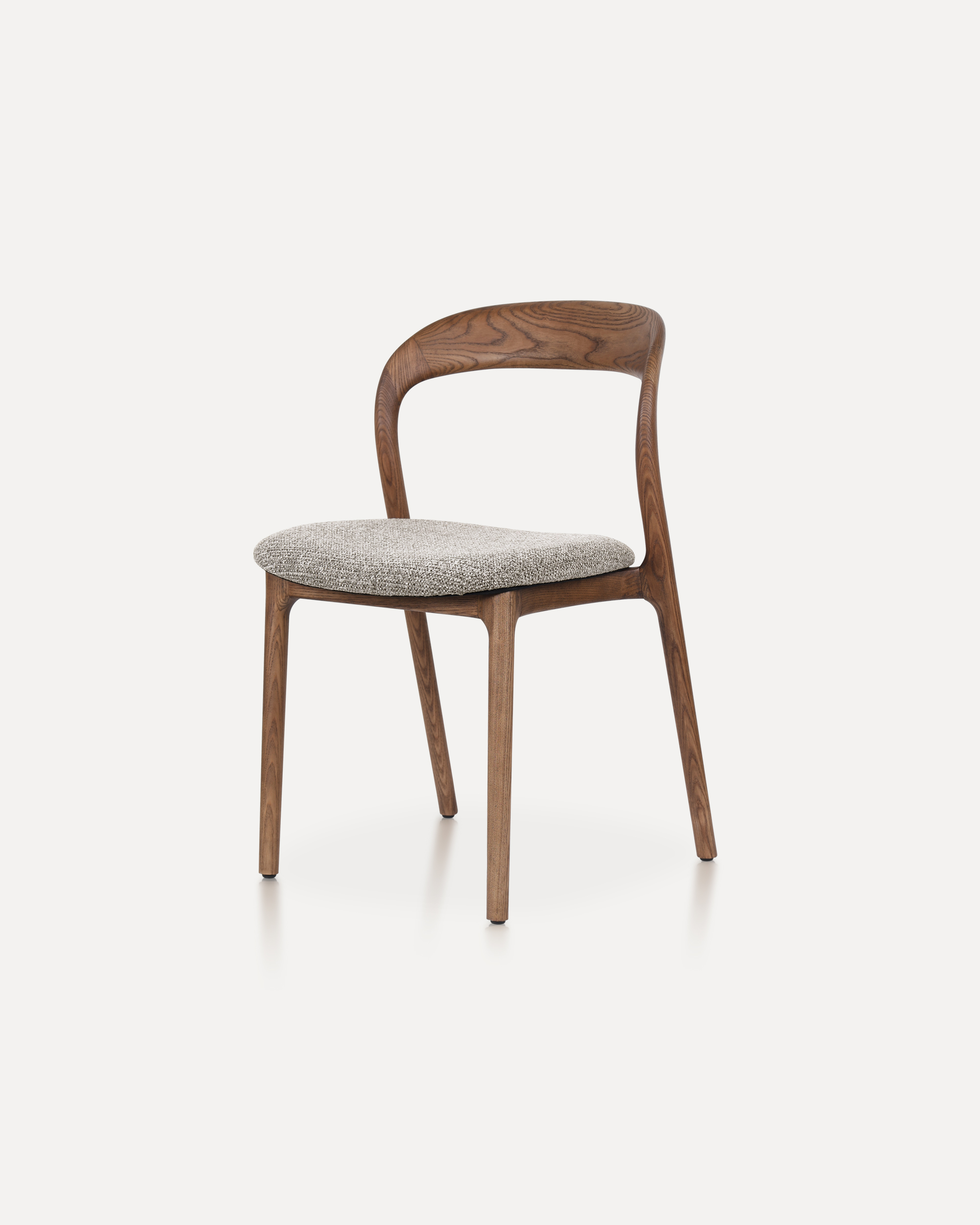
The Echo Chair is crafted from solid ashwood, featuring a unified back-and-arm ...
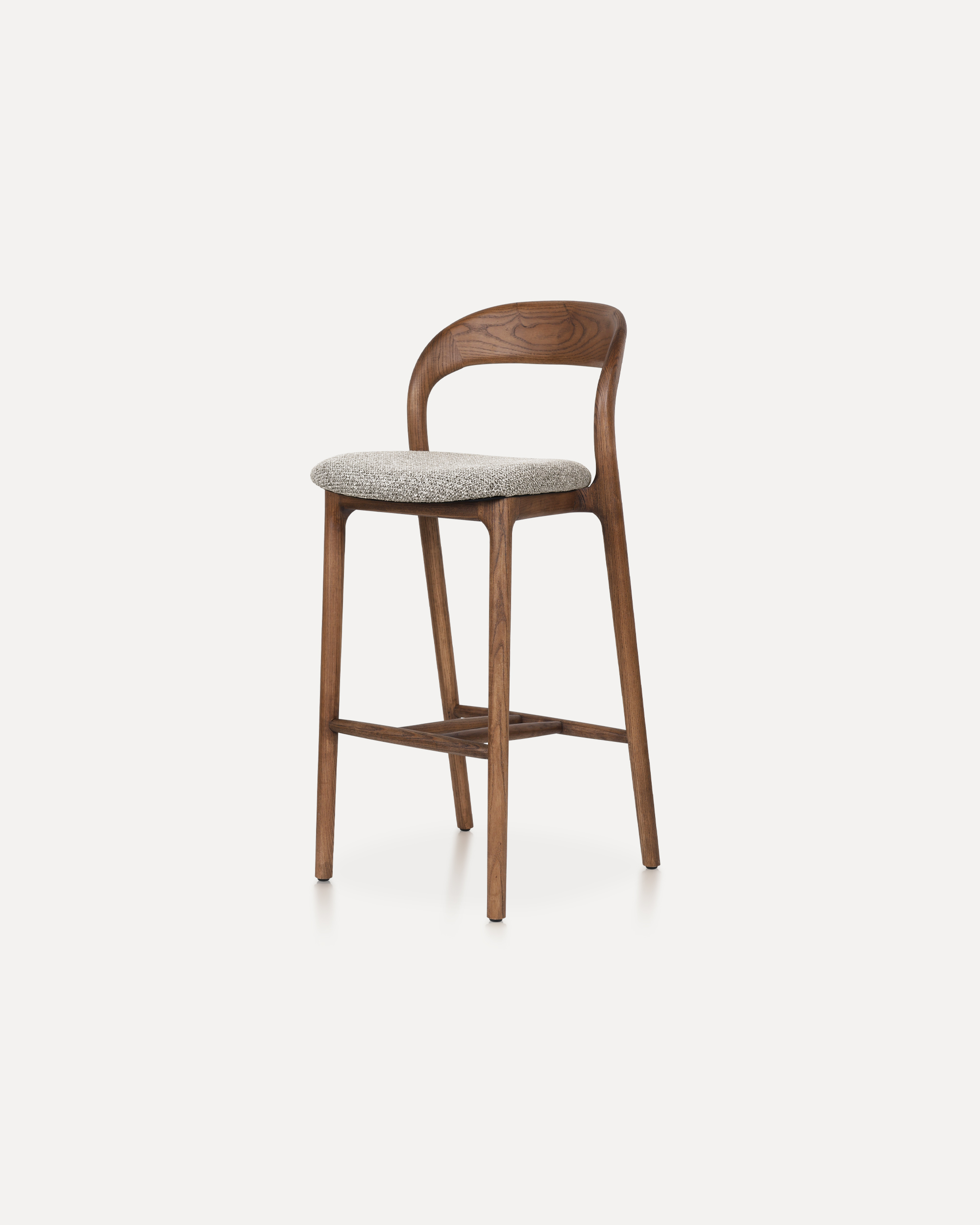
This Bar Chair is a counter-height seating solution crafted from solid ashwood ...

The Horizon Chair reinterprets mid-century warmth for today’s refined interiors...
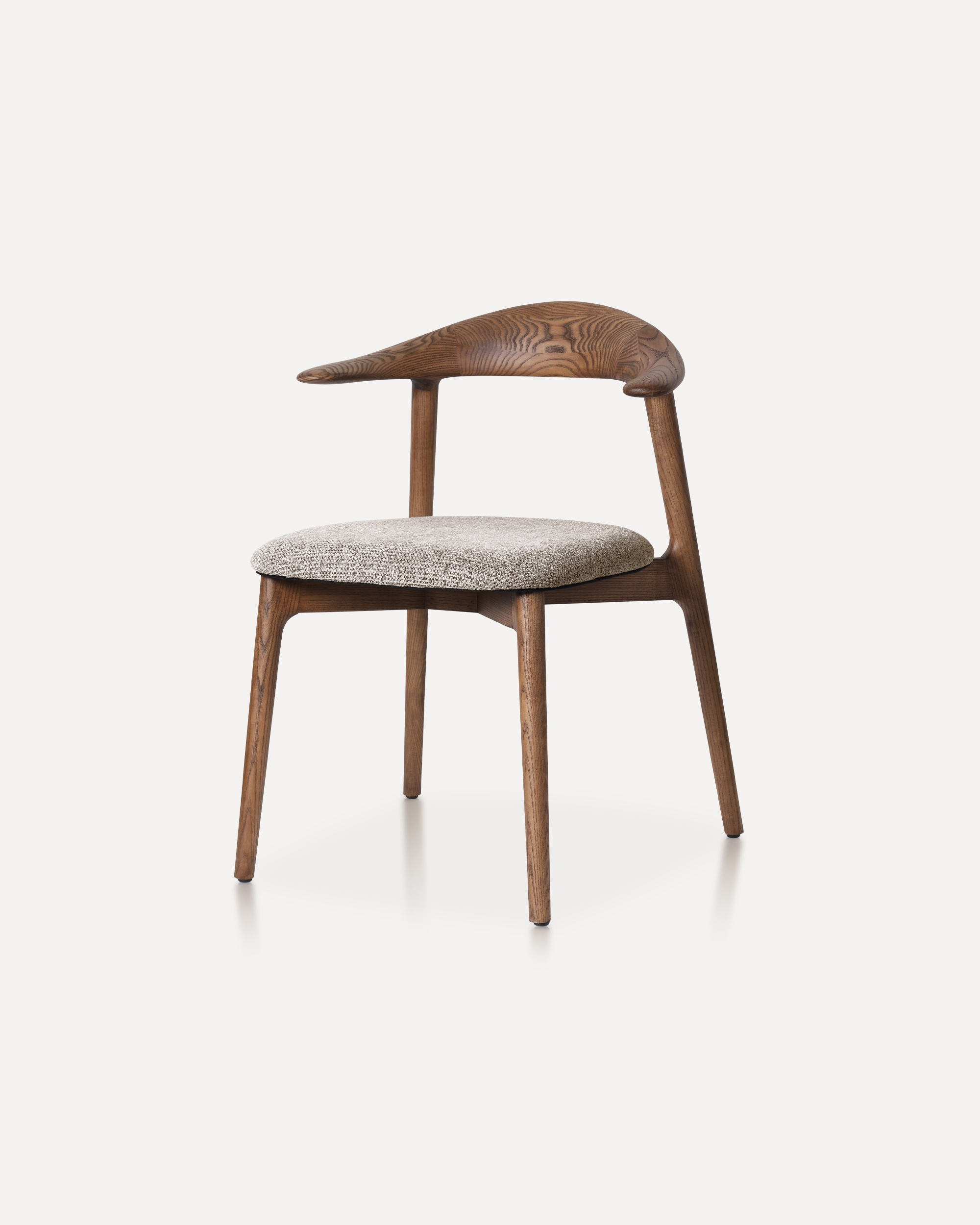
This classic features a striking, organic backrest carved from a single slab of...