
 English
  Français
 Español
Industry News
MENU

Content
Most people spend a lot of time picking the perfect dining table, then rush through choosing chairs. But your dining room chairs are what people actually sit in — they affect comfort during long meals, the overall look of the room, and even how often your family gathers around the table. Whether you're outfitting a formal dining space or a casual eat-in kitchen, understanding your options makes all the difference.
Not all dining chairs are built the same. The type you choose affects posture, style, and how well your space flows. Here's a breakdown of the most common styles you'll encounter:
These are padded and covered in fabric, leather, or faux leather. They're the go-to for comfort during longer meals and add a soft, warm look to the room. The downside is that fabric can stain easily, so look for performance fabrics or leather if you have kids.
Classic and durable, solid wood dining chairs work with almost any table. They're easy to clean and hold up well over time. Styles range from rustic farmhouse to sleek mid-century modern, so there's a wood chair for nearly every home aesthetic.
Industrial and modern spaces love metal dining chairs. They're sturdy, lightweight, and often stackable. Many come with a slight cushion or ergonomic seat curve to compensate for the harder surface.
Side chairs are the standard armless chair you see at most dining tables. Armchairs — also called host chairs — are typically placed at the ends of the table and offer more support. Mixing both types adds visual interest and gives guests a more comfortable option at the head seats.
Technically not a chair, but benches are a popular alternative along one side of a rectangular table. They save space, seat more people during gatherings, and give a casual, relaxed vibe — especially in farmhouse or Scandinavian-style rooms.
Getting the sizing right is one of the most overlooked steps. A mismatch between chair and table height makes eating uncomfortable and looks off. Here are the key measurements to keep in mind:
| Measurement | Ideal Range | Why It Matters |
| Seat Height | 17–19 inches | Pairs with standard 30-inch dining tables |
| Table-to-Seat Gap | 10–12 inches | Allows comfortable leg room |
| Chair Width (per seat) | at least 24 inches | Prevents chairs from feeling cramped side by side |
| Counter-Height Seat | 24–26 inches | For counter-height (36-inch) tables |
| Bar-Height Seat | 28–30 inches | For bar-height (42-inch) tables |
Always measure before you buy, especially if your table has an apron (the wooden frame below the tabletop), as it can reduce clearance for taller chair backs or armrests.
Your dining chairs don't have to match your table perfectly — in fact, a mix of materials and finishes often looks more intentional and layered. Here's how to match chairs to popular interior styles:
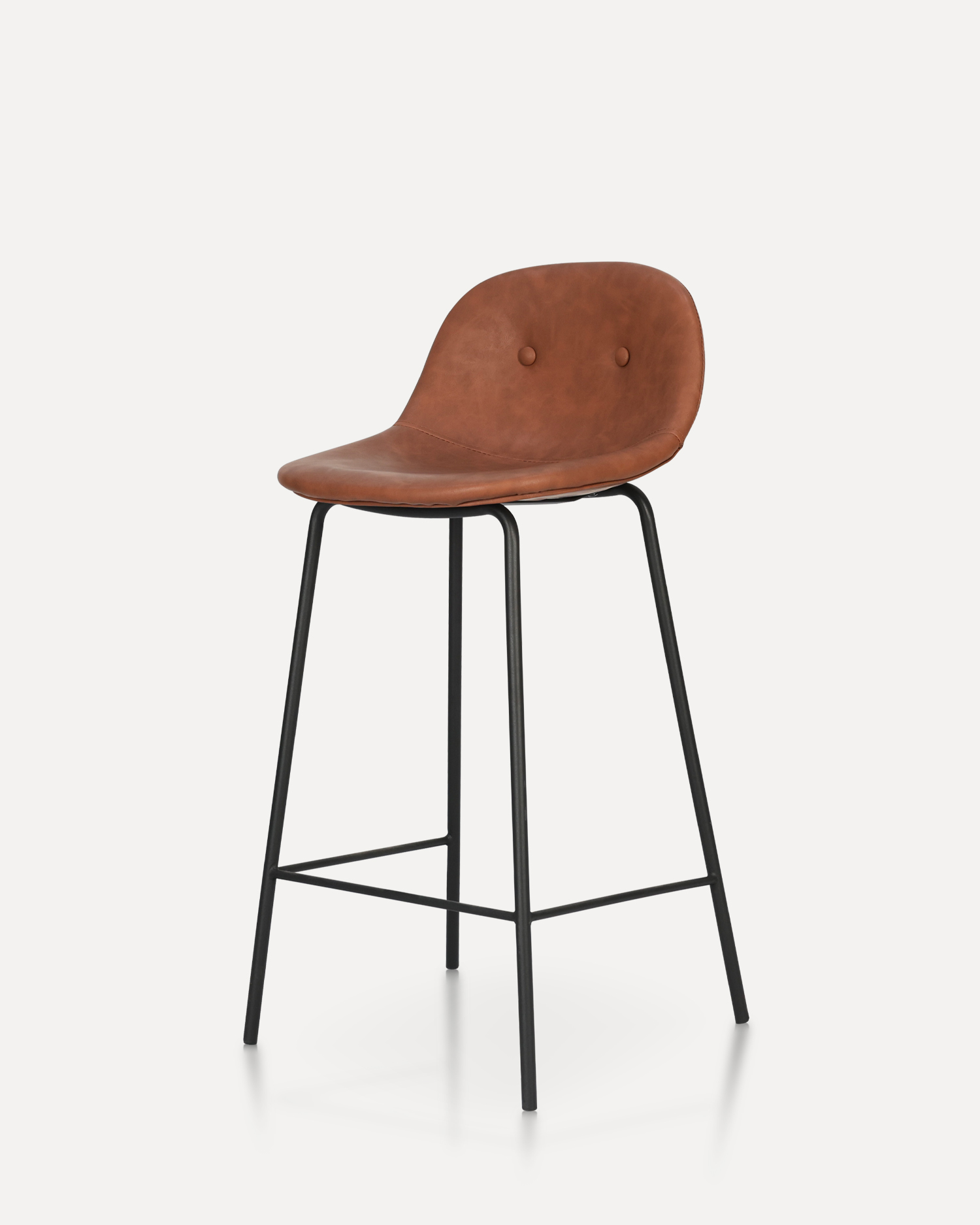
A chair might look amazing in a showroom but feel terrible after 30 minutes at dinner. Before committing, check for these comfort-related features:
A taller chair back provides more lumbar support, which matters for longer meals or if you like to linger at the table. Low-back chairs can look sleek but may feel uncomfortable over time for adults.
A seat that's too deep forces you to slouch. Aim for a seat depth of around 16–18 inches for most adults. If you're choosing upholstered dining chairs, look for high-density foam rather than soft foam — it holds its shape longer and supports your weight better.
Armchairs at the dining table feel luxurious but check that the arms can slide under the table. If the armrest height is greater than the table apron height, they won't tuck in neatly, making the setup feel cluttered.
The material you choose should reflect how you actually live — not just how you want your room to look in photos.
A common rule of thumb is to allow at least 24 inches of table space per person. Here's a quick reference based on table size:
| Table Size | Recommended Chairs |
| 36–48 inches (round or square) | 4 chairs |
| 60 inches (rectangular) | 6 chairs |
| 72–78 inches (rectangular) | 6–8 chairs |
| 84–96 inches (rectangular) | 8–10 chairs |
If you entertain frequently, consider buying one or two extra chairs that you can store away and pull out when needed. Matching sets are easier to find in the moment than later as a discontinued add-on.
Dining chair prices vary widely. Here's what you typically get at each level so you can set realistic expectations:
Before you finalize your purchase, run through this checklist to avoid common mistakes:
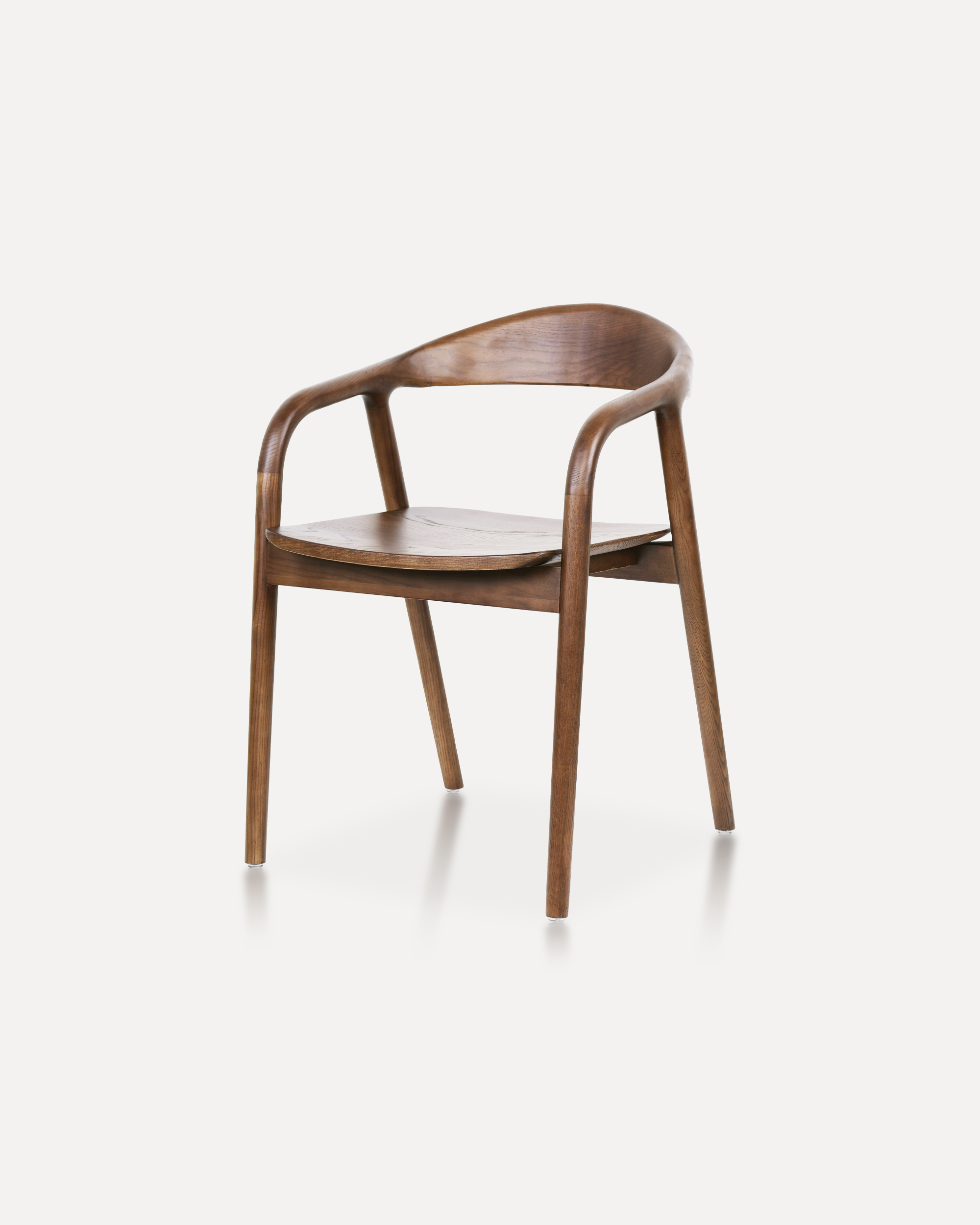
Crafted entirely from solid ash wood, this chair embodies a refined balance of ...
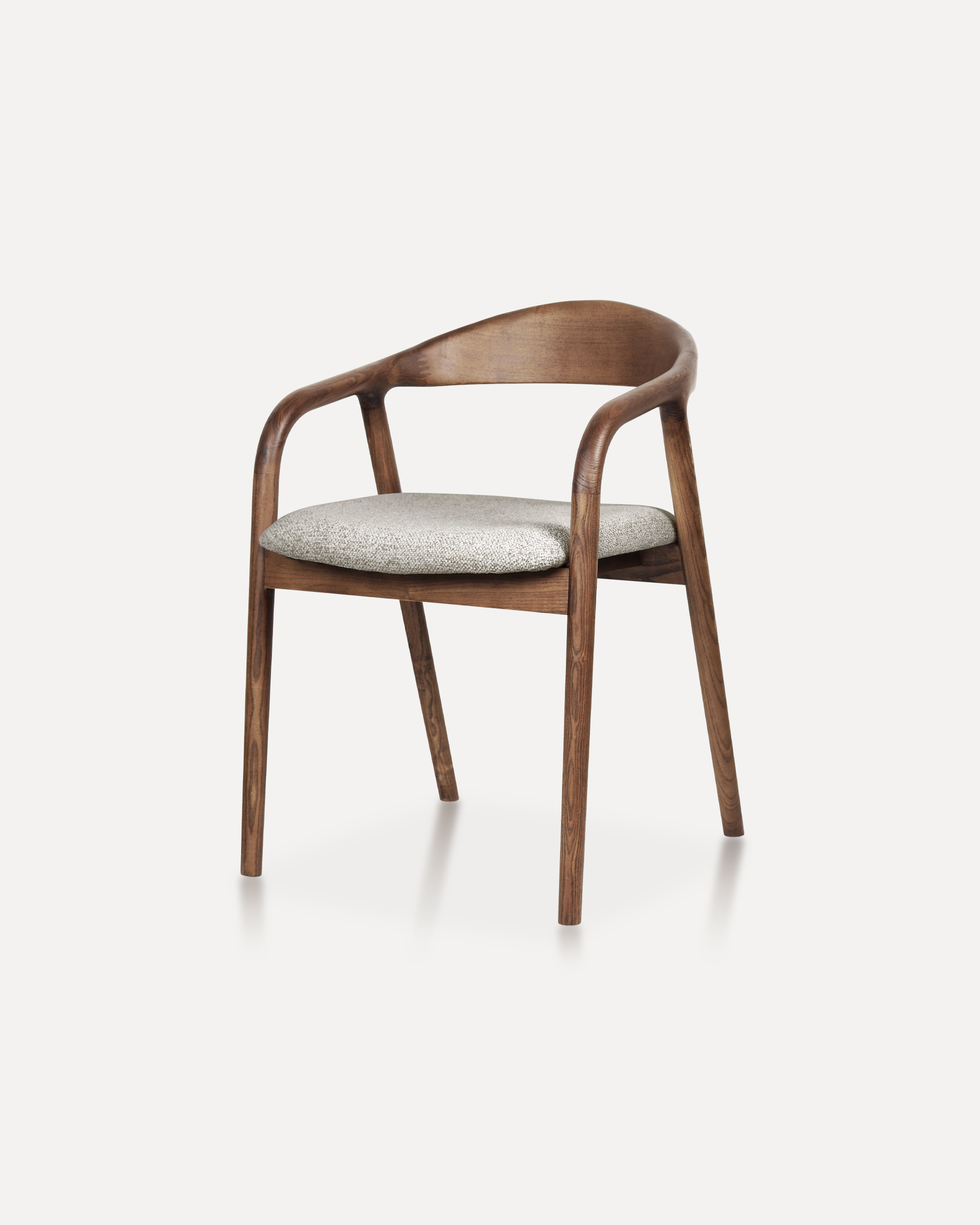
Showcases a refined silhouette with smooth, curved armrests and a gently rounde...
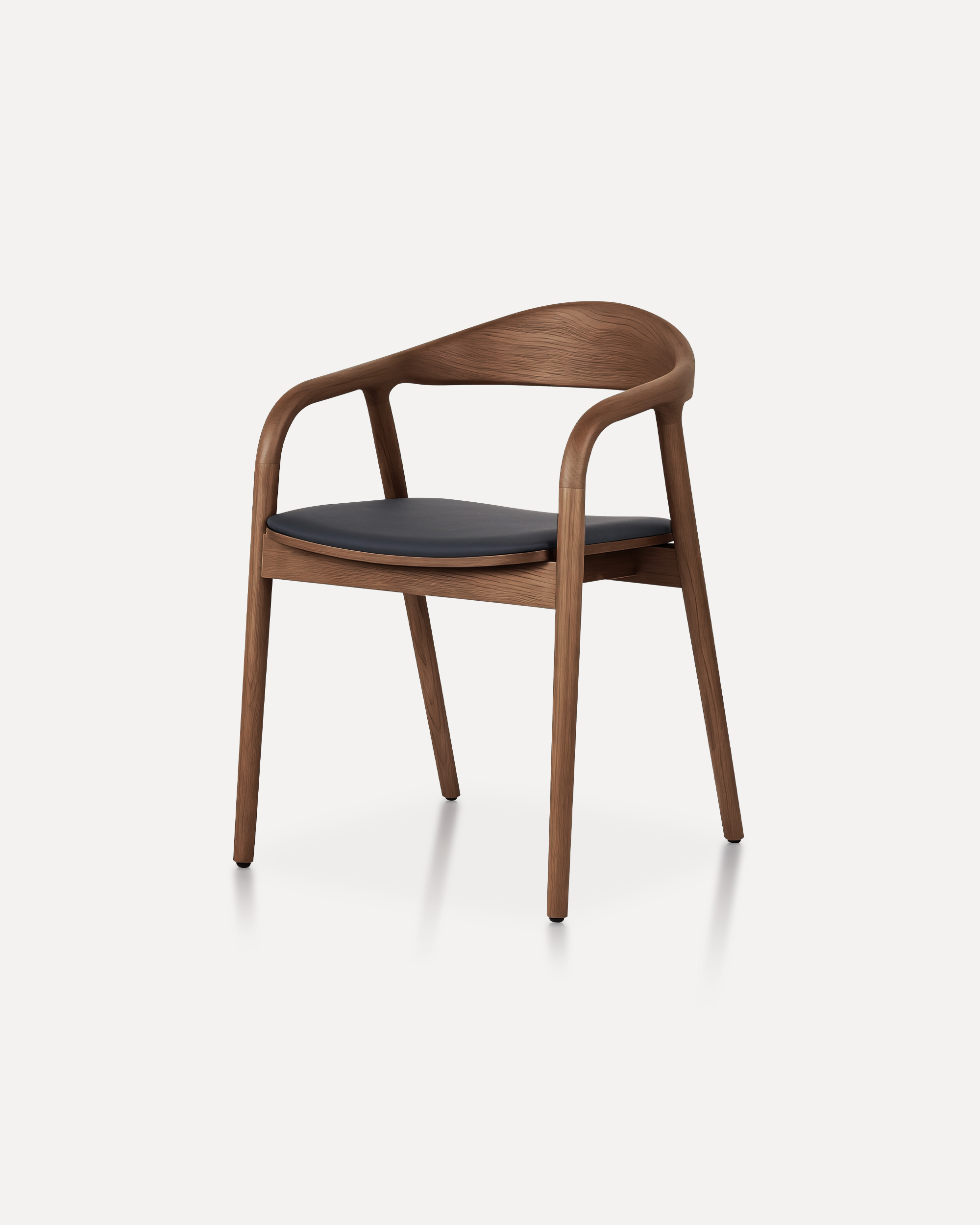
A masterclass in refined joinery and organic geometry, the Arc Chair features a...
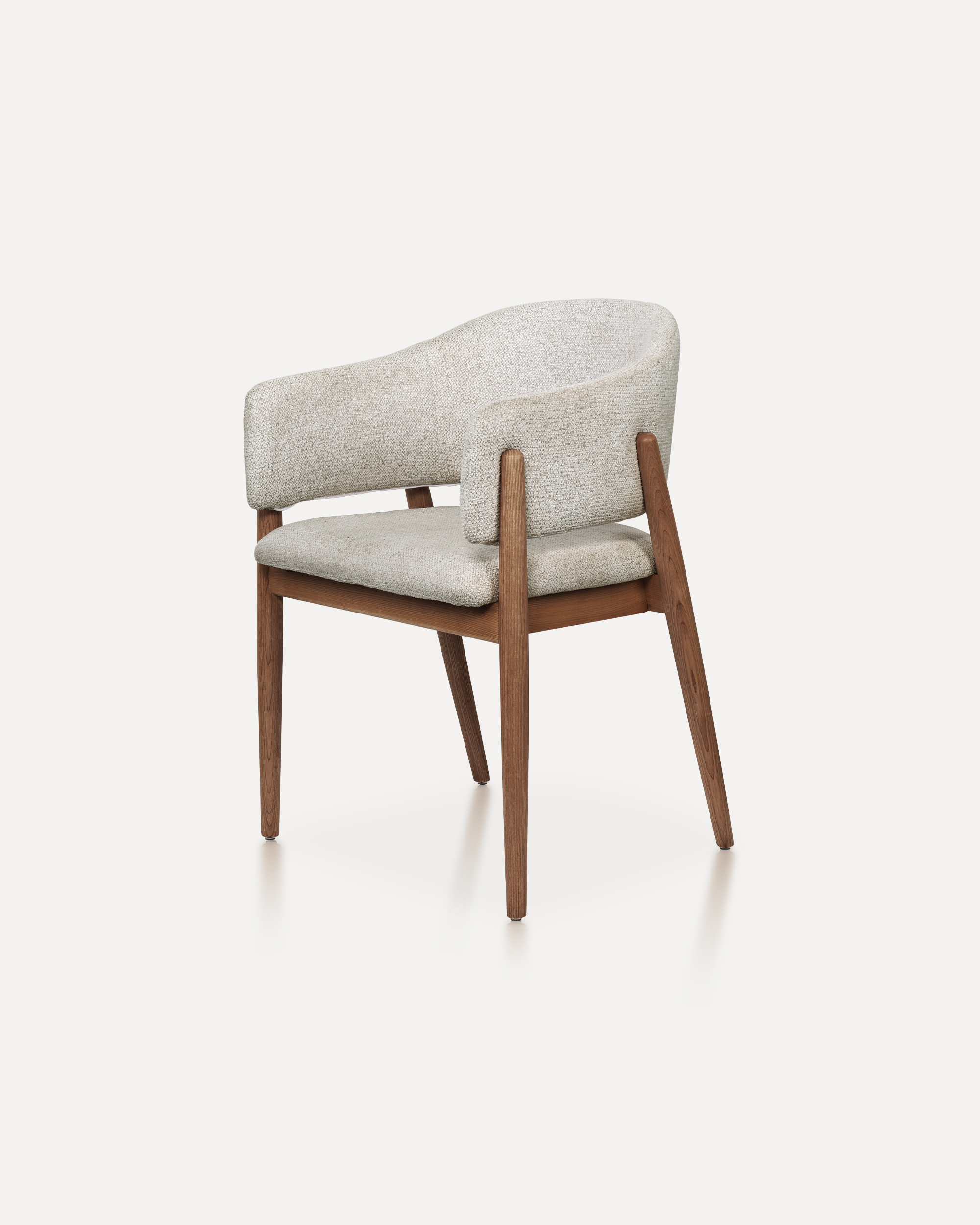
With its refined proportions and welcoming form, this chair brings quiet sophis...
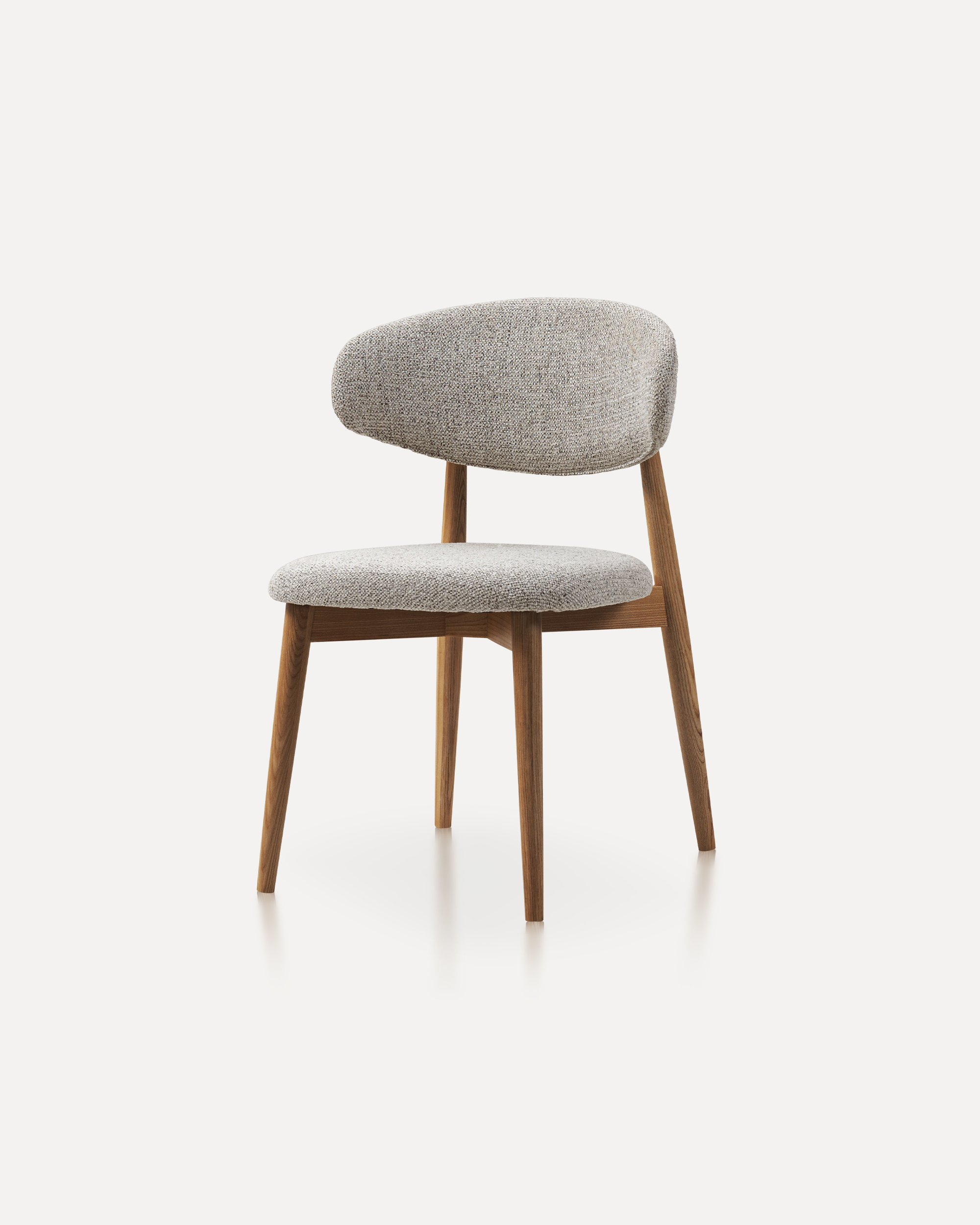
This wooden chair is a classic furniture piece that exudes warmth, durability, ...
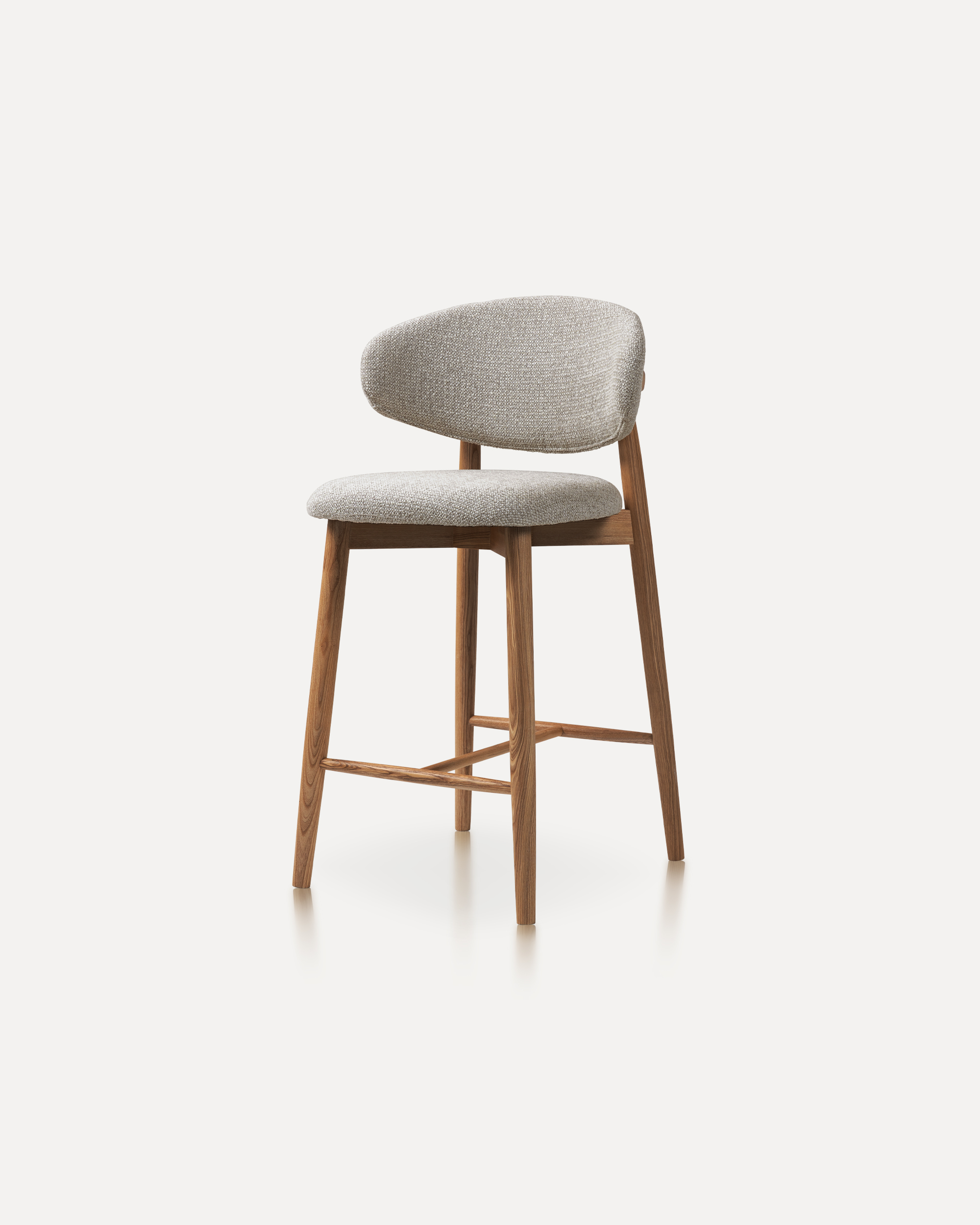
Our Wood Bar Stools are the perfect addition to any high-top table or bar setti...
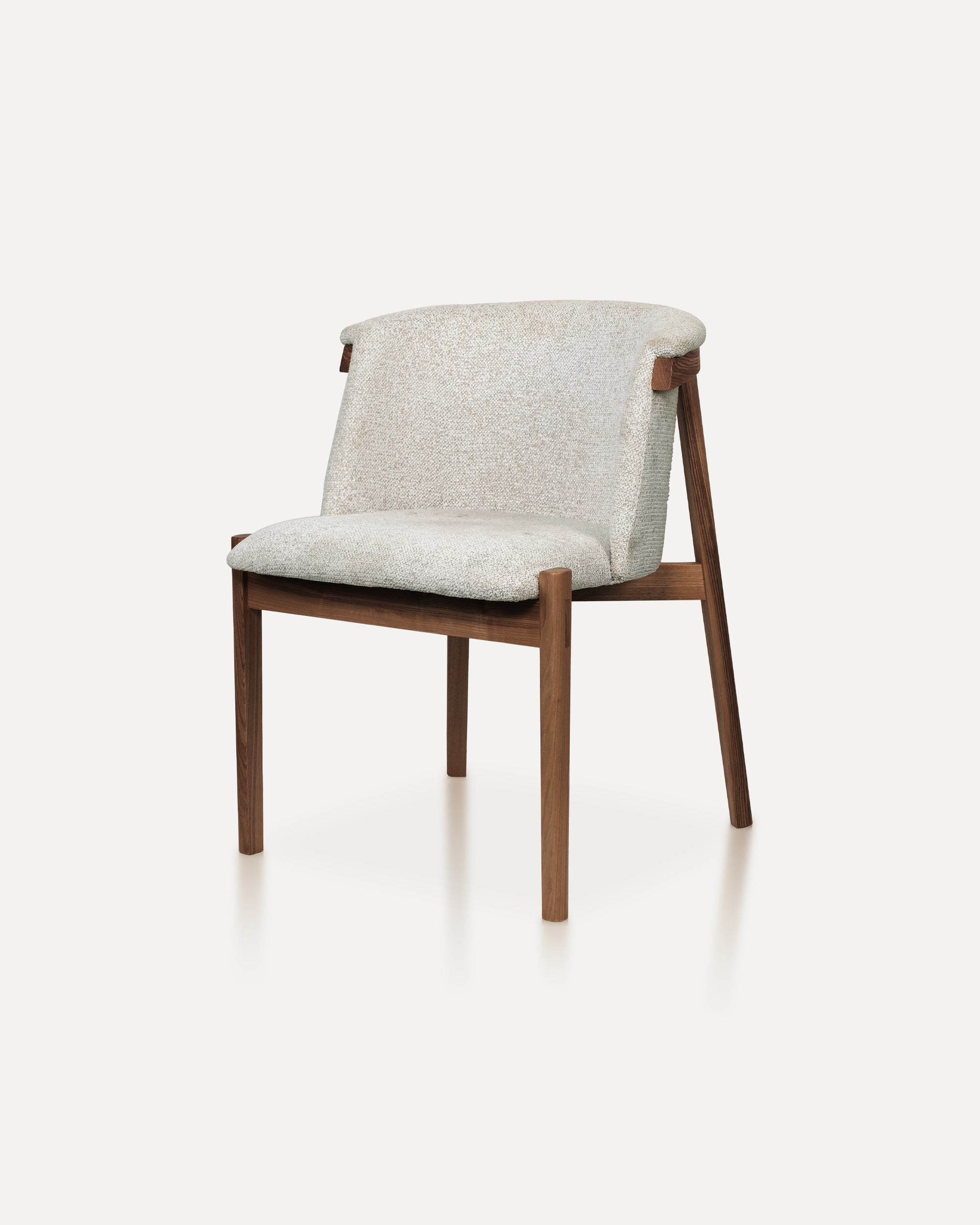
Bring natural elegance into your home with this finely crafted chair. The desig...
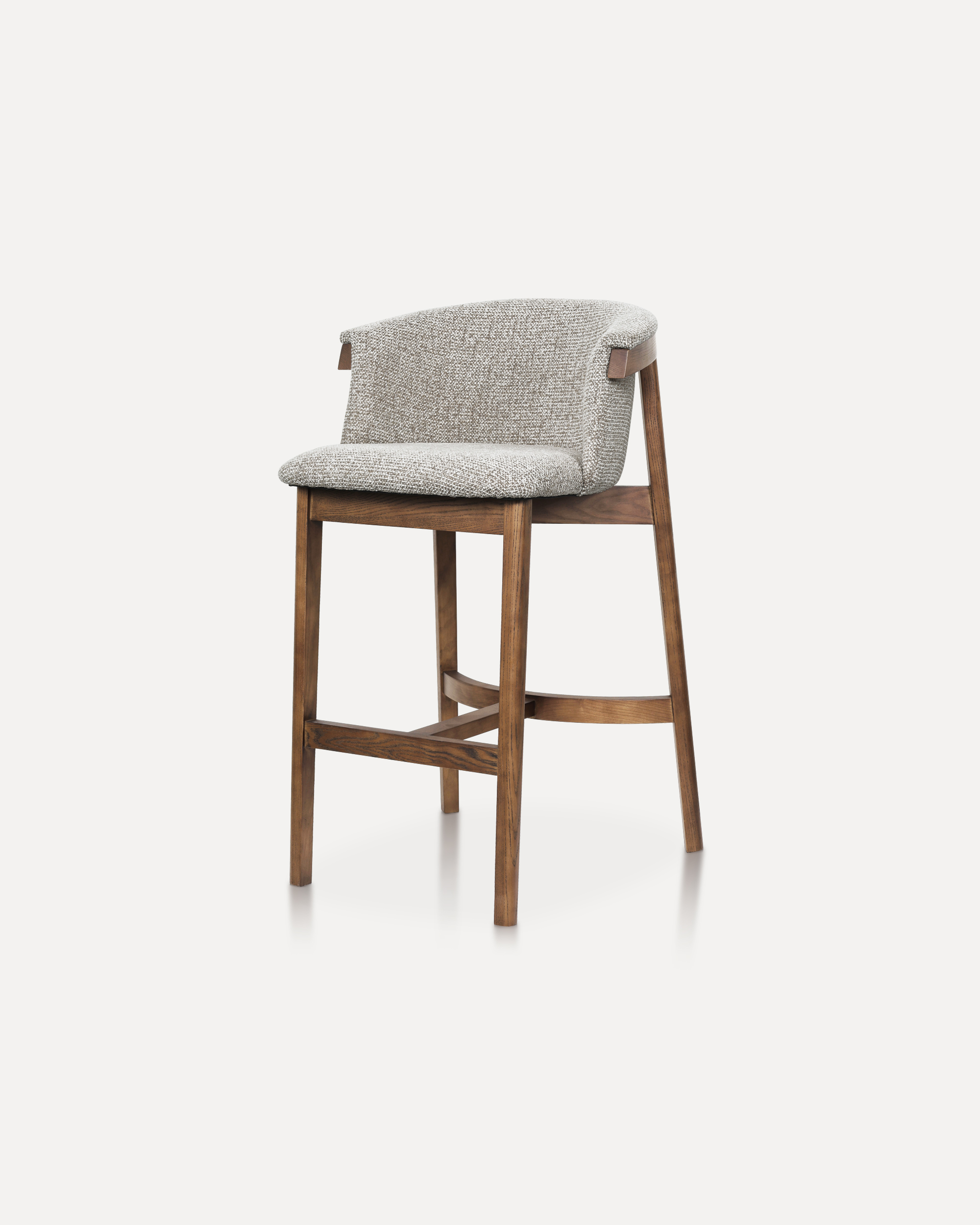
This sophisticated bar chair elevates any counter or high-top setting with its ...
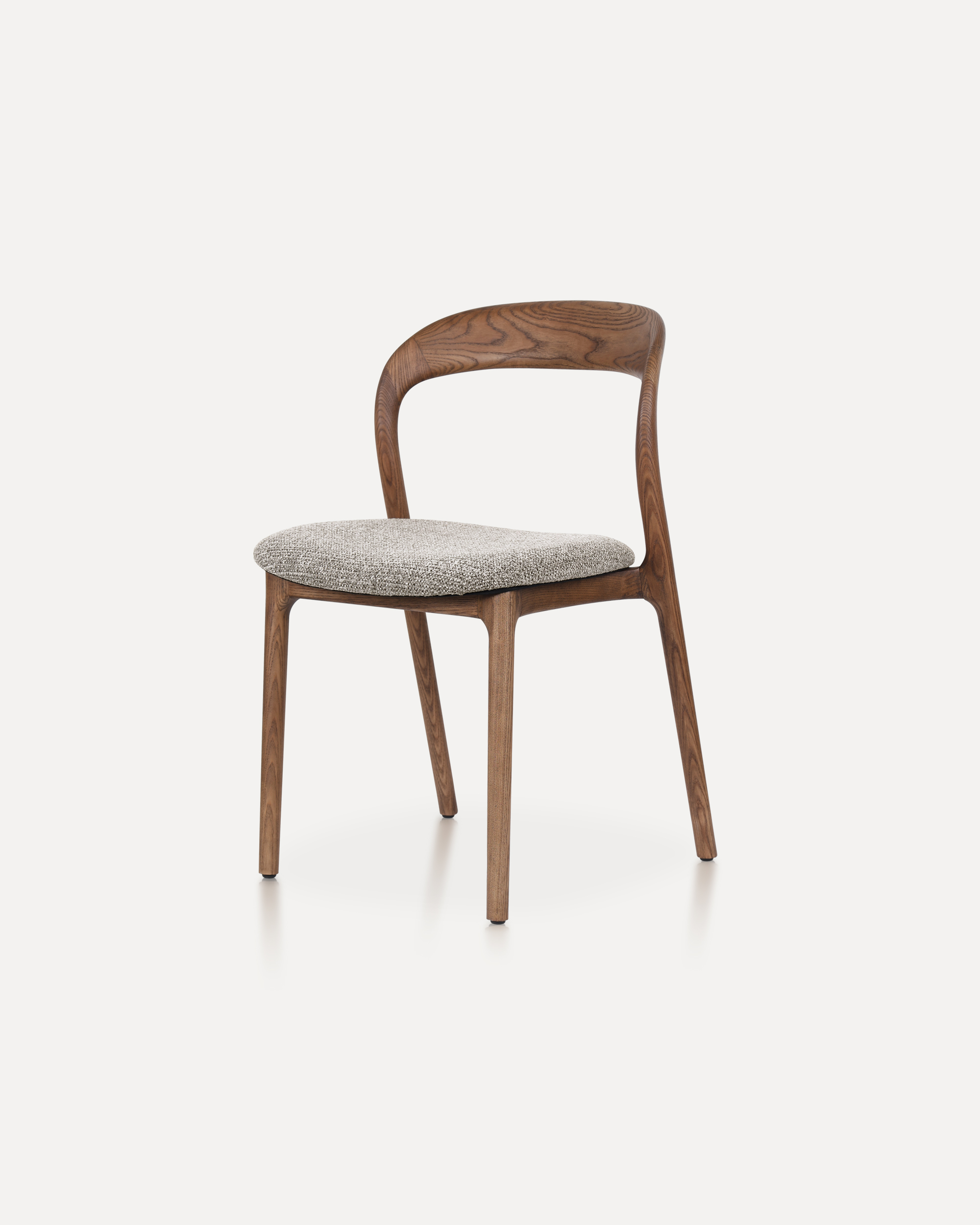
The Echo Chair is crafted from solid ashwood, featuring a unified back-and-arm ...
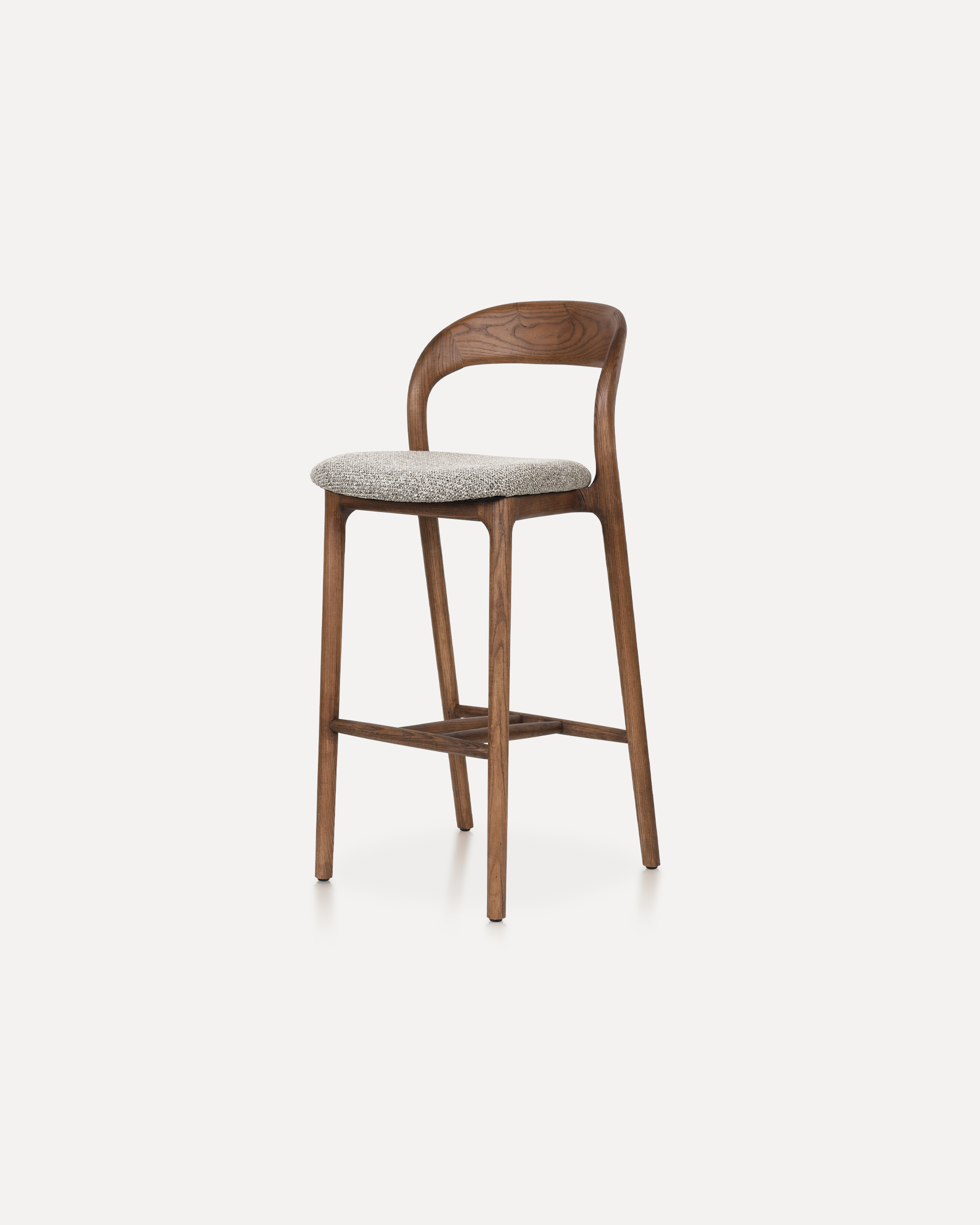
This Bar Chair is a counter-height seating solution crafted from solid ashwood ...
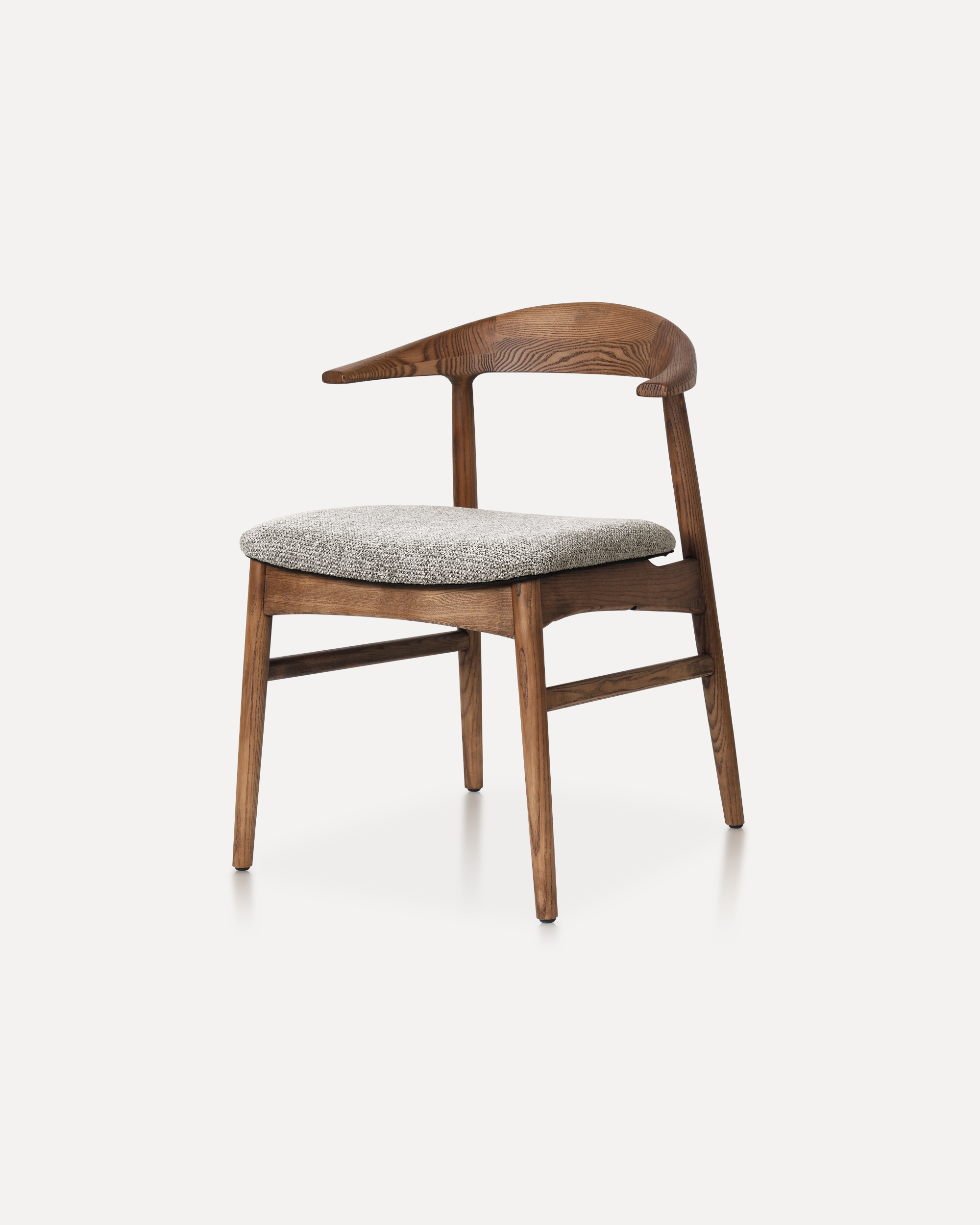
The Horizon Chair reinterprets mid-century warmth for today’s refined interiors...
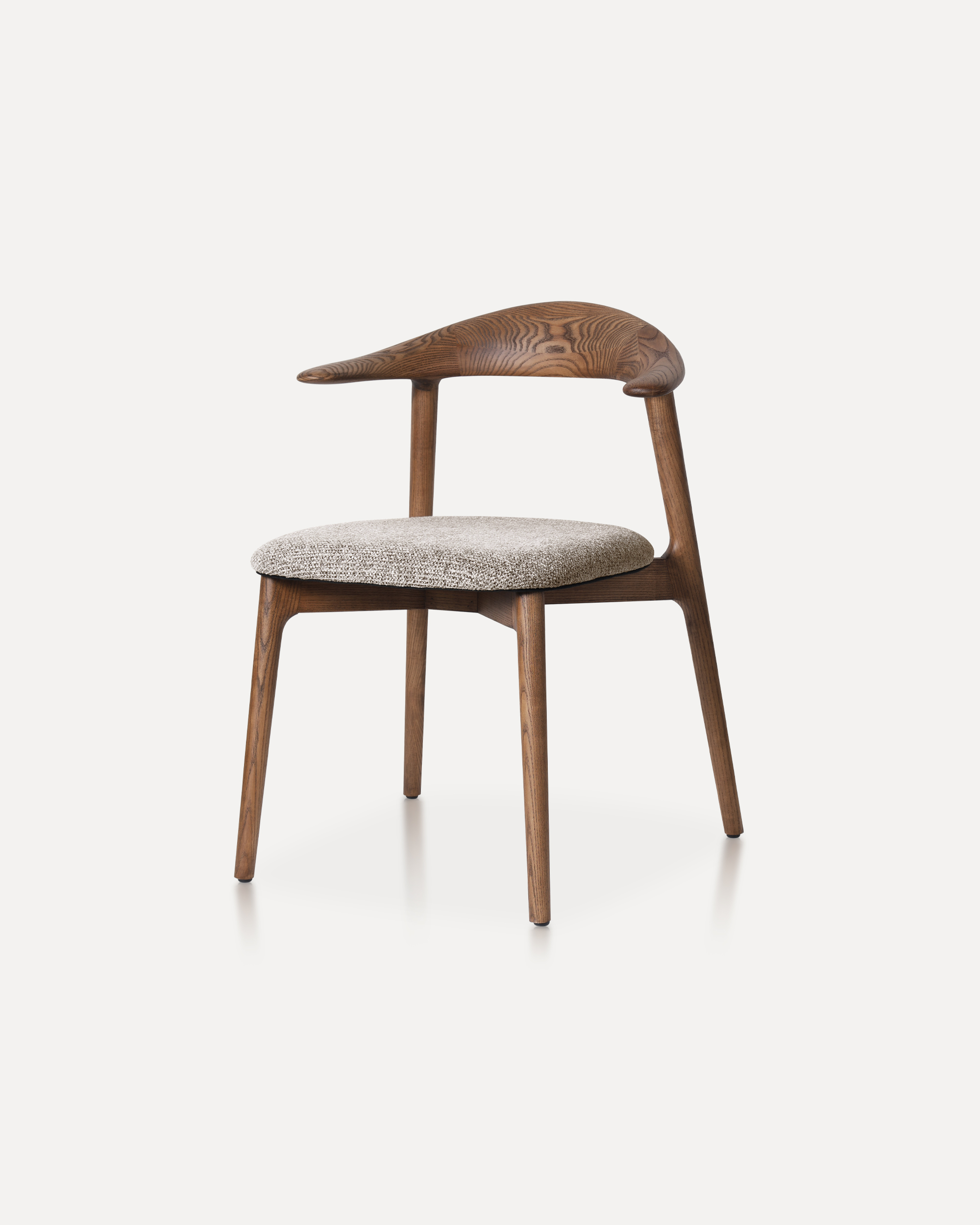
This classic features a striking, organic backrest carved from a single slab of...