
 English
  Français
 Español
Industry News
MENU

Content
Most people spend way more time sitting in the living room than they realize. Between binge-watching shows, scrolling on your phone, reading, or working from the couch, your body can rack up hours of poor posture without you noticing. A regular armchair or sofa often looks comfortable but does almost nothing to support your spine's natural curve. Over weeks and months, this can lead to lower back pain, stiff shoulders, and neck strain. This is exactly why an ergonomic living room chair matters so much. Unlike a standard chair that's designed mostly for looks, an ergonomic chair is built around how your body actually moves and rests, giving your spine, neck, and hips proper support during long periods of sitting.
The word "ergonomic" gets slapped on a lot of furniture these days, but not every chair labeled that way truly earns it. A genuinely ergonomic living room chair is designed with a few core principles in mind: it supports the natural S-curve of your spine, keeps your hips and knees at a comfortable angle, and reduces pressure on your lower back and tailbone. It should also allow your feet to rest flat on the floor and your arms to relax without hunching your shoulders. Here are the main features to check for before buying one.
This is the single most important feature. Good lumbar support fills the gap between your lower back and the chair, keeping your spine in a neutral position instead of letting it slump.
A chair that lets you adjust the seat height or recline angle can adapt to different activities, whether you're reading upright or relaxing with your feet up.
If the seat is too deep, it presses on the back of your knees. If it's too shallow, you lose lower back contact. The right depth leaves a few inches between the seat edge and the back of your knees.
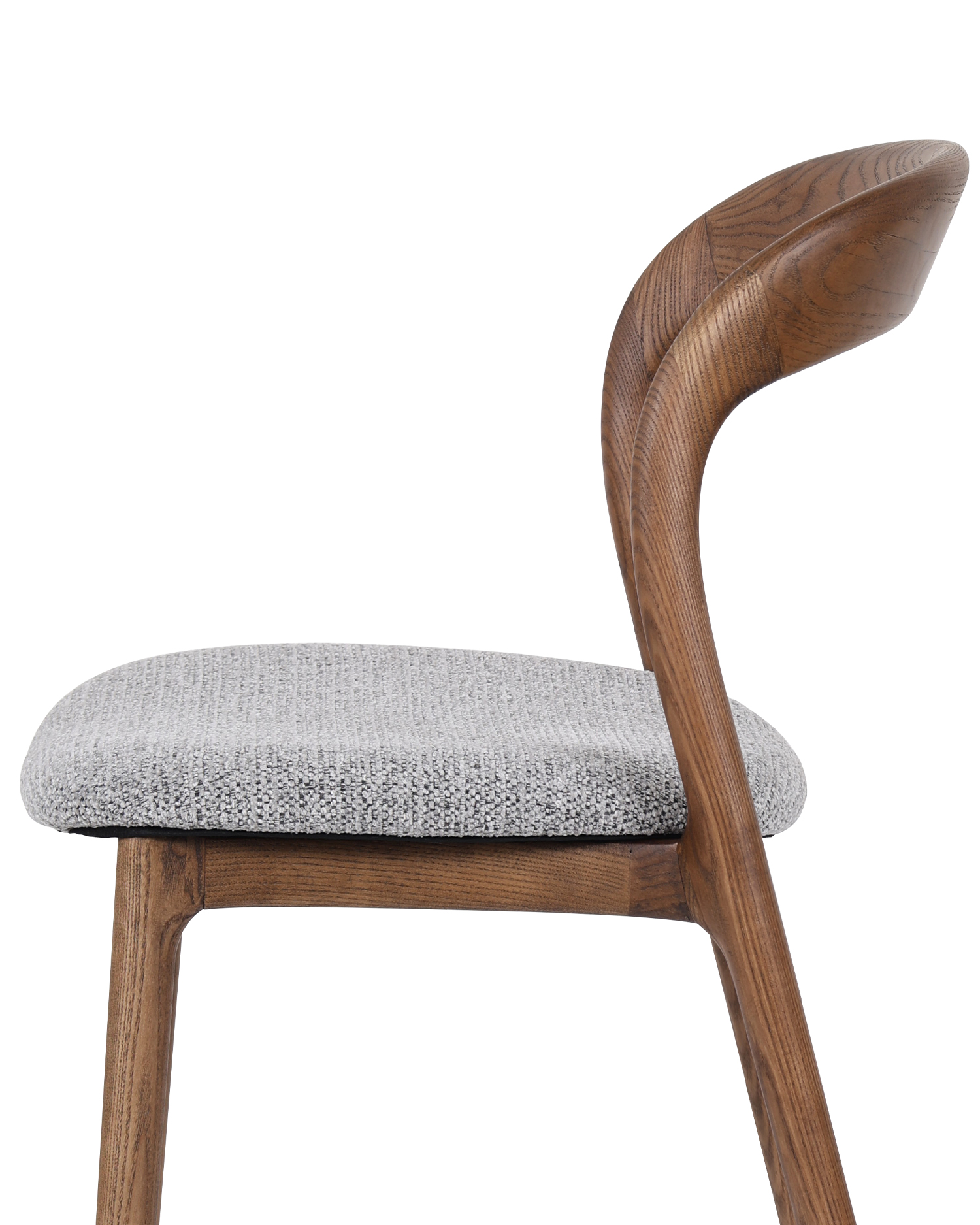
Not every household needs the same style of ergonomic chair. Your choice really depends on how you use your living room and what kind of support your body needs most. Below is a quick breakdown of common options.
| Chair Type | Best For | Key Feature |
| Ergonomic Recliner | Relaxing, TV watching | Adjustable recline with lumbar tracking |
| Ergonomic Reading Chair | Reading, quiet time | Upright back support with headrest |
| Ergonomic Accent Chair | Small living rooms, style-focused homes | Compact frame with molded lumbar curve |
| Ergonomic Work-from-Home Chair | Remote work in the living room | Full adjustability similar to an office chair |
Photos and product descriptions can only tell you so much. If you have the chance to test an ergonomic living room chair in person, take a few minutes to actually sit in it the way you normally would at home. Here's a simple checklist to run through.
The frame and cushioning of a chair play a huge role in how well it holds up over time and how supportive it feels day to day. High-density foam keeps its shape longer than cheaper foam, which tends to flatten and lose support within a year or two. Memory foam contours to your body but can trap heat, so it's worth pairing with breathable fabric. Solid wood or reinforced steel frames tend to offer more stability than particleboard, especially if the chair reclines or swivels. When shopping, don't be afraid to ask about the foam density or frame material directly, since these details usually aren't obvious just by looking at a chair.
Even the best ergonomic living room chair won't help much if it's positioned poorly. Try to place it near natural light if you plan to read or work in it, since poor lighting can lead to leaning forward and straining your neck. Keep a side table within arm's reach so you're not twisting your torso to grab a drink or remote. If you use the chair for long stretches, consider adding a footrest to keep your knees at a comfortable angle and reduce pressure on your thighs. Small adjustments like these can make a noticeable difference in how your body feels after sitting for extended periods.
Furniture wears down gradually, so it's easy to miss the signs that your current chair is no longer doing its job. Watch for these common indicators.
If two or more of these sound familiar, it's a strong sign your body would benefit from upgrading to a proper ergonomic living room chair rather than continuing to patch the problem with cushions or blankets.
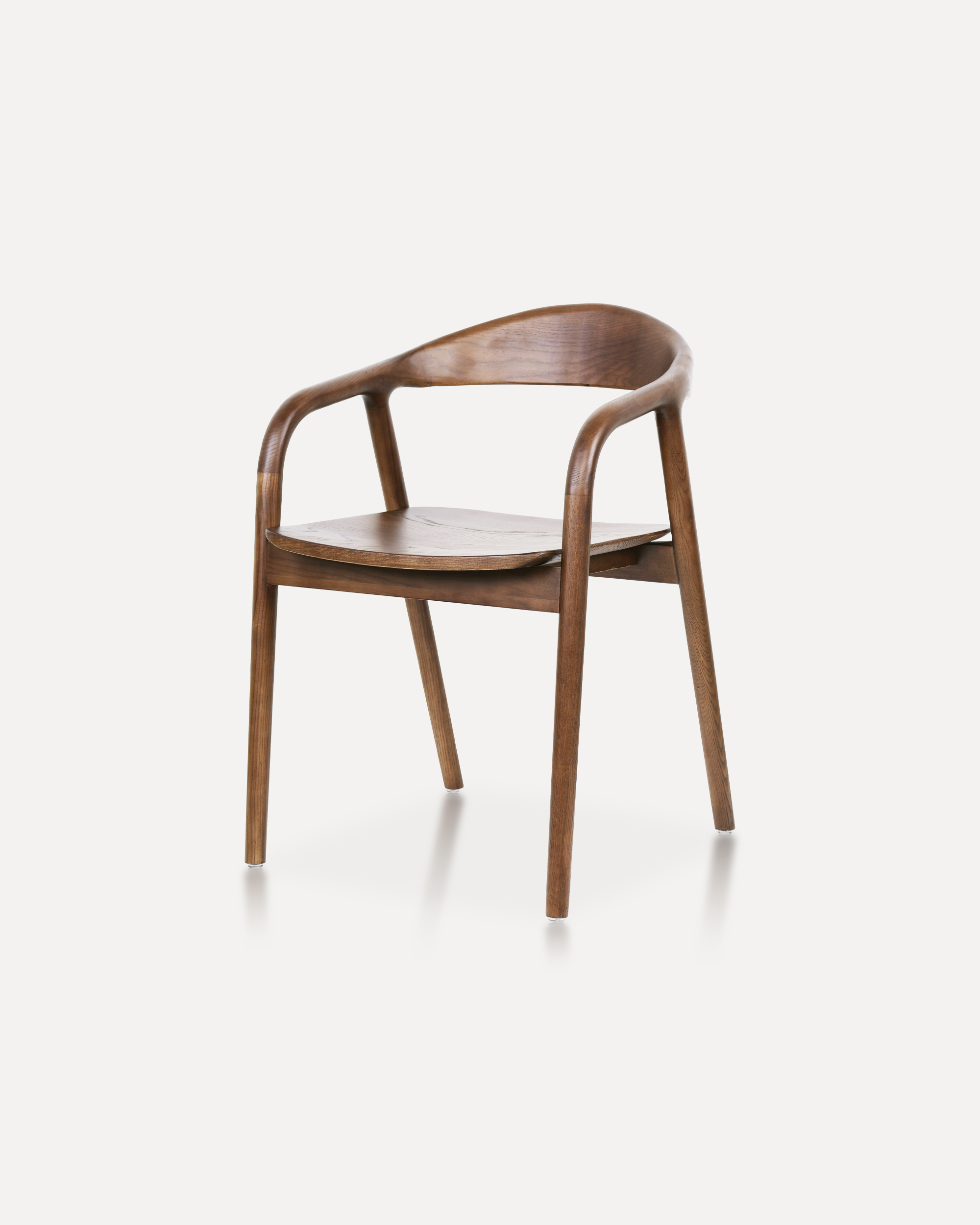
Crafted entirely from solid ash wood, this chair embodies a refined balance of ...
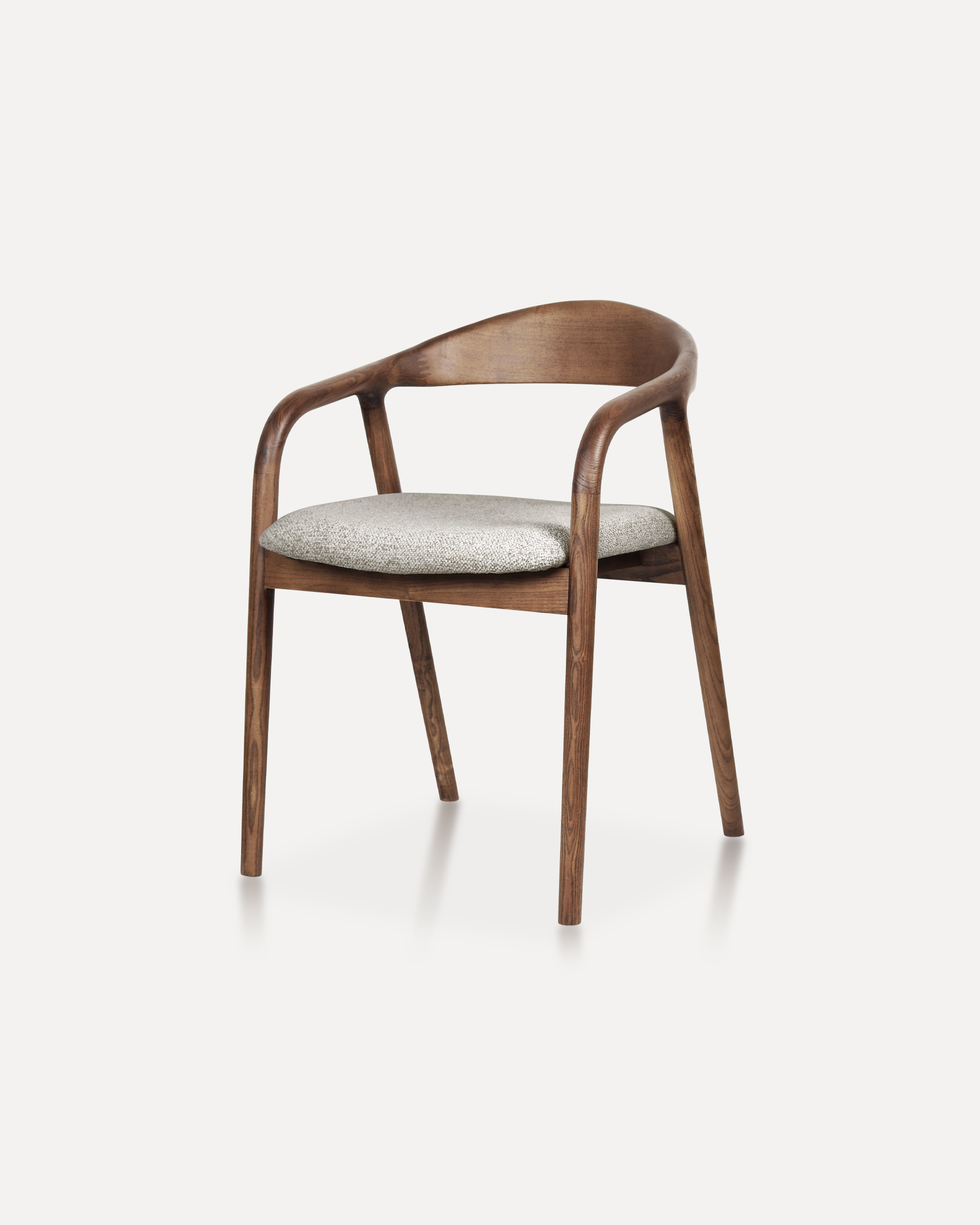
Showcases a refined silhouette with smooth, curved armrests and a gently rounde...
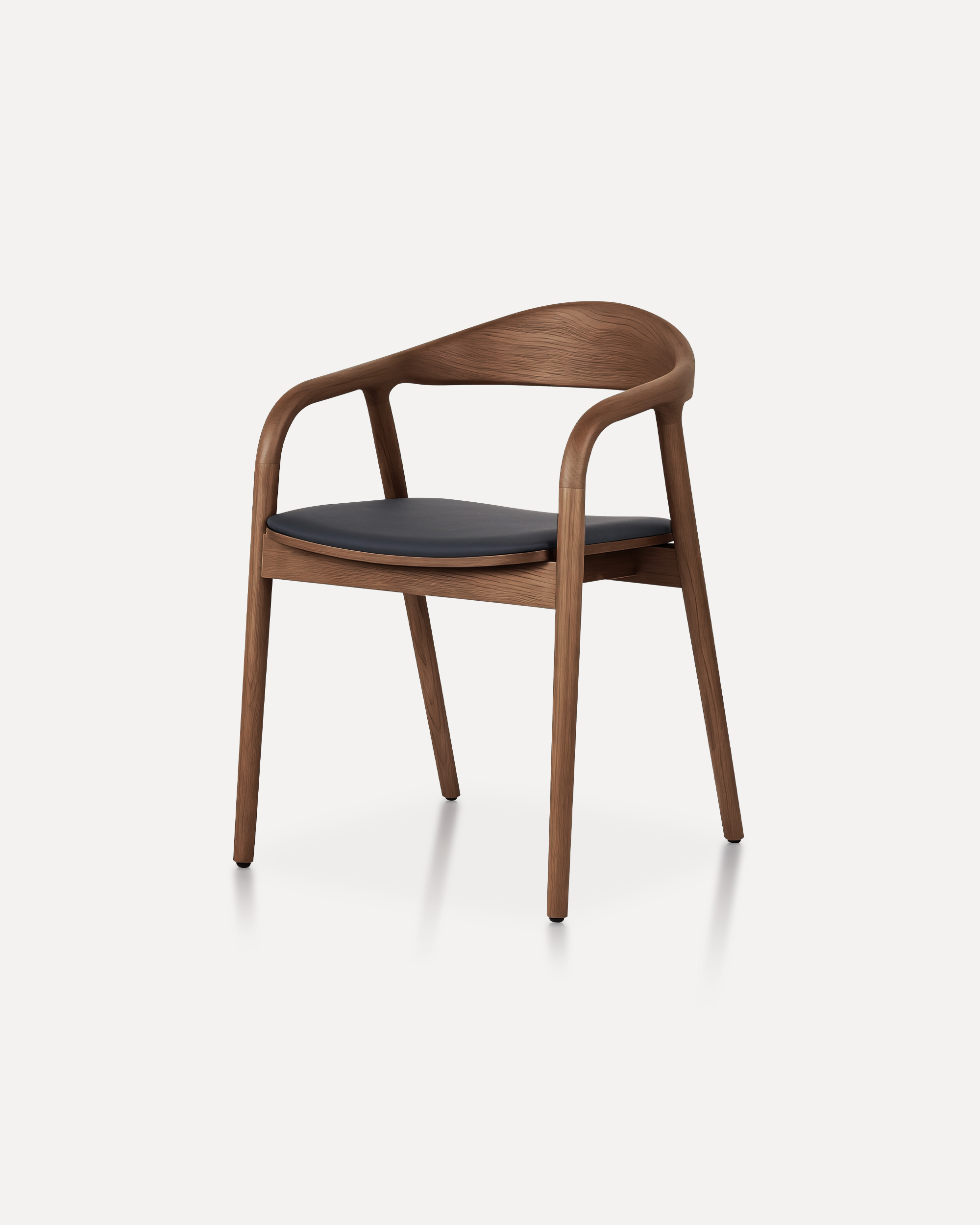
A masterclass in refined joinery and organic geometry, the Arc Chair features a...
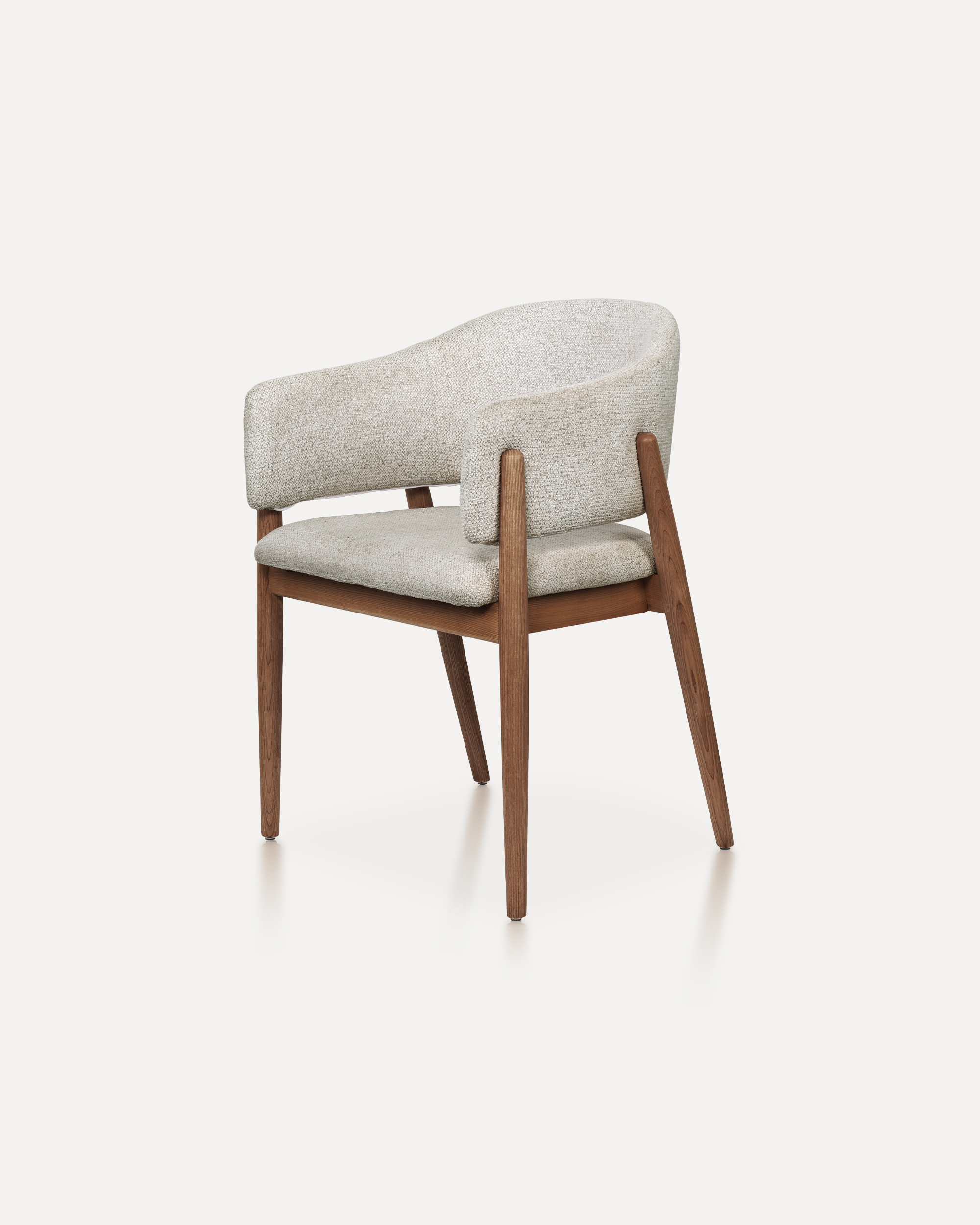
With its refined proportions and welcoming form, this chair brings quiet sophis...
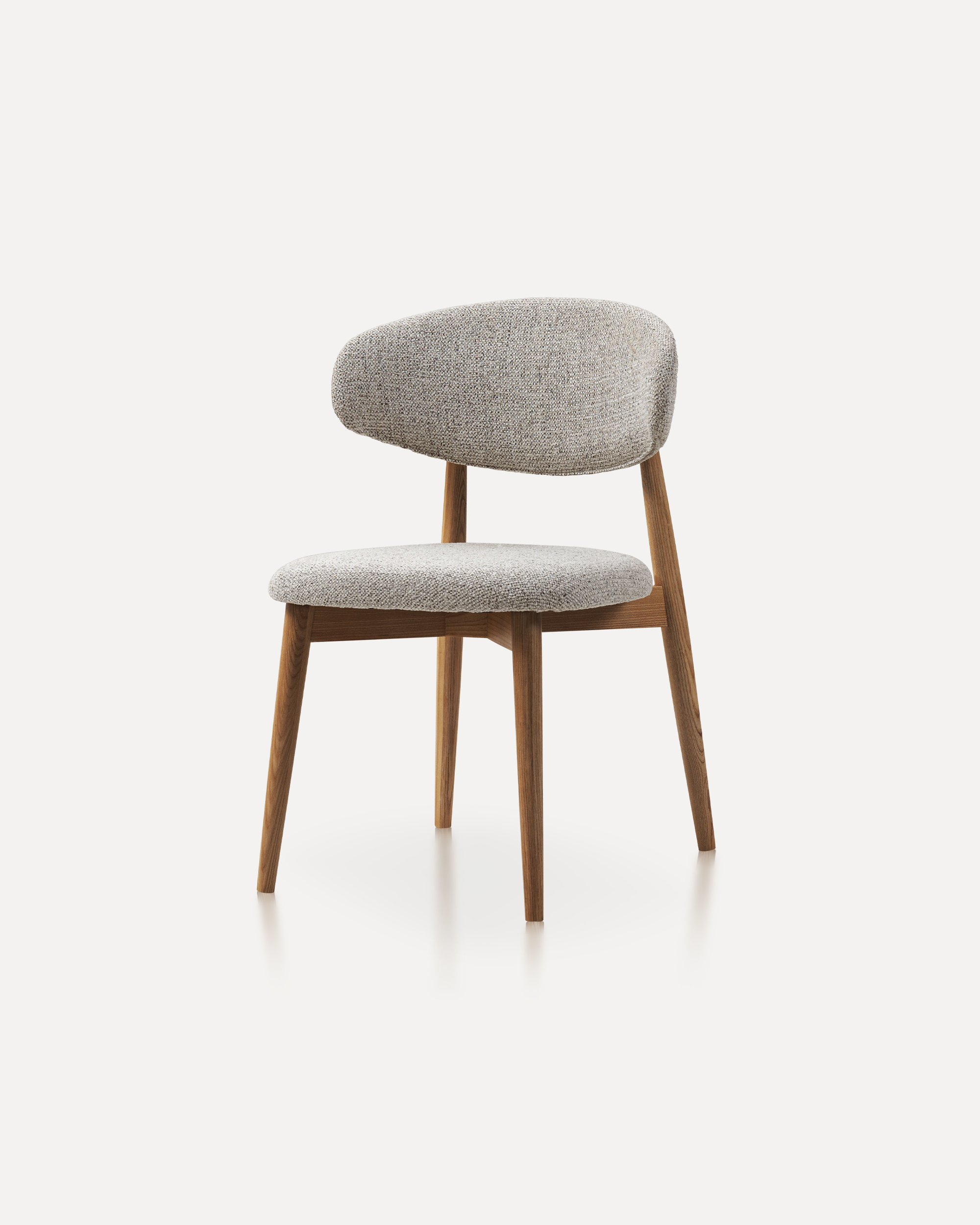
This wooden chair is a classic furniture piece that exudes warmth, durability, ...
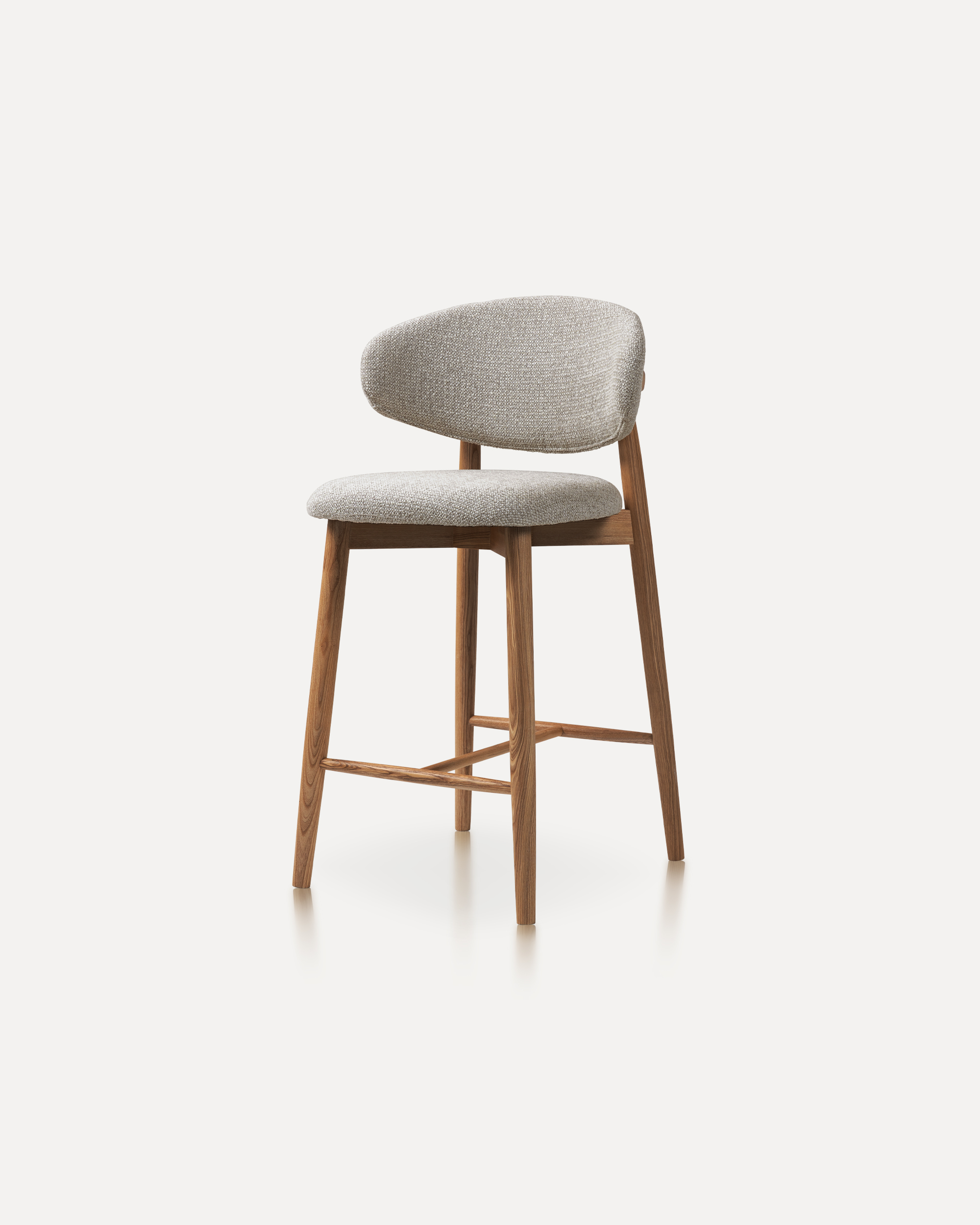
Our Wood Bar Stools are the perfect addition to any high-top table or bar setti...
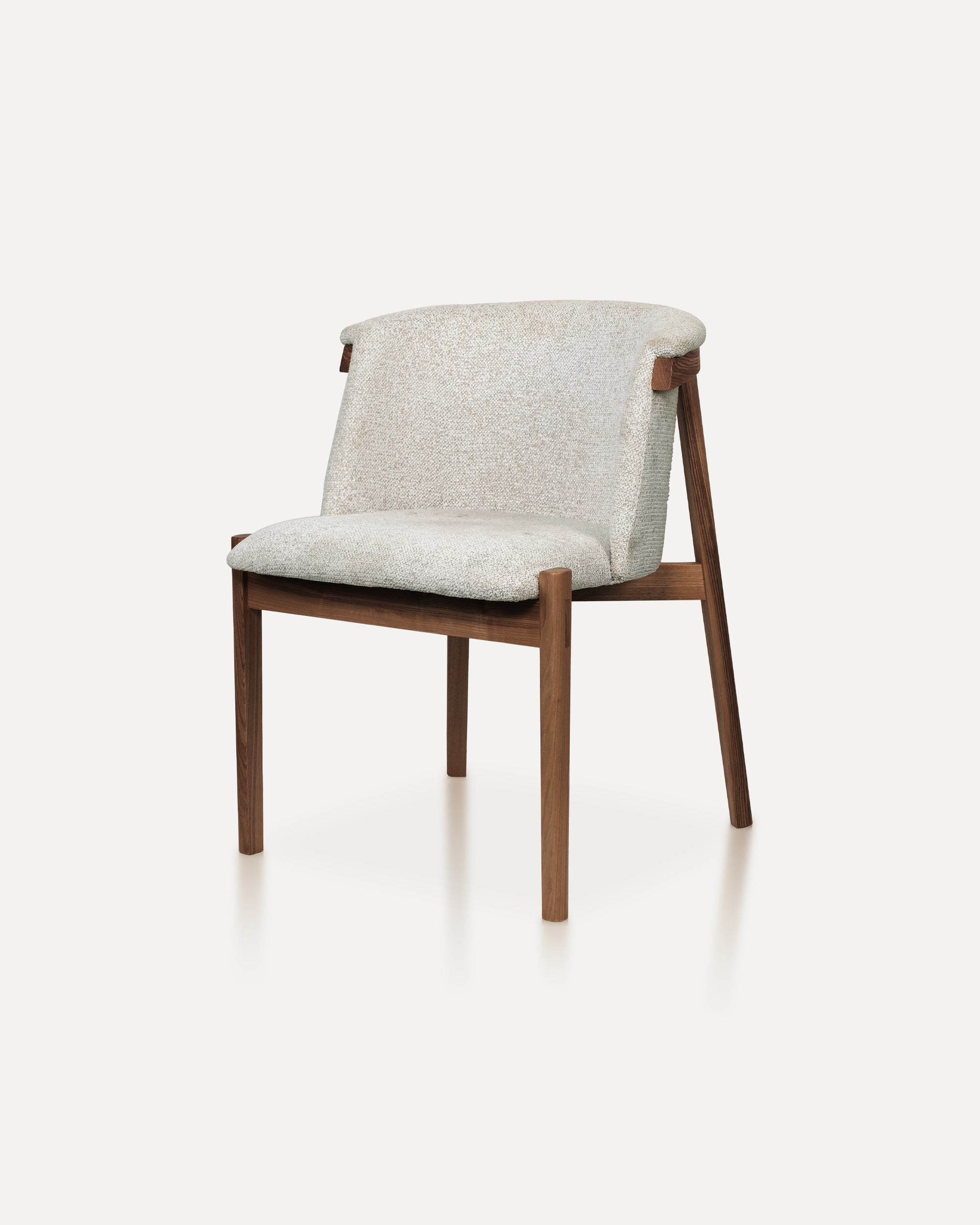
Bring natural elegance into your home with this finely crafted chair. The desig...
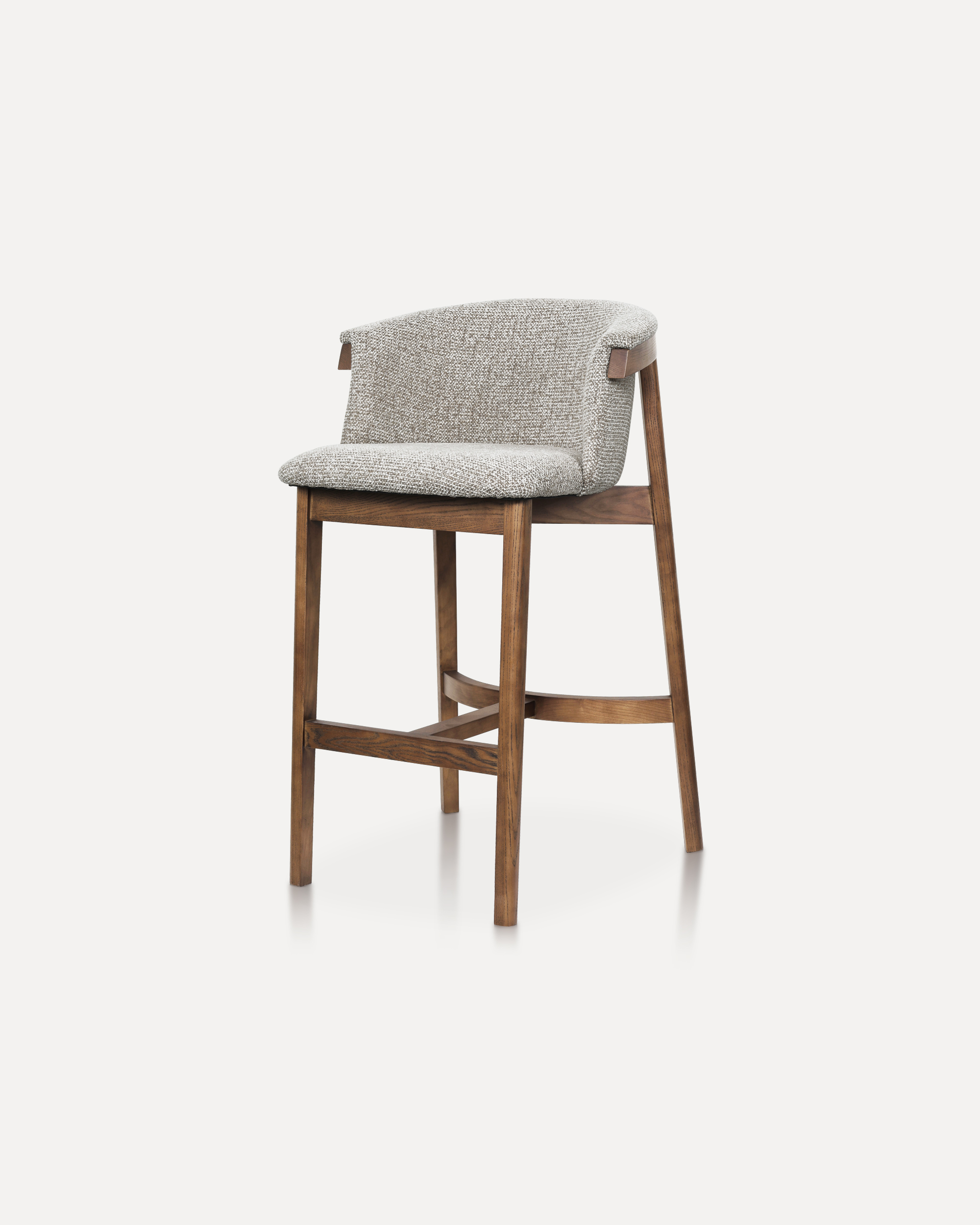
This sophisticated bar chair elevates any counter or high-top setting with its ...
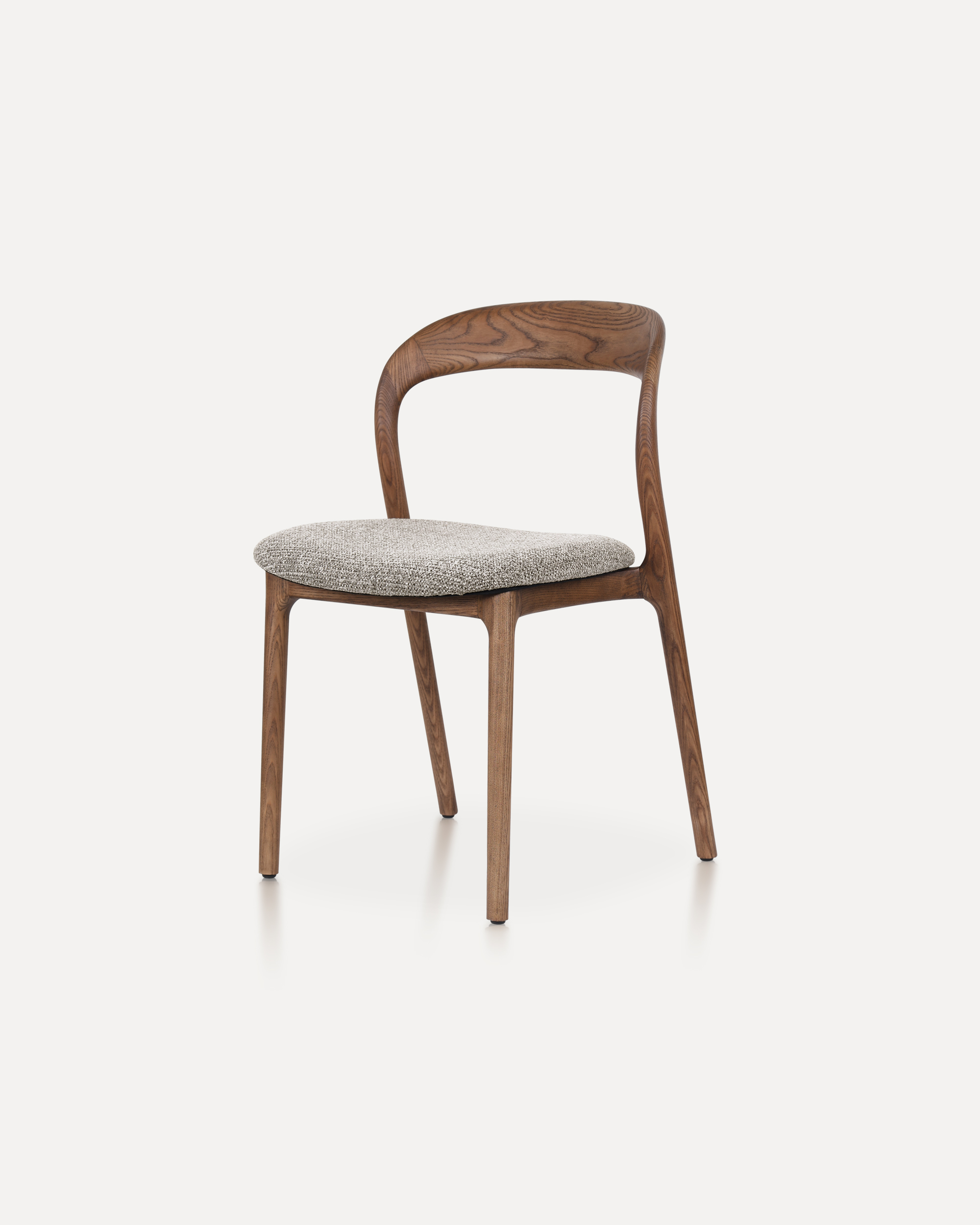
The Echo Chair is crafted from solid ashwood, featuring a unified back-and-arm ...
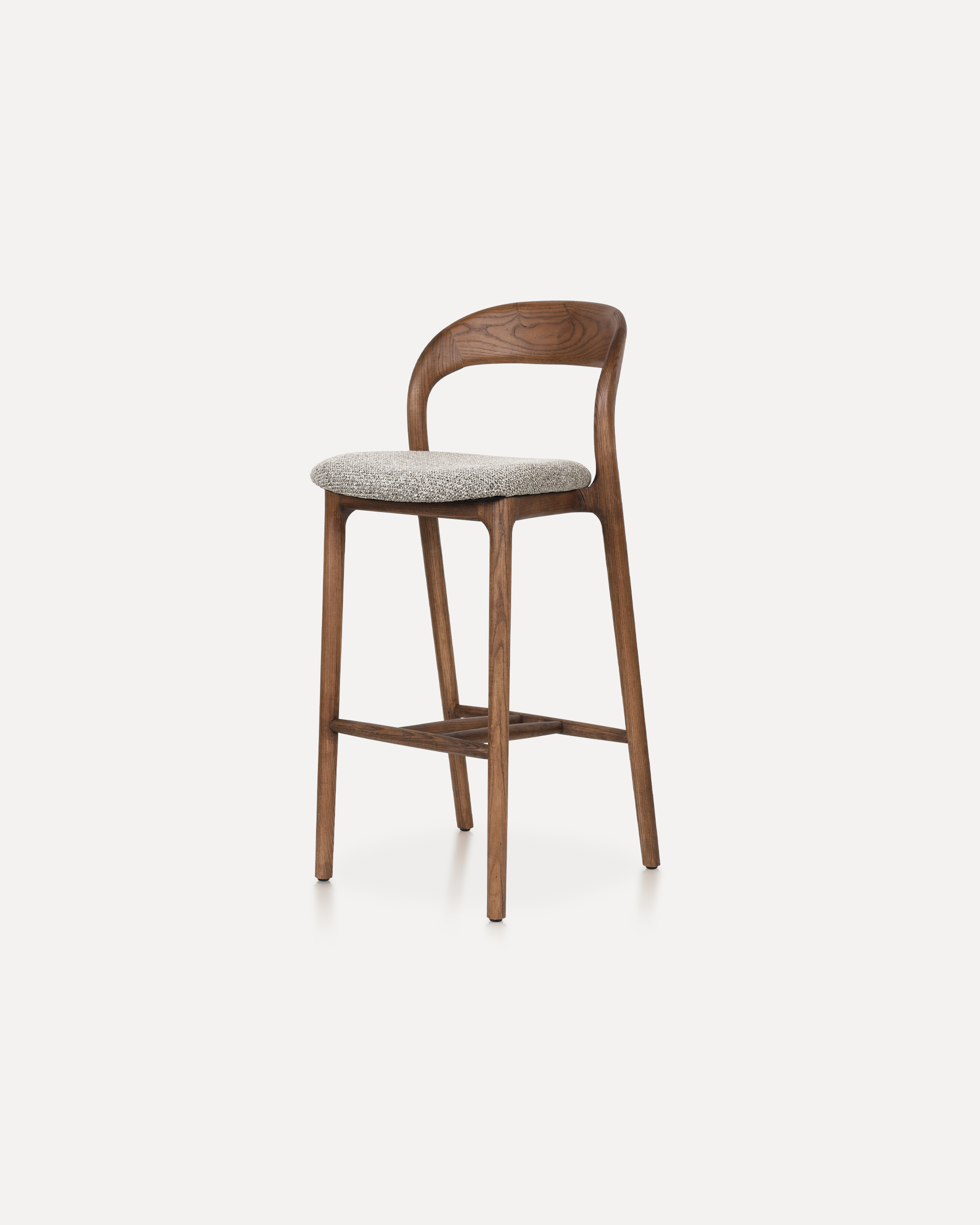
This Bar Chair is a counter-height seating solution crafted from solid ashwood ...
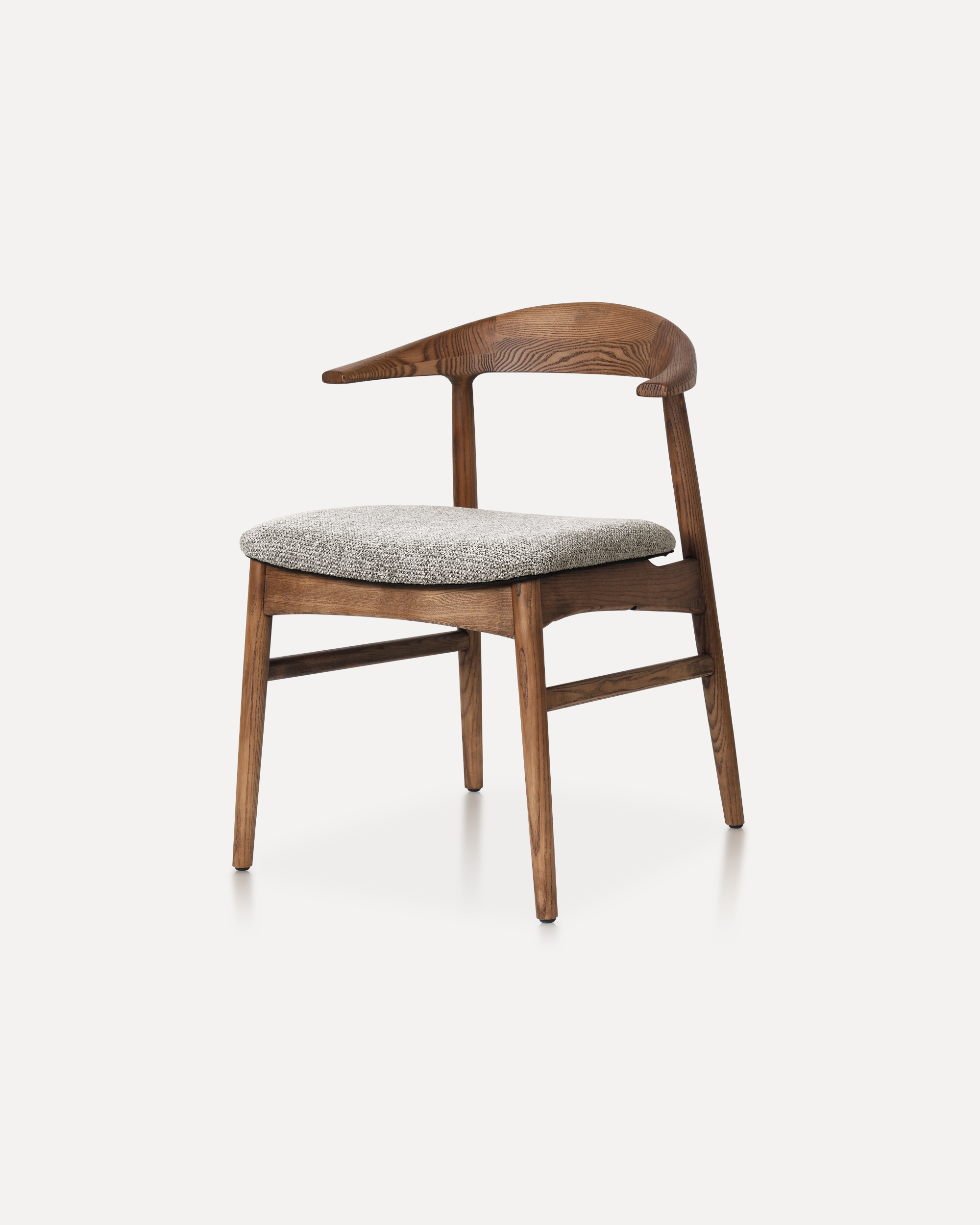
The Horizon Chair reinterprets mid-century warmth for today’s refined interiors...
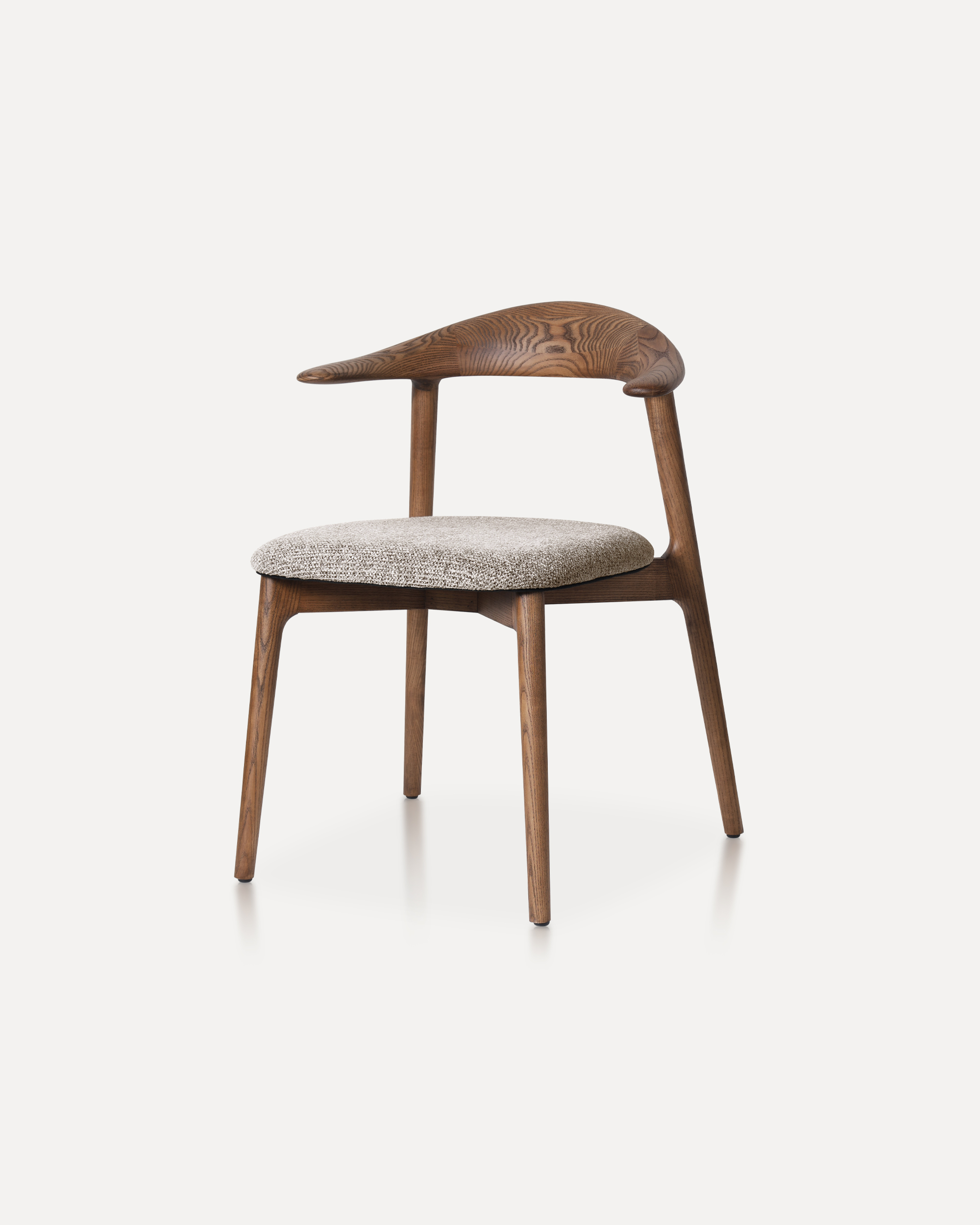
This classic features a striking, organic backrest carved from a single slab of...