
 English
 Français
 Español
Industry News
MENU

A solid wood chair can look beautiful and still feel wrong after twenty minutes. That is the frustrating part about buying seating online: the silhouette is easy to see, but the comfort is hidden in the details. Seat height, seat depth, back angle, wood species, cushioning, and the way a frame is joined all work together. Get those details right, and a wooden chair becomes the piece everyone reaches for first. Get them wrong, and it becomes the chair that looks good in photographs but gets moved to the corner.
This guide walks through the practical side of choosing a comfortable solid wood chair, from the geometry that supports your body to the wood choices that shape long-term feel. It is written from the perspective of a furniture maker that has spent years working with solid timber, so the focus stays on what actually matters when you sit down.
Content
Comfort is not simply a matter of adding foam. A well-designed wooden chair begins with proportions that fit the human body, then uses material and construction to support those proportions. A generous cushion on a badly shaped seat will not fix a chair that is too high, too deep, or too upright.
For most dining chairs, a seat height around 45 to 46 cm suits a standard 75 cm table. The seat depth should allow the back of the knees to clear the front edge by a few centimetres, so the chair supports the thighs without cutting off circulation. Seat width matters too, especially when arms are involved. A chair that feels roomy at the shoulders can still pinch at the hips if the frame is too narrow.
The front edge deserves attention. A slightly rounded or waterfall front reduces pressure under the thighs, while a sharp square edge becomes noticeable during a long dinner. Small details like this are why two chairs with similar dimensions can feel completely different after an hour.
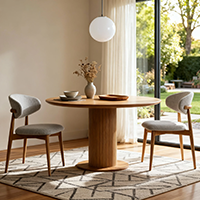
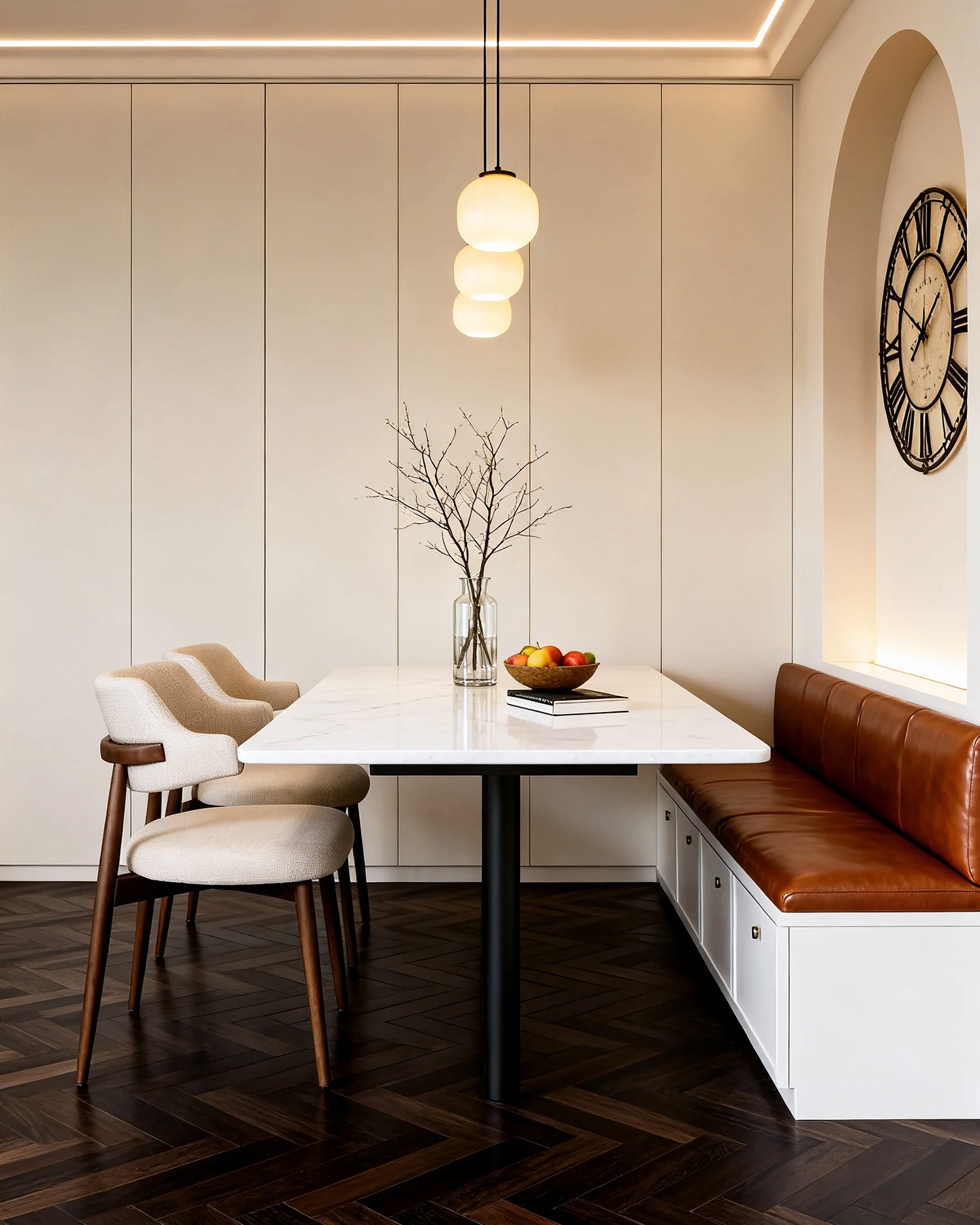 CY2075C Mid-Century Padded Armchair with Curved BackWith plush boucle-style upholstery, a curved ergonomic backrest, and rubberwood legs, this armchair suits dining rooms or a reading corner.View Product →
A comfortable backrest follows the natural curve of the spine rather than forcing it straight. A gentle angle of roughly 100 to 105 degrees from the seat often feels more relaxed than a perfectly vertical back. Lumbar support does not need to be a separate mechanism; a shaped back rail or a slight curve in the right place can do the job quietly and elegantly.
Cushioning is a personal choice, but the material matters. A thin, dense foam pad keeps the chair responsive and easy to get out of. A softer, thicker cushion feels inviting in a lounge chair but can make a dining chair feel sluggish. For solid wood chairs, the best approach is usually a firm seat pad combined with a shaped back, so the chair remains supportive without becoming bulky.
Wood is not just a finish choice. Species affect weight, grain, movement, and the subtle give a chair has when you lean back. European ash, for example, is valued for its straight grain, springy character, and ability to take curved shapes. Rubberwood is denser and more uniform, which makes it a practical choice for everyday dining chairs and contract furniture. Oak brings weight and presence. Walnut brings warmth and a finer grain.
| Wood type | Character | Good fit | Comfort consideration |
|---|---|---|---|
| European ash | Springy, straight grain, takes curves well | Dining and lounge chairs | Gentle flex and shaped back rails |
| Rubberwood | Dense, stable, consistent | Everyday dining, contract use | Firm support with reliable frame strength |
| Oak | Heavy, open grain, strong | Statement dining chairs | Less give; benefits from a shaped seat |
| Walnut | Rich tone, fine grain, dense | Accent and lounge chairs | Warm appearance with a firm sit |
Moisture control is another quiet comfort factor. Timber that has been dried and stabilised properly is less likely to twist, crack, or develop a rocking base. A chair that stays flat on the floor feels more solid because it is solid. At VICO, wood is selected and monitored for moisture content before it becomes a frame, because a beautiful chair that moves over time is not a comfortable one.
Dining chairs need to balance support and sociability. People sit, lean, turn, and push back from the table, often for hours. A slightly contoured seat, a firm pad, and a backrest that encourages relaxed posture work better than a deep lounge shape. Armless dining chairs are easier to tuck under the table, while armchairs add comfort at the head of a larger table.
In a living room or reading corner, comfort becomes more generous. A deeper seat, a reclined back, and softer cushioning invite longer sitting. The frame still matters, because a lounge chair without proper support can feel tired after thirty minutes. A solid wood frame with a shaped seat and a lightly padded back often strikes the best balance between structure and ease.
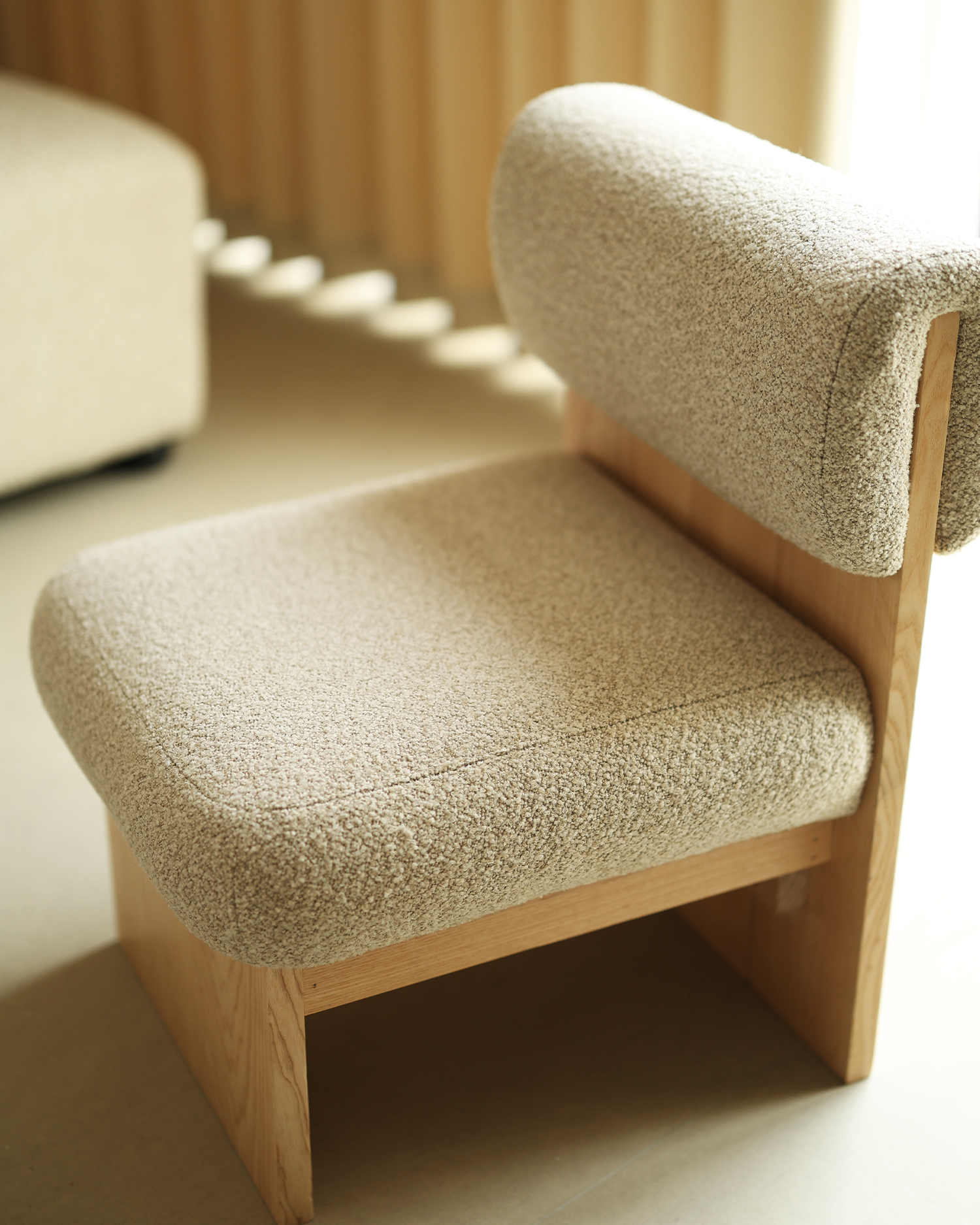 VICO CY2032 Rounded-Back Ergonomic Leisure Chair in Ash WoodThis generously cushioned leisure chair combines a cylindrical backrest with an ash wood frame, making it a supportive reading or relaxation seat.View Product →
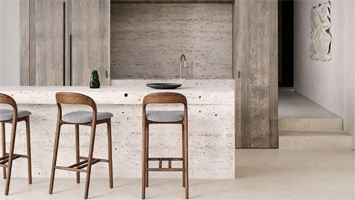
Bar chairs are their own comfort equation. Footrests are essential, because dangling feet quickly become uncomfortable. Seat height must match the counter, and the backrest should support the lower back without blocking conversation. A saddle-shaped seat, as seen in leather-topped wooden chairs, can distribute weight well while keeping the chair visually light.
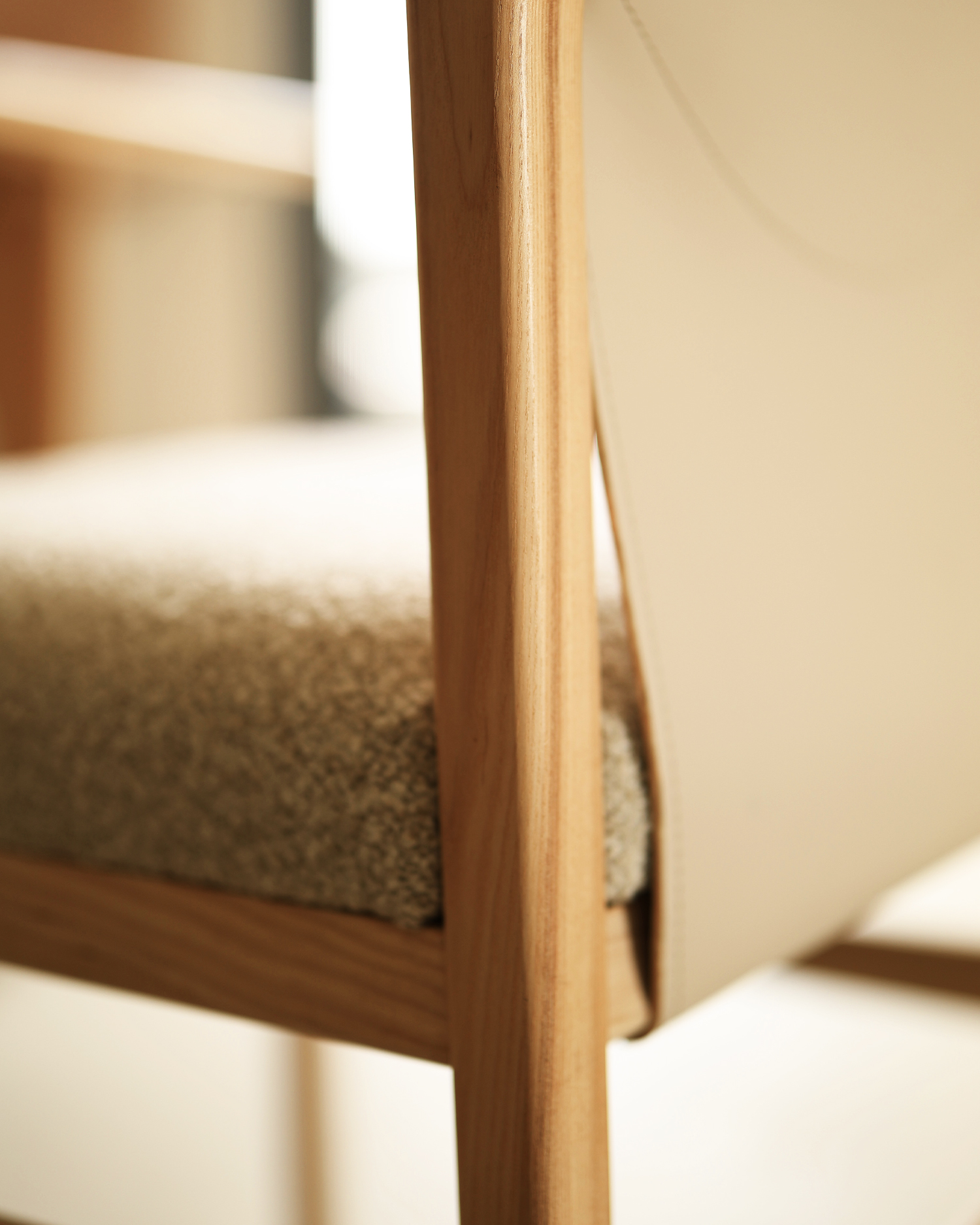 CY2033 Saddle Leather and Ash Wood Dining ChairThis ash wood dining chair features a saddle leather seat and backrest, combining durable structure with a comfortable, elegant sit for dining spaces.View Product →
In hotels, restaurants, and offices, comfort has to survive daily use. Dense foam, durable upholstery, and frames that resist racking are more important than softness. Stackable and knock-down designs can also improve practicality without sacrificing the sit, provided the joints are engineered properly.
A chair that creaks, wobbles, or flexes too much never feels comfortable, no matter how good the cushion is. Look at how the frame is joined. Mortise-and-tenon joints, reinforced corner blocks, and properly tightened hardware all contribute to a stable sit. Screws alone are rarely enough for a chair that will be used every day.
Finish matters for touch as well. A smooth, well-sanded surface is pleasant on the hands and arms, while a rough interior edge can catch clothing. Low-sheen finishes often feel warmer and show wear more gracefully than high-gloss surfaces. If the chair has a removable seat pad, check that the fasteners are simple to reach and that the pad can be replaced without damaging the frame.
Knock-down construction is not a compromise by default. A well-designed disassemblable chair can be shipped efficiently and assembled with solid hardware, making it a practical option for projects and remote deliveries. The key is to use metal-to-metal connections where movement occurs and to provide clear assembly instructions.
Solid wood responds to its environment. Keep chairs away from radiators, direct sunlight, and damp walls, and aim for a stable indoor humidity level. Dust with a soft cloth, wipe spills quickly, and avoid harsh cleaners that strip the finish. Felt pads under the legs protect both the chair and the floor, and checking screws or bolts once or twice a year keeps the frame tight.
For designers, retailers, and hospitality buyers, comfort is only one part of the brief. Consistency, documentation, and communication matter just as much. VICO has been making wooden chairs since 2001, working with European ash, rubberwood, and other solid timbers for customers around the world. The company's approach combines material research, controlled moisture content, FSC-certified wood sources, and a product range that covers dining, lounge, bar, and side chairs.
If you are specifying seating for a project, it helps to work with a maker that can explain the frame, the finish, and the cushion build clearly. You can read more about VICO's background and manufacturing approach, or contact the team to discuss a specific chair, sample, or range. Good comfort is rarely accidental; it comes from decisions made long before the chair reaches the room.
A comfortable solid wood chair is a quiet piece of engineering. It supports the body without drawing attention to itself, stays stable, and looks better with use. Start with geometry, choose the wood for the way the chair will live, and check the construction before you fall for the finish. When those pieces line up, the chair earns its place at the table for years.
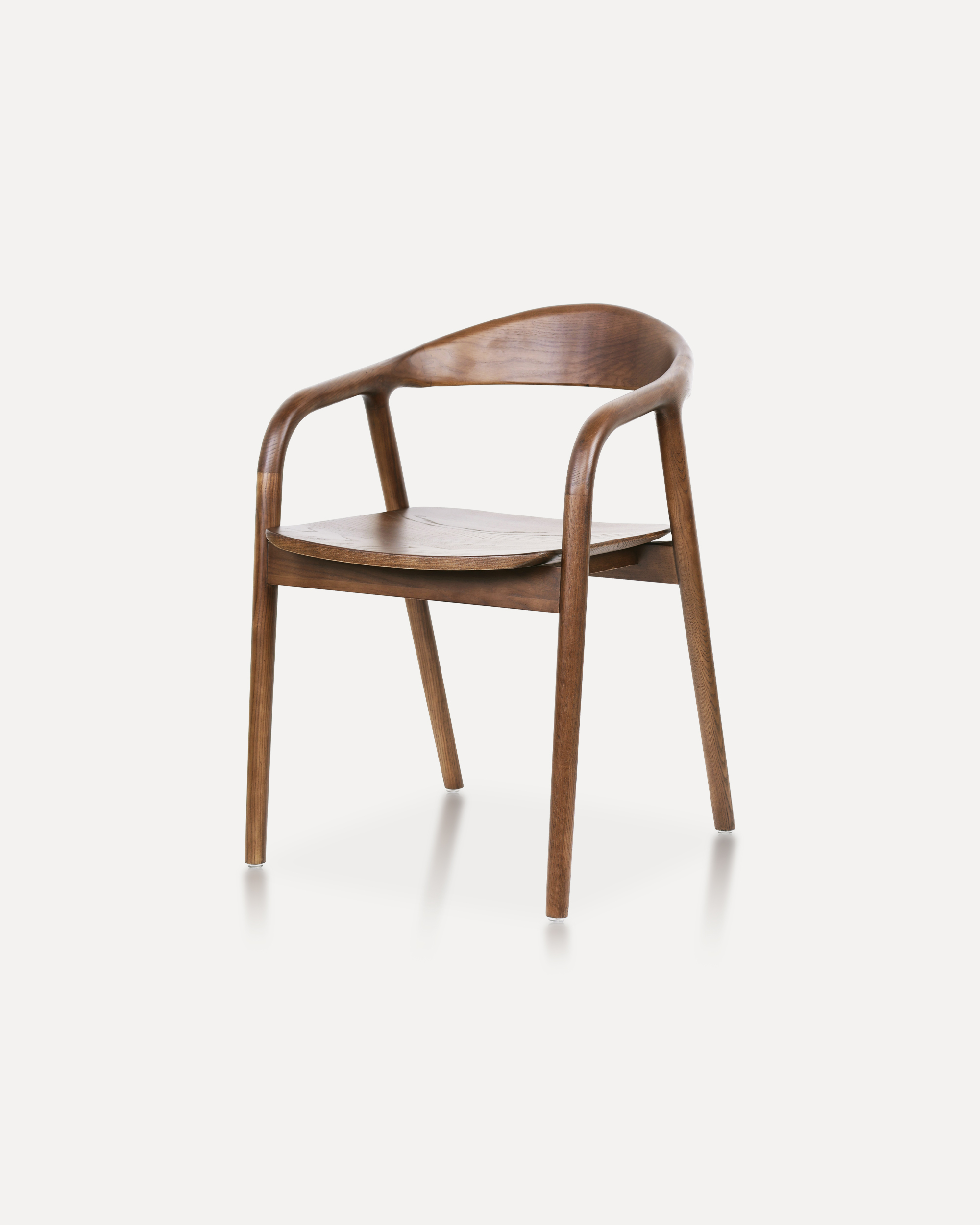
Crafted entirely from solid ash wood, this chair embodies a refined balance of ...
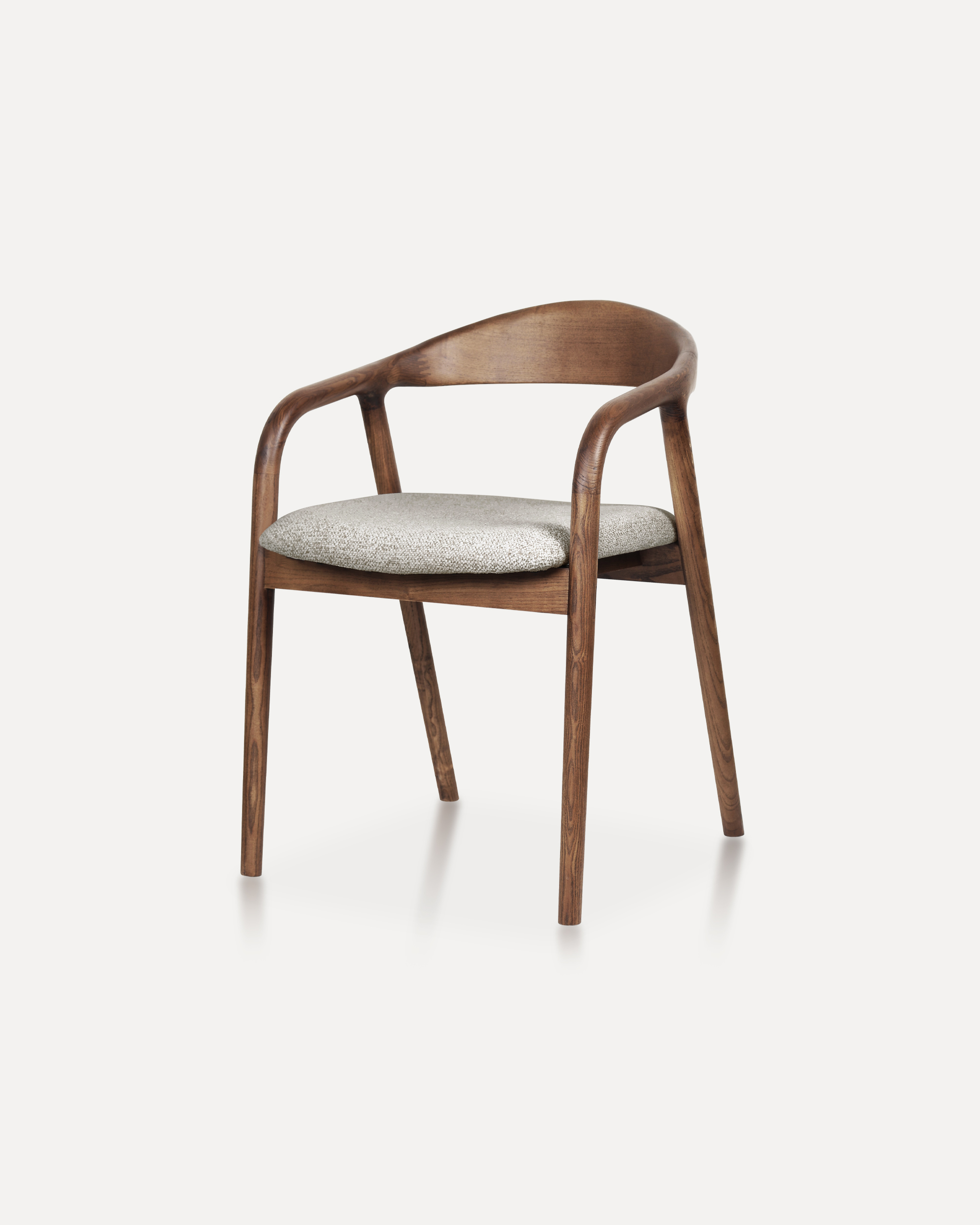
Showcases a refined silhouette with smooth, curved armrests and a gently rounde...
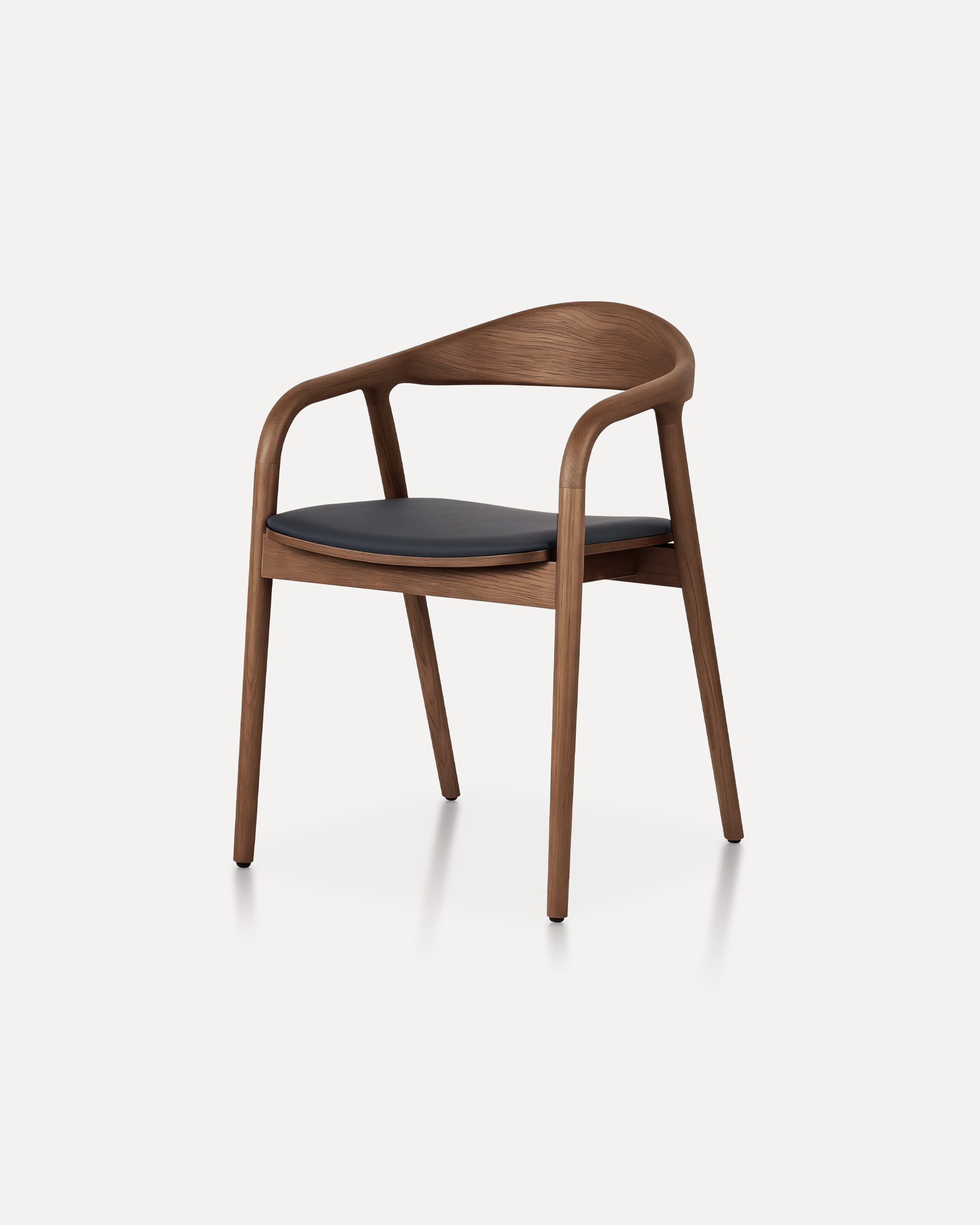
A masterclass in refined joinery and organic geometry, the Arc Chair features a...
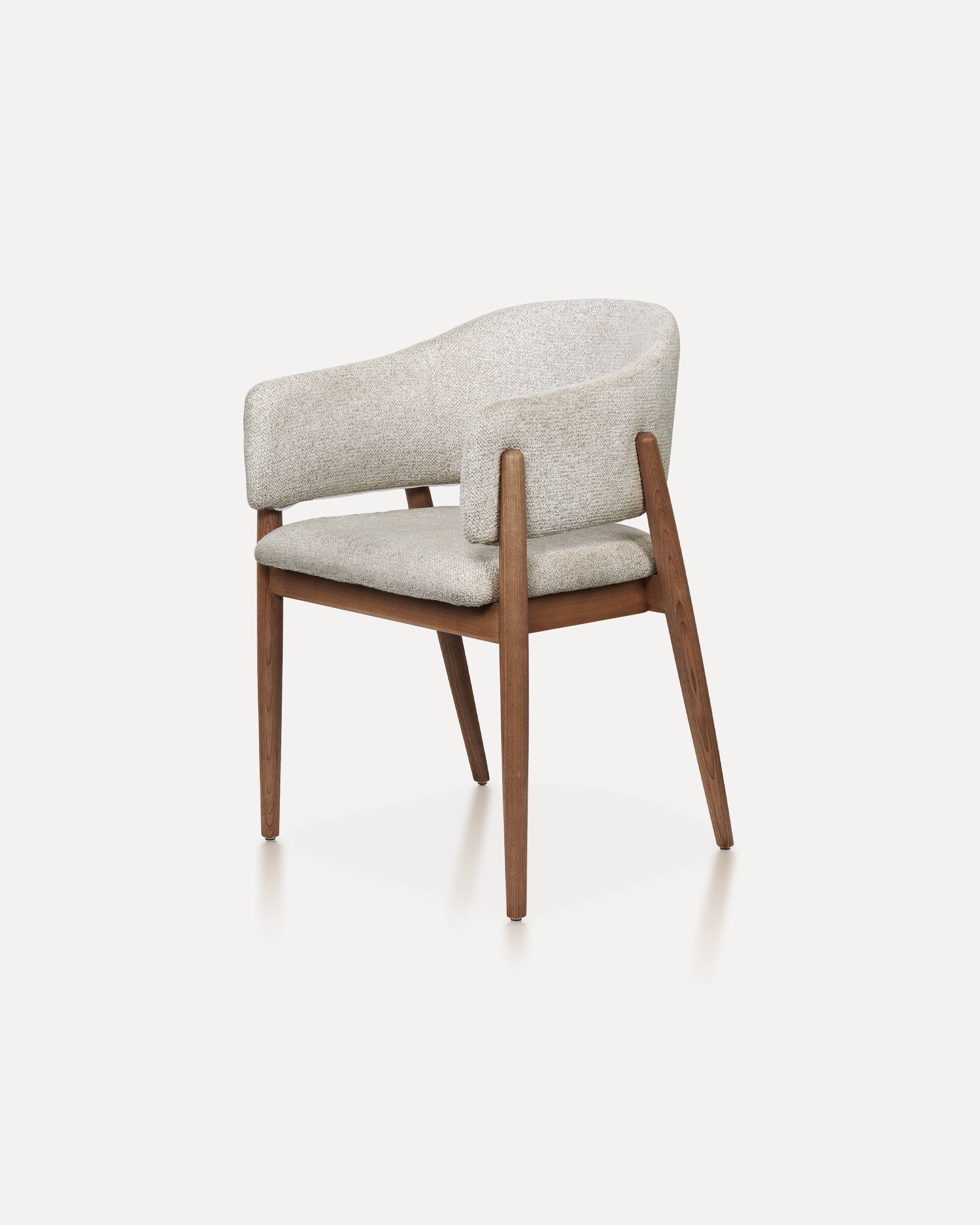
With its refined proportions and welcoming form, this chair brings quiet sophis...
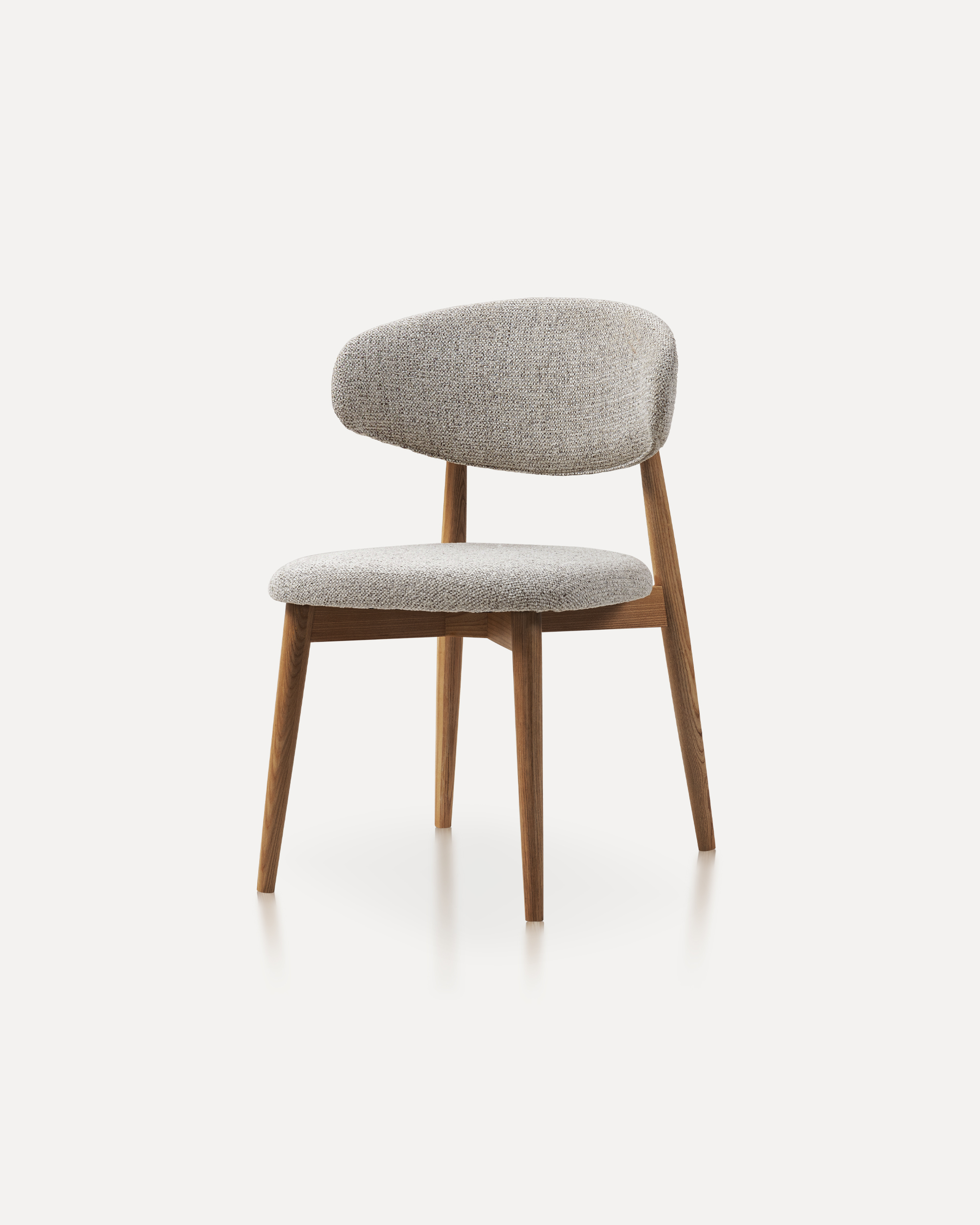
This wooden chair is a classic furniture piece that exudes warmth, durability, ...
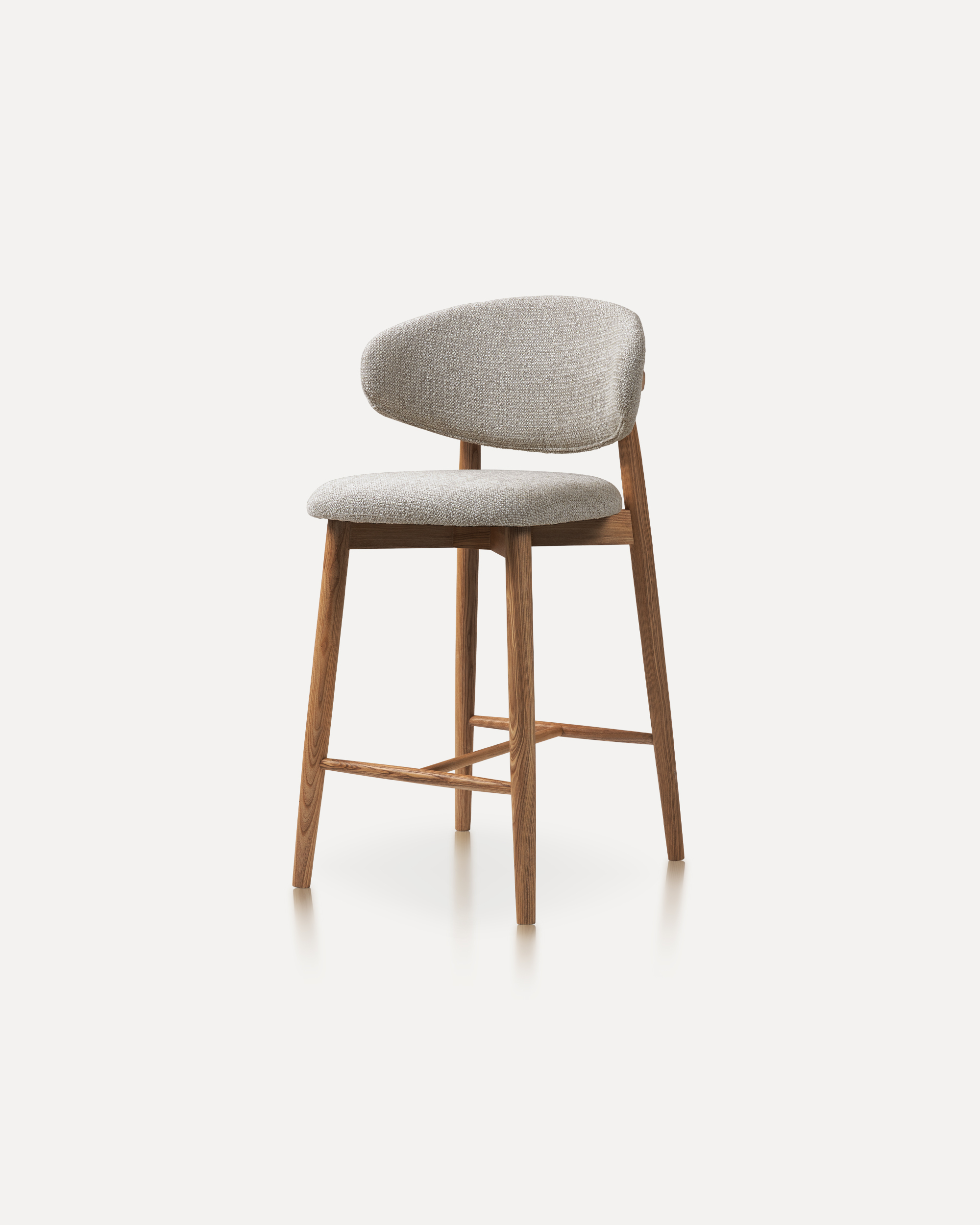
Our Wood Bar Stools are the perfect addition to any high-top table or bar setti...
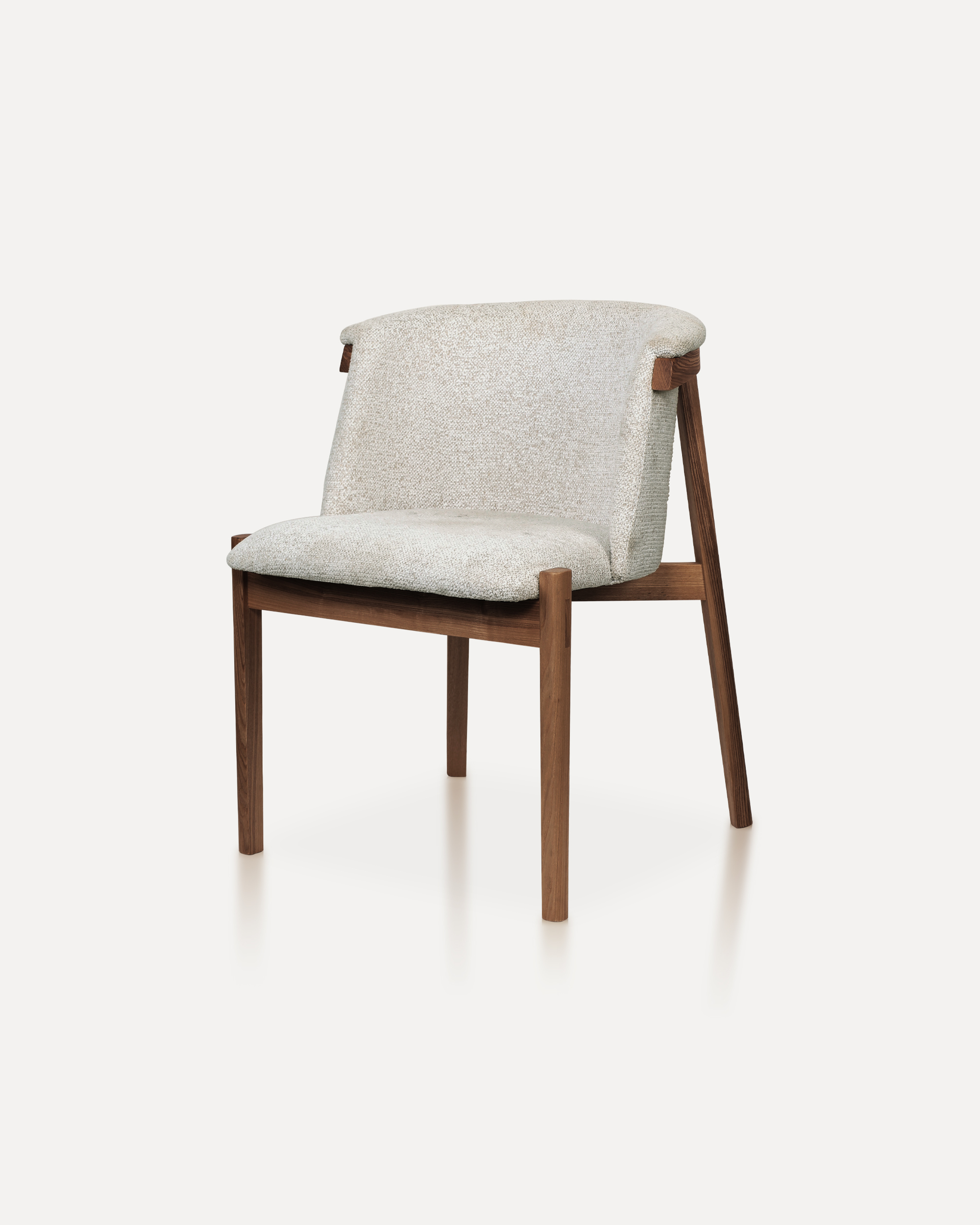
Bring natural elegance into your home with this finely crafted chair. The desig...
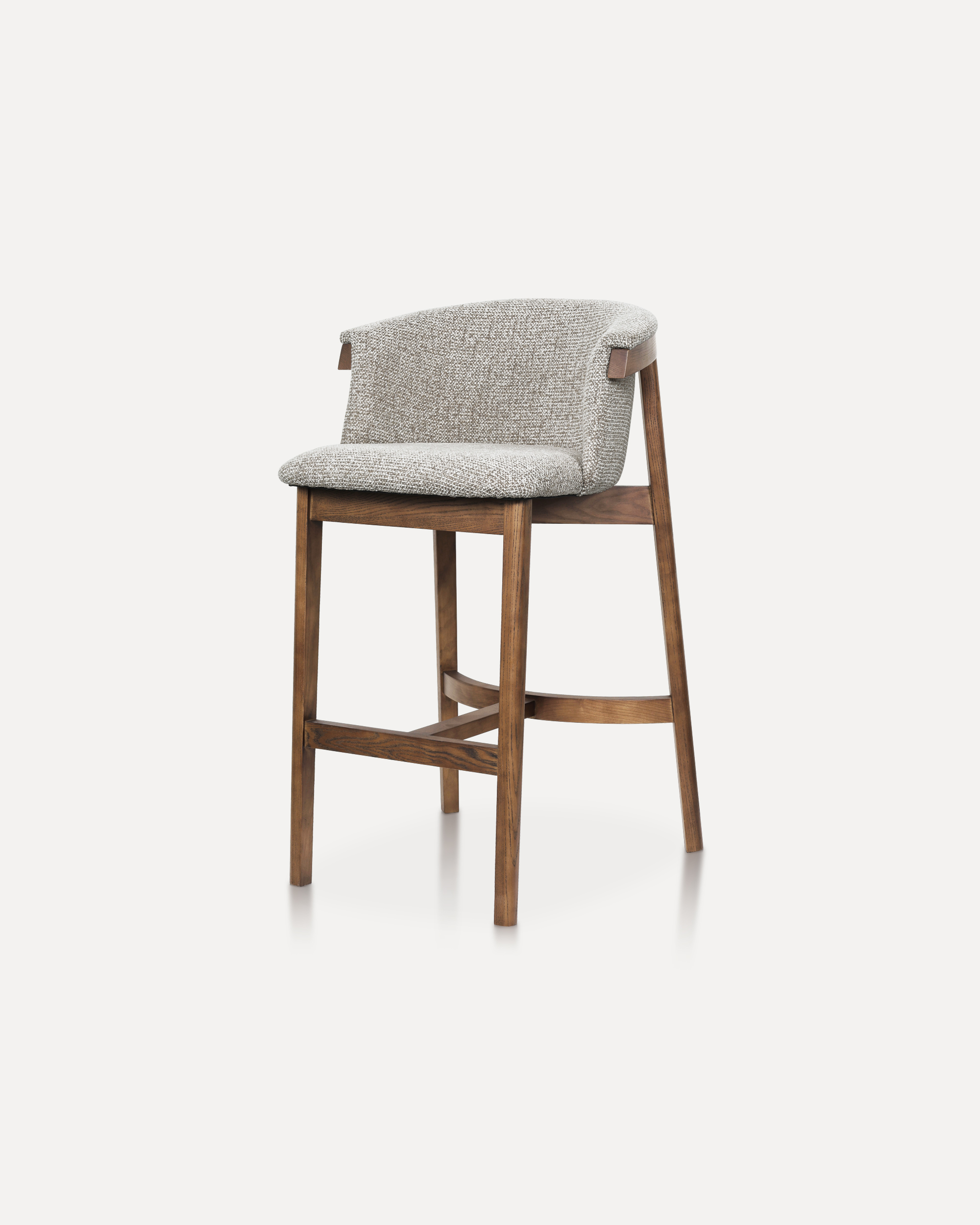
This sophisticated bar chair elevates any counter or high-top setting with its ...
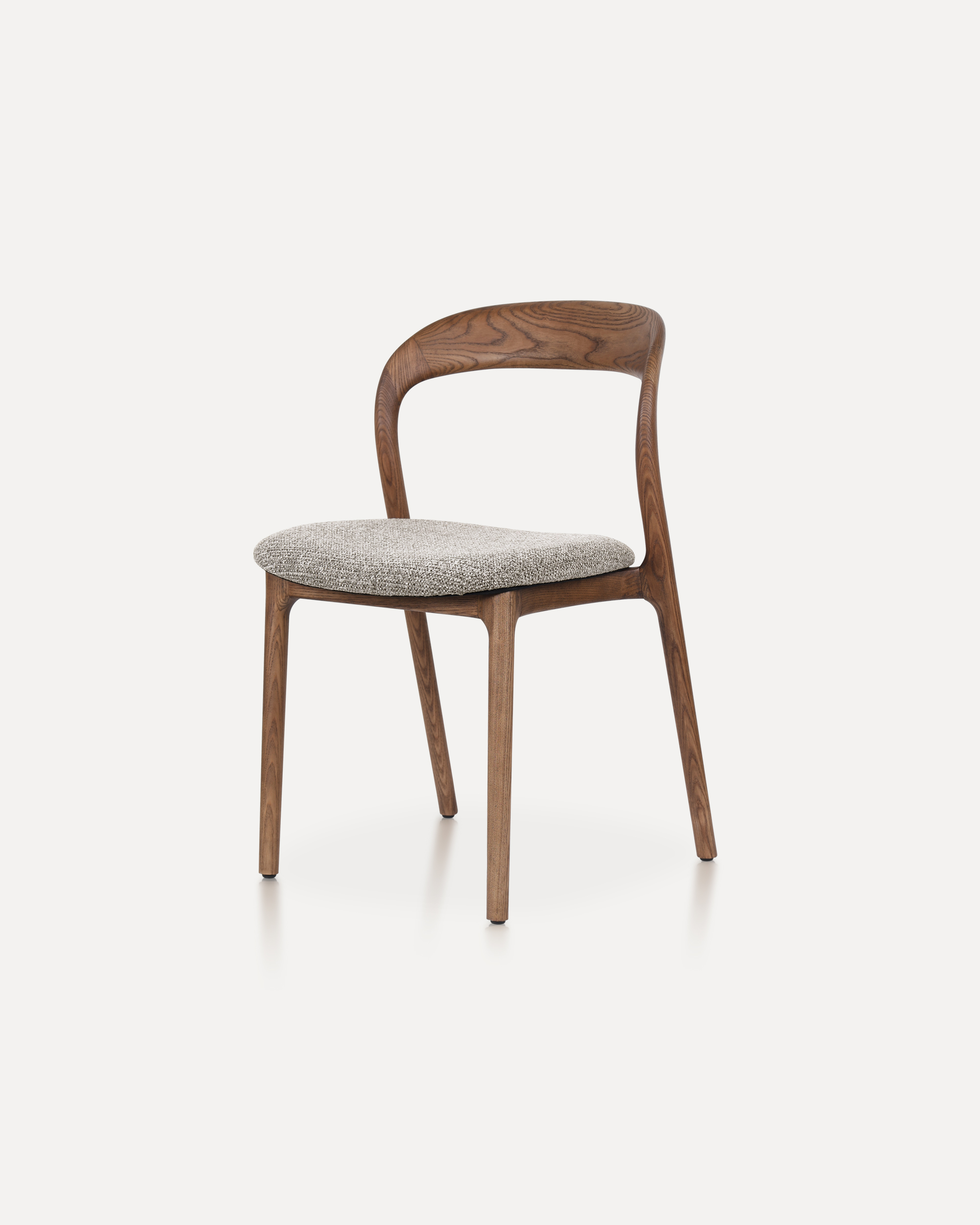
The Echo Chair is crafted from solid ashwood, featuring a unified back-and-arm ...
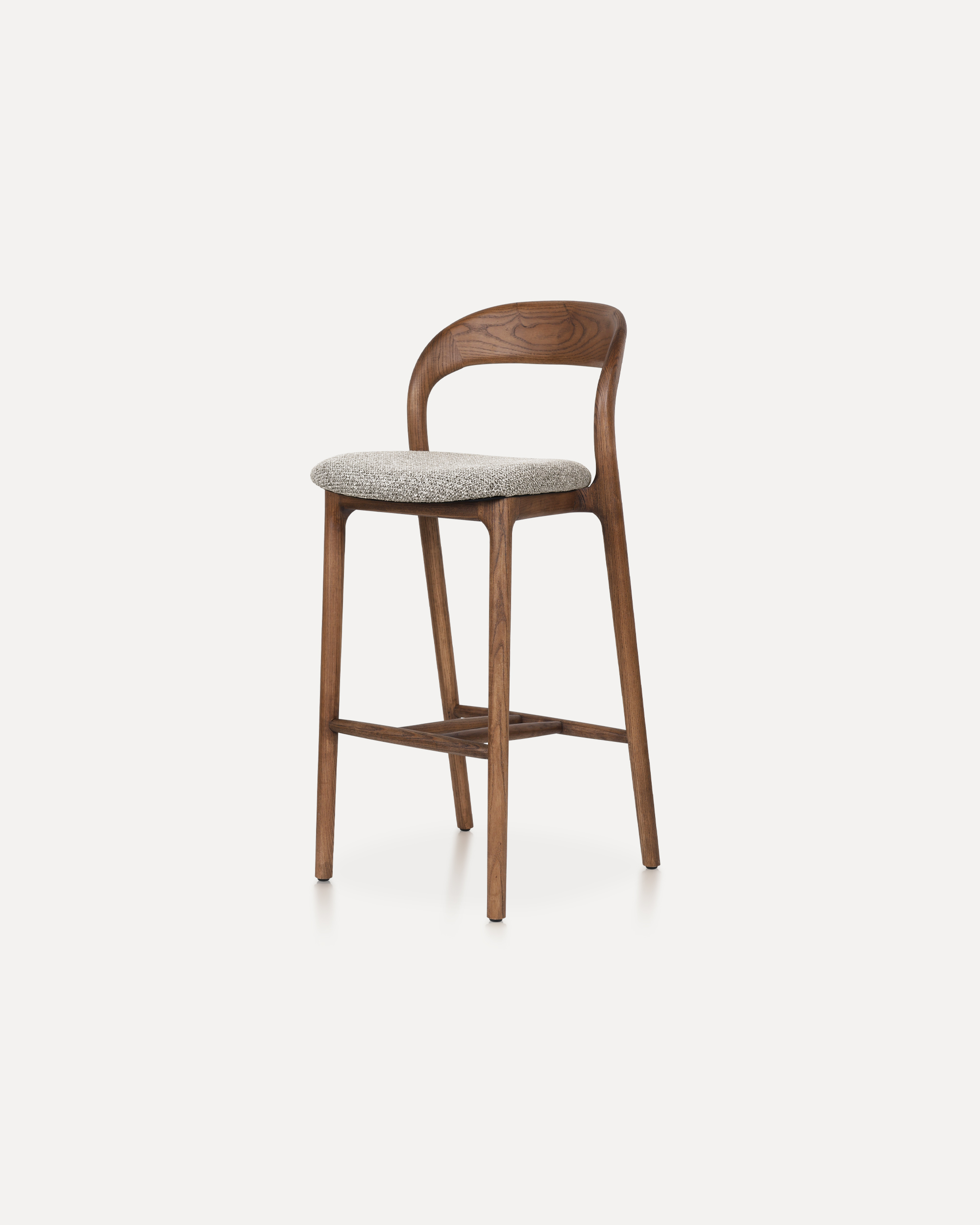
This Bar Chair is a counter-height seating solution crafted from solid ashwood ...
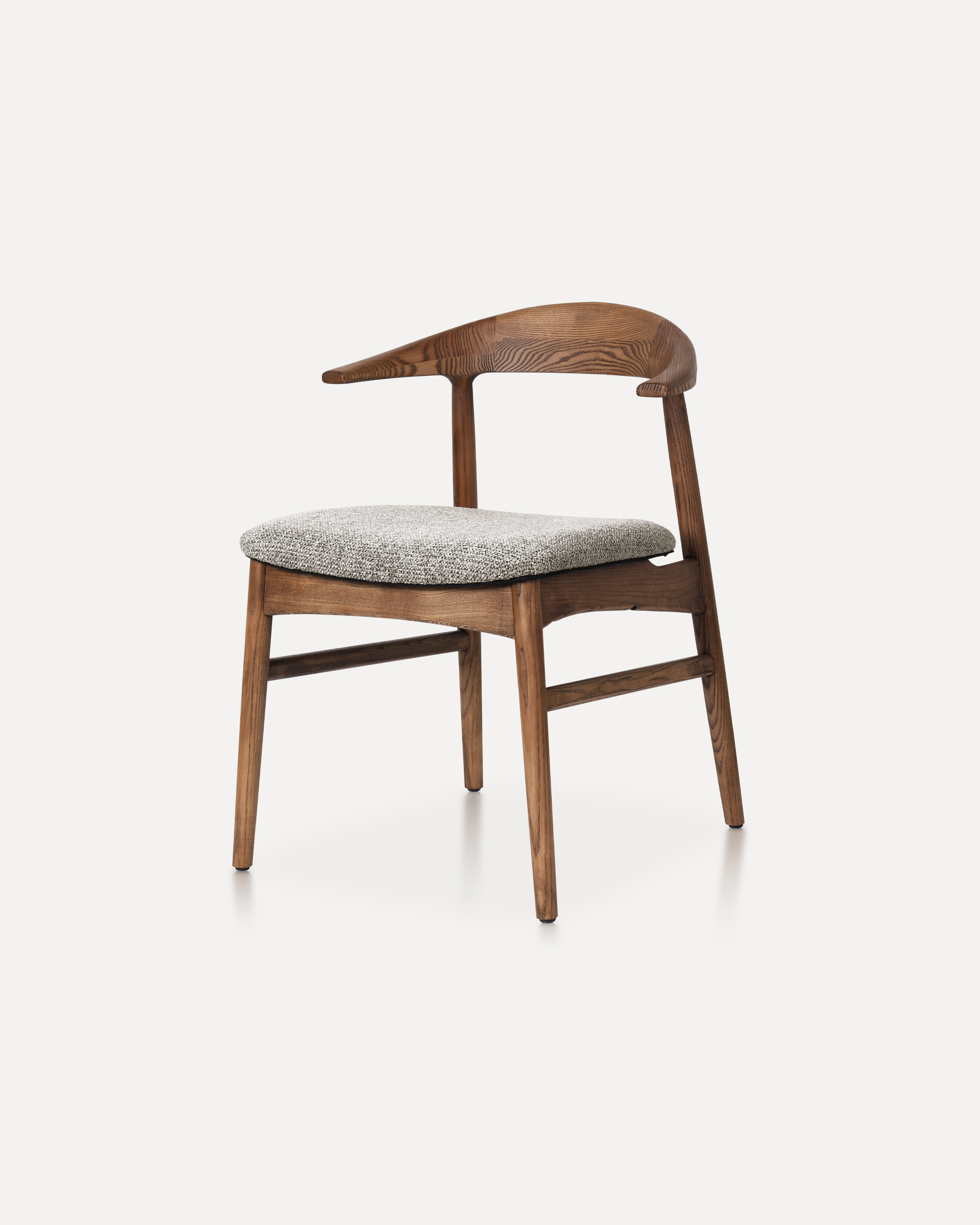
The Horizon Chair reinterprets mid-century warmth for today’s refined interiors...
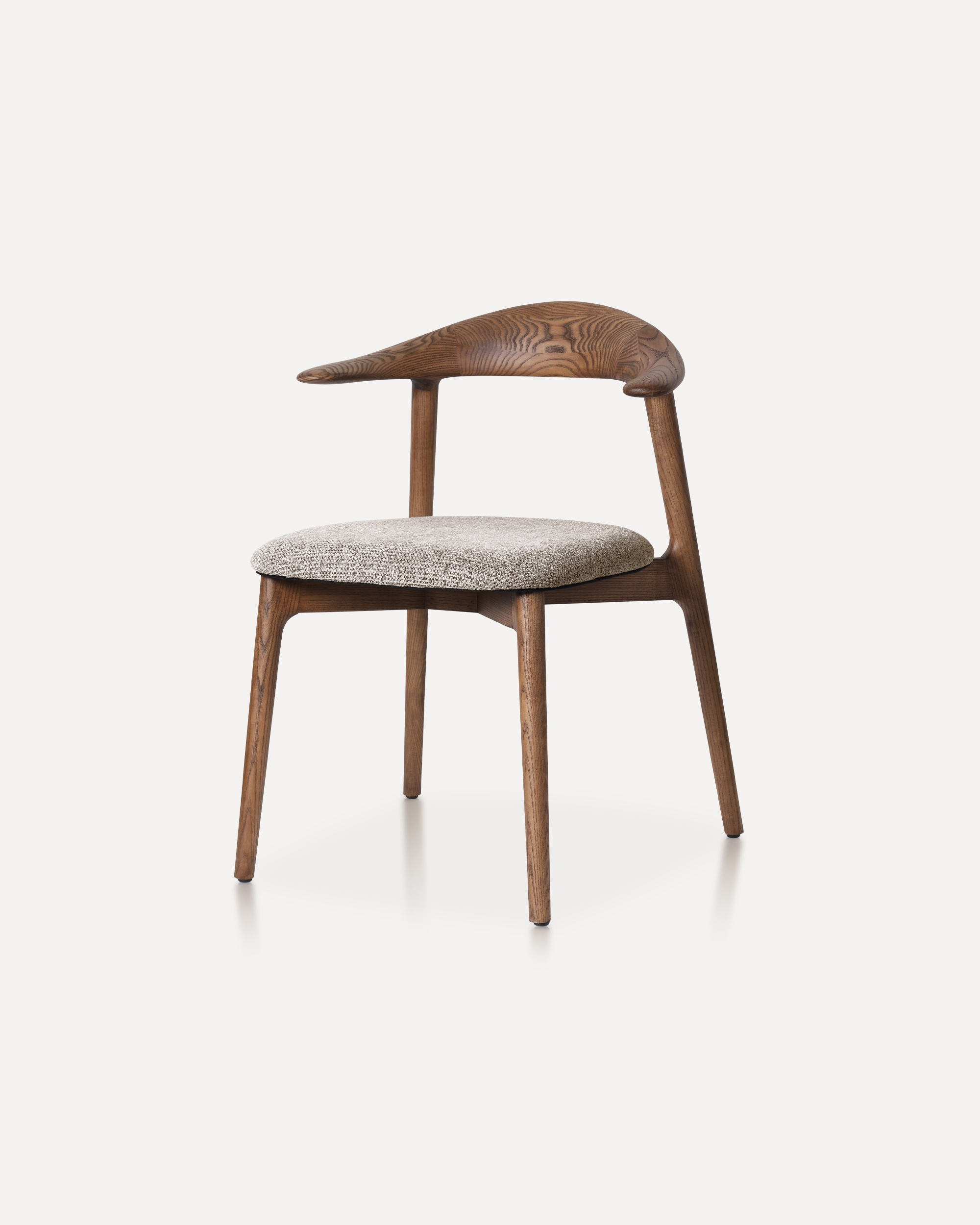
This classic features a striking, organic backrest carved from a single slab of...