
 English
 Français
 Español
Industry News
MENU

There is a moment in every workshop when a chair stops being a set of parts. The joints pull tight, the frame sits level on the floor, and someone runs a hand along the back rail to check the sanding. At VICO Furniture we have been building solid wood seating in Anji since 2001, and that moment still decides whether a chair leaves the building. Artisan crafted chairs are not a slogan for us; they are the sum of a long series of small decisions that buyers rarely see but always feel once the chair is in a room.
Content
Craft and efficiency are not opposites. Our production pairs precision machinery with the hands of experienced makers. The machines cut, shape and repeat to a tolerance no hand can match, while people judge grain, test joints, feel for a rough edge and decide whether a component is genuinely good enough to use. Craft, in that sense, is the judgement rather than the absence of technology.
In practice, artisan quality shows up in four places: the wood itself, the details you can see, the construction you cannot see, and the finish. A chair can look convincing in a photograph and still fail on all four. That is why we treat material selection and moisture control as design decisions rather than paperwork.
Most of our range is built from European ash and rubberwood. Ash gives us long, clean grain and the strength to hold slim, sculptural shapes; rubberwood gives us density and stability at a friendlier cost for volume programmes. Every board is selected by hand and its moisture content is controlled before machining. Timber that is too wet will move after it has been finished, and no amount of sanding will rescue a joint that opens up in a dry, heated room.
Our timber comes from FSC-certified, fully traceable sources, and our auxiliary materials are chosen for low environmental impact. That matters to buyers who carry sustainability clauses in their own contracts, and it matters to us because a chair should still be sound a decade after it was sold.
Shape matters as much as species. An arched back is a good example of how a simple profile changes the whole character of a piece: a single sweeping rail, a slightly reclined angle, and a seat that stays comfortable through a long dinner.
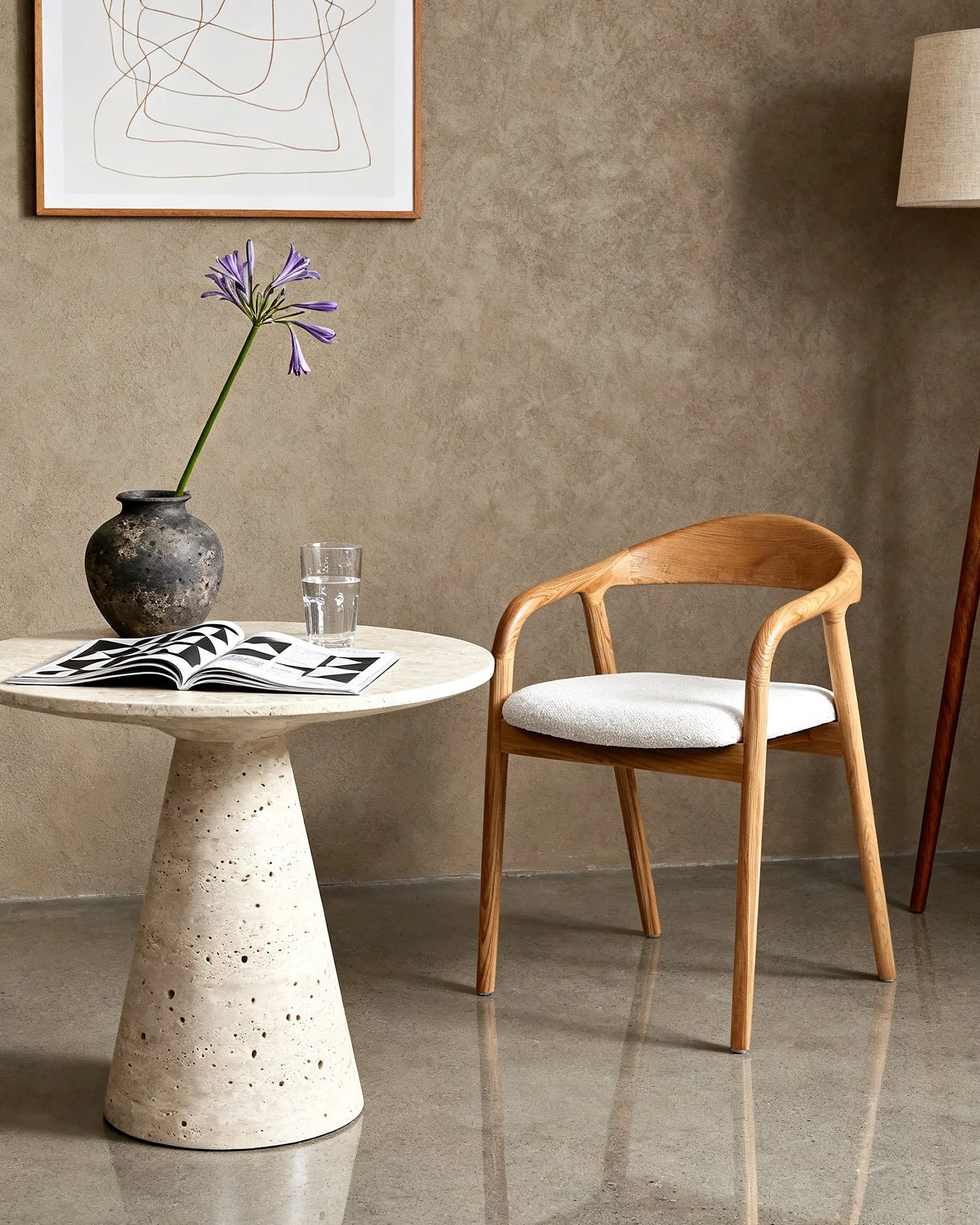 CY2002 Curved Armrest Rounded Back Wooden ChairThis ash-wood chair pairs smooth curved armrests with a rounded back and upholstered seat, suited to dining or living spaces.View Product →
Our design language stays close to what clients are specifying now: clean lines, organic curves, very little applied decoration, and matte rather than glossy surfaces. Within that language, chairs change according to task and room. The same frame family can serve a dining table, a kitchen island or a hotel lounge, but the proportions and the seat height have to be right for the job.
| Space | Chair type | What to check first |
|---|---|---|
| Dining room | Dining chair | Seat height against the table, back angle for long meals |
| Kitchen island or bar | Bar chair | Footrest position and counter height match |
| Living room | Leisure or accent chair | Depth, cushioning and how it sits beside the sofa |
| Studio or home office | Studio armchair | Lower back support and armrest clearance |
| Cafe, hotel, event space | Stacking or knock-down side chair | Stackability, cleanable surfaces, packed volume |
Wood is never a single flat colour, and buyers notice when a delivery of forty chairs does not read as one family. We manage colour as its own discipline, with finishes developed across the range so that a dining chair, a bar chair and a lounge chair can sit in the same building without arguing with each other. Forest green over rubberwood, walnut-toned finishes over ash, and pale neutral washes all belong to that conversation.
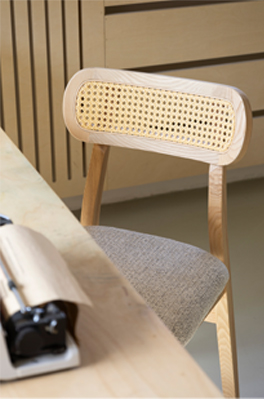
Texture is the other half of it. A woven rattan back introduces shadow and warmth against an otherwise plain solid frame, which is why it works so well in restaurants, conservatories and rooms with a lot of hard surface.
 CY2052C Classic Rattan-Back Wooden ChairA woven rattan back brings texture and breathability to this wooden chair, with a padded seat for residential or commercial seating.View Product →
Artisan construction should not mean impractical furniture. Several of our chairs are designed to be disassembled, stacked or packed flat, which lowers freight volume, simplifies warehousing and makes project delivery far more predictable. For a distributor shipping containers or a retailer selling online, that engineering is as important as the grain on the back.
We also document what we make. Individual manuals exist for each model, alongside broader catalogues, and everything is available to download so that a buyer can check dimensions before requesting a sample.
 CY2074C Flat-Pack Rubberwood Dining ChairA knock-down rubberwood dining chair packed in a small carton, designed for lower freight volume and easier online retail delivery.View Product →
Our manuals and catalogues are collected in one place on the download page, so specification details are never more than a click away.
Over the years, the most useful conversations we have with buyers tend to cover the same ground. If you are evaluating any supplier of solid wood seating, these are the questions that separate a good sample from a reliable programme.
None of this is complicated, but all of it is cumulative. A chair that is specified with care, built from wood that has been dried and selected properly, and finished consistently will outlast three cheaper ones. That is the whole argument for artisan crafted chairs, and it is the reason we still check back rails by hand.
If you would like the longer version of this story, including how we source, who we work with and where the workshop sits, it is all on our about page. And if you have a range to build, a colour to match or a container to fill, we are always happy to talk it through at [email protected].
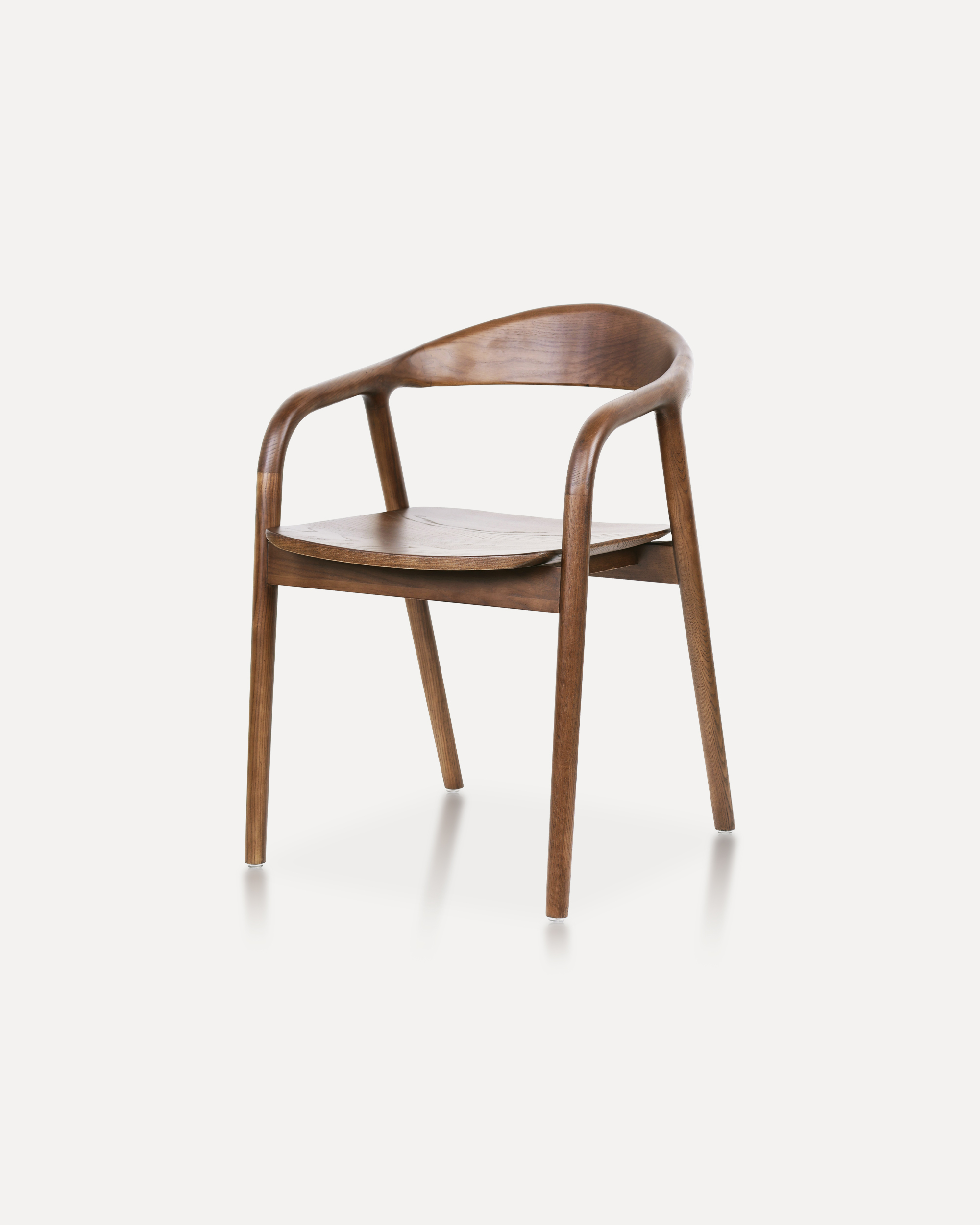
Crafted entirely from solid ash wood, this chair embodies a refined balance of ...
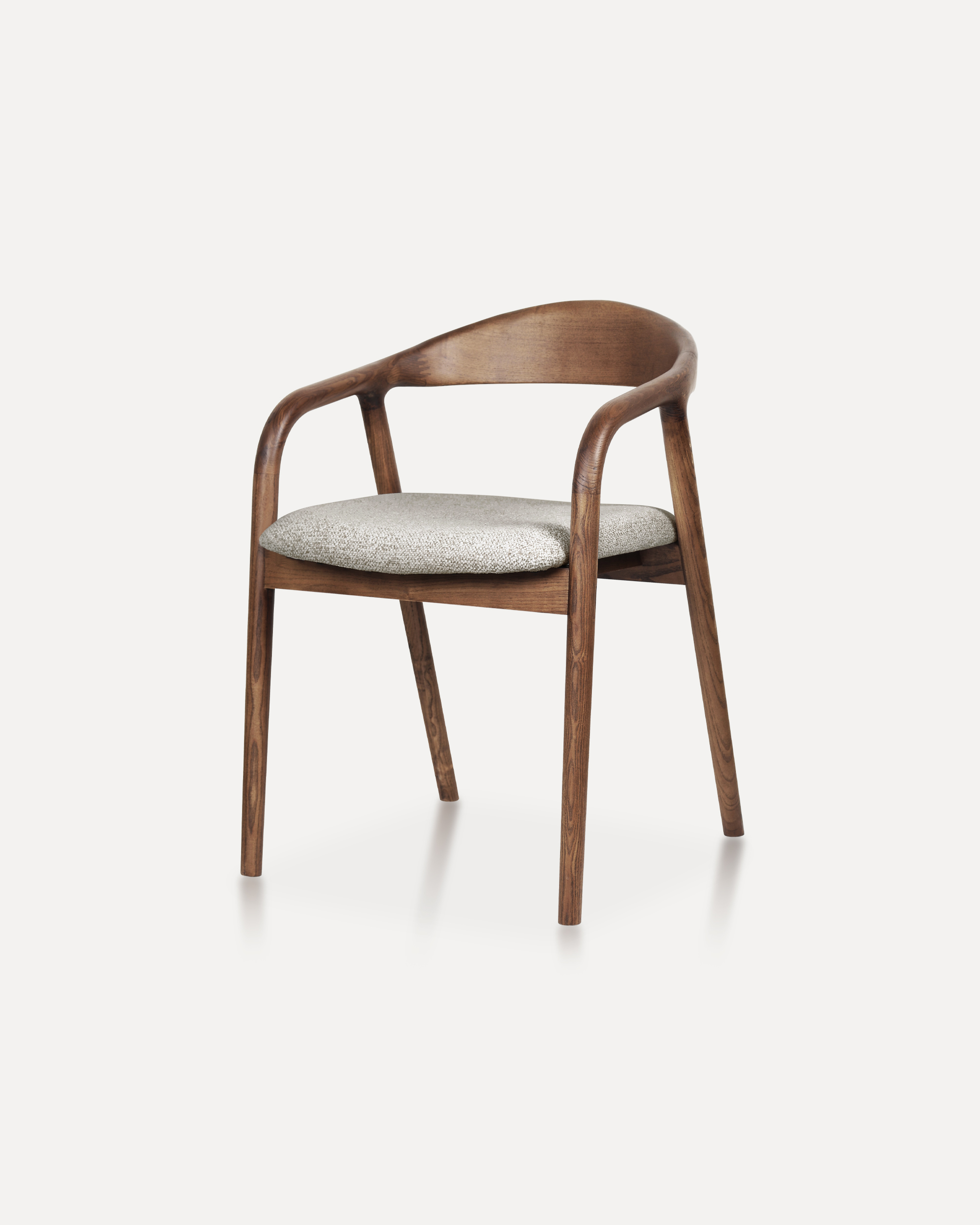
Showcases a refined silhouette with smooth, curved armrests and a gently rounde...
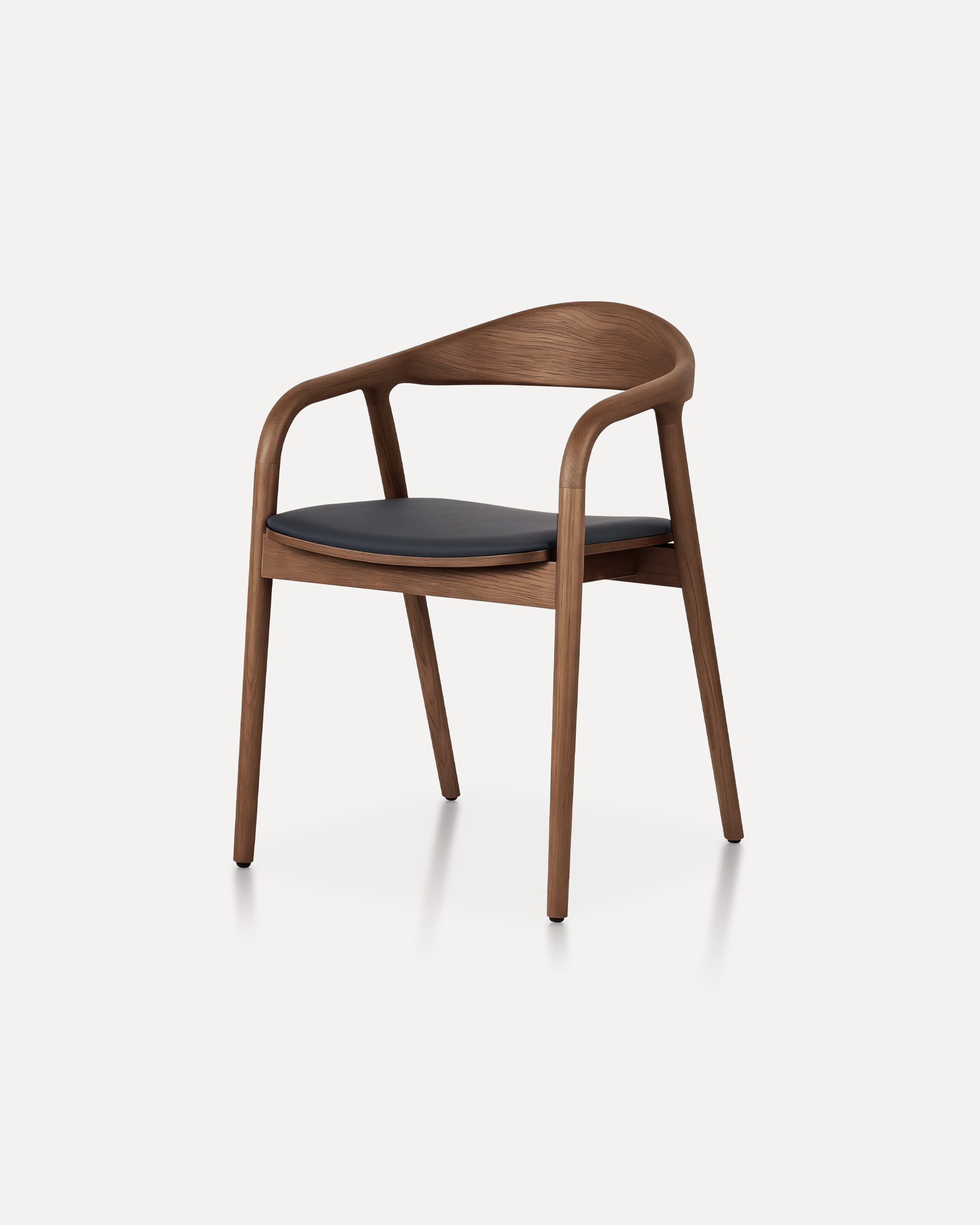
A masterclass in refined joinery and organic geometry, the Arc Chair features a...
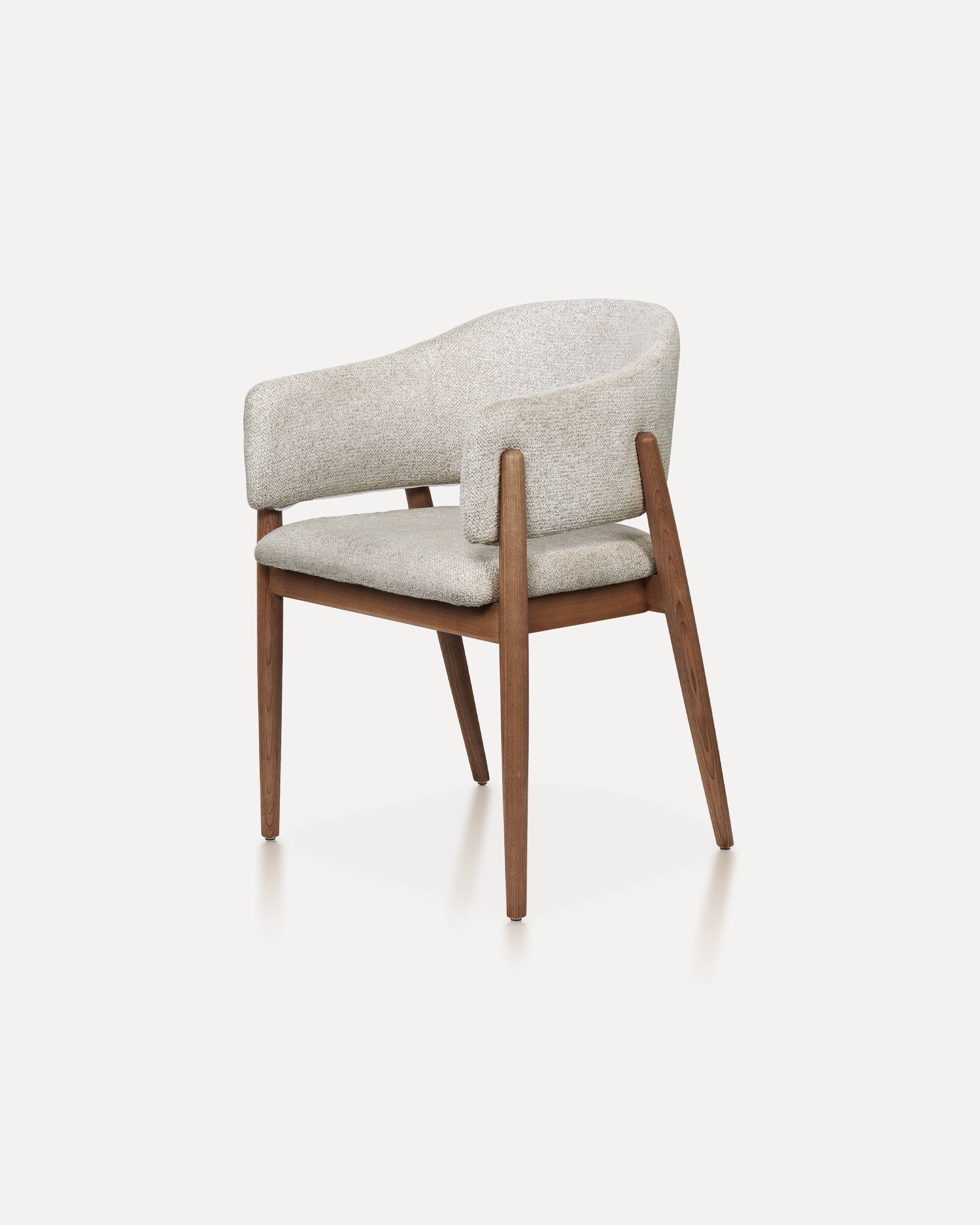
With its refined proportions and welcoming form, this chair brings quiet sophis...
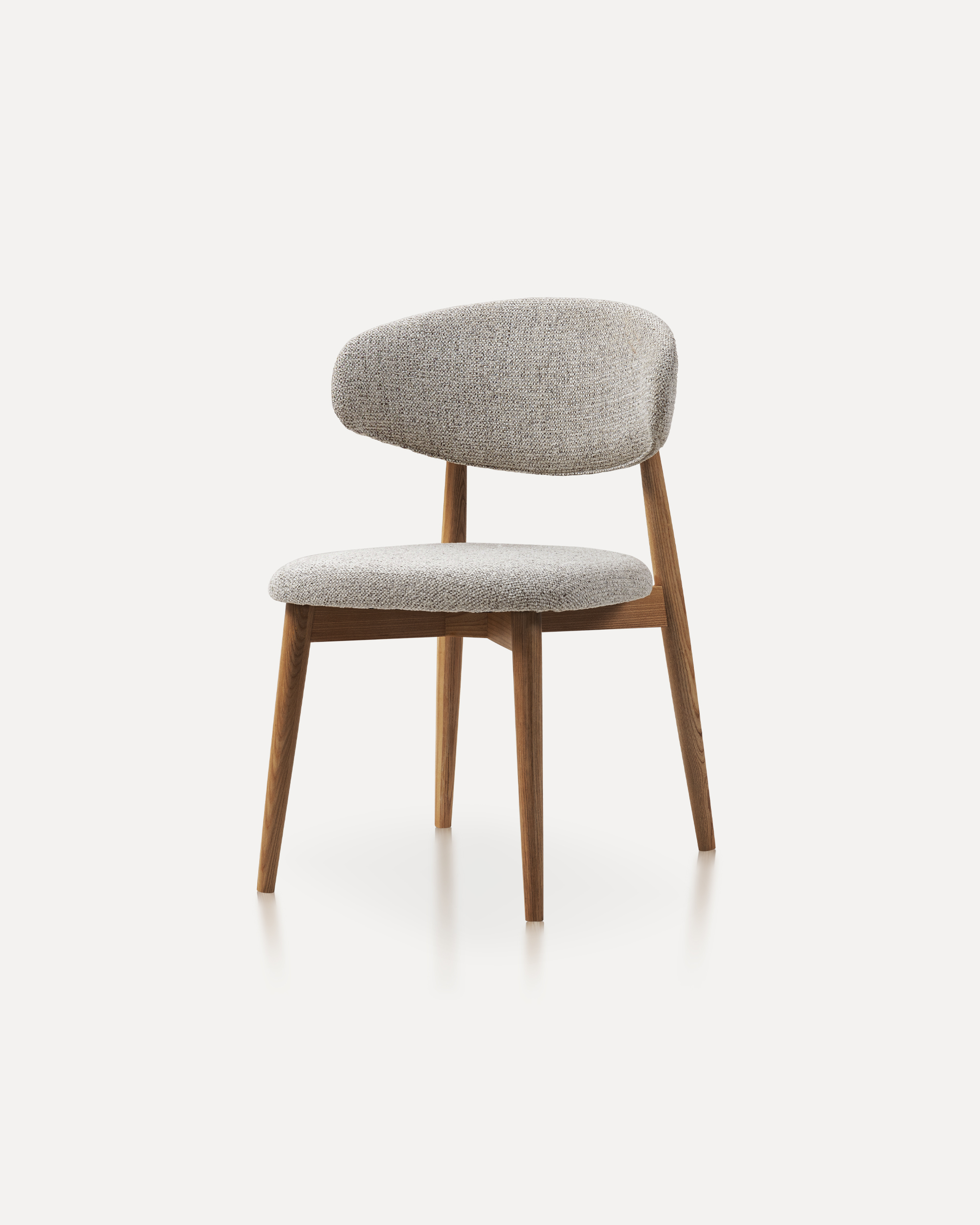
This wooden chair is a classic furniture piece that exudes warmth, durability, ...
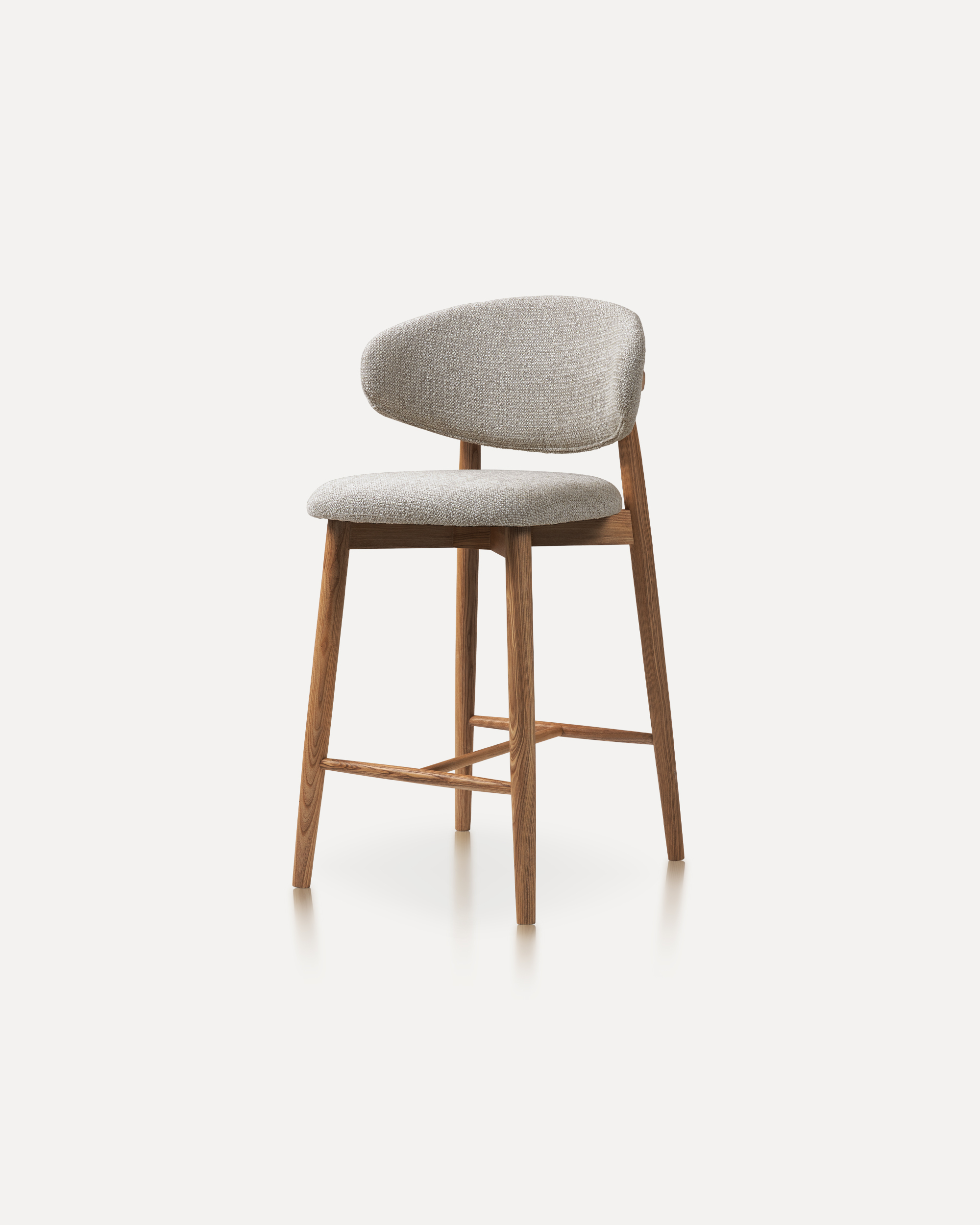
Our Wood Bar Stools are the perfect addition to any high-top table or bar setti...
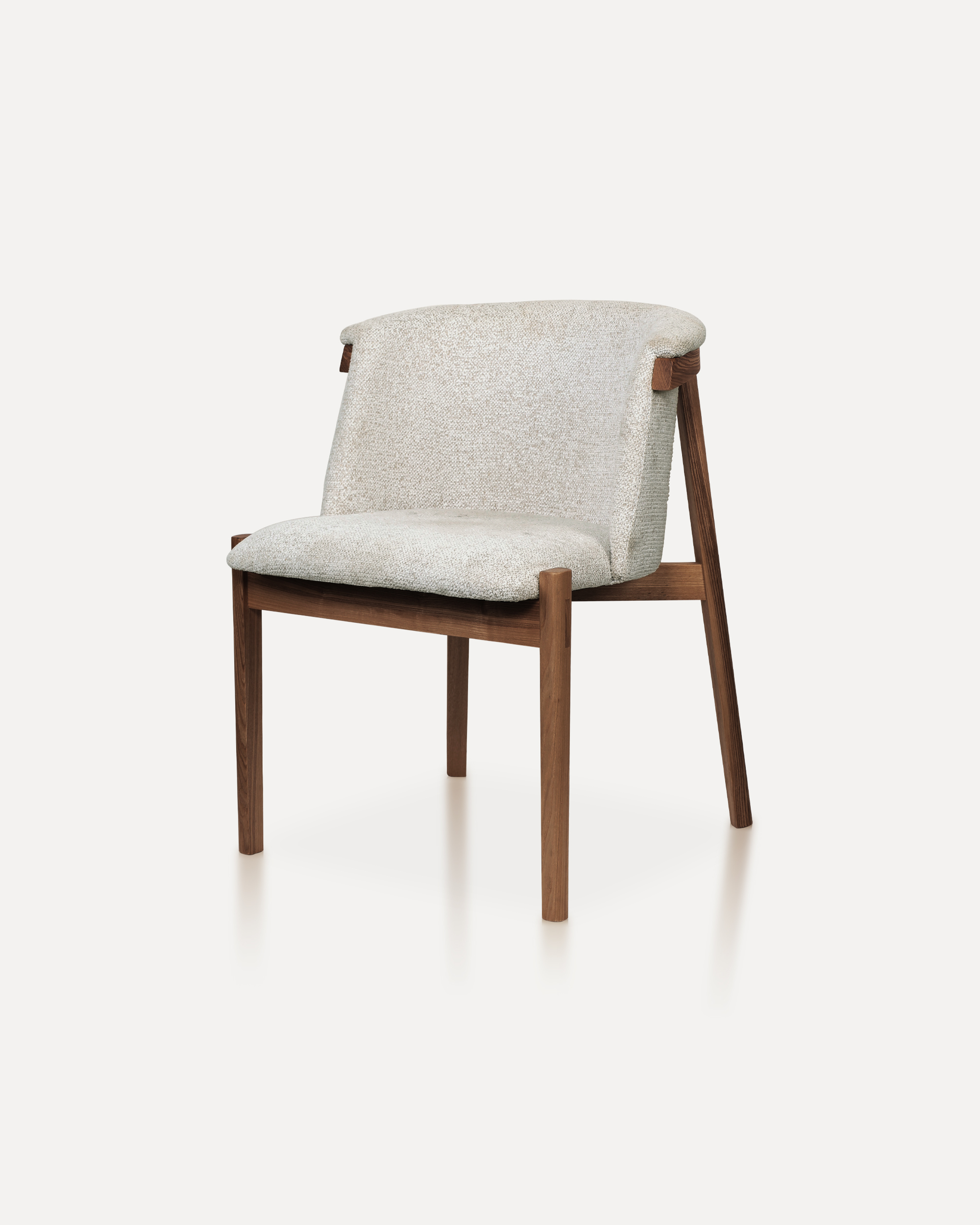
Bring natural elegance into your home with this finely crafted chair. The desig...
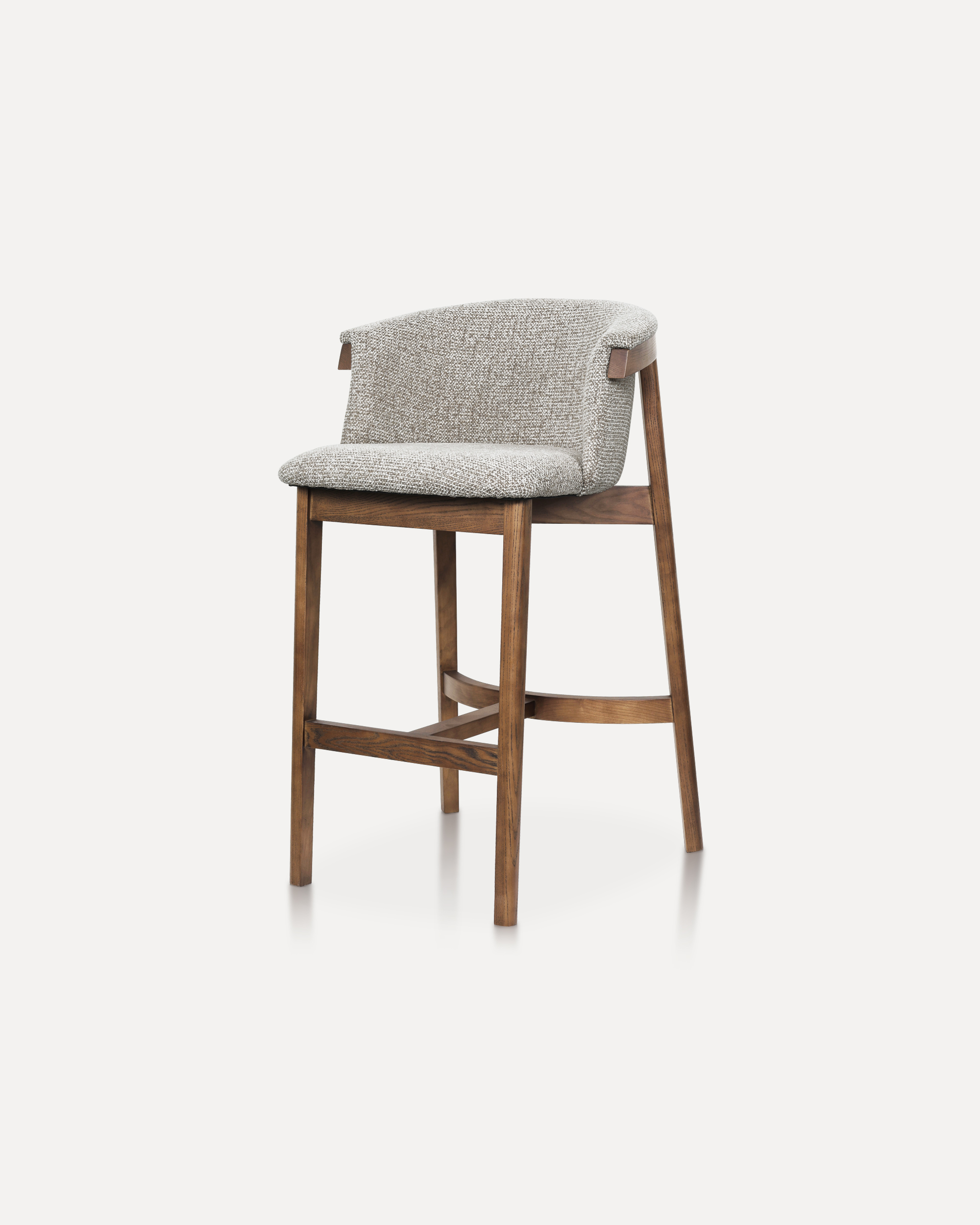
This sophisticated bar chair elevates any counter or high-top setting with its ...
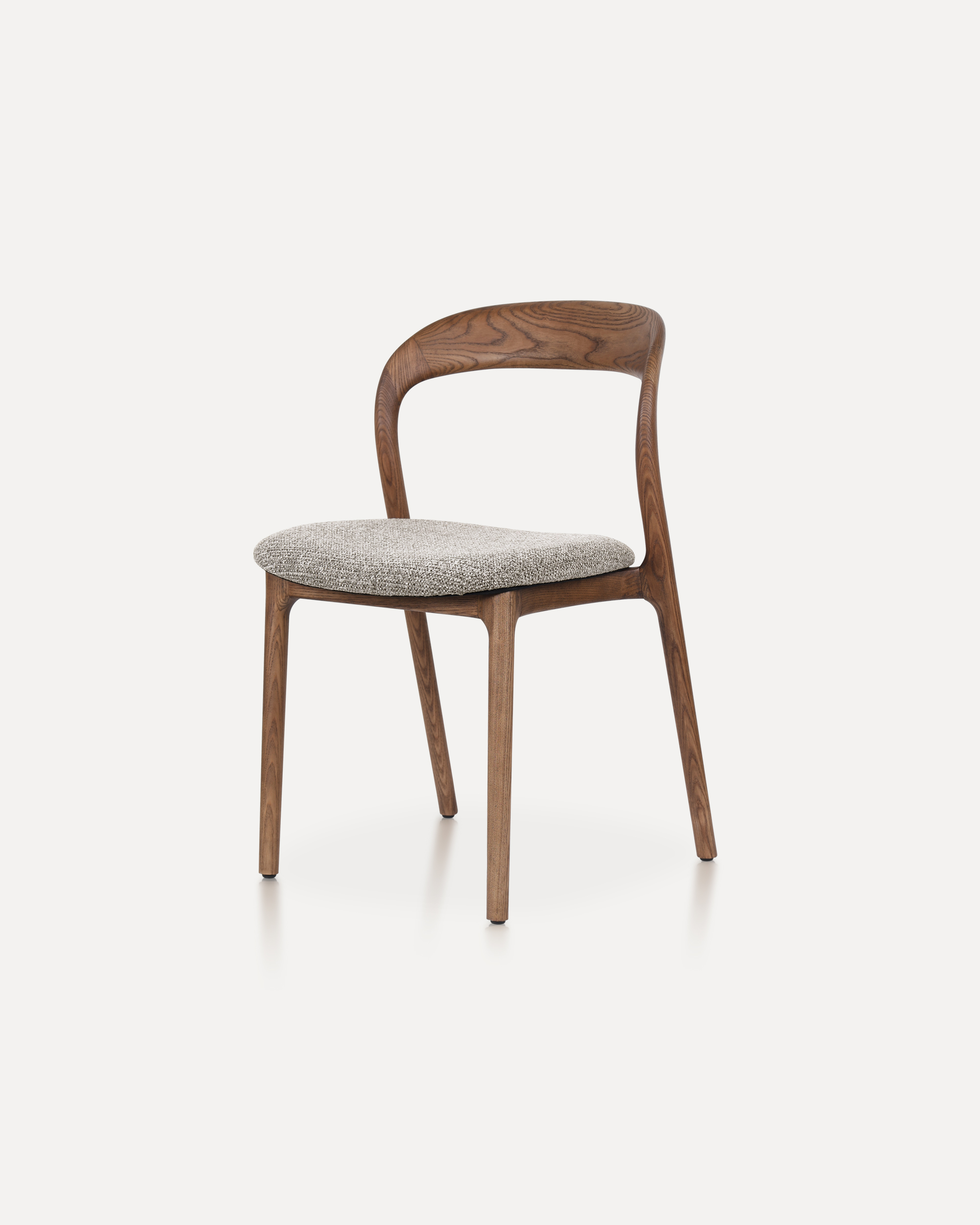
The Echo Chair is crafted from solid ashwood, featuring a unified back-and-arm ...
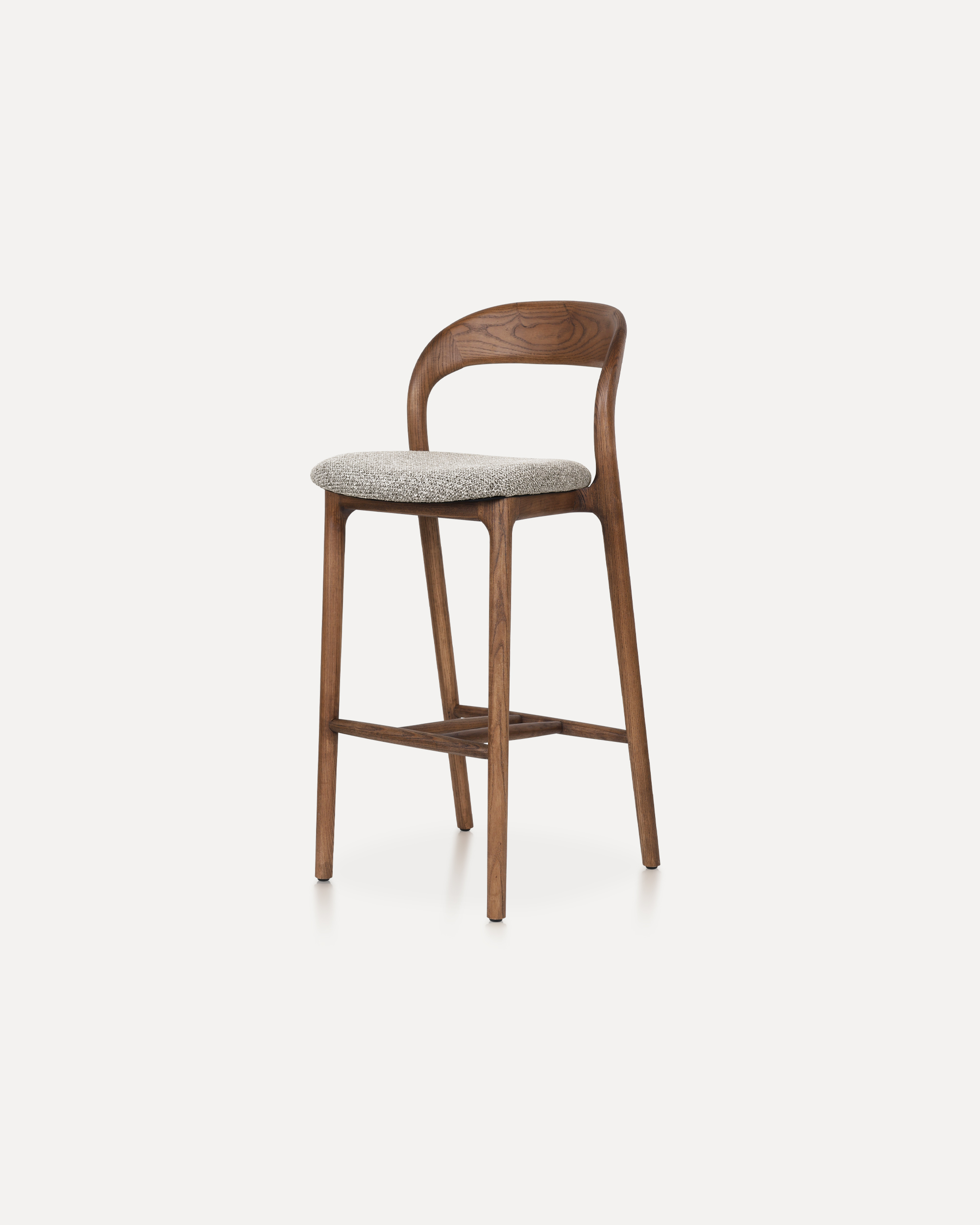
This Bar Chair is a counter-height seating solution crafted from solid ashwood ...
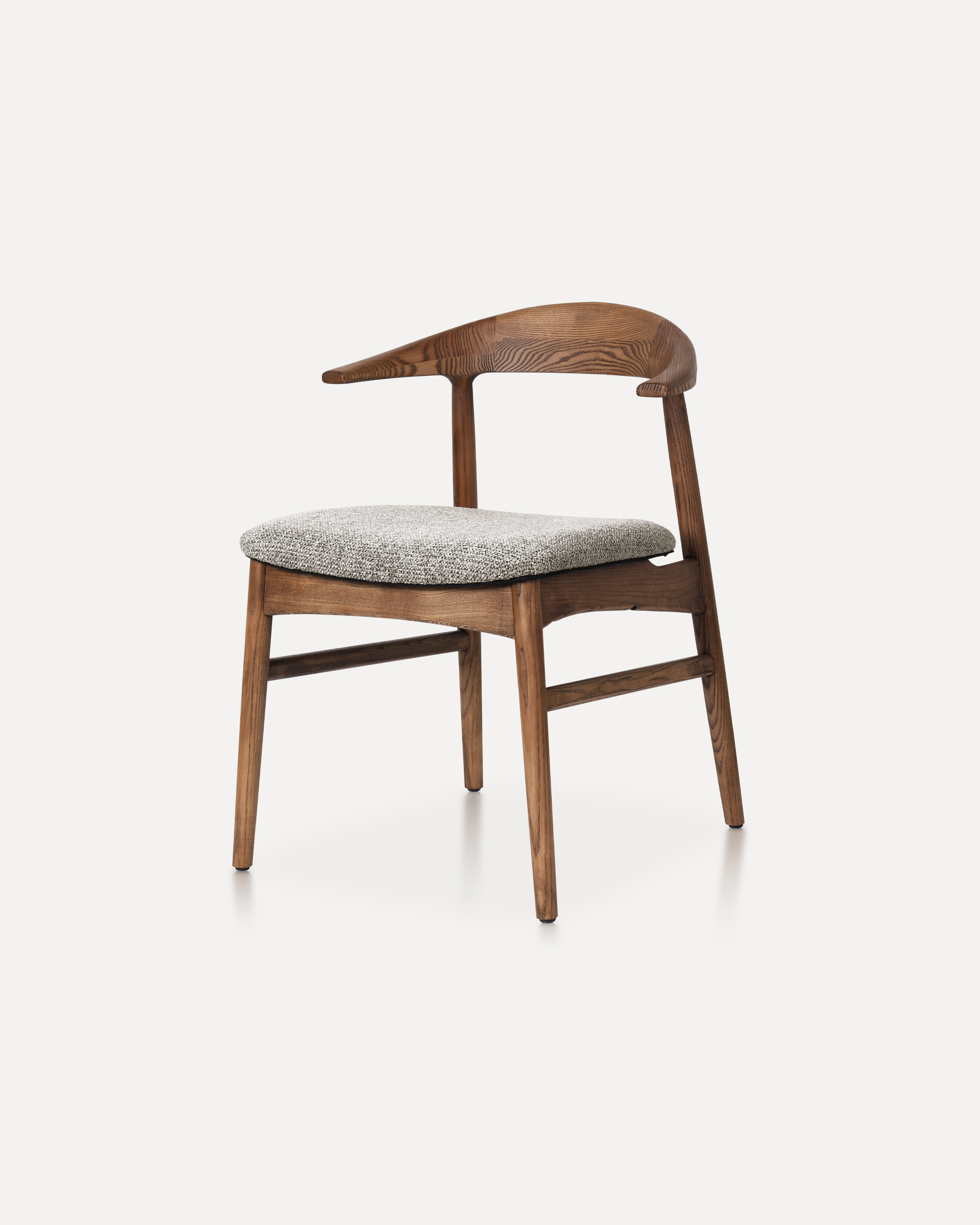
The Horizon Chair reinterprets mid-century warmth for today’s refined interiors...
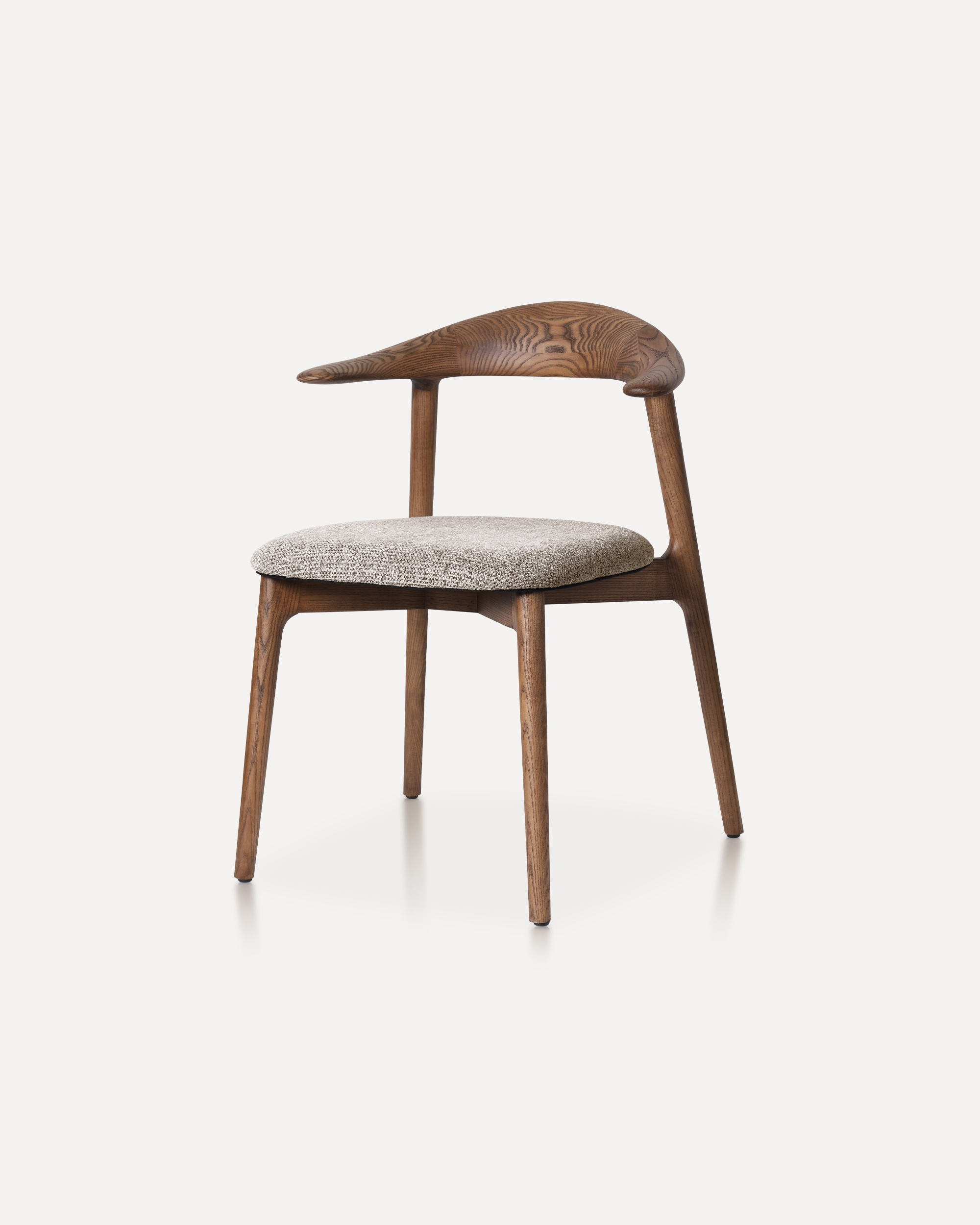
This classic features a striking, organic backrest carved from a single slab of...