
 English
  Français
 Español
Industry News
MENU

By the middle of the afternoon, the difference between a chair that works and one that does not becomes obvious. You start to lean forward, then slide back, then cross your legs. The cushion feels soft at first, but by hour two it has stopped distributing pressure. The issue is rarely bad posture alone. The issue is that the chair does not hold your body in a stable, supported position.
So what should you look for when choosing a comfortable ergonomic chair? Start with a simple conclusion: comfort comes from continuous, even support, not from a thick layer of foam. A chair that is soft enough to sink into feels pleasant for ten minutes and uncomfortable after an hour. A chair that supports you at the hips, lower back, and knees will still feel good after several hours.
Content
An ergonomic chair is not defined by how many levers it has. It is defined by how well it follows your body's natural position. The goal is to keep your pelvis relatively neutral, your lower back supported, and your feet on the floor or a footrest. When those three conditions are met, your spine receives less bending load and your muscles do not have to work so hard to keep you upright.
For most people, the following measurements are the most practical starting point. They are not rigid prescriptions, but they give you a clear baseline before you look at style or materials.
| Location | Suggested range | Risk if ignored |
|---|---|---|
| Seat height | Feet flat, knees near 90 degrees | Compression under the thighs or increased hip flexion |
| Seat depth | Two to three fingers of space behind the knee | Pressure on the back of the knee or lost thigh support |
| Backrest | Continuous lumbar support at the lower spine | Hollow space between the back and the chair |
| Armrest | Forearms rest without raising the shoulders | Shoulder tension or shoulder drop |
| Cushion feel | Pelvis sinks only slightly under weight | Unstable posture or a hard, focused pressure point |
These numbers matter more than the visual design. Seat height should match your lower leg length. Seat depth should leave those two or three fingers between your knee and the front edge. If the chair has no backrest, it cannot provide lower back support. If the armrests sit too high, your shoulders will rise; too low and your shoulders drop. Each of these small mismatches adds up over a long sitting session.
The best way to avoid a disappointing purchase is to test the chair with your own body and a simple set of checks. Here is a quick sequence that can be done in any showroom or at home.
If you want more context on the ergonomics behind these checks, our guide on picking a comfortable ergonomic chair explains the muscle-loading and posture factors in more detail.
An ergonomic chair has two jobs: it must hold you in the correct position and it must let your body rest on a material that does not create hotspots. The frame is responsible for the first job. The cushion and surface material are responsible for the second. A solid wooden frame has a slight natural flex that people often find more comfortable than a rigid steel base, while an overly hard cushion will transfer pressure straight to the hip bones.
At VICO, we build chairs with solid European ash and rubberwood, and we match those frames with different padding surfaces depending on the intended use. The goal is to provide support without making you feel like you are sitting on a board. For example, our saddle-leather wooden chair uses a leather seat surface that adapts to the curve of your hips, while the solid ash frame gives the seat and back a stable structure. That combination of a yielding surface and a firm frame is one way to achieve comfort without letting you sink down.
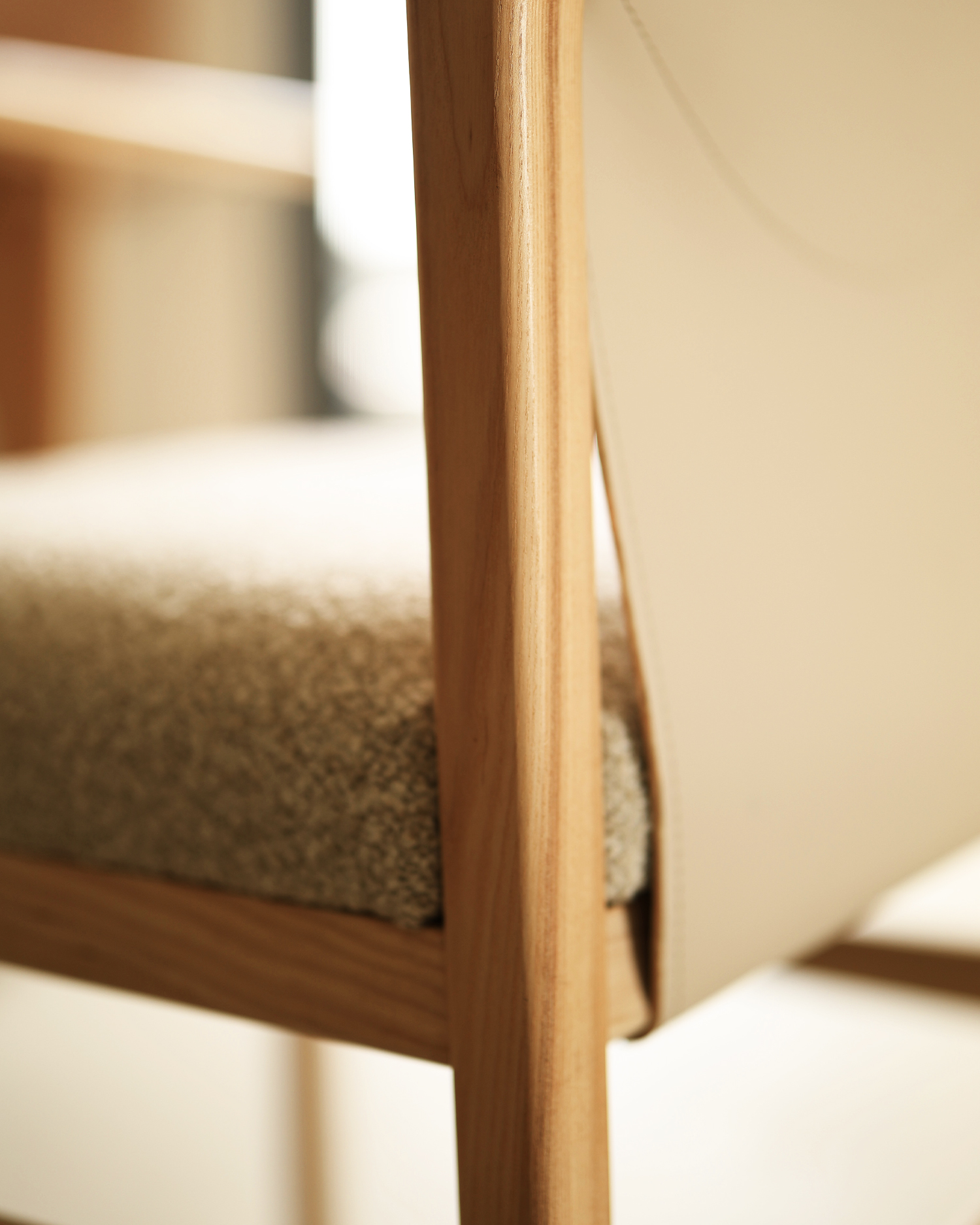 Leisure Ash Wood Chair with Saddle Leather SeatThis chair combines a solid ash frame with a saddle leather seat that adapts to your hips, offering a yielding surface and firm support, making it ideal for extended sitting in a lounge or reading corner.View Product →
If you plan to sit for several hours, choose a chair whose padding disperses weight without letting your hips sink too deep. A common mistake is to confuse thickness with comfort; the seat material should support you rather than swallow you.
The definition of a comfortable chair changes with the room and the task. In a home office or a study, you usually want a chair that lets you move through different work positions for hours. In a dining room, a comfortable chair needs to support conversations and occasional meals without looking like an office chair. In a living room or reading corner, you may want a more reclined angle and a softer cushion, as long as the support remains under your lower back.
A wooden ergonomic chair can work in all three spaces if the seat height, backrest curve, and cushion firmness are matched to the use. For a reading corner, a leisure chair with a slightly reclined seat can let you relax without losing the lumbar support. The cozy leisure wooden chair is one example that combines a relaxed sitting angle with a padded seat. It works in a lounge or a bedroom reading corner where the posture is less rigid but still supported.
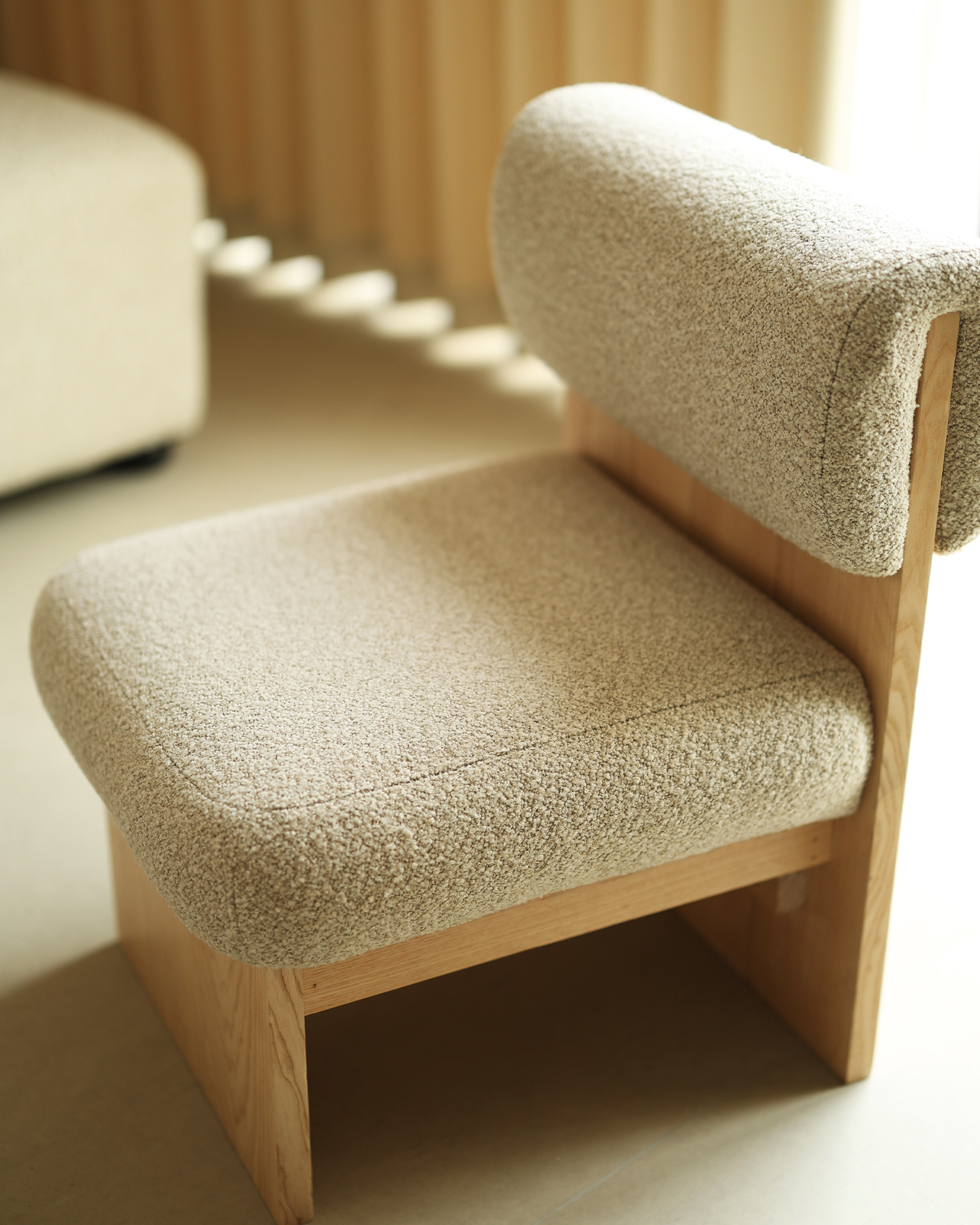 Ash Wood Chair with Cushioned Seat and Cylindrical BackrestDesigned for relaxation, this ash wood chair features a cushioned seat and back with a cylindrical backrest that aligns with your body, providing ergonomic support for a cozy reading or lounge space.View Product →
When you need a chair for a dining table, the main concern changes. The chair should let you sit comfortably enough to finish a meal, but the seat height and the backrest angle should not push you into a deep recline. A dining chair with a modest, supportive backrest and a stable seat depth is the more practical option for a dinner party that lasts two hours.
The most expensive chair you can buy will still feel wrong if the fit is wrong. Here are the three issues we see most often when someone becomes frustrated with their seat.
Buyers focus on adjustment options and ignore the seat height and depth. A chair with many levers still cannot fix a base size that is too tall or too deep for your lower leg. After the first week, most people only adjust the height and the recline once. The extra features do not turn a bad-fitting chair into a comfortable one.
Softness does not equal comfort. A cushion that compresses too much allows your pelvis to sink out of alignment, which increases the bend in your lower back. A firm seat with enough give to follow the sit bones is usually better over an entire day. That is why our generous cushioned wooden chair uses a thicker seat pad, but with a compact fill that keeps your pelvis supported instead of letting it sink.
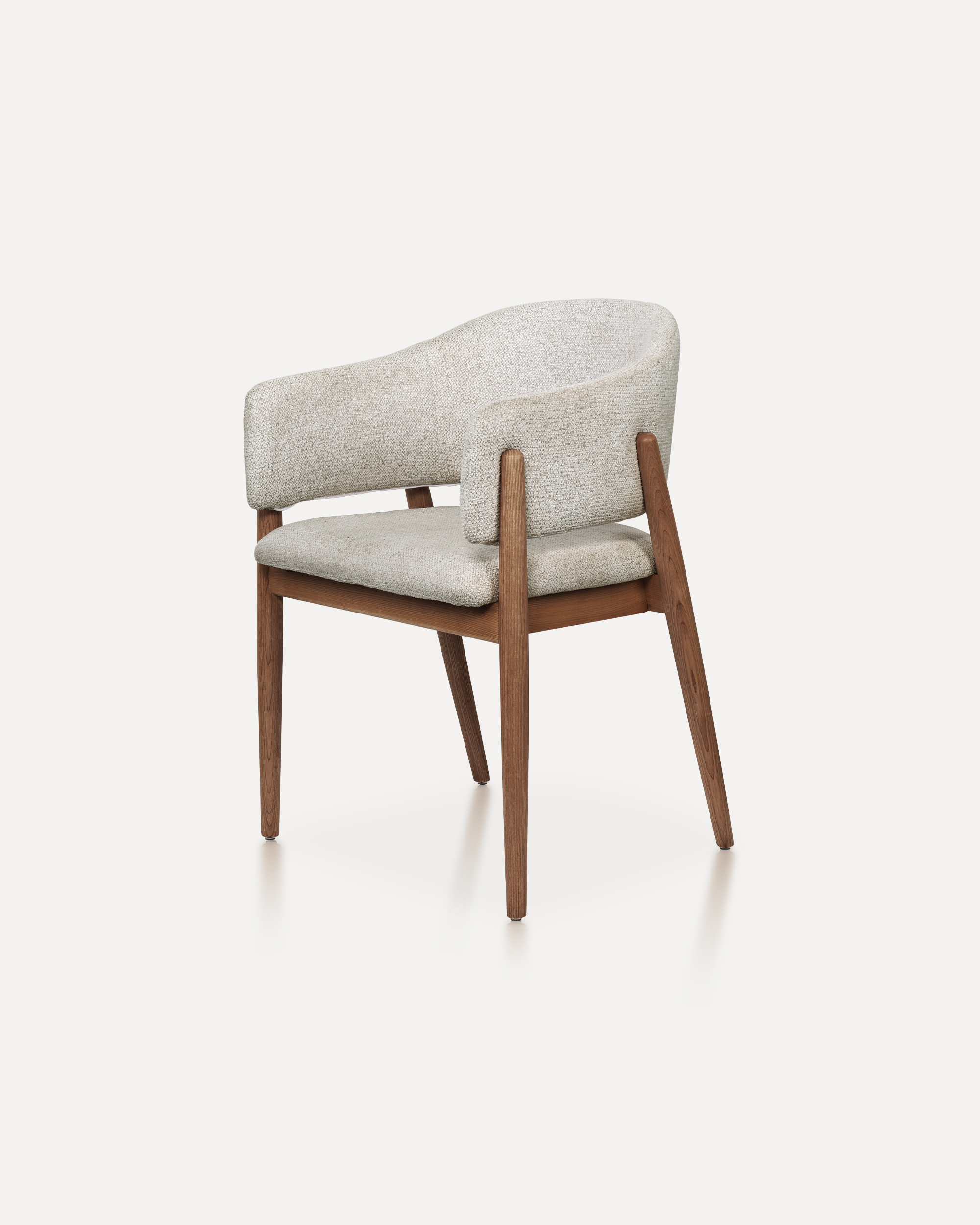 Rubberwood Chair with Generous Cushioning and Curved BackrestThis chair pairs a durable rubberwood frame with generous cushioning on seat and back, featuring a curved backrest and arm supports that encourage a comfortable, inviting posture for everyday use in dining or living areas.View Product →
A chair that looks comfortable in a showroom may develop a hard crease in the seat after a few months, or the frame may loosen. Ask about solid wood construction, joinery, and whether the seat cover can be cleaned. We use FSC-certified wood and carefully dried European ash to keep frames stable; more detail on this is available on our about page.
A comfortable ergonomic chair is not a luxury that has to look stiff. It is a chair that matches your body in three critical places: the seat height, the seat depth, and the lower back support. It uses a frame that holds those positions without wobbling, and a cushion that distributes weight evenly. If you keep those standards in mind, you can avoid the most common mistake of buying a chair that feels fine for five minutes and hurts after an hour.
When you compare options, try to sit in the chair for at least ten minutes. Pay attention to how your thighs and ankles feel after the first minute. If the chair feels neutral and you are not thinking about it, you have found a comfortable ergonomic chair. If you are already shifting your weight, the chair is not supporting your body.
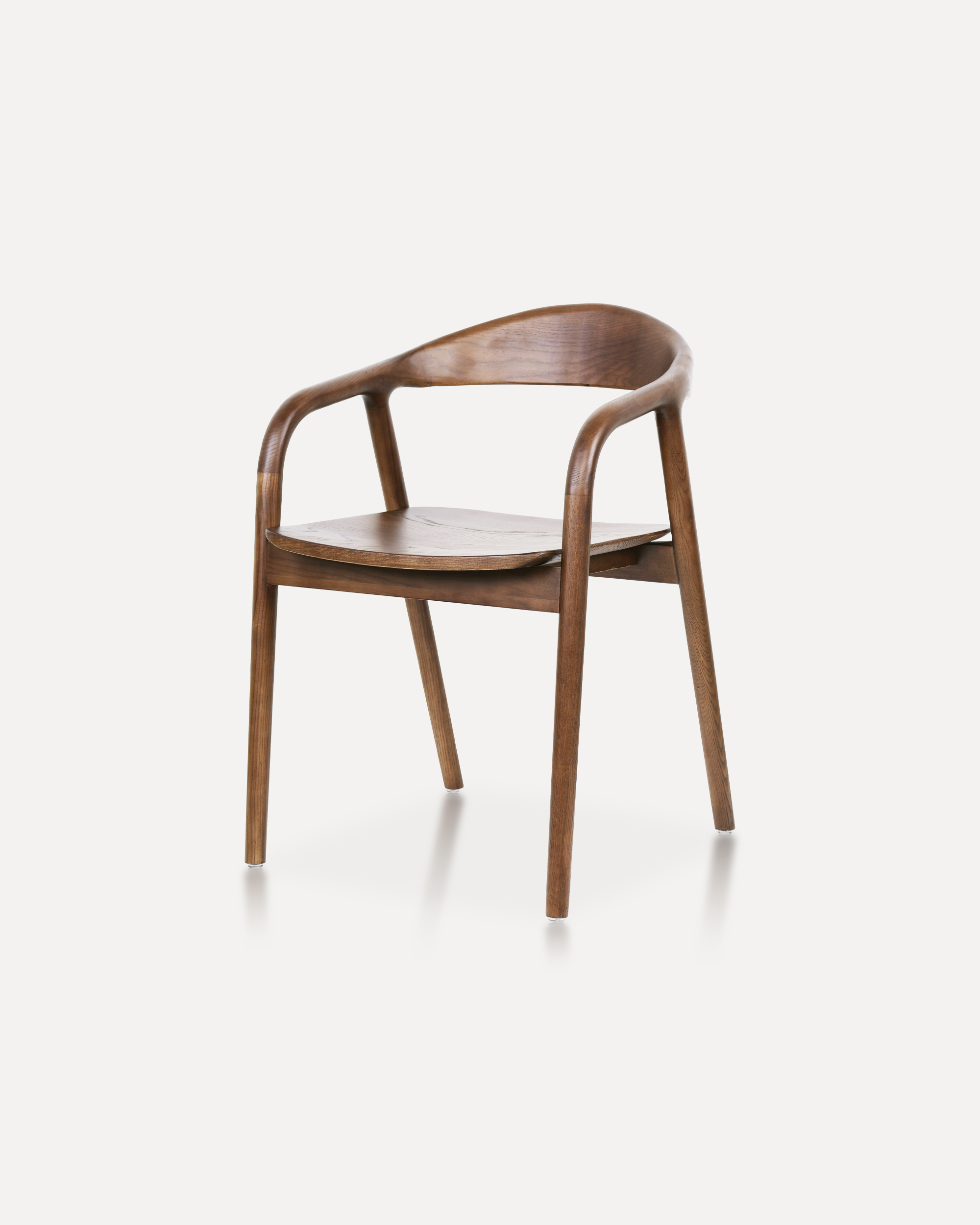
Crafted entirely from solid ash wood, this chair embodies a refined balance of ...
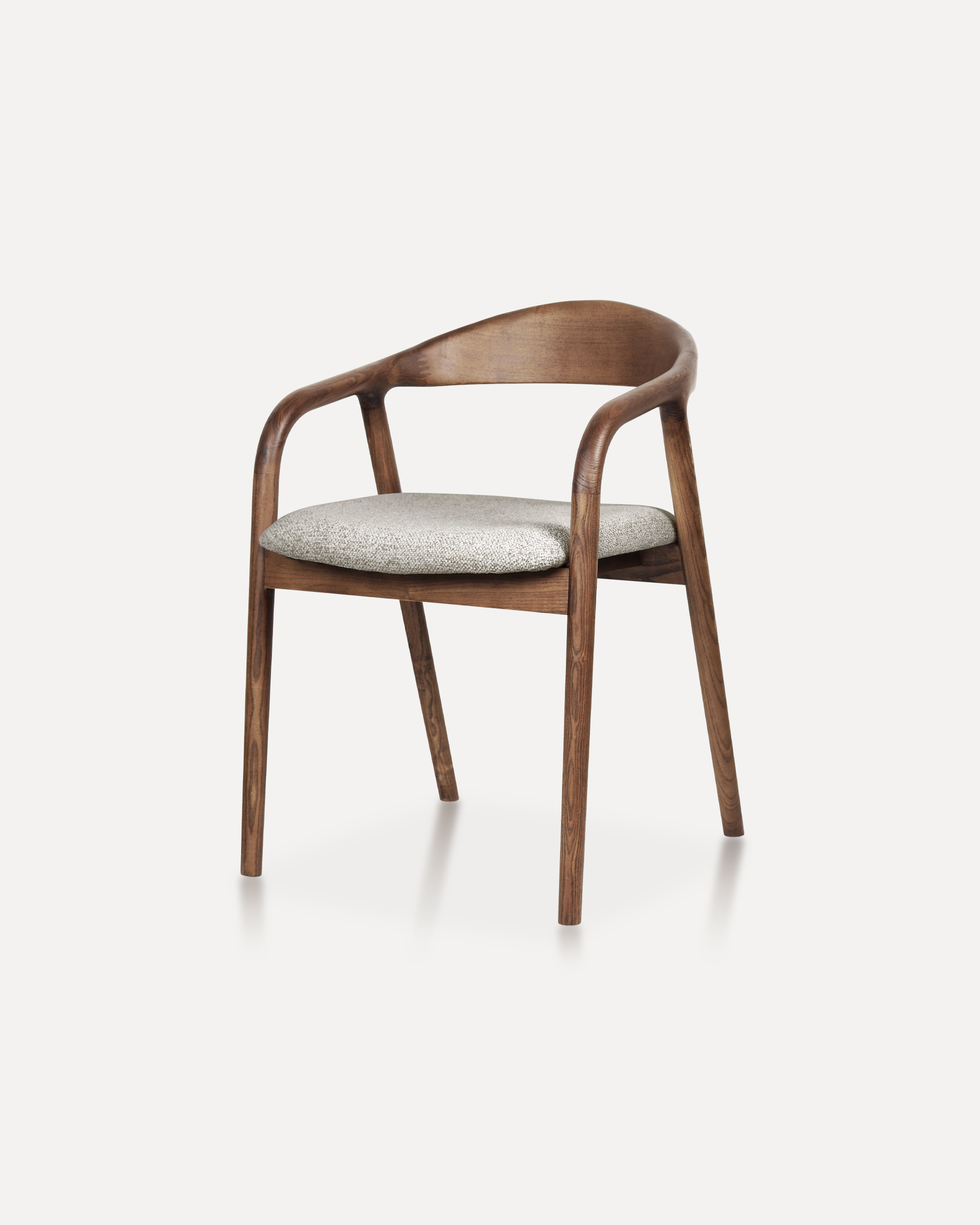
Showcases a refined silhouette with smooth, curved armrests and a gently rounde...
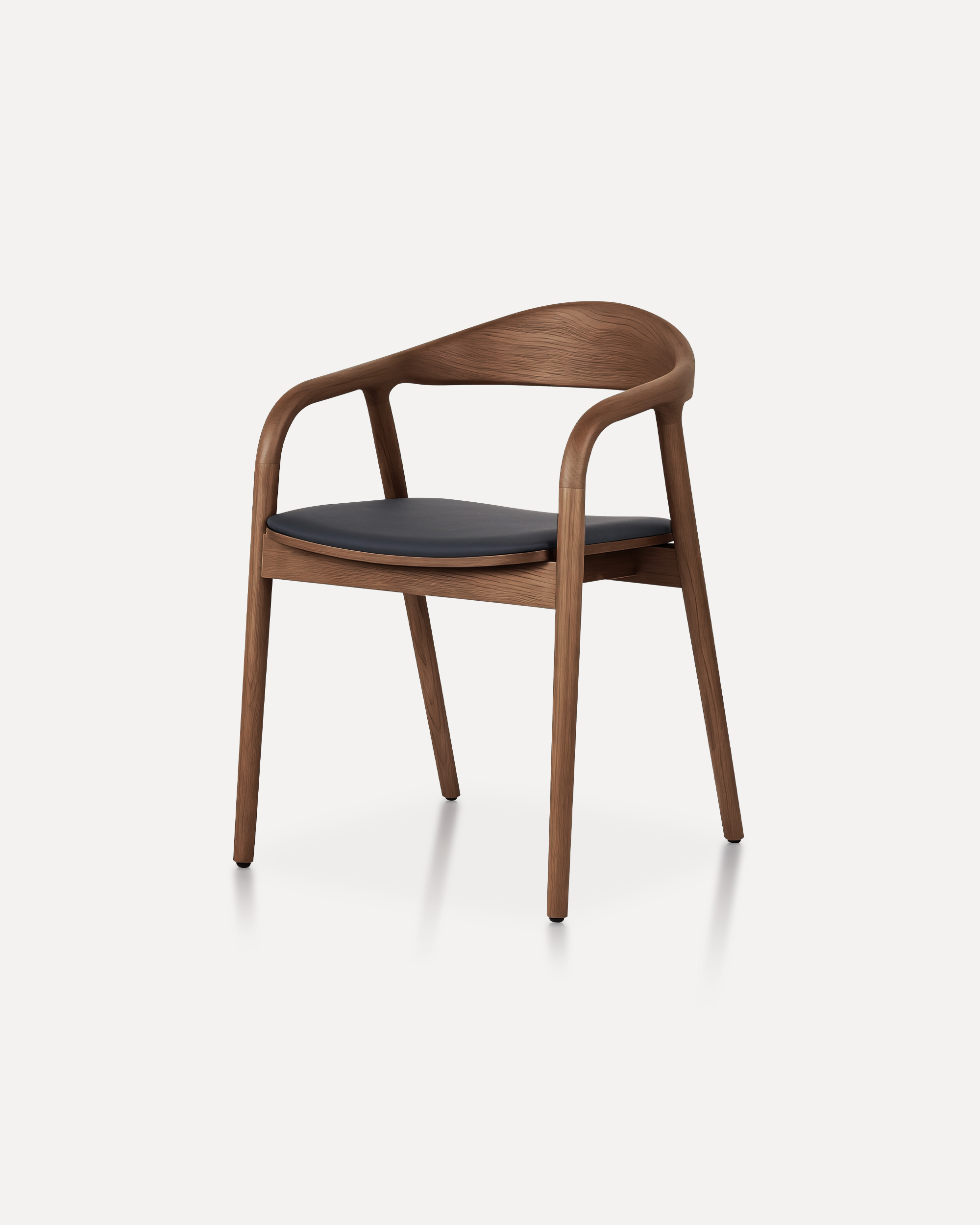
A masterclass in refined joinery and organic geometry, the Arc Chair features a...

With its refined proportions and welcoming form, this chair brings quiet sophis...
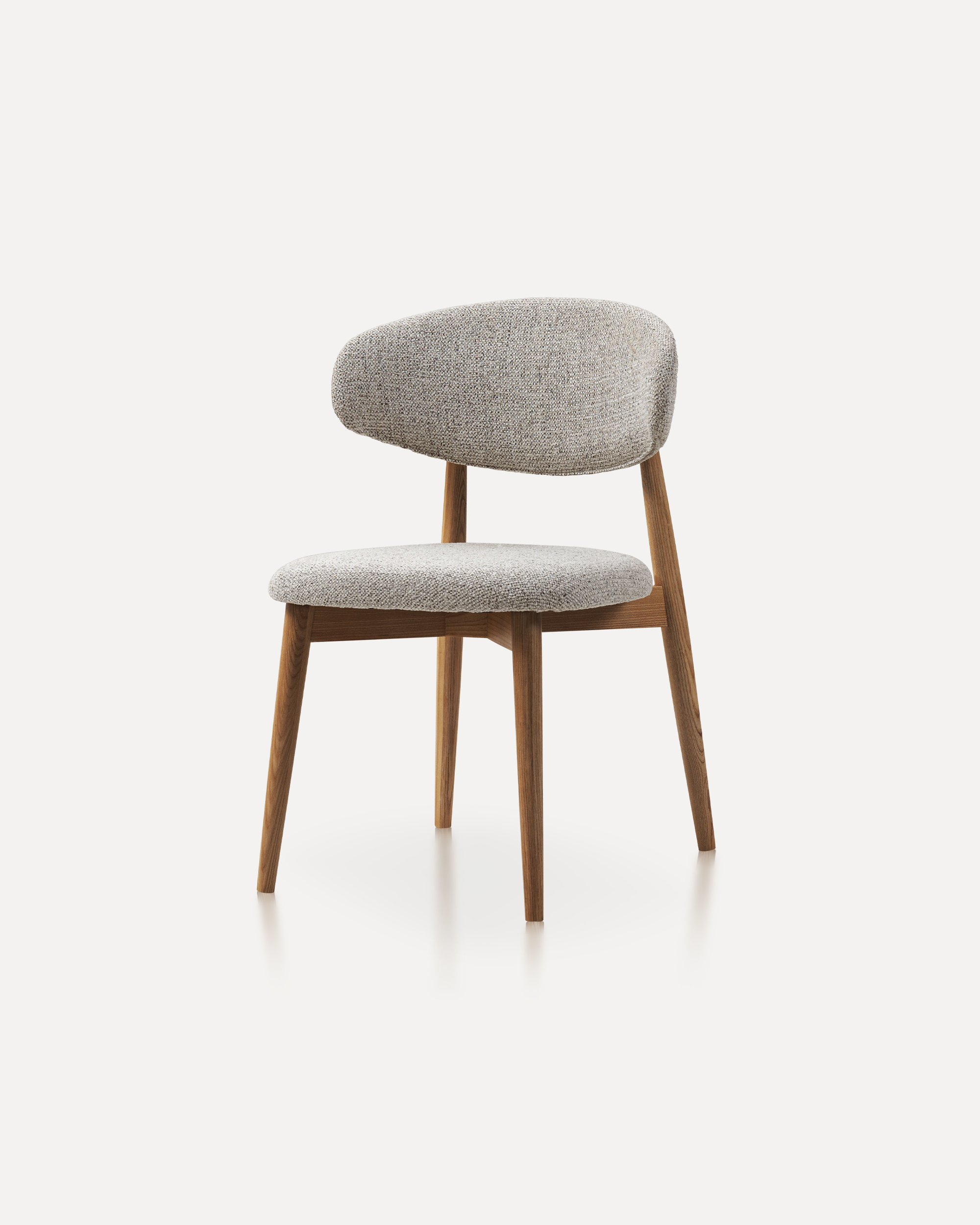
This wooden chair is a classic furniture piece that exudes warmth, durability, ...
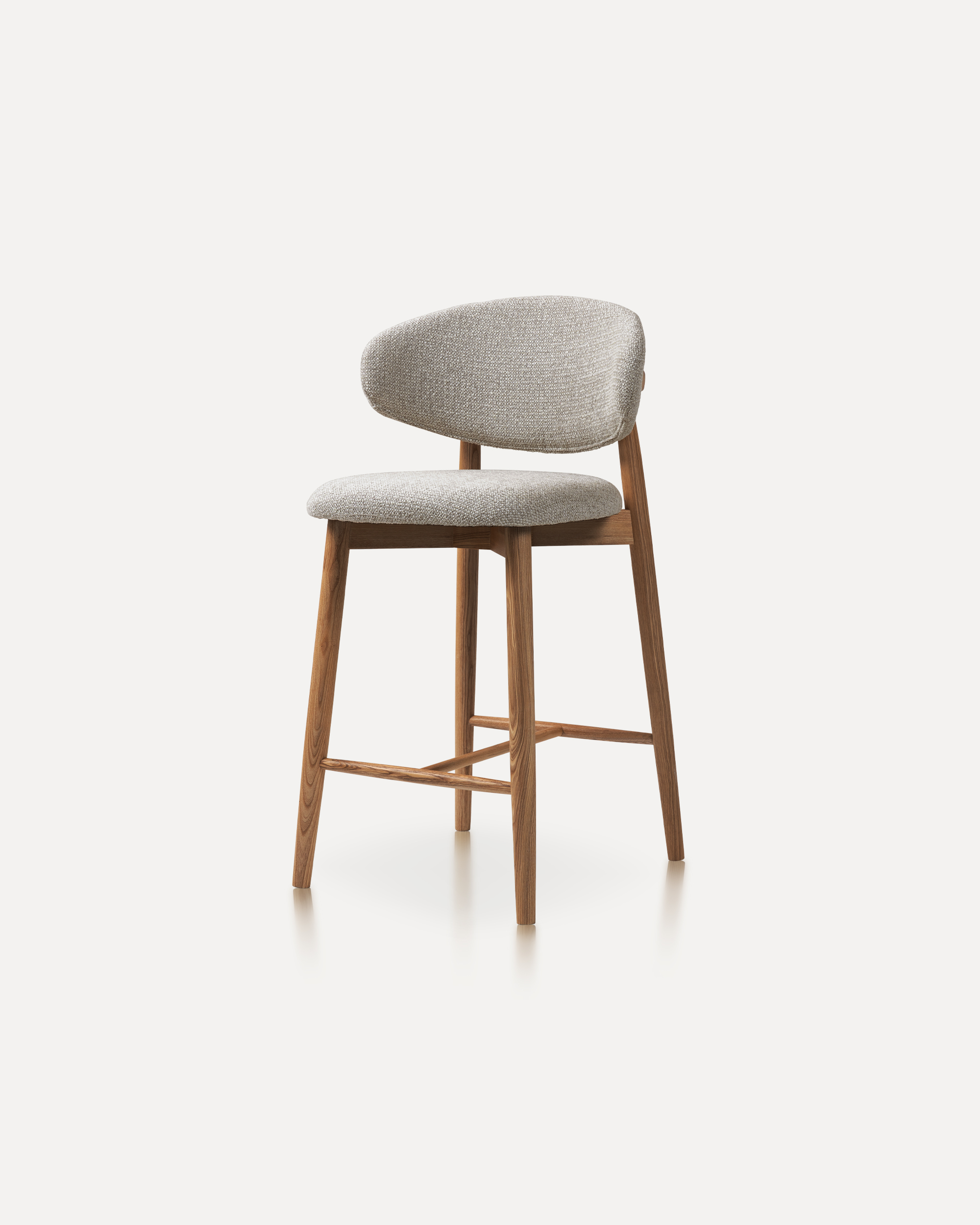
Our Wood Bar Stools are the perfect addition to any high-top table or bar setti...
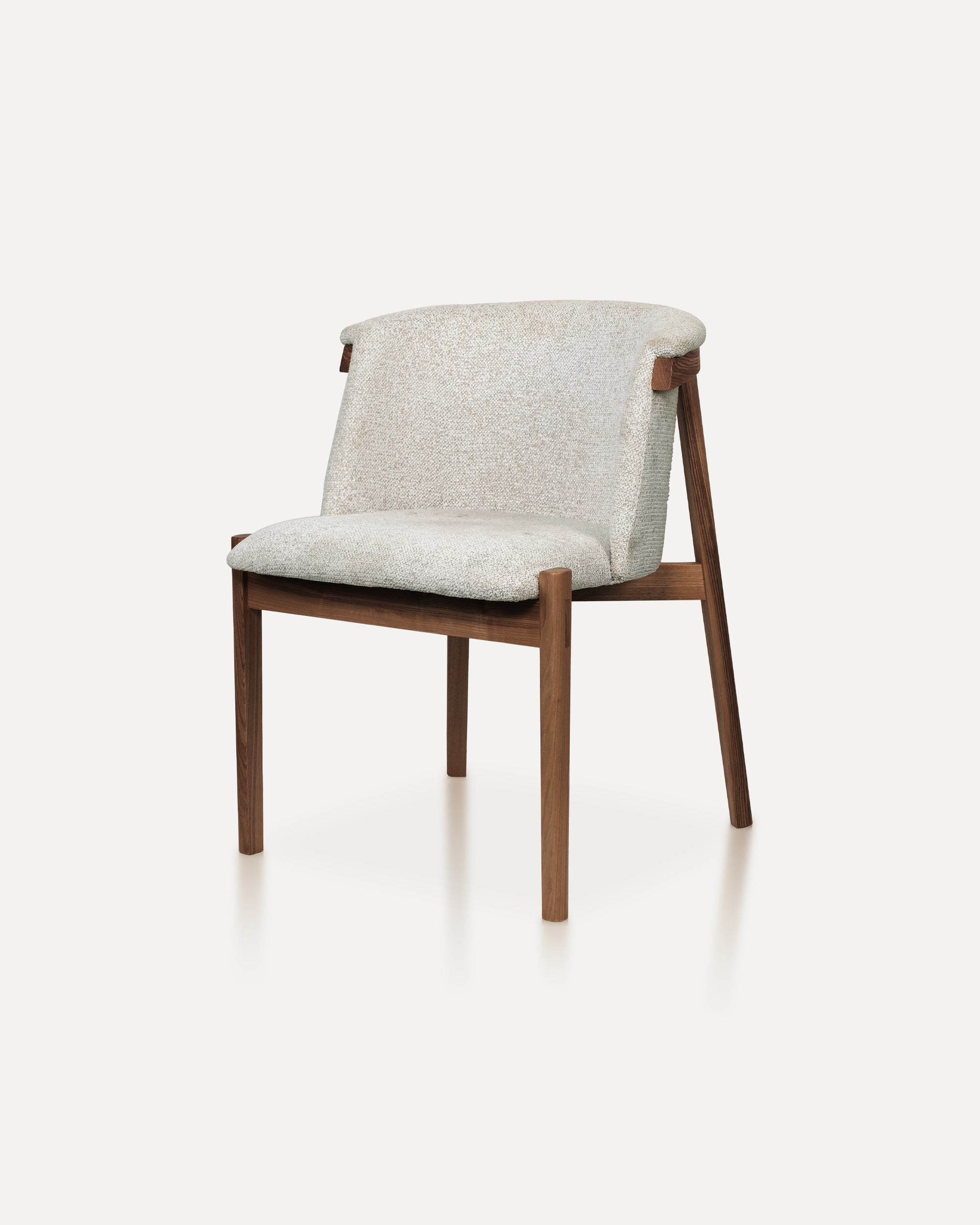
Bring natural elegance into your home with this finely crafted chair. The desig...
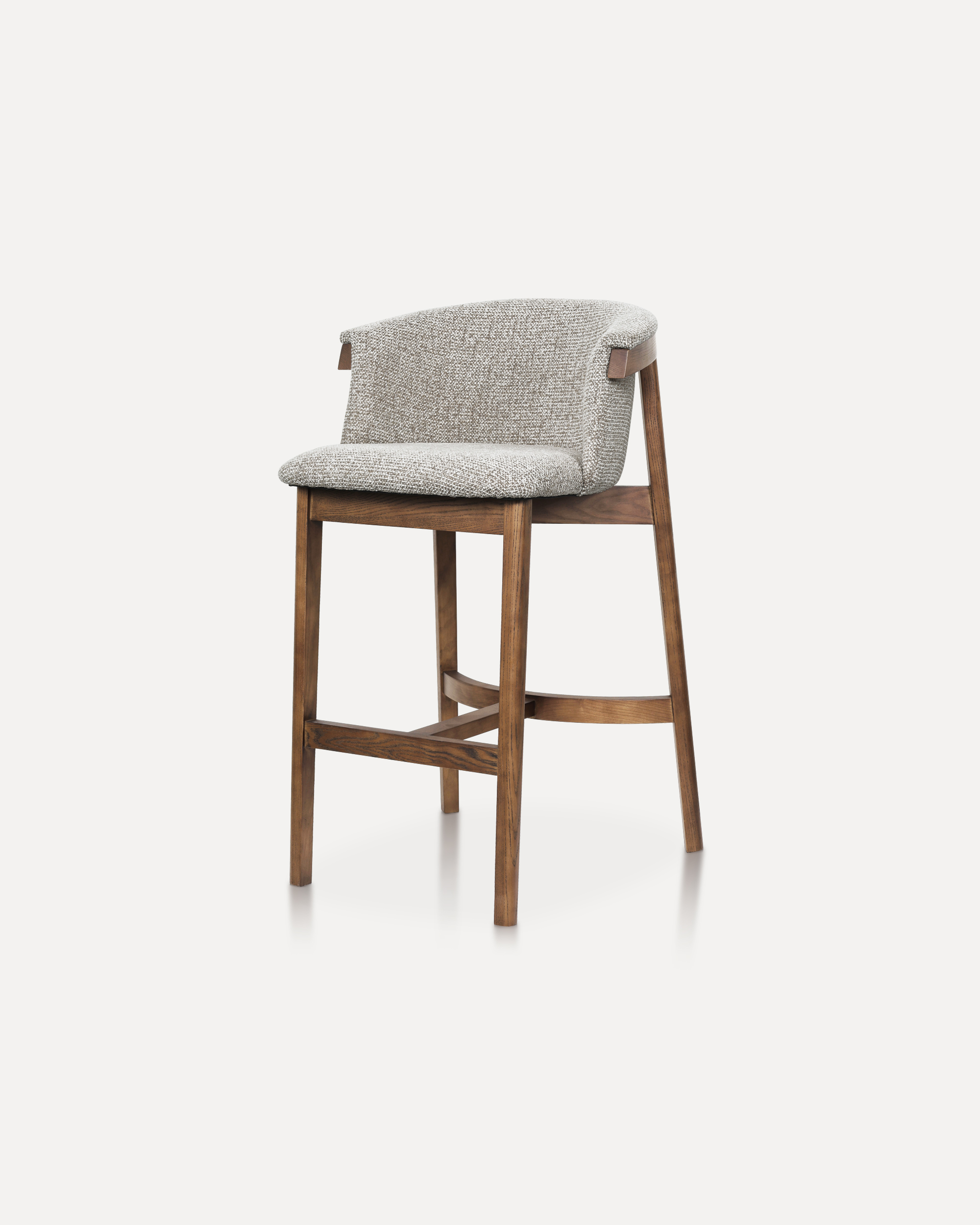
This sophisticated bar chair elevates any counter or high-top setting with its ...
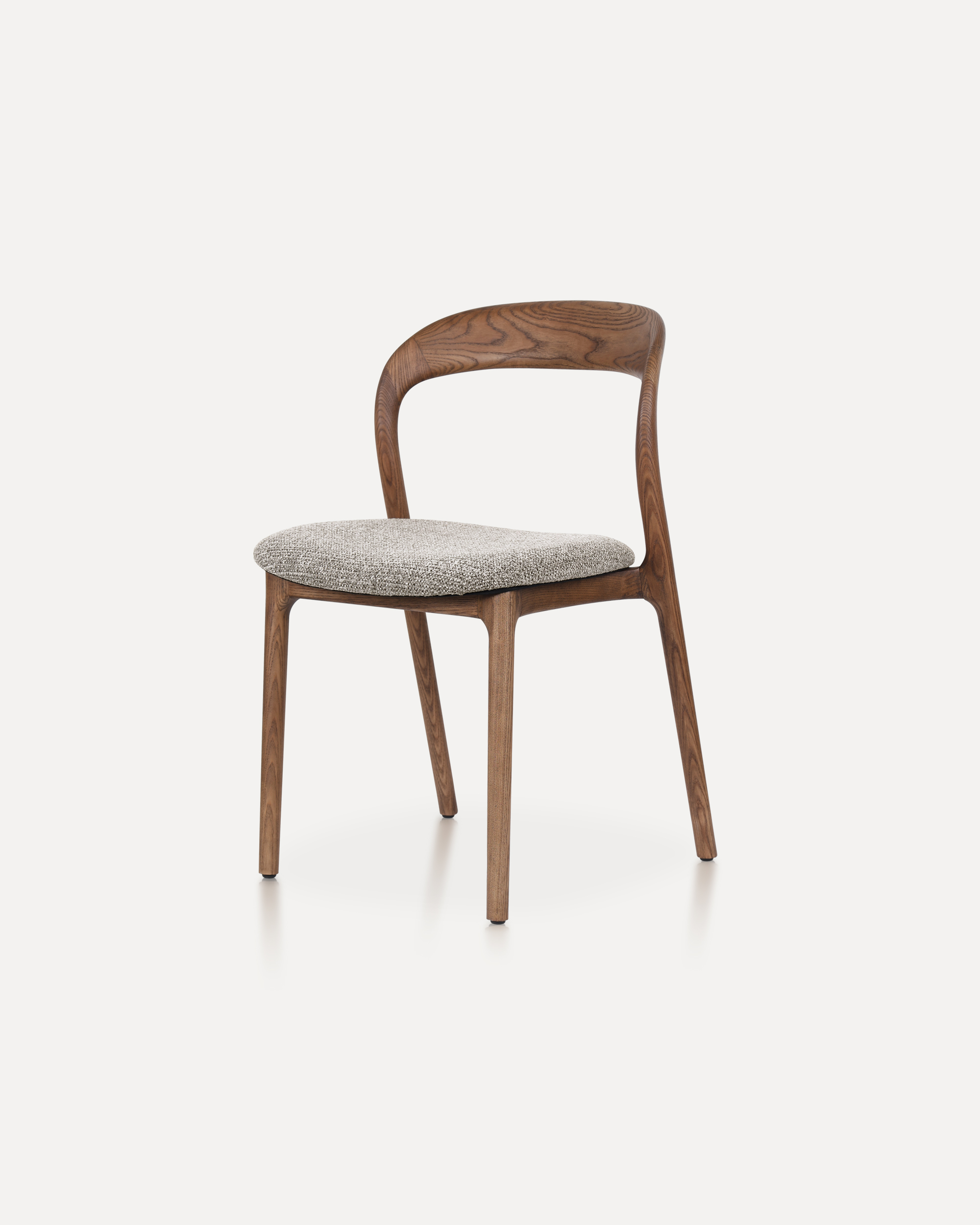
The Echo Chair is crafted from solid ashwood, featuring a unified back-and-arm ...
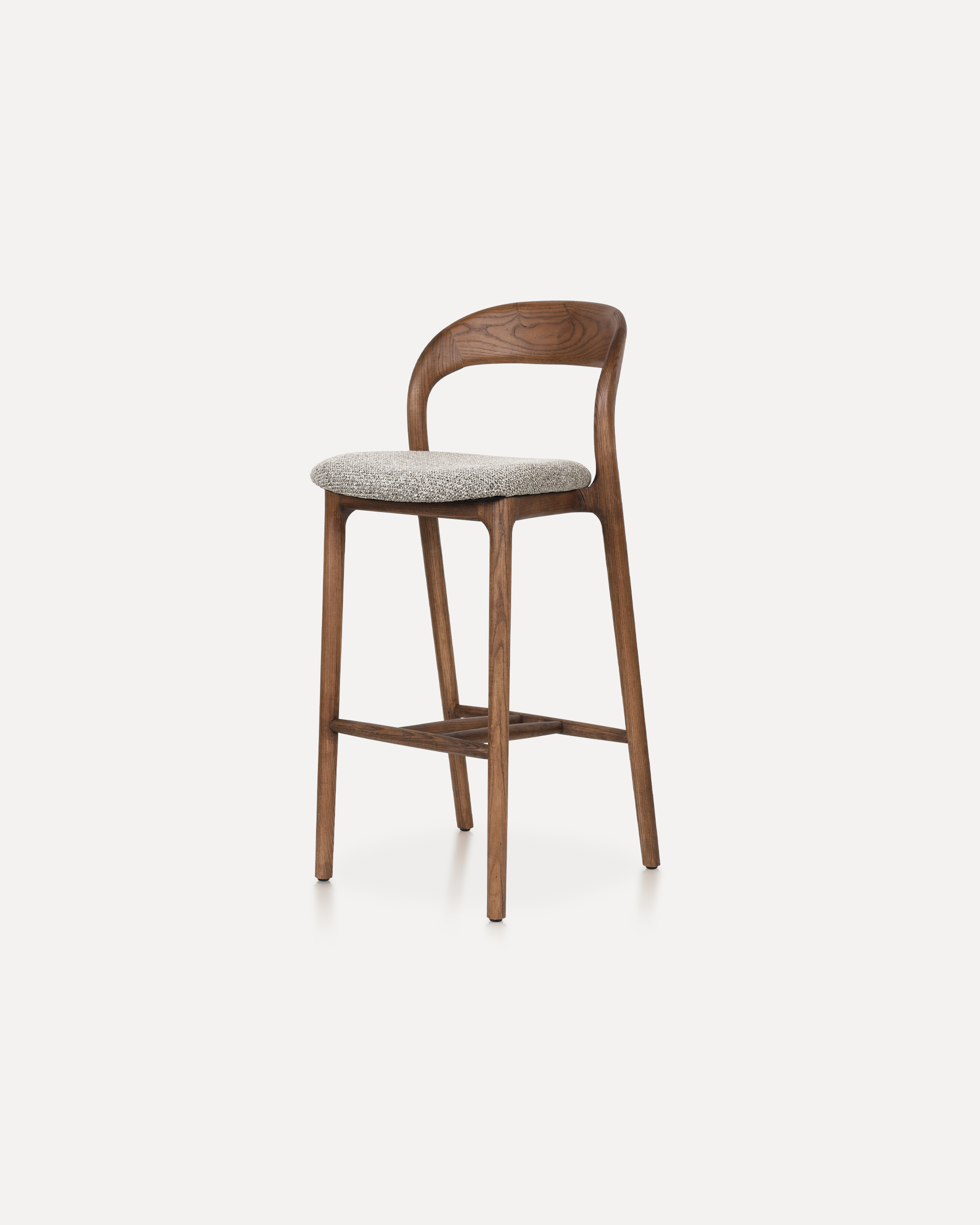
This Bar Chair is a counter-height seating solution crafted from solid ashwood ...
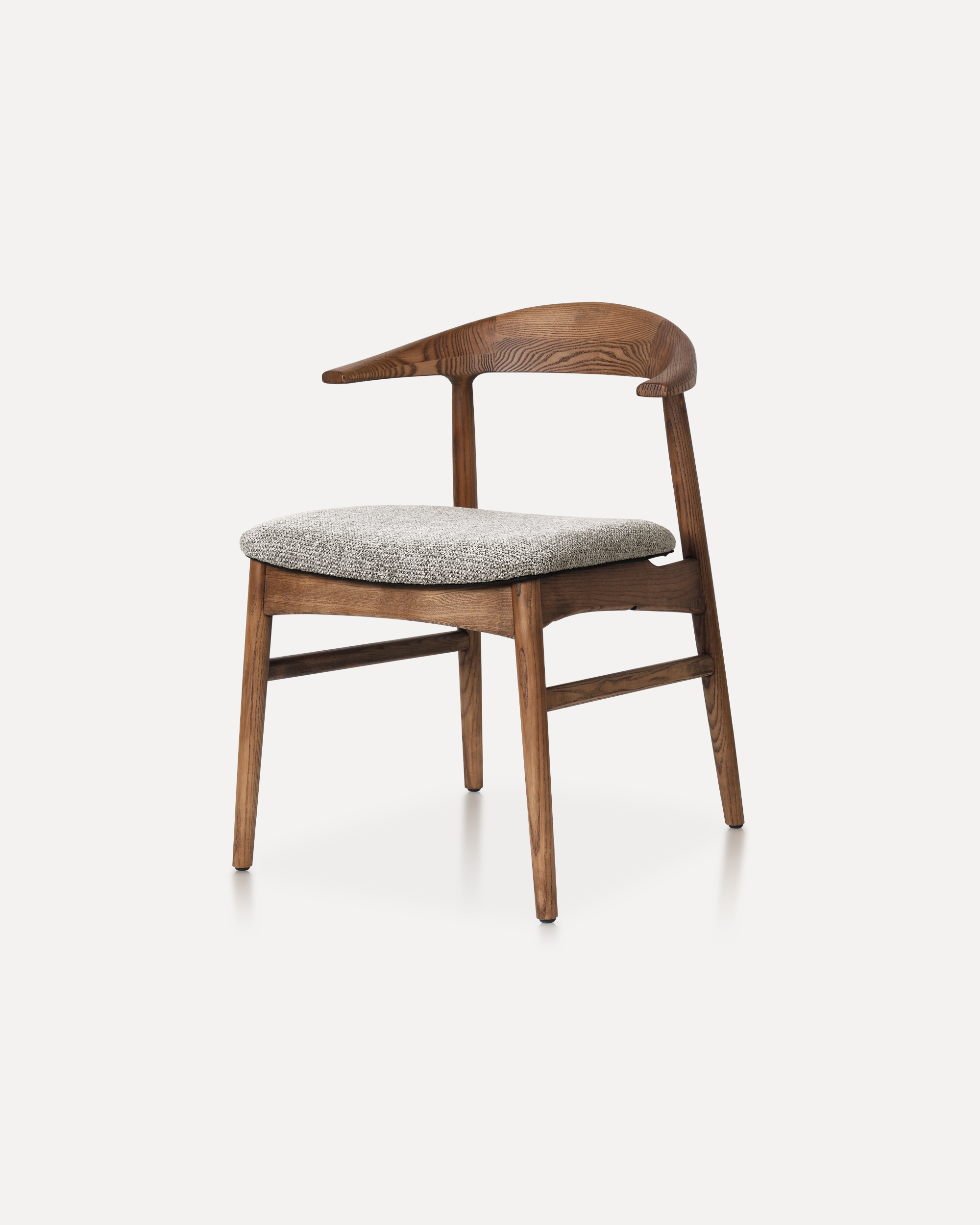
The Horizon Chair reinterprets mid-century warmth for today’s refined interiors...
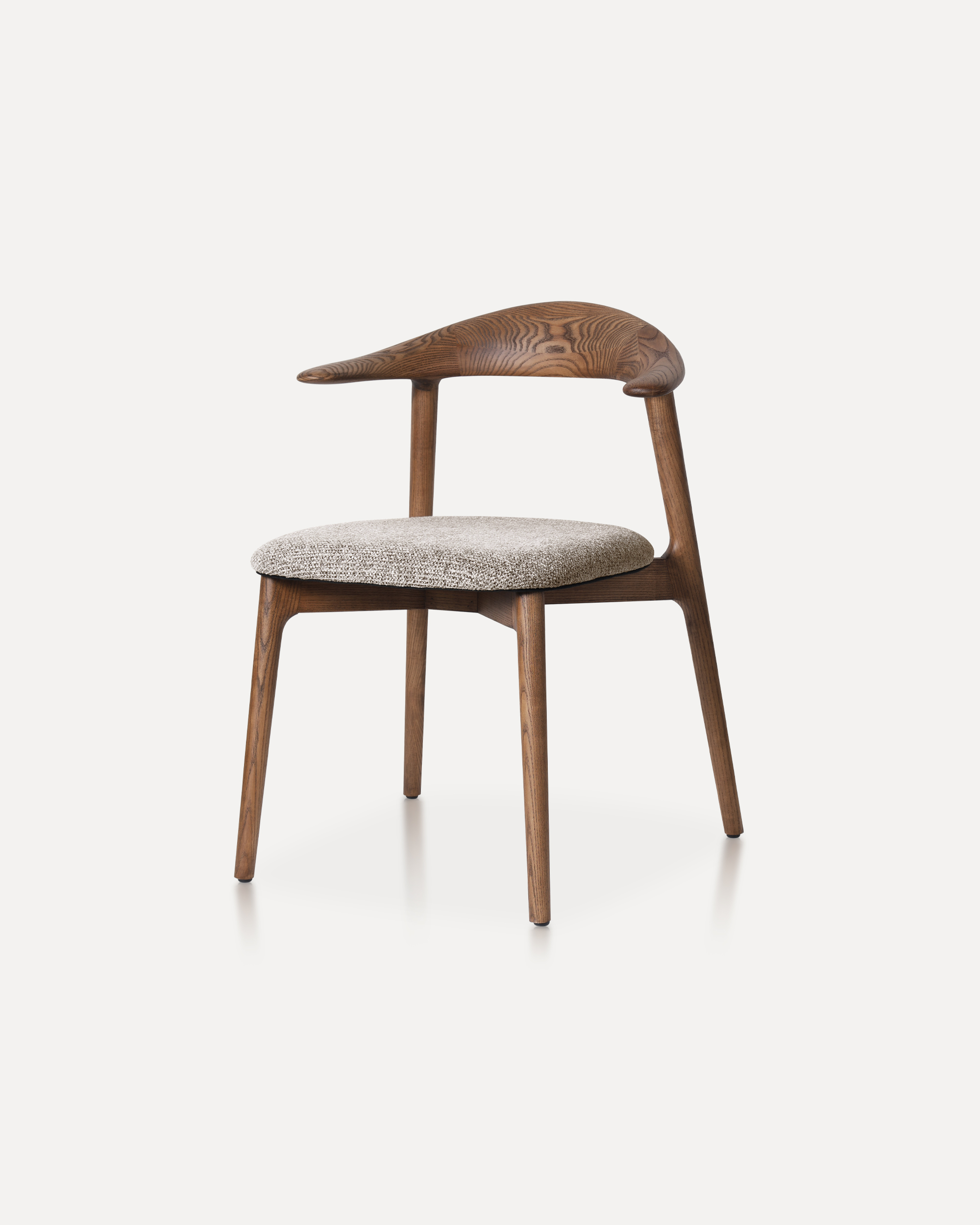
This classic features a striking, organic backrest carved from a single slab of...