
 English
  Français
 Español
Industry News
MENU

The Iron Bar Stool stands as a testament to the enduring appeal of industrial design and functional elegance. More than just a piece of seating, it represents a convergence of robustness, timeless style, and versatile utility, making it a staple in contemporary homes, bustling cafes, and chic commercial spaces alike. Its characteristic material—iron—imparts a distinct aesthetic and an almost unparalleled level of durability that synthetic or softer materials simply cannot match.
Content
The inherent strength of iron is perhaps the most significant feature contributing to the popularity of the Iron Bar Stool. These pieces are built to last, often featuring solid, welded frames that can withstand years of heavy use without compromising structural integrity. This resilience traces back to the industrial revolution, where iron’s practical applications were first widely celebrated in architecture and functional fittings.
The classic design often includes clean lines, simple footrests, and, sometimes, an adjustable height mechanism, further cementing its reputation as a highly practical choice.
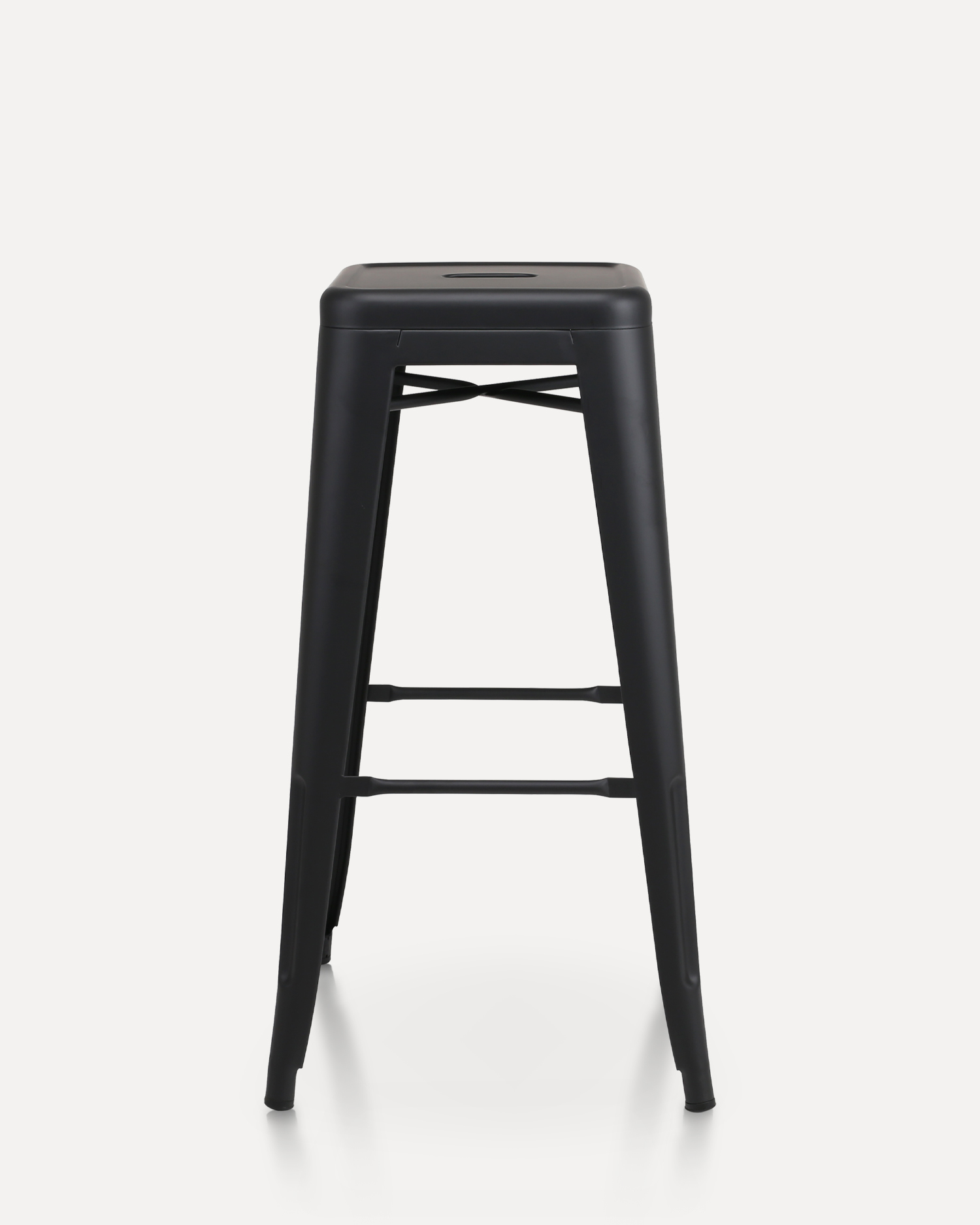
Interior designers frequently turn to the Iron Bar Stool to introduce texture and grounding elements into a space. The weight and visual density of the iron frame provide a strong anchor point, particularly in open-plan living areas or large kitchen islands.
While traditionally associated with bar height counters, the versatility of the iron frame has led to its successful adaptation into various other forms, including counter-height stools, low stools for vanities, and even matching dining chairs. The ability to customize the seat—from adding a plush, upholstered cushion for comfort to leaving the raw, perforated metal for an authentic industrial feel—means the Iron Bar Stool can be tailored to meet almost any functional or aesthetic requirement.
In a world where furniture trends often prioritize fleeting novelty, the Iron Bar Stool maintains its relevance through honest materiality and enduring design, promising both a striking look and generations of service.
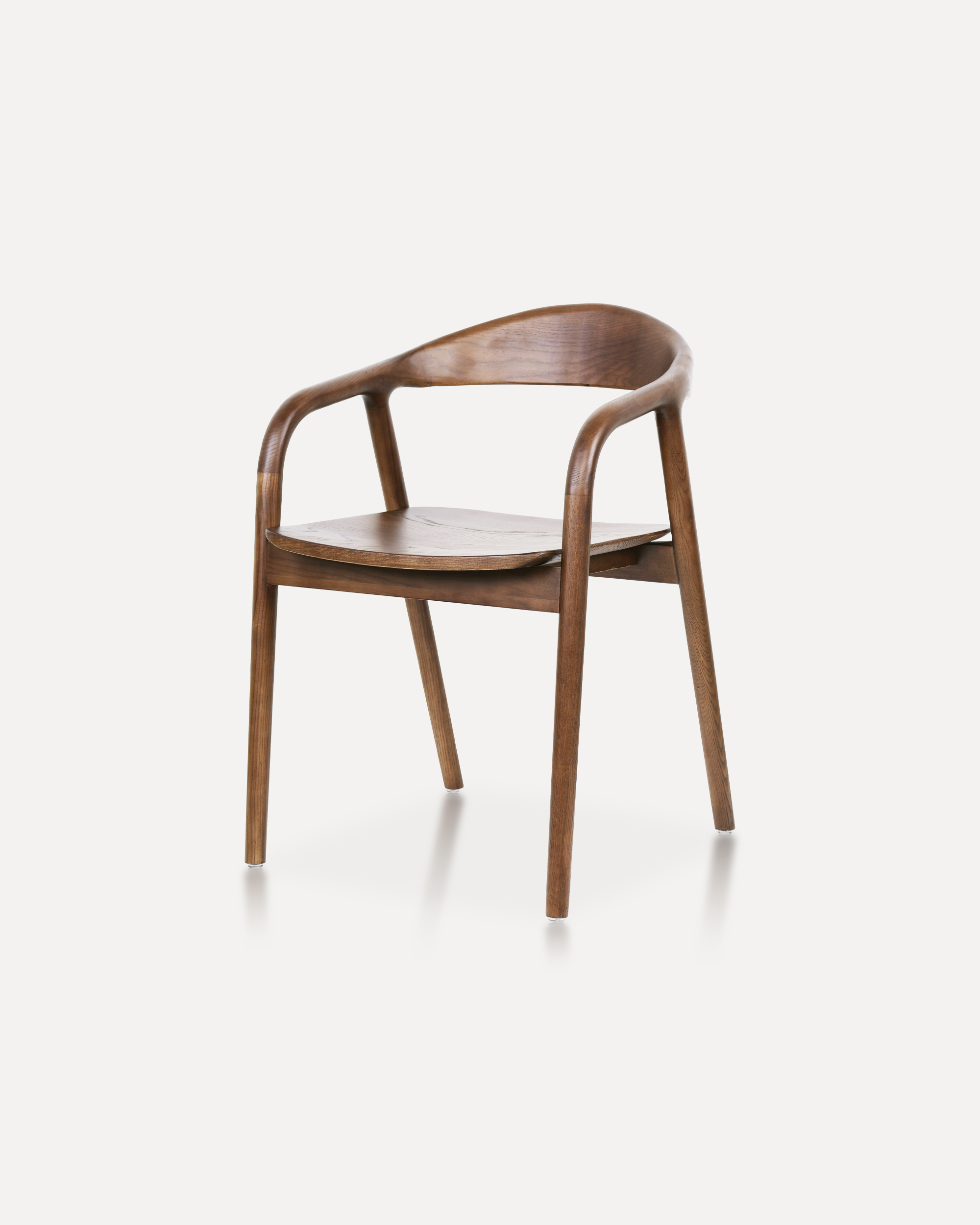
Crafted entirely from solid ash wood, this chair embodies a refined balance of ...
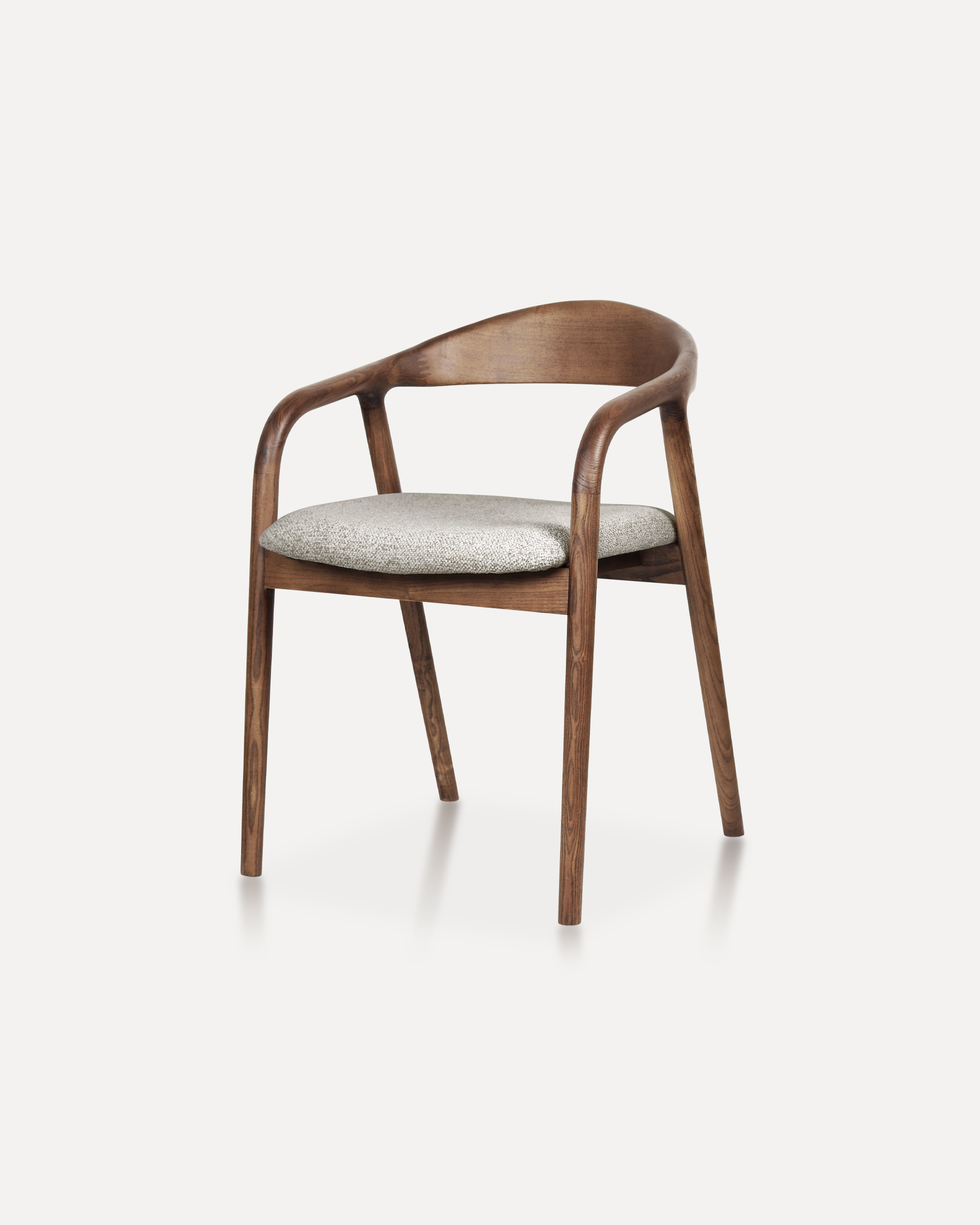
Showcases a refined silhouette with smooth, curved armrests and a gently rounde...
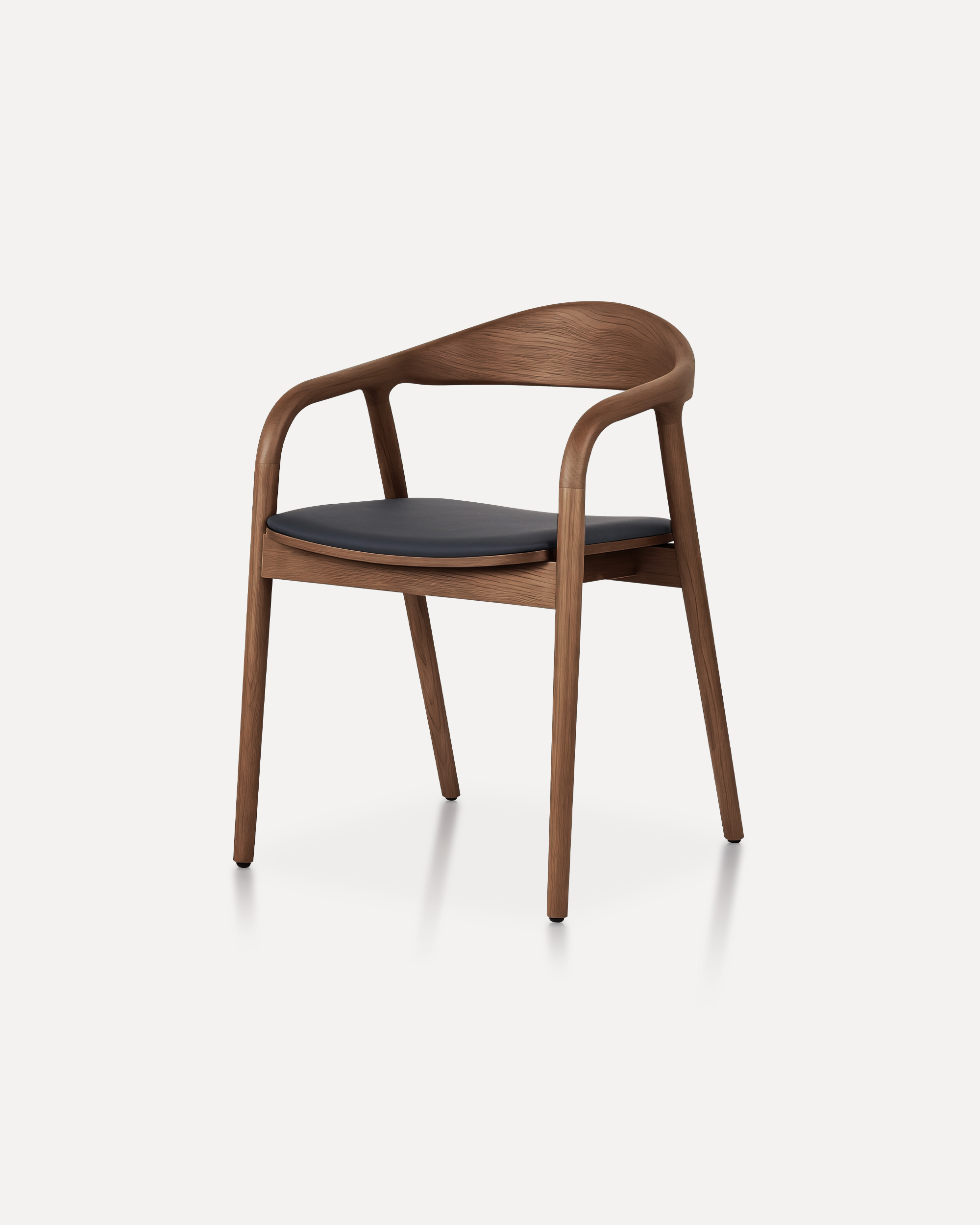
A masterclass in refined joinery and organic geometry, the Arc Chair features a...
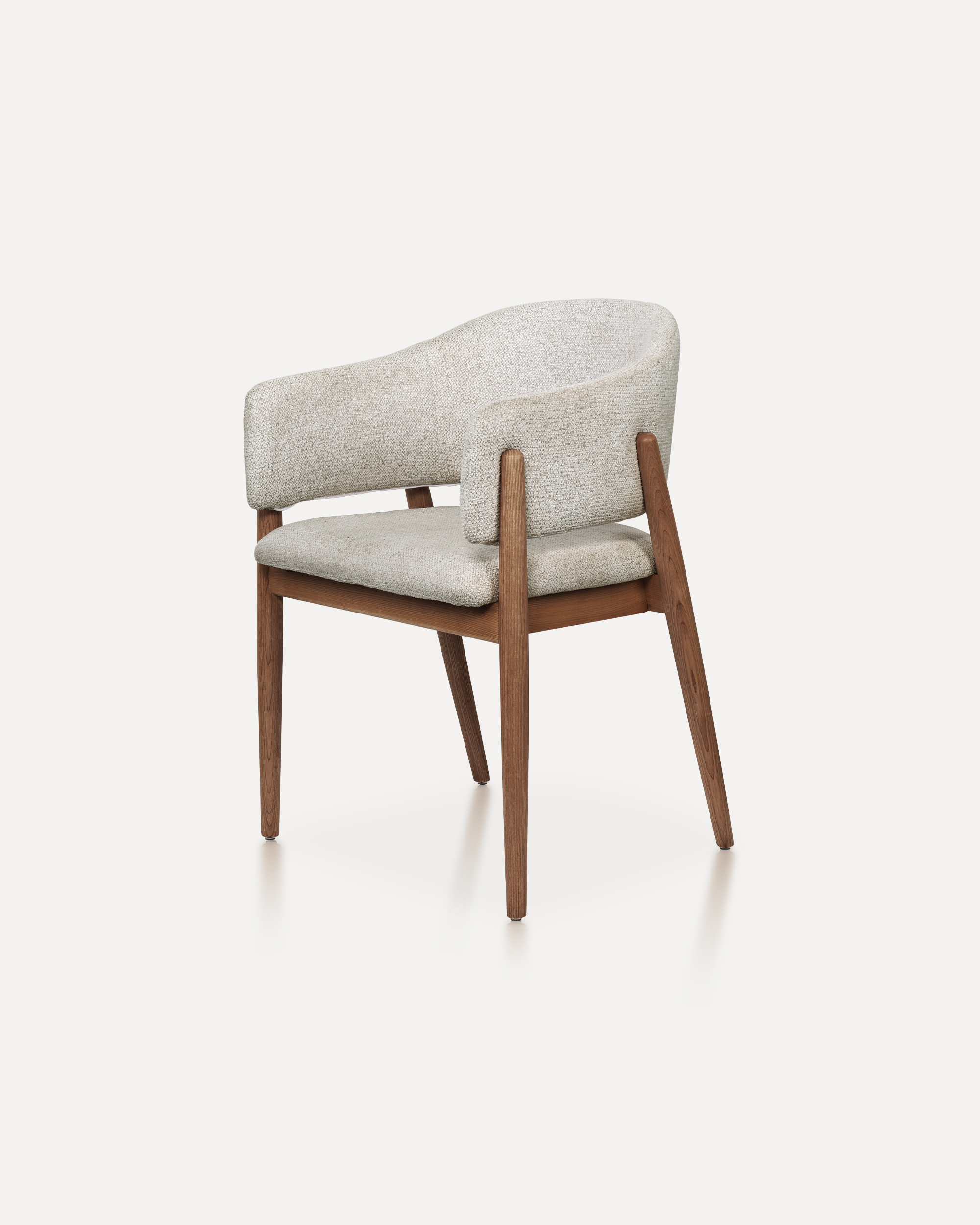
With its refined proportions and welcoming form, this chair brings quiet sophis...
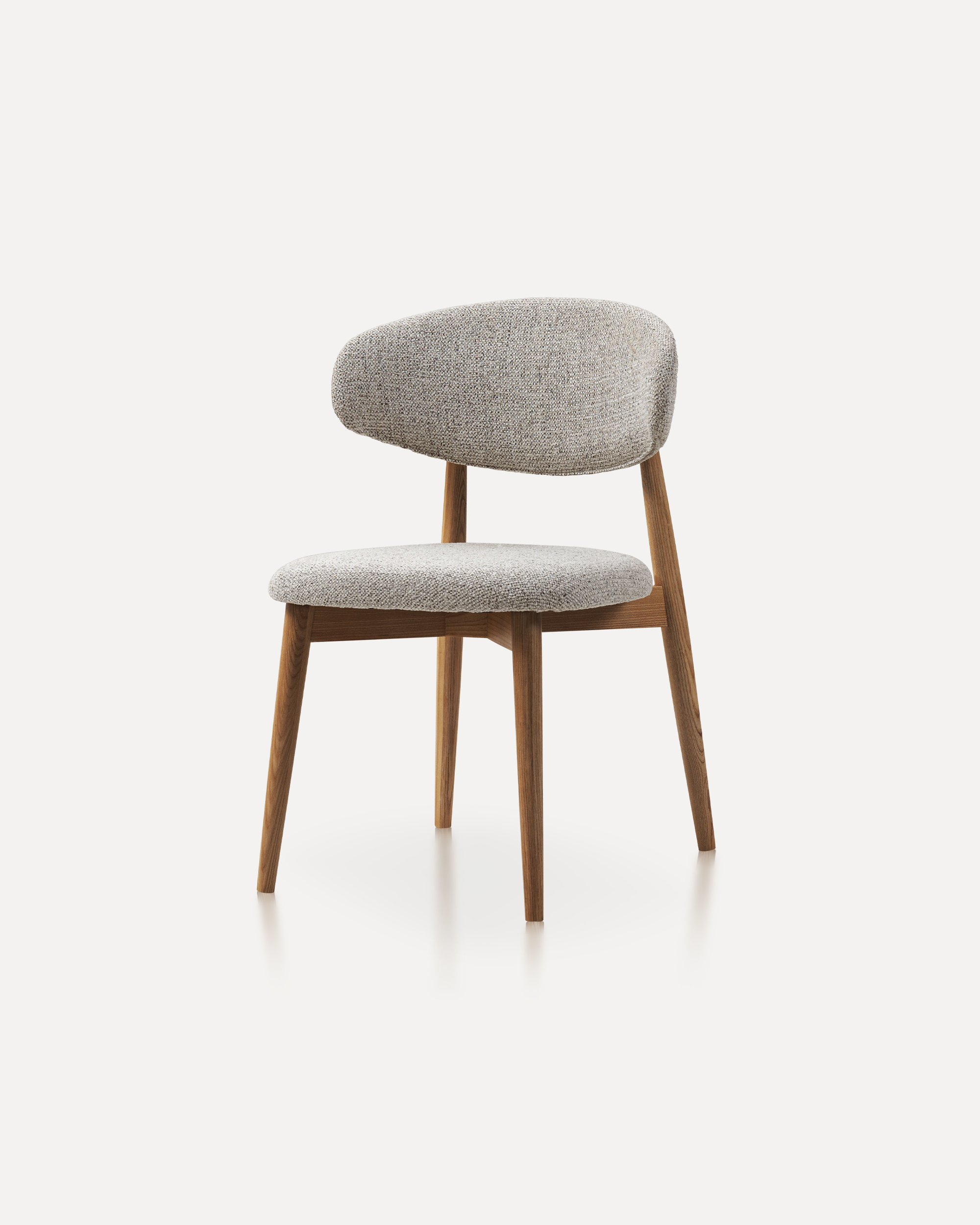
This wooden chair is a classic furniture piece that exudes warmth, durability, ...
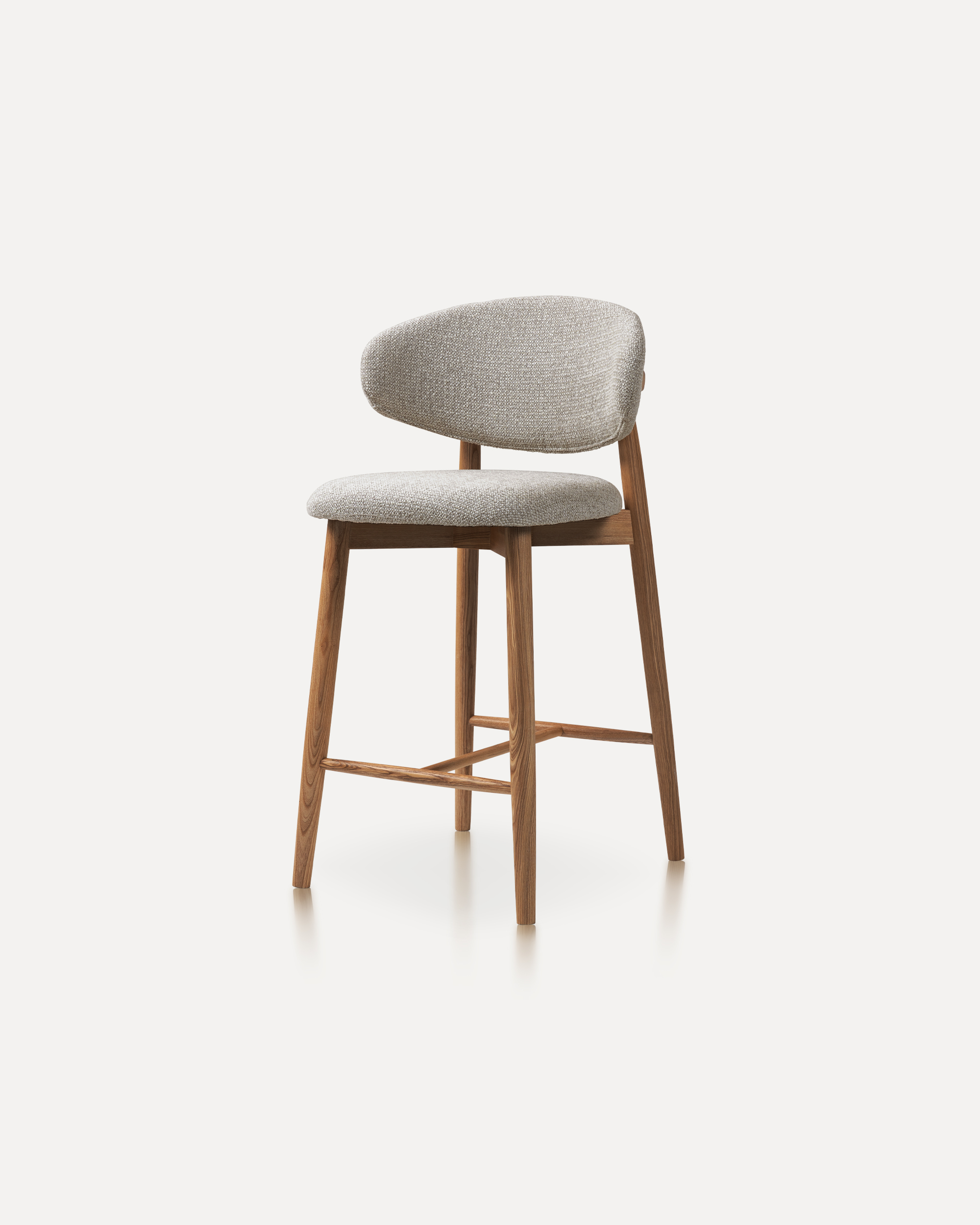
Our Wood Bar Stools are the perfect addition to any high-top table or bar setti...
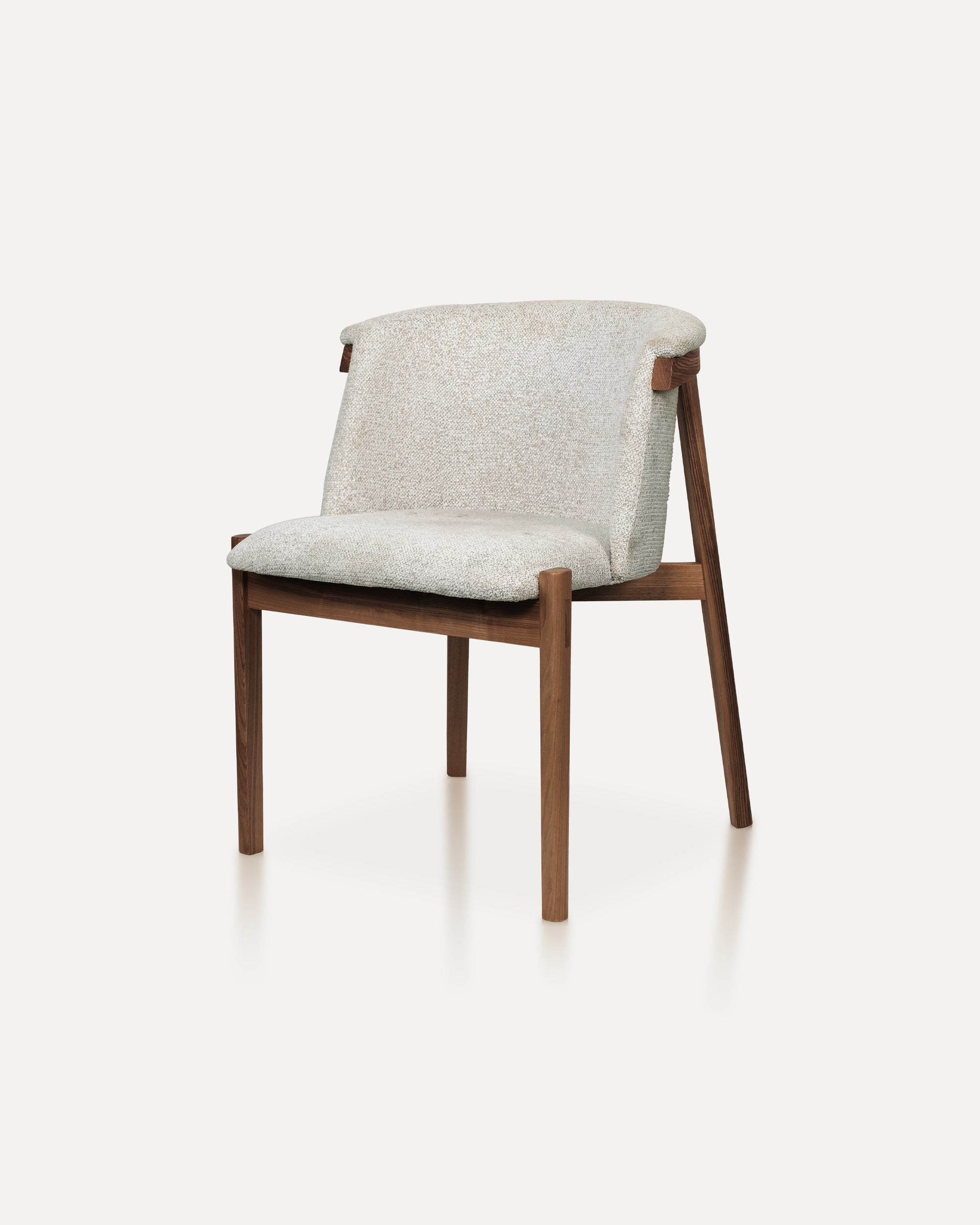
Bring natural elegance into your home with this finely crafted chair. The desig...
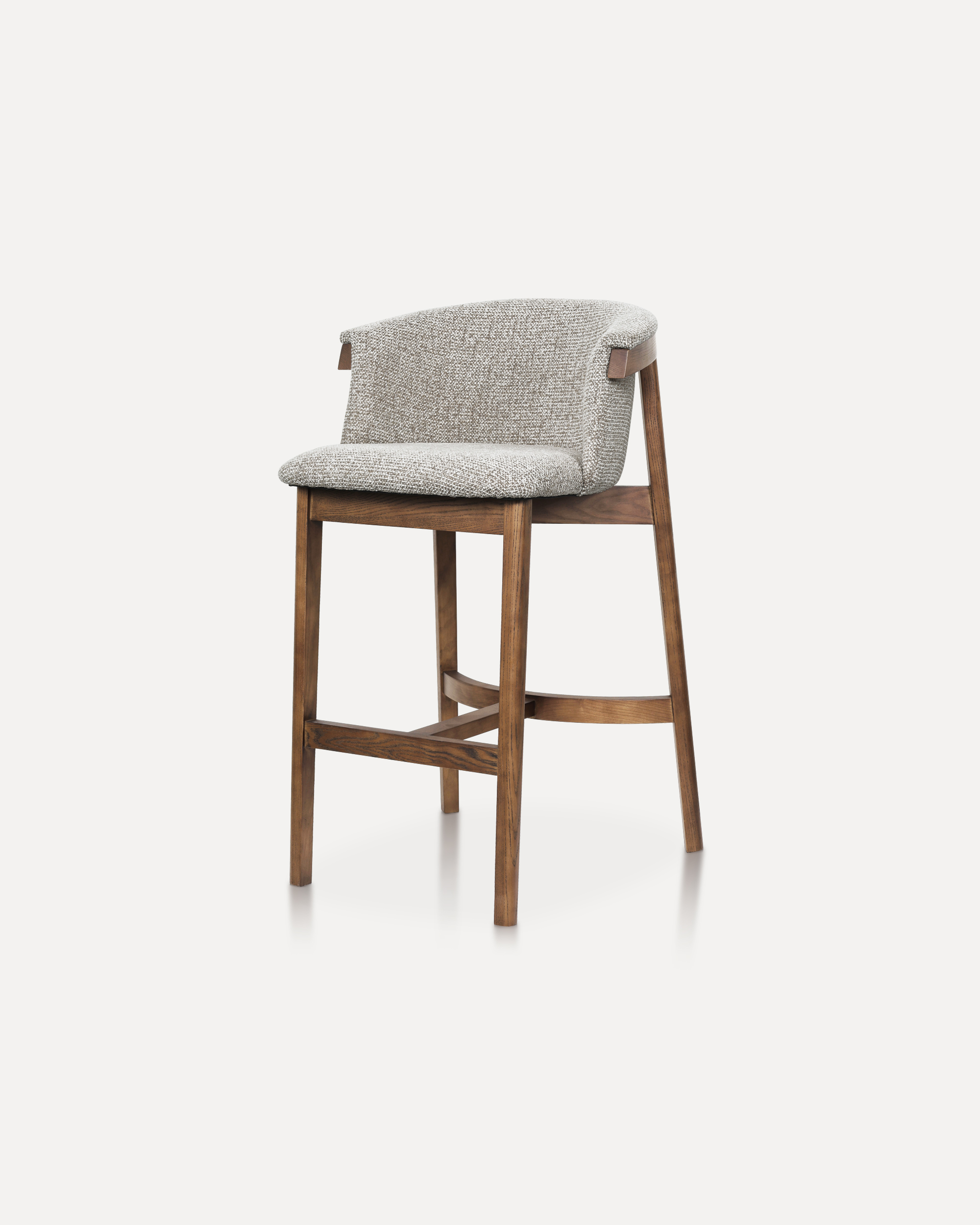
This sophisticated bar chair elevates any counter or high-top setting with its ...
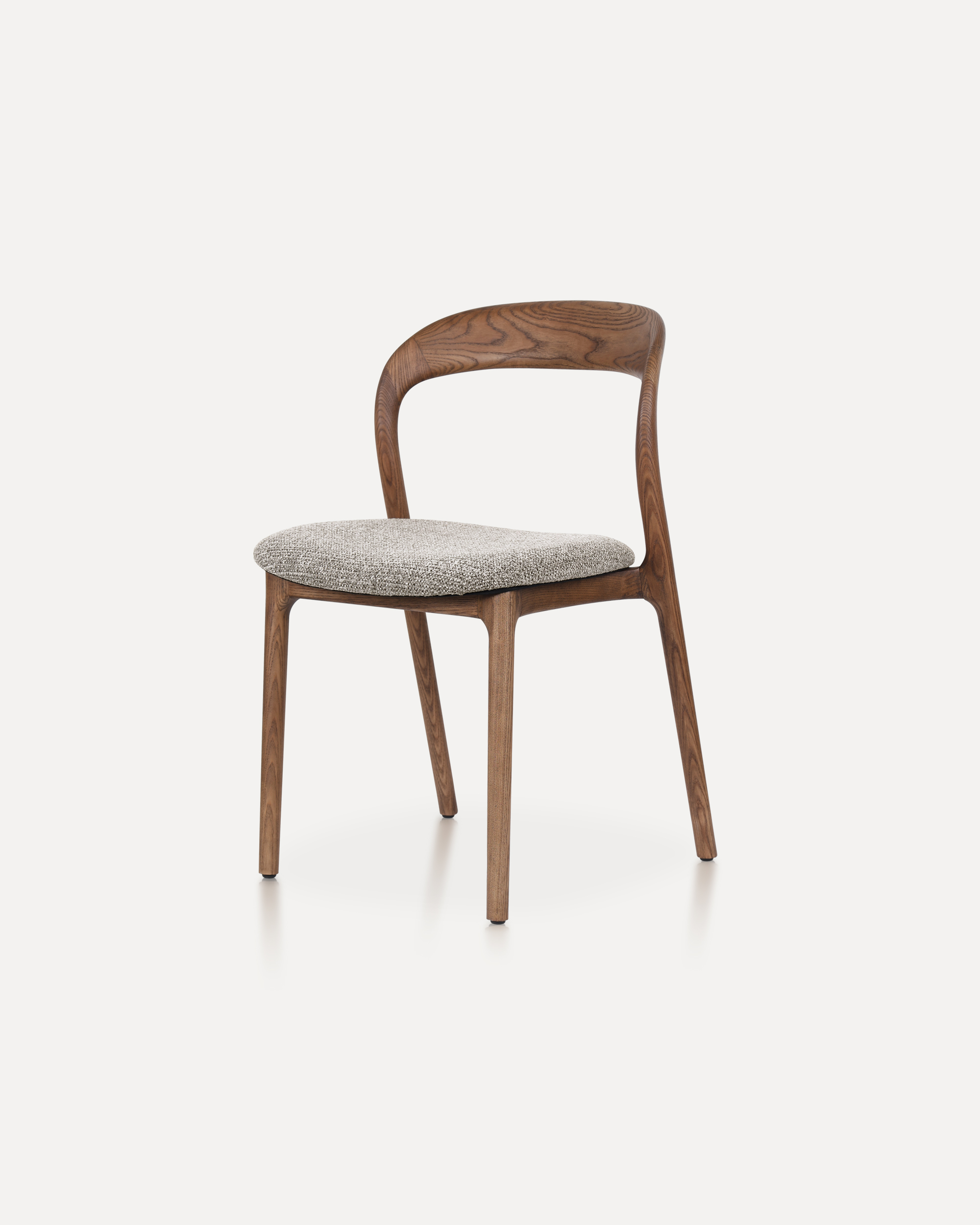
The Echo Chair is crafted from solid ashwood, featuring a unified back-and-arm ...
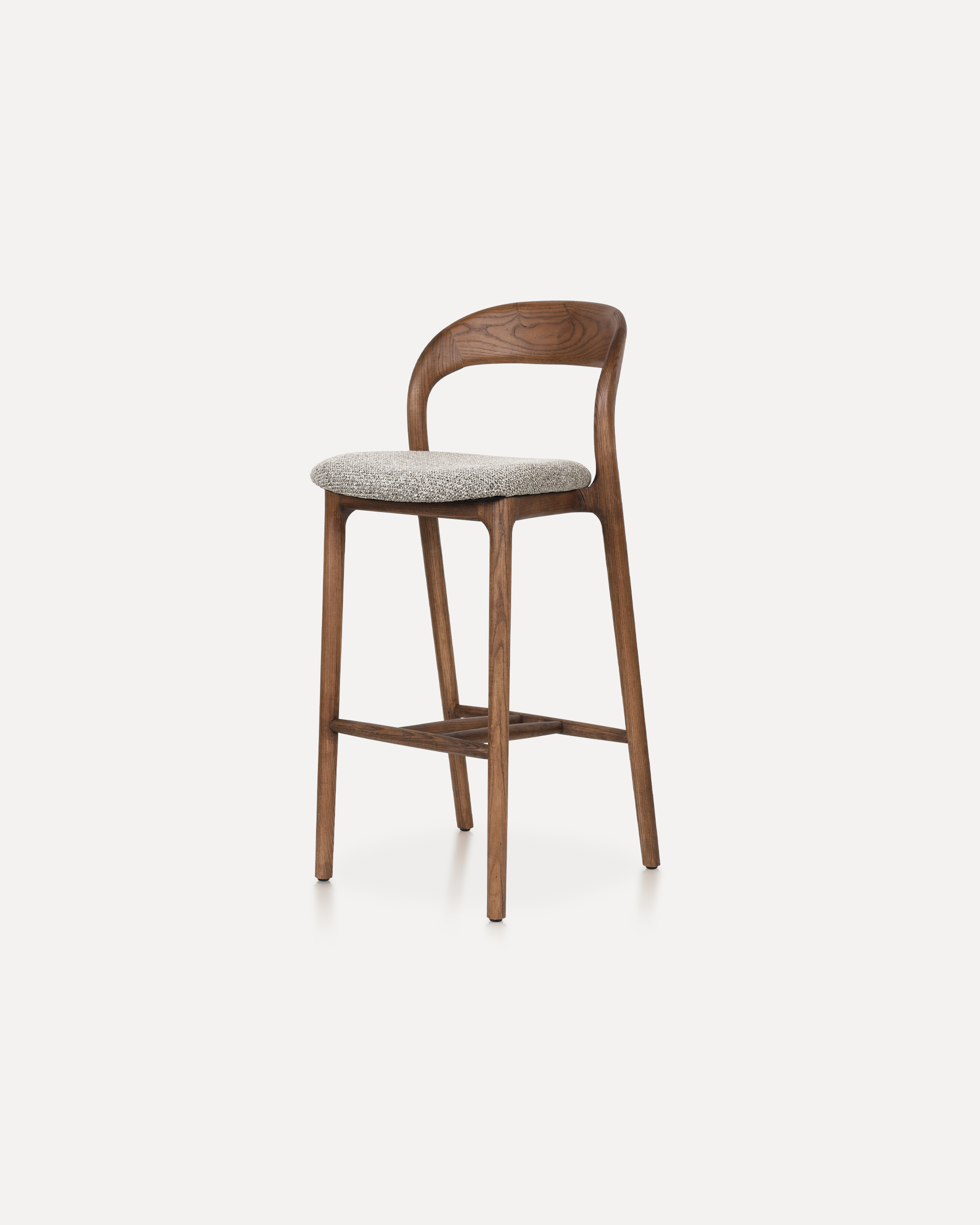
This Bar Chair is a counter-height seating solution crafted from solid ashwood ...
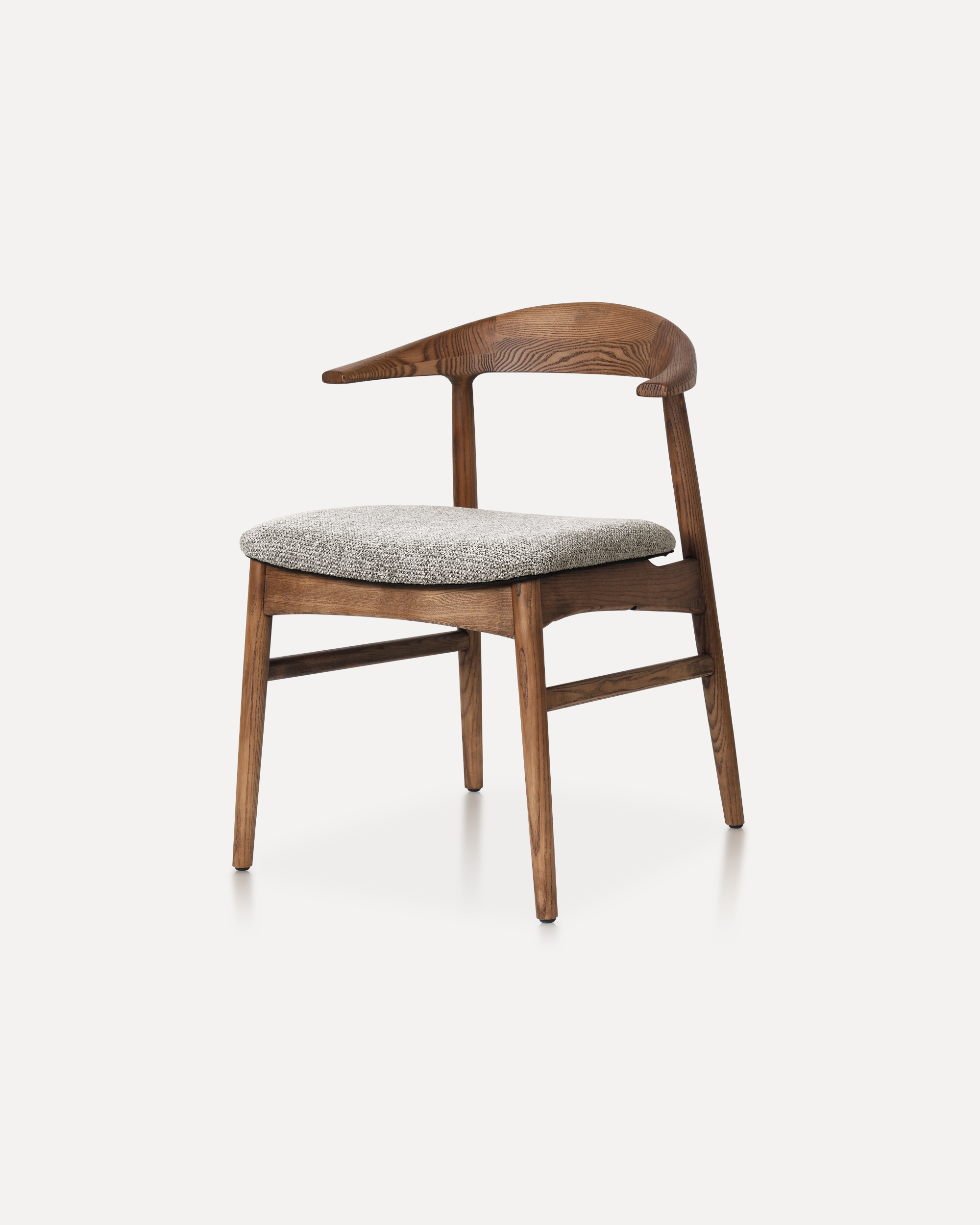
The Horizon Chair reinterprets mid-century warmth for today’s refined interiors...
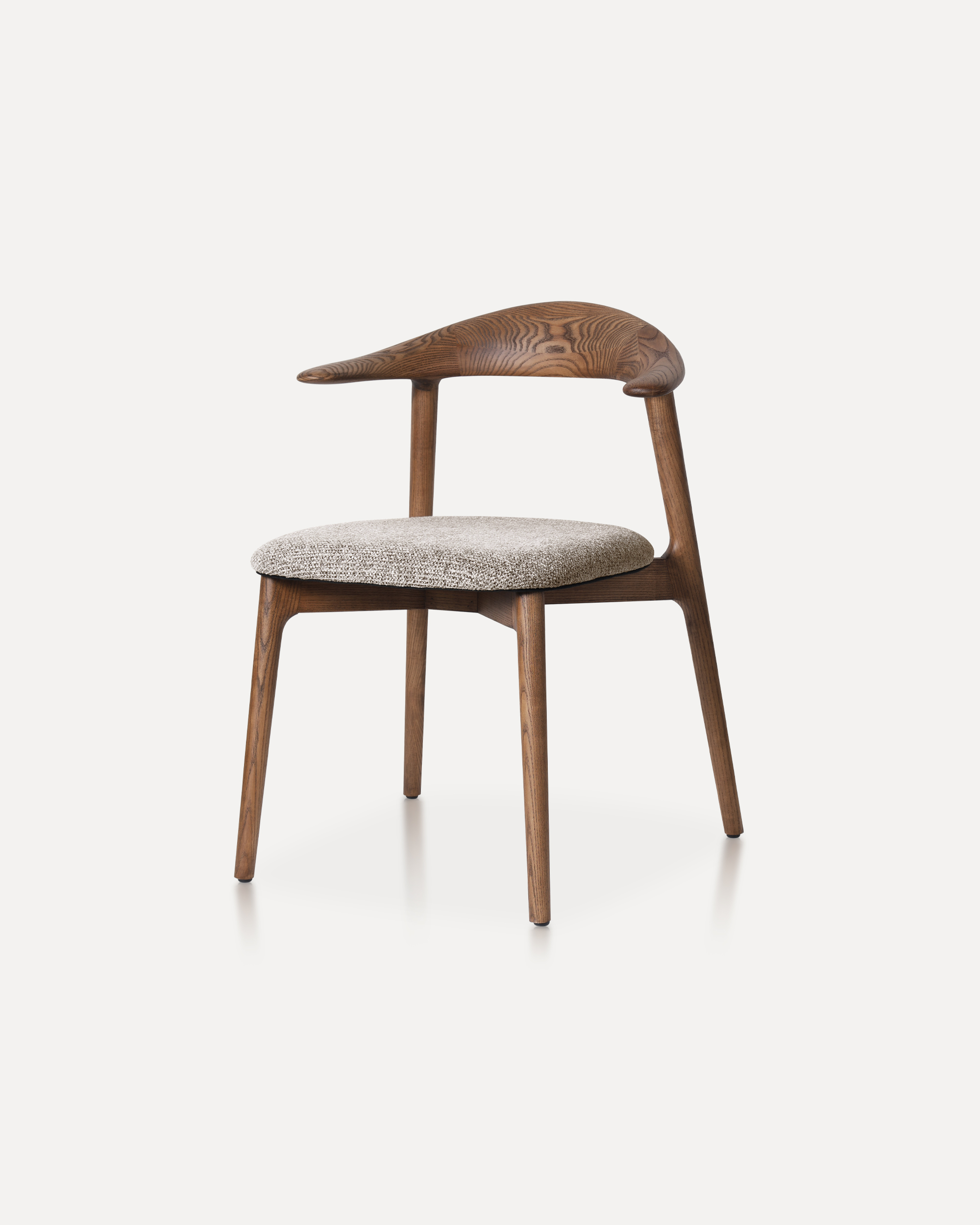
This classic features a striking, organic backrest carved from a single slab of...