
 English
  Français
 Español
Industry News
MENU

Content
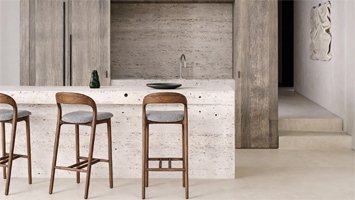
When integrating wood bar stools into your interior design, the primary appeal lies in their natural warmth and structural integrity. Unlike metal or plastic alternatives, timber seating offers a timeless aesthetic that matures beautifully over time. High-quality stools are typically crafted from hardwoods such as oak, walnut, maple, or rubberwood, ensuring they can withstand the rigors of daily use in high-traffic areas like kitchen islands or breakfast nooks. Choosing the right wood species not only dictates the color palette of your room but also determines the stool's resistance to dents and scratches.
Beyond simple aesthetics, the construction methods used in wooden counter stools play a critical role in longevity. Look for features such as mortise and tenon joinery or reinforced crossbars. These structural elements prevent the stool from becoming wobbly after repeated use. Additionally, the finish—whether it is a clear lacquer, a deep stain, or a rustic distressed paint—acts as a protective barrier against spills and moisture, which is essential for furniture placed near food preparation and dining areas.
One of the most common mistakes when purchasing wood bar stools is selecting the wrong height for the existing counter. To ensure a comfortable sitting experience, you must measure the distance from the floor to the underside of your counter or bar top. Generally, you want to allow for approximately 10 to 12 inches of space between the seat of the stool and the bottom of the counter to provide ample legroom for the average adult.
| Surface Type | Surface Height | Ideal Stool Seat Height |
| Kitchen Counter | 35 – 37 Inches | 24 – 27 Inches |
| Home Bar Top | 40 – 42 Inches | 28 – 32 Inches |
| Extra Tall / Commercial | 45 – 48 Inches | 33 – 36 Inches |
The choice between a backless wood bar stool and one with a full backrest depends on both space and comfort needs. Backless designs are excellent for small apartments because they can slide completely under the counter when not in use, keeping walkways clear. However, if you plan on using the stools for long dinners or as a workspace, a stool with a contoured wooden backrest or an upholstered cushion provides significantly better ergonomic support.
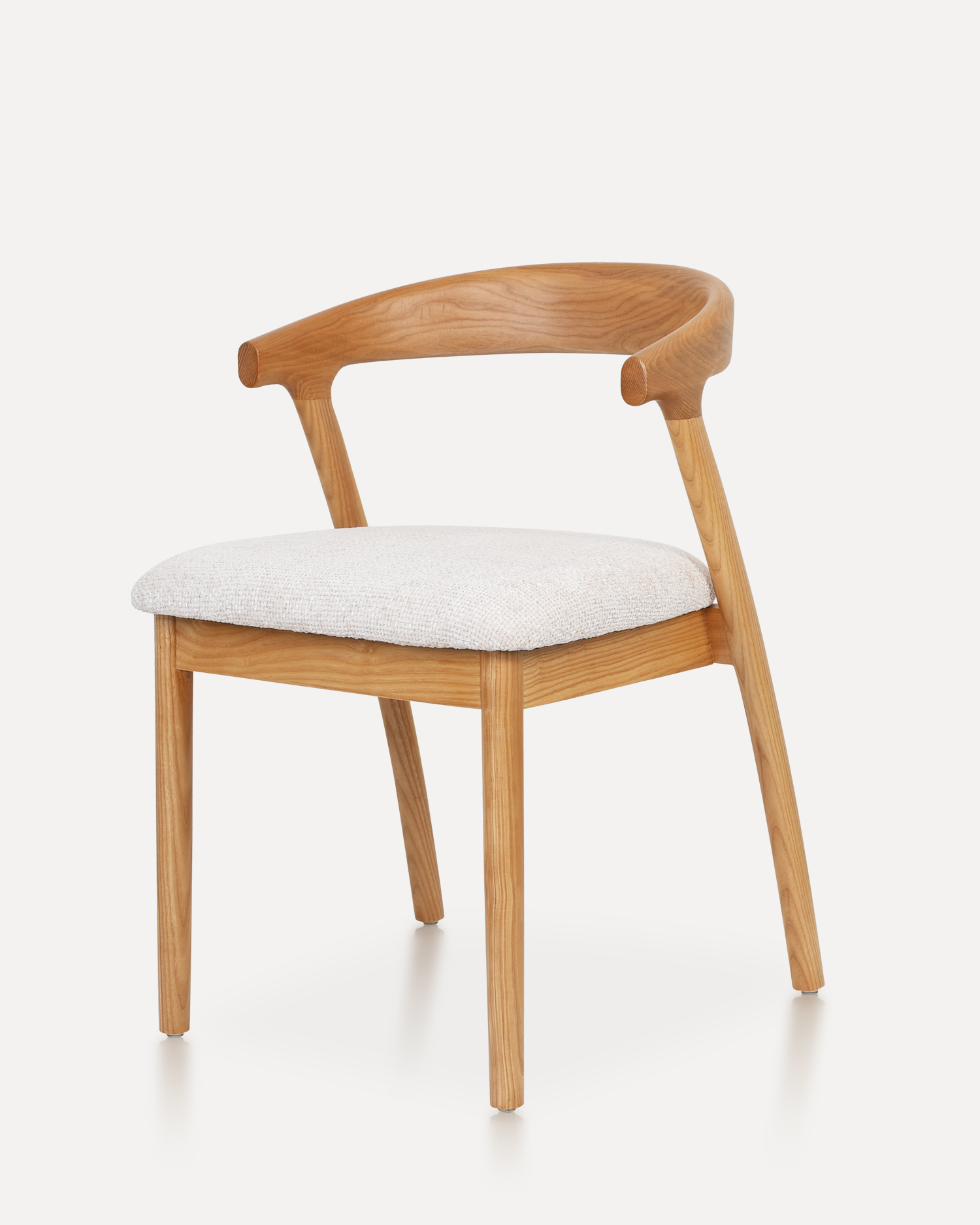
Adding a swivel function to your wood bar stools enhances accessibility and social interaction. A 360-degree swivel allows the user to turn easily toward a conversation or a television without having to drag the heavy wooden base across the floor. This is particularly useful in open-concept floor plans where the kitchen flows directly into the living area.
To keep your wood bar stools looking pristine, a consistent maintenance routine is required. Because wood is an organic material, it can react to extreme changes in humidity and temperature, which may cause minor warping or cracking if not properly cared for. Follow these practical steps to preserve the finish:
By focusing on the quality of the timber, the precision of the height, and the specific functional features like swivels or backrests, you can select wood bar stools that serve as both a practical seating solution and a beautiful design statement in your home.
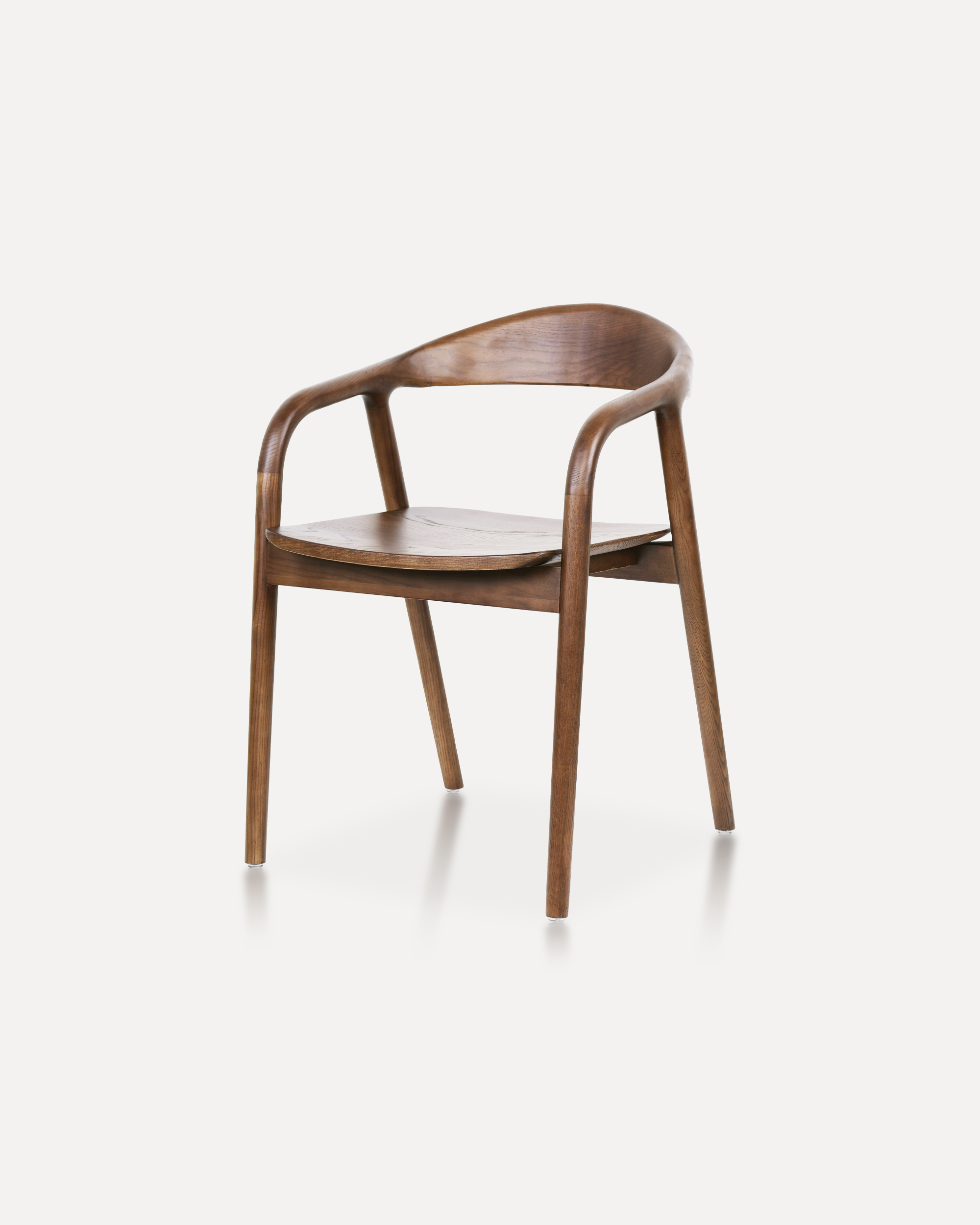
Crafted entirely from solid ash wood, this chair embodies a refined balance of ...
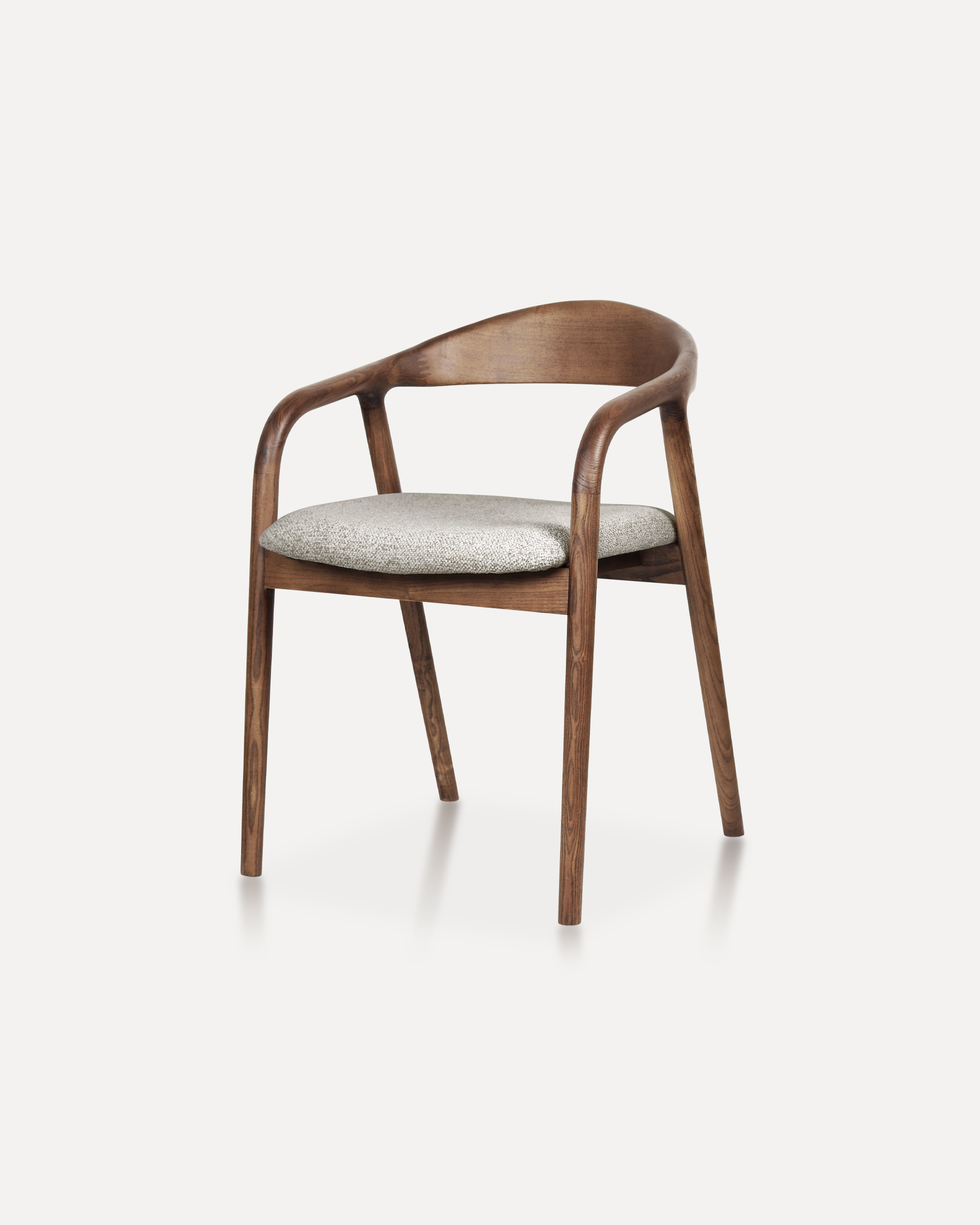
Showcases a refined silhouette with smooth, curved armrests and a gently rounde...
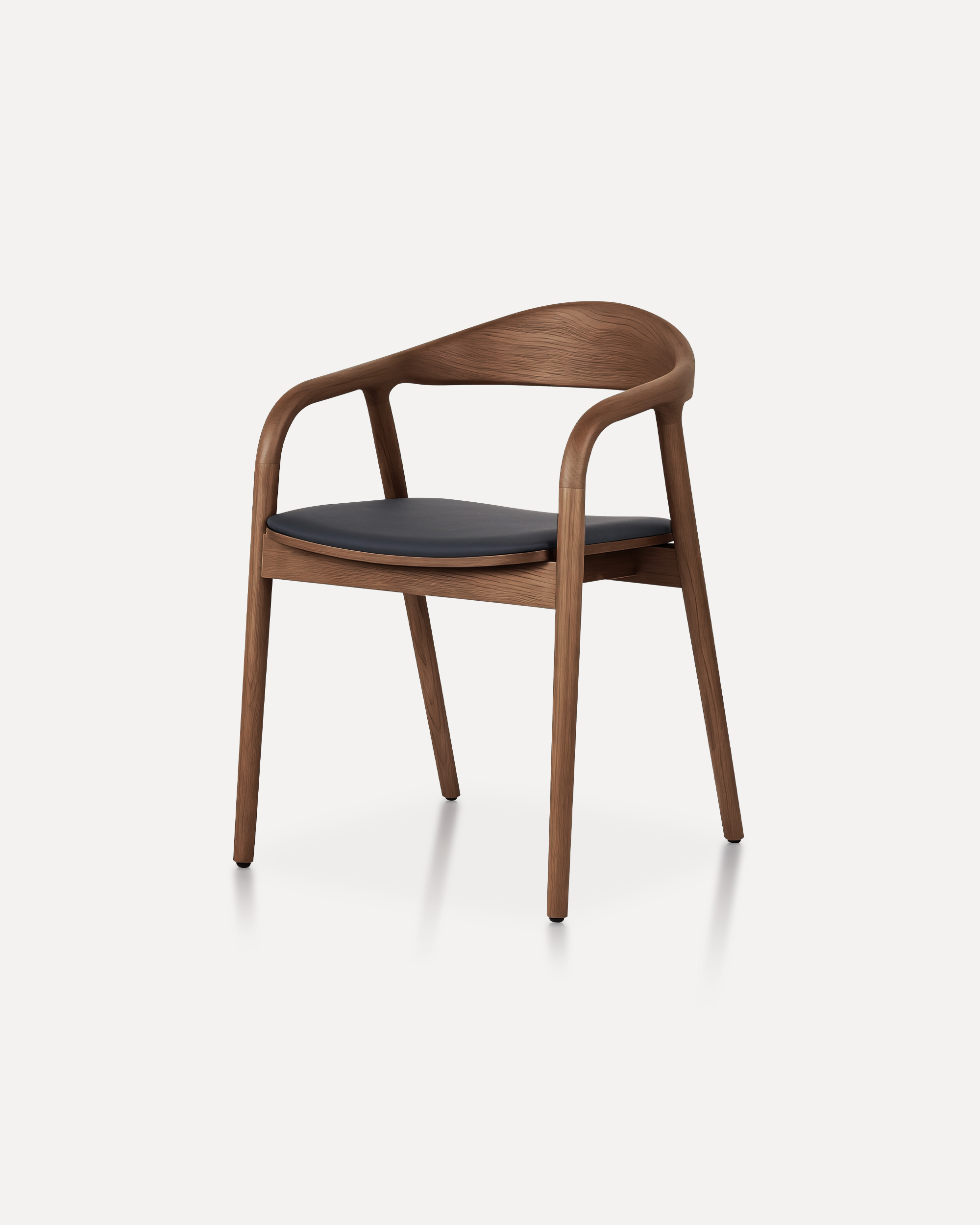
A masterclass in refined joinery and organic geometry, the Arc Chair features a...
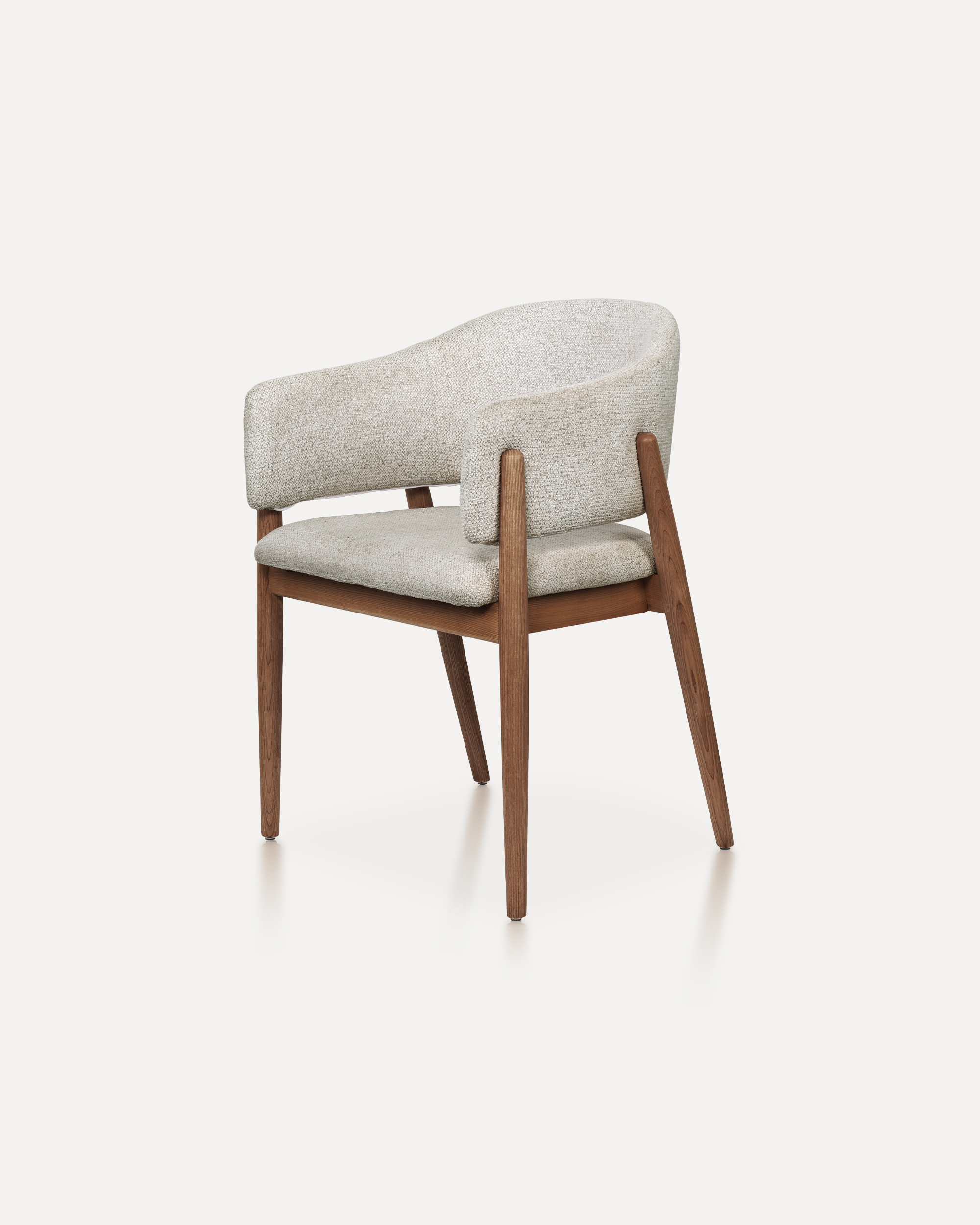
With its refined proportions and welcoming form, this chair brings quiet sophis...
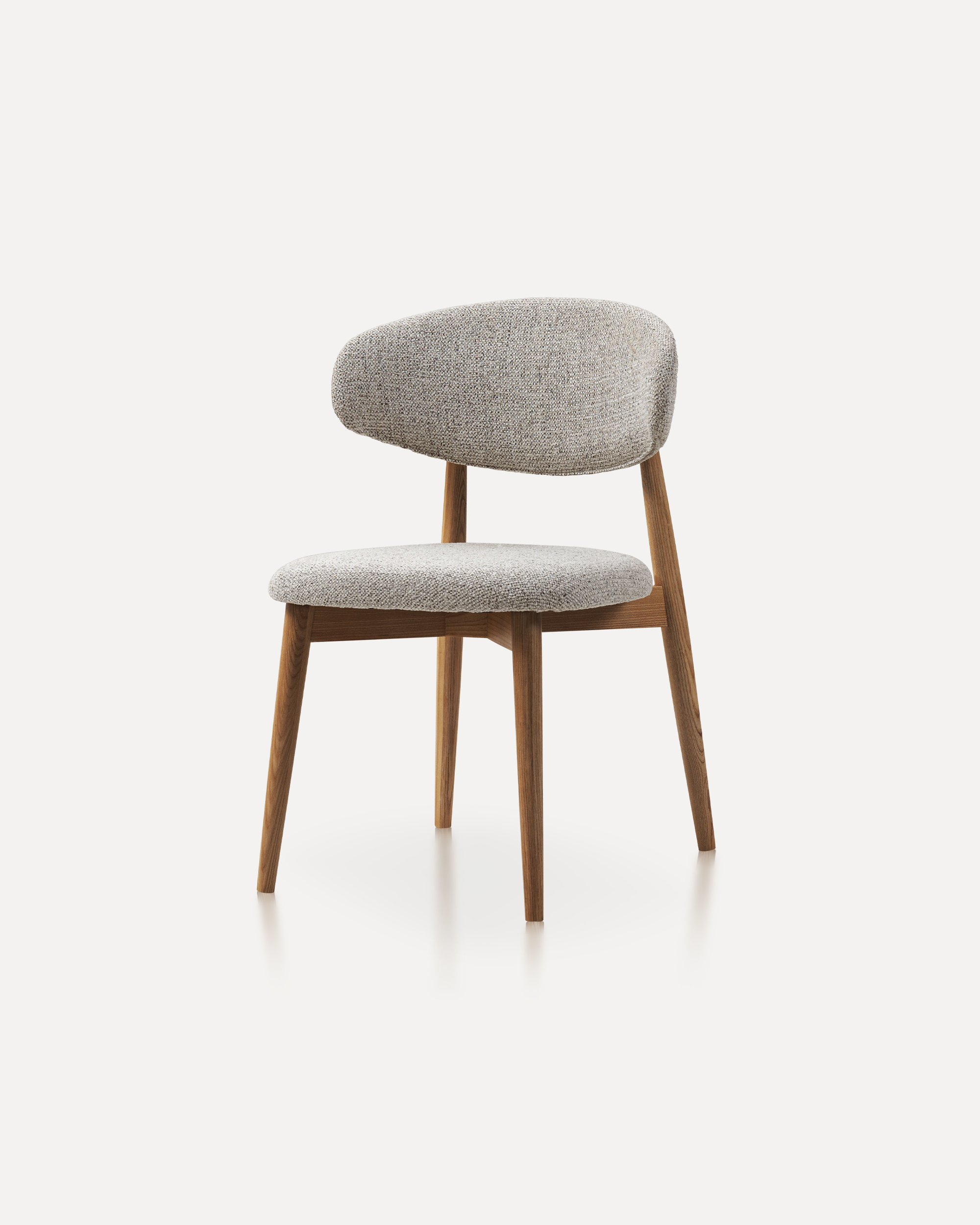
This wooden chair is a classic furniture piece that exudes warmth, durability, ...
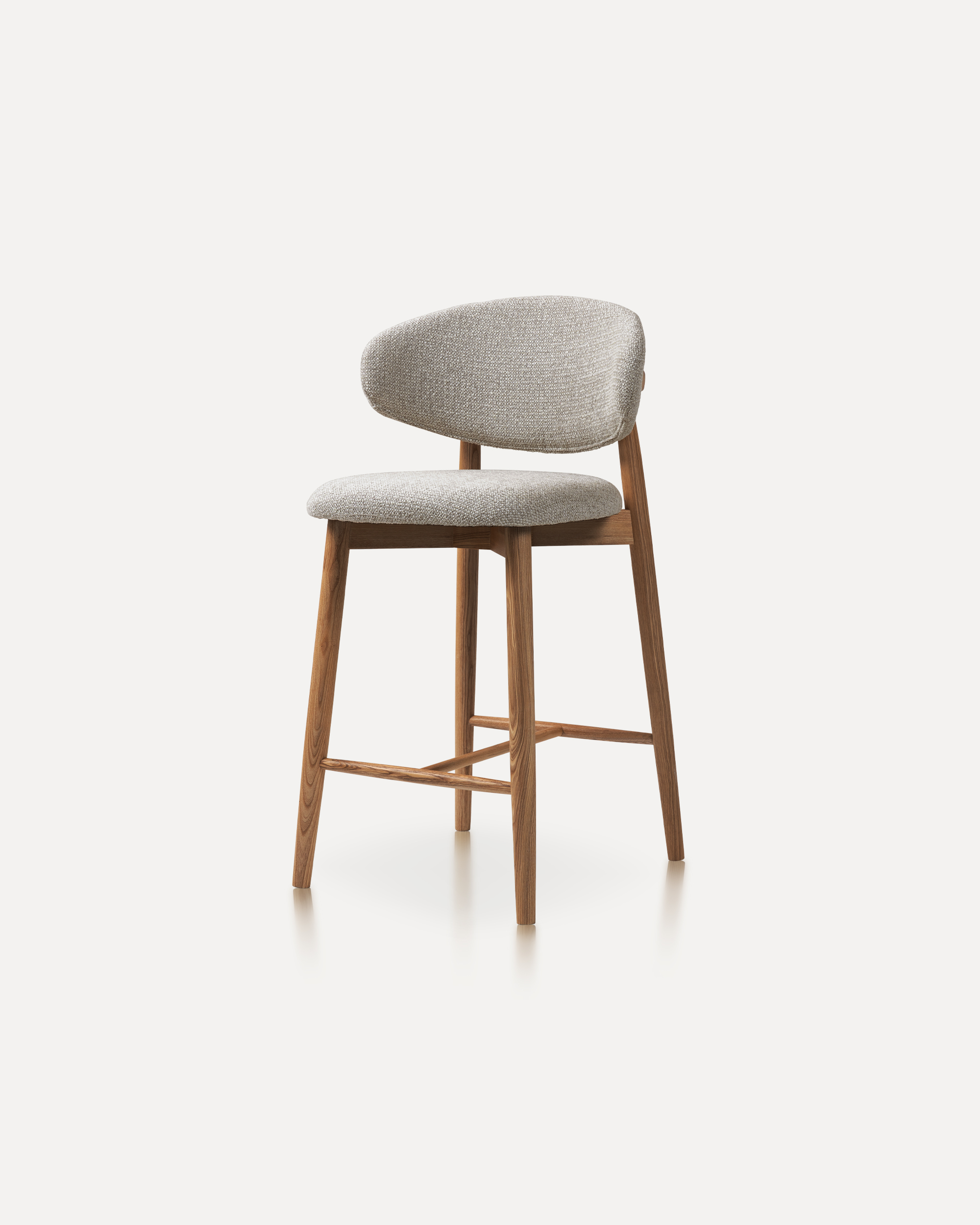
Our Wood Bar Stools are the perfect addition to any high-top table or bar setti...
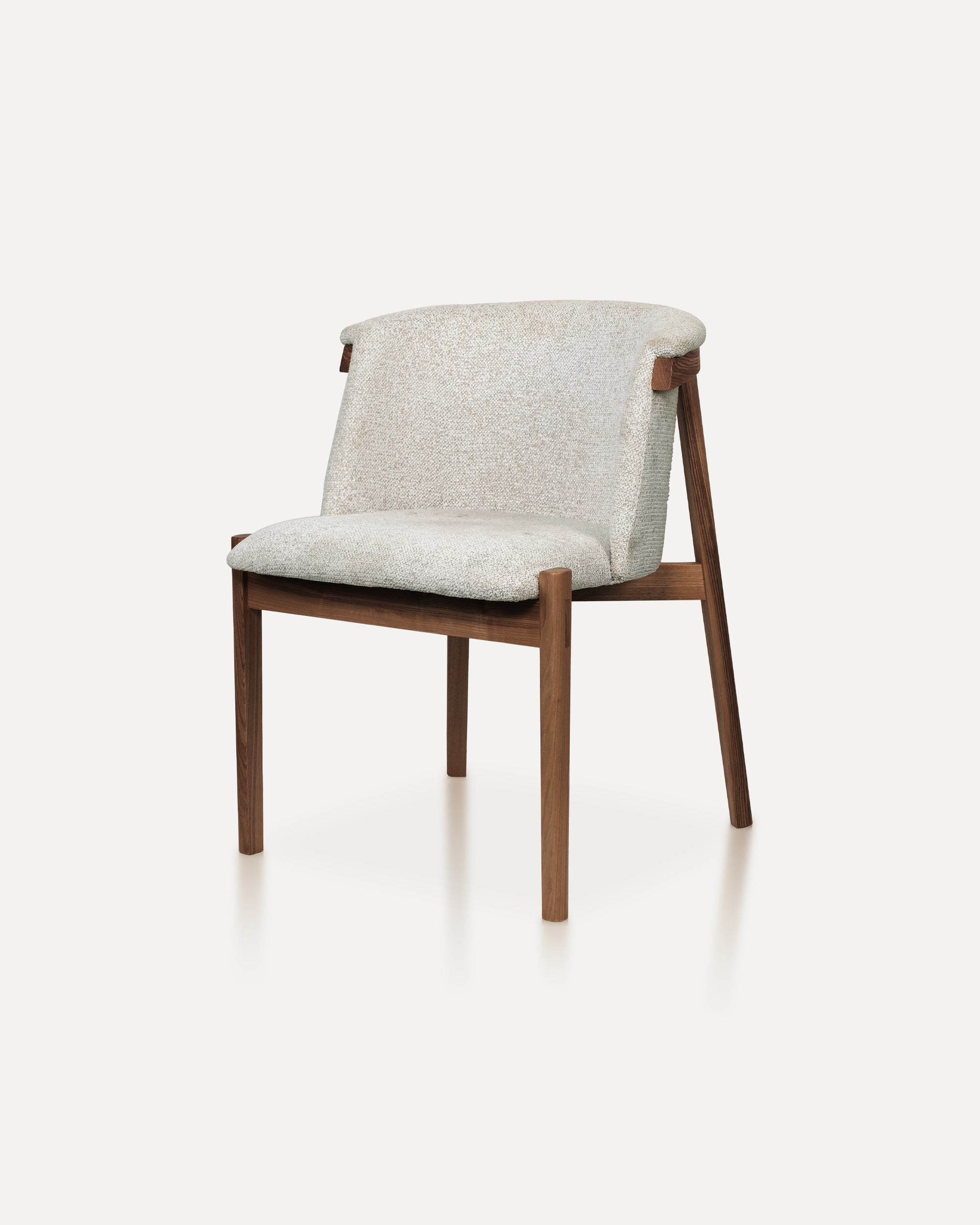
Bring natural elegance into your home with this finely crafted chair. The desig...
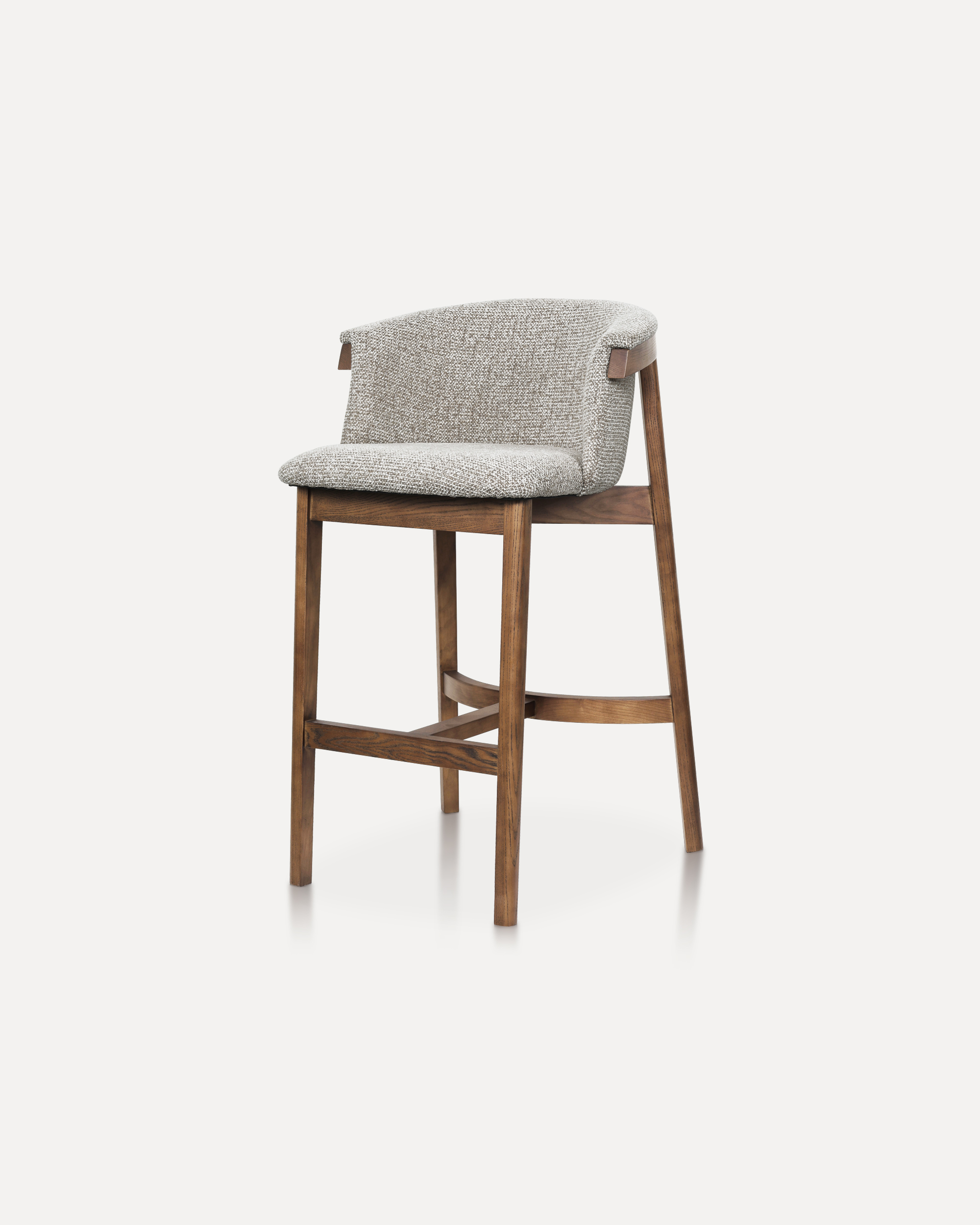
This sophisticated bar chair elevates any counter or high-top setting with its ...
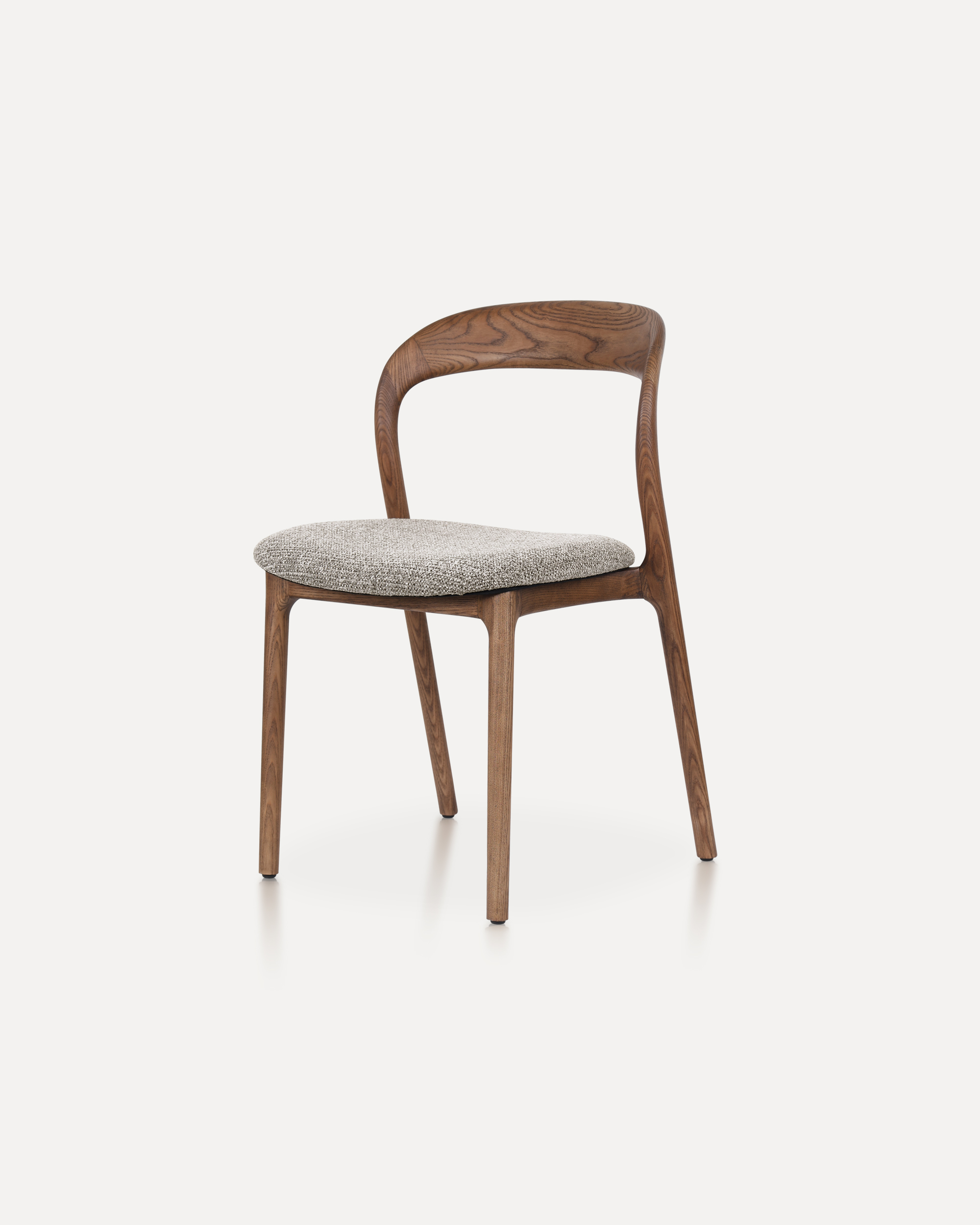
The Echo Chair is crafted from solid ashwood, featuring a unified back-and-arm ...
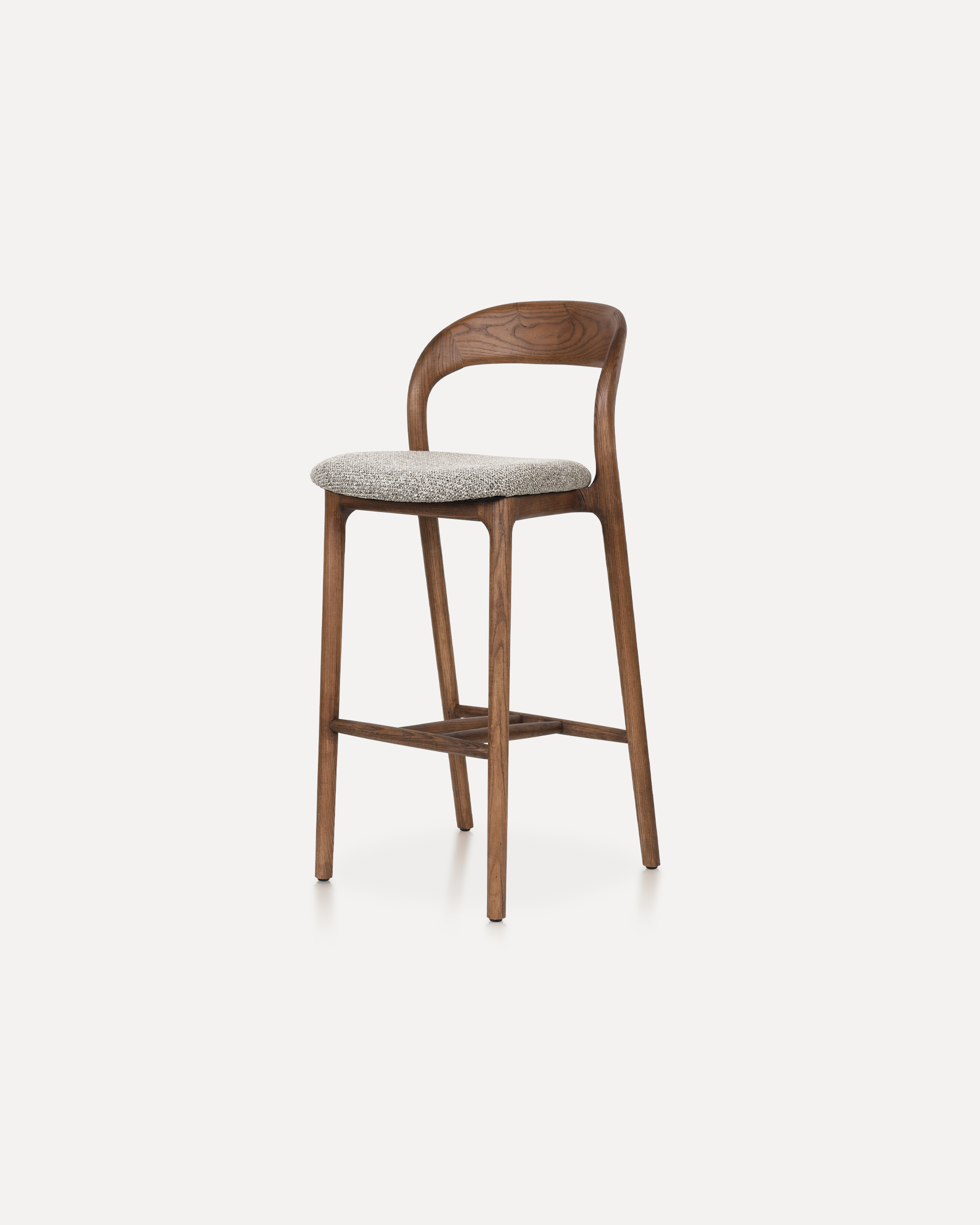
This Bar Chair is a counter-height seating solution crafted from solid ashwood ...
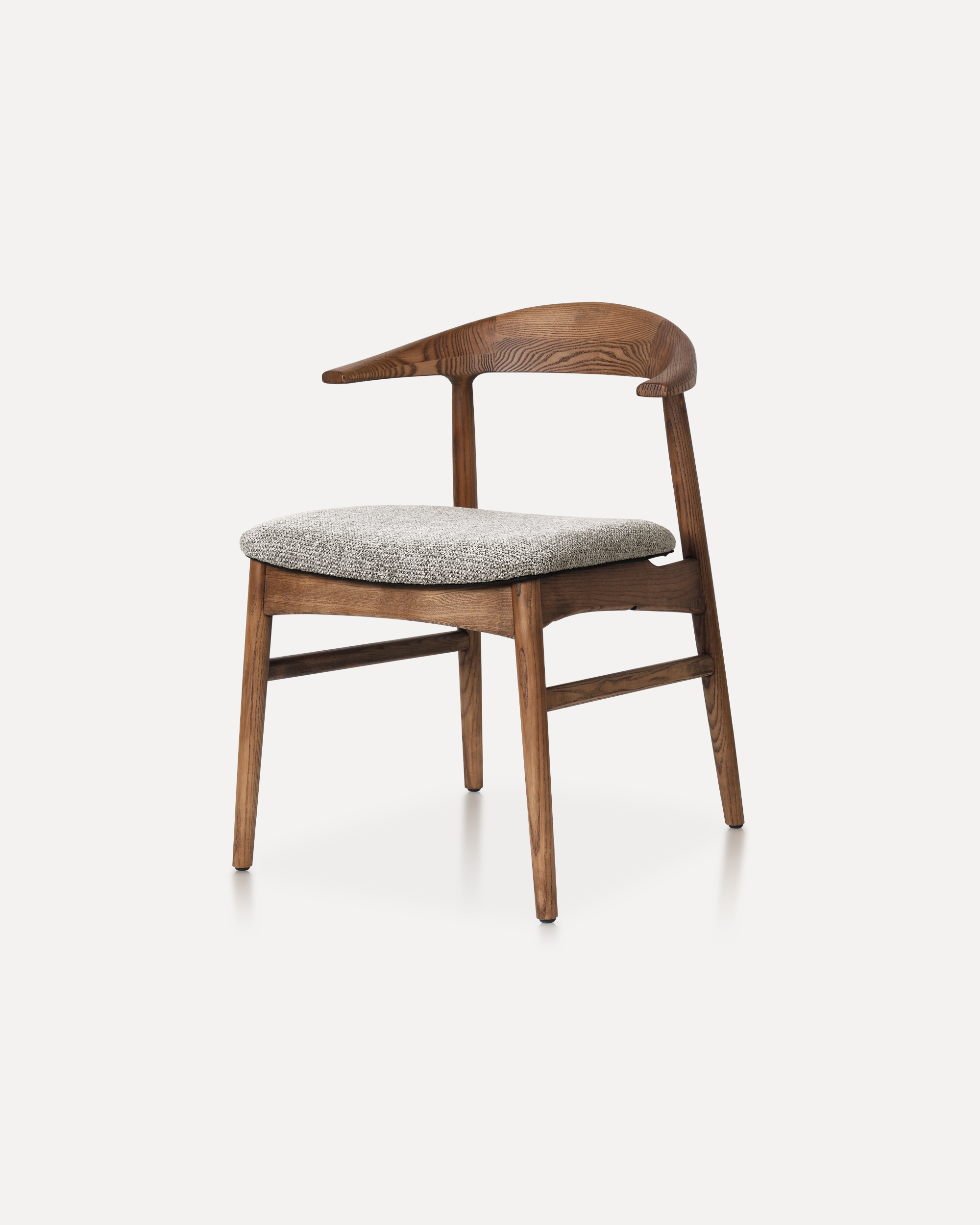
The Horizon Chair reinterprets mid-century warmth for today’s refined interiors...
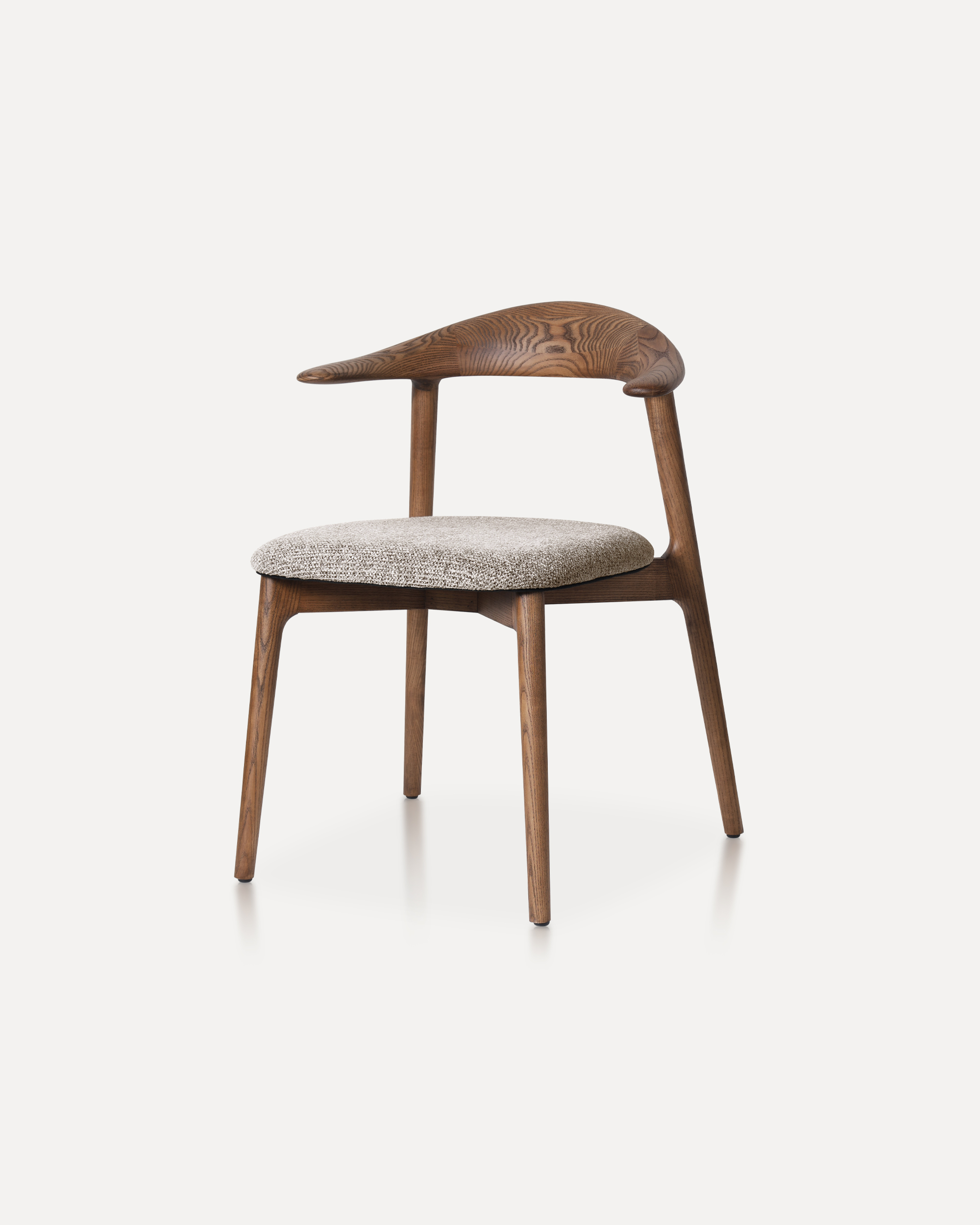
This classic features a striking, organic backrest carved from a single slab of...